
Flora
Dokumentationsnotation
Hinter den Kulissen · vollständige Notizen
- See Beasts for Wood People/Trunk People.
- This list is not complete; rather, it includes species that impact the economy/story to a greater extent.
- See Economy Calculator for Prices.
- Flora Average Soul Energy Tier is Tier I with 1 or less Soul Recharge/Day.
Kostenstufe nach Entfernung
Hinter den Kulissen · vollständige Notizen
-
Stufe I (Billige Waren)
- Berries, Fruit, Fungus & Grass.
-
Stufe II (Gewöhnliche Waren)
- Flowers, Mushrooms & Roots.
-
Stufe III (Teure Waren)
- Banned Items.
-
Stufe IV (Waren des Adels)
- Keine
Pflanzen
Emerenthy
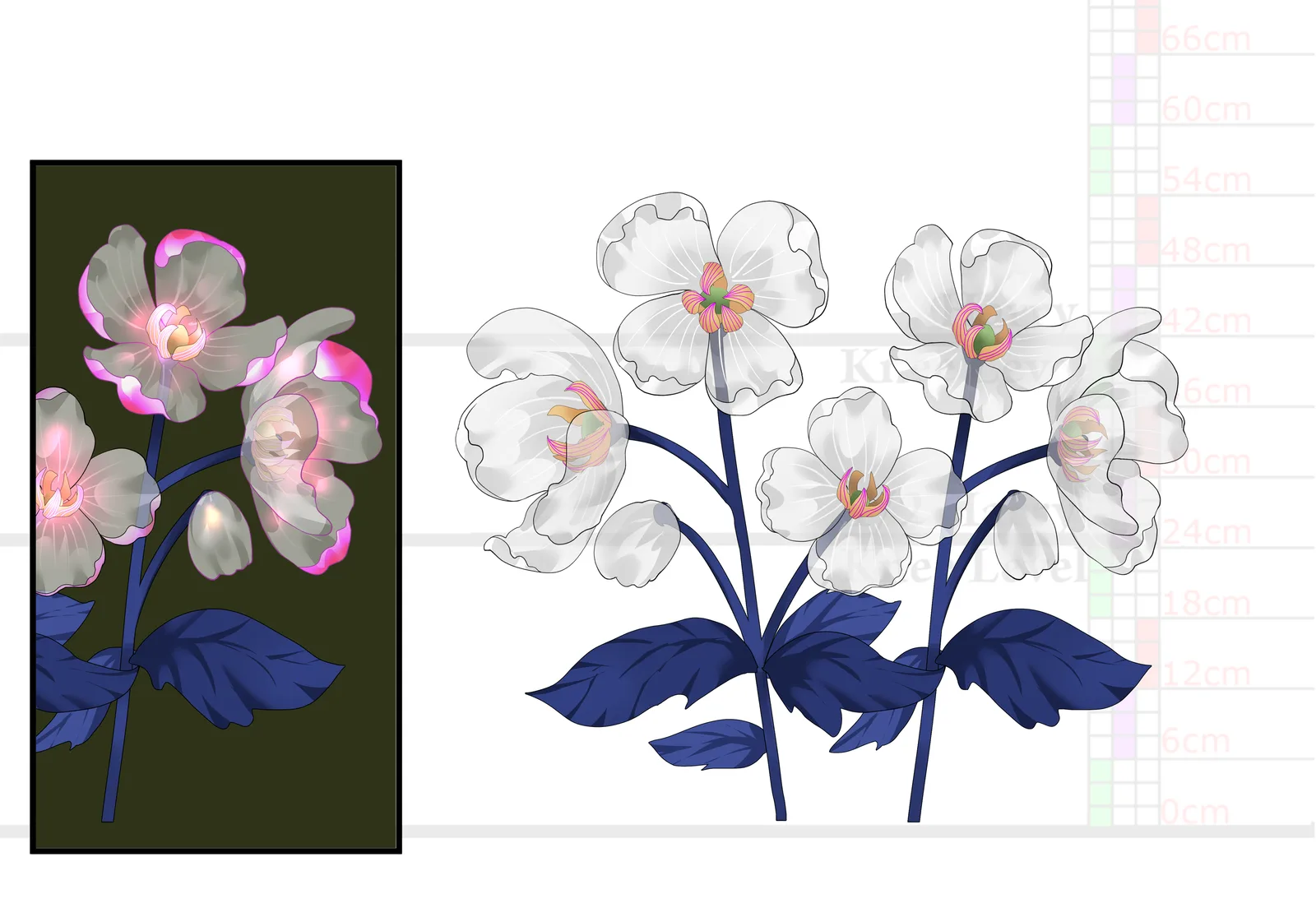
Emerenthy, oder für manche Methyl, ist eine verbreitete Pflanze in den Wäldern von Freeish. Vor allem dafür bekannt, Menschen und Tieren im Wald nachts ein wenig Licht zu spenden. Manche sagen, wenn Trunk people dich mögen, holen sie dir Methyl, um dich zu führen. Andere halten das für Egua-Scheiße und glauben, sie existieren nur, um Insekten anzulocken, die sich von ihrem süßen Nektar ernähren. Du kannst sie auch aus dem Boden reißen und als Notfackel schütteln, aber sie halten nicht lange. Wenn du aber genug davon sammelst, kannst du sie als ballaststoffreiche Zutat zu jeder Mahlzeit verwenden, wie Sellerie.
Öffentlicher Text: flora.md
Hinter den Kulissen · vollständige Notizen
-
Website-Beschreibung
- Emerenthy or methyl for some, is a common plant in the forests of Freeish. Mostly known for offering a bit of light at night for people and animals in the forest. Some say that if Trunk people like you, they will get the methyl to guide you. Others think it's egua shit and that they only exist to attract insects to feed on their sweet nectar. You can also rip them off the ground and shake them as an emergency torch, but they don’t last that long. But if you collect enough of them, you can use them as a fibrous addition to any meal, like celery.
-
Isekai-Geschichte
- A common plant that is commonly used for cooking.
-
Scientific History
- Phalaenopsis orchid
-
Habitat
- ~0km - ~1km. More common towards the forests near Freeish.
-
Economic Value
-
Emerenthy Flowers
- Isekai-Geschichte
- See above
- Visuelle Referenz
- See below
- Isekai-Geschichte
-
-
Tastes Like
- Neutral, watery, or mildly fresh flavor
-
Growth
- Two months in the wild.
-
Seelenenergie-Fähigkeiten
- Interface
- Transparent Petals
- Skills
- Biolight
- Interface
-
Visuelle Referenz
Girdol
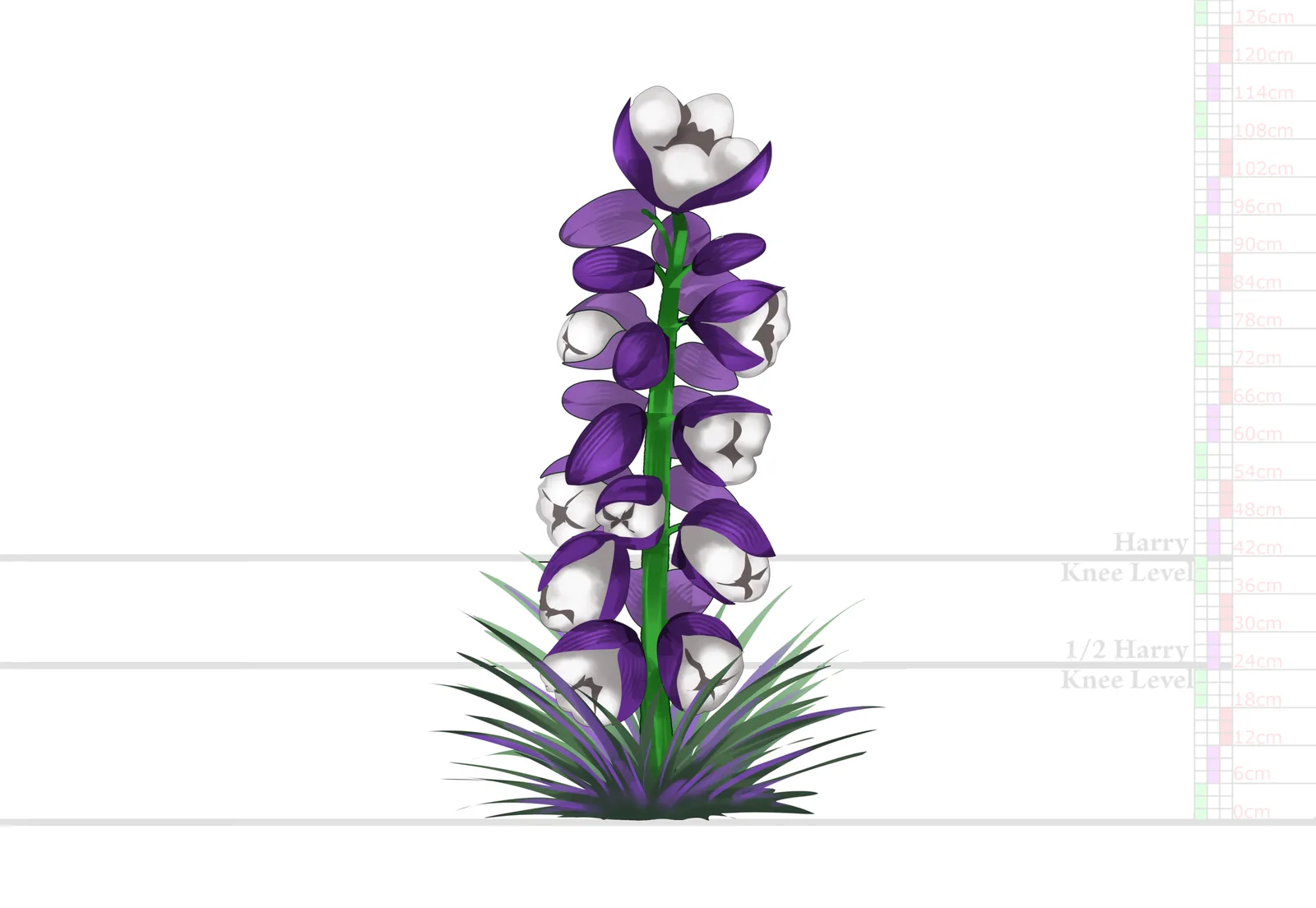
Girdol ist eine Pflanze, die oft für Nari-Gele verwendet wird, wegen ihrer darmverändernden Eigenschaften, oder als Tee wegen ihres zitronigen, beruhigenden Geschmacks. Man findet sie leicht in der Wildnis, aber da die Toleridemier weiter oben leben, pflegen sie sie lieber zu Hause oder im Gemeinschaftsgewächshaus, so viel wie sie davon verbrauchen, um nach einer großen Mahlzeit ihren Magen zu beruhigen.
Öffentlicher Text: flora.md
Hinter den Kulissen · vollständige Notizen
-
Website-Beschreibung
- Girdol is a plant often used in nari gels for its gut-changing properties or as a tea for its lemony, soothing taste. You can find it easily in the wild, but since Toleridemians live higher up, they tend to care for it in their home or community greenhouse instead, given how much they consume to ease their stomach after a large meal.
-
Isekai-Geschichte
- A common plant used in Nari gels and teas. Can be soothing for the stomach or cause diarrhea and puke depending on the amount ingested.
-
Scientific History
- Dandelion
-
Habitat
- ~0 km on Lower plains, especially in plains
-
Economic Value
-
Girdol Flowers
- Isekai-Geschichte
- See above
- Visuelle Referenz
- See below
- Isekai-Geschichte
-
-
Tastes Like
- Lemony like
-
Growth
- Several months in the wild
-
Seelenenergie-Fähigkeiten
- Interface
- Petals
- Skills
- Faint Luminescence
- Interface
-
Visuelle Referenz

Magina
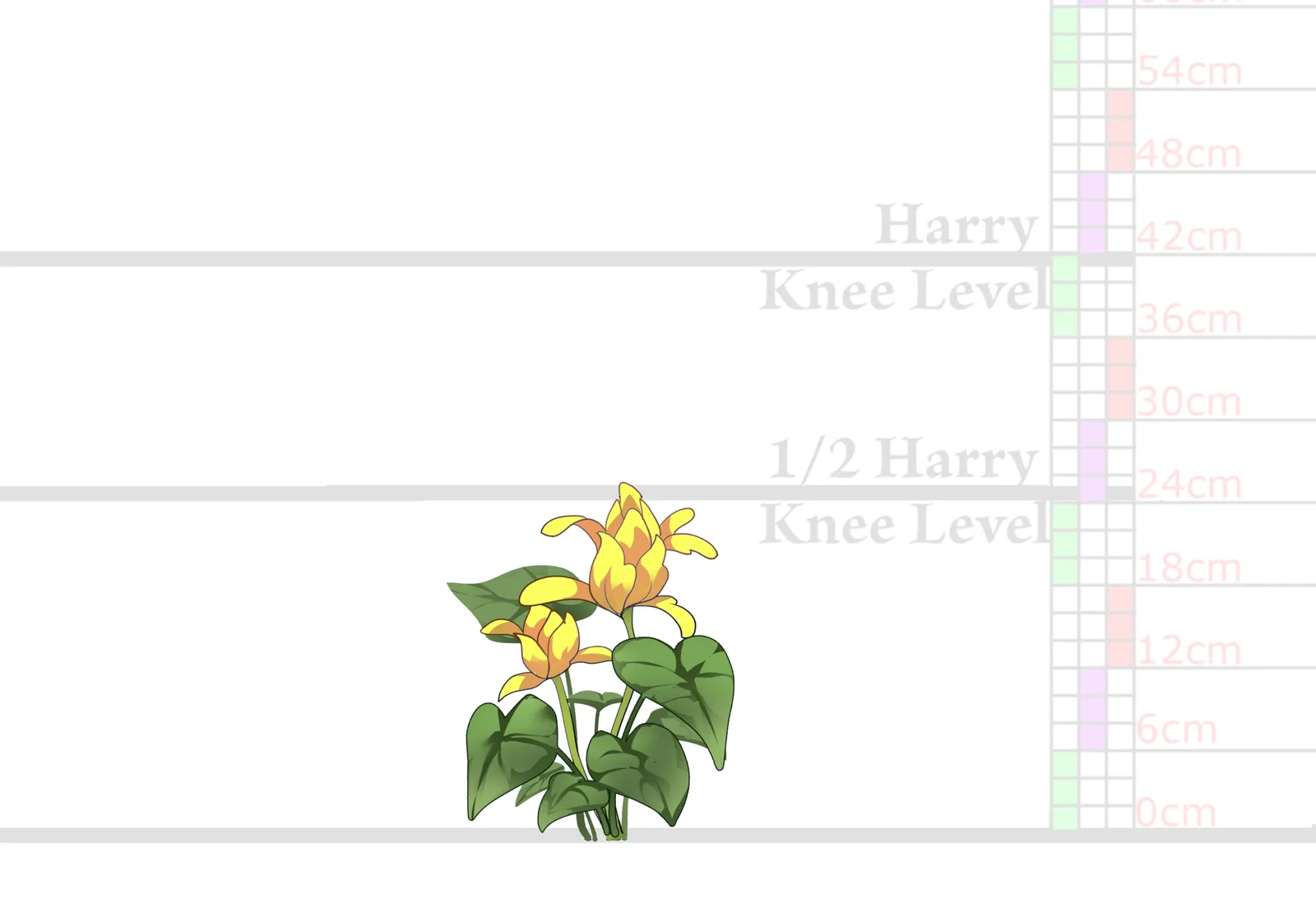
Magina ist eine starke bewusstseinsverändernde Droge, die Forway wegen der gesellschaftlichen Risiken verboten hat. Konsumenten erleben einen glückseligen Zustand, in dem sie ihre Träume ausleben, oder Albträume, wenn sie einen schlechten Trip haben, und zwar so realistisch, dass diese Leute hinterher schwören, das Ereignis sei ihnen wirklich passiert, statt zu begreifen, dass alles nur ein lebhafter Traum war. Einige hoch angesehene Wissenschaftler erforschen sie immer noch, um bestimmte psychische Leiden wie PTBS zu heilen, indem sie versuchen, die Droge zu zügeln und zu kontrollieren, aber der Erfolg ist durchwachsen, denn jeder Mensch reagiert so einzigartig darauf, dass es schwer ist, Muster zu finden. Wenn du jemanden siehst, der völlig weggetreten ist, selbst nachdem du ihm ins Gesicht geschlagen hast, nimmt er ganz sicher Magina, die höchstwahrscheinlich auf dem Schwarzmarkt bei der Fraktion Black Magina gekauft wurde.
Öffentlicher Text: flora.md
Hinter den Kulissen · vollständige Notizen
-
Website-Beschreibung
- Magina is a potent mind-altering drug that Forway banned, given the societal risks it imposes. Users experience a blissful state where they live out their dreams or nightmares, with such a realistic trip that afterward they swear the event actually happened to them rather than realizing it was all just a vivid dream. Some highly renowned scientists still research it to cure specific mental ailments like PTSD by trying to rein in and control the drug, but success has been spotty as each individual reacts so uniquely to it that it's hard to find patterns. If you see someone completely zoned out, even after you punch them in the face, they are definitely using Magina, with it most likely being bought on the black market from the Black Magina faction.
-
Isekai-Geschichte
- A rarer wild plant that is commonly used for sleeping, Nari Gels, or as a sedative. Its yellow petals are so yellow that they are reflective.
- When smoked, it gives a strong “laid-back” vibe. Like sitting still somewhere for hours, just watching time pass. You feel hungry, but that doesn’t bother you. People can punch you, and that doesn’t bother you. People tend to hallucinate vividly as well, completely forgetting about their physical presence
-
Scientific History
- Sassafras
-
Habitat
- ~0km - ~1km
-
Economic Value
-
Magina Flowers
- Isekai-Geschichte
- See above
- Visuelle Referenz
- See below
- Isekai-Geschichte
-
-
Tastes Like
- White Cheddar
-
Growth
- Three months in the wild.
-
Seelenenergie-Fähigkeiten
- Interface
- Petals
- Skills
- Spray Sleep Spell in Self-Defense
- Interface
-
Visuelle Referenz
 *Yellow petals.
Nica
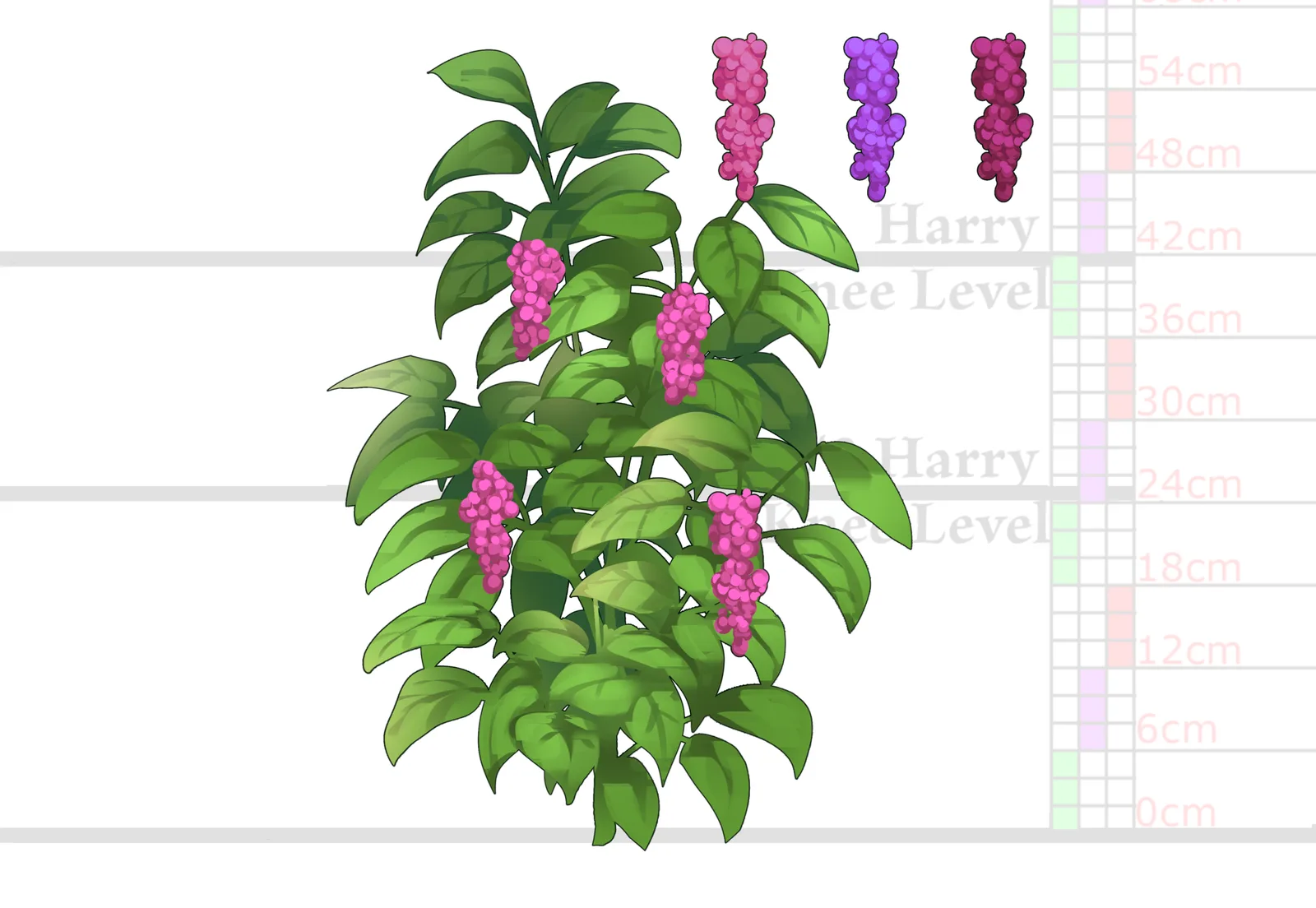
Nica ist ein Liebling vieler Köche! Ihre Samen ändern den Geschmack von kreuzkümmelartig, wenn sie leuchtend rosa und unreif sind, zu einem Geschmacksprofil eher wie schwarzer Pfeffer, wenn sie reif sind und eine tiefere Weinfarbe haben. Manche fanden eine Verwendung für sie in Nari-Gelen, da sie die Hautfarbe verändern und auch Insekten abwehren kann—allerdings riecht die Person, die sie benutzt, meist auch stark nach Nica-Pfeffer, also wenn sie das nicht mag, nimmt sie besser etwas anderes.
Öffentlicher Text: flora.md
Hinter den Kulissen · vollständige Notizen
-
Website-Beschreibung
- Nica is a favorite of many chefs! Its seeds change from a cumin-like taste when it's bright pink and unripe to a more black-pepper profile when it's ripe, with a deeper wine color. Some people found a use for it on nari gel, as it has properties that change skin color and repel insects as well—although the person using it tends to smell strongly of Nica peppers, too, so if they don't like it, they are better off using something else.
-
Isekai-Geschichte
- A common plant that is commonly used for cooking.
-
Scientific History
- Piper Nigrum
-
Habitat
- ~0km - ~1km
-
Economic Value
-
Magina Flowers
- Isekai-Geschichte
- See above
- Visuelle Referenz
- See below
- Isekai-Geschichte
-
-
Tastes Like
- Seeds taste like Black Pepper mixed with Cumin taste.
- More black pepper as the older it gets (deep wine), with cumin, the younger it is (pink)
- Seeds taste like Black Pepper mixed with Cumin taste.
-
Growth
- One Month in the wild, another three months for maturation.
-
Seelenenergie-Fähigkeiten
- Interface
- ?
- Skills
- ?
- Interface
-
Visuelle Referenz
Steen
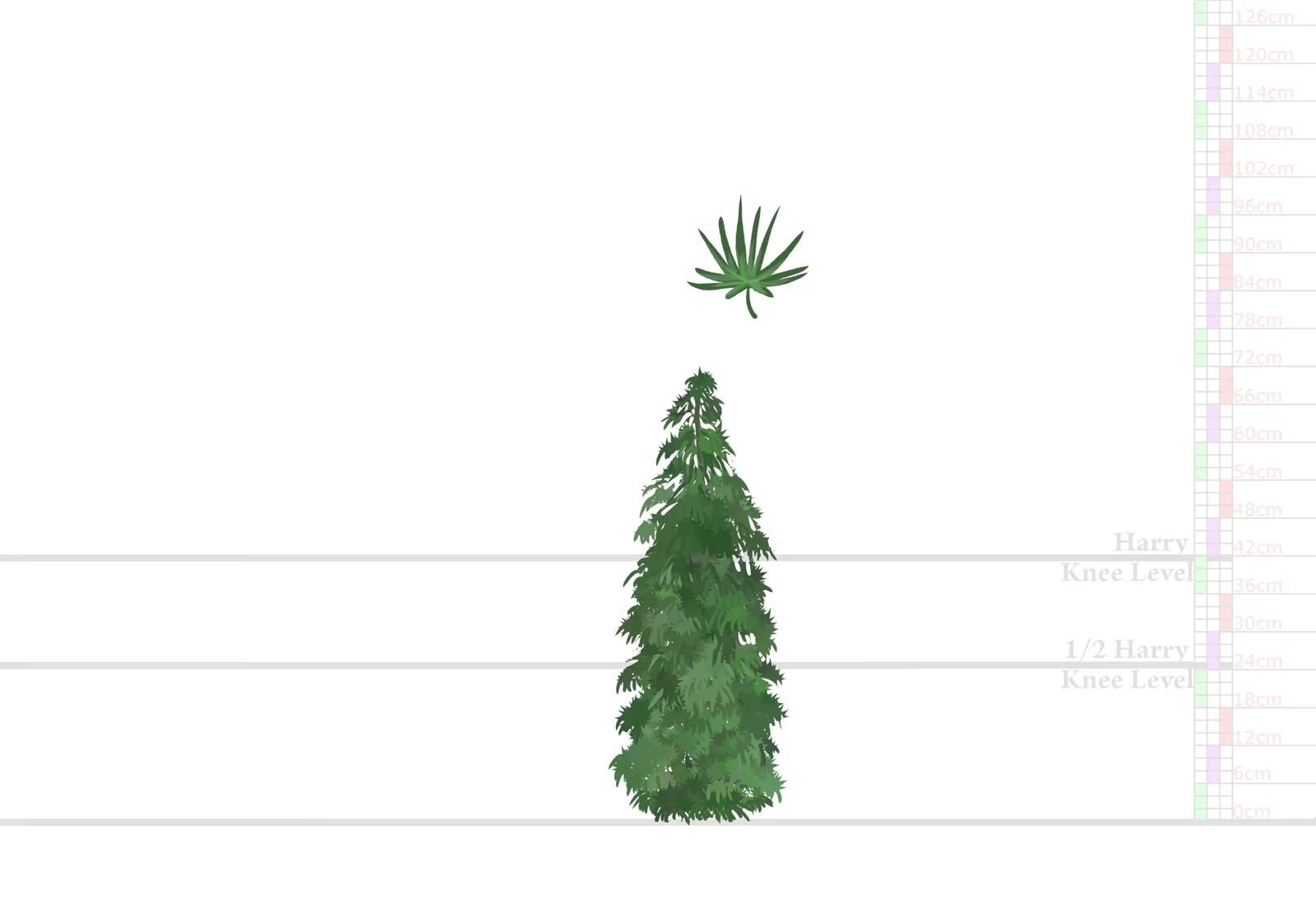
Steen findet man leicht im Mund von Bürgern aus Sanbi, denn sie kauen gern auf den Stängeln herum, um sich die Zeit zu vertreiben. Sie hat eine beruhigende, leicht kühlende Wirkung, und auch einige Darfaries haben die Angewohnheit übernommen. Obwohl sie in Gandew nicht beliebt ist, werden Konsumenten fauler und träge, besonders beim Kauen der Blätter, wo die Wirkung stärker ist. Man sieht sie auch in Nari-Gelen, wobei sowohl Jäger als auch Wachen von Sanbi gerne ihre Pfeilspitzen damit bestreichen, um ihre Beute und widerspenstige Leute zu vergiften, damit sie langsamer werden und sich stattdessen entspannen.
Öffentlicher Text: flora.md
Hinter den Kulissen · vollständige Notizen
-
Website-Beschreibung
- Steen is commonly found in the mouths of Sanbi citizens, who love to chew on the stems to pass the time. It has a calming, slightly chilling effect, with some Darfaries also picking up the habit. Although it is not popular in Gandew, users become lazier and lethargic, especially when chewing the plant leaves, where the effect is more potent. You can also see it in nari gels, with both hunters and Sanbi guards loving to plaster the tip of their arrows with it to toxify their prey and unruly people into slowing down and chilling out instead.
-
Isekai-Geschichte
- A wild plant often chewed like gum or used in teas/Nari gels. Has a calming effect.
- If lit up on fire, it has a strong weed smell.
- People haven’t figured out a way to domesticate this plant yet. It has high fiber content and can be used for clothing.
- A wild plant often chewed like gum or used in teas/Nari gels. Has a calming effect.
-
Scientific History
- Cannabis sativa
-
Habitat
- ~0km - ~1km
- In the wild.
-
Economic Value
-
Steen Leaves
- Isekai-Geschichte
- See above
- Visuelle Referenz
- See below
- Isekai-Geschichte
-
Steen Fiber
- Isekai-Geschichte
- See above
- Visuelle Referenz
- See below
- Isekai-Geschichte
-
-
Tastes Like
- Minty, but more grassy and oily. Somewhat chewy.
-
Growth
- Several months in the wild.
-
Seelenenergie-Fähigkeiten
- Interface
- Keine
- Skills
- Keine
- Interface
-
Visuelle Referenz

Tibou
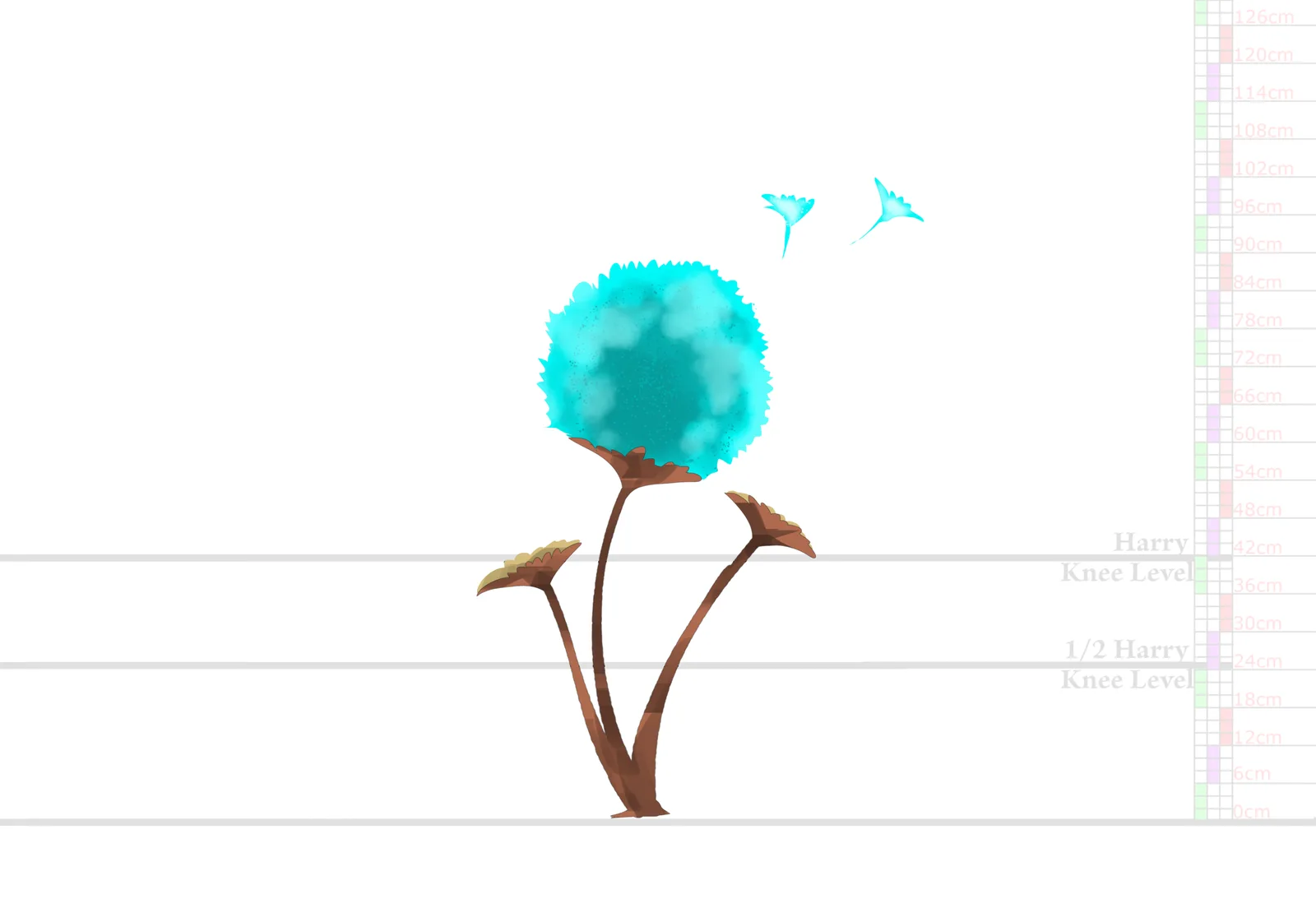
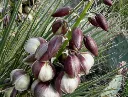
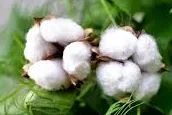
Tibou wird auch für Nari-Gele verwendet, aber meist, um deinem Schweiß antibakterielle und pilzhemmende Eigenschaften zu verleihen. Es ist im Grunde wie eine Dusche von innen nach außen, und gepflegte Abenteurer greifen darauf zurück, um gut zu riechen, wenn sie schnell durch eine Stadt kommen! Ansonsten ist es die bevorzugte Pflanze als Grundlage für Seifen, Shampoos und sogar Textilien, denn ihre baumwollartige Faser ist ziemlich angenehm, wenn auch nicht so haltbar.
Öffentlicher Text: flora.md
Hinter den Kulissen · vollständige Notizen
-
Website-Beschreibung
- Tibou is also used in nari gels, but mostly to give your sweat antibacterial and antifungal properties. It's essentially like taking a shower from the inside out, with self-aware adventurers resorting to using it to smell good when quickly passing through town! Otherwise, it's the go-to plant for soaps, shampoos, and even textiles, and its cotton-like fiber is quite comfortable, albeit not as durable.
-
Isekai-Geschichte
- One of the most sought-after plants to make soap and shampoos out of the shells. Not really used in teas, but some do like it.
- The cotton-like fiber protected by the case is used in fabric.
-
Scientific History
- Yucca Glauca
-
Habitat
- ~0km - ~1km
- Farmed in the grasslands
-
Economic Value
-
Tibou Flowers
- Isekai-Geschichte
- See above
- Visuelle Referenz
- See below
- Isekai-Geschichte
-
-
Tastes Like
- Lavender with coconut soap.
-
Growth
- One month in the wild.
-
Seelenenergie-Fähigkeiten
- Interface
- Keine
- Skills
- Keine
- Interface
-
Visuelle Referenz
Obstbäume
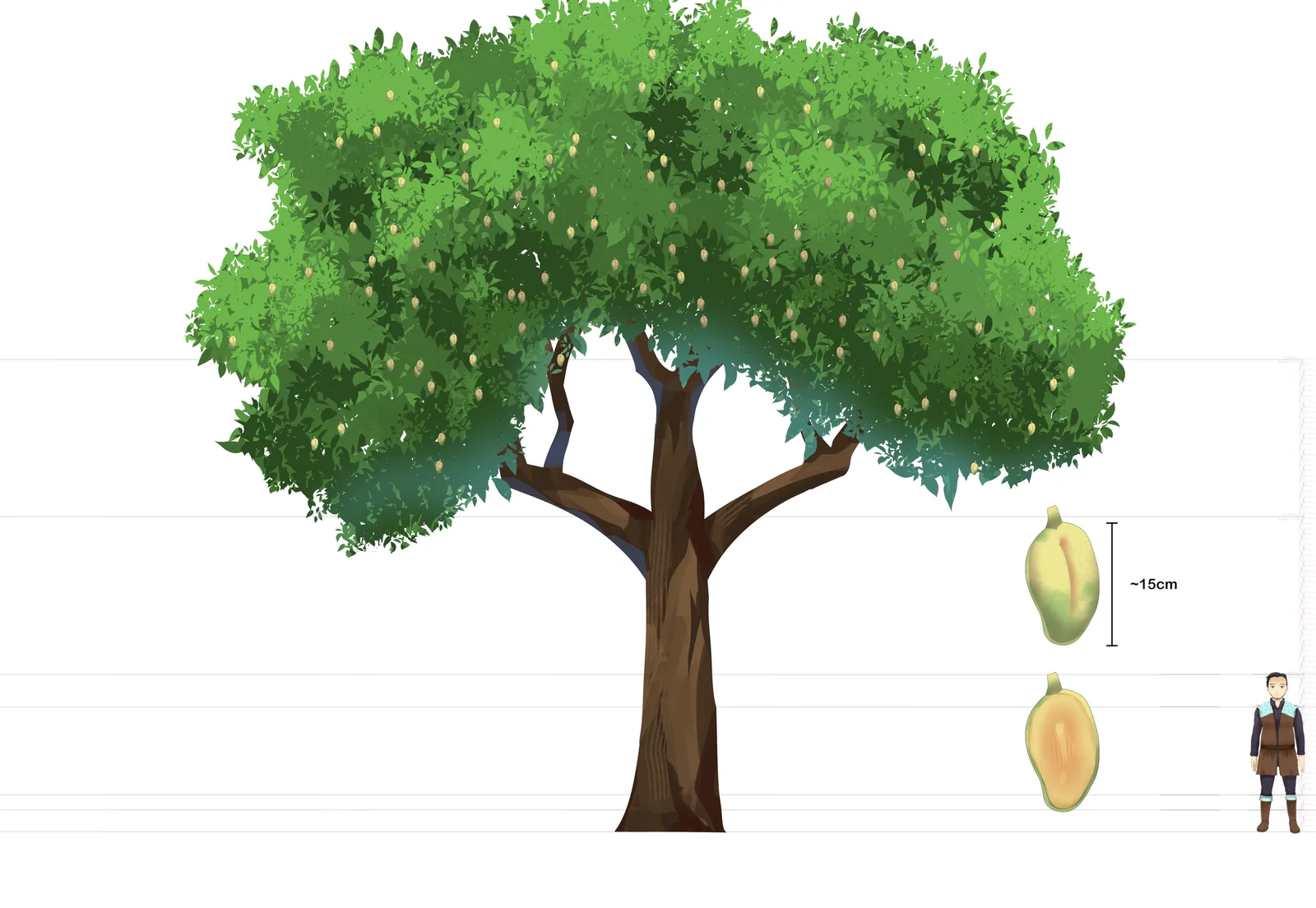
Buzeta
Hinter den Kulissen · vollständige Notizen
-
Isekai-Geschichte
- ?
-
Scientific History
- Mango Buceta
-
Habitat
- See above.
-
Economic Value
-
Buzeta Fruit
- Isekai-Geschichte
- See above
- Visuelle Referenz
- See Item Visual Reference
- Isekai-Geschichte
-
Dried Buzeta
- Isekai-Geschichte
- Often done for food stock, selling to other kingdoms, baking in food or on-the-road snacks.
- Visuelle Referenz
*
- Isekai-Geschichte
-
BuzetaJuice
- Isekai-Geschichte
- Pretty good. Better in vitamin shakes.
- Visuelle Referenz
- Isekai-Geschichte
-
Buzeta Hard Juice
- Isekai-Geschichte
- Fermented Juice
- Visuelle Referenz
*
- Isekai-Geschichte
-
-
Tastes Like
- Mango
-
Growth
- Takes about 10 months for a harvest.
-
Seelenenergie-Fähigkeiten
- Interface
- Keine
- Skills
- Keine
- Interface
-
Visuelle Referenz

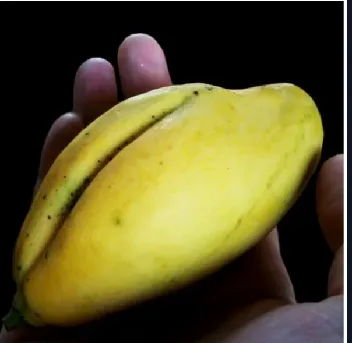
Cocona
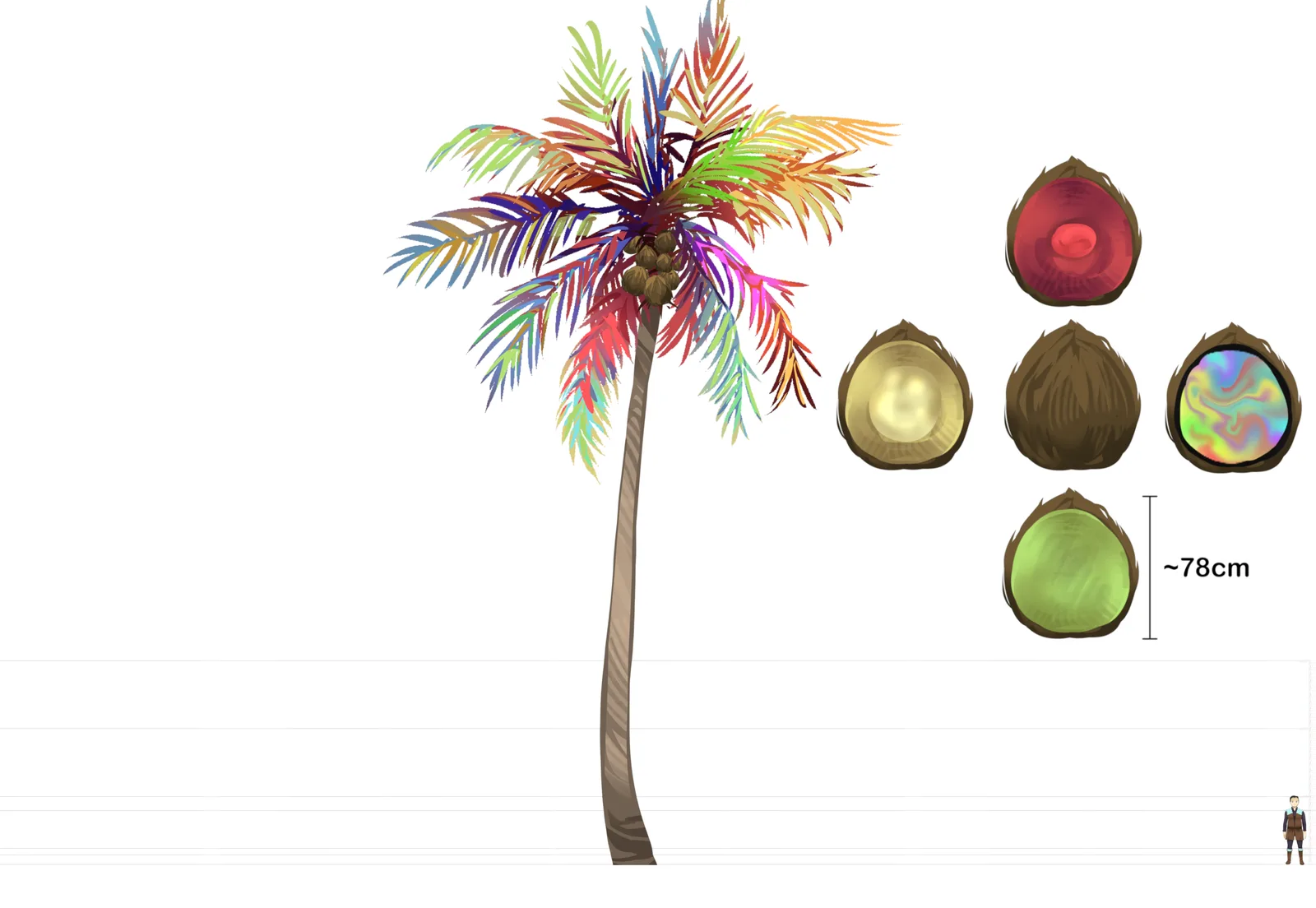
Der Cocona-Baum ist laut den meisten Wissenschaftlern ein invasiver, aber praktischer Baum. Sein Ursprung ist zweifellos den Buhraies zuzuschreiben, denn das Einzige an diesem Baum, das nicht fremdartig ist, ist das durchscheinende, bunte Laub, das der Rinde des Soul tree ähnelt. Die Cocona-Frucht ist doppelt so groß wie eine normale Kokosnuss, und eine Frucht zu öffnen, um ihr Inneres zu sehen, ist wie eine Lootbox zu öffnen. Auch wenn du wahrscheinlich das Verhältnis von Wasser zu Fruchtfleisch durch Schütteln erraten und die mögliche Farbe und den Geschmack aus der Umgebung der Pflanze ableiten kannst, wirst du wahrscheinlich nicht besser sein als der reine Zufall! Geschmäcker und Farben sind unerwartet, mit besseren Chancen, schmackhaftere, süßere und fruchtigere auf den Farmen rund um Deltacross zu finden. Wenn du aber nach der begehrten Cocona-Frucht mit dem bunten Wasser des Soul Tree suchst, wegen des berühmten Volksmärchens, dass sie dein Leben verlängert, wenn du ihr nach Umami schmeckendes Wasser hinunterstürzt, sobald du sie aufbrichst, dann streifst du besser an den Stränden nach wilden Cocona-Bäumen umher. Denk auch an die Buffs oder Debuffs, die das Cocona-Interface verleiht! Sie sind nicht groß, manchmal so wenig wie eine größere Blase oder mehr Schweißproduktion. Aber es kann gerade genug sein, um über Leben und Tod zu entscheiden, wenn man es mit anderen Interfaces kombiniert, denn dieses bleibt hartnäckig wochenlang im Körper, ohne bekannte Möglichkeit, es zurückzusetzen oder auszuschwemmen.
Öffentlicher Text: flora.md
Hinter den Kulissen · vollständige Notizen
-
Website-Beschreibung
- Cocona tree is an invasive but handy tree, according to most scientists. Its origin is, without a doubt, attributed to the Buhraies folks, since the only thing about this tree that is not foreign is its translucent, colorful foliage, akin to the Soul tree's bark. The Cocona fruit is double the size of regular coconuts, and opening a fruit to reveal its insides is like opening a loot box. Although you can probably guess the water versus flesh ratio by shaking it and infer the possible color and taste based on the plant's surroundings, you will likely not be better than random chance! Flavors and colors are unexpected, with better odds of finding tastier, sweeter, and fruitier ones on farms around Deltacross. However, if you're looking for the coveted Cocona fruit with Soul Tree colorful water because of the famous folktale that it will extend your life if you gulp its umami-tasting water down as soon as you crack it open, then you're better off prowling about the beaches for wild Cocona trees. Also, remember the buffs or debuffs the Cocona interface gives! They aren't much, sometimes as little as increasing your bladder or boosting sweat production. However, it can be just enough to tip the balance between life and death when paired with other interfaces, as this one persistently lingers in the body for weeks at a time, with no known way to reset or flush it.
-
Isekai-Geschichte
- Found throughout the beaches of the four kingdoms after humans found the plant near Lukewarm Lake and started to bring it everywhere with them.
- Farmed intensively on Deltacross due to its proximity to Forway.
- Coconas are double the size of coconuts
-
Scientific History
- Coconut
-
Habitat
- Beaches
-
Economic Value
-
Cocona Water
- Isekai-Geschichte
- See above. Not much is found as the cocona flesh takes over most of the inside.
- If someone opens a cocona with all Soul Tree water, Freeish legends say they are extremely lucky because it will extend their life—that is, if they chug the entire umami water.
- Fact not proven by science.
- The water/flesh ratio comes in several colors, and each color corresponds to certain buffs/debuffs it will give
- Visuelle Referenz
- Isekai-Geschichte
-
Dried Cocona
- Isekai-Geschichte
- Sell to other kingdoms, on the road, snacks, etc.
- Same as water, it comes in several colors.
- Sell to other kingdoms, on the road, snacks, etc.
- Visuelle Referenz
- Isekai-Geschichte
-
-
Tastes Like
- Coconut, but saltier. Almost like Beef jerky, salty depending on what you open. Surroundings can further alter taste.
-
Growth
- ~15 Years until maturation.
- ~50 fruits per tree/year.
-
Seelenenergie-Fähigkeiten
- Interface
- Fruit
- Skills
- Harden
- Interface
-
Visuelle Referenz


Gosutam
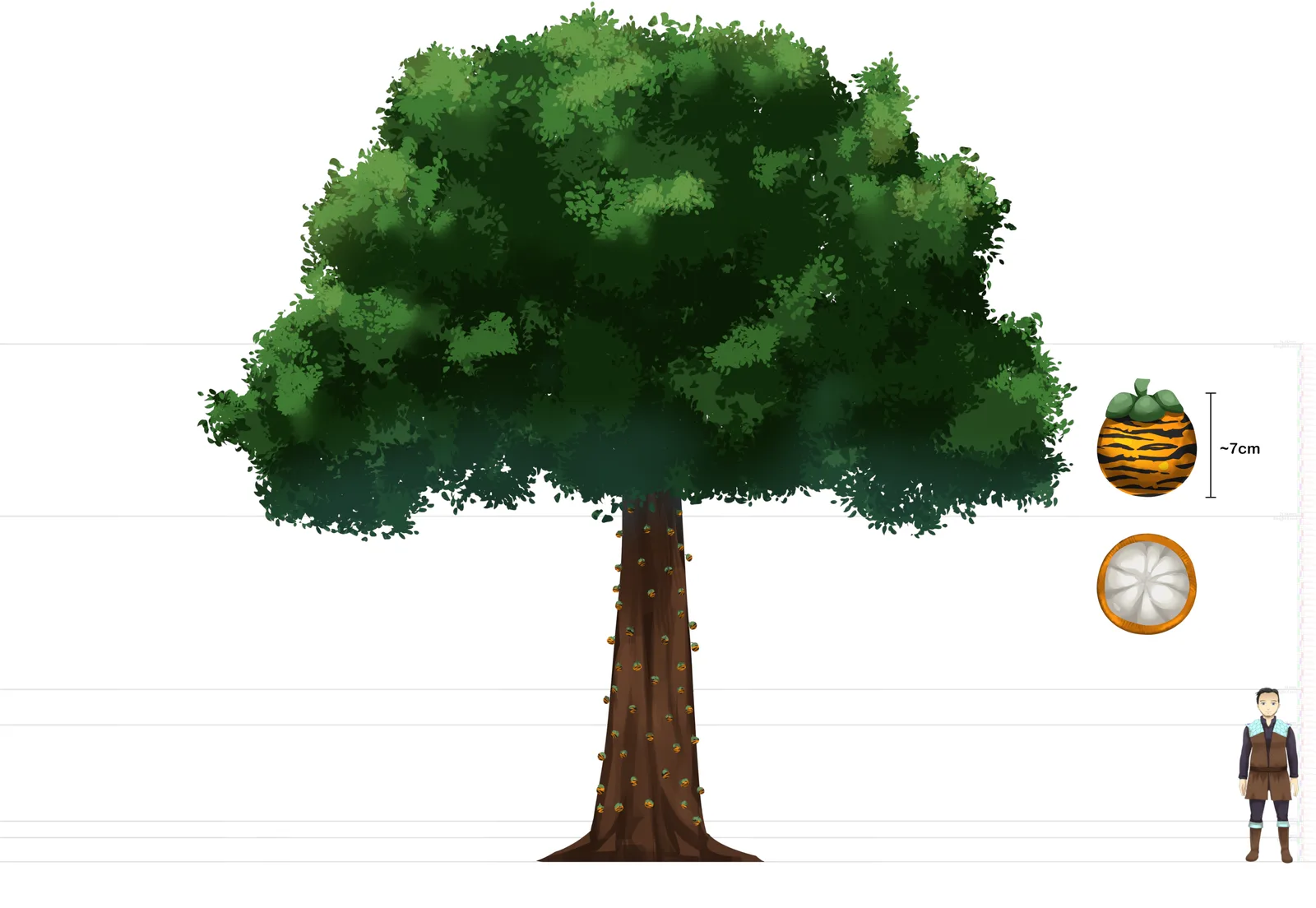
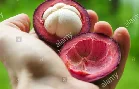
Gosutam kommt häufig vor, vom Süden bis zum Königreich Freeish bis zum Osten bis zum Königreich Sanbi. Es ist ein verbreiteter Baum im Garten, denn er trägt das ganze Jahr über kleine Mengen Früchte an seiner Rinde, sodass selbst Kinder sie leicht pflücken und naschen können. Damit endet das Leichte aber auch schon, denn die Frucht zu öffnen und den essbaren Teil herauszuholen erfordert Geschick. Die härtere gelb-schwarze Schale gibt nach und gibt ein matschiges, fleischiges Inneres frei, das eine weißliche, schleimige Haut schützt, die die Samen umhüllt. Diese weißliche, schleimige Haut ist das, was du genießen willst, wegen ihres Geschmacks nach Mangostan und Vanille. Angenommen aber, du drückst beim Öffnen der Frucht zu fest, mischst das fleischige Innere hinein oder bekommst irgendwie etwas anderes von dieser Frucht auf die Zunge; dann steht dir eine üble Erfahrung bevor! Wie das Kauen von gebrauchtem Kaffeesatz wird der Geschmack bitter und grasig. Manche Eltern pflanzen diesen Baum gezielt, damit ihre Kinder davon naschen, weil er ihnen Geduld und Entschlossenheit beibringt. Manche Wissenschaftler stimmen ihnen zu, während andere meinen, es gebe viele andere Faktoren, die für die Verbesserung der Geduld mehr Gewicht haben als ein einfacher Obstbaum, dessen Früchte verdammt mühsam zu essen sind.
Öffentlicher Text: flora.md
Hinter den Kulissen · vollständige Notizen
-
Website-Beschreibung
- Gosutam is commonly found as far south as the Freeish Kingdom and as far east as the Sanbi Kingdom. It's a common tree to have in your yard as it yields small batches of fruit throughout the entire year from its bark, making it easy pickings for even children to snack on. That is where the easy part ends, for opening the fruit and extracting the edible portion requires skill. The exterior's tougher yellow-and-black skin gives way to a mushy, fleshy interior that protects a whitish, slimy covering on the seeds. That whitish, slimy skin is what you want to indulge in for its mangosteen, vanilla-like flavor. However, suppose you press on too hard when opening the fruit, mix in the fleshy interior with it, or somehow get anything else from this fruit on your tongue; then you're in for a bad time! Like chewing on used coffee grounds, the flavor will turn bitter and vegetal. Some parents actively plant this tree for their kids to snack on because it teaches them patience and determination. Some scientists agree with them, while others think many other factors carry more weight in improving patience than a simple fruit tree that is a bitch and a half to eat.
-
Isekai-Geschichte
- A wild tree that produces a fruit that, if carefully opened, will yield great insides.
-
Scientific History
- Mangosteen
-
Habitat
- ~0km - ~1km
- Wild species are found around deeper forests and in people’s backyards.
-
Economic Value
-
Gosutam Fruit
- Isekai-Geschichte
- Often, a tree that people will plant in the backyard is rather expensive for how little fruit you can eat.
- Visuelle Referenz
- See Item Visual Reference
- Isekai-Geschichte
-
Dried Gosutam
- Isekai-Geschichte
- Often done for food stock, selling to other kingdoms, baking in food, or on-the-road snacks.
- Visuelle Referenz
- Isekai-Geschichte
-
Gosutam Juice
- Isekai-Geschichte
- Juicy.
- Visuelle Referenz
- Isekai-Geschichte
-
Gosutam Hard Juice
- Isekai-Geschichte
- Fermented Juice. Fizzy, less-milky caramel and earthy tones give it a nice balance without being too overpowering.
- Visuelle Referenz
- Isekai-Geschichte
-
-
Tastes Like
- Shell is bitter
- Inner fruit is milky caramel with earthy tones.
-
Growth
- It is produced during the Summer.
-
Seelenenergie-Fähigkeiten
- Interface
- Tree
- Skills
- Drop Fruits.
- Interface
-
Visuelle Referenz

Greenbread
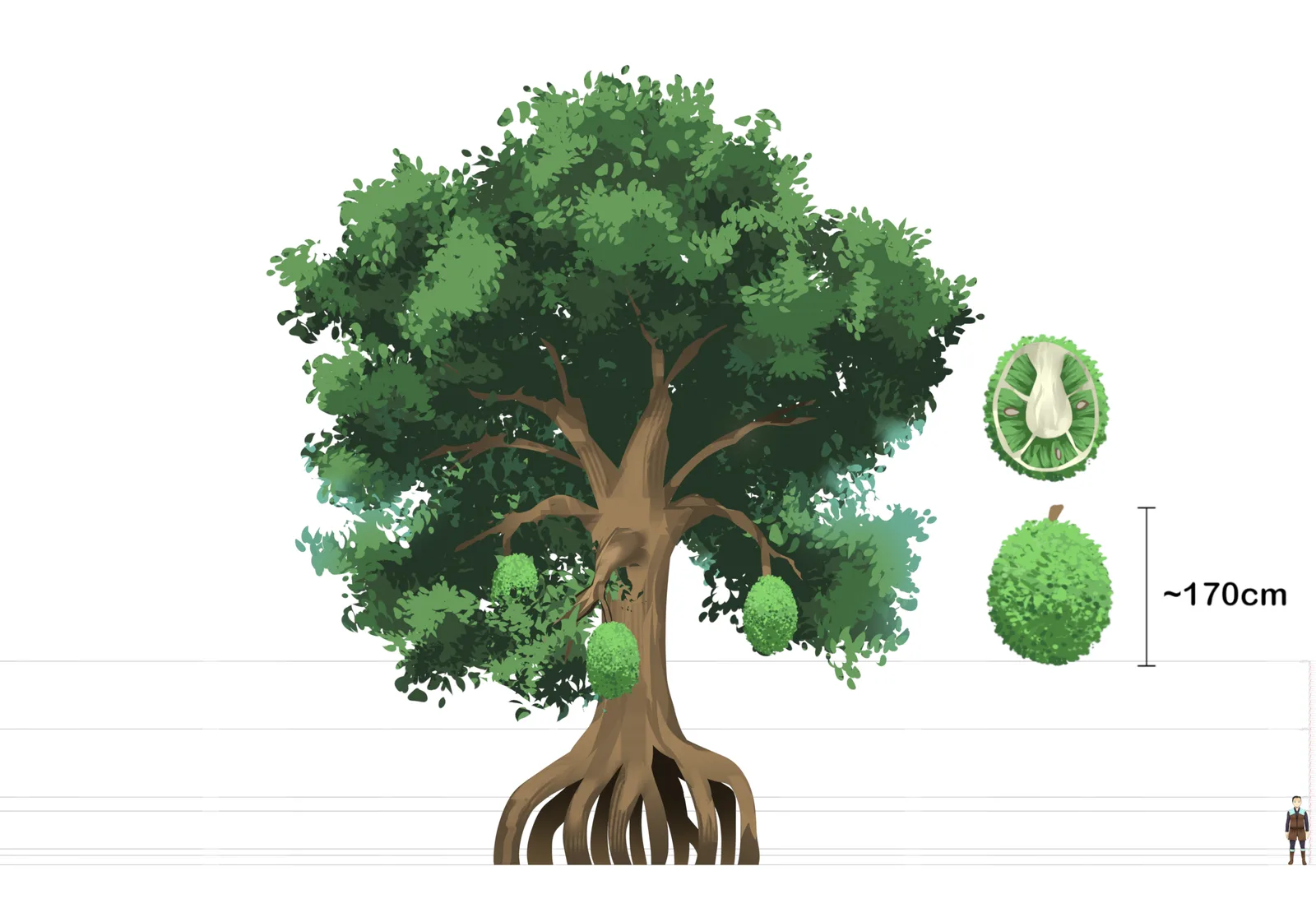
Greenbread ist eine gefährliche Frucht! Nicht weil sie giftig ist, sondern weil sie, wenn sie dir von dem üblicherweise 15 Meter hohen Baum auf den Kopf fällt, deinen Körper in dieselbe geleeartige Konsistenz wie einen Shapeshifter verwandelt. Das heißt, wenn sie nicht überreif wird und explodiert. Wenn doch, ist so ziemlich alles in der Umgebung mit goldgelbem Glibber und Samen bedeckt und verrottet dann, wobei ein durianartiger Geruch zurückbleibt, der viel Fauna anlockt, die dann viele Bestien anlockt. An jedem Baum hängen jeweils nur drei oder vier Greenbreads, und sie brauchen fast das ganze Jahr, um perfekt zu reifen, mit einer Konsistenz nahe der Jackfrucht der Sorte Golden Nugget. Der Geschmack ist allerdings mit dem von Melonpan vergleichbar, während andere Sorten Aromen eher wie Banane gemischt mit Ananas bieten. Die Samen wiederum schmecken geröstet wie Kakao. Der übrig gebliebene Kern der Frucht ist außerdem ein Bindemittel, das häufig zur Herstellung von Bone wood oder Leim verwendet wird.
Öffentlicher Text: flora.md
Hinter den Kulissen · vollständige Notizen
-
Website-Beschreibung
- Greenbread is a dangerous fruit! Not because it is poisonous, but instead, if it falls on you from the usual 15-meter-tall tree, it will transform your body into the same jelly consistency as a shapeshifter. That is, if it doesn't overripe and explode. If it does, then pretty much everything in the vicinity will be covered in golden yellow goo and seeds and then decay, leaving a Durian-like smell that will attract a lot of fauna, which then attracts a lot of beasts. Each tree will have only three or four greenbreads hanging from it at a time, and they take most of the year to reach full ripeness, with a consistency close to that of Golden Nugget Jackfruit. However, the taste is comparable to melon pan, while other varieties have flavors closer to banana mixed with pineapple. The seeds, meanwhile, taste like cacao when roasted. The fruit's leftover core is also a binding agent commonly used for creating bone wood or glue.
-
Isekai-Geschichte
- Huge tree that grows in the large forests around the Freeish Kingdom and Blood City.
- Produces a fruit that tastes like melon pan
- Only a few at a time, and it is hard to reach. Fruits are the size of humans.
- Its leaves have a tangy, chlorophyll-accented note.
- A staple product from Freeish Kingdown on its Greenbread fields.
-
Scientific History
- Jackfruit.
-
Habitat
- Forests in the south.
-
Economic Value
-
Greenbread Fruit
- Isekai-Geschichte
- See above
- Visuelle Referenz
- See Item Visual Reference
- Isekai-Geschichte
-
Dried Greenbread
- Isekai-Geschichte
- Often done for food stock, selling to other kingdoms, baking into food, or as on-the-road snacks.
- Visuelle Referenz
- Isekai-Geschichte
-
Greenbread Juice
- Isekai-Geschichte
- Juicy!
- Visuelle Referenz
- Isekai-Geschichte
-
Greenbread Hard Juice
- Isekai-Geschichte
- Fermented Juice. A Fizzy drink with light melon flavor.
- The greenbread breadfruit's crust is cut and fermented for a few days.
- Visuelle Referenz
- Isekai-Geschichte
-
Greenbread Roasted Beans
- Isekai-Geschichte
- Tastes like chocolate. Each seed is ~2 cm in diameter
- Visuelle Referenz
- Isekai-Geschichte
-
-
Tastes Like
- Soft, mildly sweet with a melon/honeydew mix of banana and pineapple.
-
Growth
- Takes several years to grow into a full tree.
- Produces throughout the year.
-
Seelenenergie-Fähigkeiten
- Interface
- Fruit
- Skills
- Explode when fully ripe.
- Interface
-
Visuelle Referenz

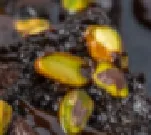
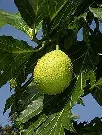
Hifuna Yabuca
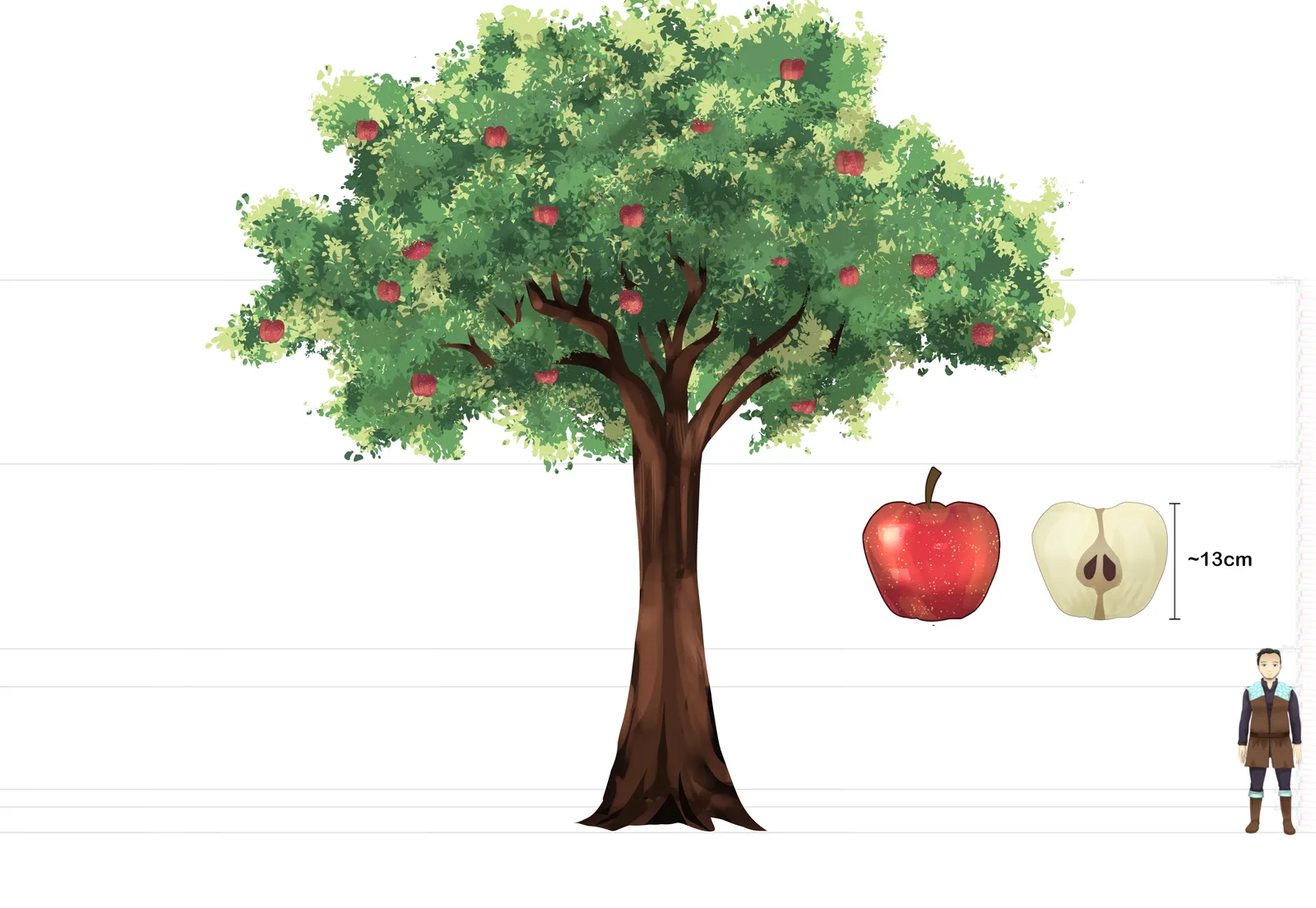
Siehe Bestien -> Hifuna People
Öffentlicher Text: Website Description in Legacy/Behind The Scenes/World Lore/Flora.md
Hinter den Kulissen · vollständige Notizen
-
Isekai-Geschichte
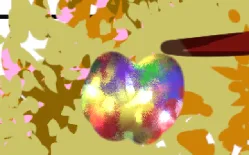
- A further mutation from Wood Yabuca. Some call it the random fruit, since eating it can cause unpredictable effects on the user from the Walking Heartstone. Can send the person on a moody trip with emotions growing untamed. Can help in a desperate situation.
- If the person hits a “good” one, they will go berserk and rampage for days on before they pass out, if they don’t just drop dead. People who have done it in the past say the berserker feeling was like being in a trance, far better than any other nari gel.
- Forway banned its use due to the fatalities and character corruption that often occur.
- As big as ~26 cm
- A further mutation from Wood Yabuca. Some call it the random fruit, since eating it can cause unpredictable effects on the user from the Walking Heartstone. Can send the person on a moody trip with emotions growing untamed. Can help in a desperate situation.
-
Scientific History
- Ghost Apple
-
Habitat
- Hifuna.
-
Economic Value
-
Hifuna Yabuca Fruit
- Isekai-Geschichte
- See Above.
- Visuelle Referenz
- See Item Visual Reference
- Isekai-Geschichte
-
Hifuna Yabuca Concentrated Fruit
- Isekai-Geschichte
- See Above. A concentrated form usually sold as a drinkable potion amongst adventurers going to Hifuna as a last option. Some use it more than they should.
- Visuelle Referenz
- See Item Visual Reference
- Isekai-Geschichte
-
-
Tastes Like
- Like water mixed with hints of dirt. Plus a plasticky feel in the mouth that reminds me of mixing glue.
-
Growth
- Throughout the year.
-
Seelenenergie-Fähigkeiten
- Interface
- Keine
- Skills
- Keine
- Interface
-
Visuelle Referenz
Lonllow
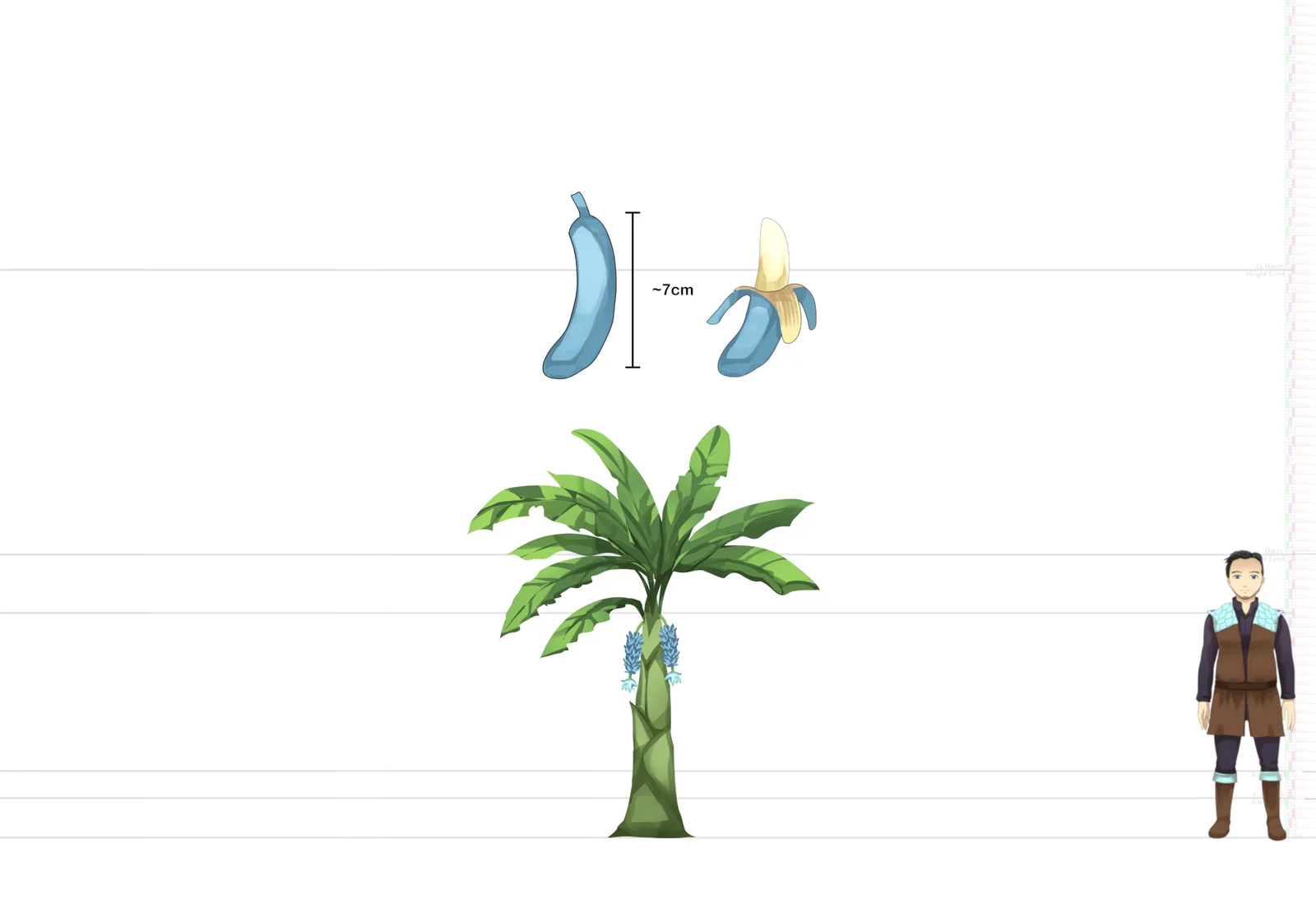
Lonllow ist wie die Yabucas anfällig für Mutationen, aber statt neue Varianten hervorzubringen, führen sie alle dazu, dass die Pflanze verdorrt. Die uralte Spezies der Buhraies gab ihm den Namen Lonllow, nachdem sie es erschaffen hatte, indem sie an ihrem Seelen-Interface herumpfuschte und es mit verschiedenen Spezies kreuzte. Wissenschaftler glauben, dass sie eine Pflanze mit hohem Energiegehalt erschaffen wollten, die ihrem Geschmack entspricht, aber das scheiterte kläglich und hinterließ eine äußerst launische Pflanze, die schwer anzubauen und zu bewirtschaften ist. Heute haben nur wenige Familien herausgefunden, was nötig ist, um sie in großem Maßstab zu produzieren. Doch selbst so können sie die Nachfrage nicht decken. Allein die Sorefaries scheinen fast durchzudrehen und all ihre Kugeln auszugeben, nur um den karamelligen Bananengeschmack der klein aussehenden, bläulichen Frucht zu kosten.
Öffentlicher Text: flora.md
Hinter den Kulissen · vollständige Notizen
-
Website-Beschreibung
- Lonllow is like Yabucas, which are prone to mutations, but instead of creating new variants, these mutations all result in the plant withering away. The Buhraies' ancient species gave the name Lonllow after they made it by tampering with their soul interface and mixing it with different species. Scientists believe they were trying to create a plant with high energetic content and palatable to their taste, but it failed harshly, leaving it a highly finicky plant to grow and farm. Now only a few families have figured out what is needed to produce them at a scale. However, they can't meet demand. Sorefaries alone seem to nearly go berserk and spend all their balls just to get a taste of the caramelly banana flavor from the small-looking bluish-looking fruit.
-
Isekai-Geschichte
- Brought over by Buhraies while working with Summoning. Came after Yabucas, but it didn’t seem to be as successful. It is extremely finicky and picky to grow in farmland. Also, fragile even in the wild. Maybe that’s partly why Buhraies created a special environment for it by creating the endlessfog island.
- See Endlessfog for more info.
-
Scientific History
- Banana + Caramel flavor.
-
Habitat
- See above.
-
Economic Value
-
Lonllow Fruit
- Isekai-Geschichte
- See above
- Visuelle Referenz
- See Item Visual Reference
- Isekai-Geschichte
-
Dried Lonllow
- Isekai-Geschichte
- Often done for food stock, selling to other kingdoms, baking in food, or on-the-road snacks.
- Visuelle Referenz
- Isekai-Geschichte
-
Lonllow Juice
- Isekai-Geschichte
- Kinda good. Better in vitamin shakes.
- Visuelle Referenz
- Isekai-Geschichte
-
Lonllow Hard Juice
- Isekai-Geschichte
- Fermented Juice
- Visuelle Referenz
- Isekai-Geschichte
-
-
Tastes Like
- Banana
-
Growth
- Takes about 6 months for a harvest.
-
Seelenenergie-Fähigkeiten
- Interface
- Keine
- Skills
- Keine
- Interface
-
Visuelle Referenz
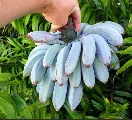 *Exterior only. Inside is the same as normal banana

Purplebread
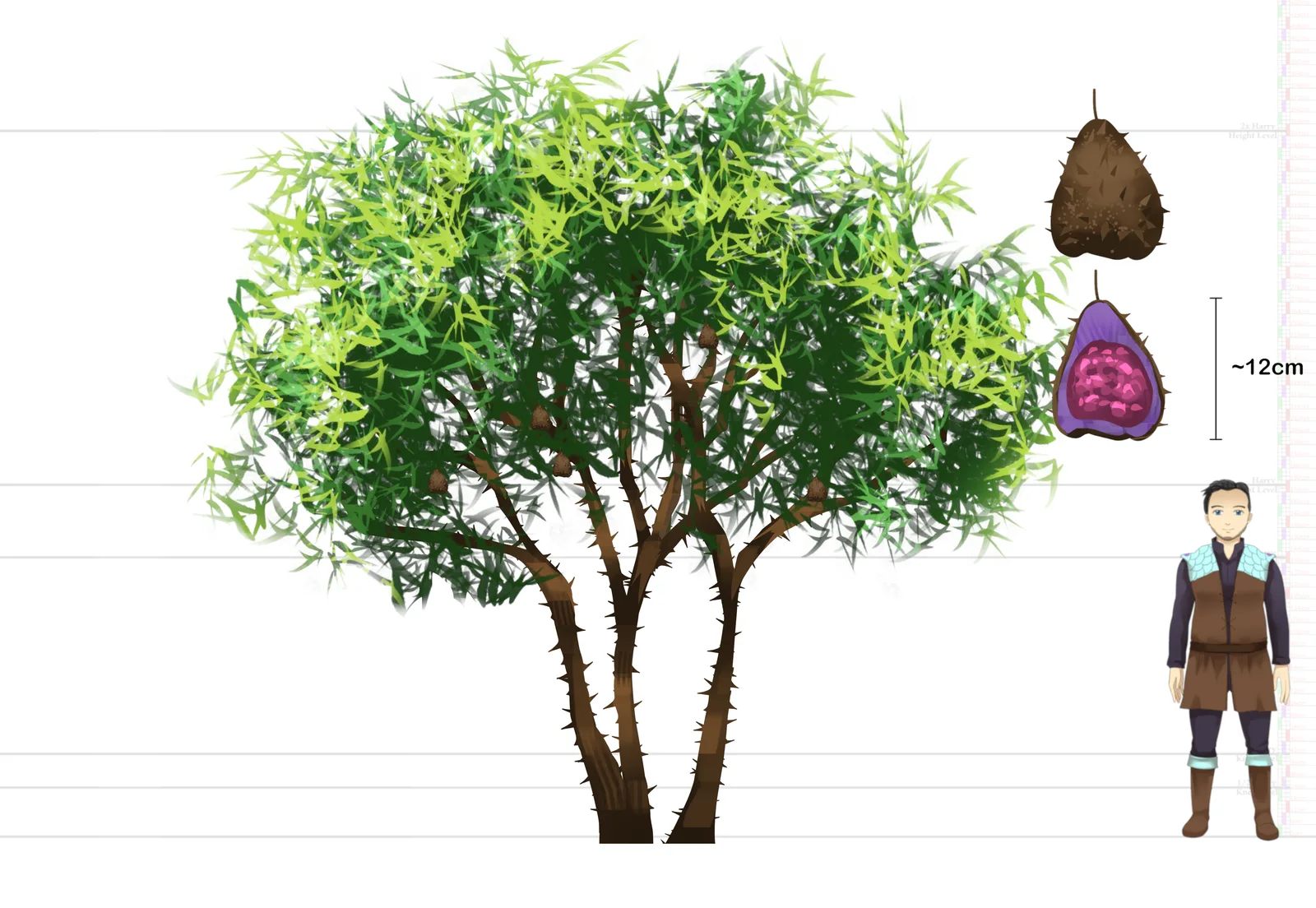
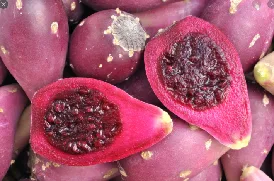
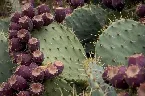
Purplebread ist ein Grundnahrungsmittel von Sundeath und den umliegenden halbtrockenen Regionen. Der kleine Baum, oder die große Pflanze, hat einen mit Stacheln bedeckten Stamm und spitze Blätter, die mit einer klaren, klebrigen Flüssigkeit überzogen sind, die nur dann Nesselsucht auslöst, wenn du ihre Frucht nicht isst. Die Frucht, die sie trägt, ist bräunlich und mit haarigen Stacheln bedeckt, die deine Haut nicht verletzen. Sie sieht nicht sehr appetitlich aus, besonders zusammen mit dem stechenden Geruch, der dem Furz von jemandem ähnelt, der zu viele Eier gegessen hat. Einheimische, Abenteurer und Händler kennen aber alle ein Geheimnis! Reib die Frucht einfach am Sand, bis die bräunliche Schale glatt wie ein Babypopo ist, und der Geruch verschwindet! Öffnet man die Frucht, kommt ein rosafarbenes, glibberiges Inneres zum Vorschein, das zwischen Erdbeere und Himbeere schmeckt. Das lila Fruchtfleisch ist ziemlich geschmacklos, aber du solltest es trotzdem essen, denn es ist ziemlich nahrhaft, oder sogar ein Muss, wenn du eimerweise schwitzt.
Öffentlicher Text: flora.md
Hinter den Kulissen · vollständige Notizen
-
Website-Beschreibung
- Purplebread is a staple food of Sundeath and the surrounding semi-arid regions. The small-sized tree, or large-sized plant, has a trunk covered in spikes and pointed leaves covered in a clear sticky fluid that causes hives solely if you don't consume its fruit. The fruit it bears is brownish and covered in hairy spikes that won't tear your skin. It doesn't look that appetizing, especially when paired with the pungent smell of a fart from someone who ate too many eggs. However, locals, adventurers, and merchants alike know a secret! Just rub the fruit on the sand until the brownish skin is smooth as a baby's butt, and the smell will disappear! Opening the fruit will reveal a pinkish-goopy interior that tastes between strawberry and raspberry. The purple flesh is kinda flavorless, but you should still eat it as it is pretty nutritious or a must if you sweat a bucket.
-
Isekai-Geschichte
- A wild cactus-like tree that produces a smaller version of the greenbread, or at least in appearance.
- The brown shell smells pungent, like a fart of someone who ate too many eggs.
- If you rub it in the sand, it removes the smell and reveals the delectable interior.
-
Scientific History
- Prickly Pear taste
-
Habitat
- ~0km - ~1km
- Transitional zone of the desert
-
Economic Value
-
Purplebread Fruit
- Isekai-Geschichte
- See above
- Visuelle Referenz
- Isekai-Geschichte
-
Dried Purplebread
- Isekai-Geschichte
- Often done for food stock, selling to other kingdoms, baking into food, or as on-the-road snacks.
- Visuelle Referenz
- Isekai-Geschichte
-
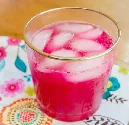
Purplebread Juice
- Isekai-Geschichte
- Refreshing
- Visuelle Referenz
- Isekai-Geschichte
-
Purplebread Hard Juice
- Isekai-Geschichte
- Fermented Juice
- Visuelle Referenz
- Isekai-Geschichte
-
-
Tastes Like
- Strawberry/Raspberry
-
Growth
- All year round
-
Seelenenergie-Fähigkeiten
- Interface
- Spikes
- Skills
- Grow Spikes
- Sweat induction
- Interface
-
Visuelle Referenz


Rakuja
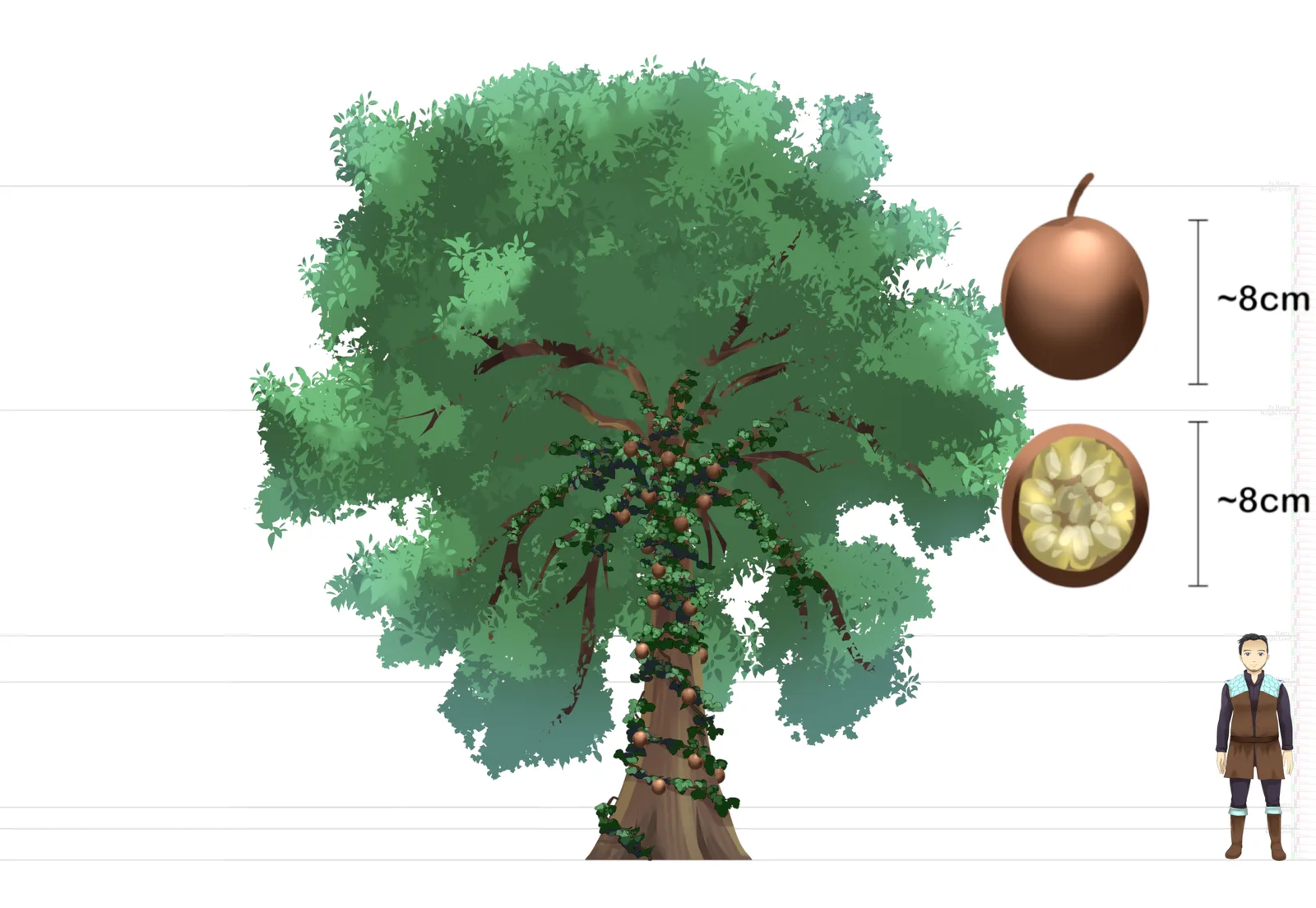
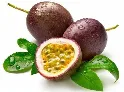
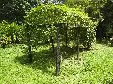
Rakuja ist eine Kletterpflanze, die oft in einer symbiotischen, wechselseitig nützlichen Beziehung zu den Bäumen steht, die sie befällt. Sie kommt nur in kälteren Klimazonen vor und hilft den Wirtsbäumen, indem sie ein Frostschutzgel einspritzt, das sie bildet, wenn sie niedrigere Temperaturen bemerkt. Diese Beziehung funktioniert hervorragend in Regionen wie Gandew, Fuhrair und Old Fuhrair. Dasselbe kann man von Tolerideme nicht sagen, wo die Wood People das Land übernommen haben. Die Beziehung zwischen ihnen wird immer amensalistisch. Nicht nur haben Wissenschaftler herausgefunden, dass dieses Frostschutzgel ein hervorragendes Gift zum Töten von Wood People ist, sondern diese haben auch eigene Ranken, mit denen sie jede Rakuja entfernen und abtöten, die versucht, auf ihnen zu wachsen. Trotzdem läuft den Leuten bei den herb-säuerlichen Früchten mit Zitrusnoten und schwerem aromatischem Duft das Wasser im Mund zusammen! Ob getrocknet oder nicht, du findest sie in allen Königreichen, aber je nachdem, wo du bist, mach dich bereit, viele Kugeln hinzublättern, um dir den Bauch mit Rakuja vollzuschlagen. Wenn du nicht viel Geld hast, kannst du dir deine Dosis mit etwas hartem Rakuja-Saft holen, der dich auch betrunken macht.
Öffentlicher Text: flora.md
Hinter den Kulissen · vollständige Notizen
-
Website-Beschreibung
- Rakuja is a vine that often forms a mutualistic symbiotic relationship with the trees it infests. Found only in colder climates, it helps host trees by injecting an antifreeze gel it produces when it detects lower temperatures. This relationship works well in regions such as Gandew, Fuhrair, and Old Fuhrair. The same can't be said of Tolerideme, where Wood People took over the land. The relationship between them always turns Amensalistic. Not only have scientists figured out that this antifreeze gel is an excellent toxin for killing Wood People, but they also have their own vines, which they use to remove and kill off any Rakuja that tries to grow on them. Nonetheless, people drool over the tangy, tart flavor of citrusy fruits and their heavy aromatic scent! Be it dried or not, you can find them across all kingdoms, but depending on where you are, be ready to fork over a lot of balls to fill up your belly on Rakuja. If you don't have much money, you can get your fix with some Rakuja hard juice that will get you drunk too.
-
Isekai-Geschichte
- Vine that grows only at higher altitudes due to slightly colder climates.
-
Scientific History
- Maracuja
- Fruit is ~2x bigger
-
Habitat
- ~2km - ~4km
- Found naturally on the base of Fuhrair, Old Fuhrair, & Gandew. Sometimes Tolerideme as well, but it rarely works.
-
Economic Value
-
Rakuja Fruit
- Isekai-Geschichte
- More of an expensive fruit in the Kingdom. Often enjoyed by higher classes. Not much in the wild.
- Visuelle Referenz
- See Item Visual Reference
- Isekai-Geschichte
-
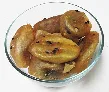
Dried Rakuja
- Isekai-Geschichte
- Often done for food stock, selling to other kingdoms, baking in food, or on-the-road snacks.
- Visuelle Referenz
- Isekai-Geschichte
-
Rakuja Juice
- Isekai-Geschichte
- Refreshing Juice
- Visuelle Referenz
- Isekai-Geschichte
-
Rakuja Hard Juice
- Isekai-Geschichte
- Fermented Juice. Fizzy, less sweet, but less tart as well.
- Visuelle Referenz
- Isekai-Geschichte
-
-
Tastes Like
- Tart flavor. Like as if a banana were crossbred with a lime alongside an orange.
- The seeds inside don’t add much flavor, but their crunchiness enhances the experience and mellows the tart a bit.
-
Growth
- It constantly produces Rakuja, but each vine takes ~3 months to yield ~400 units. They require a lot of fertilizer, especially fishmeal.
-
Seelenenergie-Fähigkeiten
- Interface
- Keine
- Skills
- Keine
- Interface
-
Visuelle Referenz

Tenderthrough
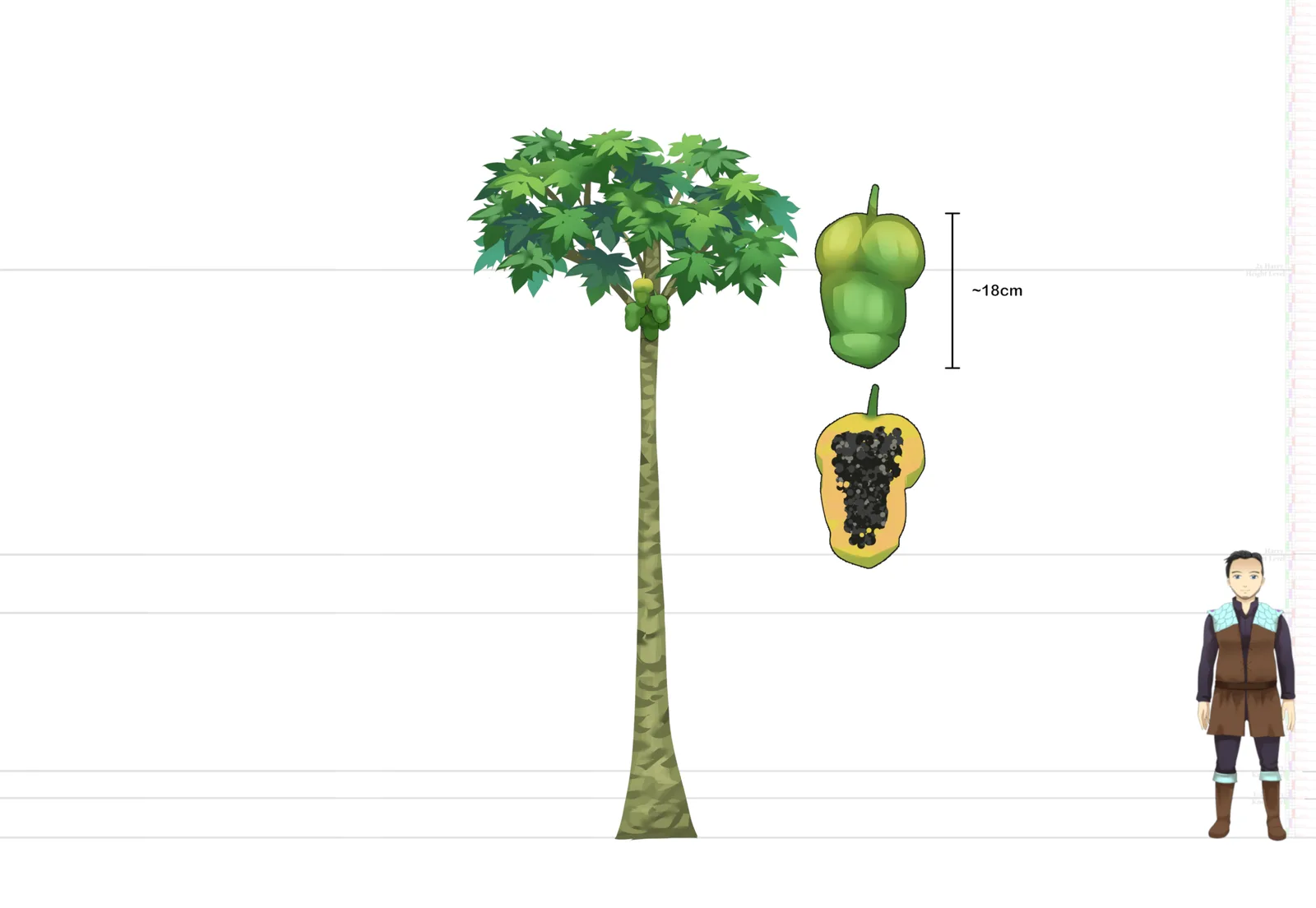
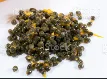
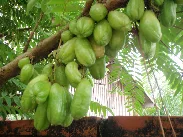
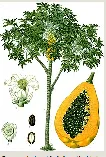
Tenderthrough ist der Name, den Menschen diesem seltsam geformten Obstbaum gaben, nachdem sie auf die Inseln südöstlich von Sanbi vorgedrungen waren und die uralte Spezies ausgelöscht hatten, die dort lebte. Er schmeckt sehr ähnlich wie Papaya, und die Samen werden immer noch benutzt, um den Darm weit billiger zu reinigen und zu heilen als mit Body Restore oder anderen Interfaces. Es gibt Plantagen im Königreich Freeish, aber sie schmecken einfach nicht so gut wie die von den Inseln, also schwing deinen Arsch aufs nächste Boot zu den Inseln, wenn du seinen authentischsten Geschmack erleben willst!
Öffentlicher Text: flora.md
Hinter den Kulissen · vollständige Notizen
-
Website-Beschreibung
- Tenderthrough is the name humans gave this peculiar-shaped fruit tree after penetrating the islands southeast of Sanbi and purging the ancient species that lived there. It tastes very close to papaya, and the seeds are still used to cleanse and heal one's guts far more cheaply than using Body Restore or other interfaces. There are plantations in the Freeish kingdom, but it just doesn't taste as good as the ones from the islands, so get your ass in the next boat to the islands if you want to experience its most authentic flavor!
-
Isekai-Geschichte
- A local fruit that is found in the dense forests and on both islands.
- The name from Ancient Species got lost. So this name stuck because it is tender and goes right through.
-
Scientific History
- Papaya
-
Habitat
- See above.
-
Economic Value
-
Tenderthrough Fruit
- Isekai-Geschichte
- See above
- Visuelle Referenz
- See Item Visual Reference
- Isekai-Geschichte
-
Dried Tenderthrough
- Isekai-Geschichte
- Often done for food stock, selling to other kingdoms, baking in food, or on-the-road snacks.
- *One should be careful if snacking on-the-go
- Often done for food stock, selling to other kingdoms, baking in food, or on-the-road snacks.
- Visuelle Referenz
- Isekai-Geschichte
-
Tenderthrough Juice
- Isekai-Geschichte
- Juicy!
- Visuelle Referenz
- Isekai-Geschichte
-
Tenderthrough Hard Juice
- Isekai-Geschichte
- Fermented Juice
- Visuelle Referenz
- Isekai-Geschichte
-
Tenderthrough Seed
- Isekai-Geschichte
- Used for getting rid of all kinds of worms and other ailments.
- Visuelle Referenz
- Isekai-Geschichte
-
-
Tastes Like
- Papaya
-
Growth
- Takes a few years to bear fruit, then it does every summer
-
Seelenenergie-Fähigkeiten
- Interface
- Keine
- Skills
- Keine
- Interface
-
Visuelle Referenz

Wood Yabuca
Siehe Bestien -> Wood People
Öffentlicher Text: Website Description in Legacy/Behind The Scenes/World Lore/Flora.md
Hinter den Kulissen · vollständige Notizen
-
Isekai-Geschichte
- A large variant from Yabuca fruit, caused when Buhraies mutated Wood People from Yabuca trees.
- As big as ~26 cm
-
Scientific History
- Birgit Bonnier Apples
-
Habitat
- ~1km - ~2km
- Buhraies Plains.
-
Economic Value
-
Yabuca Fruit
- Isekai-Geschichte
- See Above
- Visuelle Referenz
- See Item Visual Reference
- Isekai-Geschichte
-
Wood Dried Yabuca
- Isekai-Geschichte
- Often done for food stock, selling to other kingdoms, baking in food, or on-the-road snacks.
- Visuelle Referenz
- Isekai-Geschichte
-
Wood Yabuca Juice
- Isekai-Geschichte
- Refreshing
- Visuelle Referenz
- Isekai-Geschichte
-
Wood Yabuca Hard Juice
- Isekai-Geschichte
- Fermented Juice
- Visuelle Referenz
- Isekai-Geschichte
-
-
Tastes Like
- Slightly sweet, fleshy with a taste similar to Raspberry and apples.
-
Growth
- Throughout the year.
-
Seelenenergie-Fähigkeiten
- Interface
- Keine
- Skills
- Keine
- Interface
-
Visuelle Referenz


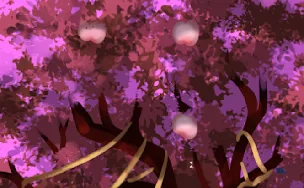
Yabuca
Mit Yabuca-Frucht ist heutzutage eine bestimmte begehrte Sorte namens Jonabuca gemeint, die eine Familie von Wissenschaftlern geschaffen hat, indem sie die besten Eigenschaften von Tausenden Wildtypen aufpfropfte, da der Yabuca-Baum allzu bereitwillig mutiert. Manche glauben, dass schon ein Niesen in der Nähe eines Sämlings reicht, um das Geschmacksprofil der künftigen Früchte zu Rotz zu verändern, was später ein Wissenschaftler tatsächlich bestätigte, nachdem er viel zu viel Zeit in ein so spezielles Unterfangen investiert hatte.
Die äußerst begehrte Sorte Jonabuca wird im Königreich Freeish intensiv angebaut, wegen ihres gleichbleibend süßen, apfeligen Geschmacks und ihrer knackigen Textur. Einige der anderen Sorten gelten immer noch als lecker, und manche Leute schwören sogar, sie seien besser als Jonabuca! Diese verschiedenen Varianten haben oft mehrere Geschmäcker oder Texturen, schwanken im Ertrag oder sehen unappetitlich aus oder sind es geradezu—wobei ein berüchtigter Yabuca-Baum das perfekte Beispiel ist, nachdem er neben einem Plumpsklo spross und Yabucas hervorbrachte, die buchstäblich nach Scheiße schmeckten. Wie auch immer, jeder mit ein paar Kugeln extra in der Tasche blättert sie hin, um stattdessen die begehrte Sorte zu bekommen und hineinzubeißen. Es ist genau wie die Werbung, die über dem Obstladen klebt: „Wenn es kein Jonabuca ist, ist es kein Yabuca!“
Öffentlicher Text: flora.md
Hinter den Kulissen · vollständige Notizen
-
Website-Beschreibung
- Nowadays, Yabuca fruit refers to a specific, coveted variety named Jonabuca, created by a family of scientists by grafting the best traits of thousands of wild types, as the Yabuca tree is highly prone to mutation. Some believe a sneeze around a seedling is enough to change the flavor profile of the future fruits to snot, which a scientist later confirmed was indeed the case after investing way too much time in such a specific endeavor.
- The highly coveted variety Jonabuca is farmed intensively in the Freeish kingdom for its consistently sweet, appley flavor and crispy texture. Some of the other types are still considered tasty, with some people swearing they are better than Jonabuca! These different variants often have multiple tastes or textures, are inconsistent in their yields, or look or are straight-up unappetizing—with a notorious Yabuca tree being the perfect example after it sprouted by an outhouse and began producing Yabucas that literally tasted like shit. Regardless, anyone with extra balls in their pocket will fork over to get the coveted variety rather than sink their teeth into it. It's just like the ad plastered over the fruit shop that says, "If it ain't Jonabuca, then it ain't Yabuca!"
-
Isekai-Geschichte
- A wild fruit popular among adventurers, known for its tendency to mutate in the wild and create some variants. Its flavor is unlike anything else in this world, almost as if it didn’t belong there.
- Buhraies brought it to life using genetic engineering. The main variety they brought remains the most popular and most resistant. The second is Wood Yabuca. Many species exist in the wild, but some fear it will eventually reduce the fruit variety to only Yabucas.
-
Scientific History
- Cosmic apples (the main variety)
-
Habitat
- ~0km - ~1km
- Everywhere in terms of breeds, but the Yabuca that people want is only found in the south, where it is farmed intensively.
- Yabuca variety (also referred to as the traditional variety) is farmed in the Freeish Kingdom.
-
Economic Value
-
Yabuca Fruit
- Isekai-Geschichte
- See Above
- Visuelle Referenz
- See Item Visual Reference
- Isekai-Geschichte
-
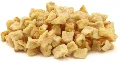
Dried Yabuca
- Isekai-Geschichte
- Often done for food stock, selling to other kingdoms, baking in food, or on-the-road snacks.
- Visuelle Referenz
- Isekai-Geschichte
-
Yabuca Juice
- Isekai-Geschichte
- Refreshing
- Visuelle Referenz
- Isekai-Geschichte
-
Yabuca Hard Juice
- Isekai-Geschichte
- Fermented Juice
- Visuelle Referenz

- Isekai-Geschichte
-
-
Tastes Like
- Slightly sweet, fleshy, with carrot notes.
-
Growth
- Throughout the year.
-
Seelenenergie-Fähigkeiten
- Interface
- Keine
- Skills
- Adrenaline Inducer
- Interface
-
Visuelle Referenz


Bäume ohne Früchte
Black Sapphire Tree
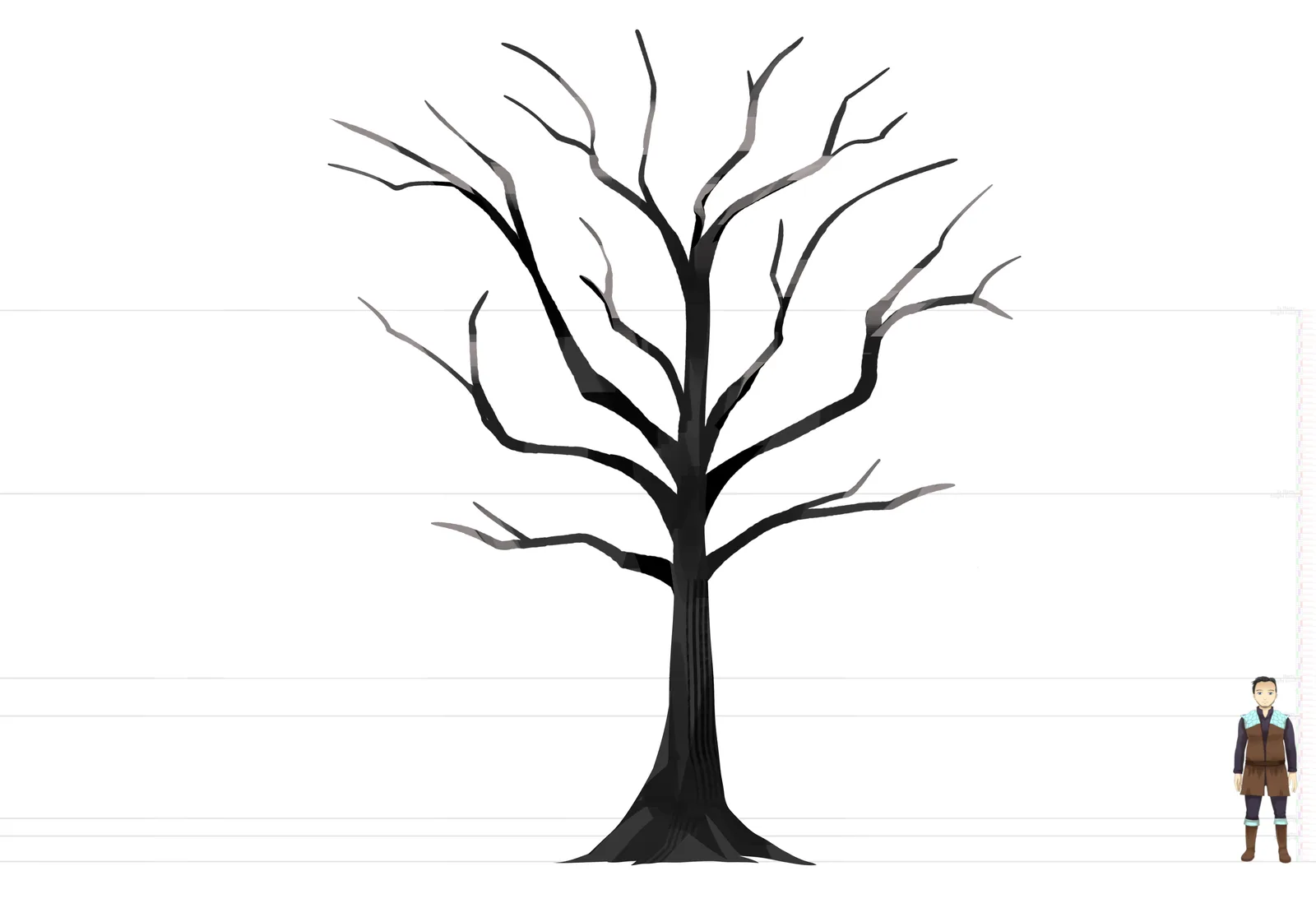
Black Sapphire, auch bekannt als Schwarzholz, ist heute eine stark gefährdete Art, und ein einziger Baum erzielt auf dem freien Markt eine Sapphire-Kugel oder mehr. Wissenschaftler ermitteln immer noch, wie genau er ohne Blätter überlebt und sich vermehrt, ohne Samen zu tragen, aber sie haben einen starken Hinweis, denn die Umgebung eines dieser Bäume ist immer karg und ohne Leben. Je länger einer dieser Bäume lebt, desto größer wird die leblose Fläche um ihn herum. Alte Geschichten aus der Zeit vor dem Fall von Ganyrami besagten, dass man, wenn einer dieser Bäume groß genug geworden war, schon ein Unwohlsein spürte, wenn man nur in seiner Nähe stand. Das Aneignen und Speichern von Seelenenergie steht definitiv im Kern der Eigenschaften dieses Baumes, denn sein vollkommen schwarzes Holz kann das Austreten von Seelenenergie wie kein anderer Baum verhindern, sogar besser als der Soul tree selbst. Nicht nur das: Das Holz, das er liefert, ist hart wie Diamant und erfordert die teuersten und stärksten Werkzeuge, um einen einzigen Baum zu verarbeiten.
Öffentlicher Text: flora.md
Hinter den Kulissen · vollständige Notizen
-
Website-Beschreibung
- Black Sapphire, a.k.a black wood, is now a highly endangered species, with a single tree fetching a sapphire ball or more in the open market. Scientists are still determining exactly how it survives without leaves and multiplies without bearing seeds, but they have a strong hint, as the surroundings of one of these trees are always barren, devoid of life. The longer one of these trees lives, the bigger the lifeless area around it becomes. Old tales from before the fall of Ganyrami stated that when one of those trees grew large enough, one could feel a malaise taking over just by standing around it. Usurping and storing soul energy is definitely at the core of this tree's properties, as its perfectly black wood can prevent soul energy leakage like no other tree, even better than the soul tree itself. Not only that, the timber it produces is as tough as diamonds, requiring the most expensive and intense tools to process a single tree.
-
Isekai-Geschichte
- Highly sought after, a single small or medium tree can be as costly as a whole sapphire. Because of that, it has been driven to near extinction.
- Some believe it was an attempt by the ancient species Buhraies to screw with either the Lishies, or the humans that hid in the forest, or both. Some scientists believe it was a soul energy storage device instead. Buhraies were seeding around for a future full-force invasion that never happened because it looks like a dead tree, and it soaks up soul energy from its surroundings.
- More commonly known today as black wood.
-
Scientific History
- Dalbergia melaxylon
-
Habitat
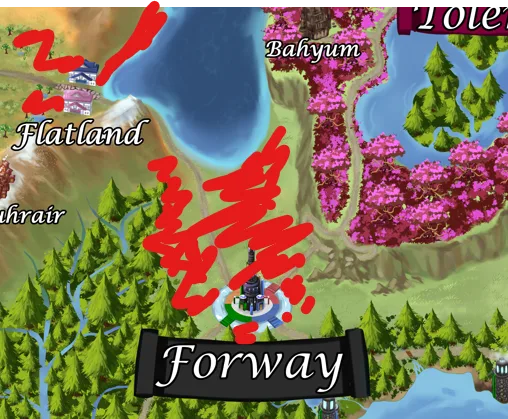
- Rarely found between Flatland and Forway. Virtually always found as lone trees, and never found amongst other trees.
-
Economic Value
-
Soul Wood
- Isekai-Geschichte
- Has a dark color to it, and is dense
- Used often with Nari stones, sigils, and containers holding soul energy to prevent Soul Energy leakage
- Visuelle Referenz
- Isekai-Geschichte
-
-
Tastes Like
- wood.
-
Growth
- Slowly growth. Nobody knows exactly how it reproduces or finds a new place to appear. Some guesses are that they are interconnected somehow, like a fungus
-
Seelenenergie-Fähigkeiten
- Interface
- Black Wood
- Skills
- Soul energy leech.
- Interface
-
Visuelle Referenz
*

Soul Tree
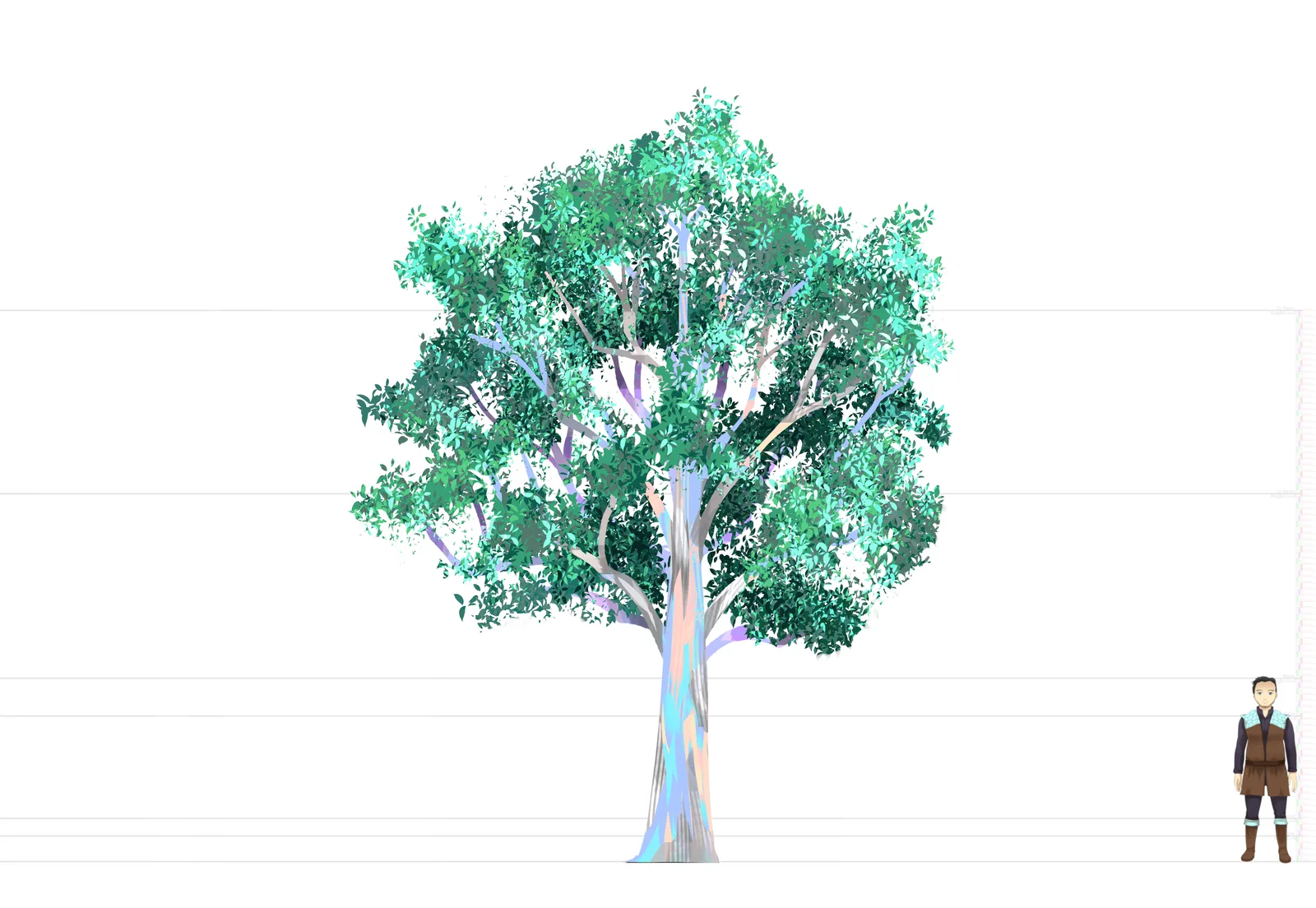
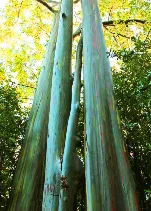
Der Soul Tree ist der bekannteste Baum in allen vier Königreichen. Seine glänzende, metallisch wirkende Rinde sieht einzigartig aus, ebenso sein farbenfrohes grünes Holz, wenn er gefällt wird. Das grüne Holz hat ähnliche Eigenschaften gegen das Austreten der Seele wie Black Sapphire, kommt aber nicht annähernd an dieselbe Härte heran. Trotzdem ist es weit leichter verfügbar und kommt ohne die Auswirkung, das Land verkümmern zu lassen! Mehrere Baumschulen im Königreich Freeish widmen sich ihm, denn die Nachfrage ist immer auf Rekordniveau, sowohl für dekorative als auch für praktische Zwecke. Soul trees sind auch in der Wildnis verbreitet, wobei du dich mit den Trunk people auseinandersetzen musst, die sich an ihm festsetzen, denn sie gehen nicht kampflos zu Boden.
Öffentlicher Text: flora.md
Hinter den Kulissen · vollständige Notizen
-
Website-Beschreibung
- Soul Tree is the best-known tree across all four kingdoms. Its shiny, metallic-looking bark is unique, and so is its colorful green timber when cut. The green wood has similar-ish soul leakage-prevention properties to black sapphire, but it doesn't even come close to the same toughness. Still, it's far more readily available and doesn't have the land-decaying impact! Several tree nurseries around the Freeish kingdom are dedicated to it, as demand is always at an all-time high, for both decorative and practical purposes. Soul trees are common in the wild, too, albeit you will have to deal with the trunk people attached to it as they won't go down without a fight.
-
Isekai-Geschichte
- Has a deep green interior, with the bark rather metallic/shiny.
- They are an example of flora that somehow escaped the isekai world and ended up back on IRL. Buhraies were mucking around with the idea of dispatching things into the soul realm, and that’s how this tree made its way into IRL.
- Trunk people love this tree!
-
Scientific History
- Eucalyptus deglupta
-
Habitat
- Found around Blood City and Freeish. Not really found elsewhere in the kingdoms. They are lone trees that sprout up from small colorful seeds. Tunk people love to live on them.
-
Economic Value
-
Soul Wood
- Isekai-Geschichte
- Used often with Nari stones, sigils, and containers holding Soul Energy to prevent Soul Energy leakage.
- Visuelle Referenz
- Isekai-Geschichte
-
Soul Wood Seeds
-
Isekai-Geschichte
- Used in Nari gels or consumed on their own to provide caffeine. It tastes kinda bitter at first, then it gets slightly sweeter and develops a nutmeg and vanilla-like taste as you keep sucking on it.
-
Visuelle Referenz
-
Grounded Soul Wood
- Isekai-Geschichte
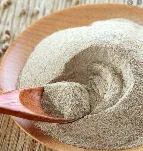
- Often used in spices to add a nutmeg/vanilla-like taste.
- If the seeds are baked, the vanilla taste disappears and makes the nutmeg far stronger; when added in large quantities, it can have antiseptic properties.
- Is basically the world's coffee.
- Often used in spices to add a nutmeg/vanilla-like taste.
- Visuelle Referenz
- Isekai-Geschichte
-
-
-
Tastes Like
- Lettuce with black pepper, salt, garlic, onion & jalapeno
-
Growth
- Leaves fall every Fall. Tree grows slightly as well.
-
Seelenenergie-Fähigkeiten
- Interface
- Keine
- Skills
- Barrier Shield
- Light Up
- Absorb water
- Interface
-
Visuelle Referenz

Tastyleaf
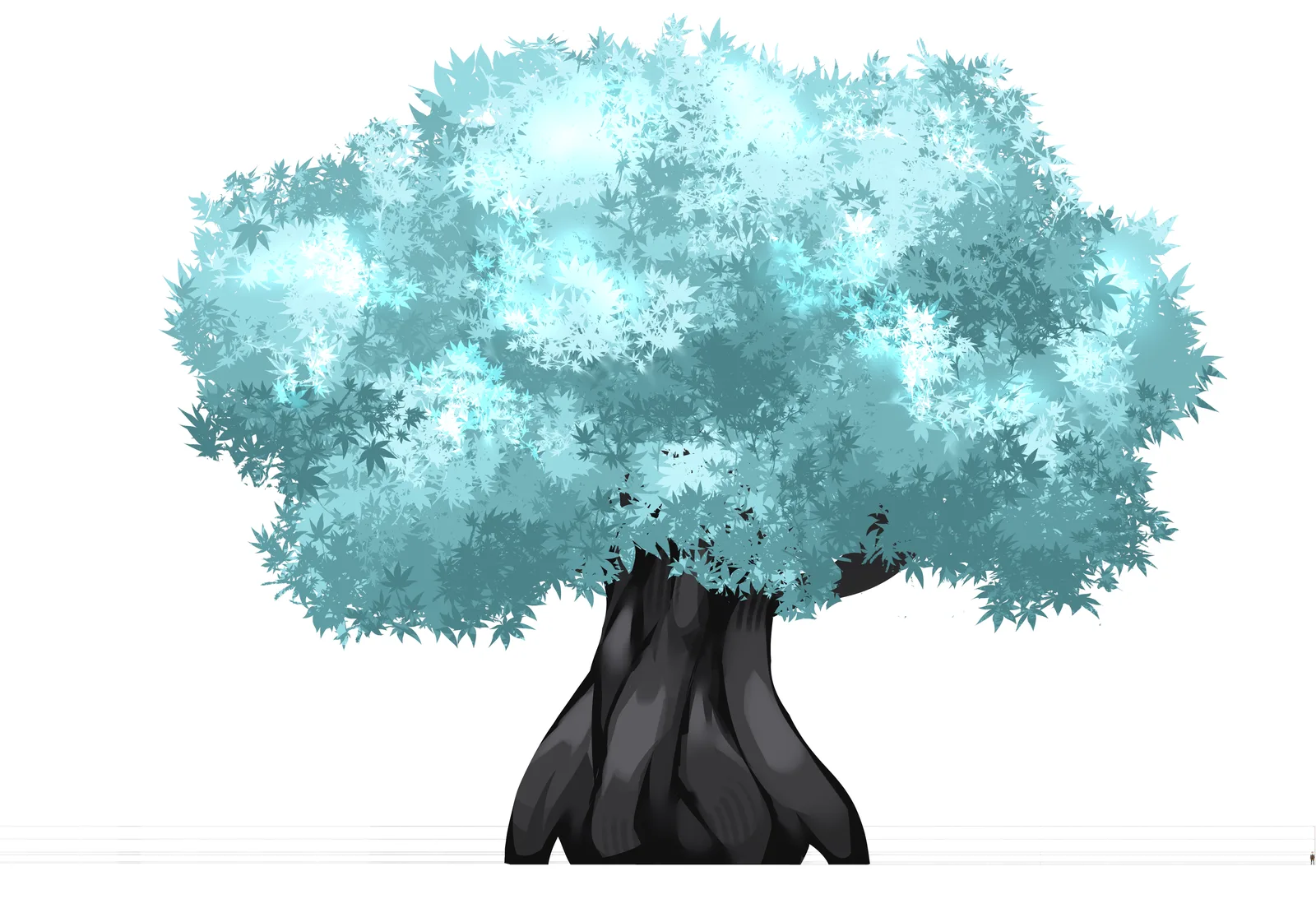
Tastyleaf ist ein absolut gigantischer Brocken von einem Baum, etwa 104 Meter hoch, allein mit einem Umfang von über 40 Metern. Kein anderer Baum kommt auch nur annähernd an seine Größe oder seine Eigenschaften heran. Er wurde in einem wohl nicht ganz so geheimen Garten von einem der ersten Menschenstämme entdeckt, die aus den Buhraies plains flohen. Berichte über diese Geschichte wurden mündlich überliefert, also gehen die Erzählungen darüber auseinander, ob die Menschen die Besitzer des Buhraies-Gartens töteten und ihn übernahmen, bevor diese Hilfe rufen konnten, oder ob er einfach verlassen war. So oder so bot dieser Baum den Menschen einen Zufluchtsort vor den hungrigen Bestien und der Fauna, denn er hat ähnliche Leuchteigenschaften wie Fost stone, einschließlich des Aufleuchtens bei Regen und des Abwehrens von Bestien und Fauna.
Der Haken ist, dass er keine Samen bildet und auch Pfropfen nicht funktioniert, also ist er heute ein von Einheimischen und Forway streng geschützter Baum. Warum Forway? Weil die Blätter auch köstlich sind! Zerpflücktes geräuchertes Fleisch vom Bagarisa-Hintern, belegt mit Blättern in hartem Gyut-Brot, ist der Beweis dafür! Die Blätter haben die Textur von Salat und ein Geschmacksprofil irgendwo zwischen schwarzem Pfeffer, Salz, Knoblauch, Zwiebel, Jalapeño und grünem Curry—die Aromen variieren je nach Ernte, Alter des Blattes und dem Ort, an dem es gepflückt wird, sodass manche Leute ihr ganzes Leben und Fachwissen diesem Handel widmen. Nur verrotten die Blätter schnell, sodass jeder außerhalb von Tastyleaf nur die getrocknete, gemahlene Version der Blätter kosten kann, ein beliebtes Gewürz, das in allen Königreichen verkauft wird.
Öffentlicher Text: flora.md
Hinter den Kulissen · vollständige Notizen
-
Website-Beschreibung
- Tastyleaf is an absolute mega chungus of a tree, measuring about 104 meters tall, with girth alone in the upper 40 meters. No other tree comes even close to its size or properties. It was discovered inside what had to be a not-so-secret garden by one of the first human tribes that fled the Buhraies plains. Accounts of that history were passed down orally, so narratives diverged on whether humans killed the Buhraies garden owners and took over before they could call for help, or if it was simply abandoned instead. Either way, this tree granted humans a sanctuary against the hungry beast and fauna, as it has similar light properties to fost stone, including lighting up when it rains and repelling them. The caveat is that it doesn't produce seeds, and trying to graft doesn't work either, so now it is a highly protected tree by locals and Forway. Why Forway? Because the leaves are also delicious! Shredded smoked Bagarisa butt meat topped with leaves in hard gyut bread is proof of that! The leaves have a lettuce texture with a flavor profile on a spectrum between black pepper, salt, garlic, onion, jalapeno, and green curry—the flavors vary depending on the harvest, leaf age, and where it is picked, leaving some people to dedicate their whole lives and expertise to this trade. Except for the leaves, which rot quickly, leaving anyone outside Tastyleaf to taste only the dried, ground-up version of the leaves, a popular spice sold across all kingdoms.
-
Isekai-Geschichte
- An incredibly girthy and tall tree measuring 104 meters tall and a diameter of about 45 meters.
- It has white leaves that fall every Fall. No seeds or spores are generated, and stem cuttings do not seem to work as they never grow.
- The tree also lights up when it rains and helps keep beasts from Hifuna away from their settlement.
- Some people say it’s an offshoot of Wood People, and it listens and reacts to its surroundings, especially feelings. However, not everyone agrees with it.
-
Scientific History
- Linden (The tilia family)
-
Habitat
- TastyLeaf. Single massive tree.
-
Economic Value
-
Fresh Leaves
- Isekai-Geschichte
- Often used in Sandwiches. Leaves don’t last as long if not dried, so this treat is only available fresh in Tastyleaf.
- Visuelle Referenz
- Isekai-Geschichte
-
Grounded TastyLeaf
- Isekai-Geschichte
- Often used in spices. The leaves are dried and grounded, which allows them to last much longer.
- Visuelle Referenz
- Isekai-Geschichte
-
-
Tastes Like
- Lettuce with black pepper, salt, garlic, onion, jalapeno & green curry.
-
Growth
- Leaves fall every Fall. The tree grows slightly as well.
-
Seelenenergie-Fähigkeiten
- Interface
- Keine
- Skills
- Barrier Shield
- Light Up
- Absorb water
- Interface
-
Visuelle Referenz

Sträucher
Basi
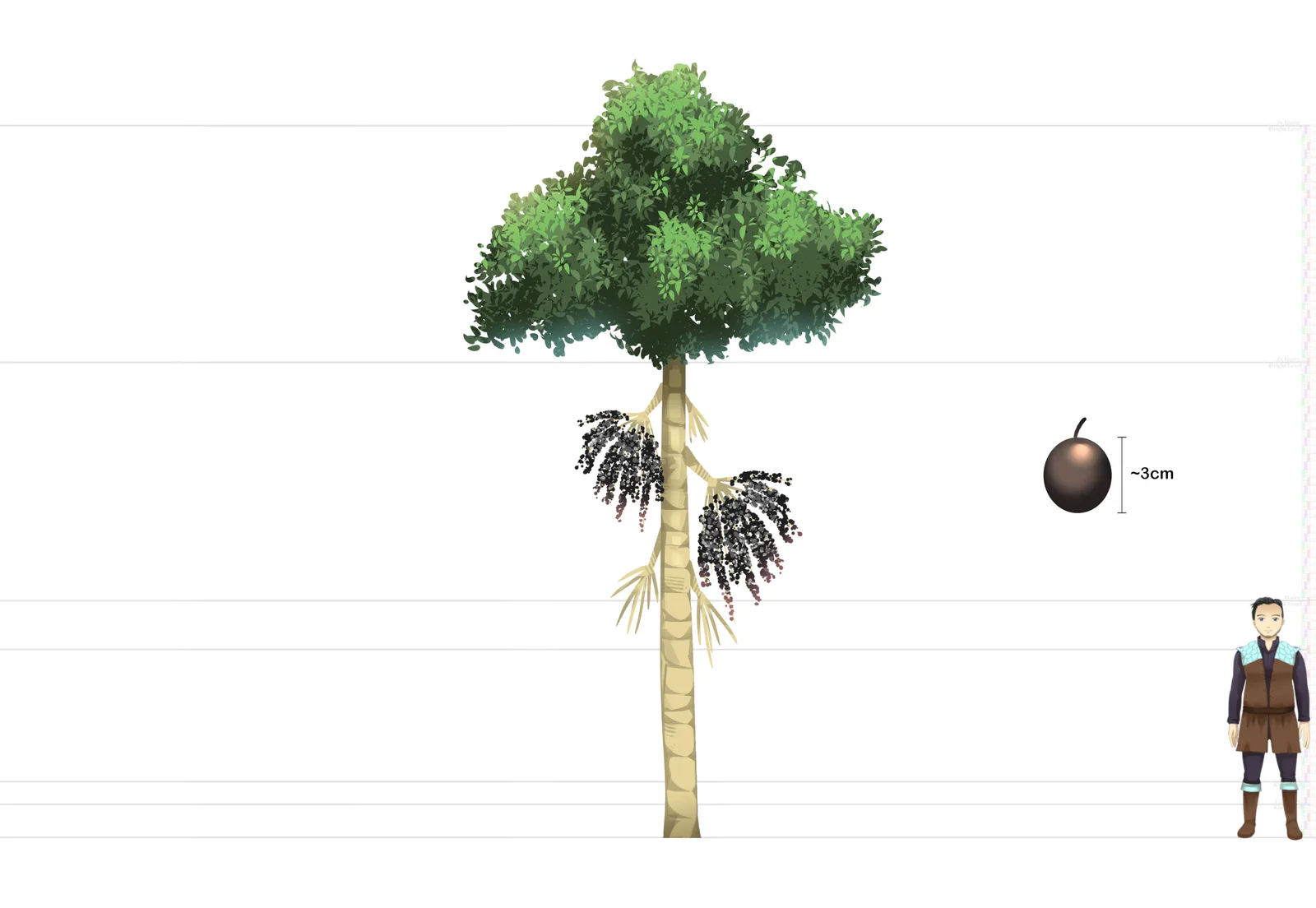
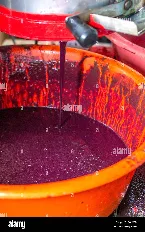
Basi-Beeren werden gesammelt und dann maschinell zerstampft, um das Fruchtfleisch zu einem dicken Brei ähnlich wie Vaseline zu trennen. Der dunkle, dicke Brei hat einen erdigen, leicht bitteren Geschmack, als würde man 80-prozentige Zartbitterschokolade und Brombeere mit einem Hauch roter Heidelbeere mischen, und er ist ein Grundnahrungsmittel im Königreich Freeish. Die Leute dort essen ihn buchstäblich zu allem, kombinieren ihn mit gegrilltem oder frittiertem Fisch, Trockenfleisch und geben sogar Zucker und Eiswürfel dazu, um ihn als Nachtisch zu essen. Er ist außerdem ziemlich ballaststoffreich, was erklärt, warum das Königreich Freeish nach dem Mittag- und Abendessen im Grunde eine Weile zum Stillstand kommt! Andere Königreiche haben an dieser Küche wahrscheinlich nicht viel Anteil, denn der Basi-Brei schmeckt nur frisch gut, und sobald man ihn kühlt oder einfriert, zerfällt der Geschmack, bis er nach Erde schmeckt.
Öffentlicher Text: flora.md
Hinter den Kulissen · vollständige Notizen
-
Website-Beschreibung
- Basi berries are gathered and then mechanically beaten to separate the flesh into a thick pulp, akin to petroleum jelly. The dark, thick pulp comes with an earthy, slightly bitter taste akin to mixing 80% dark chocolate and blackberry with a tinge of red huckleberry, and it's a food staple on Freeish Kingdom. Folks over there eat it with literally everything, pairing it with grilled or fried fish, dried jerky, and even adding sugar and ice cubes and eating it as a dessert. It is also quite heavy on fiber, which explains why the Freeish Kingdom basically grinds to a halt for a bit after lunch and dinner! Other kingdoms likely don't partake much in that cuisine as the basi pulp only tastes good fresh, and as soon as you refrigerate or freeze it, the flavor breaks down to tasting like dirt.
-
Isekai-Geschichte
- Bushy plant that grows in the wild, or farmed intensively in Freeish.
-
Scientific History
- Acai (but as a bushy plant instead.)
-
Habitat
- More often found in the south, near Freeish. Farmed heavily over there. Other kingdoms don’t seem to really partake on it.
-
Economic Value
-
Basi Berries
- Isekai-Geschichte
- It takes 4 hours to strip a bush tree of all its berries, yielding between 1 and 2 kg of acai berries.
- Things can be halved/speeden up if you use a shaker.
- Each berry is about the size of a fingertip and needs to be separated from the hair-like structure.
- It takes 4 hours to strip a bush tree of all its berries, yielding between 1 and 2 kg of acai berries.
- Visuelle Referenz
- See Item Visual Reference
- Isekai-Geschichte
-
Basi Pulp
- Isekai-Geschichte
- Separating the pulp from the fruit. It’s a thick paste.
- Eaten with both salty or sweet stuff.
- Visuelle Referenz
- Isekai-Geschichte
-
-
Tastes Like
- Acai. Earth, slightly bitter, like mixing pomegranate with strong dark chocolate.
-
Growth
- One bush produces ~1kg of berries per harvest season.
-
Seelenenergie-Fähigkeiten
- Interface
- Keine
- Skills
- Keine
- Interface
-
Visuelle Referenz
Gyut
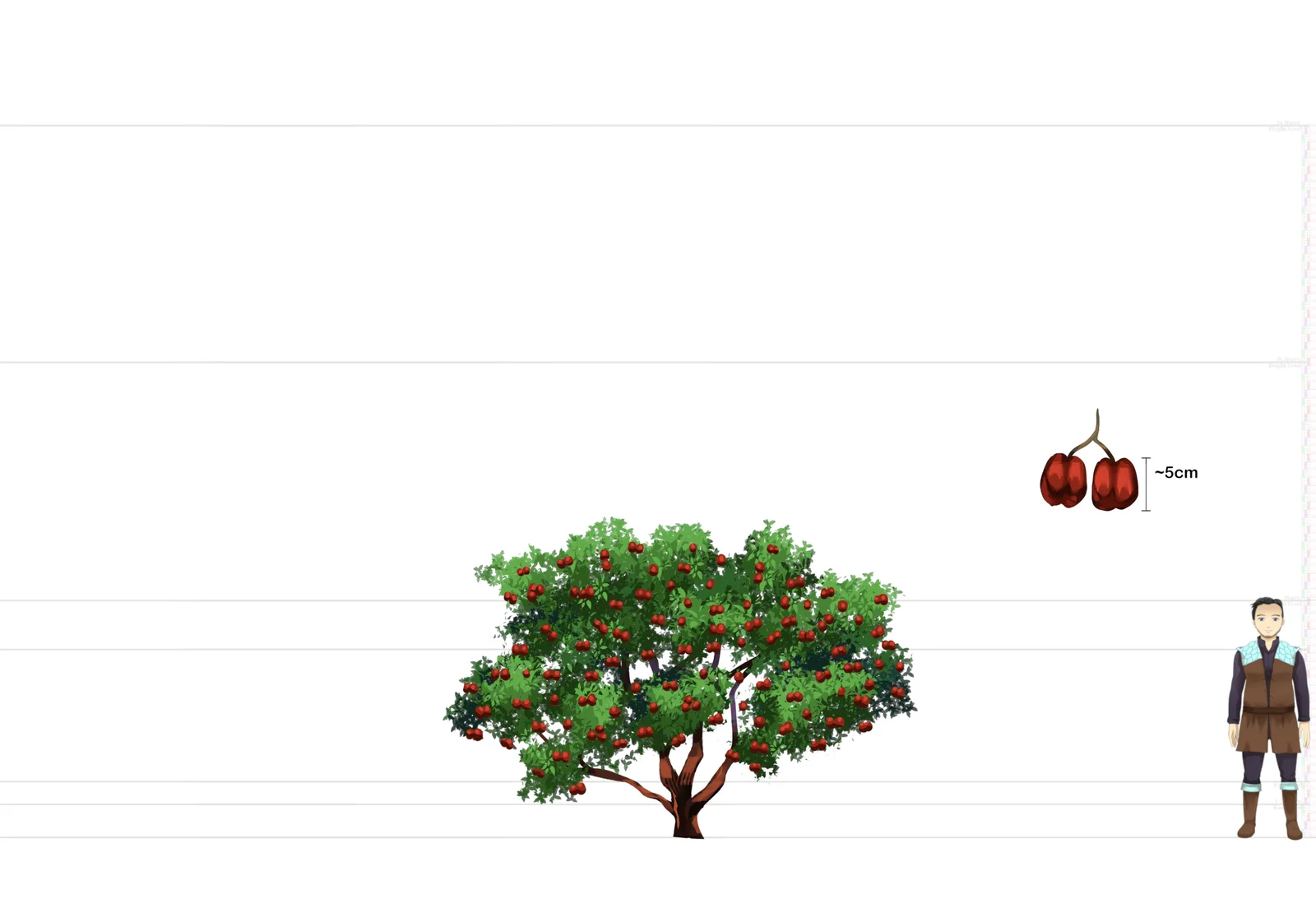
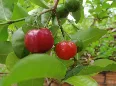
Gyut wurde von den Beamten von Forway als Grundgut betrachtet, als sie den Wert einer einzigen Pearl-Kugel auf ein Bagabone (etwa ein kg) frisch gepflückter Gyut festlegten. Sein süß-saurer, säuerlicher Geschmack erinnert an Kirsche gemischt mit Cranberrys und Granny-Smith-Äpfeln und ist in allen Königreichen beliebt, auch bei der Fauna. Manche Restaurants füttern ihr Vieh mit nichts als Gyut, wegen seiner bemerkenswerten Eigenschaft, das Fleisch süßer zu machen und ihm beim Braten über offener Flamme eine karamellisierte Note zu verleihen.
Öffentlicher Text: flora.md
Hinter den Kulissen · vollständige Notizen
-
Website-Beschreibung
- Gyut was considered a staple good by Forway officials, who established the value of a single pearl ball as equal to one Bagabone (about 1 kg) of freshly picked gyut. Its sweet-tart, acidic taste resembles cherries mixed with cranberries, and Granny Smith apples are a favorite among the kingdoms and the fauna. Some restaurants feed their livestock nothing but gyut for its remarkable ability to make the meat sweeter, giving it a caramelized characteristic when roasted over open flames.
-
Isekai-Geschichte
- A bushy plant that grows on lower terrains.
- Any animal that eats it will make their meat slightly sweet.
-
Scientific History
- Acerola
-
Habitat
- Found across the kingdom in non-desert areas < 1km height.
- Farmed more intensively in the Freeish Kingdom.
-
Economic Value
-
Gyut Berries
- Isekai-Geschichte
- It takes ~30 minutes to 1 hour to pick 1 kg of berries, making the bush big. It is a staple good, and is used to determine the value of Ball currency.
- Each berry is about the size of a fingertip.
- Visuelle Referenz
- See Item Visual Reference
- Isekai-Geschichte
-
Dried Gyut
- Isekai-Geschichte
- Often done for food stock, selling to other kingdoms, baking in food or on-the-road snacks.
- Visuelle Referenz
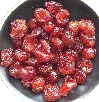
- Isekai-Geschichte
-
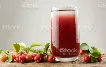
Gyut Juice
- Isekai-Geschichte
- Refreshing.
- Visuelle Referenz
- Isekai-Geschichte
-
Gyut Hard Juice
- Isekai-Geschichte
- Fermented Juice.
- Visuelle Referenz
- Isekai-Geschichte
-
-
Tastes Like
- Acerola, but sweeter.
-
Growth
- ~1 Year until established
- One bush provides ~1 kilo of berries per day for ~10 days during harvest season.
-
Seelenenergie-Fähigkeiten
- Interface
- Keine
- Skills
- Keine
- Interface
-
Visuelle Referenz


Siguash
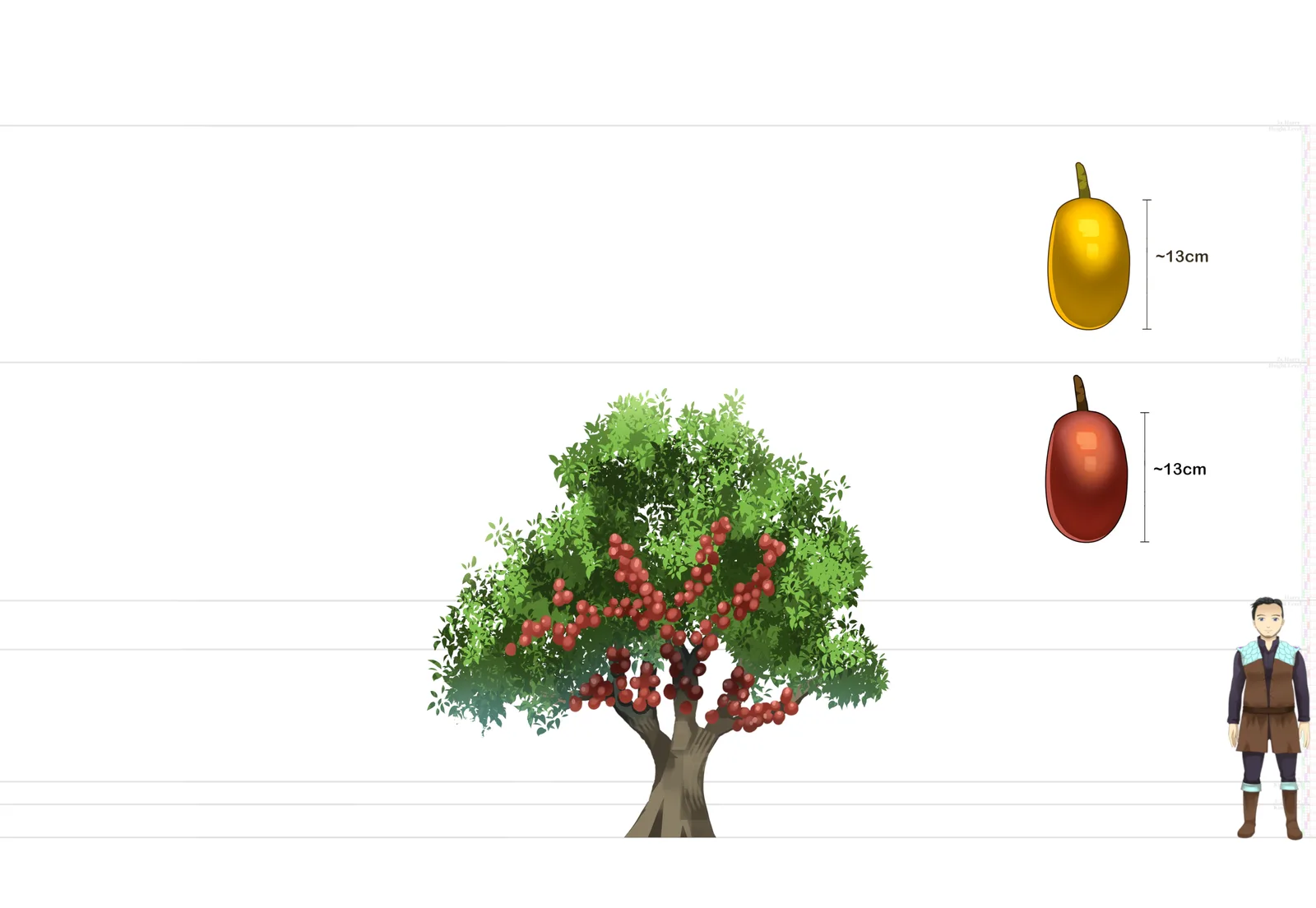
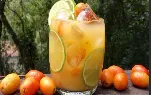
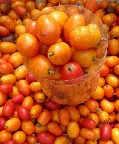
Siguash schmeckt ähnlich wie Nam-Dok-Mai-Mango, nur viel kleiner, mit einem Hauch Granatapfel. Manche lassen die Frucht absichtlich überreif werden, bis sie eine säuerliche gelbe Farbe annimmt, während der zusätzliche Zucker gärt und ein alkoholisches Getränk für unterwegs entsteht. Achte nur darauf, wie viele vergorene Siguash du dir einwirfst, denn es kennt keine Gnade, selbst wenn du ein Höhlenmensch von einem Darfaries bist.
Öffentlicher Text: flora.md
Hinter den Kulissen · vollständige Notizen
-
Website-Beschreibung
- Siguash tastes similar to Nam Dok Mai mango but is much smaller, with a hint of pomegranate. Some intentionally leave the fruit to overripe, turning it a tangy yellow as the extra sugars ferment and create an on-the-go alcoholic drink. Just watch how many fermented Siguash you're popping in, as it doesn't show mercy even if you're a troglodyte of a Darfaries.
-
Isekai-Geschichte
- Bushy plant that grows in the wild.
-
Scientific History
- Siriguela
-
Habitat
- Found across the kingdom in non-desert areas < 1km height, especially in forests
-
Economic Value
-
Siguash Berries
- Isekai-Geschichte
- It takes ~60 minutes to harvest 1 kg of berries, giving each bush less fruit than Gyut.
- It is a staple good, and is used to determine the value of Ball currency.
- Each berry is about the size of a fingertip.
- Visuelle Referenz
- See Item Visual Reference
- Isekai-Geschichte
-
Dried Siguash
- Isekai-Geschichte
- Often done for food stock, selling to other kingdoms, baking in food, or on-the-road snacks.
- Visuelle Referenz
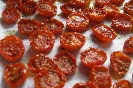 *Like Cherry tomatoes. But yellowish.
- Isekai-Geschichte
-
Siguash Juice
- Isekai-Geschichte
- Refreshing
- Visuelle Referenz
- Isekai-Geschichte
-
Siguash Hard Juice
- Isekai-Geschichte
- Fermented Juice.
- Visuelle Referenz
- Isekai-Geschichte
-
-
Tastes Like
- Mango, but smaller and sweeter with a hint of pomegranate. Very soft.
-
Growth
- One bush produces ~1/2kg of berries per day for ~10 days during the harvest season.
-
Seelenenergie-Fähigkeiten
- Interface
- Keine
- Skills
- Keine
- Interface
-
Visuelle Referenz

Gras
Carbey
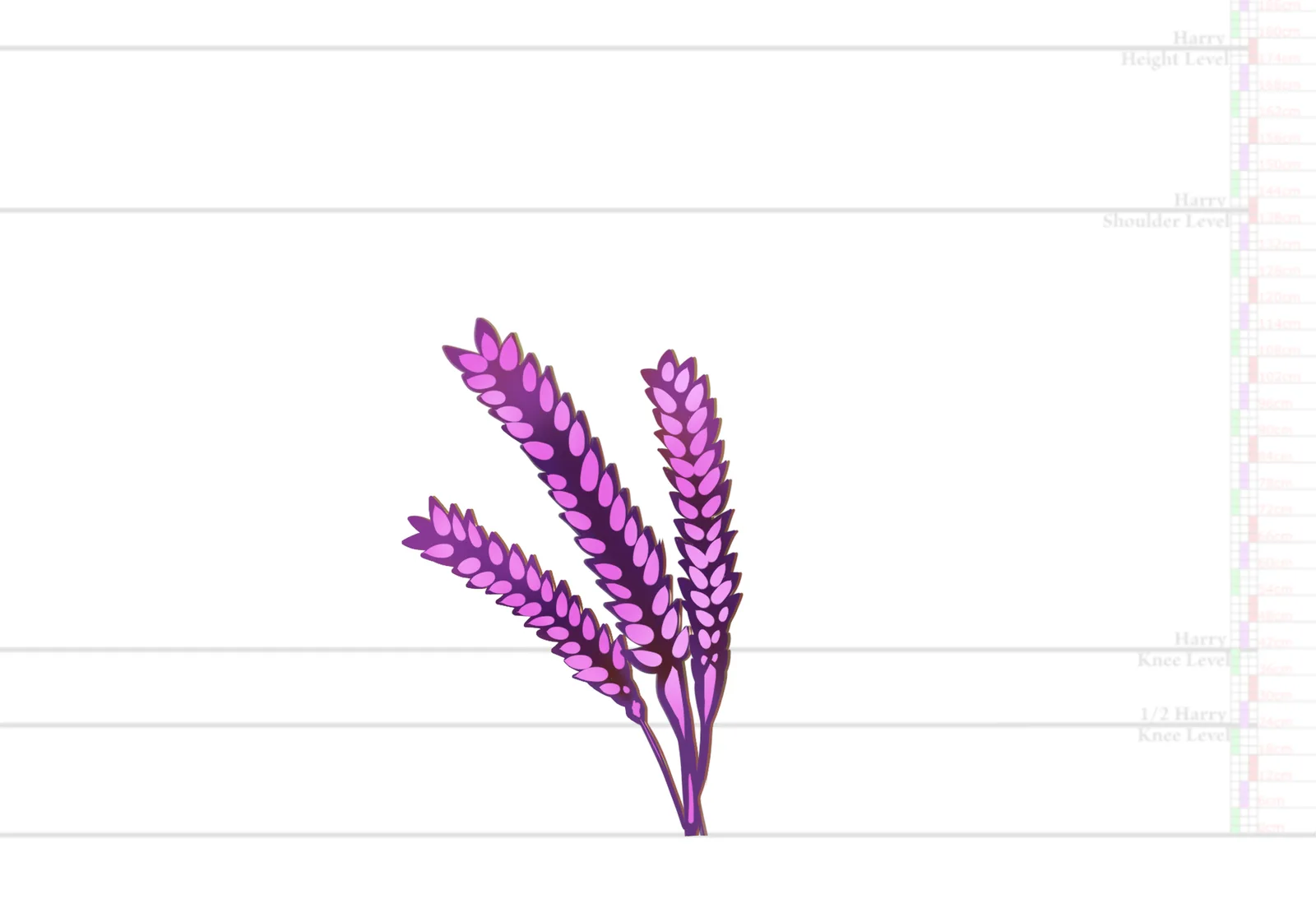
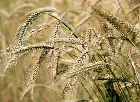
Carbey war ein lästiges Gras, das alle hassten, zumindest bis sie entdeckten, wie lecker es ist, es mit Wasser und Hefe zu mischen und dann in einen Holzofen zu schieben. Es wird in Freeish intensiv angebaut, wie das meiste andere auch, aber einige Unbeugsame in Tolerideme bestehen darauf, dass ihr Carbey viel besser schmeckt, besonders für Spirituosen, obwohl es dort viel schwieriger anzubauen ist. Carbey ist ein weiteres Grundnahrungsmittel, mit dem Forway den Grundwert einer einzigen Pearl-Kugel festlegt.
Öffentlicher Text: flora.md
Hinter den Kulissen · vollständige Notizen
-
Website-Beschreibung
- Carbey was annoying grass everyone hated it, at least until they discovered how tasty it is to mix it with water and yeast and then shove it in a wood stove. Farmed intensively in Freeish, like most other things, but some holdouts in Tolerideme insist their Carbey yields taste far better, specifically when used for spirits, despite it being much harder to cultivate over there. Carbey is another staple food Forway uses to establish the base value of a single pearl ball.
-
Isekai-Geschichte
- Used to make beer, bread, and everything in between.
-
Scientific History
- Wheat
-
Habitat
- Throughout the entire lower region, except the desert.
-
Economic Value
-
Carbey
- Isekai-Geschichte
- Used for feeding Eguas, or making more stuff.
- Visuelle Referenz
- See below
- Isekai-Geschichte
-
Carbey Flour
- Isekai-Geschichte
- See Carbey
- Visuelle Referenz
- Isekai-Geschichte
-
Bread
- Isekai-Geschichte
- It’s Bread. Texture close to French bread.
- Visuelle Referenz
- Isekai-Geschichte
-
Breadplate
- Isekai-Geschichte
- Bread is used as a plate. Often eaten or given to the poor.
- Visuelle Referenz
- Isekai-Geschichte
-
Gyut Bread
- Isekai-Geschichte
- Bread mixed with Gyut berries.
- A staple dessert for the poor throughout the four kingdoms, originally invented on Freeish.
- Visuelle Referenz
- Isekai-Geschichte
-
Beer
- Isekai-Geschichte
- A highly nutritious drink with low alcohol content enjoyed by everyone.
- Visuelle Referenz
- Isekai-Geschichte
-
Child Beer
- Isekai-Geschichte
- A weak, mildly sweet, and very nutritious version of beer meant for children
- https://en.wikipedia.org/wiki/Small_beer
- Visuelle Referenz
- Isekai-Geschichte
-
Man Beer
- Isekai-Geschichte
- An incredibly strong version of the beer.
- Visuelle Referenz
- Isekai-Geschichte
-
Ale
- Isekai-Geschichte
- Like beer, but with slightly higher alcohol
- Visuelle Referenz
- Isekai-Geschichte
-
-
Tastes Like
- Wheat
-
Growth
- Yields ~150 kg of Carbey per acre
- Acre = 20 meters × 200 meters
- Yields ~125 kg of Carbey Flour per acre
- Yields ~150 kg of Carbey per acre
-
Seelenenergie-Fähigkeiten
- Interface
- Keine
- Skills
- Keine
- Interface
-
Visuelle Referenz






Domar Carbey
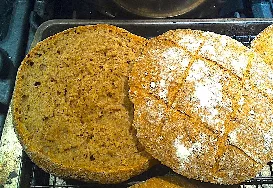
Domar Carbey ist eine Version von Carbey, die eine der drei klugen Schwestern durch Kreuzung mit Wood People geschaffen hat. Es wächst nur in der Region Tolerideme, denn es ist de facto die Grundlage der Wirtschaft von Tolerideme. Von Spirituosen über Lebensmittelexporte bis zu Kleidung usw.! Alles kommt von Domar Carbey. Der Weizen selbst schmeckt leicht käsig, wie Parmesan, mit einem reichen Getreideduft, der allem, was du backst, das gewisse Extra verleiht! Zu Desserts passt er allerdings nur, wenn es um bestimmte geht, wie Gyut-Brot oder andere Desserts mit zitroniger Note. So etwas wie Crème brûlée, Pudding oder alles mit stärkerem Eigelbgeschmack scheint nicht zu funktionieren.
Öffentlicher Text: flora.md
Hinter den Kulissen · vollständige Notizen
-
Website-Beschreibung
- Domar Carbey is a version of Carbey created by one of the three smart sisters by crossbreeding with Wood People. It only grows in the Tolerideme region, as it is de facto the base of the Tolerideme economy. From spirits, food export, clothing, etc! Everything comes from Domar Carbey. The wheat itself tastes slightly cheesy, like parmesan, with a rich grain smell that gives an extra oompf to whatever you bake! It only goes well with desserts if you're talking about specific ones like Gyut bread or other desserts on the citrusy spectrum. Something like crème brûlée, pudding, or anything with a more yolk-like taste doesn't seem to work.
-
Isekai-Geschichte
- A version of the Carbey created by one of the three smart sisters by crossbreeding with Wood People.
- Used to make beer, bread, and everything in between.
- More nutritional than Carbey, and tastes better as well.
-
Scientific History
- Wheat
-
Habitat
- Buhraies Plains
- Königreich Tolerideme
-
Economic Value
-
Domar Carbey
- Isekai-Geschichte
- Tolerideme has the upper hand in planting it for trading.
- Visuelle Referenz
- See below
- Isekai-Geschichte
-
Domar Carbey Flour
- Isekai-Geschichte
- See Domar Carbey
- Visuelle Referenz
- Isekai-Geschichte
-
Domar Bread
- Isekai-Geschichte
- It’s Bread. Texture close to French bread.
- Visuelle Referenz
- Isekai-Geschichte
-
Domar Gyut Bread
- Isekai-Geschichte
- Bread mixed with Gyut berries.
- Visuelle Referenz
- Isekai-Geschichte
-
Domar Beer
- Isekai-Geschichte
- A highly nutritious drink with low alcohol content enjoyed by everyone.
- Visuelle Referenz
- Isekai-Geschichte
-
Domar Child Beer
- Isekai-Geschichte
- A weak, mildly sweet, and very nutritious version of beer meant for children
- https://en.wikipedia.org/wiki/Small_beer
- Visuelle Referenz
- Isekai-Geschichte
-
Domar Man Beer
- Isekai-Geschichte
- An incredibly strong version of the beer.
- Visuelle Referenz
- Isekai-Geschichte
-
Domar Ale
- Isekai-Geschichte
- Like beer, but with slightly higher alcohol
- Visuelle Referenz
- Isekai-Geschichte
-
-
Tastes Like
- Carbey
- Hints of Parmesan cheese
-
Growth
- Yields ~300 kg of Carbey per acre
- Acre = 20 meters × 200 meters
- Yields ~250 kg of Carbey Flour per acre
- Yields ~300 kg of Carbey per acre
-
Seelenenergie-Fähigkeiten
- Interface
- Keine
- Skills
- Keine
- Interface
-
Visuelle Referenz




Lehuj
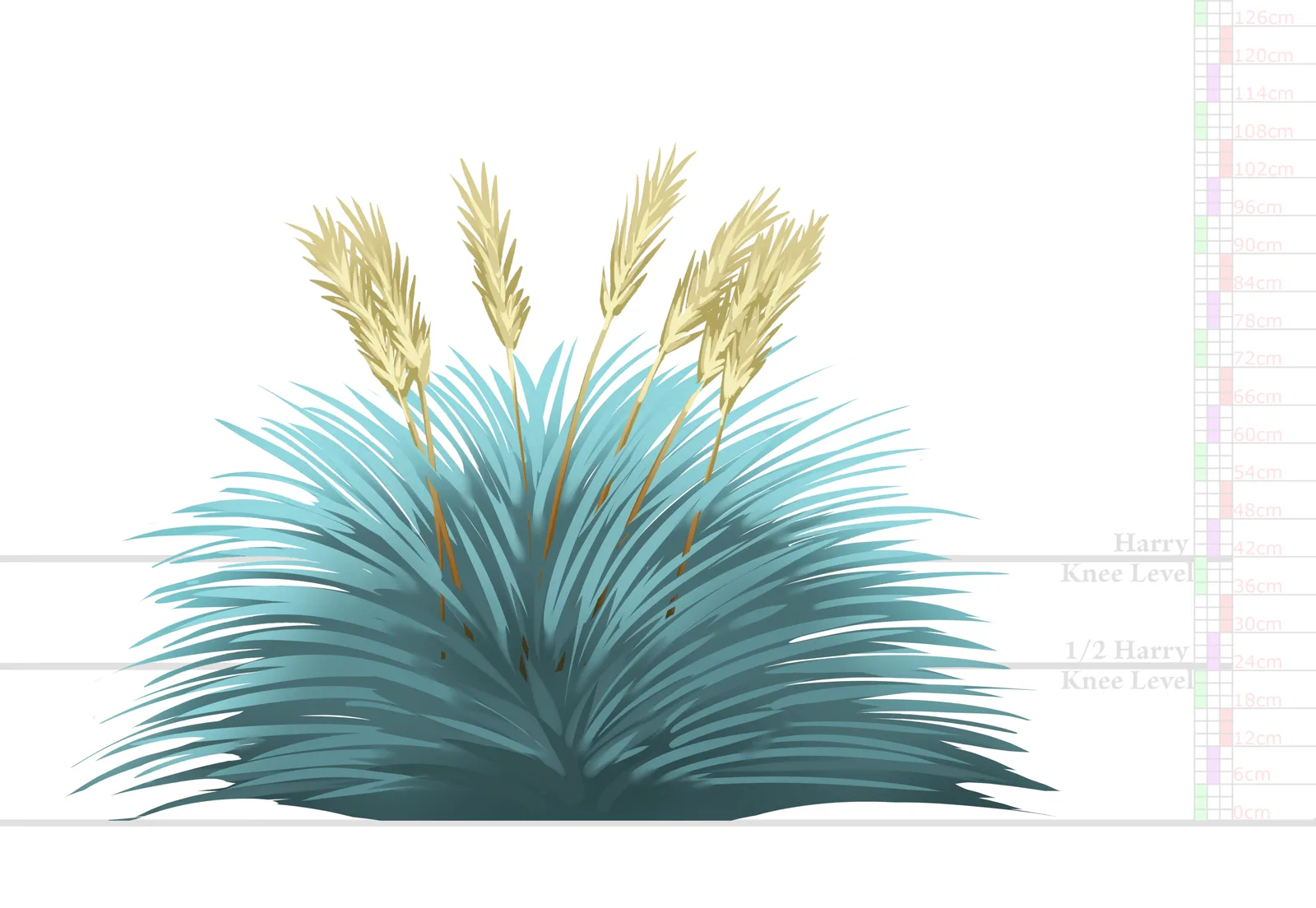
Lehuj ist das bevorzugte Heilmittel und Nari-Gel gegen Kater, Giftstoffe oder Gifte, wegen seiner unübertroffenen leberstärkenden Eigenschaften. Da es so einfach und reichlich wirkt, nutzen manche es auch für andere Vorteile bei der Verdauung oder als Katalysator für verschiedene Nari-Gel-Reaktionen. Es könnte auch als schreckliche Strafe dienen, wenn du es jemandem ins Essen oder Trinken spritzt, indem es die Leber überlastet und kurz darauf zum Versagen zwingt; der Unterschied zwischen Heilmittel und Gift ist schließlich nur die Dosis.
Öffentlicher Text: flora.md
Hinter den Kulissen · vollständige Notizen
-
Website-Beschreibung
- Lehuj is the go-to remedy and nari gel for dealing with hangovers, toxins, or poisons, thanks to its unmatched liver-enhancing properties. Given how easy and abundant it is, some also use it for other digestive benefits or as a catalyst for different nari gel reactions. It could also be used as a terrible punishment if you inject it into someone's food or drink by overloading their liver and forcing it shut down soon after; the difference between remedy and poison is just the dosage, after all.
-
Isekai-Geschichte
- Used for Smooth Gut Nari, and for its digestive properties, specifically liver. Also great as a hangover remedy.
-
Scientific History
- Blue Festuca
-
Habitat
- Throughout the entire lower region, except the desert.
-
Economic Value
-
Lehuj Grass
- Isekai-Geschichte
- See above
- Visuelle Referenz
- Isekai-Geschichte
-
-
Tastes Like
- Slightly sweet and acidic.
-
Growth
- Wild
-
Seelenenergie-Fähigkeiten
- Interface
- Keine
- Skills
- Keine
- Interface
-
Visuelle Referenz
Pilze
Lakata
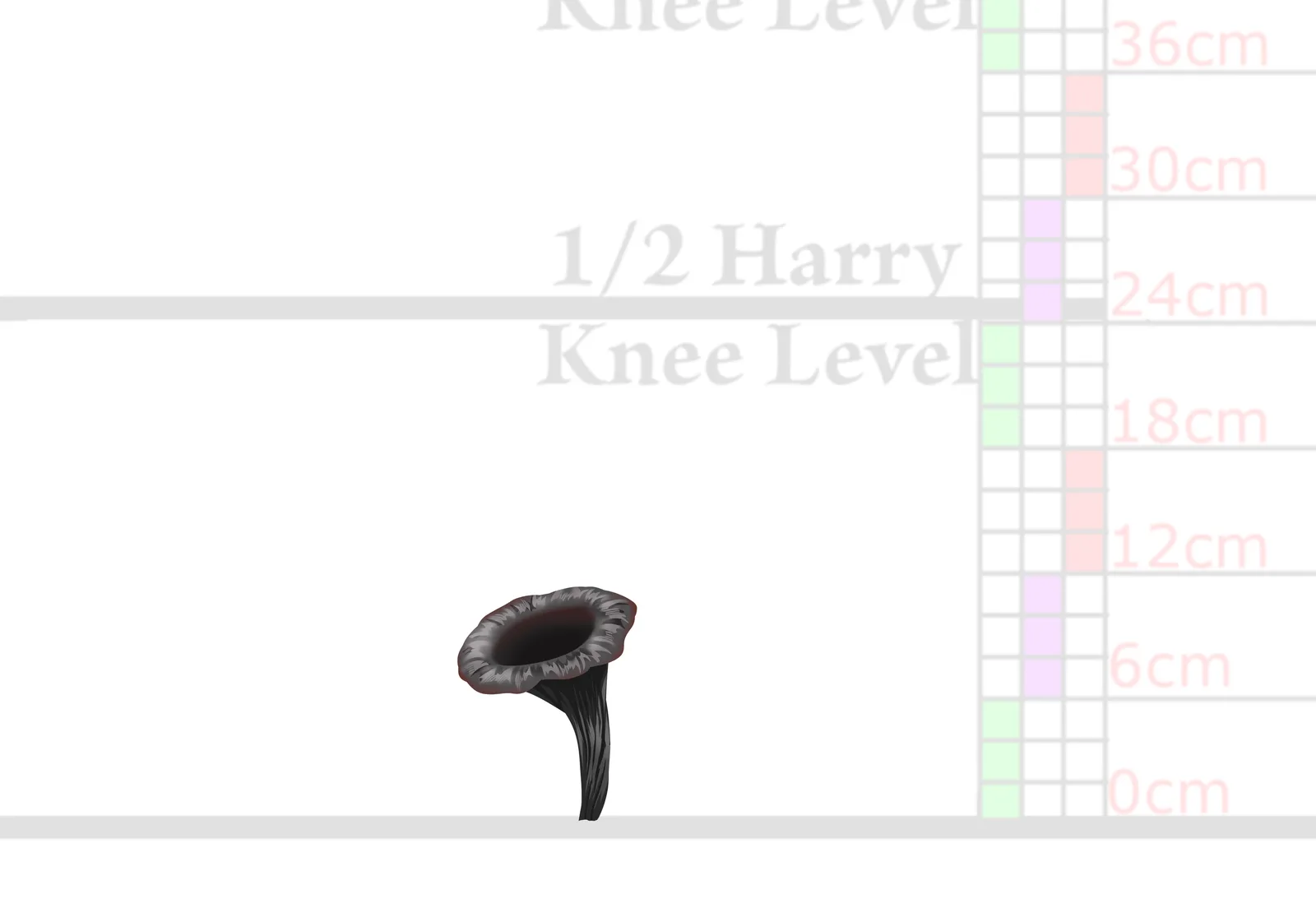
Lakata schmeckt wie geröstete Trauben, aber lass dich von diesem angenehmen Geschmack nicht täuschen! Er ist gut darin, das parasympathische Nervensystem zu überlasten, und wenn du nicht vorsichtig genug bist, bleibt dein Herz stehen. Viele Abenteurer und Sammler haben endlose Stunden damit verbracht, rund um morsche Bäume nach ihnen zu suchen, denn sie gelten als das tägliche Brot vieler Nari-Gele.
Öffentlicher Text: flora.md
Hinter den Kulissen · vollständige Notizen
-
Website-Beschreibung
- Lakata tastes like roasted grapes, but don't let that pleasant taste fool you! It is good at slowing the sympathetic nervous system, and if you're not careful, your heart will stop. Many adventurers and gatherers alike spent endless hours searching for them around rotting trees as they are considered the bread and butter of many nari gels.
-
Isekai-Geschichte
- A fungus is often used for slowing down the heartbeat. Found in rotting trees
-
Scientific History
- Chaga (Inonotus obliquus)
-
Habitat
- 0km
- Muddy, Deep forest of the south.
-
Economic Value
-
Lakata Caps
- Isekai-Geschichte
- See above
- Visuelle Referenz
- See below
- Isekai-Geschichte
-
-
Tastes Like
- Roasted Grapes.
-
Growth
- Several month
-
Seelenenergie-Fähigkeiten
- Interface
- Fungus
- Skills
- Pacifier
- Interface
-
Visuelle Referenz
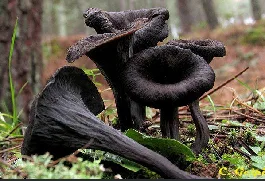
Panita
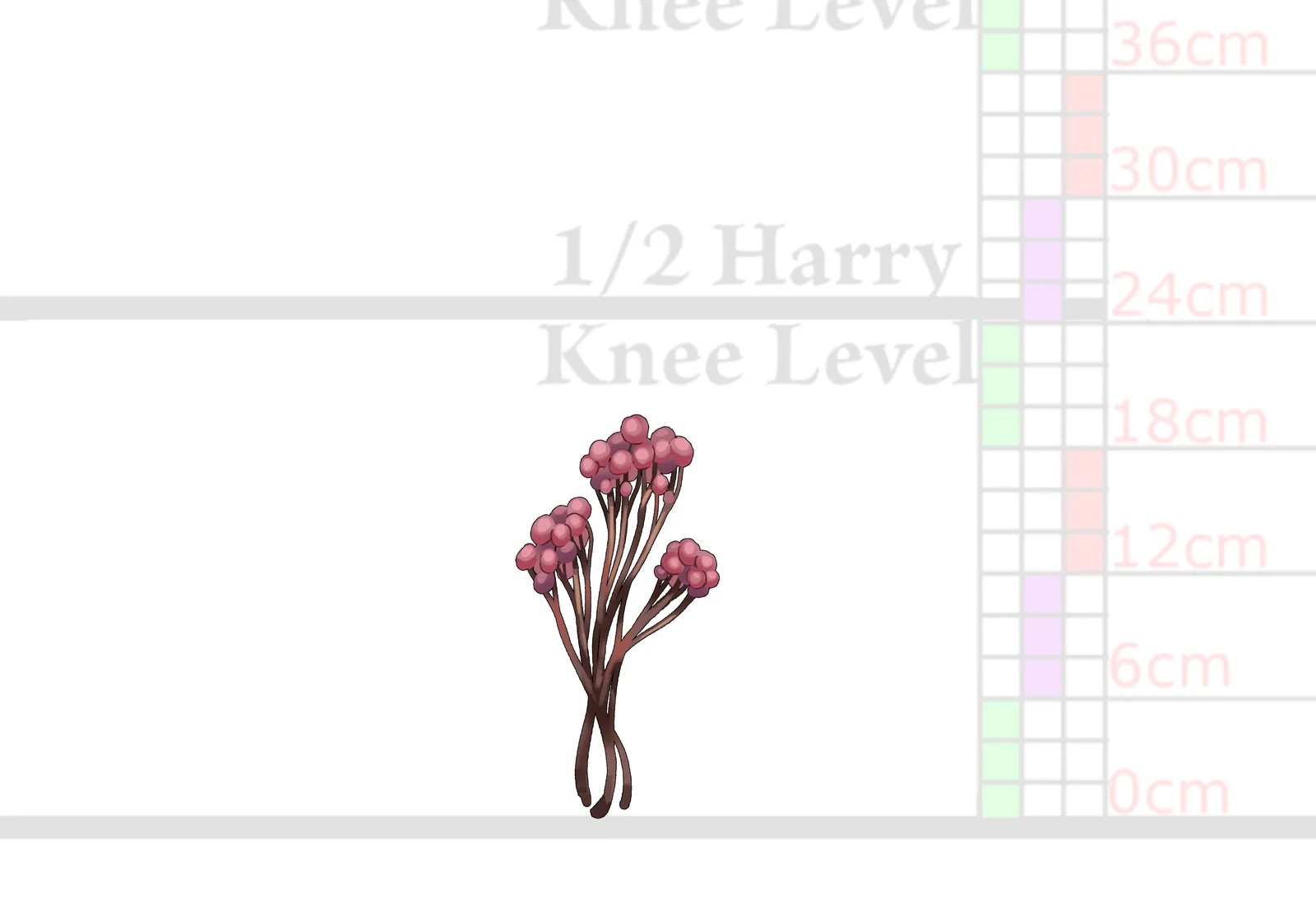
Panita ist ein weiterer Pilz, der ein schreckliches Geheimnis hinter seinem angenehmen Duft und Geschmack nach Blutorange verbirgt. Er lässt dich aus allen Öffnungen bluten, und wenn du ihn weiter zu dir nimmst, verwandelt er sich in schmelzende Haut, schmelzendes Fleisch und schmelzende Knochen, und du spürst das meiste davon, bevor du stirbst. Wirklich ganz reizend! Forway hat in der Vergangenheit erwogen, ihn zu verbieten, aber dann könnten sie ihn auch selbst nicht mehr benutzen, um beschissene Leute zu bestrafen, also ist er bis heute legal.
Öffentlicher Text: flora.md
Hinter den Kulissen · vollständige Notizen
-
Website-Beschreibung
- Panita is another mushroom that conceals a terrible secret behind its pleasant smell and blood-orange taste. It makes you bleed from everywhere, and if you keep ingesting it, it turns into melting skin, flesh, and bones, and you will feel most of it before you die. Quite pleasant indeed! Forway has considered banning this in the past, but that would mean they couldn't use it to punish shitty people, so it's still legal to this day.
-
Isekai-Geschichte
- A mushroom often used for Bleed out Nari gel
-
Scientific History
- Reishi (Ganoderma lucidum)
-
Habitat
- 0km
- Muddy, Deep forest of the south.
-
Economic Value
-
Panita Caps
- Isekai-Geschichte
- See above
- Visuelle Referenz
- See below
- Isekai-Geschichte
-
-
Tastes Like
- Blood Oranges.
-
Growth
- One month
-
Seelenenergie-Fähigkeiten
- Interface
- Mushroom
- Skills
- Melt *When damaged
- Bleed *When damaged
- Interface
-
Visuelle Referenz
Tyr
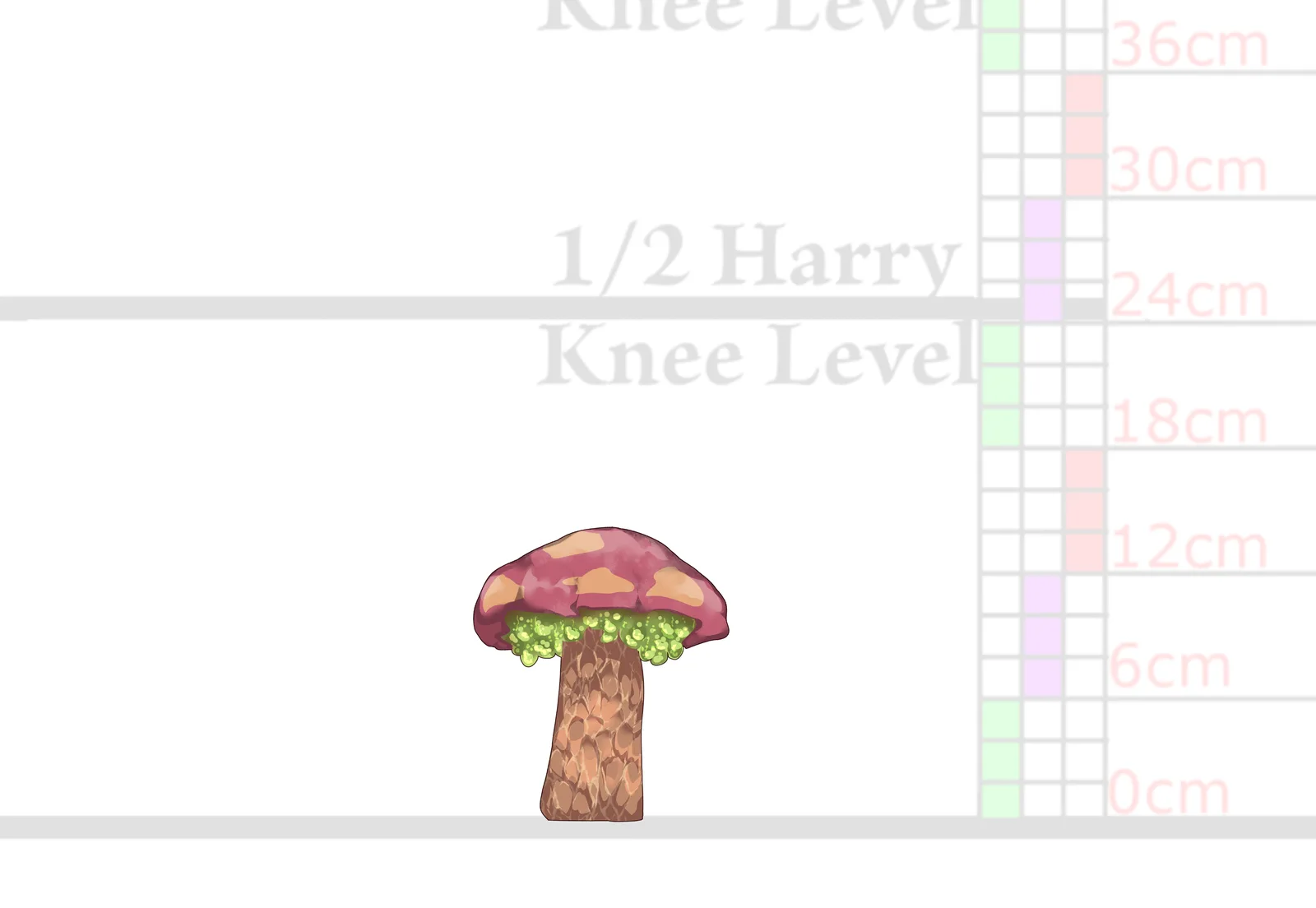
Tyr wirkt wie Lakata auf das Nervensystem, konzentriert seine Wirkung aber stattdessen darauf, das sympathische Nervensystem und die Wahrnehmung der Realität durcheinanderzubringen. Die schlimmste Wirkung, von der Leute berichten, ist, verstörende Dinge zu hören oder zu sehen, während man sich im eigenen Körper eingesperrt fühlt, weil man versucht, dagegen zu kämpfen oder davor wegzulaufen, aber die Kampf-oder-Flucht-Reaktion nicht funktioniert. Das ist nicht weit entfernt von einer Schlafparalyse. Tyr hat auch andere Eigenschaften, etwa das Auslösen von narkoleptischem Schlaf, aber sie zu isolieren hat sich als schwierig erwiesen. Eine Forschungsarbeit berichtete, man könne auch die Gedanken anderer hören, aber die Wissenschaftler, die es versuchten, konnten es nicht wiederholen und schrieben es stattdessen einem schlechten Trip zu.
Öffentlicher Text: flora.md
Hinter den Kulissen · vollständige Notizen
-
Website-Beschreibung
- Tyr affects the nervous system like Lakata, but it focuses on messing with the sympathetic nervous system and perception of reality instead. The worst effect people report is hearing or seeing disturbing things while feeling locked inside your body because you're trying to fight or run away from it, but your fight-or-flight doesn't work. It's not too far off from sleep paralysis. There are other properties from Tyr as well, like triggering narcoleptic sleep, but isolating it has been challenging. A research paper reported that some participants could hear others' thoughts as well, but the scientists who tried it could not replicate it and chalked it up to a bad trip instead.
-
Isekai-Geschichte
- A fungus similar to lakata, but it is far too poisonous (creates audio/visual hallucinations)
-
Scientific History
- Exsudoporus frostii
-
Habitat
- 0km
- Muddy, Deep forest of the south.
-
Economic Value
-
Tyr Caps
- Isekai-Geschichte
- See above
- Visuelle Referenz
- See below
- Isekai-Geschichte
-
-
Tastes Like
- Mushroomy apples.
-
Growth
- Several month
-
Seelenenergie-Fähigkeiten
- Interface
- Fungus
- Skills
- Hallucinate
- Interface
-
Visuelle Referenz
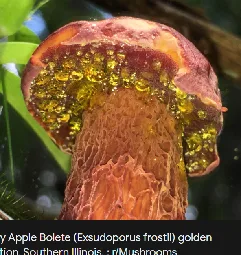
Wurzeln
Cadioca
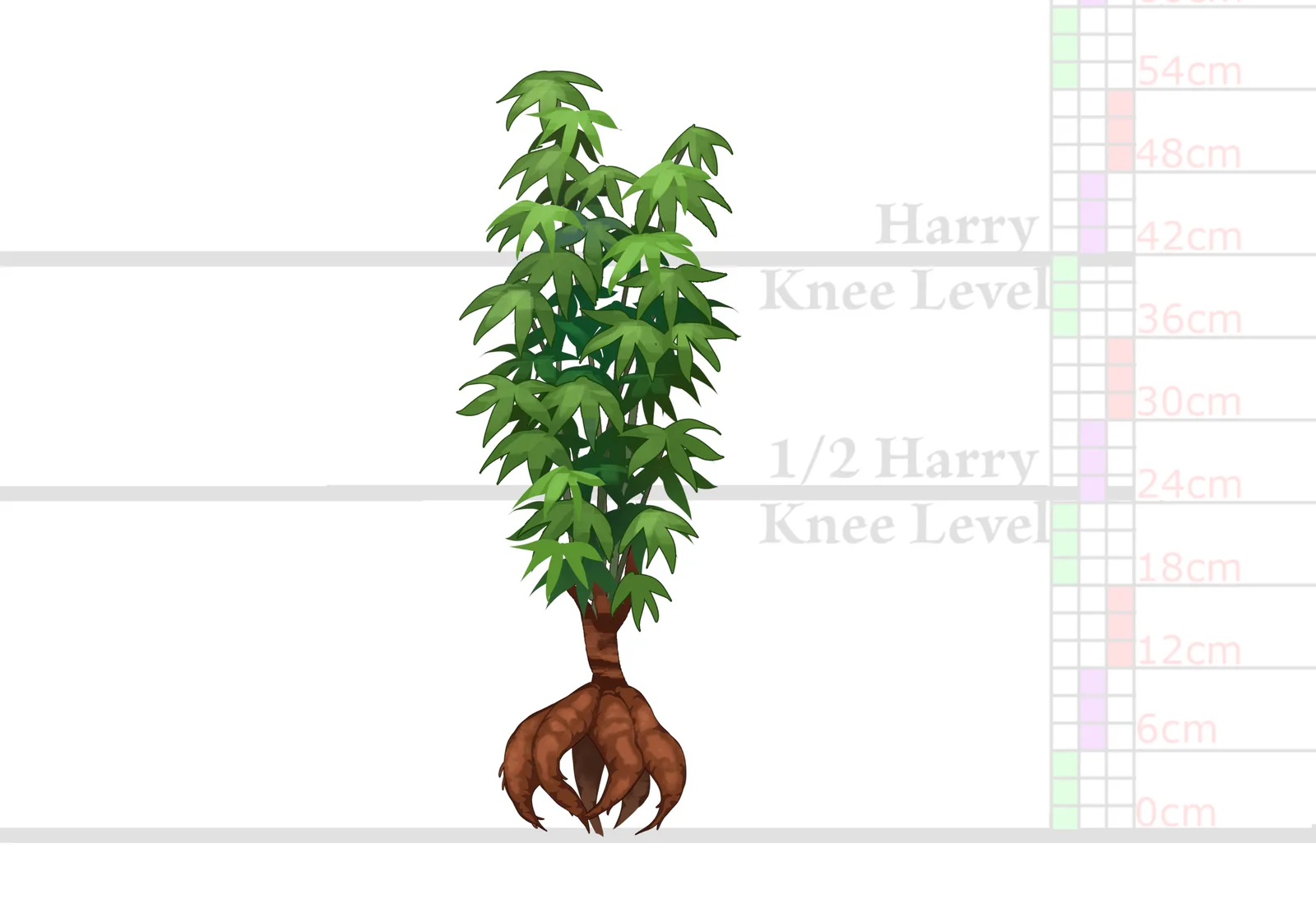
Cadioca ist roh gegessen giftig! Man muss sie zwei Tage in einem Fluss einweichen und dann drei Tage in der Sonne trocknen lassen, bevor man sie zum Kochen verwenden kann. Wie die Leute das herausgefunden haben? Purer Hunger aus den Tagen von Ganyrami. Der Geschmack kommt Maniok ziemlich nahe, und die meisten Leute essen sie entweder gemahlen und zu groben Körnern geröstet oder frittiert wie Pommes, aber dicker und mit Schale für das extra knusprige Geschmackserlebnis. Letzteres ist in allen vier Königreichen beliebt, aber man muss einen Aufpreis für den Transport aus Freeish zahlen, wo sie intensiv angebaut wird.
Öffentlicher Text: flora.md
Hinter den Kulissen · vollständige Notizen
-
Website-Beschreibung
- Cadioca is poisonous if eaten raw! One must soak it in a river for two days and then let it dry in the sun for three days before it can be used for cooking. How people discover it? Pure hunger from back on Ganyrami days. The taste is pretty close to cassava, with most people consuming it either ground and roasted into coarse grains or fried like fresh fries, but chunkier and with the skin on for that extra-crispy taste. The latter is a favorite across the four kingdoms, but they must pay a premium for transport from Freeish, where it is farmed intensively.
-
Isekai-Geschichte
- Poisonous if eaten raw. Needs to be soaked in the river for 2 Days, then dried in the sun.
-
Scientific History
- Cassava
-
Habitat
- A root found in the lower lands.
- Heavily farmed in Freeish.
-
Economic Value
-
Cadioca Roots
- Isekai-Geschichte
- One of the basis of food in the kingdoms.
- Visuelle Referenz
- See below
- Isekai-Geschichte
-
Cadioca Flour
- Isekai-Geschichte
- Just like Domar Carbey flour
- Visuelle Referenz
- Isekai-Geschichte
-
Cadioca Coarse Flour
- Isekai-Geschichte
- Used to eat with all kinds of things, like Farinha.
- Visuelle Referenz
- Isekai-Geschichte
-
Fried Cadioca
- Isekai-Geschichte
- A popular food throughout the kingdom, also invented in the Freeish Kingdom.
- Visuelle Referenz
- Isekai-Geschichte
-
-
Tastes Like
- Cassava
-
Growth
- ~2 Seasons
-
Seelenenergie-Fähigkeiten
- Interface
- Keine
- Skills
- Keine
- Interface
-
Visuelle Referenz

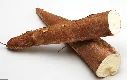
Lolish
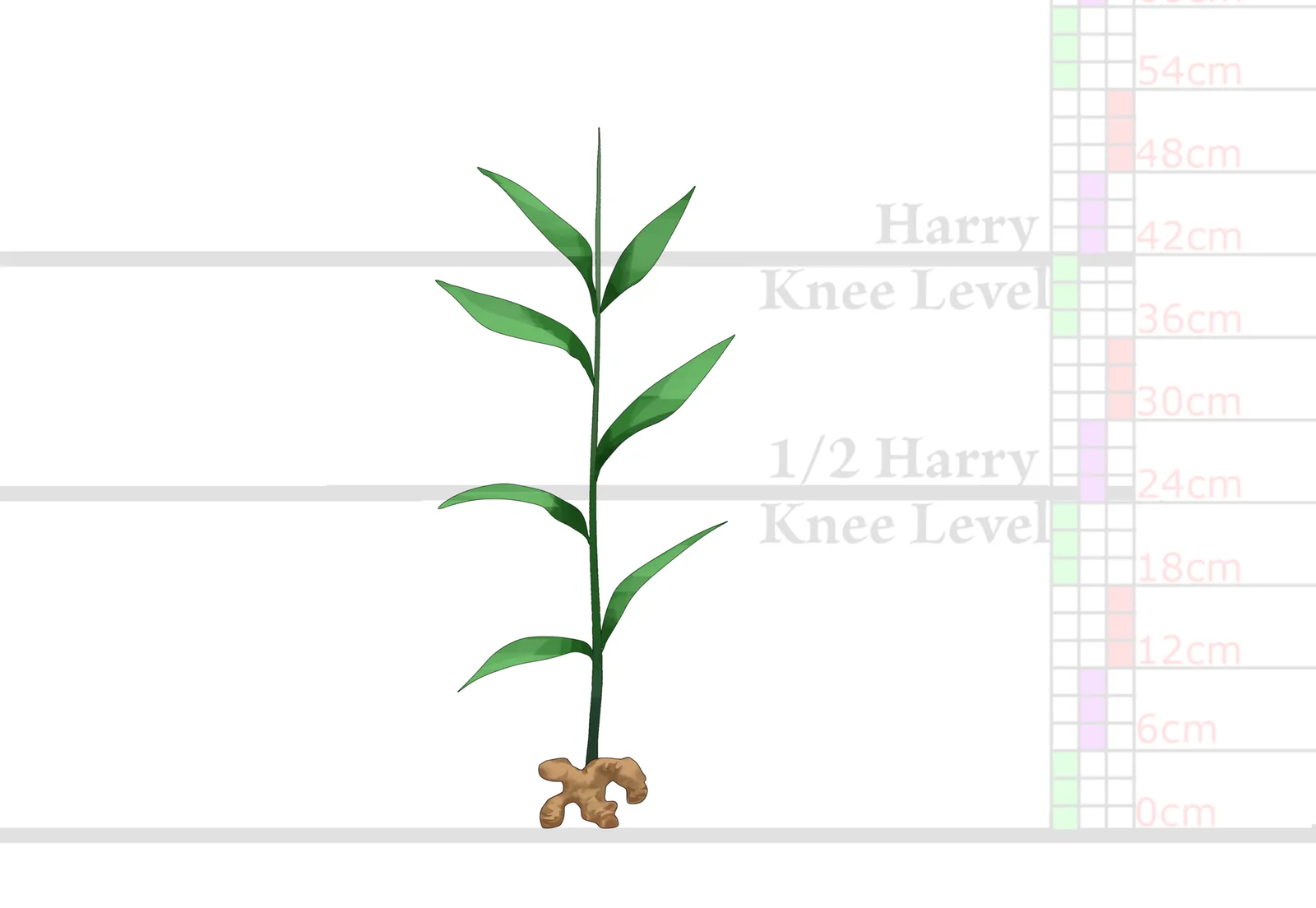
Lolish ist ein Liebling von Gandew, und manche Darfaries machen sich auf den Weg bis in die Übergangszone zur halbtrockenen Wüste, um ihr eigenes Lolish zu holen, weil sie nun mal so sind. Die nach Ingwer schmeckende Wurzel passt gut in ihre Küche und Getränke, um sich in eiskalten Wüstennächten aufzuwärmen.
Öffentlicher Text: flora.md
Hinter den Kulissen · vollständige Notizen
-
Website-Beschreibung
- Lolish is a favorite of Gandew, with some Darfaries making the track all the way to the semi-arid desert transitional zone to pick up their own lolish because that's just who they are. The ginger-flavored root pairs well with their cuisine and drinks, warming you up on frigid desert nights.
-
Isekai-Geschichte
- A root found in the desert of Gandew
-
Scientific History
- Ginger
-
Habitat
- Found buried in the desert (closer to transitional zones)
-
Economic Value
-
Lolish Roots
- Isekai-Geschichte
- See above
- Visuelle Referenz
- See below
- Isekai-Geschichte
-
-
Tastes Like
- Ginger
-
Growth
- ~2 Seasons
-
Seelenenergie-Fähigkeiten
- Interface
- Keine
- Skills
- Keine
- Interface
-
Visuelle Referenz
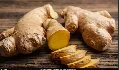
3 weitere Einträge auf dieser Seite gibt es nur unter .
Erstellt aus: Legacy/Public/flora.md, Legacy/Behind The Scenes/World Lore/Flora.md