
Fauna
Notación de la documentación
Entre bastidores · notas completas
- See Races for species considered at near or higher than Human intelligence.
- See Beasts for mildly intelligent species or highly dangerous beasts.
- See Fauna for low-intelligence species.
- This list is not complete; rather, it includes species that impact the economy/story to a greater extent.
- Earth animals that don't exist in Vraki (for writers): no goats (use Legunia), no dogs or cats (use Bagarisa where a dog would go), no pigeons (use wild Wingas).
- Adventurers hunting Fauna/Beats butcher the corpses prior to hauling them in order to reduce cost.
- See Economy Calculator for Prices.
Nivel de coste por distancia
Entre bastidores · notas completas
-
Nivel I (Bienes baratos)
- Freshly killed animals + elemental Soul Energy interface actions for storage
-
Nivel II (Bienes comunes)
- Processed meat + elemental Soul Energy interface actions for storage
- Feathers, Fur of large animals, and other animal parts.
-
Nivel III (Bienes caros)
- Jerky + elemental Soul Energy interface actions for storage
- Feathers, Fur of smaller animals, especially of higher quality
- Tamed/Live fauna
- Rare animal parts.
-
Nivel IV (Bienes de la nobleza)
- High-quality hides/furs, especially of rare game.
Herbívoros
Cinika
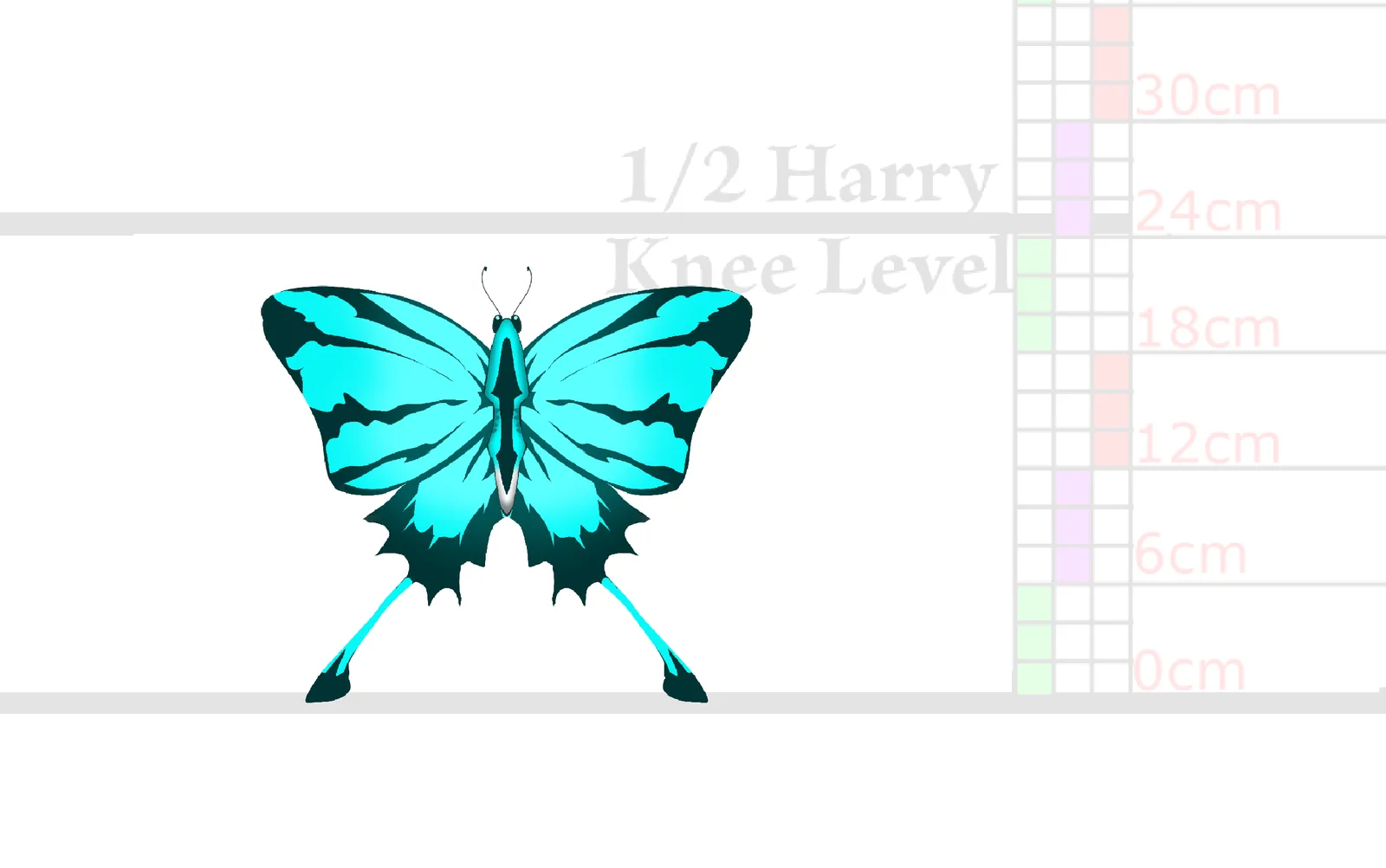
Los Cinikas, en cambio, no son precisamente tan extraordinarios, a menos que haya un enjambre y tú seas un Wozefaries o un Sorefaries sudado; entonces estás en un buen lío, porque te rodearán en enjambre, te paralizarán y te lamerán el dulce sudor. La interfaz de energía del alma de un solo Cinika no es tan potente, pero cuando hay un enjambre, pueden abrumar incluso a una bestia de Hifuna. También se comportan de forma muy distinta ante los cambios de presión y humedad; de hecho, ¡eso sí que es extraordinario! Si los ves formar un enjambre muy cerrado y revolotear como si buscaran refugio, seguro que se avecina una tormenta de las gordas.
Texto público: fauna.md
Entre bastidores · notas completas
-
Website Description
- Cinikas, meanwhile, are not exactly as extraordinary unless there's a swarm of them and you're a sweaty Wozefaries or Sorefaries; then you're big trouble as they will swarm you, paralyze you, and lick your sweet sweat. The soul energy interface of a single Cinika is not that powerful, but when there's a swarm of them, they might overwhelm even a Hifuna beast. They also behave distinctly differently in reaction to pressure and humidity changes—actually, that is extraordinary! If you see them make a tight-closed swarm and flutter around like they are seeking shelter, then for sure, there's a nasty storm brewing on the horizon.
-
Historia del Isekai
- A small cyan butterfly that spreads around every Spring.
- Known for attacking Wozefaries/Sorefaries in herds and paralyzing them to lick their sweat.
- One of the most popular butterflies around, as it gives adventurers and commoners a sense if there is any bad weather approaching when they create swarms and flee from the bad weather.
-
Scientific History
- Butterfly
-
Habitat
- Lower plains
-
Economic Value
-
Cinika Butterflies
- Historia del Isekai
- Fresh kill from not too far off, stored in a wagon with ice, ready for butcher shops or to be shipped around.
- Referencia visual
- See Above
- Historia del Isekai
-
-
Tastes Like
- Hairy flowers, earthy-like.
-
Alimentation
- Flower nectar
-
Intelligence
- Butterfly
-
Stats
- Reproduction
- Every Spring.
- Other
- Ninguno
- Reproduction
-
Capacidades de energía del alma
- Interfaz
- Antenna
- Skills
- Detect Pressure
- Detect Humidity
- Detect Temperature
- Paralyze
- Interfaz
Culuim
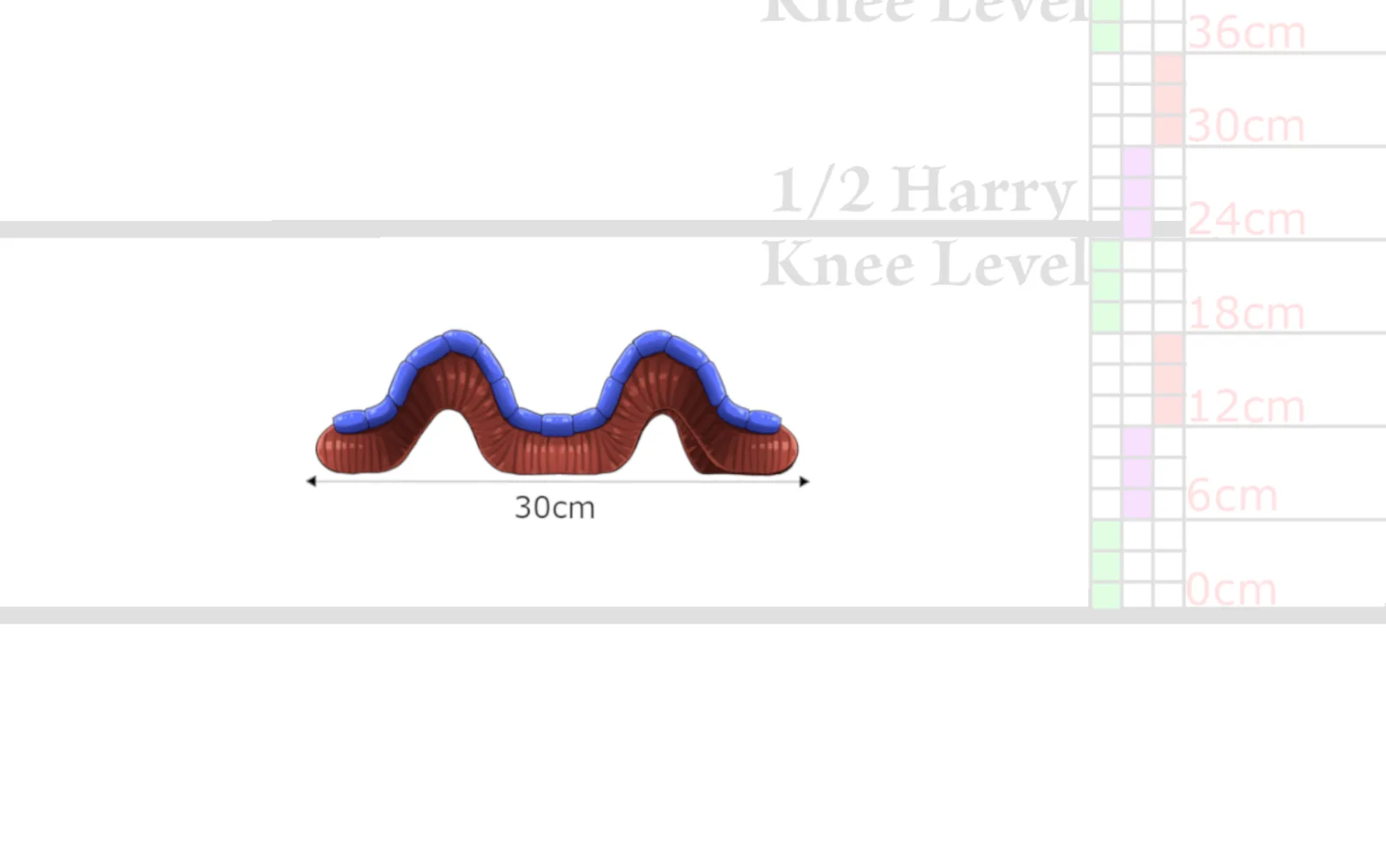
El Culuim demuestra que el Hifuna siempre debe considerarse una amenaza para el alma, aunque vivas tan lejos como en el Reino de Freeish. Esta historia empezó cuando un aventurero capullo de Big Gyut volvió de Hifuna con una bolsa de Walking Hearts lista para vender en el mercado negro. Probablemente iba sonriendo de oreja a oreja, emocionado por haber vuelto sin que lo pillaran, pero entonces uno de sus compañeros de gremio se chivó a los guardias, por un lío amoroso, como siempre. En lugar de entregar la bolsa, el aventurero capullo la enterró junto a una charca para deshacerse de las pruebas; el resto es historia, porque los gusanos se comieron el alma contaminada y nació una especie nueva. Forway intentó exterminarla, pero no sirvió de nada, así que cambió de enfoque para asegurarse de que no supusiera un peligro para la gente. Por suerte, no lo suponía y, poco después, de algún modo se convirtió en una comida callejera popular para quien va justo de dinero, por su grosor y su abundancia. Saben a tierra y la carne es bastante correosa, pero con suficiente condimento entra bien después de unas cervezas. Los científicos los adoran aún más por ser un modelo animal de los efectos del Walking Heart.
Texto público: fauna.md
Entre bastidores · notas completas
-
Website Description
- Culuim proves that Hifuna should always be considered a threat to the soul, even if you live as far away as the Freeish Kingdom. This story started when an asshole adventurer from Big Gyut returned from Hifuna with a bag of Walking Hearts ready to sell in the black market. He probably was smiling wide with excitement about making it back without being caught, but then one of his guild mates ratted him out to the guards—because of an affair, like usual. Instead of turning the bag in, the asshole adventurer buried it near a pond to get rid of the evidence—the rest is history as worms ate the contaminated soul, and a new species was born. Forway tried to exterminate it, but to no avail, so they shifted their focus to ensure it didn't pose a danger to the public. Luckily, that was the case, and soon after, it somehow became a popular street food for people in a pinch because of its girth and abundance. They taste like dirt, and the flesh is pretty chewy, but with enough seasoning, it goes down nicely after some beers. Scientists love them even more for being an animal model for the effects of Walking Heart.
-
Historia del Isekai
- These worms consumed soil infused with Walking Heart, and over time, the constant feeding and forced usage altered their soul.
-
Scientific History
- Worms (average)
-
Habitat
- Ponds. Someone dumped walking hearts in a pond near Freish kingdom, and the worms ate it, and it altered their soul.
-
Economic Value
-
Medallions
- Historia del Isekai
- Used for some nari gels, but also chopped up and grilled. It is part of the cuisine in the Freeish Region.
- Referencia visual
- Historia del Isekai
-
Cuisine
- Historia del Isekai
- See Freeish Kingdom
- Referencia visual
- --
- Historia del Isekai
-
-
Tastes Like
- Dirt. Very earthy.
-
Alimentation
- Ground
-
Intelligence
- Worm
-
Stats
- Reproduction
- By themselves or with other Culuim
- Other
- Ninguno
- Reproduction
-
Capacidades de energía del alma
- Interfaz
- Walking Heart
- Skills
- The carapace can flip between Walking Heart modes at will.
- It activates the Walking heart by inflating it with blood. It doesn’t seem capable of doing it for an extended period.
- Interfaz

Egua
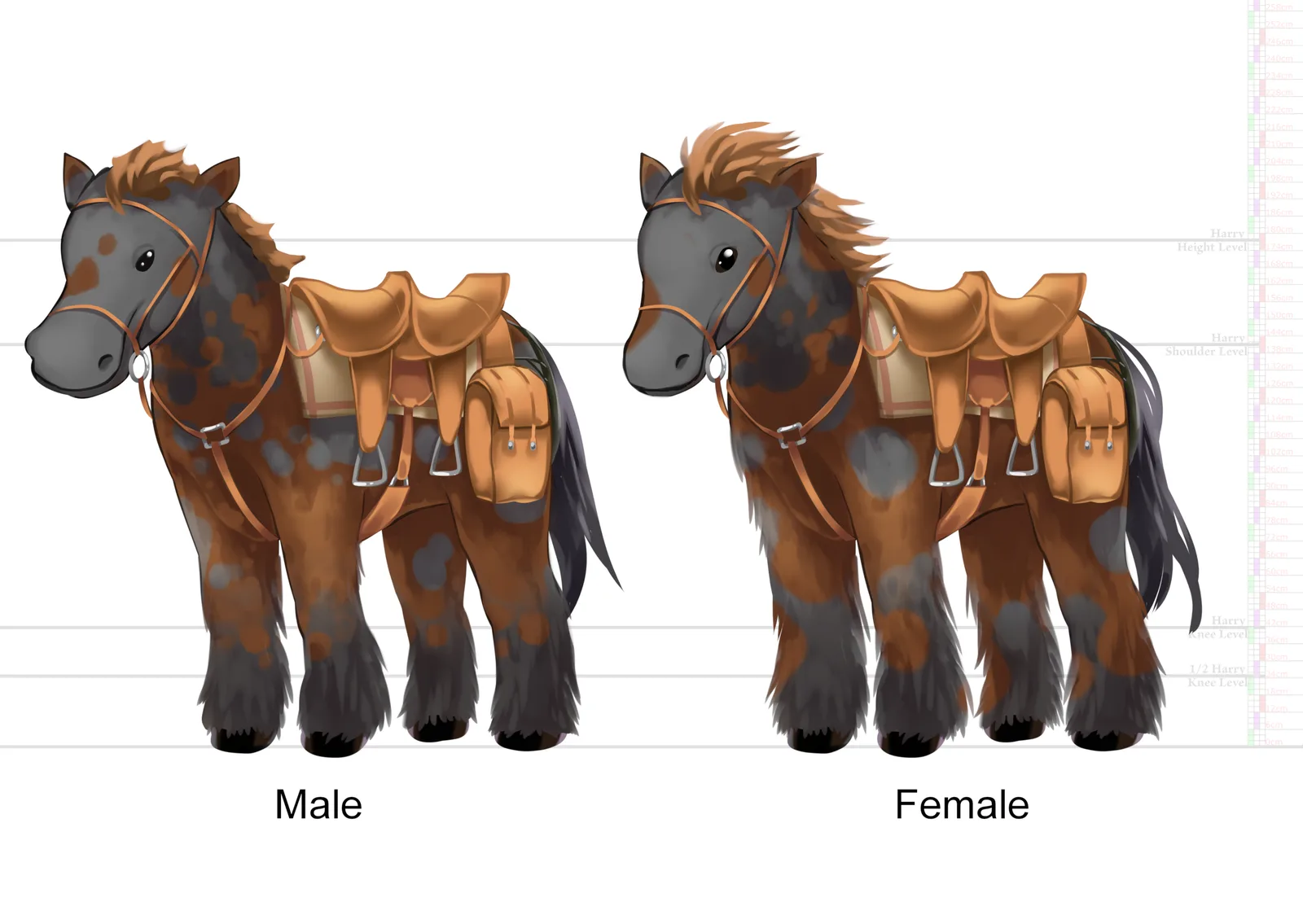
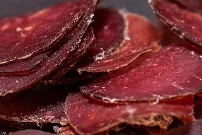
La Egua se convirtió en la base del comercio entre los cuatro Reinos y, si lo piensas bien, en el motivo principal de que el Prosperity Treaty sea próspero. Claro, el Gravity Repel todavía se usa para reducir el peso de las mercancías, pero luego también hay que ocuparse del volumen con el World Decrease. Solo el coste haría que comerciar fuera prohibitivo, ¡pero eso no es todo! El hecho de que no todas las mercancías aguanten que se altere su densidad por factores de diez, si no de cientos, hace que usar la Energía del alma para todo sea un coñazo. Todo esto nos devuelve a la idea de que, con su interfaz que le permite caminar sobre el agua, su resistencia para cargar mucho peso y su control de la fricción en terreno embarrado, es realmente un activo esencial para que las bolas sigan circulando, enriqueciendo el comercio y haciendo improbables las guerras. Algunas personas, sobre todo de Forway y de Freeish, además de algún aventurero que otro, todavía se dan el gusto de comer carne de Egua por sus notas más cárnicas y su bajo contenido en grasa, que da una cecina deliciosa. Eso sí, cuidado con su capacidad de expulsar los intestinos por el culo cuando se defiende: es de un surrealismo divertidísimo ver a un Wozen, o a cualquier cosa, dejar de perseguir a una Egua cuando empieza a caerle encima la lluvia de mierda y tripas.
Texto público: fauna.md
Entre bastidores · notas completas
-
Website Description
- Egua became the foundation of trading across the four Kingdoms, and if you think more about it, the core reason why the prosperity treaty is prosperous. Sure, Gravity Repel is still used to decrease the weight of goods, but then you have to deal with volume too through World Decrease. The cost alone would make things prohibitively expensive to trade, but that's not all! The fact that not every good can handle having its density altered by factors of ten, if not hundreds, makes using Soul Energy for everything a pain in the ass. All of this brings back the point that with its interface that allows it to walk on water, endurance to carry a lot of weight, and friction control over muddy terrain, it truly is an essential asset in keeping the balls flowing by enriching trading and making wars unlikely. Some people, mostly Forway and Freeish folks, plus some adventurers here and there, still like to indulge in Egua's meat for its meatier notes and low-fat content that makes tasty beef jerky. Just beware of its capabilities to eject its intestines from its bunghole when in self-defense—it's entertainingly bizarre to watch a Wozen, or anything for that matter, give up chasing an Egua when the shower of shit and guts starts to rain towards them.
-
Historia del Isekai
- Heavy horse with Hippopotamus characteristics to its head
- They were herbivores who did not mind being around other species, so they quickly became domesticated.
- They love to be petted and can understand basic instructions.
- Hurting them physically or emotionally will cause them to grow violently.
- They naturally can walk on water due to their Soul Energy interface.
- The basis of transportation across the Shared Delta.
- Humans respect their friendliness to the point that they often have human burials for this species.
- Some do eat their meat, but most of these people eat when the opportunity arises (e.g. older Eguas.)
-
Scientific History
- Protorohippus
- Hippopotamus
- Ardennes Heavy Horse Breed
-
Habitat
- Throughout the four kingdoms, wild specimens can be found in the plains where Forway city is located.
-
Economic Value
-
Egua Meat
- Historia del Isekai
- Butcher cuts meat. Relatively cheap meat due to the source being older eguas who no longer transport cargo/people
- Referencia visual
- Historia del Isekai
-
Egua Jerky
- Historia del Isekai
- Butcher prepared jerky
- Referencia visual
- Historia del Isekai
-
Egua Hide/Fur
- Historia del Isekai
- Butcher prepared hide/fur for artisans to work on.
- Referencia visual
- See above.
- Historia del Isekai
-
Egua Hoof/Leg hair
- Historia del Isekai
- Used on Nari Gel. Extracted from dead eguas, or sometimes from egua with damaged ones before casting healing.
- Referencia visual
- Historia del Isekai
-
Tamed Adult Egua
- Historia del Isekai
- Adult Egua ready to be worked.
- Referencia visual
- See above
- Historia del Isekai
-
Tamed Child Egua
- Historia del Isekai
- Can be worked, but for smaller loads (~0.4x load ~ 240kg.)
- Adventurers tend to buy baby Eguas instead to carry some of their equipment/loot as they walk alongside them.
- Referencia visual
- See above
- Historia del Isekai
-
-
Tastes Like
- Bland, old-tasting beef. The texture is like that of tougher top sirloin, especially since only old Eguas are used.
-
Alimentation
- Primarily ~20 Kg of Grass, Hay or Carbey
-
Intelligence
- Horse
-
Stats
- Reproduction
- Female Egua gives birth once a year
- Other
- Gallop (~30 km/h)
- 5km @ ~10% Load (Max Load of ~90 kilos)
- Canter (~20 km/h)
- 15km @ ~10% Load (Max Load of ~90 kilos)
- 5km @ ~20% Load (Max Load of ~180 kilos)
- Trot (~10 km/h)
- 35km @ ~10% Load (Max Load of ~90 kilos)
- 15km @ ~20% Load (Max Load of ~180 kilos)
- Gait (~7 km/h)
- 65km @ ~10% Load (Max Load of ~90 kilos)
- 35km @ ~20% Load (Max Load of ~180 kilos)
- Gallop (~30 km/h)
- Reproduction
-
Capacidades de energía del alma
- Interfaz
- Hair on legs
- Skills
- Water Walk
- Dirt Repel
- Increase/decrease size of legs.
- Eject privates or intestines through assholes (very specific, but that’s how they got away from certain predators.)
- Interfaz
Lansha
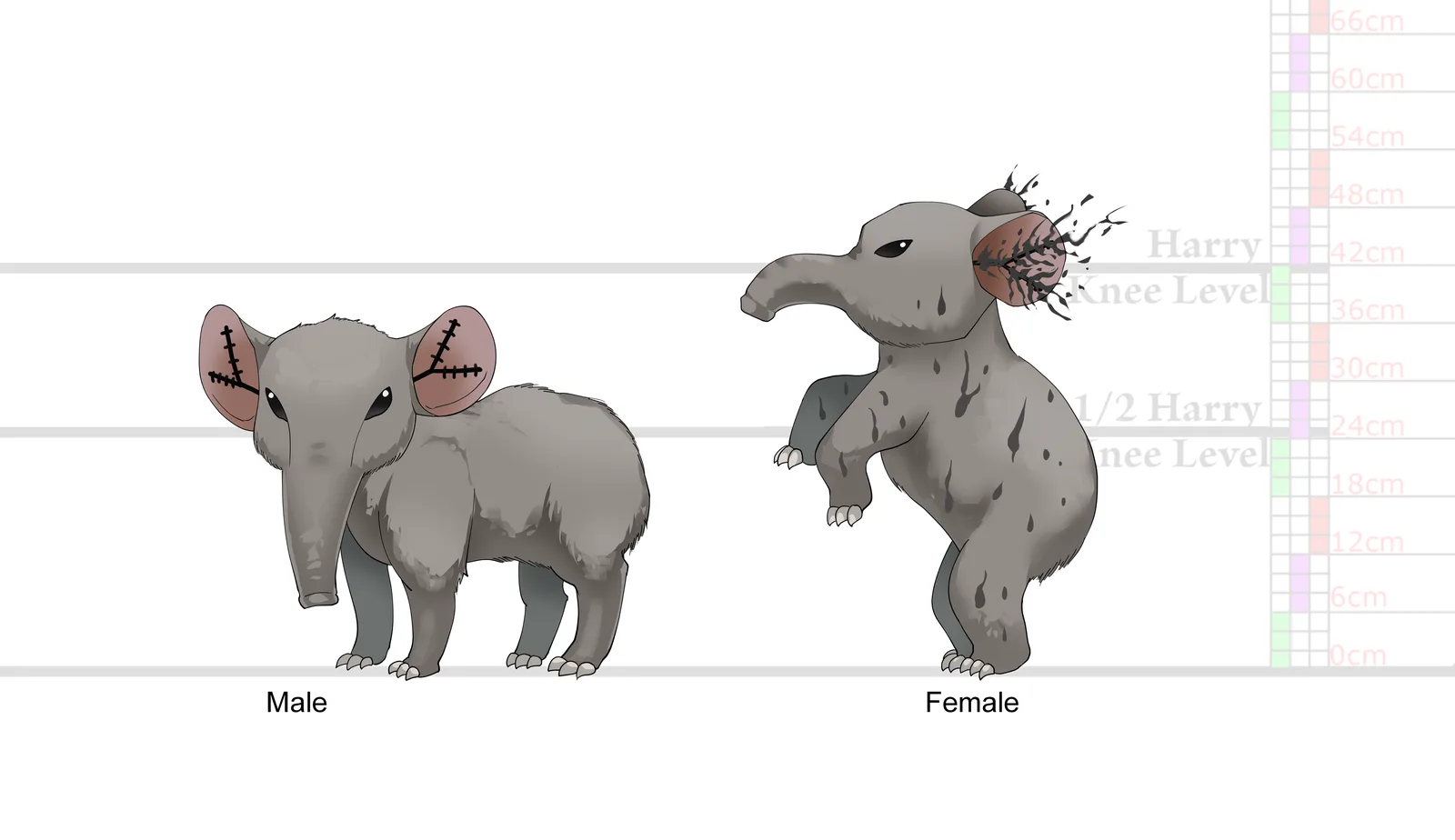
¡La Lansha es la favorita de los Cruros! Tanto que a menudo puedes cambiarles cualquier cosa que quieras por un simple trozo jugoso de Lansha a la parrilla, o si el cruro es bastante salvaje, te lo arrancará de la mano, ¡y la mano también! El sabor de la carne recuerda al de la cabra o el cordero. Cuesta acostumbrarse, pero una vez que lo haces, va bien con todo. Atrapar una y cocinarla puede ser complicado si no sabes lo que haces. Su principal defensa es cubrirse el cuerpo con una secreción ácida que hace imposible tragar un bocado. Cazarlas exige habilidad para darles en el cerebro de un solo disparo, y aún más habilidad para despellejarlas y quitarles las glándulas ácidas.
Texto público: fauna.md
Entre bastidores · notas completas
-
Website Description
- Lansha is a Cruro favorite! So much so, you often can trade anything you want from them with a simple succulent chunk of grilled Lansha—or if the cruro is pretty savage, it will just snatch it from you, and your hand too! The meat's flavor is akin to goat or lamb. It takes getting used to, but once you do, it goes well with anything. Catching one and cooking it can be tricky if you don’t know what you’re doing. Their main defense is coating their bodies with a sour secretion that makes biting them impossible to stomach. Hunting them down requires skill to one-shot their brain, and even more skill to skin them and their sour glands.
-
Historia del Isekai
- A native of the cruro lands, sometimes found as far south as Waterfall. Sometimes as high up as Tastyleaf.
-
Scientific History
- Elephant with Hippothamus
-
Habitat
- Cruro lands.
-
Economic Value
-
Lansha Meat
- Historia del Isekai
- Tastes like lamb. Fan favorite of any Cruro.
- Referencia visual
- Historia del Isekai
-
-
Tastes Like
- Lamb/Goat
-
Alimentation
- Tree, leaves, and plants.
-
Intelligence
- Like elephants or Hippos. By themselves, they are chill and timid, but in a group, they are more aggressive and territorial
-
Stats
- Reproduction
- Every 6 months
- Other
- -
- Reproduction
-
Capacidades de energía del alma
- Interfaz
- Ears
- Skills
- Gravity Down
- Oil Up.
- Interfaz
Legunia
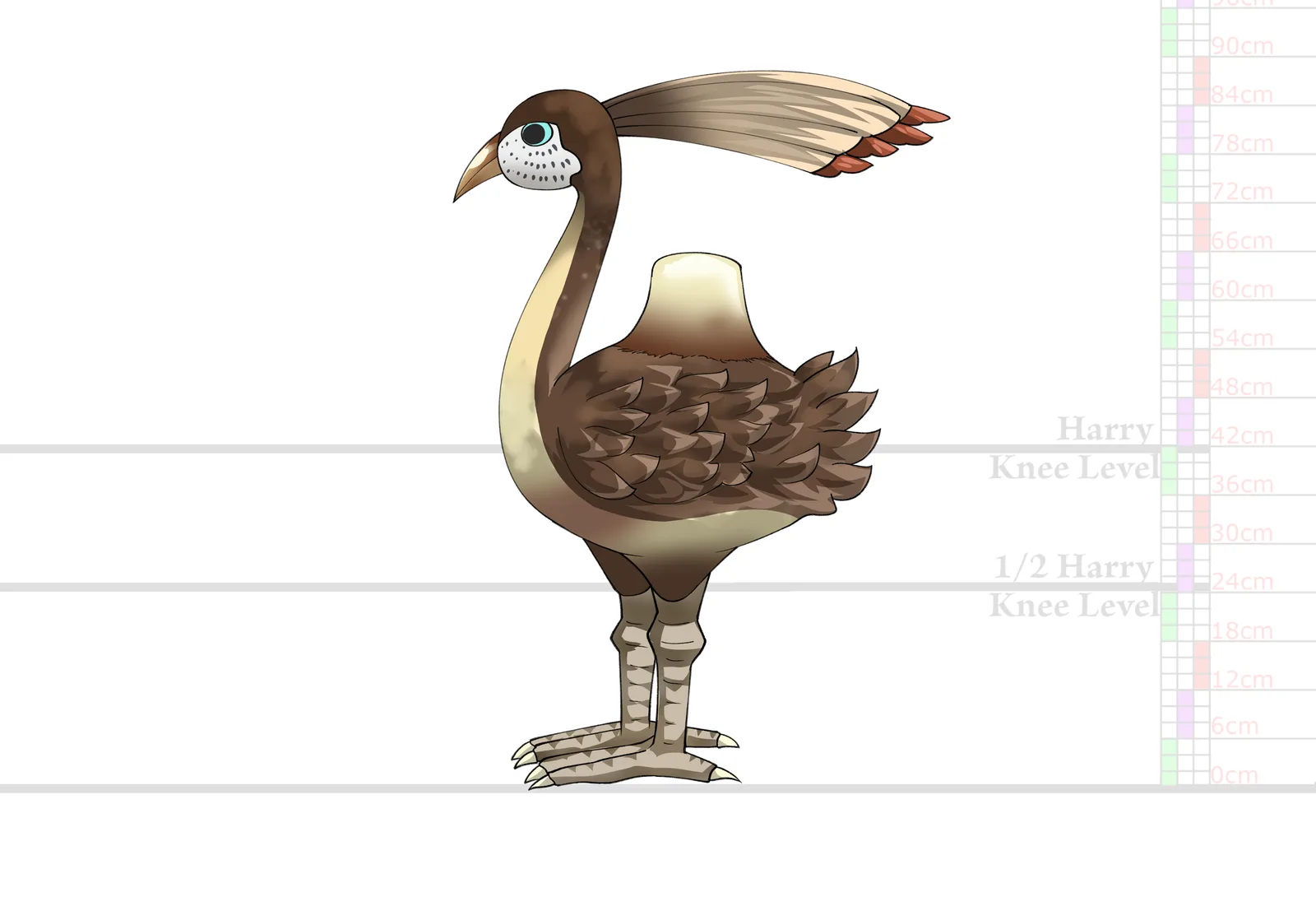
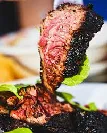
La Legunia es un ave del desierto que imita a un sand worm en todo lo que hace, salvo que come bayas y cosas así en vez de otros mamíferos. Puedes usar la joroba de su lomo como una sencilla «especie indicadora» de lo sobrevivible que está el desierto en ese momento. Si la joroba está desinflada, deberías largarte mientras puedas, a menos que sepas exactamente lo que haces. Cazarlas para conseguir comida y agua es más fácil decirlo que hacerlo. Pueden estar fácilmente a kilómetros antes de tu segundo disparo.
Texto público: fauna.md
Entre bastidores · notas completas
-
Website Description
- Legunia is a desert bird that mimics a sand worm in everything it does, except it eats berries and such instead of other mammals. You can use the hump in their backs as an easy “indicator species” of how survivable the desert currently is. If their hump is deflatable, you should get out while you still can, unless you know exactly what you’re doing. Hunting them down for food and water is easier said than done. Then can easily be miles away before your second shot.
-
Historia del Isekai
- Natural birds found in the deserts.
-
Scientific History
- Flamingo with Winga mix
-
Habitat
- Lower plains
-
Economic Value
-
Legunia Meat
- Historia del Isekai
- Butcher-cut meat. Same price as Winga due to more meat per body, plus a stronger taste.
- Referencia visual
- Historia del Isekai
-
Legunia Jerky
- Historia del Isekai
- Butcher prepared jerky. It has a notoriously stronger taste.
- Referencia visual
- Historia del Isekai
-
Legunia Feathers
- Historia del Isekai
- Butcher prepared feathers for artisans to work on.
- Referencia visual
- See above
- Historia del Isekai
-
Legunia Fat
- Historia del Isekai
- A delicacy like duck fat that can be used in many cooking.
- Referencia visual
- See above
- Historia del Isekai
-
Legunia Egg
- Historia del Isekai
- More of a culinary ingredient of a higher class ingredient rather than people's food due to its stronger taste and smell.
- Referencia visual
- Historia del Isekai
-
Tamed Legunia
- Historia del Isekai
- A great pet, and that’s about it, as it flees in the first sign of danger. Plus, it is not that intelligent/social.
- Referencia visual
- See above
- Historia del Isekai
-
-
Tastes Like
- Bone Meat on chicken. Fatty, stronger.
-
Alimentation
- Berries & Fruits.
-
Intelligence
- Cockatoo
-
Stats
- Reproduction
- Every Year
- ~3 Eggs laid, only a few reach adulthood.
- Other
- Ninguno
- Reproduction
-
Capacidades de energía del alma
- Interfaz
- Feet & beak
- Skills
- High Jump
- Super Speed
- Interfaz
Monica
Las Monikas son mariposas solitarias estrechamente asociadas a la muerte y la descomposición. Su interfaz se considera la mejor para identificar cadáveres, sobre todo si el cadáver está ligado a un soul pool con mucha energía del alma. También tienen la capacidad de convertir los compuestos volátiles deseados de los olores en una representación visual que ayuda a entender su concentración y su origen, lo que se conoce como Monika sight, un preparado de nari gel personalizado con el compuesto volátil deseado, que resulta aún más excepcional si se combina con el Wozen Smell, tanto para encontrar cosas como aventureros muertos como para detectar cosas venenosas como trampas, o incluso para rastrear animales o humanos vivos a partir de sus excrementos o su sudor. Los aventureros al borde de la muerte a menudo suplican que los encuentren estas mariposas de aspecto apacible; al menos algunos, hasta que recuerdan lo que cuesta la reanimación.
Texto público: Website Description en Legacy/Behind The Scenes/World Lore/Fauna.md
Entre bastidores · notas completas
-
Historia del Isekai
- Their antenna always has a blue glow.
- They can be found near rotting bodies, usually a sign that a predator is nearby.
- They prefer bodies with higher soul energy, so they can also be used to guide towards dead adventurers.
-
Scientific History
- Butterfly
-
Habitat
- Lower plains
-
Economic Value
-
Monica Butterflies
- Historia del Isekai
- Fresh kill from not too far off, stored in a wagon with ice, ready for butcher shops or to be shipped around.
- Referencia visual
- See Above
- Historia del Isekai
-
-
Tastes Like
- Hairy flowers, earthy-like.
-
Alimentation
- Organic matter/dead stuff, etc.
-
Intelligence
- Butterfly
-
Stats
- Reproduction
- Every Spring.
- Other
- Ninguno
- Reproduction
-
Capacidades de energía del alma
- Interfaz
- Antenna
- Skills
- Detect Temperature
- Detect Soul Energy
- Enhance Smell/Turn certain smells visible.
- Interfaz
Winga/Pink Winga
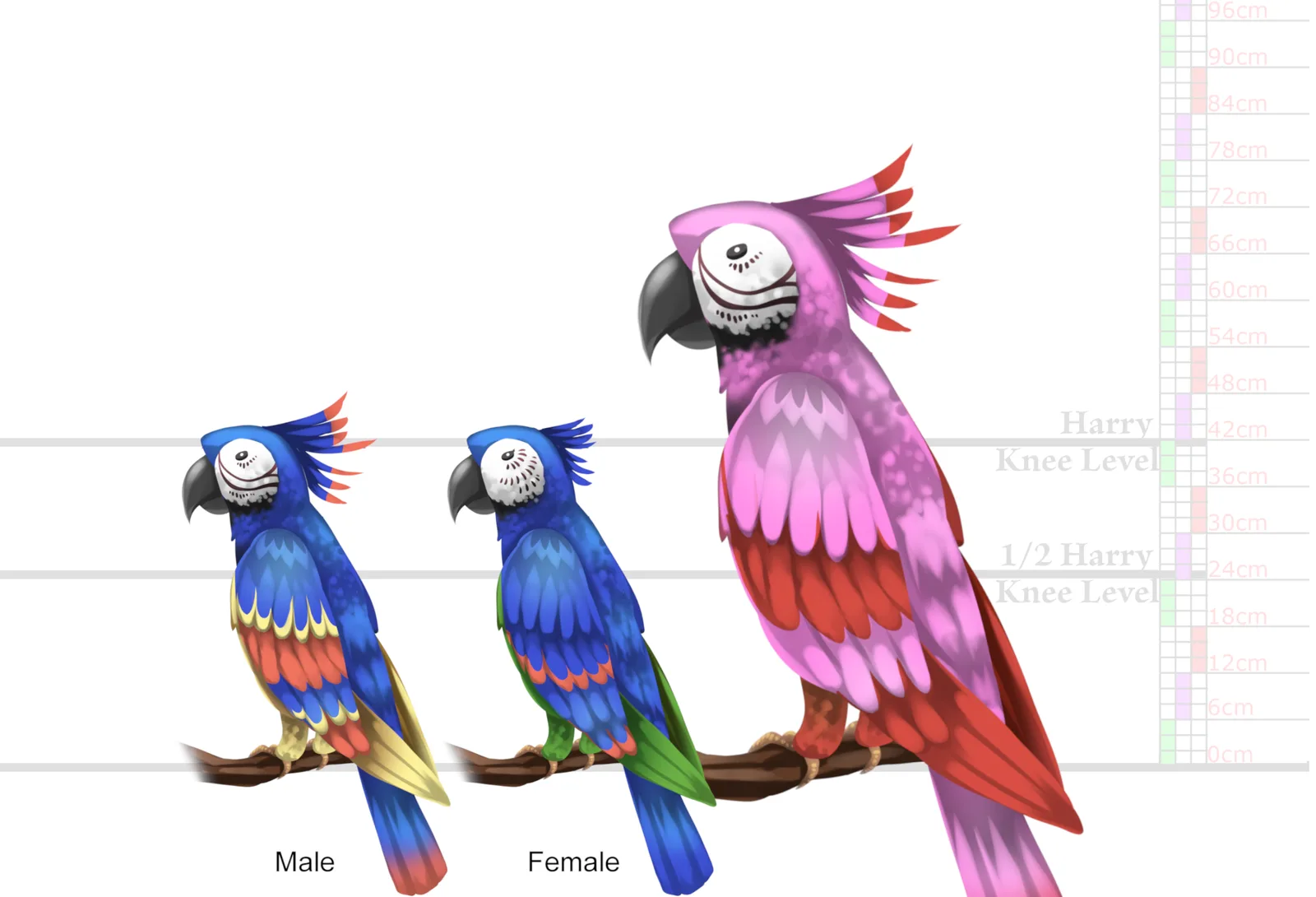
La Winga es famosa por ser una compañera sociable con una memoria extraordinaria para los paisajes y las caras; son la columna vertebral de los servicios de correo por Winga entre reinos. En cambio, a otros su carne dulce les parece un manjar. ¡Las salvajes también están igual de buenas! Cuidado con su interfaz si decides cazarlas tú mismo: chillarán tan fuerte que te sangrarán los oídos, para reforzar el pico y las garras y cortar lo que sea para liberarse. ¡Ah! ¡Casi se me olvida! Estarás bien jodido si cazas una Winga que trabaja para Forway.
Texto público: fauna.md
Entre bastidores · notas completas
-
Website Description
- Winga is famous for being a social companion with a remarkable memory of landscapes and people's faces; they are the backbone of the interkingdom Winga mail courier services. Some, on the other hand, find its sweet meat a delicacy! Even the wild ones taste just as great! Watch out for their interface if you decide to hunt them yourself—they will shriek so loud to make your ears bleed, strengthen their beak and claws to cut through anything, to break free. Oh! Almost forgot! You will be in deep shit if you hunt down a Winga working for Forway.
-
Historia del Isekai
- Big flying birds that eat Gyut berries.
- Their meat tastes sweet
- They settle high up in the trees to rest/procreate.
- Will attack humans if they come too close, depending on past interactions.
- Are famous for being able to fly fast and high, which makes hunting not as easy.
- When tamed, they make loyal companions.
- They recognize People’s faces and places, so they make a great message courier service.
- Pink Wingas are also referred to as Tolerideme Wingas by some. They are incredibly hard to find as they camouflage themselves really well.
-
Scientific History
- Macaw
-
Habitat
- Present throughout the Lower & Buhraies Plains.
- Larger population on Wingarest.
-
Economic Value
-
Winga Meat
- Historia del Isekai
- Butcher cuts meat.
- Referencia visual
- Historia del Isekai
-
Winga Jerky
- Historia del Isekai
- Butcher prepared jerky
- Referencia visual
- Historia del Isekai
-
Winga Feathers
- Historia del Isekai
- Butcher prepared feathers for artisans to work on.
- Referencia visual
- See above
- Historia del Isekai
-
Winga Egg
- Historia del Isekai
- A treat for many people due to its sweet taste.
- Referencia visual
- Historia del Isekai
-
Winga Dust
- Historia del Isekai
- Usually in grinded form by using other beaks/claws to do it. They must all have been strengthened by a Winga before they were removed, and they last for years before the effect starts to wear off.
- The coating can be as strong as diamond until the effect wears off.
- Referencia visual
- Historia del Isekai
-
Tamed Winga
- Historia del Isekai
- A great hunter companion, or pet.
- Referencia visual
- See above
- Historia del Isekai
-
-
Tastes Like
- Honey Turkey breast, but not as tender.
-
Alimentation
- Primarily Gyut Berries.
-
Intelligence
- Parrot
-
Stats
- Reproduction
- ~3 or 4 pairs of Winga couples get together for a swing party, then they all create a shared nest to take care of the eggs. It takes less than one month for the eggs to hatch
- Every year ~20 Winga eggs are laid.
- Other
- Ninguno
- Reproduction
-
Capacidades de energía del alma
- Interfaz
- Head feathers
- Skills
- Sense Lifeforms
- Generate Air Shield
- Loud than usual Shriek
- Making the beak/claws cut through anything by strengthening it to diamond level.
- Interfaz

Wooly
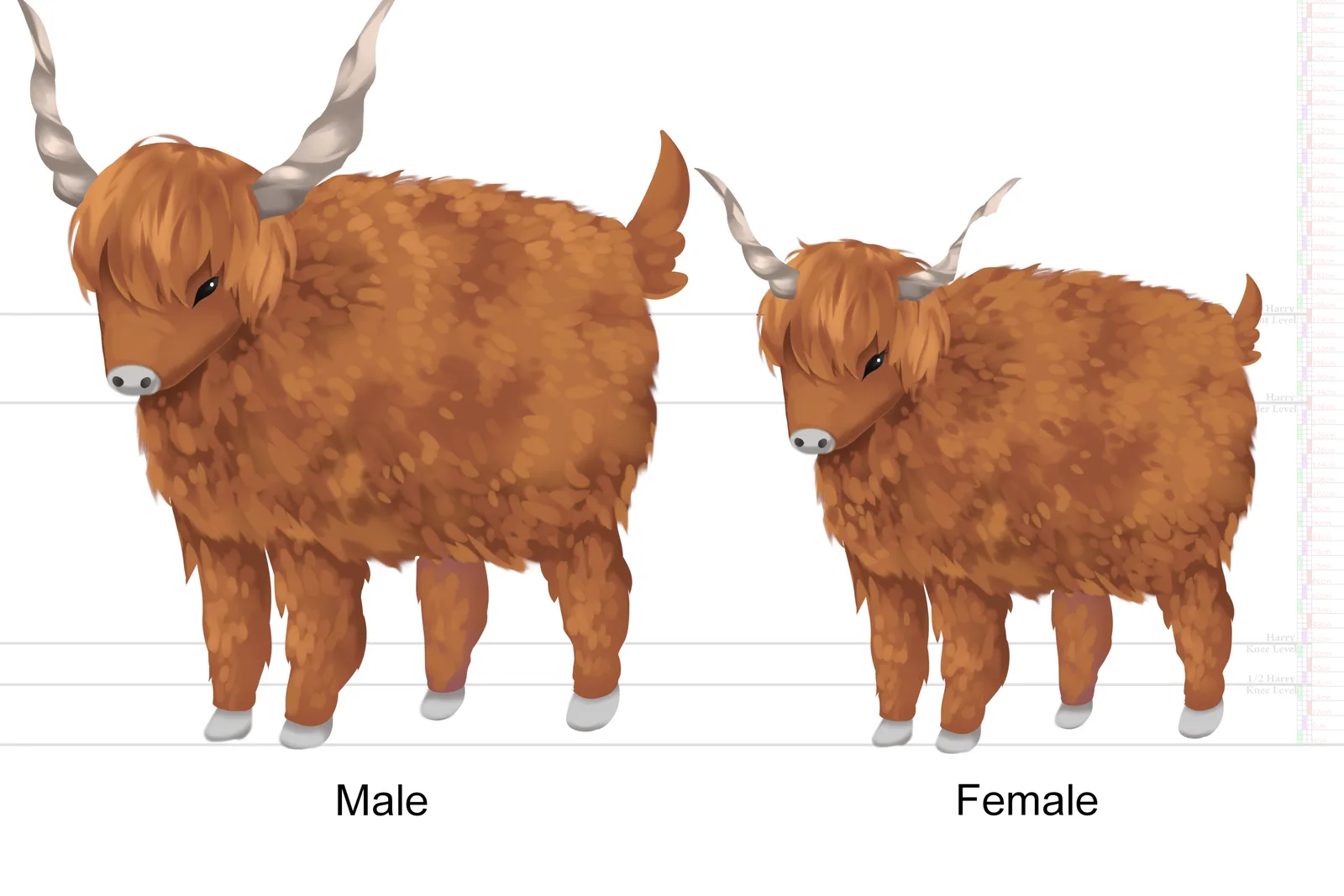
El Wooly es de verdad un pilar de Gandew. Que no haya muchos otros lugares donde pueda sobrevivir, por lo exigente que es, ya basta para que Gandew tenga ventaja comparativa frente a Forway, pero no es lo único. ¡Los Darfaries han adquirido a lo largo de generaciones varios dominios únicos sobre toda la gama de subproductos! Desde pastorearlos en Mid-Gandew hasta convertir su leche en variedades de quesos, crear carne madurada en húmedo y en seco que es para morirse de la muerte del alma, ¡e incluso lana y ropa suaves y calentitas! Los Toleridemianos son los mayores consumidores, en sentido literal y figurado, de estas tentadoras exportaciones y, por mucho que lo intenten, no pueden competir con Gandew en eso. Las Buhraies Plains simplemente no están lo bastante altas para que estas criaturas se sientan como en casa, y lo que han producido hasta ahora en «investigación» ha sido ridículo.
Texto público: fauna.md
Entre bastidores · notas completas
-
Website Description
- Wooly is truly a staple of Gandew. The fact that there aren't many other places it can survive due to its demanding nature is strong enough by itself to warrant Gandew gaining the comparative advantage from Forway—but that isn't the only fact either. Darfaries acquired several unique masteries over the generations, over the entire spectrum of by-products! From herding them in Mid-Gandew to processing their milk into varieties of cheeses, creating wet and dry-aged beef that is to die for, and even soft, warm wool and clothing! Toleridemians are the heaviest consumers, both literally and figuratively, of these tantalizing exports, and try as they might, they cannot compete with Gandew on that front. Buhraies Plains is just not high enough for these creatures to feel at home, and whatever they have produced so far under "research" has been laughable.
-
Historia del Isekai
- Created by a Buhraies that fell in love with a Lishies, and had to prove himself with something that would help the Lishies in order to be accepted into the mountains.
- A hybrid between cow & sheep DNA that only thrives in higher altitudes where it’s colder and drier.
- A staple of Gandew’s economy is its milk and wool. Also, for its meat for older Woolys Females or Male Woolys who don’t have the best genes or health.
- When dying/giving birth, it hurls out a massive scream that can be heard for kilometers.
- Created by a Buhraies that fell in love with a Lishies, and had to prove himself with something that would help the Lishies in order to be accepted into the mountains.
-
Scientific History
- Cow & Sheep.
-
Habitat
- Nowadays, they only exist within the Gandew Kingdom and out in the wild in the high up mountains that separate the desert (Old Fuhrair)
- ~4 km-~6 km.
- They would suffocate in their own fur at altitudes < 4km, or the humidity would spoil their fur. They were meant for high altitudes.
-
Economic Value
-
Wooly Meat
- Historia del Isekai
- Butcher cut meat.
- Referencia visual
- Historia del Isekai
-
Wooly Jerky
- Historia del Isekai
- Butcher prepared jerky
- Referencia visual
- Historia del Isekai
-
Wooly Hide/Fur/Pelt
- Historia del Isekai
- Butcher prepared hide/fur for artisans to work on.
- Referencia visual
- See above
- Historia del Isekai
-
Wooly Horns
- Historia del Isekai
- Butcher prepared horns for artisans to work on.
- Referencia visual
- See above
- Historia del Isekai
-
Wooly Milk
- Historia del Isekai
- Females produce ~8 Liters of Milk a day by feeding just Carbey. Taste is on the spectrum between cow and sheep milk.
- Mostly only available on Gandew
- Visual

- Historia del Isekai
-
Wooly Dried Milk
- Historia del Isekai
- Milk often dried for transport to other parts of the kingdoms
- Visual

- Historia del Isekai
-
Wooly Gyut Milk
- Historia del Isekai
- Female produces ~10 Liters of Milk a day
- Milk looks and tastes like caramel if the animal is fed Gyut berries.
- *Free for Darfaries children
- Referencia visual
- Historia del Isekai
-
Wooly Gyut Dried Milk
- Historia del Isekai
- Milk often dried for transport to other parts of the kingdom.
- Visual

- Historia del Isekai
-
-
Tastes Like
- Cow with a slight sheep flavor note.
-
Alimentation
- Can eat ~18kg Domar Carbey per day + ~2kg of Gyut Berries for richer tasting milk
- ~20kg Carbey per day for meat production
-
Intelligence
- Cow
-
Stats
- Reproduction
- One-Three Woolies per year.
- Other
- Ninguno
- Reproduction
-
Capacidades de energía del alma
- Interfaz
- Horns
- Skills
- Reverberate Voice
- Create Light.
- Interfaz

Carnívoros
Barina
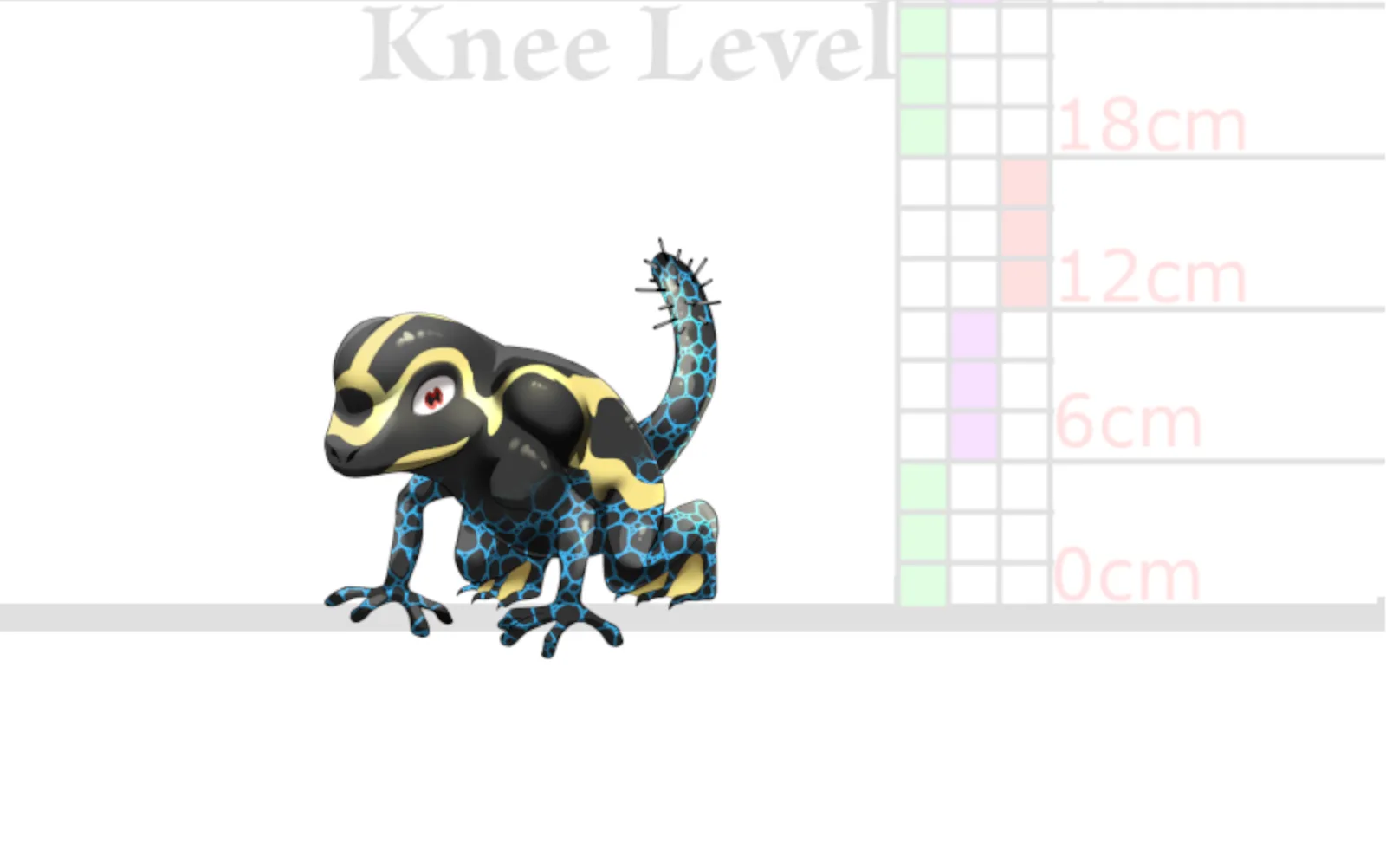
La Barina es un anfibio famoso por su cola explosiva, que libera gases repugnantes capaces de intoxicar incluso a un Wooly adulto, y por sus púas, que pueden clavarse hondo incluso en la piel correosa de un Cruru. Aun así, toda su carne, de la cabeza a la cola, es tan valiosa para los nari gels que muchos aventureros se ponen en peligro para coger unas cuantas de una charca y sacarse unas bolas rápidas. Son fáciles de ver, pero atraparlas es otra historia.
Texto público: fauna.md
Entre bastidores · notas completas
-
Website Description
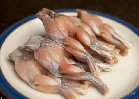
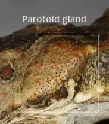
- Barina is an amphibian notoriously known for its exploding tail that releases obnoxious gases that can toxify even an adult Wooly and spikes that can lodge deep even on a Cruru leathery skin. Despite that, their entire head-to-tail flesh is so damm valuable for nari gels many adventurers will put themselves in danger to grab a few from a pond to make some quick balls. They are easy to spot, but catching them is a whole different story.
-
Historia del Isekai
- A frog is known for its ability to stay underwater for a long time and for the toxins on its back. Plus, its tail is useful for Nari Gels as well.
-
Scientific History
- Frog
-
Habitat
- Ponds
-
Economic Value
-
Barina Leg Meat
- Historia del Isekai
- Butcher cut meat. Often used in dishes in the Freeish kingdom.
- Referencia visual
- Historia del Isekai
-
Barina Venom Glands
- Historia del Isekai
- Used on Nari gels.
- Referencia visual
- Historia del Isekai
-
Barina Lungs
- Historia del Isekai
- Useful for Nari Gels.
- Referencia visual
- Historia del Isekai
-
-
Tastes Like
- Light Chicken/White Fish.
-
Alimentation
- Insects
-
Intelligence
- Frog
-
Stats
- Reproduction
- Every Summer
- 25 Eggs laid, only a few reach adulthood.
- Other
- Ninguno
- Reproduction
-
Capacidades de energía del alma
- Interfaz
- Tail
- Skills
- Cloak
- Toxin Air Diffusal
- Interfaz
Crocus
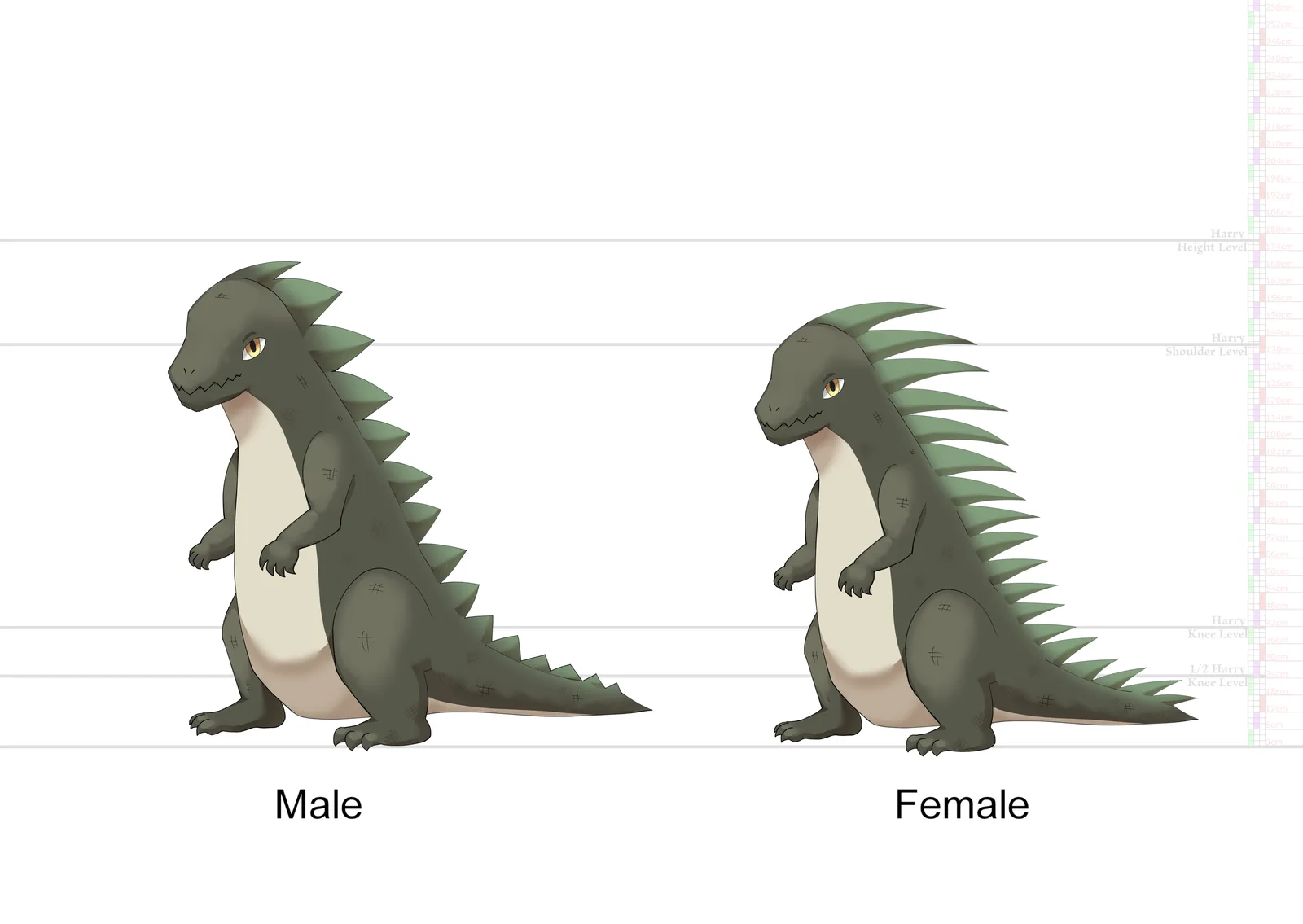
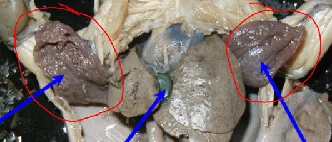
El Crocus es la especie progenitora de los Cruros. No tienen nada especial, salvo que son monísimos, rechonchos y muerden como unos hijos de puta. Alguien dijo que había domado uno y lo tenía de mascota, pero no hay pruebas documentadas. Si algún científico loco lo consigue, Forway tendrá una nueva fiebre de mascotas.
Texto público: fauna.md
Entre bastidores · notas completas
-
Website Description
- Crocus is the progenitor species of the Cruros. Nothing exactly special about them other than they look hella cute, chunky, and bite like a mean motherfucker. Someone said they tamed one and got it as a pet, but there's no recorded proof. If any crazy scientists figure it out, Forway will have a new pet craze.
-
Historia del Isekai
- Existed since the recorded history. Nothing too special about them.
-
Scientific History
- Chinese Alligator
-
Habitat
- Mostly in the swamps from Sanbi to Tastyleaf
-
Economic Value
-
See Cruro for more information!
-
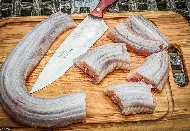
Crocus Meat
- Historia del Isekai
- Butcher cut meat.
- Referencia visual
- Historia del Isekai
-
Crocus Jerky
- Historia del Isekai
- Butcher prepared jerky.
- Referencia visual
- Historia del Isekai
-
Hide
- Historia del Isekai
- Butcher prepared hide/fur for artisans to work on.
- Referencia visual
- See Above
- Historia del Isekai
-
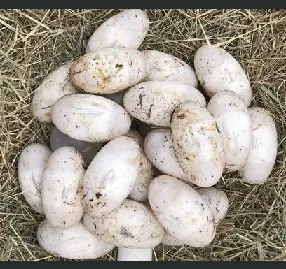
Crocus Eggs
- Historia del Isekai
- An interesting food source for some.
- Referencia visual
- Historia del Isekai
-
-
Tastes Like
- Chewy Rubbery Chicken
-
Alimentation
- Mainly fish, but any other animals that pass by.
-
Intelligence
- Alligator
-
Stats
- Reproduction
- Every Spring
- ~30 Eggs laid, only a few reach adulthood.
- Other
- Ninguno
- Reproduction
-
Capacidades de energía del alma
- Interfaz
- Spikes on back
- See Races > Cruro
- Skills
- Explode spikes from back for self-defense.
- Harden Skin
- Invisibility (pass light around object. Slightly distorted.)
- Often lasts for hours as they are usually immovable.
- Interfaz


Fatupari

Por su tamaño, cabría suponer que los Fatupari se clasifican como Bestias, pero no solo son bastante tontos en comparación con otras bestias, sino que también son más fáciles de abatir de lo que parece. Si les rasgas las membranas rosas, no pueden usar ninguna magia contra ti. O puedes luchar contra ellos en igualdad de condiciones si por lo que sea quieres subir el nivel. Sea como sea, algunos raros juran por su sabor marcadamente amargo, como poner pechugas de faisán salvaje en remojo con quinina y cocinarlas hasta que queden fibrosas y duras, por puro cachondeo. Al menos su piel y sus membranas sirven para un montón de cosas por sus propiedades resistentes e impermeables; además, ¡quedan de lo más chulas!
Texto público: fauna.md
Entre bastidores · notas completas
-
Website Description
- Fatupari, based on their size, would assume they would be classified as Beasts, but not only are they kinda dumb relative to other beasts, but they are also easier to dispatch than one thinks. If you tear their pink webbing, they can't use any magic against you. Or you can fight them fairly if you want to take it up a notch for whatever reason. Either way, some random weirdos swear by its distinctively bitter taste—like soaking wild pheasant breasts in quinine and cooking it until it's stringy and tough for shits and giggles. At least their hide and webbing are usual for a myriad of things for their rugged and water-repellant properties; plus, it looks pretty snazzy too!
-
Historia del Isekai
- One of the most terrifying snakes around for its size… But looks aren’t everything.
-
Scientific History
- Emerald Tree Boa
-
Habitat
- Deep forests in the south.
-
Economic Value
-
Fatupari Meat
- Historia del Isekai
- Butcher cut meat. Cheap meat as most people hate it. Consumption is usually by poorer people, or some weirdos that swear by its taste.
- Referencia visual
- Historia del Isekai
-
Fatupari Jerky
- Historia del Isekai
- Butcher prepared jerky. See Fatupari Meat.
- Referencia visual
- Historia del Isekai
-
Fatupari Hide
- Historia del Isekai
- Butcher prepared hide/fur for artisans to work on.
- Referencia visual
- See above
- Historia del Isekai
-
-
Tastes Like
- Bitter. Only washed down in heavily seasoned soup, and some people swear by its taste.
-
Alimentation
- Rodents
-
Intelligence
- Anaconda
-
Stats
- Reproduction
- Every year
- 7 Eggs laid, only a few reach adulthood.
- Other
- Ninguno
- Reproduction
-
Capacidades de energía del alma
- Interfaz
- Fins on sides
- Skills
- Launch themselves towards target
- Air buoyancy
- Interfaz
Fihi
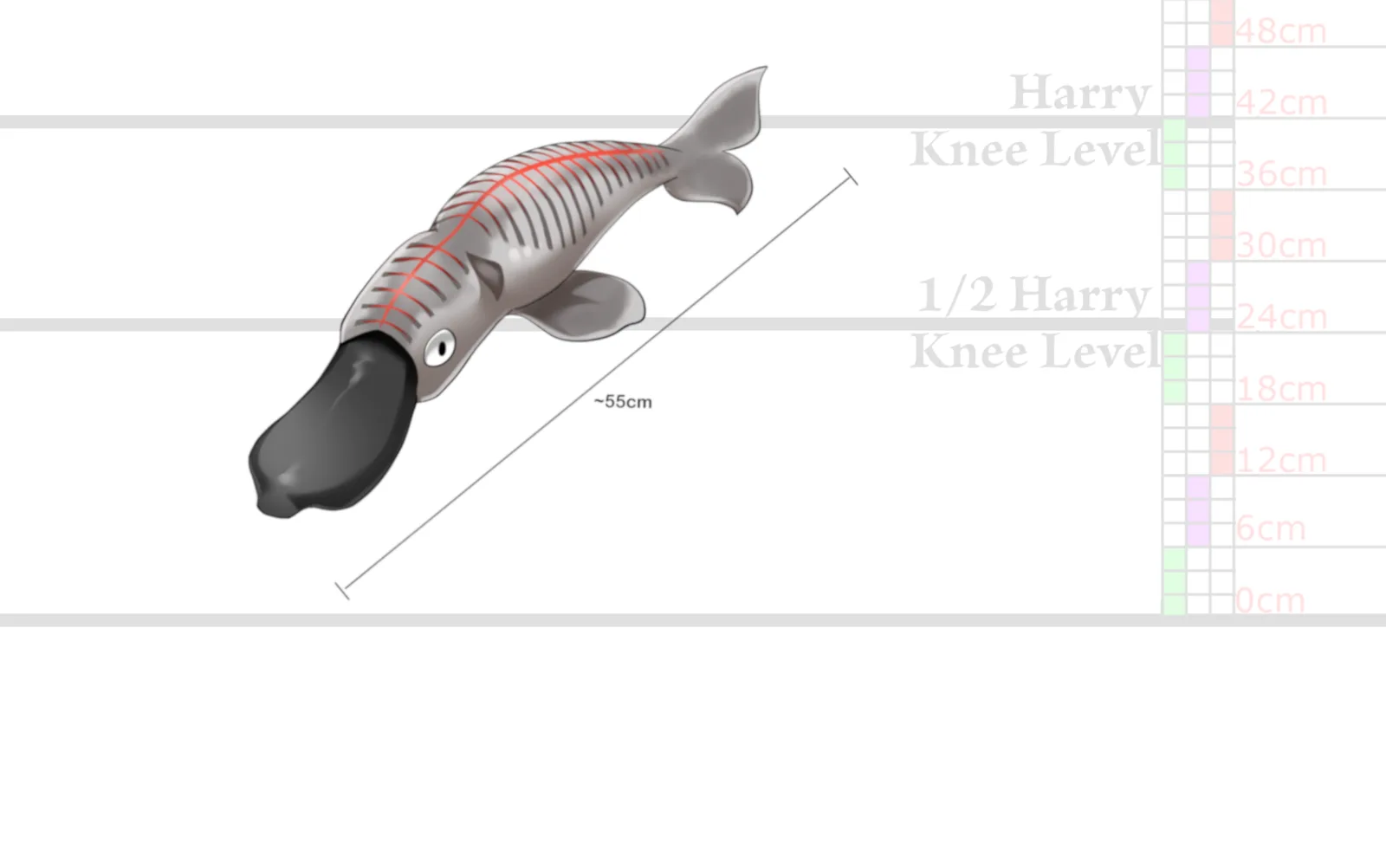
El Fihi parece más un mamífero que un pez, pero te aseguro que es un pez. Incluso es algo mono, salvo cuando abre el pico y deja ver un esófago parecido al de las tortugas que te perseguirá en tus pesadillas. Son comunes en las Buhraies plains, pero se han visto algunos mucho más grandes en el Lukewarm Lake y, cuanto más grandes son, más agresivos se vuelven. Es una captura divertida, con una carne parecida a la del bagre, así que hace falta una preparación especial para domar el sabor a pescado. ¡O puedes venderlo! Los Fihis se usan en nari gels para extraer su capacidad de controlar la energía elemental, ya sea absorbiéndola, creándola o liberándola.
Texto público: fauna.md
Entre bastidores · notas completas
-
Website Description
- Fihi looks closer to a mammal than a fish, but I assure you it's a fish. It's even kinda cute, except when it opens its beak and reveals an esophagus that looks closer to turtles that will hunt you in your nightmares. They are commonly found on Buhraies plains, but much bigger ones have been spotted on Lukewarm Lake, and the bigger they get, the more aggressive they become. It's a fun catch, with meat akin to catfish, so special preparation is needed to tame the fishy taste. Or you can sell it! Fihis are used for nari gels to extract their ability to control elemental energy, whether absorbing, creating, or releasing it.
-
Historia del Isekai
- A fish is famous for its capacity to control elemental energy, whether absorbing, creating, or releasing it.
-
Scientific History
- Platypus, electric eel
-
Habitat
- Lukewarm Buhraies Lake and Buhraies Region
- Much bigger Fihi fish on Lukewarm Buhraies Lake. They eat humans.
- Lukewarm Buhraies Lake and Buhraies Region
-
Economic Value
-
Fihi Corpse
- Historia del Isekai
- Fresh kill from not too far off, stored in a wagon with ice, ready for butcher shops or to be shipped around.
- Referencia visual
- See Above
- Historia del Isekai
-
Fihi Meat
- Historia del Isekai
- Butcher cut meat.
- Referencia visual
- Historia del Isekai
-
Fihi Jerky
- Historia del Isekai
- Butcher prepared jerky
- Referencia visual
- Historia del Isekai
-
Fihi Skin
- Historia del Isekai
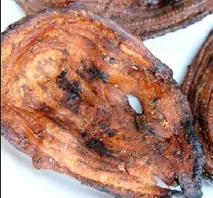
- Butcher prepared skin. A common treat of the people in the lower regions. Usually fried.
- Referencia visual
- See above
- Historia del Isekai
-
Fihi Oil
- Historia del Isekai
- Used for beer, mixing with food, grease stuff, etc.
- Referencia visual
- Historia del Isekai
-
Fihi Fish Meal
- Historia del Isekai
- Unused parts of fish or fish not fit for human consumption are turned into fish meal.
- Usually, whatever is leftover after extracting the oil.
- Unused parts of fish or fish not fit for human consumption are turned into fish meal.
- Referencia visual
- Historia del Isekai
-
Fihi Fish Roe
- Historia del Isekai
- A treat to some.
- Referencia visual
- Historia del Isekai
-
-
Tastes Like
- Eel
-
Alimentation
- Gulps down smaller fish
-
Intelligence
- Predatory Fish/Eel
-
Stats
- Reproduction
- Tens of Fihi per year.
- Other
- Ninguno
- Reproduction
-
Capacidades de energía del alma
- Interfaz
- Its skin is tougher than normal fish skin, including being able to dissipate elemental energy—or rather, absorb it like a shield.
- Skills
- Shock targets in front of them.
- Interfaz


Ptaina
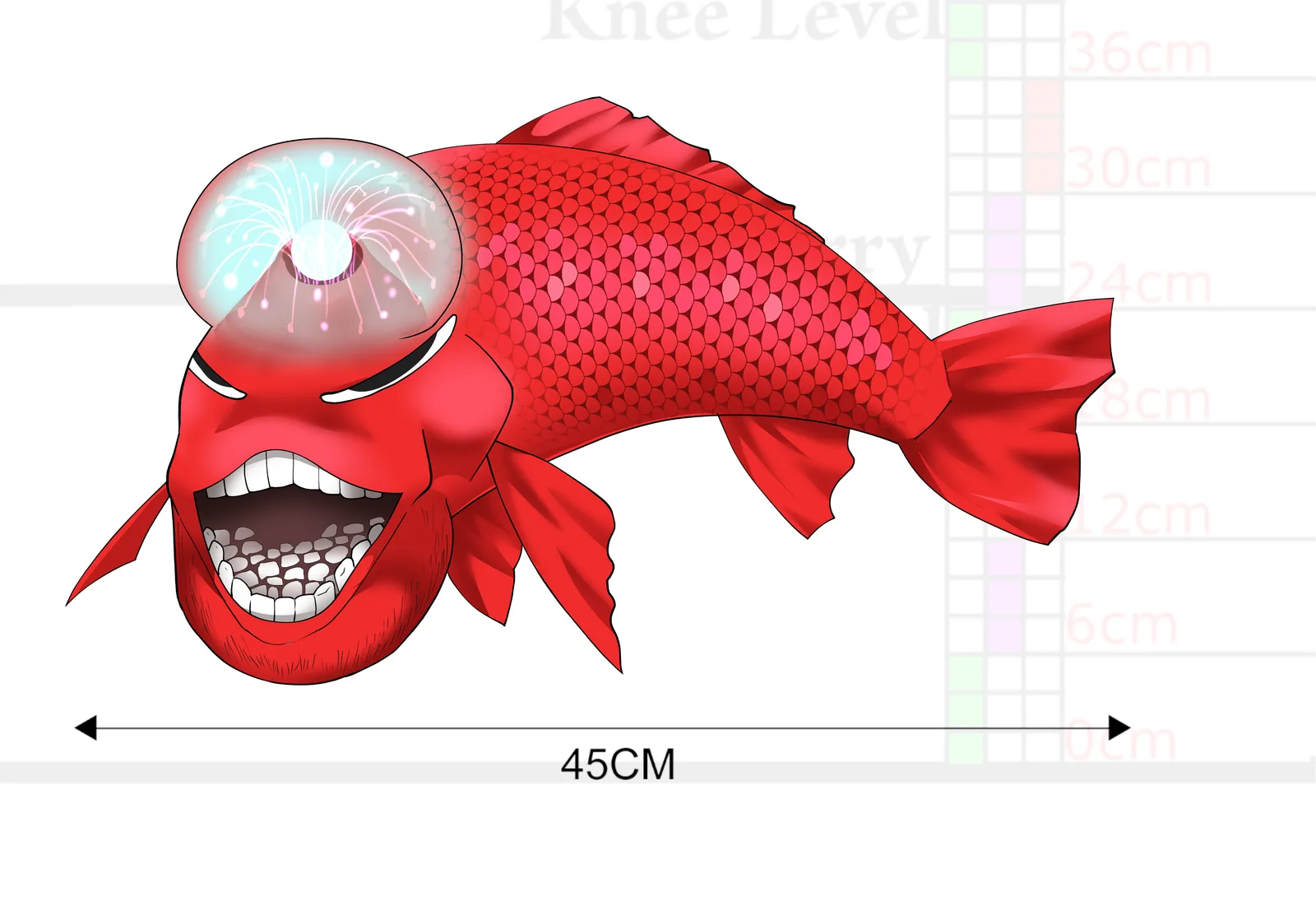
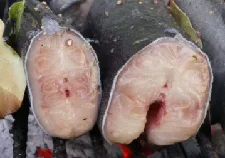
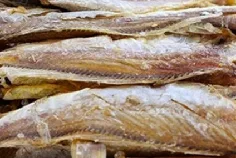
La cosa gelatinosa de la cabeza de la Ptaina tiene rayos de luz morada saliendo de dentro que nunca te transmitirán buenas vibraciones. Más bien todo lo contrario. Puede enviar vibraciones ultrasónicas capaces de desgarrarte las entrañas, si estás en el agua, claro. En tierra no es tan potente, a menos que seas tan tonto como para tocarla. Además, puede trastocarte la brújula y el sentido de la orientación, ¡y darte un dolor de cabeza de narices! La carne cruda tiene un sabor más fuerte y una textura más áspera, un poco como la del tiburón, así que la gente suele condimentarla y guisarla hasta el infinito. O eres demasiado pobre para comprar algo bueno y tienes que comer Ptaina para sobrevivir. O eres tan rico que te parece un manjar.
Texto público: fauna.md
Entre bastidores · notas completas
-
Website Description
- Ptaina’s gelatinous thingy in its head has rays of purplish light coming out within that will never send you good vibes. In the opposite, actually. It can send ultrasonic vibrations that can tear your insides—if you’re in the water, of course. It’s not as powerful on land except you’re dumb enough to touch it. Plus, they can mess with your compass and your sense of orientation, and give you a nasty headache, too! The raw meat has a more pungent taste and rougher texture, kinda like shark meat, so people usually season and stew the fuck out of it. Or you’re too poor to buy good stuff and have to eat Ptaina to survive. Or you’re so goddam rich that you think it’s a delicacy.
-
Historia del Isekai
- A fish grows in the deeper oceans that stuns and messes up with other fish for food, and maybe plays.
-
Scientific History
- Black Drum Fish
-
Habitat
- Oceans, but mostly near Deltas.
-
Economic Value
-
Ptaina Meat
- Historia del Isekai
- Butcher-cut meat.
- Referencia visual
- Historia del Isekai
-
Ptaina Jerky
- Historia del Isekai
- Butcher prepared jerky
- Referencia visual
- Historia del Isekai
-
Ptaina Scales
- Historia del Isekai
- Butcher prepared scales for artisans to work on.
- Referencia visual
- See above
- Historia del Isekai
-
Ptaina Oil
- Historia del Isekai
- Used for beer, mixing with food, grease stuff, etc.
- Referencia visual
- Historia del Isekai
-
Ptaina Fish Meal
- Historia del Isekai
- Unused parts of fish or fish not fit for human consumption are turned into fish meal.
- Usually, whatever is leftover after extracting the oil.
- Unused parts of fish or fish not fit for human consumption are turned into fish meal.
- Referencia visual
- Historia del Isekai
-
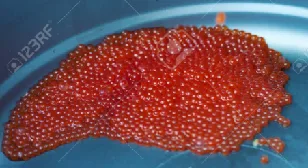
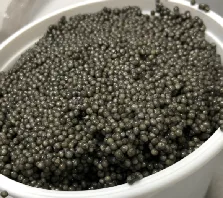
Ptaina Fish Roe
- Historia del Isekai
- A treat to some.
- Referencia visual
- Historia del Isekai
-
-
Tastes Like
- Tuna
-
Alimentation
- Gulps down smaller fish
-
Intelligence
- Tuna/Shark
-
Stats
- Reproduction
- Tens of Sanbies per year.
- Other
- Ninguno
- Reproduction
-
Capacidades de energía del alma
- Interfaz
- Hair on head and chin
- Skills
- Sense Surroundings
- Interfaz
Sanbi
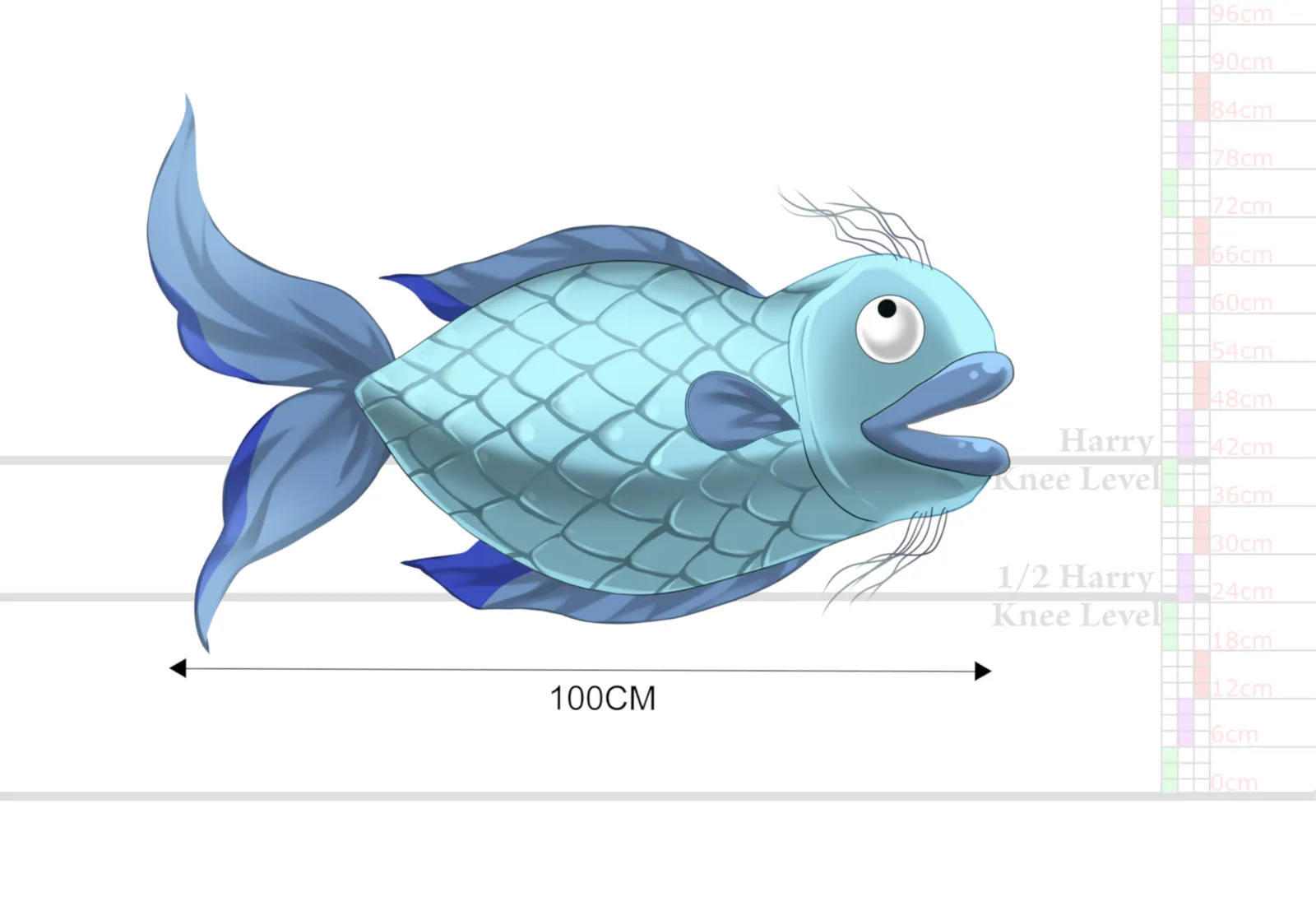
¿El Sanbi es el alimento básico de qué reino? Si no has contestado Sanbi, madre mía, quizá estés fumando demasiada Magina. Si piensas ir de visita, léete antes la novela «The True Sanbi King», o te quedarás perplejo al ver por qué la gente pone a los viejos muertos en barquitas y los empuja desde los muelles (a veces no tan muertos si la pesca va floja, pero eso no viene al caso.) En cualquier caso, ¡solo la familia de ese pescador parece tener la destreza, o la pura suerte, de pescar estos peces condenadamente sabrosos! ¡Aunque puedes intentarlo! Pero lo más probable es que solo pesques carne de sus labios, que se hinchan y se desprenden, o que sufras un dolor de cabeza enorme, porque siempre están dispuestos a usar su interfaz de energía del alma para ahuyentar a los depredadores.
Texto público: fauna.md
Entre bastidores · notas completas
-
Website Description
- ¿El Sanbi es el alimento básico de qué reino? Si no has contestado Sanbi, madre mía, quizá estés fumando demasiada Magina. Si piensas ir de visita, léete antes la novela «The True Sanbi King», o te quedarás perplejo al ver por qué la gente pone a los viejos muertos en barquitas y los empuja desde los muelles (a veces no tan muertos si la pesca va floja, pero eso no viene al caso.) En cualquier caso, ¡solo la familia de ese pescador parece tener la destreza, o la pura suerte, de pescar estos peces condenadamente sabrosos! ¡Aunque puedes intentarlo! Pero lo más probable es que solo pesques carne de sus labios, que se hinchan y se desprenden, o que sufras un dolor de cabeza enorme, porque siempre están dispuestos a usar su interfaz de energía del alma para ahuyentar a los depredadores.
-
Historia del Isekai
- Gave the name Sanbi Kingdom for being its main food source and economy
- Are famous for requiring all of a normal human’s strength to reel in. Many muscular fishermen can capture at most 2 adults per day, if lucky—unless they tap into nari gels and such to capture more.
- More info: The True Sanbi King Novel
-
Scientific History
- Kushlukia
-
Habitat
- Mainly on the ocean to the right of Sanbi Kingdom.
-
Economic Value
-
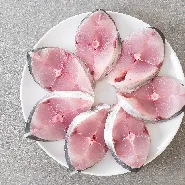
Sanbi Meat
- Historia del Isekai
- Butcher cut meat.
- Referencia visual
- Historia del Isekai
-
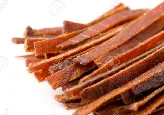
Sanbi Jerky
- Historia del Isekai
- Butcher prepared jerky
- Referencia visual
- Historia del Isekai
-
Sanbi Scales
- Historia del Isekai
- Butcher prepared scales for artisans to work on.
- Referencia visual
- See above
- Historia del Isekai
-
Sanbi Oil
- Historia del Isekai
- Used for beer, mixing with food, grease stuff, etc.
- Referencia visual
- Historia del Isekai
-
Sanbi Fish Meal
- Historia del Isekai
- Unused parts of fish or fish not fit for human consumption are turned into fish meal.
- Usually, whatever is left over after extracting the oil.
- Unused parts of fish or fish not fit for human consumption are turned into fish meal.
- Referencia visual
- Historia del Isekai
-
Sanbi Fish Roe
- Historia del Isekai
- A treat to some.
- Referencia visual
- Historia del Isekai
-
-
Tastes Like
- Tuna
-
Alimentation
- Gulps down smaller fish
-
Intelligence
- Tuna/Shark
-
Stats
- Reproduction
- Tens of Sanbies per year.
- Other
- Ninguno
- Reproduction
-
Capacidades de energía del alma
- Interfaz
- Hair on the head and chin
- Skills
- Sense Surroundings
- Communicate in radio waves
- Emit strong radio waves that cause migraines in most people.
- Inflate/expand their lips, then rupture them out of their bodies as fake prey. Usually as an escape maneuver.
- They can do the same with their tails and grow them extra long to evade beasts/hunters
- Interfaz
Sayna
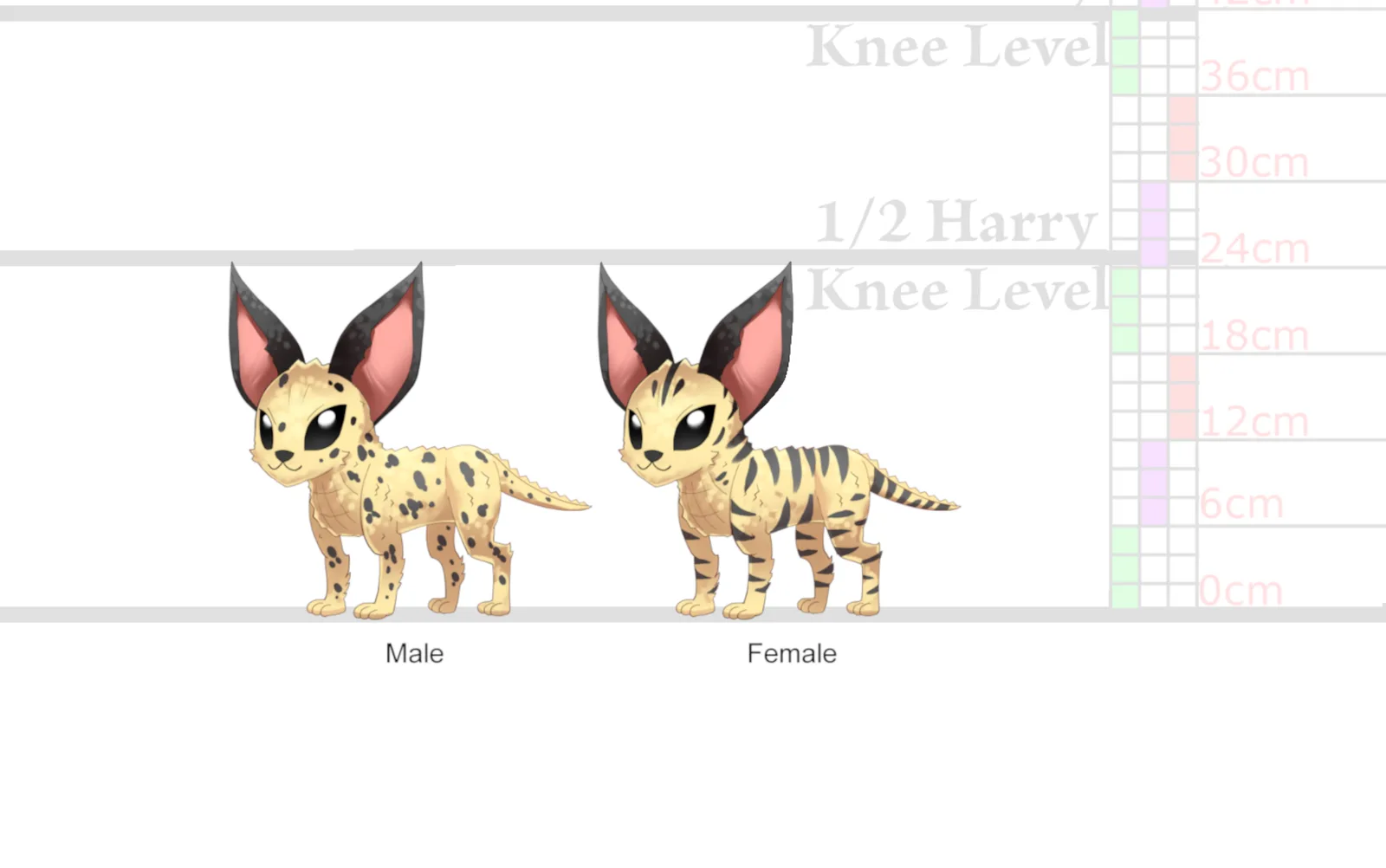
El Sayna es una criatura «chiquitita» que ha hecho del desierto su hábitat. Los ciudadanos de Sundeath lo veneran, en cierto modo, porque es clave para reducir el número de muertes por sand worms. Sus enormes orejas y lo mono que es lo convierten en un compañero muy buscado tanto por aventureros como por comerciantes, tanto que unas dos quintas partes de las exportaciones de Sundeath cada año son Saynas adiestrados. La ciudad también exporta carne de sayna, pero solo la gente más acomodada, a la que le gusta más probar las cosas que admirar lo monas que son, puede permitírsela. Los faraones gobernantes, un nombre raro que le dan al gobernante, intentaron intervenir con un bloqueo comercial para evitar la caza excesiva, pero el gobernante de la ciudad cedió ante el poder de los guardias y la ley de Forway.
Texto público: fauna.md
Entre bastidores · notas completas
-
Website Description
- Sayna is a "smol" creature that made the desert its habitat. Worshiped in some sense by the Sundeath citizens as it is crucial in reducing the number of deaths by sand worms. Its enormous ears and cuteness make it a highly sought-after companion for adventurers and traders alike—so much so that about two-fifths of export from Sundeath each year are trained Saynas. The city also exports sayna meat as well, but only more affluent folks who enjoy tasting things more than admiring their cuteness can afford it. The ruling pharaohs—a weird name they call the ruler—tried to intervene with a trade blockade to prevent overhunting, but the city ruler cracked under the might of Forway's guards and law.
-
Historia del Isekai
- Looks like a fox, but it is as rocky as a horned lizard. Very friendly with humans, and a good place to have an adventurer's party.
- Makes a cute sound “Pohw-pohhhhwww!”
-
Scientific History
- Fennec Fox
- Horned Lizard
-
Habitat
- Desert
-
Economic Value
-
Sayna Meat
- Historia del Isekai
- Butcher cuts meat. More of a delicacy to some rich folks, and nutrition to some in the desert.
- Referencia visual
- Historia del Isekai
-
Sayna Jerky
- Historia del Isekai
- Butcher prepared jerky. Rare to find to its taste.
- Referencia visual
- Historia del Isekai
-
Sayna Hide/Carapace
- Historia del Isekai
- Butcher prepared hide/fur for artisans to work on. Rare to find.
- Referencia visual
- See above
- Historia del Isekai
-
Tamed Adult Sayna
- Historia del Isekai
- It takes a while for them to be properly trained, especially to use their skills on command, due to their energetic, goofy nature.
- Referencia visual
- See above
- Historia del Isekai
-
-
Tastes Like
- Earthy, sandy like fox meat. Minty tastes similar to lamb but not as tough as one would imagine. A delicacy
- Eaten by some specific people as most people think they are too cute to eat. Sundeath worships them.
-
Alimentation
- Insects, small rodents.
-
Intelligence
- Dog, great for a companion
- Golden Retriever. Goofy.
- Dog, great for a companion
-
Stats
- Reproduction
- Every Fall 2-3 Saynas are born
- Other
- Ninguno
- Reproduction
-
Capacidades de energía del alma
- Interfaz
- Eyes/Ears
- Skills
- Distant Hearing
- Cloak detection
- Blood Shield (self-defense only)
- Interfaz
Wozen
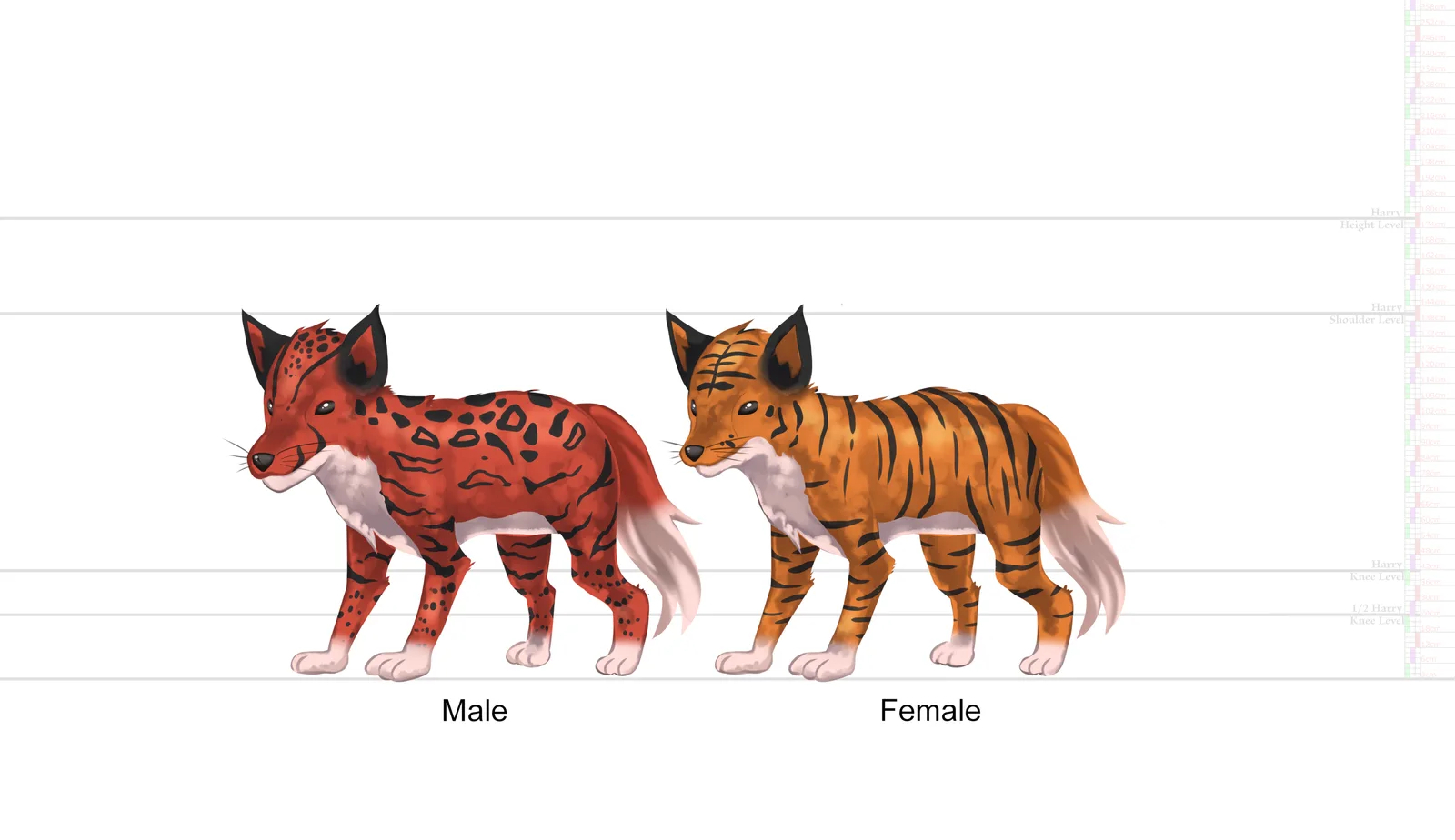
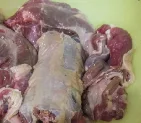
Los Wozens son plagas que merodean sobre todo por los bosques más densos que rodean Freeish, aunque no es raro verlos atacar a gente de noche en las llanuras cercanas a Forway. Son depredadores, así que el uso que hacen de su interfaz hace que sea casi imposible verlos u oírlos mientras acechan. Una vez eligen a una víctima, pueden saltar varias veces su propia altura y, cuando cierran la mandíbula sobre tu carne, ya no la sueltan, porque lanzan atracción sobre sus dientes. Su piel y algunas partes del cuerpo, como los ojos, son sin duda valiosas, pero su carne, increíblemente dura y con sabor fuerte, no lo es, salvo para la gente de los barrios bajos o de las aldeas más pobres, así que, si tienes sitio para llevarla hasta el carnicero más cercano, ¡hazlo! ¡En algunos sitios incluso se considera una deducción fiscal por caridad!
Texto público: fauna.md
Entre bastidores · notas completas
-
Website Description
- Los Wozens son plagas que merodean sobre todo por los bosques más densos que rodean Freeish, aunque no es raro verlos atacar a gente de noche en las llanuras cercanas a Forway. Son depredadores, así que el uso que hacen de su interfaz hace que sea casi imposible verlos u oírlos mientras acechan. Una vez eligen a una víctima, pueden saltar varias veces su propia altura y, cuando cierran la mandíbula sobre tu carne, ya no la sueltan, porque lanzan atracción sobre sus dientes. Su piel y algunas partes del cuerpo, como los ojos, son sin duda valiosas, pero su carne, increíblemente dura y con sabor fuerte, no lo es, salvo para la gente de los barrios bajos o de las aldeas más pobres, así que, si tienes sitio para llevarla hasta el carnicero más cercano, ¡hazlo! ¡En algunos sitios incluso se considera una deducción fiscal por caridad!
-
Historia del Isekai
- They are nightly hunters. Known for snacking on humans when given the opportunity.
- They can run fast, and are skilled in close-quarter combat with their claws.
- They tend to be defensive, except at night when they come out to hunt.
-
Scientific History
- Vulpes Vulpes
-
Habitat
- Mostly in the dense forests around Blood City and the Freeish Kingdom
-
Economic Value
-
Wozen Meat
- Historia del Isekai
- Butcher cut meat. Not really desirable meat, so this is mostly sold as a by-product of killing Wozens for their pelt.
- Referencia visual
- Historia del Isekai
-
Wozen Jerky
- Historia del Isekai
- Butcher prepared jerky. Not really desirable by many people due to its strong gamey flavor. Usually served up to poorer people.
- Referencia visual
- Historia del Isekai
-
Wozen Pelt
- Historia del Isekai
- Butcher prepared hide/fur for artisans to work on.
- Referencia visual
- See Above
- Historia del Isekai
-
Wozen Eye
- Historia del Isekai
- Used on Nari gels.
- Referencia visual
- See Above
- Historia del Isekai
-
Wozen Nose
- Historia del Isekai
- Used on Nari gels.
- Referencia visual
- See Above
- Historia del Isekai
-
-
Tastes Like
- Gamy & Tough.
-
Alimentation
- Loves to eats Bagarisa
- Also snacks on humans given the opportunity
-
Intelligence
- Leopard
-
Stats
- Reproduction
- Every year, they tend to have ~2 or 3 woozies.
- Other
- Ninguno
- Reproduction
-
Capacidades de energía del alma
- Interfaz
- Nose
- Skills
- Super Smell
- Sound Bounce
- Makes them impossible to heard.
- Light Bounce
- Makes them darker than the surroundings.
- Super Jump.
- Jaw Clench.
- They cast attract once they attack their prey so they won’t let go.
- Interfaz
Omnívoros
Bagarisa
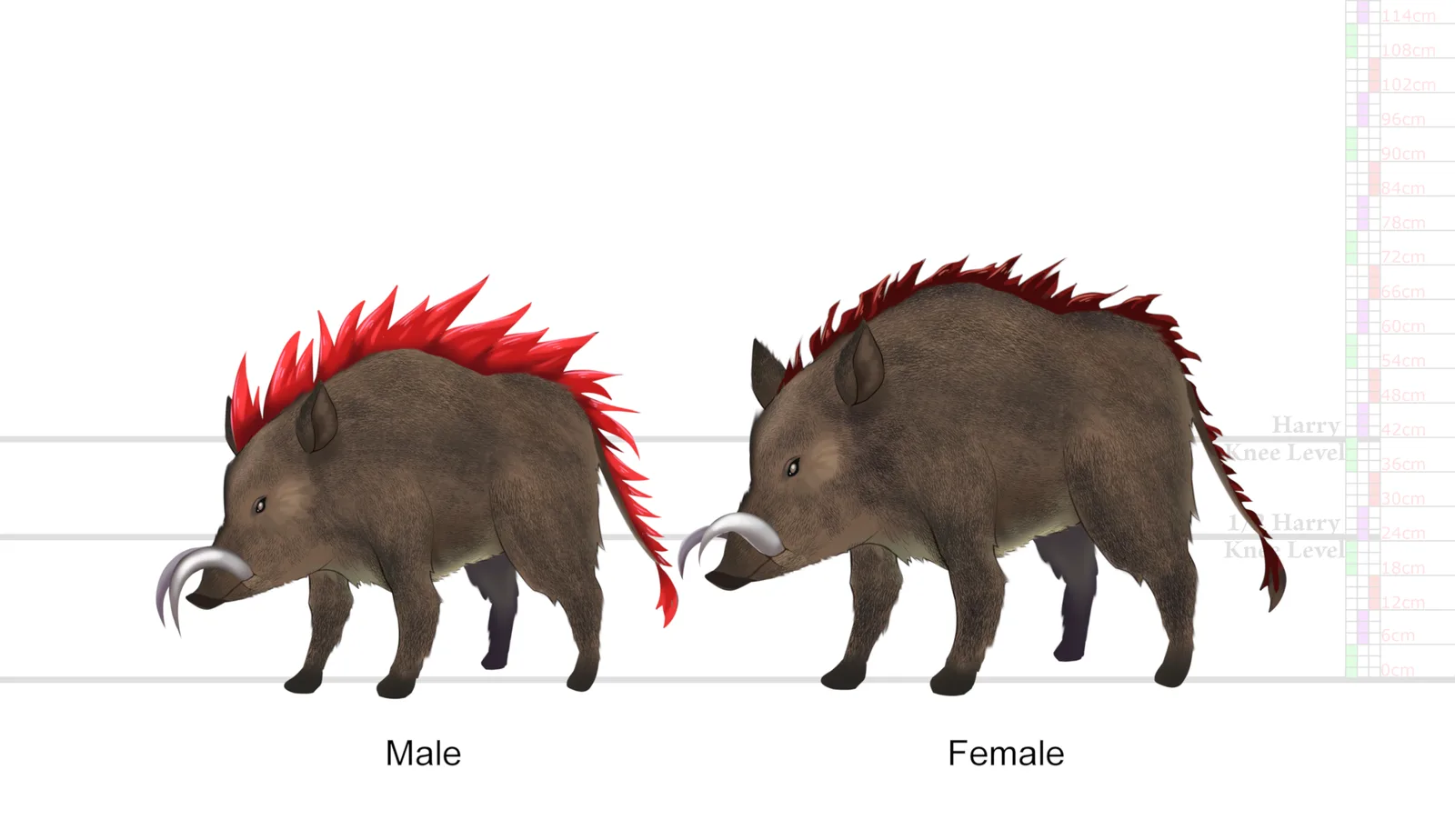
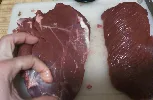
Los Bagarisas compiten con los Fanchakis por ser el animal más comido de los cuatro reinos. Bueno, para ser justos, no tuvieron mucha elección a la hora de participar en esa competición, pero es culpa suya que su carne irresistiblemente terrosa, con notas de setas y sin un sabor demasiado fuerte, agrade al paladar de todas las razas. Siempre van en manada y no dudan en prender fuego a sus colmillos para embestirte. También se les dan bien los ataques a distancia: generan una bola de fuego entre los colmillos y luego crean una ráfaga de viento caliente que empieza en la cresta roja de la punta de la cola y acelera hacia la cabeza. El bagarisa puede levantar la cabeza para que el aire caliente golpee la bola de llamas y la convierta en una bola de fuego. Por si fuera poco, también tienen un almizcle característico a salmuera de gambas que puede provocar arcadas a mucha gente; lidiar con eso es una de las muchas cosas que enseñan a los aventureros en la única e inigualable escuela de aventureros de Forway. También les enseñan que, si van a por un disparo limpio, necesitan una flecha extralarga para perforar los dos corazones que tiene en el pecho y en la parte baja del vientre.
Texto público: fauna.md
Entre bastidores · notas completas
-
Website Description
- Bagarisas compete with Fanchakis to be the most-eaten animal in the four kingdoms. Well, to be fair, they didn't have much choice in participating in that competition, but it's their fault that their irresistibly earthy, mushroom-accented meat that isn't too gamey appeases the palate of all races. They are always in packs, and they will not hold back in lighting up their tusks in flames to rush toward you. They are also skilled with ranged attacks by generating a flaming ball between their tusks, then creating a gust of hot wind that begins in the red crest at the tip of their tails and speeds up towards their head. The bagarisa can tilt its head up to make the hot air strike the ball of flame and turn it into a fireball. If that wasn't enough, they also have a distinct musk of shrimp brine that can make a lot of people gag profusely—dealing with that is one of the many things they teach adventurers in the one and only adventurers school in Forway. They also teach them that if they are going for a clean shot, they need an extra-long arrow to pierce the two hearts in the chest and the lower gut.
-
Historia del Isekai
- A pork-deer-like mammal known for its meat not being too gamy. Tastes a bit earthy, with hints of mushroom.
- Famous for being resistant to bow attacks, as you need to shoot both of its hearts if you are going for an instant kill.
- One in the chest. Another in the gut as the gut has its special pathways that can also power the hind legs.
- Musk that smells like a shrimp brine.
-
Scientific History
- Babirusa
-
Habitat
- Spread throughout the lower region.
-
Economic Value
-
Bagarisa Meat
- Historia del Isekai
- Butcher cut meat.
- Referencia visual
- Historia del Isekai
-
Bagarisa Jerky
- Historia del Isekai
- Butcher prepared jerky
- Referencia visual
- Historia del Isekai
-
Bagarisa Hide/Fur
- Historia del Isekai
- Butcher prepared hide/fur for artisans to work on.
- Referencia visual
- See above
- Historia del Isekai
-
-
Tastes Like
- Deer with notes of olive oil. Ramon.
-
Alimentation
- Omnivore
- Mostly grass, but like to snack on Sorenos one in a while.
-
Intelligence
- Wild Boar
-
Stats
- Reproduction
- Female Bagarise gives birth every 3 months to 2-3 babies.
- Other
- Ninguno
- Reproduction
-
Capacidades de energía del alma
- Interfaz
- Hair on Back/Tusks on fronts
- Skills
- Blood Heal
- Flaming Tusks
- Balls of flame created in between the tusks.
- Gust of hot air that shoots through the hair crest after accumulating from the tail. When combined with flame, it creates a flamethrower effect.
- Interfaz
Fanchaki
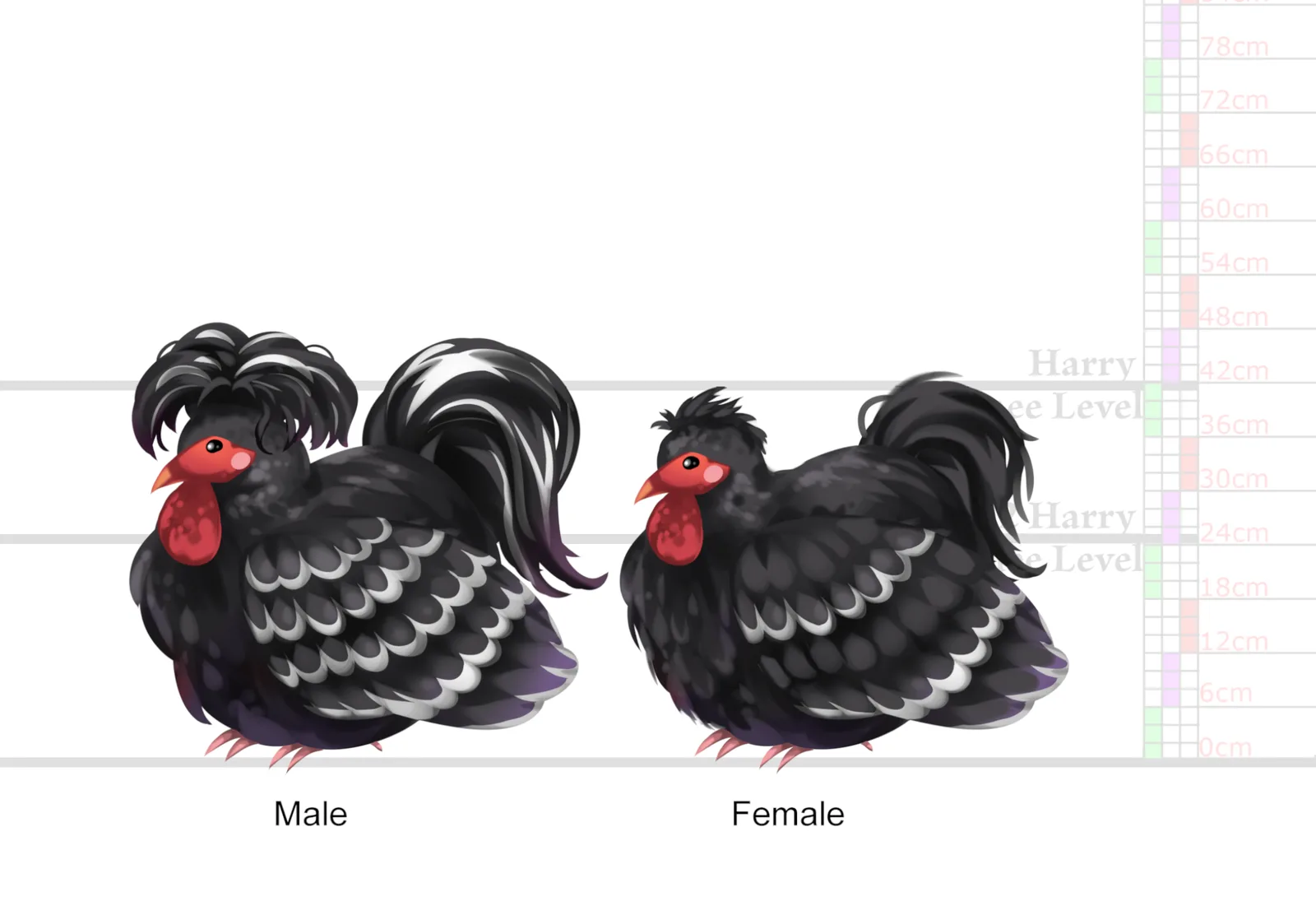
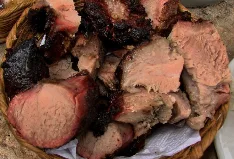
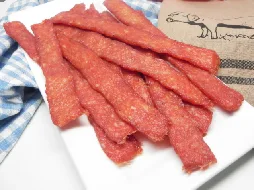
El Fanchaki es una mutación del Chaki y, según los historiadores, es la prueba de una de las primeras, si no la primera, manipulaciones del alma con éxito de los Buhraies. Su capacidad de reproducirse más rápido, crecer más fuertes y usar mejor su interfaz para defenderse debió de ser fundamental para sobrevivir de algún modo a los salvajes Lishies y luego a los humanos, porque los Chakis llevan mucho tiempo extintos. Su carne morada, veteada y tierna se convirtió en un clásico de la mesa de todo el mundo después de que The Prosperity Treaty trajera un comercio más sustancial entre los reinos, e incluso hizo que algunos aventureros dejaran la aventura para dedicarse solo a cazar a estos cabrones gordos y cubrir la demanda.
Texto público: fauna.md
Entre bastidores · notas completas
-
Historia del Isekai
- Buhraies' subjugation experiment.
- Buhairs got a few chakis (chickens) and transformed them into fanchakis. As usual, both of them fled their containment, but chakis grew extinct as the fauna/Lishies ate it all up.
- Fanchakis are quick to breed (like rats) so they survived and spread around like wildfire, even though Lishies were hunting them in the thousands.
-
Scientific History
- Chicken
-
Habitat
- More common around the dense forests throughout the coastline and the dense forests around freeish and Blood.
-
Economic Value
-
Fanchaki Meat
- Historia del Isekai
- Butcher cut meat. Favorite meat among the kingdoms for its good taste for the price.
- Referencia visual
- Historia del Isekai
-
Fanchaki Jerky
- Historia del Isekai
- Butcher prepared jerky.
- Referencia visual
- Historia del Isekai
-
Fanchaki Feathers
- Historia del Isekai
- Butcher prepared feathers for artisans to work on.
- Referencia visual
- See above
- Historia del Isekai
-
Fanchaki Egg
- Historia del Isekai
- Common food.
- Referencia visual
- Historia del Isekai
-
Tamed Fanchaki
- Historia del Isekai
- A pet that some have, but it is mostly for livestock instead. Some use the pet as bait for predators, especially for its Soul Energy abilities.
- Referencia visual
- See above
- Historia del Isekai
-
-
Tastes Like
- Fat Chicken. Very tender.
-
Alimentation
- Primarily seeds and insects.
-
Intelligence
- Chicken
-
Stats
- Reproduction
- Lays one egg everyday
- Fertilized eggs will hatch in ~21 days
- Other
- Ninguno
- Reproduction
-
Capacidades de energía del alma
- Interfaz
- Wattle
- Skills
- Speedy Reaction
- Fake Body
- Interfaz

Soreno
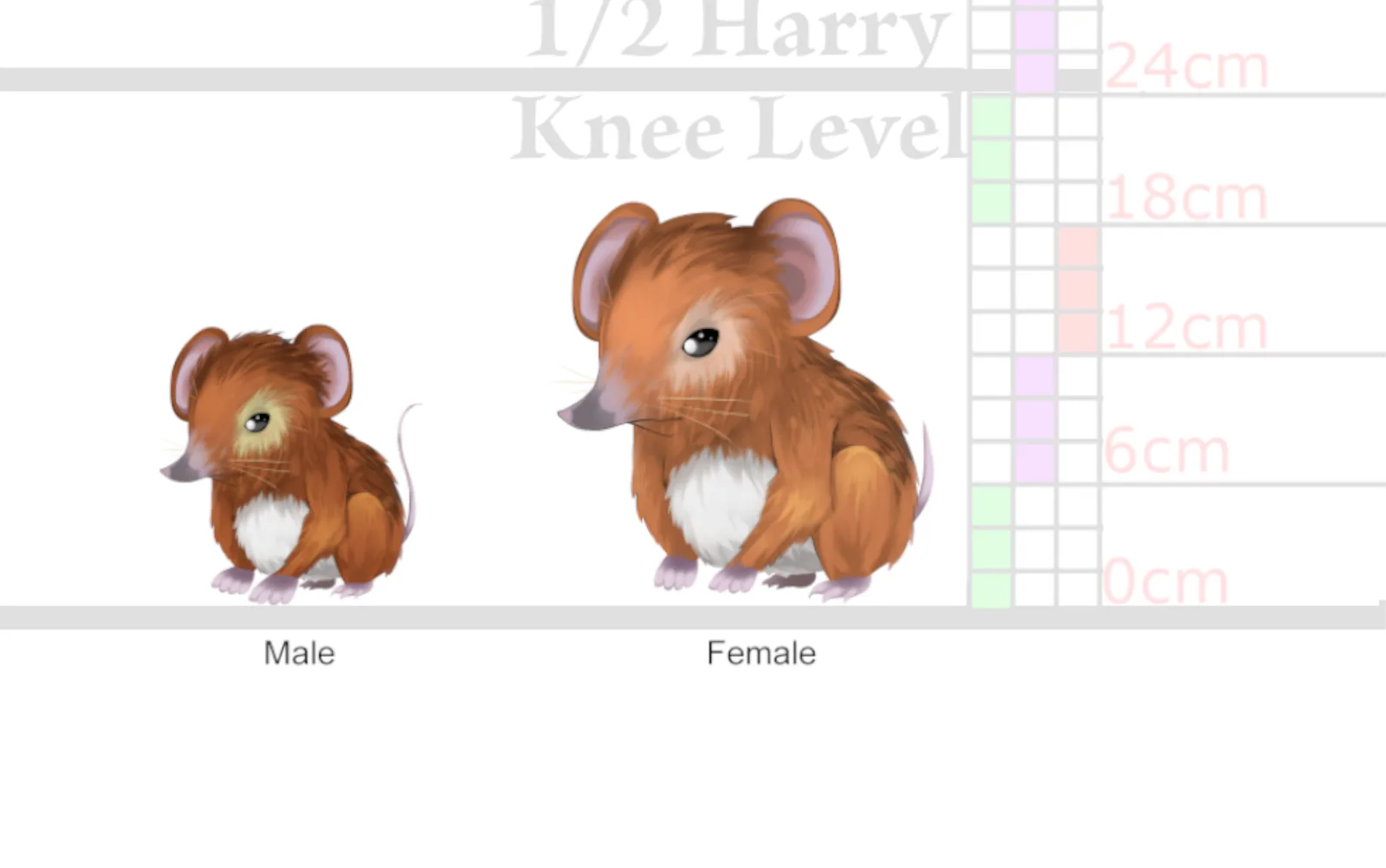
El Soreno es el favorito de los científicos que evitan experimentar con humanos o que no pueden contratar a uno para hacerlo. No es exactamente un calco de lo real, pero es lo bastante bueno para iterar experimentos de forma rápida y barata, publicar artículos y hacerse un nombre. Otros están en el otro extremo: a menudo se encarga a aventureros pearl que mantengan la población de Sorenos de las ciudades, sobre todo en los silos de grano, en el delicado equilibrio entre controlar la plaga y convertirse ellos mismos en una plaga. Además, es carne barata para esos aventureros pearl, que probablemente están tan endeudados que cada pearl que consiguen no malgastar ahora son amethysts menos de su préstamo por culpa de unos intereses abusivos. El problema es que la carne huele y sabe a meado rancio y que probablemente tengas que curarte si te descuidas y no la haces bien hecha; o que te cueste atraparlos, porque se camuflan tanto a la vista como en su rastro de calor, y se hablan entre ellos en un tono tan agudo que necesitarás un Sayna o usar nari gel para cambiarte las orejas por las de un Soreno. También imitan a otros animales y pueden desplazarse la longitud de un brazo en un abrir y cerrar de ojos en casi cualquier dirección, varias veces.
Texto público: fauna.md
Entre bastidores · notas completas
-
Website Description
- El Soreno es el favorito de los científicos que evitan experimentar con humanos o que no pueden contratar a uno para hacerlo. No es exactamente un calco de lo real, pero es lo bastante bueno para iterar experimentos de forma rápida y barata, publicar artículos y hacerse un nombre. Otros están en el otro extremo: a menudo se encarga a aventureros pearl que mantengan la población de Sorenos de las ciudades, sobre todo en los silos de grano, en el delicado equilibrio entre controlar la plaga y convertirse ellos mismos en una plaga. Además, es carne barata para esos aventureros pearl, que probablemente están tan endeudados que cada pearl que consiguen no malgastar ahora son amethysts menos de su préstamo por culpa de unos intereses abusivos. El problema es que la carne huele y sabe a meado rancio y que probablemente tengas que curarte si te descuidas y no la haces bien hecha; o que te cueste atraparlos, porque se camuflan tanto a la vista como en su rastro de calor, y se hablan entre ellos en un tono tan agudo que necesitarás un Sayna o usar nari gel para cambiarte las orejas por las de un Soreno. También imitan a otros animales y pueden desplazarse la longitud de un brazo en un abrir y cerrar de ojos en casi cualquier dirección, varias veces.
-
Historia del Isekai
- Small mammals that feed on insects and grain. They prefer insects, so in small numbers, they are great pest control. In large numbers, they become a pest themselves.
- Hunters/pear adventurers are constantly hired to keep them in check.
-
Scientific History
- Rats & Shrews
-
Habitat
- Throughout the four kingdoms and related cities. Also found throughout the wild, but more in open fields.
-
Economic Value
-
Hide/Fur
- Historia del Isekai
- Butcher prepared hide/fur for artisans to work on. Incredibly flexible to work with.
- Referencia visual
- See above.
- Historia del Isekai
-
Tamed Adult Soreno
- Historia del Isekai
- It takes a while for them to be trained properly, but they are able to relay conversation over long distances without other humans hearing them due to their high pitched nature.
- A hidden trick of the Hidden Sorenos gang.
- Referencia visual
- See above
- Historia del Isekai
-
-
Tastes Like
- Their meat tastes bitter and smells like urine. Their meat is given off to wild animals or put in the ground as fertilizer.
- Some pearl adventurers still eat it because it is free meat.
-
Alimentation
- Insects & grains
-
Intelligence
- Rats
-
Stats
- Reproduction
- Every few months ~10 are born.
- Other
- Ninguno
- Reproduction
-
Capacidades de energía del alma
- Interfaz
- Tail/Ears/Mouth
- Skills
- Cloak (temperature/vision)
- Hearing
- Long distance communication.
- Imitate animal voices.
- Shoot themselves in any direction with quick motion.
- Interfaz
Yuyta
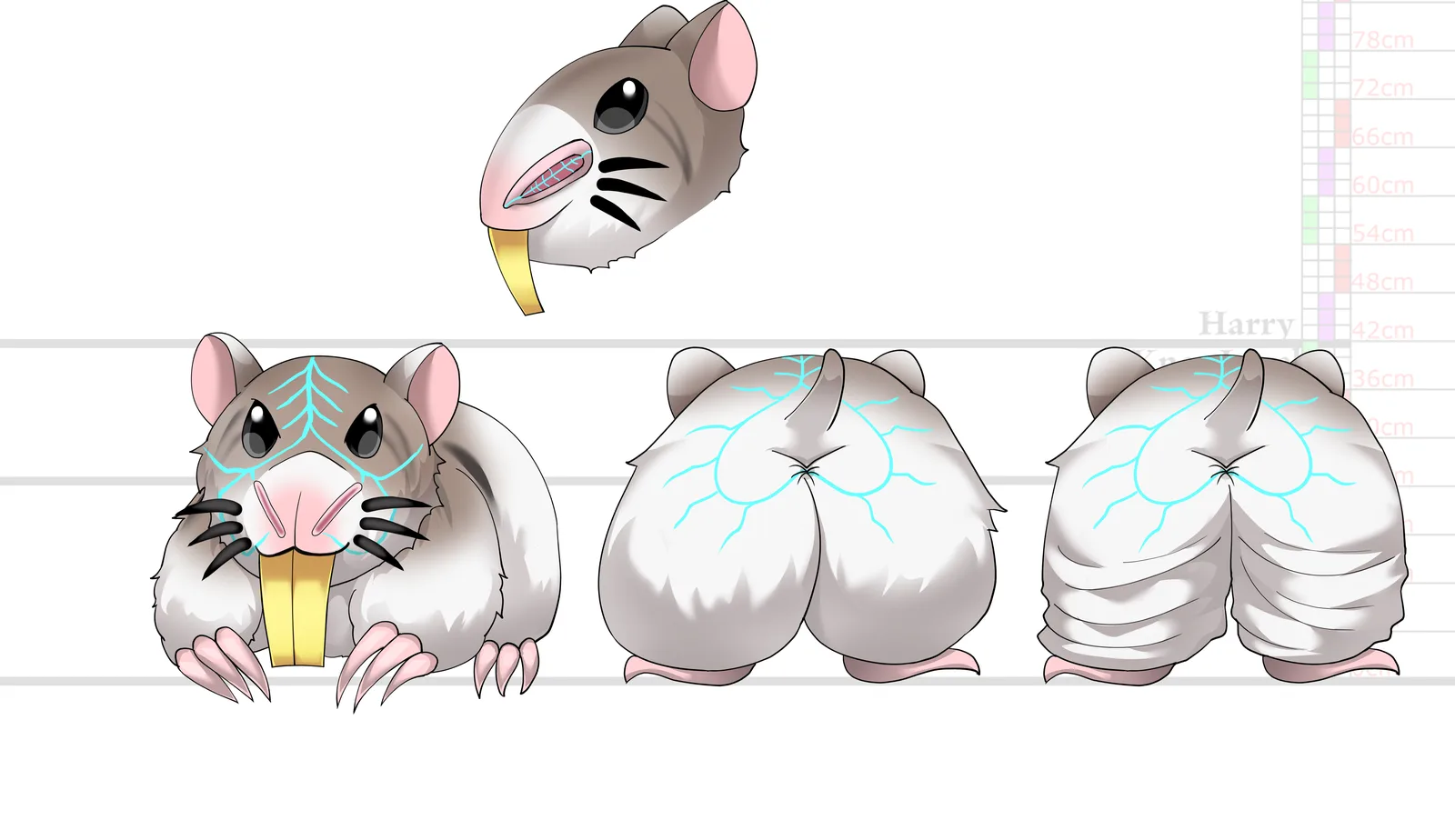
Los Yuytas pueden parecer amistosos a algunos, pero no les gusta mucho el contacto humano. Si le robas una cría a su madre, puede que consigas un buen compañero, pero yo no contaría con ello. No son tan inteligentes como los gatos, pero sí igual de maniáticos. Su rasgo más codiciado, además de su carne parecida al atún, con un ligero aroma a hierba recién cortada en lugar de a mar, son los bigotes para los nari gels, porque con ellos puedes ver o sentir cosas detrás de las paredes. Van en grupos, y puedes verlos saltando por ahí, disfrutando de la vida con sus culos gordos y rechonchos a la vista de todos. Los cazadores, y los aldeanos en general, usan el culo de estas criaturas como barómetro de la calidad de la cosecha. Como dicen: «¡El invierno va a ser una mierda cuando veas un culo flácido bamboleándose en otoño!»
Texto público: fauna.md
Entre bastidores · notas completas
-
Website Description
- Los Yuytas pueden parecer amistosos a algunos, pero no les gusta mucho el contacto humano. Si le robas una cría a su madre, puede que consigas un buen compañero, pero yo no contaría con ello. No son tan inteligentes como los gatos, pero sí igual de maniáticos. Su rasgo más codiciado, además de su carne parecida al atún, con un ligero aroma a hierba recién cortada en lugar de a mar, son los bigotes para los nari gels, porque con ellos puedes ver o sentir cosas detrás de las paredes. Van en grupos, y puedes verlos saltando por ahí, disfrutando de la vida con sus culos gordos y rechonchos a la vista de todos. Los cazadores, y los aldeanos en general, usan el culo de estas criaturas como barómetro de la calidad de la cosecha. Como dicen: «¡El invierno va a ser una mierda cuando veas un culo flácido bamboleándose en otoño!»
-
Historia del Isekai
- A classic case of convergent evolution.
-
Scientific History
- Gopher/Gerbil.
- Hops around like a gerbil.
-
Habitat
- Mostly forests in the Sanbi Region and up the coast.
-
Economic Value
-
Yuyta meat
-
-
-
Tastes Like
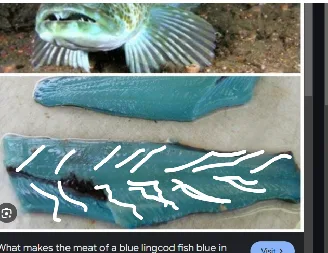
- Chicken. Hard meat, only good for stew. Doesn’t freeze well.
- The smell was clean, mild, almost like fresh tuna, but lacking that distinct oceanic smell. Rather, it took a faint wet grass smell like being downwind from someone cutting grass.
-
Alimentation
- Hierba
-
Intelligence
- Like a rabbit or so. Tends to be in groups.
- Tends to be defensive/run away. When you get close to it, it tends to hiss.
- If attacked, it screams like a dying human.
-
Stats
- Reproduction
- Every few months.
- Other
- ?
- Reproduction
-
Capacidades de energía del alma
- Interfaz
- Jumping Feet
- Microwave detection (whiskers)
- Can spot objects in the walls/dirt. It’s like an infrared camera of sorts.
- Skills
- ?
- Interfaz
Monikas
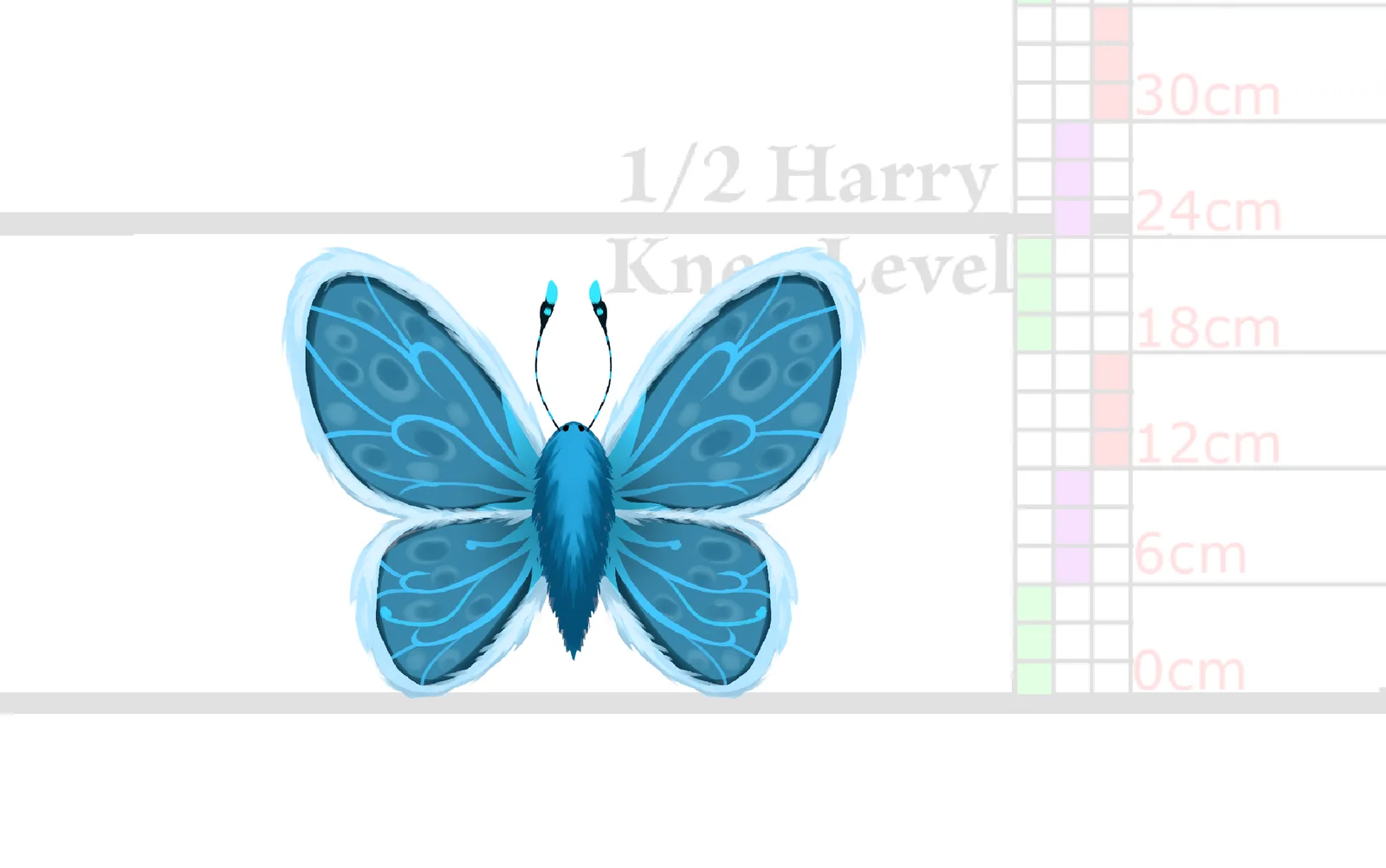
Las Monikas son mariposas solitarias estrechamente asociadas a la muerte y la descomposición. Su interfaz se considera la mejor para identificar cadáveres, sobre todo si el cadáver está ligado a un alma reunida con mucha energía del alma. También tienen la capacidad de convertir los compuestos volátiles deseados de los olores en una representación visual que ayuda a entender su concentración y su origen, lo que se conoce como Monika sight, un preparado de nari gel personalizado con el compuesto volátil deseado, que resulta aún más excepcional si se combina con el Wozen Smell, tanto para encontrar cosas como aventureros muertos como para detectar cosas venenosas como trampas, o incluso para rastrear animales o humanos vivos a partir de sus excrementos o su sudor. Los aventureros al borde de la muerte a menudo suplican que los encuentren estas mariposas de aspecto apacible; al menos algunos, hasta que recuerdan lo que cuesta la reanimación.
Texto público: fauna.md
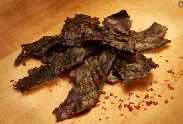
Hay 2 entradas más de esta página que solo están en .
Fuentes: Legacy/Public/fauna.md, Legacy/Behind The Scenes/World Lore/Fauna.md