
Flora
Notación de la documentación
Entre bastidores · notas completas
- See Beasts for Wood People/Trunk People.
- This list is not complete; rather, it includes species that impact the economy/story to a greater extent.
- See Economy Calculator for Prices.
- Flora Average Soul Energy Tier is Tier I with 1 or less Soul Recharge/Day.
Nivel de coste por distancia
Entre bastidores · notas completas
-
Nivel I (Bienes baratos)
- Berries, Fruit, Fungus & Grass.
-
Nivel II (Bienes comunes)
- Flowers, Mushrooms & Roots.
-
Nivel III (Bienes caros)
- Banned Items.
-
Nivel IV (Bienes de la nobleza)
- Ninguno
Plantas
Emerenthy
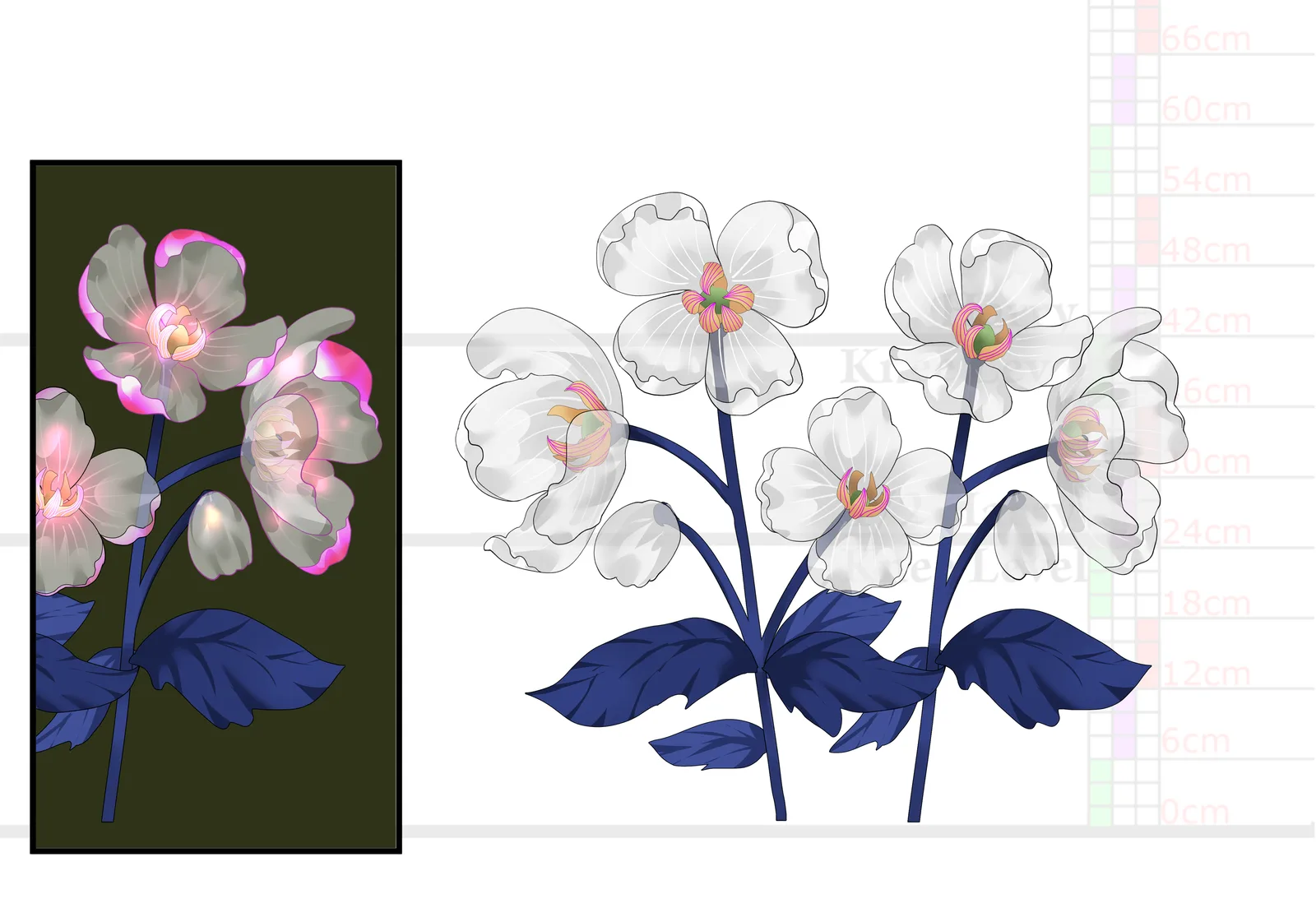
La Emerenthy, o methyl para algunos, es una planta común en los bosques de Freeish. Se la conoce sobre todo por dar un poco de luz de noche a personas y animales en el bosque. Algunos dicen que, si les caes bien a las Trunk people, cogerán methyl para guiarte. Otros piensan que eso es mierda de egua y que solo existen para atraer insectos que se alimentan de su dulce néctar. También puedes arrancarlas del suelo y agitarlas como antorcha de emergencia, aunque no duran mucho. Pero si juntas suficientes, puedes usarlas como un añadido fibroso en cualquier comida, como el apio.
Texto público: flora.md
Entre bastidores · notas completas
-
Website Description
- Emerenthy or methyl for some, is a common plant in the forests of Freeish. Mostly known for offering a bit of light at night for people and animals in the forest. Some say that if Trunk people like you, they will get the methyl to guide you. Others think it's egua shit and that they only exist to attract insects to feed on their sweet nectar. You can also rip them off the ground and shake them as an emergency torch, but they don’t last that long. But if you collect enough of them, you can use them as a fibrous addition to any meal, like celery.
-
Historia del Isekai
- A common plant that is commonly used for cooking.
-
Scientific History
- Phalaenopsis orchid
-
Habitat
- ~0km - ~1km. More common towards the forests near Freeish.
-
Economic Value
-
Emerenthy Flowers
- Historia del Isekai
- See above
- Referencia visual
- See below
- Historia del Isekai
-
-
Tastes Like
- Neutral, watery, or mildly fresh flavor
-
Growth
- Two months in the wild.
-
Capacidades de energía del alma
- Interfaz
- Transparent Petals
- Skills
- Biolight
- Interfaz
-
Referencia visual
Girdol
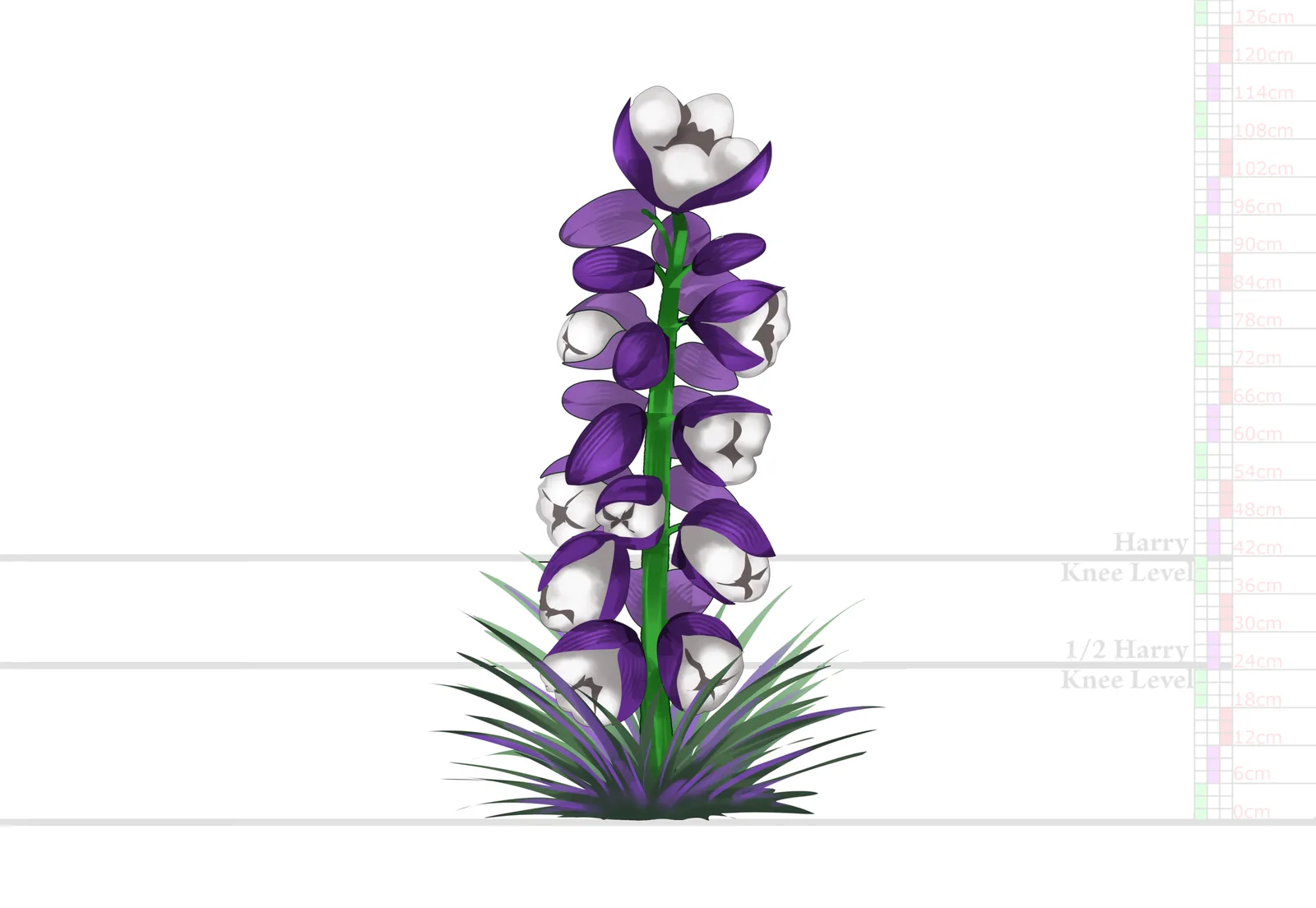
La Girdol es una planta que se usa a menudo en nari gels por sus propiedades para cambiar el intestino, o en infusión por su sabor relajante a limón. Es fácil encontrarla en la naturaleza, pero como los Toleridemianos viven más arriba, suelen cultivarla en casa o en el invernadero comunitario, dado lo mucho que consumen para aliviar el estómago después de una comilona.
Texto público: flora.md
Entre bastidores · notas completas
-
Website Description
- Girdol is a plant often used in nari gels for its gut-changing properties or as a tea for its lemony, soothing taste. You can find it easily in the wild, but since Toleridemians live higher up, they tend to care for it in their home or community greenhouse instead, given how much they consume to ease their stomach after a large meal.
-
Historia del Isekai
- A common plant used in Nari gels and teas. Can be soothing for the stomach or cause diarrhea and puke depending on the amount ingested.
-
Scientific History
- Dandelion
-
Habitat
- ~0 km on Lower plains, especially in plains
-
Economic Value
-
Girdol Flowers
- Historia del Isekai
- See above
- Referencia visual
- See below
- Historia del Isekai
-
-
Tastes Like
- Lemony like
-
Growth
- Several months in the wild
-
Capacidades de energía del alma
- Interfaz
- Petals
- Skills
- Faint Luminescence
- Interfaz
-
Referencia visual

Magina
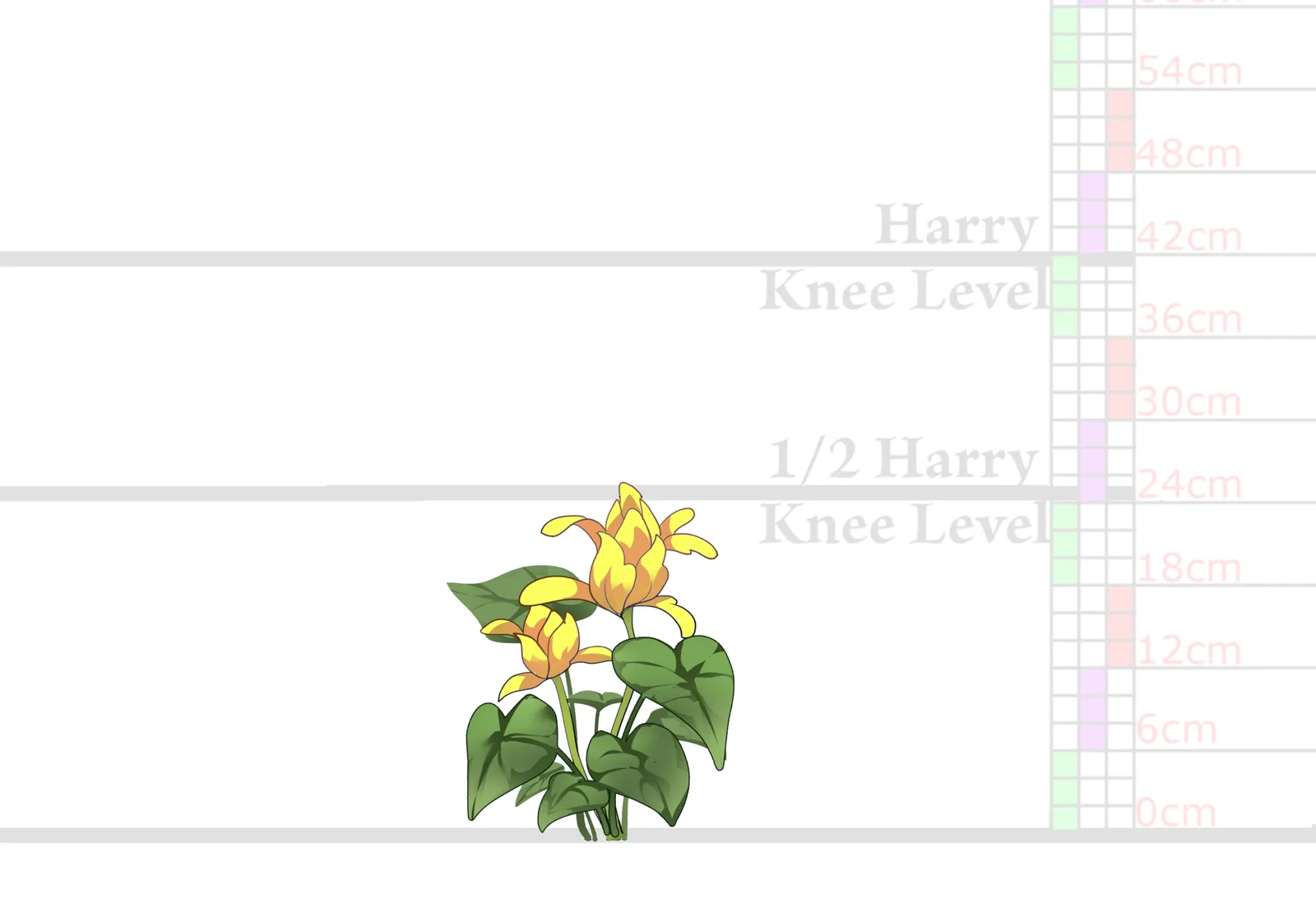
La Magina es una potente droga que altera la mente y que Forway prohibió por los riesgos que supone para la sociedad. Los consumidores viven un estado de dicha en el que viven sus sueños, o sus pesadillas si tienen un mal viaje, de forma tan realista que después juran que les pasó de verdad en lugar de darse cuenta de que fue solo un sueño vívido. Algunos científicos de gran renombre todavía la investigan para curar trastornos mentales concretos, como el TEPT, intentando domar y controlar la droga, pero el éxito ha sido irregular, porque cada persona reacciona de forma tan única que cuesta encontrar patrones. Si ves a alguien completamente ido, incluso después de darle un puñetazo en la cara, seguro que está con Magina, comprada casi con toda seguridad en el mercado negro a la facción Black Magina.
Texto público: flora.md
Entre bastidores · notas completas
-
Website Description
- Magina is a potent mind-altering drug that Forway banned, given the societal risks it imposes. Users experience a blissful state where they live out their dreams or nightmares, with such a realistic trip that afterward they swear the event actually happened to them rather than realizing it was all just a vivid dream. Some highly renowned scientists still research it to cure specific mental ailments like PTSD by trying to rein in and control the drug, but success has been spotty as each individual reacts so uniquely to it that it's hard to find patterns. If you see someone completely zoned out, even after you punch them in the face, they are definitely using Magina, with it most likely being bought on the black market from the Black Magina faction.
-
Historia del Isekai
- A rarer wild plant that is commonly used for sleeping, Nari Gels, or as a sedative. Its yellow petals are so yellow that they are reflective.
- When smoked, it gives a strong “laid-back” vibe. Like sitting still somewhere for hours, just watching time pass. You feel hungry, but that doesn’t bother you. People can punch you, and that doesn’t bother you. People tend to hallucinate vividly as well, completely forgetting about their physical presence
-
Scientific History
- Sassafras
-
Habitat
- ~0km - ~1km
-
Economic Value
-
Magina Flowers
- Historia del Isekai
- See above
- Referencia visual
- See below
- Historia del Isekai
-
-
Tastes Like
- White Cheddar
-
Growth
- Three months in the wild.
-
Capacidades de energía del alma
- Interfaz
- Petals
- Skills
- Spray Sleep Spell in Self-Defense
- Interfaz
-
Referencia visual
 *Yellow petals.
Nica
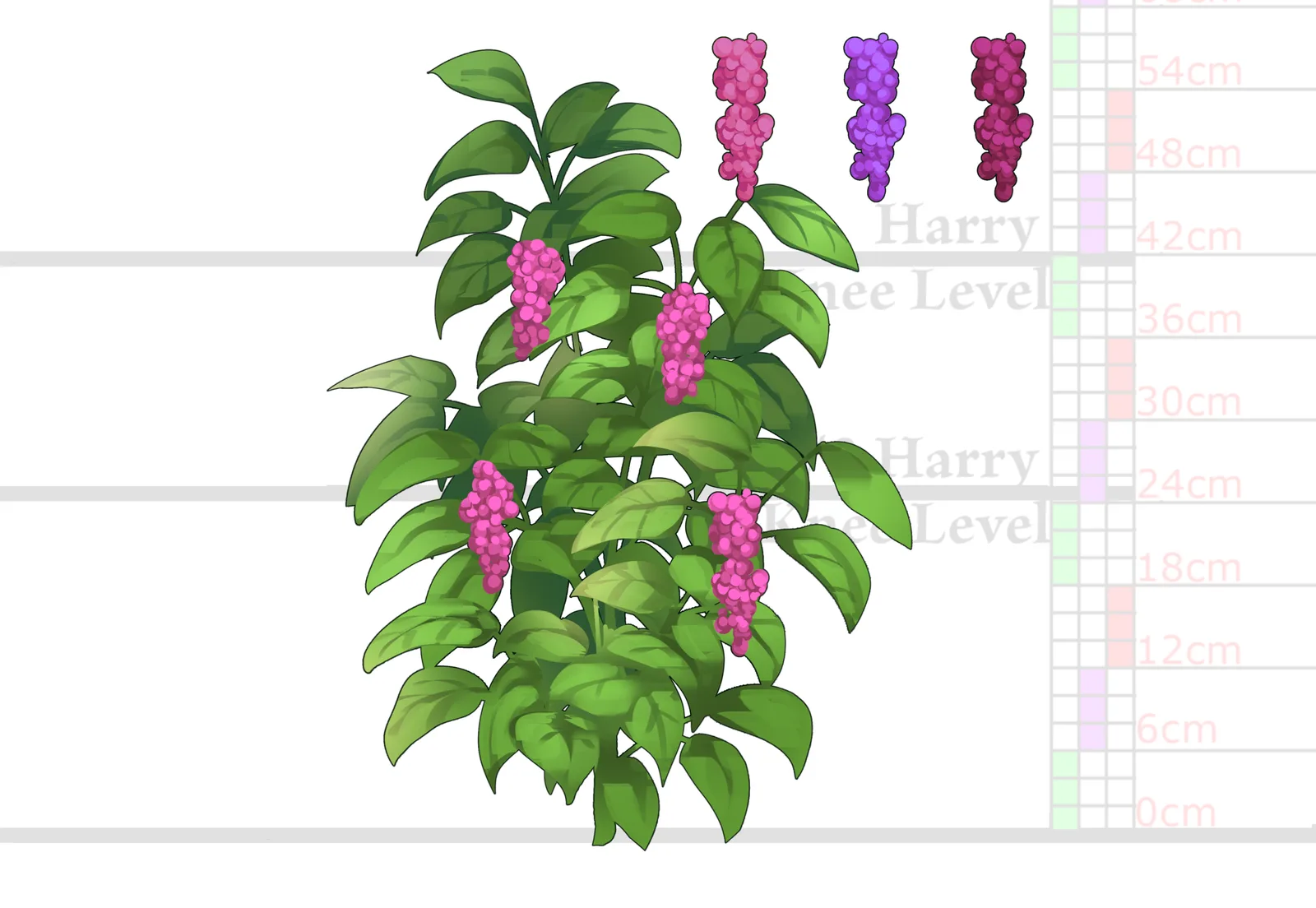
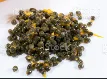
¡La Nica es la favorita de muchos chefs! Sus semillas cambian de sabor, de un gusto parecido al comino cuando están rosa intenso y verdes, a un perfil más parecido a la pimienta negra cuando maduran, con un color vino más profundo. Algunos le encontraron uso en los nari gels, porque tiene propiedades para cambiar el color de la piel y también para repeler insectos, aunque quien la usa suele oler mucho a pimienta Nica, así que, si no le gusta, mejor que use otra cosa.
Texto público: flora.md
Entre bastidores · notas completas
-
Website Description
- Nica is a favorite of many chefs! Its seeds change from a cumin-like taste when it's bright pink and unripe to a more black-pepper profile when it's ripe, with a deeper wine color. Some people found a use for it on nari gel, as it has properties that change skin color and repel insects as well—although the person using it tends to smell strongly of Nica peppers, too, so if they don't like it, they are better off using something else.
-
Historia del Isekai
- A common plant that is commonly used for cooking.
-
Scientific History
- Piper Nigrum
-
Habitat
- ~0km - ~1km
-
Economic Value
-
Magina Flowers
- Historia del Isekai
- See above
- Referencia visual
- See below
- Historia del Isekai
-
-
Tastes Like
- Seeds taste like Black Pepper mixed with Cumin taste.
- More black pepper as the older it gets (deep wine), with cumin, the younger it is (pink)
- Seeds taste like Black Pepper mixed with Cumin taste.
-
Growth
- One Month in the wild, another three months for maturation.
-
Capacidades de energía del alma
- Interfaz
- ?
- Skills
- ?
- Interfaz
-
Referencia visual
Steen
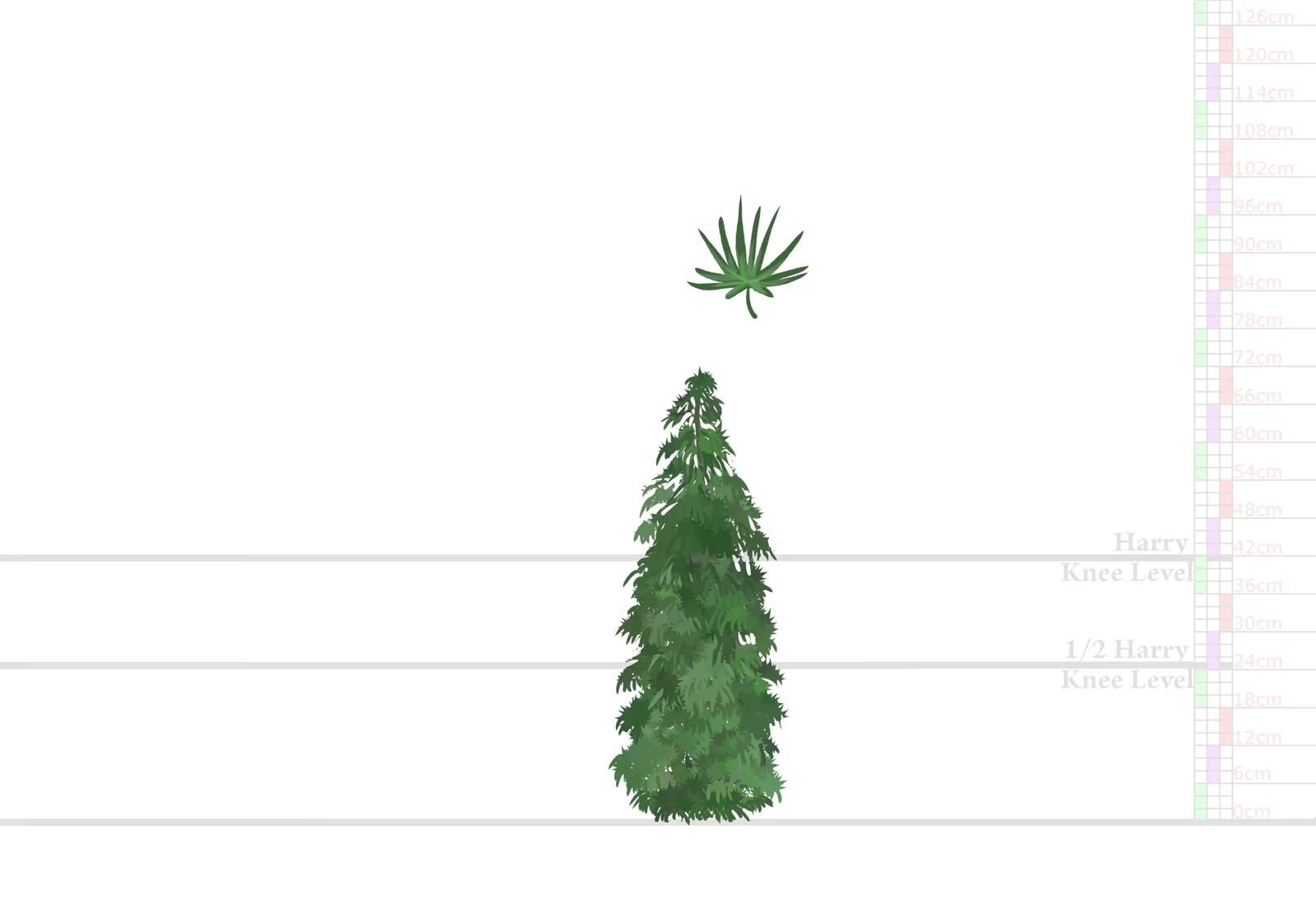
La Steen es fácil de encontrar en la boca de los ciudadanos de Sanbi, a los que les encanta masticar los tallos para pasar el rato. Tiene un efecto calmante y ligeramente relajante, y algunos Darfaries también han cogido la costumbre. Aunque no es popular en Gandew, quienes la consumen se vuelven más perezosos y aletargados, sobre todo al masticar las hojas, donde el efecto es más potente. También se ve en nari gels, y tanto a los cazadores como a los guardias de Sanbi les encanta untar con ella la punta de las flechas para intoxicar a sus presas y a los alborotadores y que bajen el ritmo y se relajen.
Texto público: flora.md
Entre bastidores · notas completas
-
Website Description
- Steen is commonly found in the mouths of Sanbi citizens, who love to chew on the stems to pass the time. It has a calming, slightly chilling effect, with some Darfaries also picking up the habit. Although it is not popular in Gandew, users become lazier and lethargic, especially when chewing the plant leaves, where the effect is more potent. You can also see it in nari gels, with both hunters and Sanbi guards loving to plaster the tip of their arrows with it to toxify their prey and unruly people into slowing down and chilling out instead.
-
Historia del Isekai
- A wild plant often chewed like gum or used in teas/Nari gels. Has a calming effect.
- If lit up on fire, it has a strong weed smell.
- People haven’t figured out a way to domesticate this plant yet. It has high fiber content and can be used for clothing.
- A wild plant often chewed like gum or used in teas/Nari gels. Has a calming effect.
-
Scientific History
- Cannabis sativa
-
Habitat
- ~0km - ~1km
- In the wild.
-
Economic Value
-
Steen Leaves
- Historia del Isekai
- See above
- Referencia visual
- See below
- Historia del Isekai
-
Steen Fiber
- Historia del Isekai
- See above
- Referencia visual
- See below
- Historia del Isekai
-
-
Tastes Like
- Minty, but more grassy and oily. Somewhat chewy.
-
Growth
- Several months in the wild.
-
Capacidades de energía del alma
- Interfaz
- Ninguno
- Skills
- Ninguno
- Interfaz
-
Referencia visual

Tibou
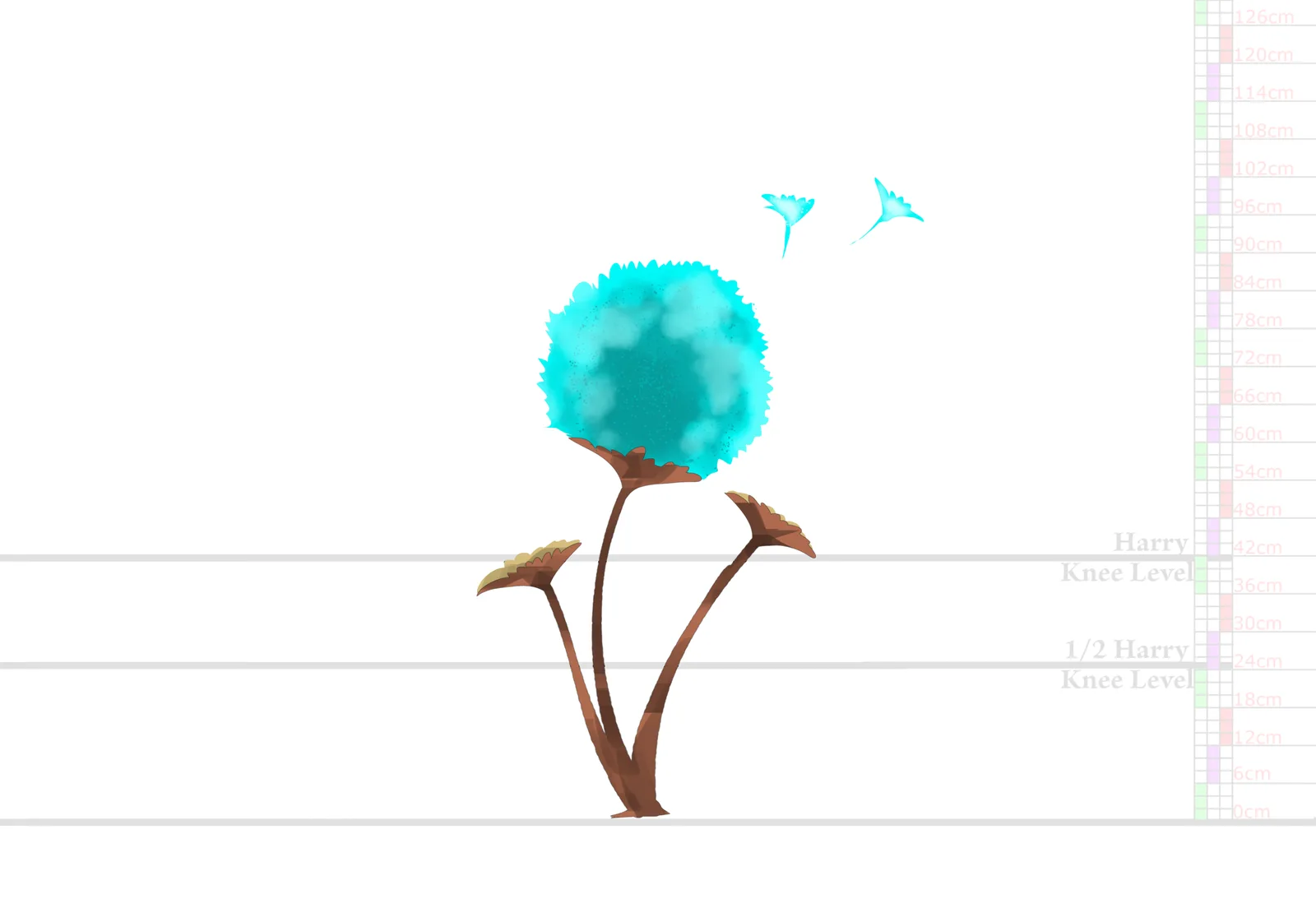
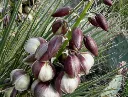
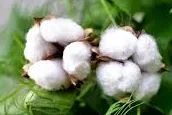
La Tibou también se usa en nari gels, pero sobre todo para dar a tu sudor propiedades antibacterianas y antifúngicas. Es básicamente como ducharse de dentro afuera, ¡y los aventureros conscientes recurren a ella para oler bien cuando pasan rápido por el pueblo! Por lo demás, es la planta de referencia como base para jabones, champús e incluso tejidos, ya que su fibra parecida al algodón es bastante cómoda, aunque no tan resistente.
Texto público: flora.md
Entre bastidores · notas completas
-
Website Description
- Tibou is also used in nari gels, but mostly to give your sweat antibacterial and antifungal properties. It's essentially like taking a shower from the inside out, with self-aware adventurers resorting to using it to smell good when quickly passing through town! Otherwise, it's the go-to plant for soaps, shampoos, and even textiles, and its cotton-like fiber is quite comfortable, albeit not as durable.
-
Historia del Isekai
- One of the most sought-after plants to make soap and shampoos out of the shells. Not really used in teas, but some do like it.
- The cotton-like fiber protected by the case is used in fabric.
-
Scientific History
- Yucca Glauca
-
Habitat
- ~0km - ~1km
- Farmed in the grasslands
-
Economic Value
-
Tibou Flowers
- Historia del Isekai
- See above
- Referencia visual
- See below
- Historia del Isekai
-
-
Tastes Like
- Lavender with coconut soap.
-
Growth
- One month in the wild.
-
Capacidades de energía del alma
- Interfaz
- Ninguno
- Skills
- Ninguno
- Interfaz
-
Referencia visual
Árboles frutales
Buzeta
Entre bastidores · notas completas
-
Historia del Isekai
- ?
-
Scientific History
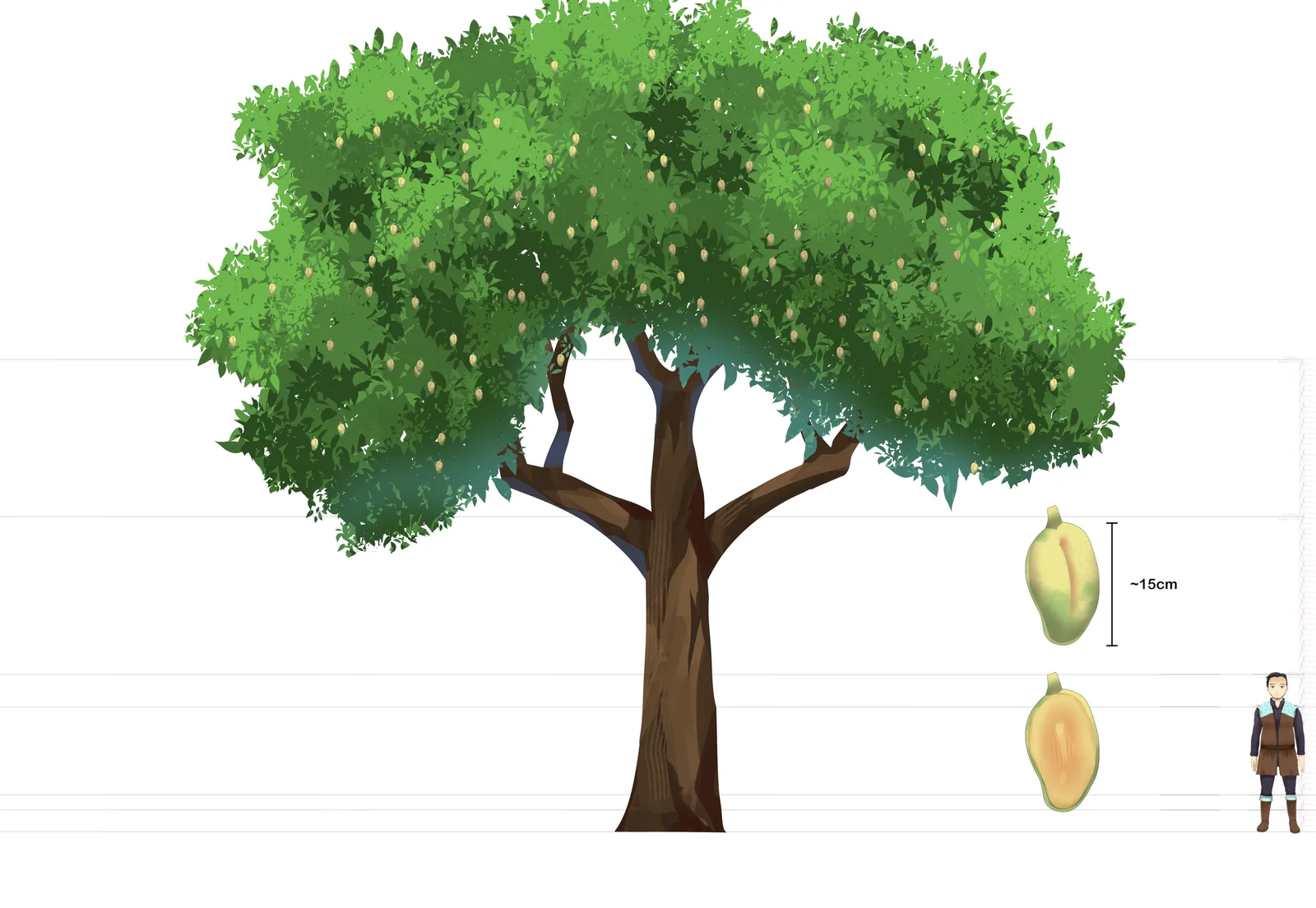
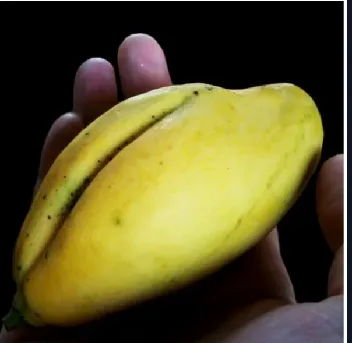
- Mango Buceta
-
Habitat
- See above.
-
Economic Value
-
Buzeta Fruit
- Historia del Isekai
- See above
- Referencia visual
- See Item Visual Reference
- Historia del Isekai
-
Dried Buzeta
- Historia del Isekai
- Often done for food stock, selling to other kingdoms, baking in food or on-the-road snacks.
- Referencia visual
*
- Historia del Isekai
-
BuzetaJuice
- Historia del Isekai
- Pretty good. Better in vitamin shakes.
- Referencia visual
- Historia del Isekai
-
Buzeta Hard Juice
- Historia del Isekai
- Fermented Juice
- Referencia visual
*
- Historia del Isekai
-
-
Tastes Like
- Mango
-
Growth
- Takes about 10 months for a harvest.
-
Capacidades de energía del alma
- Interfaz
- Ninguno
- Skills
- Ninguno
- Interfaz
-
Referencia visual

Cocona
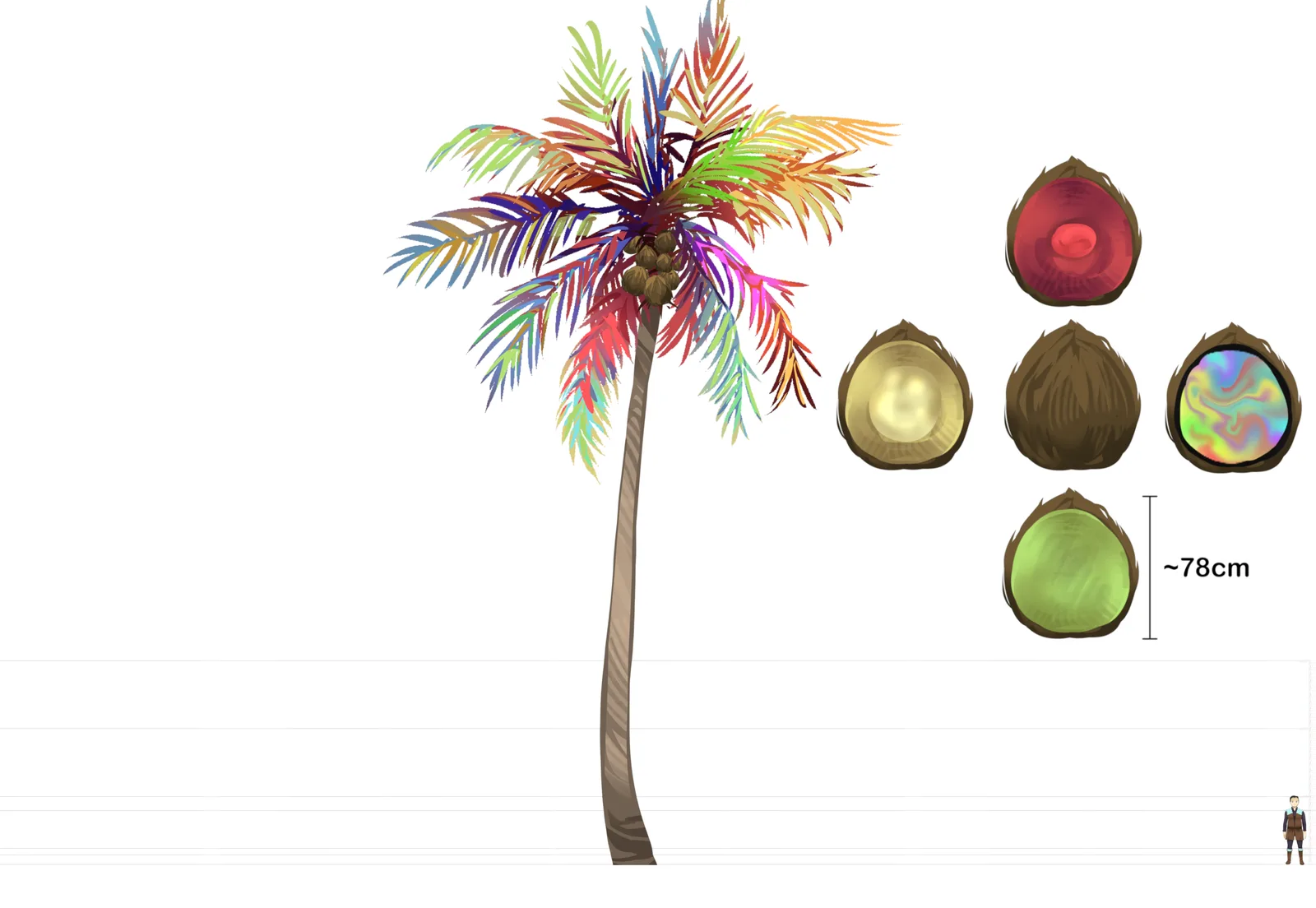
La Cocona es un árbol invasor pero útil, según la mayoría de los científicos. Su origen se atribuye sin duda a los Buhraies, ya que lo único de este árbol que no es extraño es su follaje translúcido y colorido, parecido a la corteza del Soul tree. El fruto de la Cocona dobla el tamaño de un coco normal, y abrir uno para ver su interior es como abrir una caja de botín. Aunque probablemente puedas adivinar la proporción de agua y pulpa agitándolo y deducir el posible color y sabor por el entorno de la planta, ¡seguramente no aciertes más que por pura suerte! Los sabores y los colores son imprevisibles, con más posibilidades de encontrar los más sabrosos, dulces y afrutados en las granjas de los alrededores de Deltacross. Sin embargo, si buscas el codiciado fruto de Cocona con el agua colorida del Soul Tree por la famosa leyenda popular de que alarga la vida si te bebes su agua de sabor umami nada más abrirlo, mejor que te pongas a rondar las playas en busca de Coconas silvestres. ¡Y recuerda los buffs o debuffs que da la interfaz de la Cocona! No son gran cosa, a veces tan poco como aumentar la vejiga o la producción de sudor. Sin embargo, pueden marcar justo la diferencia entre la vida y la muerte combinados con otras interfaces, porque esta permanece en el cuerpo durante semanas, sin ninguna forma conocida de anularla o eliminarla.
Texto público: flora.md
Entre bastidores · notas completas
-
Website Description
- Cocona tree is an invasive but handy tree, according to most scientists. Its origin is, without a doubt, attributed to the Buhraies folks, since the only thing about this tree that is not foreign is its translucent, colorful foliage, akin to the Soul tree's bark. The Cocona fruit is double the size of regular coconuts, and opening a fruit to reveal its insides is like opening a loot box. Although you can probably guess the water versus flesh ratio by shaking it and infer the possible color and taste based on the plant's surroundings, you will likely not be better than random chance! Flavors and colors are unexpected, with better odds of finding tastier, sweeter, and fruitier ones on farms around Deltacross. However, if you're looking for the coveted Cocona fruit with Soul Tree colorful water because of the famous folktale that it will extend your life if you gulp its umami-tasting water down as soon as you crack it open, then you're better off prowling about the beaches for wild Cocona trees. Also, remember the buffs or debuffs the Cocona interface gives! They aren't much, sometimes as little as increasing your bladder or boosting sweat production. However, it can be just enough to tip the balance between life and death when paired with other interfaces, as this one persistently lingers in the body for weeks at a time, with no known way to reset or flush it.
-
Historia del Isekai
- Found throughout the beaches of the four kingdoms after humans found the plant near Lukewarm Lake and started to bring it everywhere with them.
- Farmed intensively on Deltacross due to its proximity to Forway.
- Coconas are double the size of coconuts
-
Scientific History
- Coconut
-
Habitat
- Beaches
-
Economic Value
-
Cocona Water
- Historia del Isekai
- See above. Not much is found as the cocona flesh takes over most of the inside.
- If someone opens a cocona with all Soul Tree water, Freeish legends say they are extremely lucky because it will extend their life—that is, if they chug the entire umami water.
- Fact not proven by science.
- The water/flesh ratio comes in several colors, and each color corresponds to certain buffs/debuffs it will give
- Referencia visual
- Historia del Isekai
-
Dried Cocona
- Historia del Isekai
- Sell to other kingdoms, on the road, snacks, etc.
- Same as water, it comes in several colors.
- Sell to other kingdoms, on the road, snacks, etc.
- Referencia visual
- Historia del Isekai
-
-
Tastes Like
- Coconut, but saltier. Almost like Beef jerky, salty depending on what you open. Surroundings can further alter taste.
-
Growth
- ~15 Years until maturation.
- ~50 fruits per tree/year.
-
Capacidades de energía del alma
- Interfaz
- Fruit
- Skills
- Harden
- Interfaz
-
Referencia visual


Gosutam
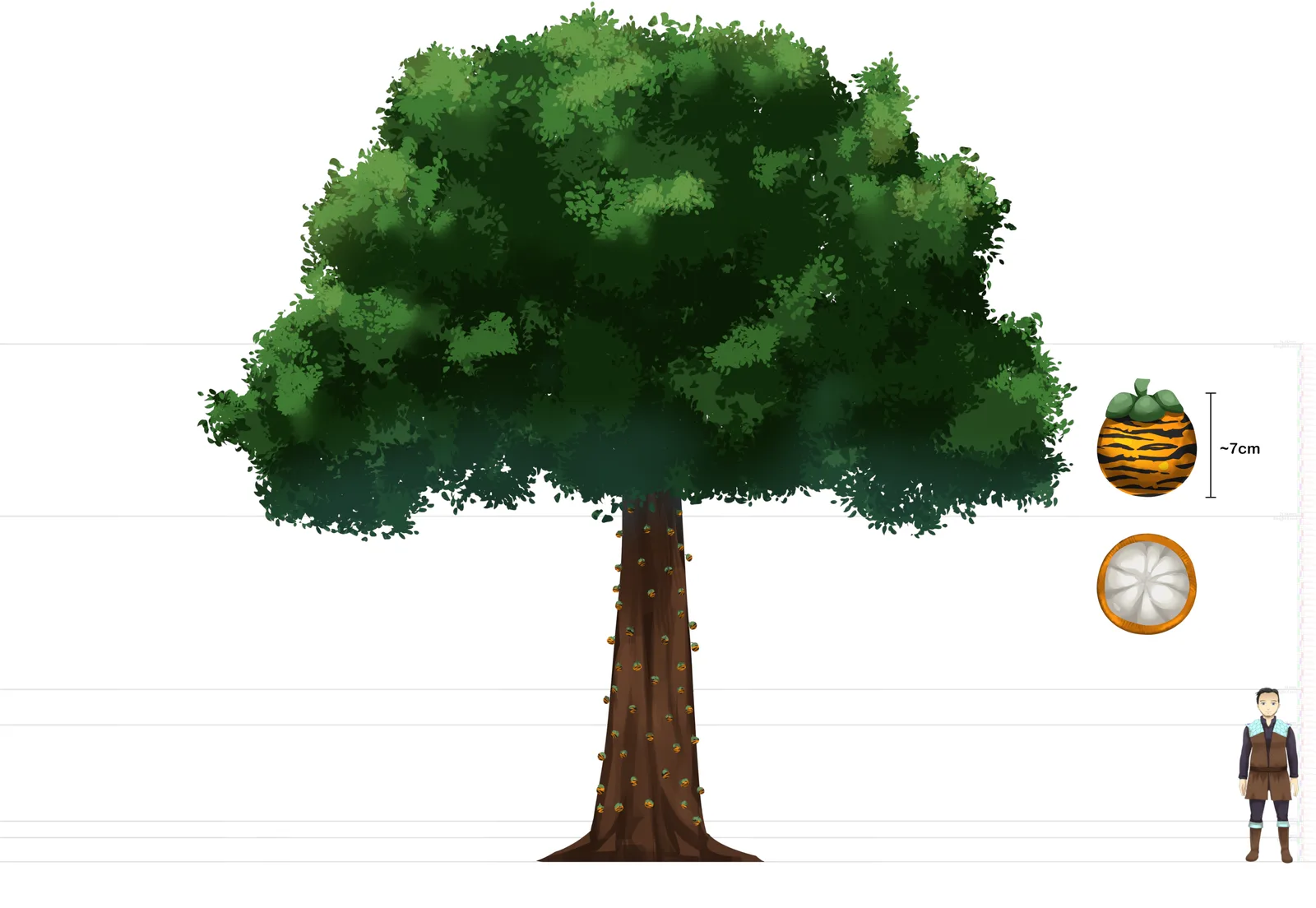
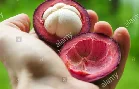
La Gosutam es común desde el sur, en el Reino de Freeish, hasta el este, en el Reino de Sanbi. Es un árbol habitual en los patios porque da pequeñas tandas de fruta durante todo el año directamente del tronco, lo que hace que hasta los niños puedan picotear. Ahí se acaba lo fácil, porque abrir el fruto y sacar la parte comestible requiere habilidad. La piel exterior amarilla y negra, más dura, da paso a un interior carnoso y blando que protege una película blanquecina y viscosa que cubre las semillas. Esa película blanquecina y viscosa es lo que quieres disfrutar, por su sabor a mangostán y vainilla. Sin embargo, si aprietas demasiado al abrir el fruto, la mezclas con el interior carnoso o de algún modo te llega a la lengua cualquier otra parte de este fruto, ¡lo vas a pasar mal! Como masticar posos de café usados, el sabor se vuelve amargo y vegetal. Algunos padres plantan este árbol a propósito para que sus hijos piquen, porque les enseña paciencia y determinación. Algunos científicos les dan la razón, mientras que otros creen que hay muchos otros factores con mucho más peso para mejorar la paciencia que un simple árbol frutal cuyo fruto es un coñazo y medio de comer.
Texto público: flora.md
Entre bastidores · notas completas
-
Website Description
- Gosutam is commonly found as far south as the Freeish Kingdom and as far east as the Sanbi Kingdom. It's a common tree to have in your yard as it yields small batches of fruit throughout the entire year from its bark, making it easy pickings for even children to snack on. That is where the easy part ends, for opening the fruit and extracting the edible portion requires skill. The exterior's tougher yellow-and-black skin gives way to a mushy, fleshy interior that protects a whitish, slimy covering on the seeds. That whitish, slimy skin is what you want to indulge in for its mangosteen, vanilla-like flavor. However, suppose you press on too hard when opening the fruit, mix in the fleshy interior with it, or somehow get anything else from this fruit on your tongue; then you're in for a bad time! Like chewing on used coffee grounds, the flavor will turn bitter and vegetal. Some parents actively plant this tree for their kids to snack on because it teaches them patience and determination. Some scientists agree with them, while others think many other factors carry more weight in improving patience than a simple fruit tree that is a bitch and a half to eat.
-
Historia del Isekai
- A wild tree that produces a fruit that, if carefully opened, will yield great insides.
-
Scientific History
- Mangosteen
-
Habitat
- ~0km - ~1km
- Wild species are found around deeper forests and in people’s backyards.
-
Economic Value
-
Gosutam Fruit
- Historia del Isekai
- Often, a tree that people will plant in the backyard is rather expensive for how little fruit you can eat.
- Referencia visual
- See Item Visual Reference
- Historia del Isekai
-
Dried Gosutam
- Historia del Isekai
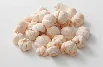
- Often done for food stock, selling to other kingdoms, baking in food, or on-the-road snacks.
- Referencia visual
- Historia del Isekai
-
Gosutam Juice
- Historia del Isekai
- Juicy.
- Referencia visual
- Historia del Isekai
-
Gosutam Hard Juice
- Historia del Isekai
- Fermented Juice. Fizzy, less-milky caramel and earthy tones give it a nice balance without being too overpowering.
- Referencia visual
- Historia del Isekai
-
-
Tastes Like
- Shell is bitter
- Inner fruit is milky caramel with earthy tones.
-
Growth
- It is produced during the Summer.
-
Capacidades de energía del alma
- Interfaz
- Tree
- Skills
- Drop Fruits.
- Interfaz
-
Referencia visual

Greenbread
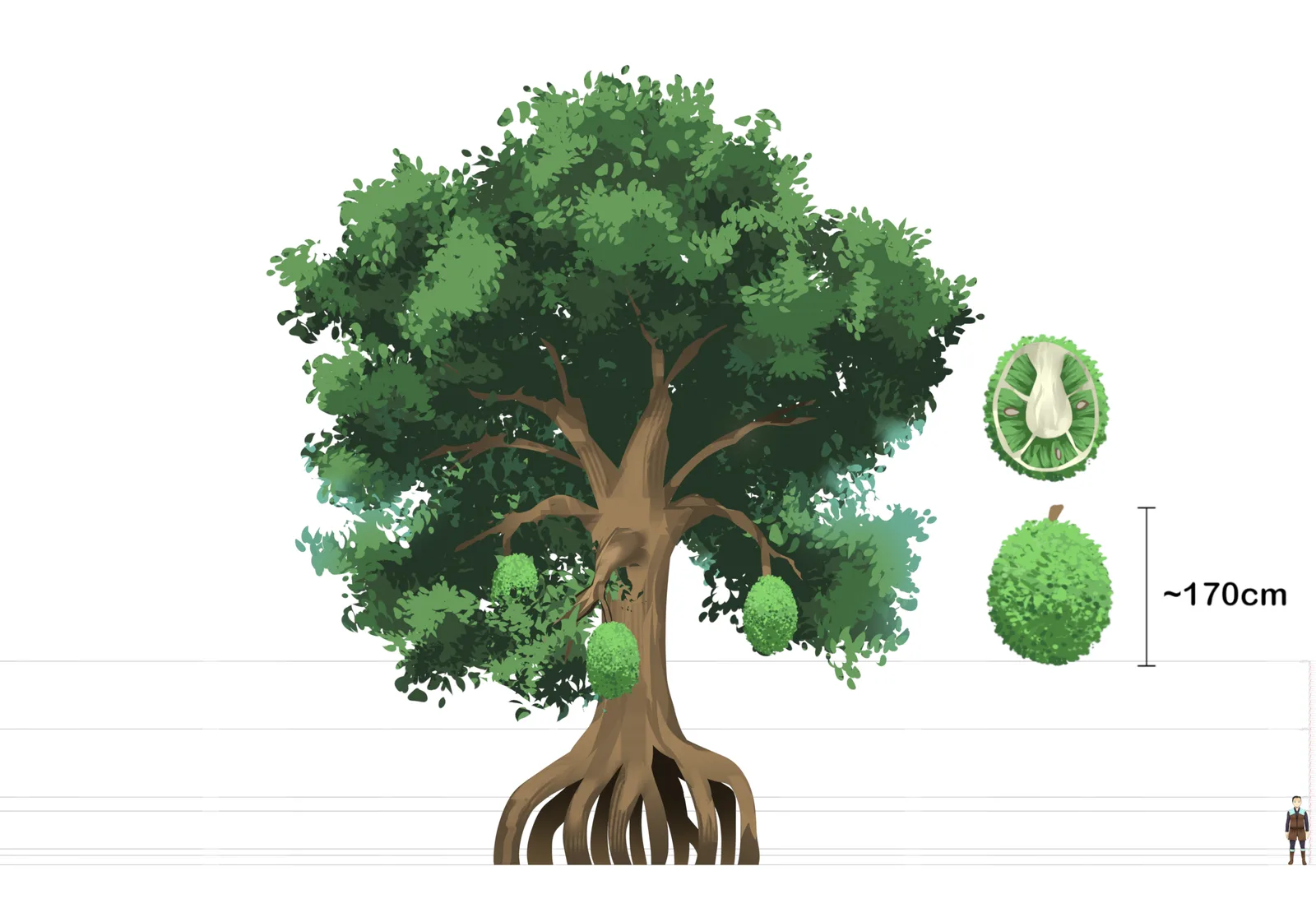
¡El Greenbread es un fruto peligroso! No porque sea venenoso, sino porque, si te cae encima desde el árbol, que suele medir 15 metros, convertirá tu cuerpo en la misma consistencia gelatinosa que un shapeshifter. Eso si no se pasa de maduro y explota. Si explota, prácticamente todo lo que haya alrededor quedará cubierto de una pasta amarillo dorado y de semillas que luego se pudren, dejando un olor parecido al del durián que atraerá a mucha fauna, que a su vez atrae a muchas bestias. Cada árbol solo tiene tres o cuatro greenbreads colgando a la vez, y tardan casi todo el año en alcanzar la madurez perfecta, con una consistencia parecida a la de la yaca Golden Nugget. Sin embargo, el sabor es comparable al del melon pan, mientras que otras variedades tienen sabores más cercanos al plátano mezclado con piña. Las semillas, por su parte, saben a cacao tostadas. El corazón que sobra del fruto también es un aglutinante muy usado para hacer bone wood o cola.
Texto público: flora.md
Entre bastidores · notas completas
-
Website Description
- Greenbread is a dangerous fruit! Not because it is poisonous, but instead, if it falls on you from the usual 15-meter-tall tree, it will transform your body into the same jelly consistency as a shapeshifter. That is, if it doesn't overripe and explode. If it does, then pretty much everything in the vicinity will be covered in golden yellow goo and seeds and then decay, leaving a Durian-like smell that will attract a lot of fauna, which then attracts a lot of beasts. Each tree will have only three or four greenbreads hanging from it at a time, and they take most of the year to reach full ripeness, with a consistency close to that of Golden Nugget Jackfruit. However, the taste is comparable to melon pan, while other varieties have flavors closer to banana mixed with pineapple. The seeds, meanwhile, taste like cacao when roasted. The fruit's leftover core is also a binding agent commonly used for creating bone wood or glue.
-
Historia del Isekai
- Huge tree that grows in the large forests around the Freeish Kingdom and Blood City.
- Produces a fruit that tastes like melon pan
- Only a few at a time, and it is hard to reach. Fruits are the size of humans.
- Its leaves have a tangy, chlorophyll-accented note.
- A staple product from Freeish Kingdown on its Greenbread fields.
-
Scientific History
- Jackfruit.
-
Habitat
- Forests in the south.
-
Economic Value
-
Greenbread Fruit
- Historia del Isekai
- See above
- Referencia visual
- See Item Visual Reference
- Historia del Isekai
-
Dried Greenbread
- Historia del Isekai
- Often done for food stock, selling to other kingdoms, baking into food, or as on-the-road snacks.
- Referencia visual
- Historia del Isekai
-
Greenbread Juice
- Historia del Isekai
- Juicy!
- Referencia visual
- Historia del Isekai
-
Greenbread Hard Juice
- Historia del Isekai
- Fermented Juice. A Fizzy drink with light melon flavor.
- The greenbread breadfruit's crust is cut and fermented for a few days.
- Referencia visual
- Historia del Isekai
-
Greenbread Roasted Beans
- Historia del Isekai
- Tastes like chocolate. Each seed is ~2 cm in diameter
- Referencia visual
- Historia del Isekai
-
-
Tastes Like
- Soft, mildly sweet with a melon/honeydew mix of banana and pineapple.
-
Growth
- Takes several years to grow into a full tree.
- Produces throughout the year.
-
Capacidades de energía del alma
- Interfaz
- Fruit
- Skills
- Explode when fully ripe.
- Interfaz
-
Referencia visual

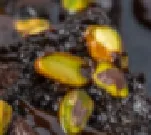
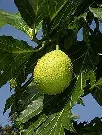
Hifuna Yabuca
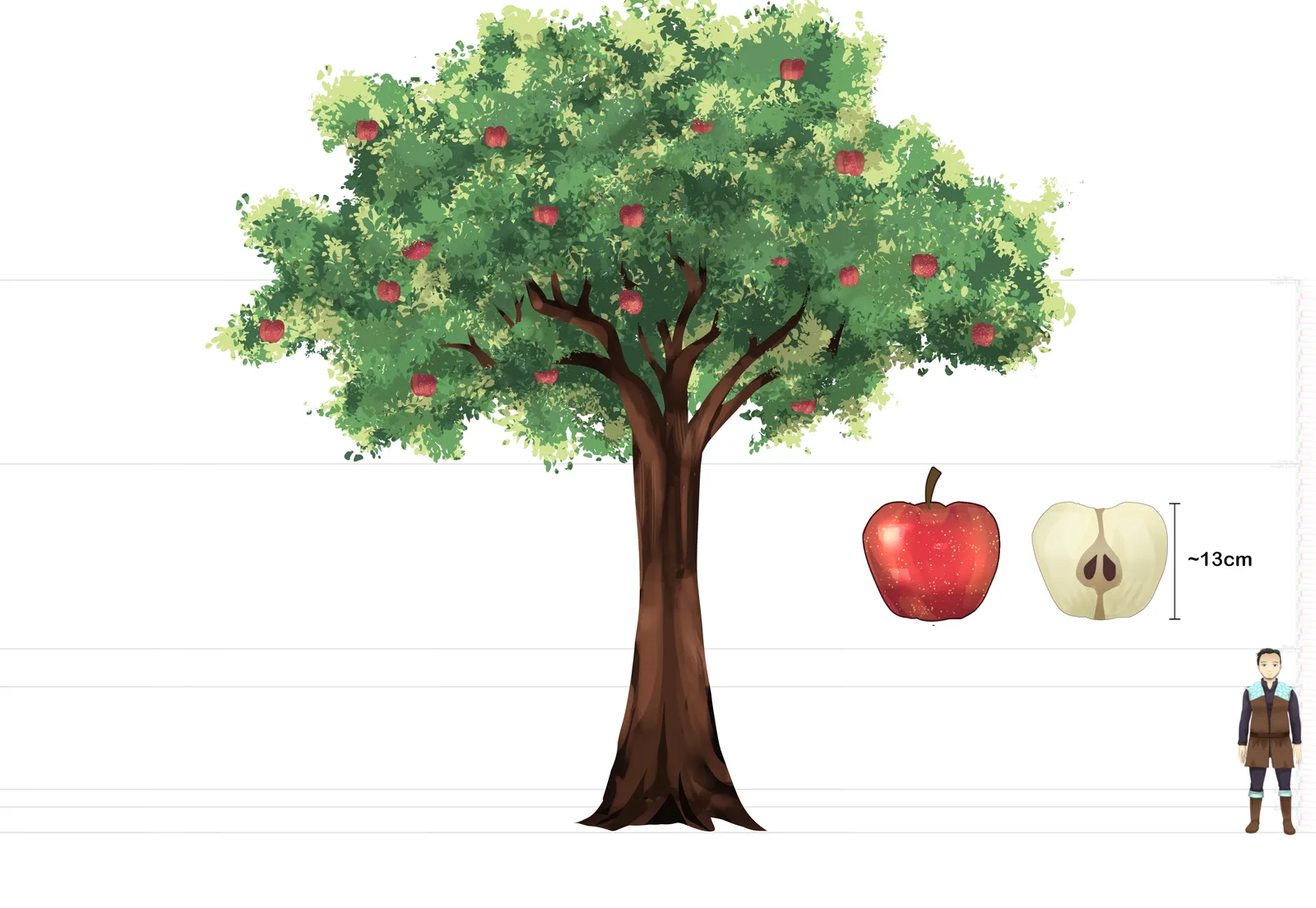
Ver Bestias -> Hifuna People
Texto público: Website Description en Legacy/Behind The Scenes/World Lore/Flora.md
Entre bastidores · notas completas
-
Historia del Isekai
- A further mutation from Wood Yabuca. Some call it the random fruit, since eating it can cause unpredictable effects on the user from the Walking Heartstone. Can send the person on a moody trip with emotions growing untamed. Can help in a desperate situation.
- If the person hits a “good” one, they will go berserk and rampage for days on before they pass out, if they don’t just drop dead. People who have done it in the past say the berserker feeling was like being in a trance, far better than any other nari gel.
- Forway banned its use due to the fatalities and character corruption that often occur.
- As big as ~26 cm
- A further mutation from Wood Yabuca. Some call it the random fruit, since eating it can cause unpredictable effects on the user from the Walking Heartstone. Can send the person on a moody trip with emotions growing untamed. Can help in a desperate situation.
-
Scientific History
- Ghost Apple
-
Habitat
- Hifuna.
-
Economic Value
-
Hifuna Yabuca Fruit
- Historia del Isekai
- See Above.
- Referencia visual
- See Item Visual Reference
- Historia del Isekai
-
Hifuna Yabuca Concentrated Fruit
- Historia del Isekai
- See Above. A concentrated form usually sold as a drinkable potion amongst adventurers going to Hifuna as a last option. Some use it more than they should.
- Referencia visual
- See Item Visual Reference
- Historia del Isekai
-
-
Tastes Like
- Like water mixed with hints of dirt. Plus a plasticky feel in the mouth that reminds me of mixing glue.
-
Growth
- Throughout the year.
-
Capacidades de energía del alma
- Interfaz
- Ninguno
- Skills
- Ninguno
- Interfaz
-
Referencia visual
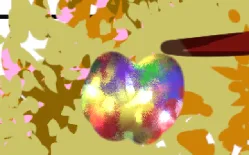
Lonllow
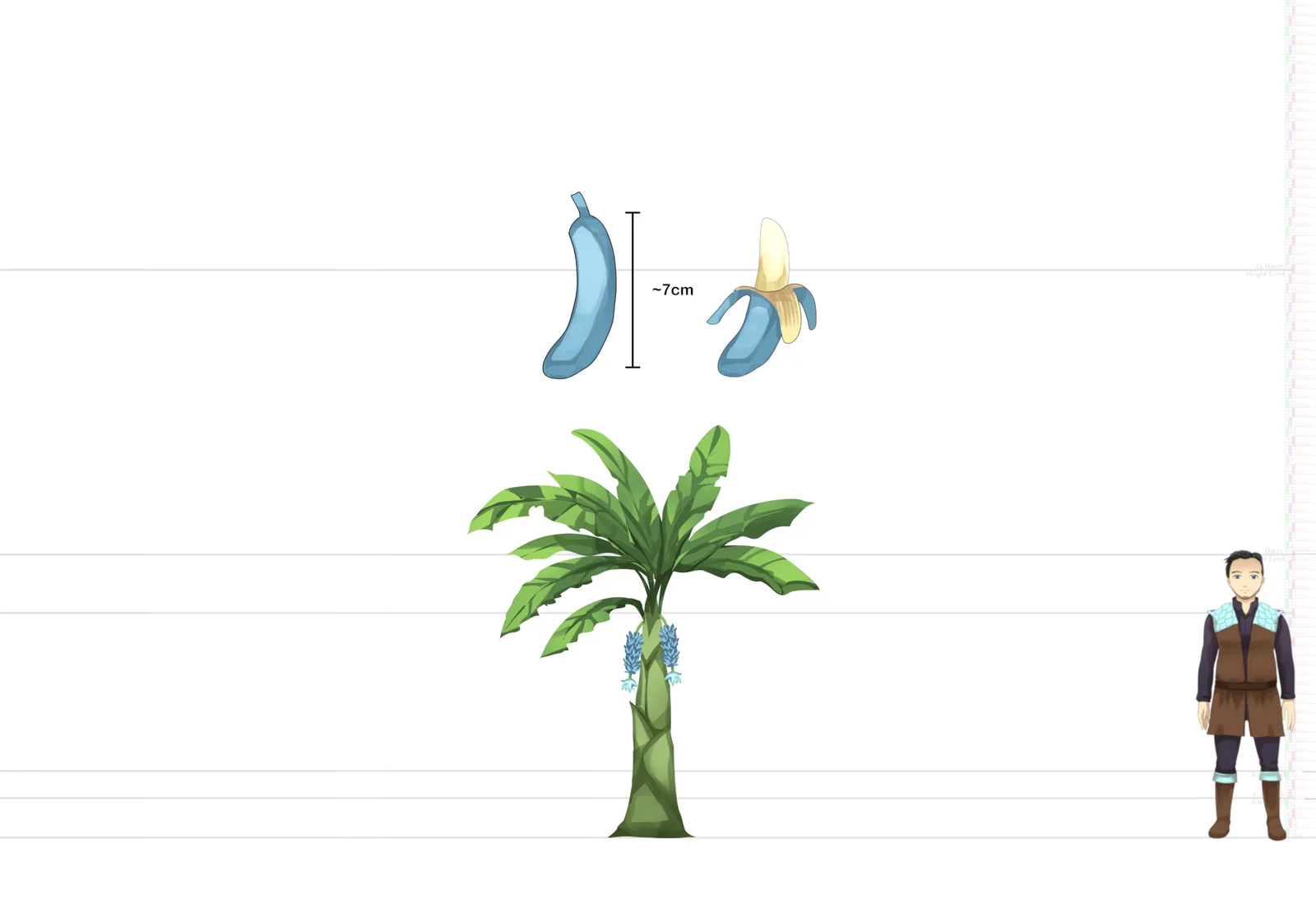
La Lonllow es como las Yabucas, propensa a las mutaciones, pero en lugar de crear nuevas variantes, todas hacen que la planta se marchite. La antigua especie Buhraies le dio el nombre de Lonllow después de crearla manipulando su interfaz del alma y mezclándola con distintas especies. Los científicos creen que intentaban crear una planta con un alto contenido energético y agradable a su paladar, pero fracasaron estrepitosamente, dejando una planta muy delicada de cultivar. Ahora solo unas pocas familias han descubierto lo que hace falta para producirla a escala. Aun así, no dan abasto con la demanda. Solo los Sorefaries ya parecen volverse casi locos y gastarse todas sus bolas solo por probar el sabor a plátano acaramelado de esta pequeña fruta azulada.
Texto público: flora.md
Entre bastidores · notas completas
-
Website Description
- Lonllow is like Yabucas, which are prone to mutations, but instead of creating new variants, these mutations all result in the plant withering away. The Buhraies' ancient species gave the name Lonllow after they made it by tampering with their soul interface and mixing it with different species. Scientists believe they were trying to create a plant with high energetic content and palatable to their taste, but it failed harshly, leaving it a highly finicky plant to grow and farm. Now only a few families have figured out what is needed to produce them at a scale. However, they can't meet demand. Sorefaries alone seem to nearly go berserk and spend all their balls just to get a taste of the caramelly banana flavor from the small-looking bluish-looking fruit.
-
Historia del Isekai
- Brought over by Buhraies while working with Summoning. Came after Yabucas, but it didn’t seem to be as successful. It is extremely finicky and picky to grow in farmland. Also, fragile even in the wild. Maybe that’s partly why Buhraies created a special environment for it by creating the endlessfog island.
- See Endlessfog for more info.
-
Scientific History
- Banana + Caramel flavor.
-
Habitat
- See above.
-
Economic Value
-
Lonllow Fruit
- Historia del Isekai
- See above
- Referencia visual
- See Item Visual Reference
- Historia del Isekai
-
Dried Lonllow
- Historia del Isekai
- Often done for food stock, selling to other kingdoms, baking in food, or on-the-road snacks.
- Referencia visual
- Historia del Isekai
-
Lonllow Juice
- Historia del Isekai
- Kinda good. Better in vitamin shakes.
- Referencia visual
- Historia del Isekai
-
Lonllow Hard Juice
- Historia del Isekai
- Fermented Juice
- Referencia visual
- Historia del Isekai
-
-
Tastes Like
- Banana
-
Growth
- Takes about 6 months for a harvest.
-
Capacidades de energía del alma
- Interfaz
- Ninguno
- Skills
- Ninguno
- Interfaz
-
Referencia visual
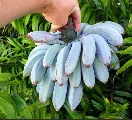 *Exterior only. Inside is the same as normal banana

Purplebread
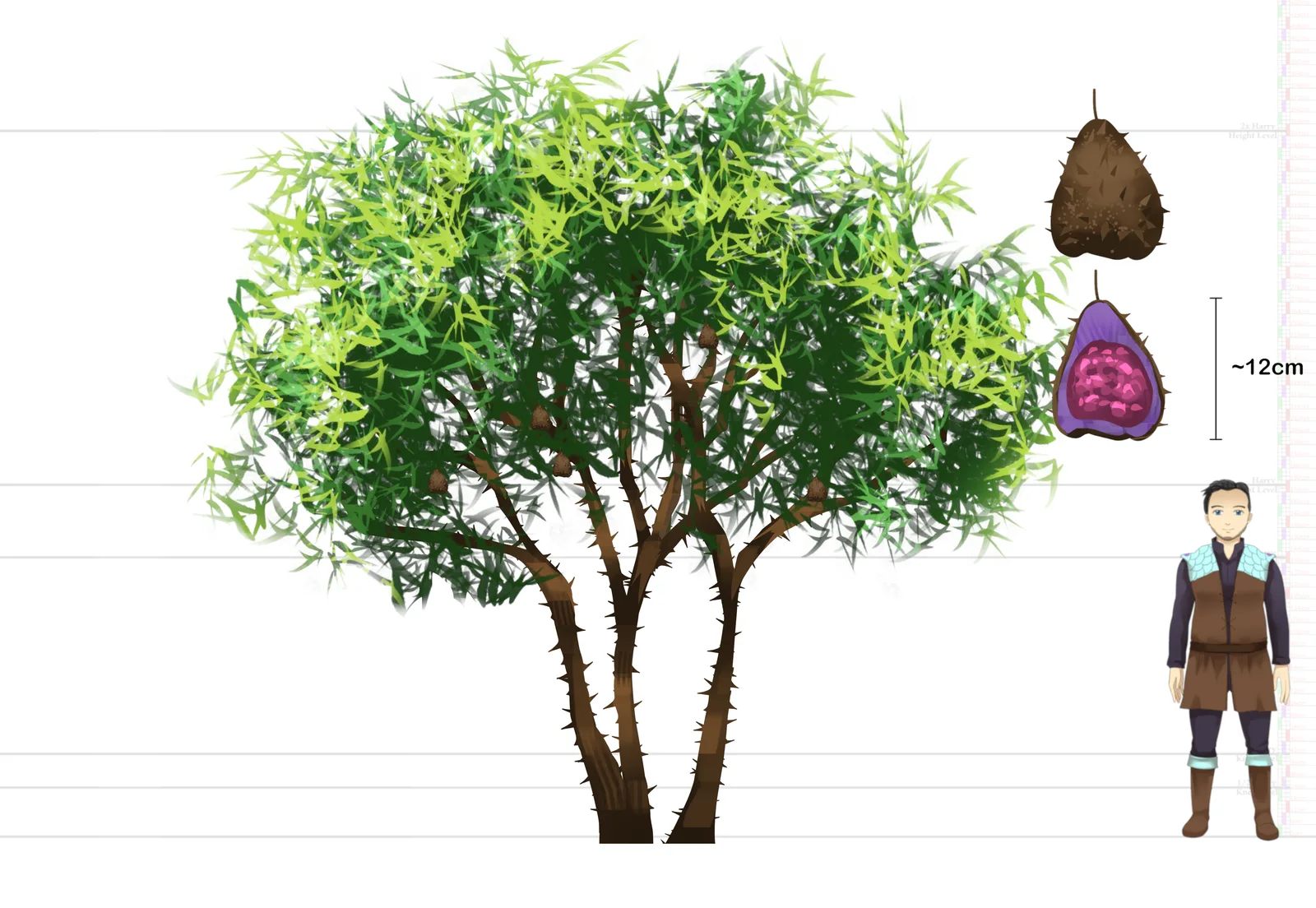
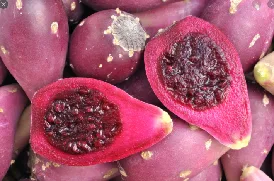
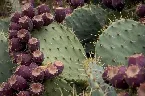
El Purplebread es un alimento básico de Sundeath y de las regiones semiáridas de alrededor. El árbol pequeño, o planta grande, tiene el tronco cubierto de pinchos y hojas puntiagudas cubiertas de un líquido transparente y pegajoso que solo provoca urticaria si no consumes su fruto. El fruto que da es pardo y está cubierto de pinchos peludos que no te rasgan la piel. No parece muy apetecible, sobre todo con ese olor penetrante parecido al pedo de alguien que ha comido demasiados huevos. Sin embargo, ¡los lugareños, los aventureros y los comerciantes conocen un secreto! Basta con frotar el fruto contra la arena hasta que la piel parda quede suave como el culito de un bebé, ¡y el olor desaparece! Al abrir el fruto aparece un interior rosado y viscoso con un sabor entre fresa y frambuesa. La pulpa morada es algo insípida, pero aun así deberías comértela, porque es bastante nutritiva, o es obligatorio si sudas a cubos.
Texto público: flora.md
Entre bastidores · notas completas
-
Website Description
- Purplebread is a staple food of Sundeath and the surrounding semi-arid regions. The small-sized tree, or large-sized plant, has a trunk covered in spikes and pointed leaves covered in a clear sticky fluid that causes hives solely if you don't consume its fruit. The fruit it bears is brownish and covered in hairy spikes that won't tear your skin. It doesn't look that appetizing, especially when paired with the pungent smell of a fart from someone who ate too many eggs. However, locals, adventurers, and merchants alike know a secret! Just rub the fruit on the sand until the brownish skin is smooth as a baby's butt, and the smell will disappear! Opening the fruit will reveal a pinkish-goopy interior that tastes between strawberry and raspberry. The purple flesh is kinda flavorless, but you should still eat it as it is pretty nutritious or a must if you sweat a bucket.
-
Historia del Isekai
- A wild cactus-like tree that produces a smaller version of the greenbread, or at least in appearance.
- The brown shell smells pungent, like a fart of someone who ate too many eggs.
- If you rub it in the sand, it removes the smell and reveals the delectable interior.
-
Scientific History
- Prickly Pear taste
-
Habitat
- ~0km - ~1km
- Transitional zone of the desert
-
Economic Value
-
Purplebread Fruit
- Historia del Isekai
- See above
- Referencia visual
- Historia del Isekai
-
Dried Purplebread
- Historia del Isekai
- Often done for food stock, selling to other kingdoms, baking into food, or as on-the-road snacks.
- Referencia visual
- Historia del Isekai
-
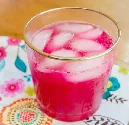
Purplebread Juice
- Historia del Isekai
- Refreshing
- Referencia visual
- Historia del Isekai
-
Purplebread Hard Juice
- Historia del Isekai
- Fermented Juice
- Referencia visual
- Historia del Isekai
-
-
Tastes Like
- Strawberry/Raspberry
-
Growth
- All year round
-
Capacidades de energía del alma
- Interfaz
- Spikes
- Skills
- Grow Spikes
- Sweat induction
- Interfaz
-
Referencia visual


Rakuja
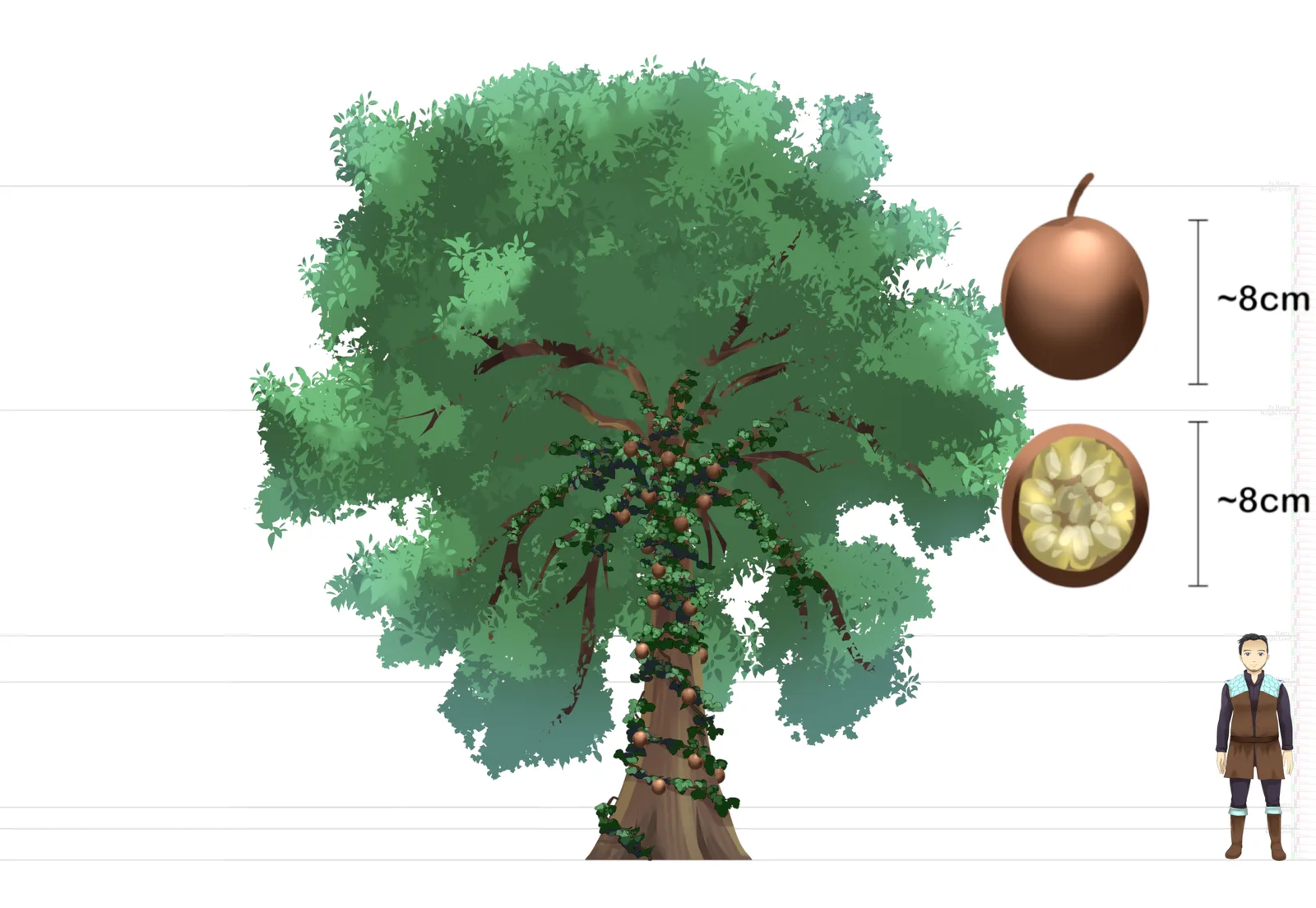
La Rakuja es una enredadera que a menudo mantiene una relación simbiótica mutualista con los árboles que invade. Solo se encuentra en climas más fríos y ayuda a los árboles anfitriones inyectándoles un gel anticongelante que produce cuando detecta temperaturas bajas. Esta relación funciona de maravilla en regiones como Gandew, Fuhrair y Old Fuhrair. No se puede decir lo mismo de Tolerideme, donde las Wood People se adueñaron de la tierra. La relación entre ellas siempre acaba siendo amensalista. Los científicos no solo han descubierto que este gel anticongelante es una toxina excelente para matar Wood People, sino que además ellas tienen sus propias lianas, con las que arrancan y matan cualquier Rakuja que intente crecer sobre ellas. Aun así, ¡a la gente se le hace la boca agua con sus frutos de sabor ácido y agrio, con notas cítricas y un aroma intenso! Secos o no, puedes encontrarlos en todos los reinos, pero según dónde estés, prepárate para soltar muchas bolas para llenarte la barriga de Rakuja. Si no tienes mucho dinero, puedes darte el gusto con un poco de Rakuja hard juice, que además te emborrachará.
Texto público: flora.md
Entre bastidores · notas completas
-
Website Description
- Rakuja is a vine that often forms a mutualistic symbiotic relationship with the trees it infests. Found only in colder climates, it helps host trees by injecting an antifreeze gel it produces when it detects lower temperatures. This relationship works well in regions such as Gandew, Fuhrair, and Old Fuhrair. The same can't be said of Tolerideme, where Wood People took over the land. The relationship between them always turns Amensalistic. Not only have scientists figured out that this antifreeze gel is an excellent toxin for killing Wood People, but they also have their own vines, which they use to remove and kill off any Rakuja that tries to grow on them. Nonetheless, people drool over the tangy, tart flavor of citrusy fruits and their heavy aromatic scent! Be it dried or not, you can find them across all kingdoms, but depending on where you are, be ready to fork over a lot of balls to fill up your belly on Rakuja. If you don't have much money, you can get your fix with some Rakuja hard juice that will get you drunk too.
-
Historia del Isekai
- Vine that grows only at higher altitudes due to slightly colder climates.
-
Scientific History
- Maracuja
- Fruit is ~2x bigger
-
Habitat
- ~2km - ~4km
- Found naturally on the base of Fuhrair, Old Fuhrair, & Gandew. Sometimes Tolerideme as well, but it rarely works.
-
Economic Value
-
Rakuja Fruit
- Historia del Isekai
- More of an expensive fruit in the Kingdom. Often enjoyed by higher classes. Not much in the wild.
- Referencia visual
- See Item Visual Reference
- Historia del Isekai
-
Dried Rakuja
- Historia del Isekai
- Often done for food stock, selling to other kingdoms, baking in food, or on-the-road snacks.
- Referencia visual
- Historia del Isekai
-
Rakuja Juice
- Historia del Isekai
- Refreshing Juice
- Referencia visual
- Historia del Isekai
-
Rakuja Hard Juice
- Historia del Isekai
- Fermented Juice. Fizzy, less sweet, but less tart as well.
- Referencia visual
- Historia del Isekai
-
-
Tastes Like
- Tart flavor. Like as if a banana were crossbred with a lime alongside an orange.
- The seeds inside don’t add much flavor, but their crunchiness enhances the experience and mellows the tart a bit.
-
Growth
- It constantly produces Rakuja, but each vine takes ~3 months to yield ~400 units. They require a lot of fertilizer, especially fishmeal.
-
Capacidades de energía del alma
- Interfaz
- Ninguno
- Skills
- Ninguno
- Interfaz
-
Referencia visual

Tenderthrough
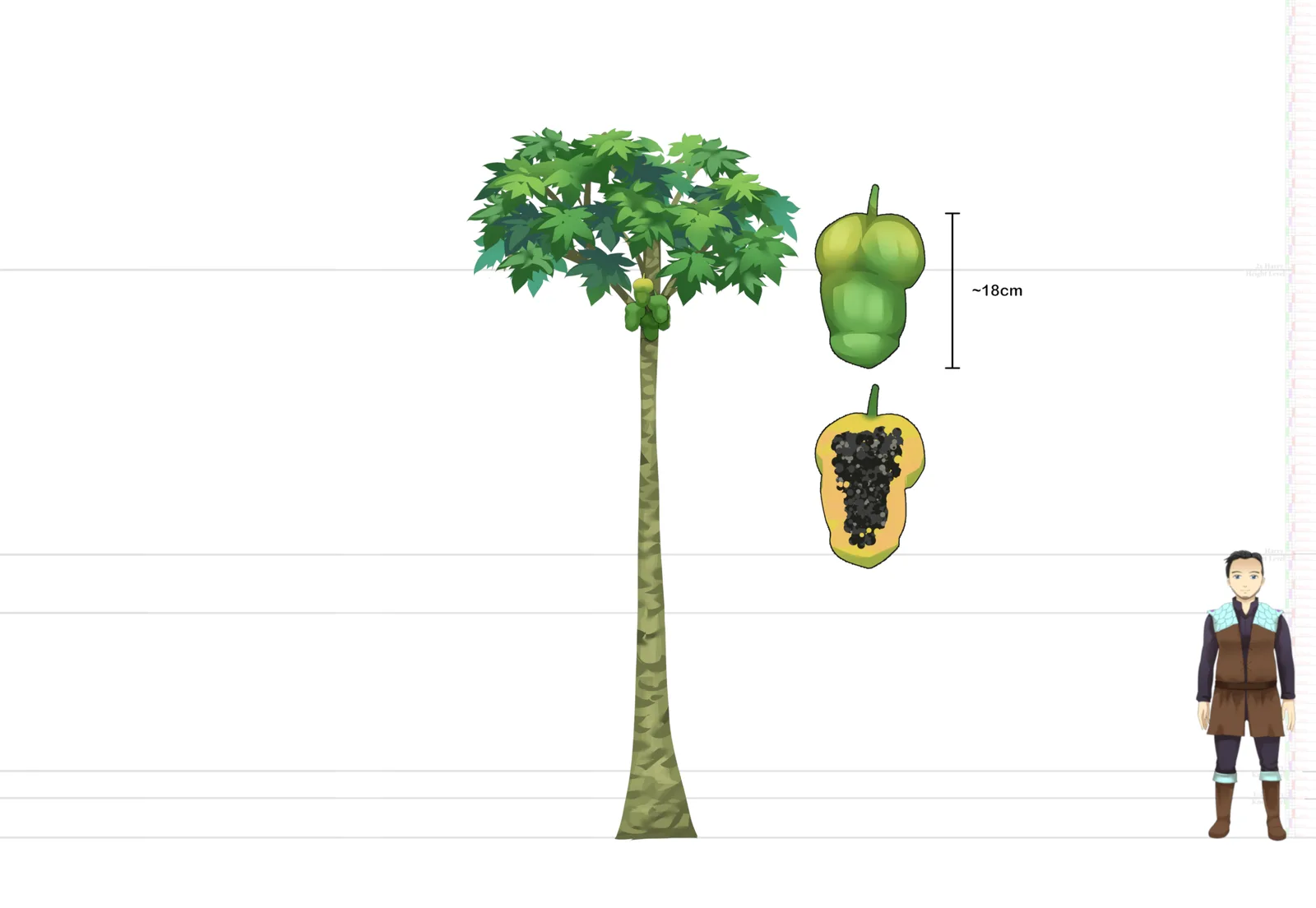
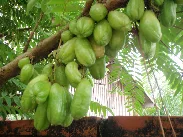
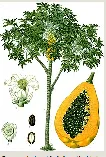
Tenderthrough es el nombre que los humanos dieron a este árbol frutal de forma peculiar después de abrirse paso hasta las islas al sureste de Sanbi y purgar a la especie antigua que vivía allí. Su sabor es muy parecido al de la papaya, y las semillas todavía se usan para limpiar y curar el intestino por mucho menos que usando el Body Restore u otras interfaces. Hay plantaciones en el reino de Freeish, pero simplemente no saben tan bien como las de las islas, ¡así que súbete al próximo barco a las islas si quieres probar su sabor más auténtico!
Texto público: flora.md
Entre bastidores · notas completas
-
Website Description
- Tenderthrough is the name humans gave this peculiar-shaped fruit tree after penetrating the islands southeast of Sanbi and purging the ancient species that lived there. It tastes very close to papaya, and the seeds are still used to cleanse and heal one's guts far more cheaply than using Body Restore or other interfaces. There are plantations in the Freeish kingdom, but it just doesn't taste as good as the ones from the islands, so get your ass in the next boat to the islands if you want to experience its most authentic flavor!
-
Historia del Isekai
- A local fruit that is found in the dense forests and on both islands.
- The name from Ancient Species got lost. So this name stuck because it is tender and goes right through.
-
Scientific History
- Papaya
-
Habitat
- See above.
-
Economic Value
-
Tenderthrough Fruit
- Historia del Isekai
- See above
- Referencia visual
- See Item Visual Reference
- Historia del Isekai
-
Dried Tenderthrough
- Historia del Isekai
- Often done for food stock, selling to other kingdoms, baking in food, or on-the-road snacks.
- *One should be careful if snacking on-the-go
- Often done for food stock, selling to other kingdoms, baking in food, or on-the-road snacks.
- Referencia visual
- Historia del Isekai
-
Tenderthrough Juice
- Historia del Isekai
- Juicy!
- Referencia visual
- Historia del Isekai
-
Tenderthrough Hard Juice
- Historia del Isekai
- Fermented Juice
- Referencia visual
- Historia del Isekai
-
Tenderthrough Seed
- Historia del Isekai
- Used for getting rid of all kinds of worms and other ailments.
- Referencia visual
- Historia del Isekai
-
-
Tastes Like
- Papaya
-
Growth
- Takes a few years to bear fruit, then it does every summer
-
Capacidades de energía del alma
- Interfaz
- Ninguno
- Skills
- Ninguno
- Interfaz
-
Referencia visual

Wood Yabuca
Ver Bestias -> Wood People
Texto público: Website Description en Legacy/Behind The Scenes/World Lore/Flora.md
Entre bastidores · notas completas
-
Historia del Isekai
- A large variant from Yabuca fruit, caused when Buhraies mutated Wood People from Yabuca trees.
- As big as ~26 cm
-
Scientific History
- Birgit Bonnier Apples
-
Habitat
- ~1km - ~2km
- Buhraies Plains.
-
Economic Value
-
Yabuca Fruit
- Historia del Isekai
- See Above
- Referencia visual
- See Item Visual Reference
- Historia del Isekai
-
Wood Dried Yabuca
- Historia del Isekai
- Often done for food stock, selling to other kingdoms, baking in food, or on-the-road snacks.
- Referencia visual
- Historia del Isekai
-
Wood Yabuca Juice
- Historia del Isekai
- Refreshing
- Referencia visual
- Historia del Isekai
-
Wood Yabuca Hard Juice
- Historia del Isekai
- Fermented Juice
- Referencia visual
- Historia del Isekai
-
-
Tastes Like
- Slightly sweet, fleshy with a taste similar to Raspberry and apples.
-
Growth
- Throughout the year.
-
Capacidades de energía del alma
- Interfaz
- Ninguno
- Skills
- Ninguno
- Interfaz
-
Referencia visual


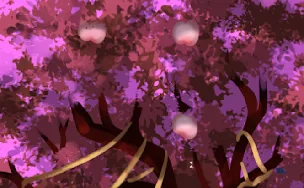
Yabuca
Hoy en día, el fruto Yabuca se refiere a una variedad concreta y codiciada llamada Jonabuca, creada por una familia de científicos injertando las mejores propiedades de los miles de tipos silvestres, porque el árbol Yabuca parece demasiado dispuesto a mutar. Algunos creen que un estornudo cerca de un plantón basta para cambiar el perfil de sabor de los frutos futuros a moco, algo que más tarde un científico confirmó que era cierto tras invertir demasiado tiempo en una empresa tan concreta.
La codiciada variedad Jonabuca se cultiva de forma intensiva en el reino de Freeish por su sabor a manzana siempre dulce y su textura crujiente. Algunos de los otros tipos todavía se consideran sabrosos, ¡y hay quien jura que son mejores que la Jonabuca! Estas variantes suelen tener varios sabores o texturas, dan cosechas irregulares o parecen, o directamente son, nada apetecibles, con una Yabuca famosa como ejemplo perfecto: brotó junto a una letrina y empezó a dar Yabucas que literalmente sabían a mierda. Sea como sea, cualquiera con bolas de sobra en el bolsillo las soltará para hincarle el diente a la variedad codiciada. Es como dice el anuncio pegado en la frutería: «¡Si no es Jonabuca, no es Yabuca!»
Texto público: flora.md
Entre bastidores · notas completas
-
Website Description
- Nowadays, Yabuca fruit refers to a specific, coveted variety named Jonabuca, created by a family of scientists by grafting the best traits of thousands of wild types, as the Yabuca tree is highly prone to mutation. Some believe a sneeze around a seedling is enough to change the flavor profile of the future fruits to snot, which a scientist later confirmed was indeed the case after investing way too much time in such a specific endeavor.
- The highly coveted variety Jonabuca is farmed intensively in the Freeish kingdom for its consistently sweet, appley flavor and crispy texture. Some of the other types are still considered tasty, with some people swearing they are better than Jonabuca! These different variants often have multiple tastes or textures, are inconsistent in their yields, or look or are straight-up unappetizing—with a notorious Yabuca tree being the perfect example after it sprouted by an outhouse and began producing Yabucas that literally tasted like shit. Regardless, anyone with extra balls in their pocket will fork over to get the coveted variety rather than sink their teeth into it. It's just like the ad plastered over the fruit shop that says, "If it ain't Jonabuca, then it ain't Yabuca!"
-
Historia del Isekai
- A wild fruit popular among adventurers, known for its tendency to mutate in the wild and create some variants. Its flavor is unlike anything else in this world, almost as if it didn’t belong there.
- Buhraies brought it to life using genetic engineering. The main variety they brought remains the most popular and most resistant. The second is Wood Yabuca. Many species exist in the wild, but some fear it will eventually reduce the fruit variety to only Yabucas.
-
Scientific History
- Cosmic apples (the main variety)
-
Habitat
- ~0km - ~1km
- Everywhere in terms of breeds, but the Yabuca that people want is only found in the south, where it is farmed intensively.
- Yabuca variety (also referred to as the traditional variety) is farmed in the Freeish Kingdom.
-
Economic Value
-
Yabuca Fruit
- Historia del Isekai
- See Above
- Referencia visual
- See Item Visual Reference
- Historia del Isekai
-
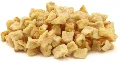
Dried Yabuca
- Historia del Isekai
- Often done for food stock, selling to other kingdoms, baking in food, or on-the-road snacks.
- Referencia visual
- Historia del Isekai
-
Yabuca Juice
- Historia del Isekai
- Refreshing
- Referencia visual
- Historia del Isekai
-
Yabuca Hard Juice
- Historia del Isekai
- Fermented Juice
- Referencia visual

- Historia del Isekai
-
-
Tastes Like
- Slightly sweet, fleshy, with carrot notes.
-
Growth
- Throughout the year.
-
Capacidades de energía del alma
- Interfaz
- Ninguno
- Skills
- Adrenaline Inducer
- Interfaz
-
Referencia visual


Árboles no frutales
Black Sapphire Tree
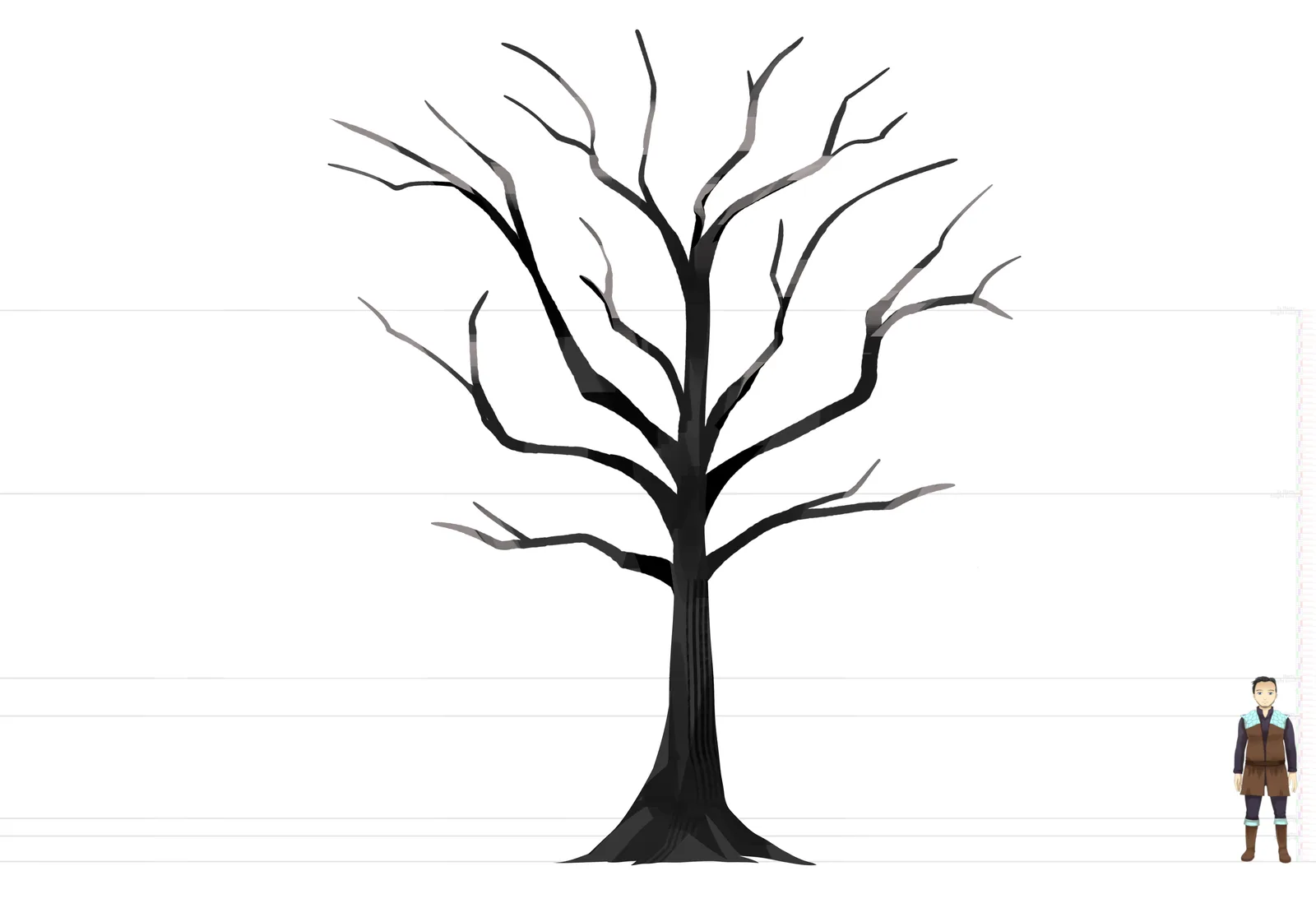
La Black Sapphire, alias black wood, es hoy una especie en grave peligro, y un solo árbol alcanza una bola sapphire o más en el mercado abierto. Los científicos todavía están averiguando exactamente cómo sobrevive sin hojas y se multiplica sin dar semillas, pero tienen una buena pista, porque los alrededores de estos árboles siempre están yermos, sin vida. Cuanto más vive uno de estos árboles, más grande se hace la zona sin vida a su alrededor. Antiguos relatos de antes de la caída de Ganyrami contaban que, cuando uno de esos árboles crecía lo suficiente, se podía sentir un malestar invadiéndote solo por estar cerca. Usurpar y almacenar energía del alma está sin duda en el centro de las propiedades de este árbol, porque su madera perfectamente negra impide las fugas de energía del alma como ningún otro árbol, mejor incluso que el propio soul tree. Y no solo eso: la madera que produce es dura como el diamante y exige las herramientas más caras e intensas para procesar un solo árbol.
Texto público: flora.md
Entre bastidores · notas completas
-
Website Description
- Black Sapphire, a.k.a black wood, is now a highly endangered species, with a single tree fetching a sapphire ball or more in the open market. Scientists are still determining exactly how it survives without leaves and multiplies without bearing seeds, but they have a strong hint, as the surroundings of one of these trees are always barren, devoid of life. The longer one of these trees lives, the bigger the lifeless area around it becomes. Old tales from before the fall of Ganyrami stated that when one of those trees grew large enough, one could feel a malaise taking over just by standing around it. Usurping and storing soul energy is definitely at the core of this tree's properties, as its perfectly black wood can prevent soul energy leakage like no other tree, even better than the soul tree itself. Not only that, the timber it produces is as tough as diamonds, requiring the most expensive and intense tools to process a single tree.
-
Historia del Isekai
- Highly sought after, a single small or medium tree can be as costly as a whole sapphire. Because of that, it has been driven to near extinction.
- Some believe it was an attempt by the ancient species Buhraies to screw with either the Lishies, or the humans that hid in the forest, or both. Some scientists believe it was a soul energy storage device instead. Buhraies were seeding around for a future full-force invasion that never happened because it looks like a dead tree, and it soaks up soul energy from its surroundings.
- More commonly known today as black wood.
-
Scientific History
- Dalbergia melaxylon
-
Habitat
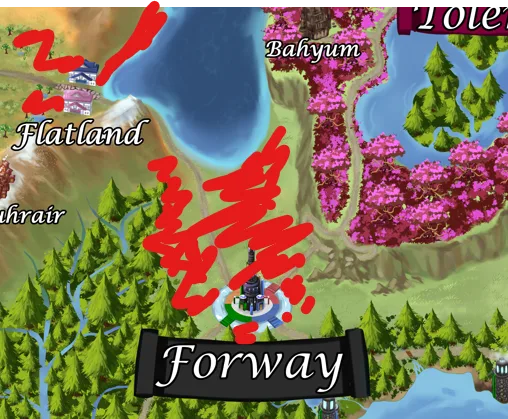
- Rarely found between Flatland and Forway. Virtually always found as lone trees, and never found amongst other trees.
-
Economic Value
-
Soul Wood
- Historia del Isekai
- Has a dark color to it, and is dense
- Used often with Nari stones, sigils, and containers holding soul energy to prevent Soul Energy leakage
- Referencia visual
- Historia del Isekai
-
-
Tastes Like
- wood.
-
Growth
- Slowly growth. Nobody knows exactly how it reproduces or finds a new place to appear. Some guesses are that they are interconnected somehow, like a fungus
-
Capacidades de energía del alma
- Interfaz
- Black Wood
- Skills
- Soul energy leech.
- Interfaz
-
Referencia visual
*

Soul Tree
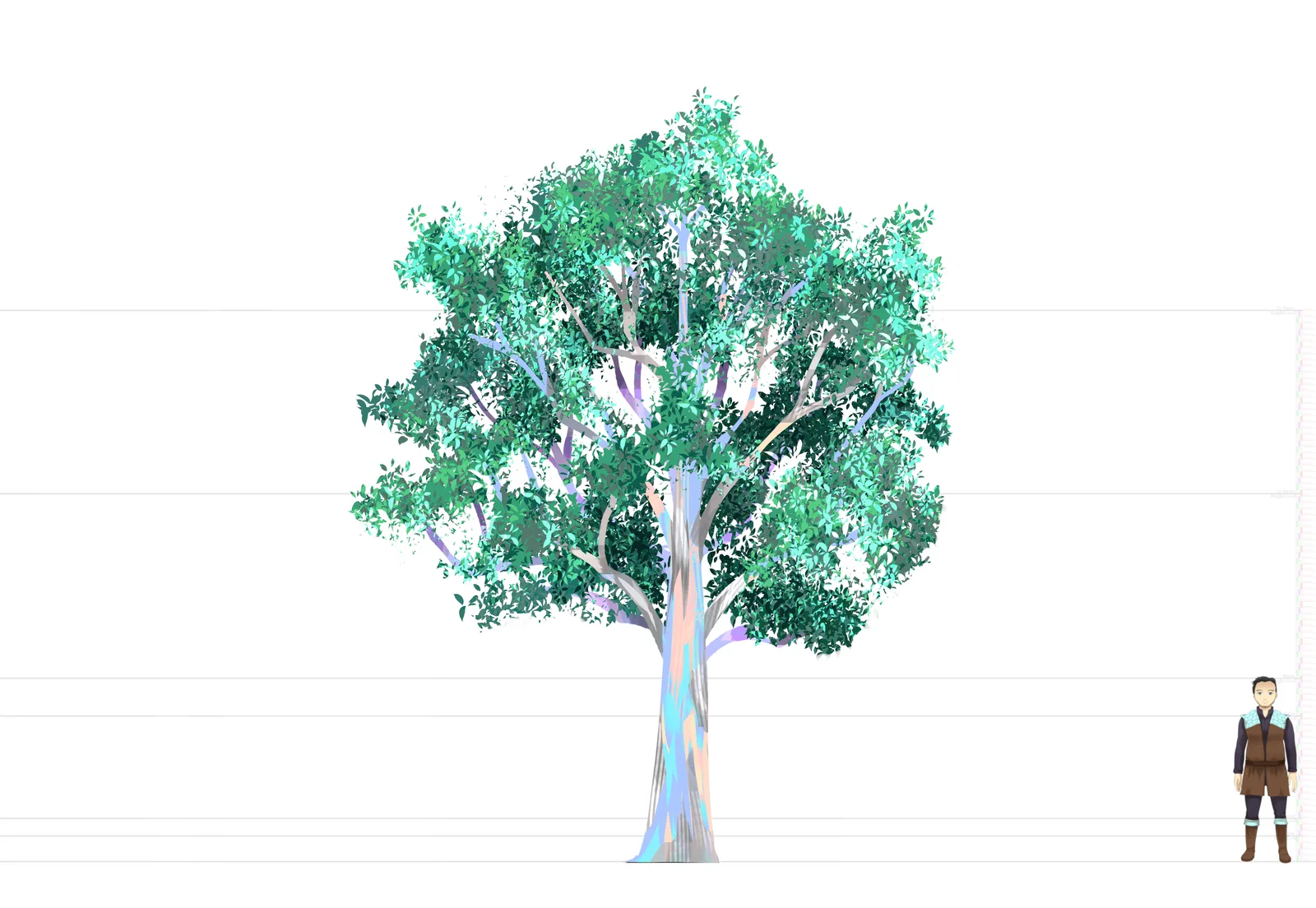
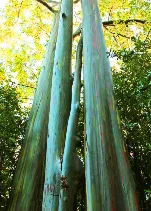
El Soul Tree es el árbol más conocido de los cuatro reinos. Su corteza brillante, de aspecto metálico, es única, igual que su madera verde y colorida cuando se tala. La madera verde tiene propiedades más o menos parecidas a la black sapphire para evitar las fugas del alma, pero ni se acerca a su dureza. Aun así, es mucho más fácil de conseguir y no conlleva el impacto de degradar la tierra. Varios viveros del reino de Freeish se dedican a él, porque su demanda siempre está por las nubes, tanto con fines decorativos como prácticos. Los soul trees también son comunes en la naturaleza, aunque tendrás que vértelas con las trunk people pegadas a ellos, que no caen sin pelear.
Texto público: flora.md
Entre bastidores · notas completas
-
Website Description
- Soul Tree is the best-known tree across all four kingdoms. Its shiny, metallic-looking bark is unique, and so is its colorful green timber when cut. The green wood has similar-ish soul leakage-prevention properties to black sapphire, but it doesn't even come close to the same toughness. Still, it's far more readily available and doesn't have the land-decaying impact! Several tree nurseries around the Freeish kingdom are dedicated to it, as demand is always at an all-time high, for both decorative and practical purposes. Soul trees are common in the wild, too, albeit you will have to deal with the trunk people attached to it as they won't go down without a fight.
-
Historia del Isekai
- Has a deep green interior, with the bark rather metallic/shiny.
- They are an example of flora that somehow escaped the isekai world and ended up back on IRL. Buhraies were mucking around with the idea of dispatching things into the soul realm, and that’s how this tree made its way into IRL.
- Trunk people love this tree!
-
Scientific History
- Eucalyptus deglupta
-
Habitat
- Found around Blood City and Freeish. Not really found elsewhere in the kingdoms. They are lone trees that sprout up from small colorful seeds. Tunk people love to live on them.
-
Economic Value
-
Soul Wood
- Historia del Isekai
- Used often with Nari stones, sigils, and containers holding Soul Energy to prevent Soul Energy leakage.
- Referencia visual
- Historia del Isekai
-
Soul Wood Seeds
-
Historia del Isekai
- Used in Nari gels or consumed on their own to provide caffeine. It tastes kinda bitter at first, then it gets slightly sweeter and develops a nutmeg and vanilla-like taste as you keep sucking on it.
-
Referencia visual
-
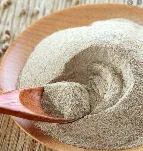
Grounded Soul Wood
- Historia del Isekai
- Often used in spices to add a nutmeg/vanilla-like taste.
- If the seeds are baked, the vanilla taste disappears and makes the nutmeg far stronger; when added in large quantities, it can have antiseptic properties.
- Is basically the world's coffee.
- Often used in spices to add a nutmeg/vanilla-like taste.
- Referencia visual
- Historia del Isekai
-
-
-
Tastes Like
- Lettuce with black pepper, salt, garlic, onion & jalapeno
-
Growth
- Leaves fall every Fall. Tree grows slightly as well.
-
Capacidades de energía del alma
- Interfaz
- Ninguno
- Skills
- Barrier Shield
- Light Up
- Absorb water
- Interfaz
-
Referencia visual

Tastyleaf
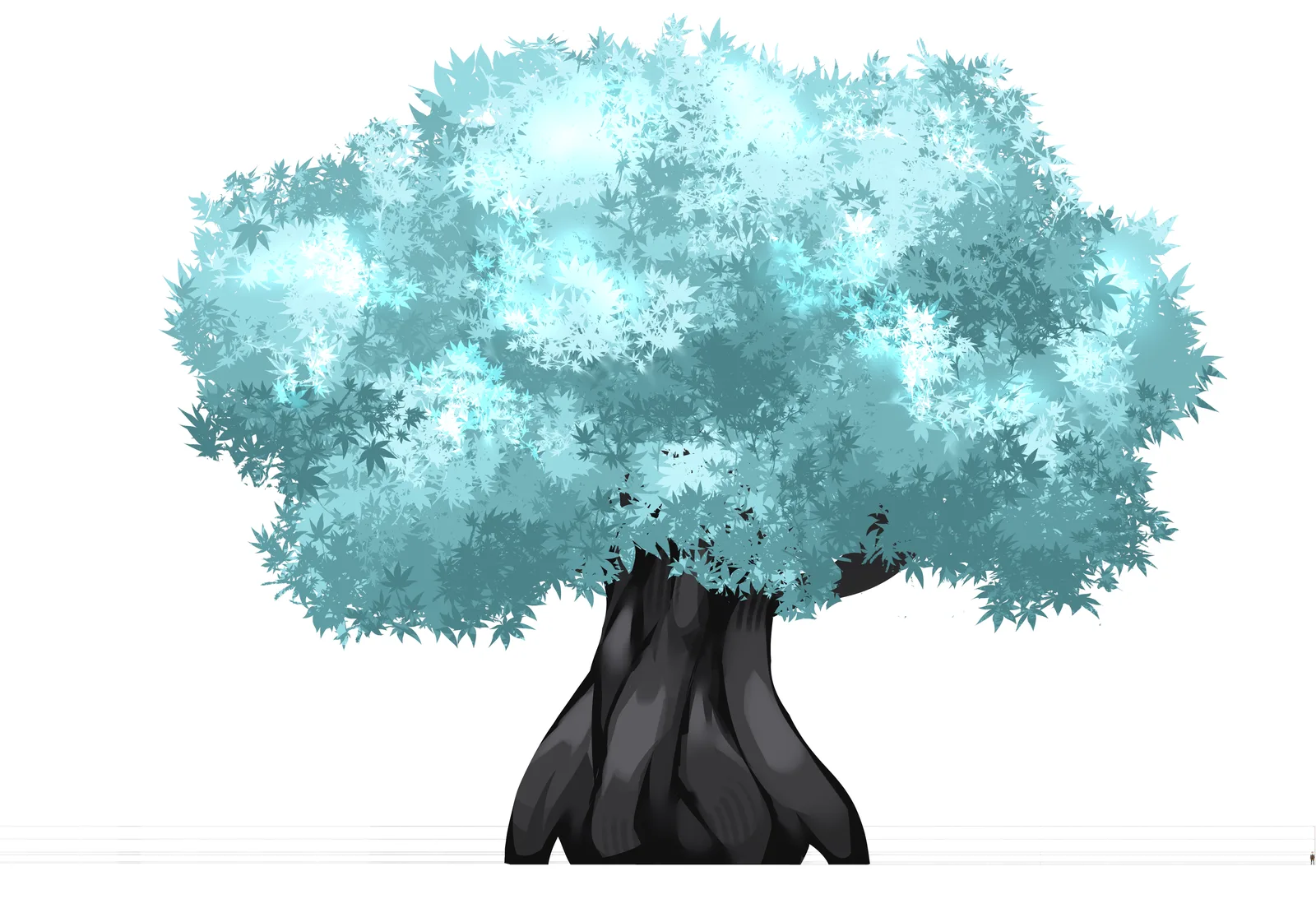
La Tastyleaf es un auténtico mega chungus de árbol: mide unos 104 metros de alto, con un perímetro que por sí solo supera los 40 metros. Ningún otro árbol se acerca siquiera a su tamaño ni a sus propiedades. La descubrió, dentro de lo que debía de ser un jardín no tan secreto, una de las primeras tribus de humanos que huyeron de las Buhraies plains. Los relatos de esa historia se transmitieron de forma oral, así que las versiones difieren sobre si los humanos mataron a los Buhraies dueños del jardín y se hicieron con él antes de que pudieran pedir ayuda o si simplemente estaba abandonado. Sea como sea, este árbol dio a los humanos un santuario frente a las bestias y la fauna hambrientas, porque tiene propiedades lumínicas parecidas a las de la fost stone, como iluminarse cuando llueve y repeler a bestias y fauna.
El problema es que no produce semillas, y los injertos tampoco funcionan, así que hoy es un árbol muy protegido por los lugareños y por Forway. ¿Por qué Forway? ¡Porque las hojas también están deliciosas! La paletilla de Bagarisa ahumada y deshilachada cubierta de hojas en un pan duro de gyut lo demuestra. Las hojas tienen la textura de la lechuga y un perfil de sabor que va de la pimienta negra a la sal, el ajo, la cebolla, el jalapeño y el curry verde; los sabores varían según la cosecha, la edad de la hoja y de dónde se recoja, y hay quien dedica toda su vida y su saber a este oficio. Salvo que las hojas se pudren enseguida, así que fuera de Tastyleaf solo se prueba la versión seca y molida, una especia popular que se vende en todos los reinos.
Texto público: flora.md
Entre bastidores · notas completas
-
Website Description
- Tastyleaf is an absolute mega chungus of a tree, measuring about 104 meters tall, with girth alone in the upper 40 meters. No other tree comes even close to its size or properties. It was discovered inside what had to be a not-so-secret garden by one of the first human tribes that fled the Buhraies plains. Accounts of that history were passed down orally, so narratives diverged on whether humans killed the Buhraies garden owners and took over before they could call for help, or if it was simply abandoned instead. Either way, this tree granted humans a sanctuary against the hungry beast and fauna, as it has similar light properties to fost stone, including lighting up when it rains and repelling them. The caveat is that it doesn't produce seeds, and trying to graft doesn't work either, so now it is a highly protected tree by locals and Forway. Why Forway? Because the leaves are also delicious! Shredded smoked Bagarisa butt meat topped with leaves in hard gyut bread is proof of that! The leaves have a lettuce texture with a flavor profile on a spectrum between black pepper, salt, garlic, onion, jalapeno, and green curry—the flavors vary depending on the harvest, leaf age, and where it is picked, leaving some people to dedicate their whole lives and expertise to this trade. Except for the leaves, which rot quickly, leaving anyone outside Tastyleaf to taste only the dried, ground-up version of the leaves, a popular spice sold across all kingdoms.
-
Historia del Isekai
- An incredibly girthy and tall tree measuring 104 meters tall and a diameter of about 45 meters.
- It has white leaves that fall every Fall. No seeds or spores are generated, and stem cuttings do not seem to work as they never grow.
- The tree also lights up when it rains and helps keep beasts from Hifuna away from their settlement.
- Some people say it’s an offshoot of Wood People, and it listens and reacts to its surroundings, especially feelings. However, not everyone agrees with it.
-
Scientific History
- Linden (The tilia family)
-
Habitat
- TastyLeaf. Single massive tree.
-
Economic Value
-
Fresh Leaves
- Historia del Isekai
- Often used in Sandwiches. Leaves don’t last as long if not dried, so this treat is only available fresh in Tastyleaf.
- Referencia visual
- Historia del Isekai
-
Grounded TastyLeaf
- Historia del Isekai
- Often used in spices. The leaves are dried and grounded, which allows them to last much longer.
- Referencia visual
- Historia del Isekai
-
-
Tastes Like
- Lettuce with black pepper, salt, garlic, onion, jalapeno & green curry.
-
Growth
- Leaves fall every Fall. The tree grows slightly as well.
-
Capacidades de energía del alma
- Interfaz
- Ninguno
- Skills
- Barrier Shield
- Light Up
- Absorb water
- Interfaz
-
Referencia visual

Arbustos
Basi
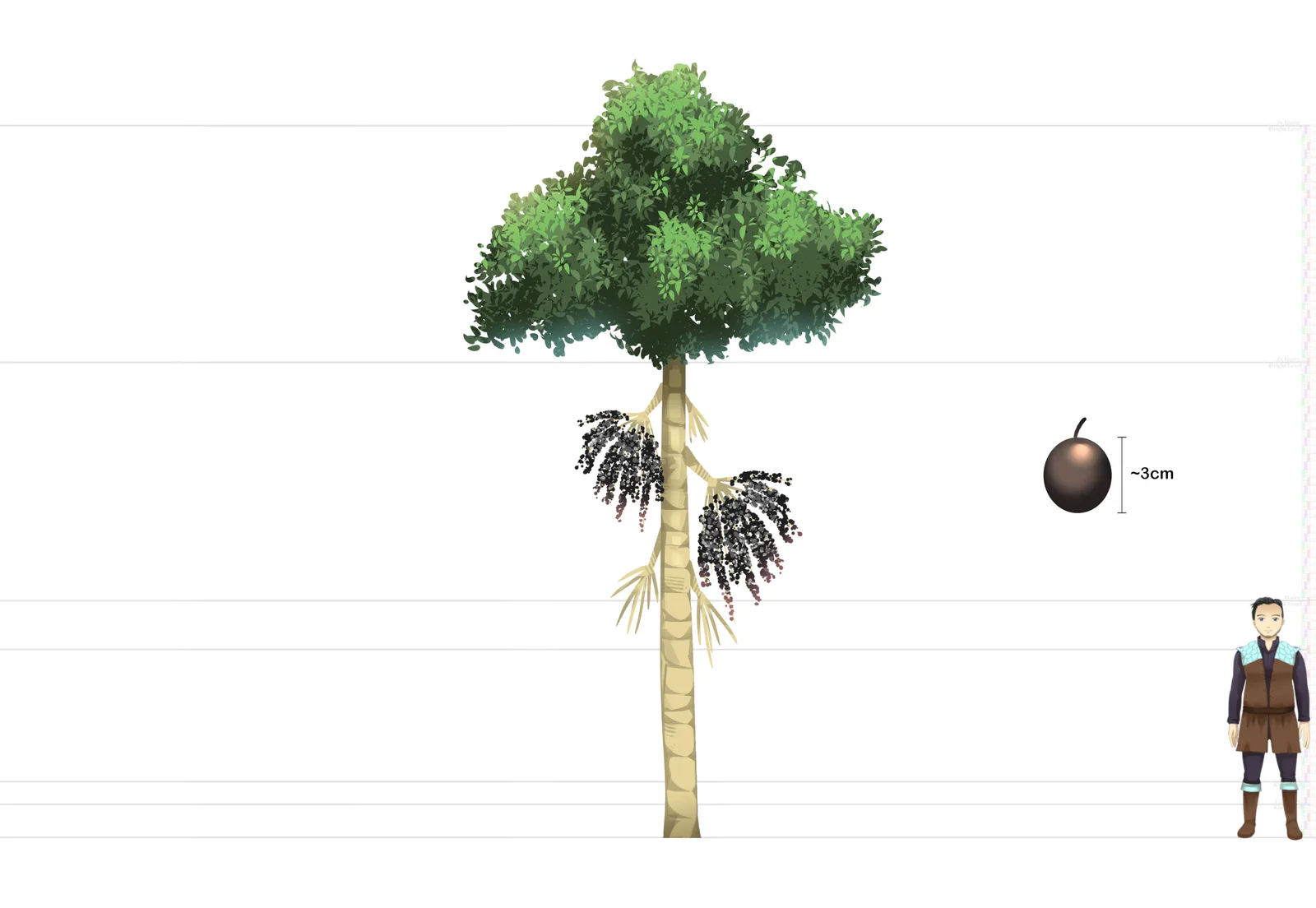
Las bayas de Basi se recogen y luego se machacan mecánicamente para separar la pulpa en una pasta espesa parecida a la vaselina. La pasta, oscura y espesa, tiene un sabor terroso y ligeramente amargo, como mezclar chocolate negro al 80% y mora con un toque de arándano rojo, y es un alimento básico del Reino de Freeish. Allí la gente se la come literalmente con todo: con pescado a la parrilla o frito, con cecina, e incluso le añaden azúcar y cubitos de hielo y se la toman de postre. También tiene mucha fibra, ¡lo que explica por qué el Reino de Freeish prácticamente se paraliza un rato después de comer y de cenar! Los otros reinos probablemente no se suman mucho a esta cocina, porque la pasta de basi solo está buena fresca, y en cuanto la refrigeras o la congelas, el sabor se estropea y sabe a tierra.
Texto público: flora.md
Entre bastidores · notas completas
-
Website Description
- Basi berries are gathered and then mechanically beaten to separate the flesh into a thick pulp, akin to petroleum jelly. The dark, thick pulp comes with an earthy, slightly bitter taste akin to mixing 80% dark chocolate and blackberry with a tinge of red huckleberry, and it's a food staple on Freeish Kingdom. Folks over there eat it with literally everything, pairing it with grilled or fried fish, dried jerky, and even adding sugar and ice cubes and eating it as a dessert. It is also quite heavy on fiber, which explains why the Freeish Kingdom basically grinds to a halt for a bit after lunch and dinner! Other kingdoms likely don't partake much in that cuisine as the basi pulp only tastes good fresh, and as soon as you refrigerate or freeze it, the flavor breaks down to tasting like dirt.
-
Historia del Isekai
- Bushy plant that grows in the wild, or farmed intensively in Freeish.
-
Scientific History
- Acai (but as a bushy plant instead.)
-
Habitat
- More often found in the south, near Freeish. Farmed heavily over there. Other kingdoms don’t seem to really partake on it.
-
Economic Value
-
Basi Berries
- Historia del Isekai
- It takes 4 hours to strip a bush tree of all its berries, yielding between 1 and 2 kg of acai berries.
- Things can be halved/speeden up if you use a shaker.
- Each berry is about the size of a fingertip and needs to be separated from the hair-like structure.
- It takes 4 hours to strip a bush tree of all its berries, yielding between 1 and 2 kg of acai berries.
- Referencia visual
- See Item Visual Reference
- Historia del Isekai
-
Basi Pulp
- Historia del Isekai
- Separating the pulp from the fruit. It’s a thick paste.
- Eaten with both salty or sweet stuff.
- Referencia visual
- Historia del Isekai
-
-
Tastes Like
- Acai. Earth, slightly bitter, like mixing pomegranate with strong dark chocolate.
-
Growth
- One bush produces ~1kg of berries per harvest season.
-
Capacidades de energía del alma
- Interfaz
- Ninguno
- Skills
- Ninguno
- Interfaz
-
Referencia visual
Gyut
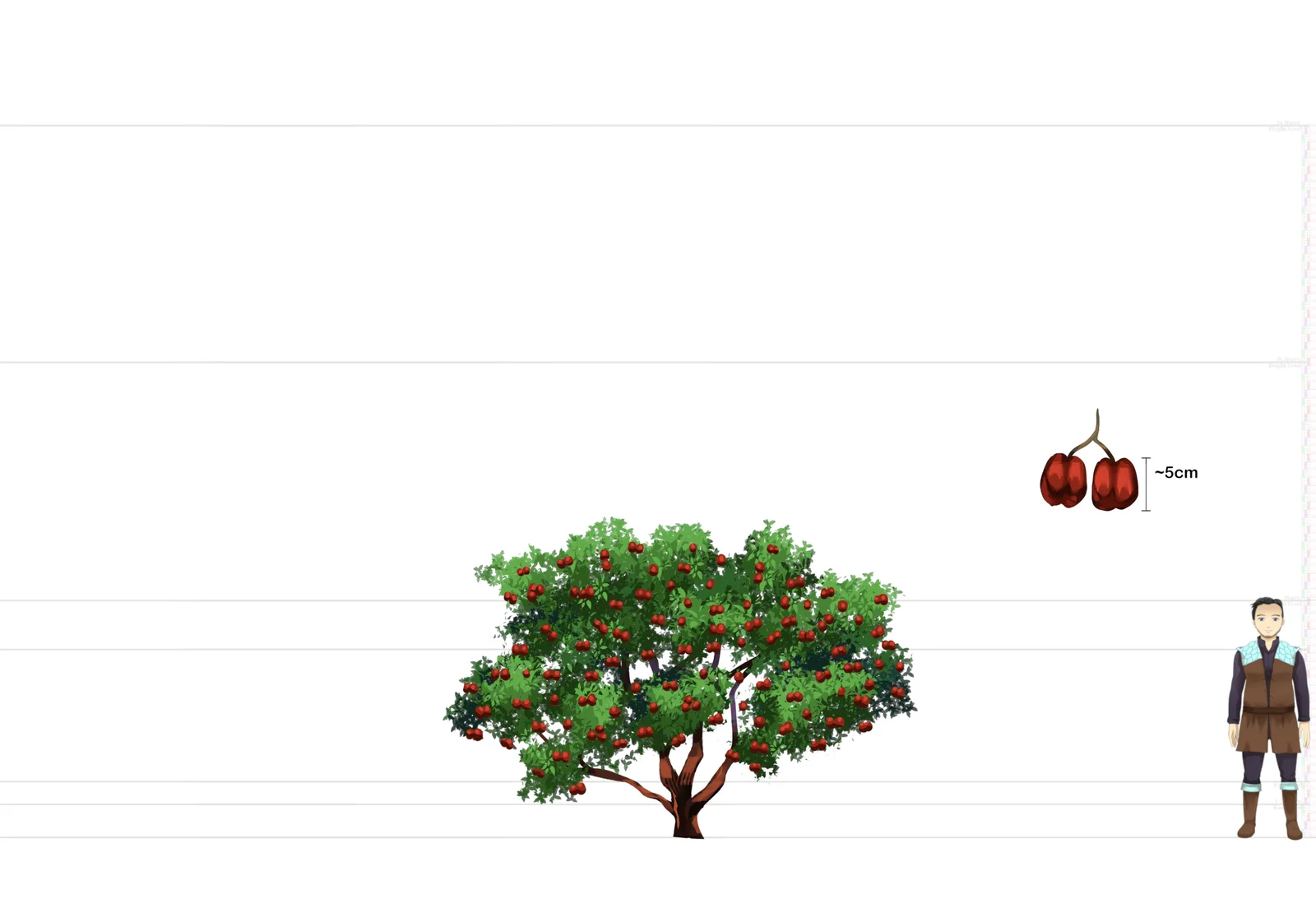
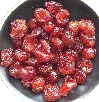
Las autoridades de Forway consideraron el Gyut un bien básico cuando fijaron que el valor de una sola bola pearl equivale a un Bagabone (aproximadamente un kg) de gyut recién recogido. Su sabor agridulce y ácido, que recuerda a la cereza mezclada con arándano rojo y manzana Granny Smith, es el favorito en todos los reinos y también de la fauna. Algunos restaurantes alimentan a su ganado solo con gyut por su notable propiedad de endulzar la carne, que adquiere un toque caramelizado al asarla a fuego abierto.
Texto público: flora.md
Entre bastidores · notas completas
-
Website Description
- Gyut was considered a staple good by Forway officials, who established the value of a single pearl ball as equal to one Bagabone (about 1 kg) of freshly picked gyut. Its sweet-tart, acidic taste resembles cherries mixed with cranberries, and Granny Smith apples are a favorite among the kingdoms and the fauna. Some restaurants feed their livestock nothing but gyut for its remarkable ability to make the meat sweeter, giving it a caramelized characteristic when roasted over open flames.
-
Historia del Isekai
- A bushy plant that grows on lower terrains.
- Any animal that eats it will make their meat slightly sweet.
-
Scientific History
- Acerola
-
Habitat
- Found across the kingdom in non-desert areas < 1km height.
- Farmed more intensively in the Freeish Kingdom.
-
Economic Value
-
Gyut Berries
- Historia del Isekai
- It takes ~30 minutes to 1 hour to pick 1 kg of berries, making the bush big. It is a staple good, and is used to determine the value of Ball currency.
- Each berry is about the size of a fingertip.
- Referencia visual
- See Item Visual Reference
- Historia del Isekai
-
Dried Gyut
- Historia del Isekai
- Often done for food stock, selling to other kingdoms, baking in food or on-the-road snacks.
- Referencia visual
- Historia del Isekai
-
Gyut Juice
- Historia del Isekai
- Refreshing.
- Referencia visual
- Historia del Isekai
-
Gyut Hard Juice
- Historia del Isekai
- Fermented Juice.
- Referencia visual
- Historia del Isekai
-
-
Tastes Like
- Acerola, but sweeter.
-
Growth
- ~1 Year until established
- One bush provides ~1 kilo of berries per day for ~10 days during harvest season.
-
Capacidades de energía del alma
- Interfaz
- Ninguno
- Skills
- Ninguno
- Interfaz
-
Referencia visual


Siguash
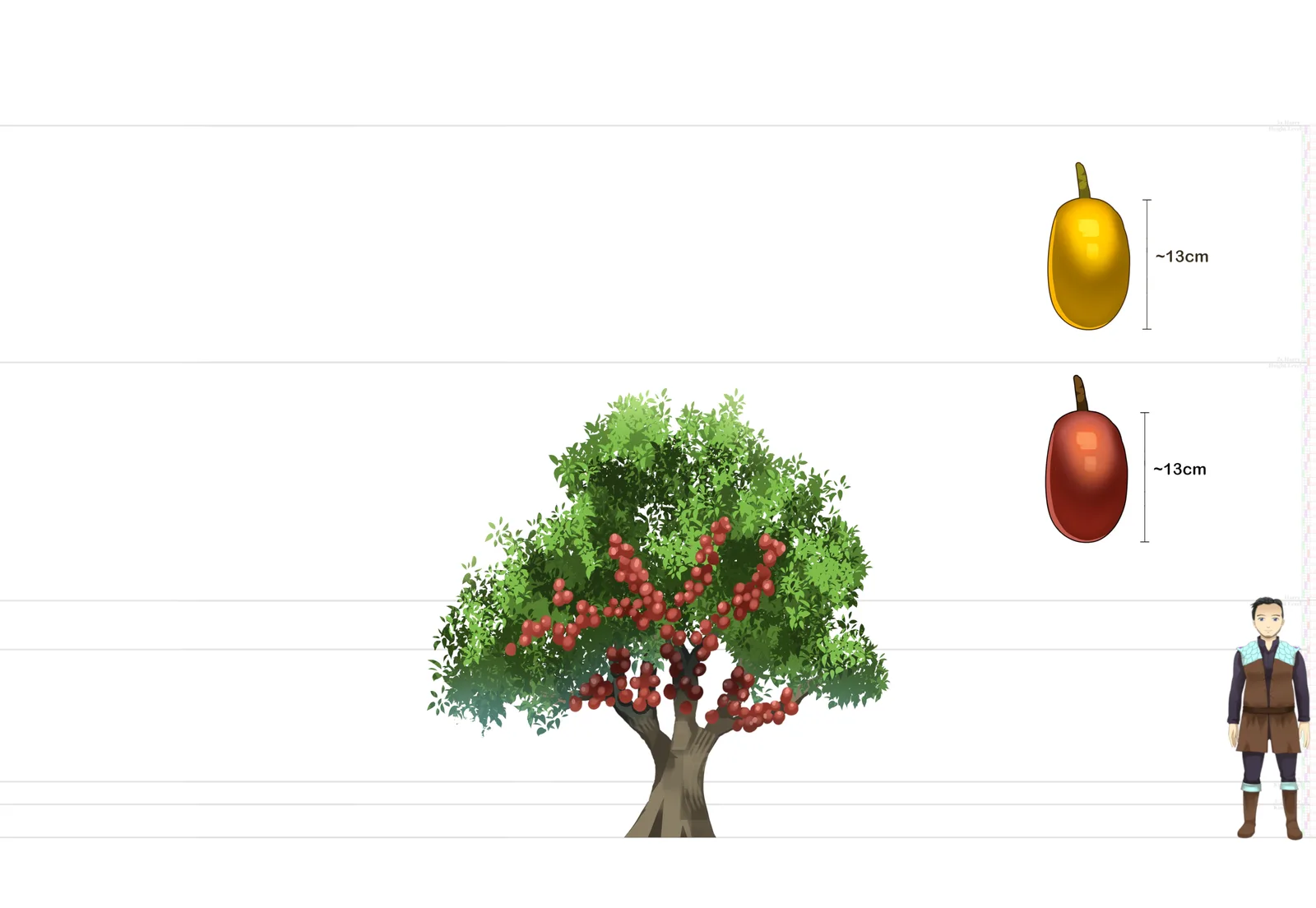
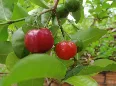
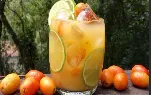
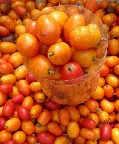
El Siguash sabe parecido al mango Nam Dok Mai, pero es mucho más pequeño y tiene un toque de granada. Algunos dejan madurar el fruto a propósito hasta que se pone de un amarillo ácido, mientras el azúcar extra fermenta y crea una bebida alcohólica para llevar. Eso sí, controla cuántos Siguash fermentados te metes entre pecho y espalda, porque no tiene piedad ni aunque seas un Darfaries troglodita.
Texto público: flora.md
Entre bastidores · notas completas
-
Website Description
- Siguash tastes similar to Nam Dok Mai mango but is much smaller, with a hint of pomegranate. Some intentionally leave the fruit to overripe, turning it a tangy yellow as the extra sugars ferment and create an on-the-go alcoholic drink. Just watch how many fermented Siguash you're popping in, as it doesn't show mercy even if you're a troglodyte of a Darfaries.
-
Historia del Isekai
- Bushy plant that grows in the wild.
-
Scientific History
- Siriguela
-
Habitat
- Found across the kingdom in non-desert areas < 1km height, especially in forests
-
Economic Value
-
Siguash Berries
- Historia del Isekai
- It takes ~60 minutes to harvest 1 kg of berries, giving each bush less fruit than Gyut.
- It is a staple good, and is used to determine the value of Ball currency.
- Each berry is about the size of a fingertip.
- Referencia visual
- See Item Visual Reference
- Historia del Isekai
-
Dried Siguash
- Historia del Isekai
- Often done for food stock, selling to other kingdoms, baking in food, or on-the-road snacks.
- Referencia visual
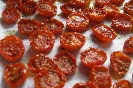 *Like Cherry tomatoes. But yellowish.
- Historia del Isekai
-
Siguash Juice
- Historia del Isekai
- Refreshing
- Referencia visual
- Historia del Isekai
-
Siguash Hard Juice
- Historia del Isekai
- Fermented Juice.
- Referencia visual
- Historia del Isekai
-
-
Tastes Like
- Mango, but smaller and sweeter with a hint of pomegranate. Very soft.
-
Growth
- One bush produces ~1/2kg of berries per day for ~10 days during the harvest season.
-
Capacidades de energía del alma
- Interfaz
- Ninguno
- Skills
- Ninguno
- Interfaz
-
Referencia visual

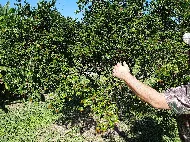
Hierba
Carbey
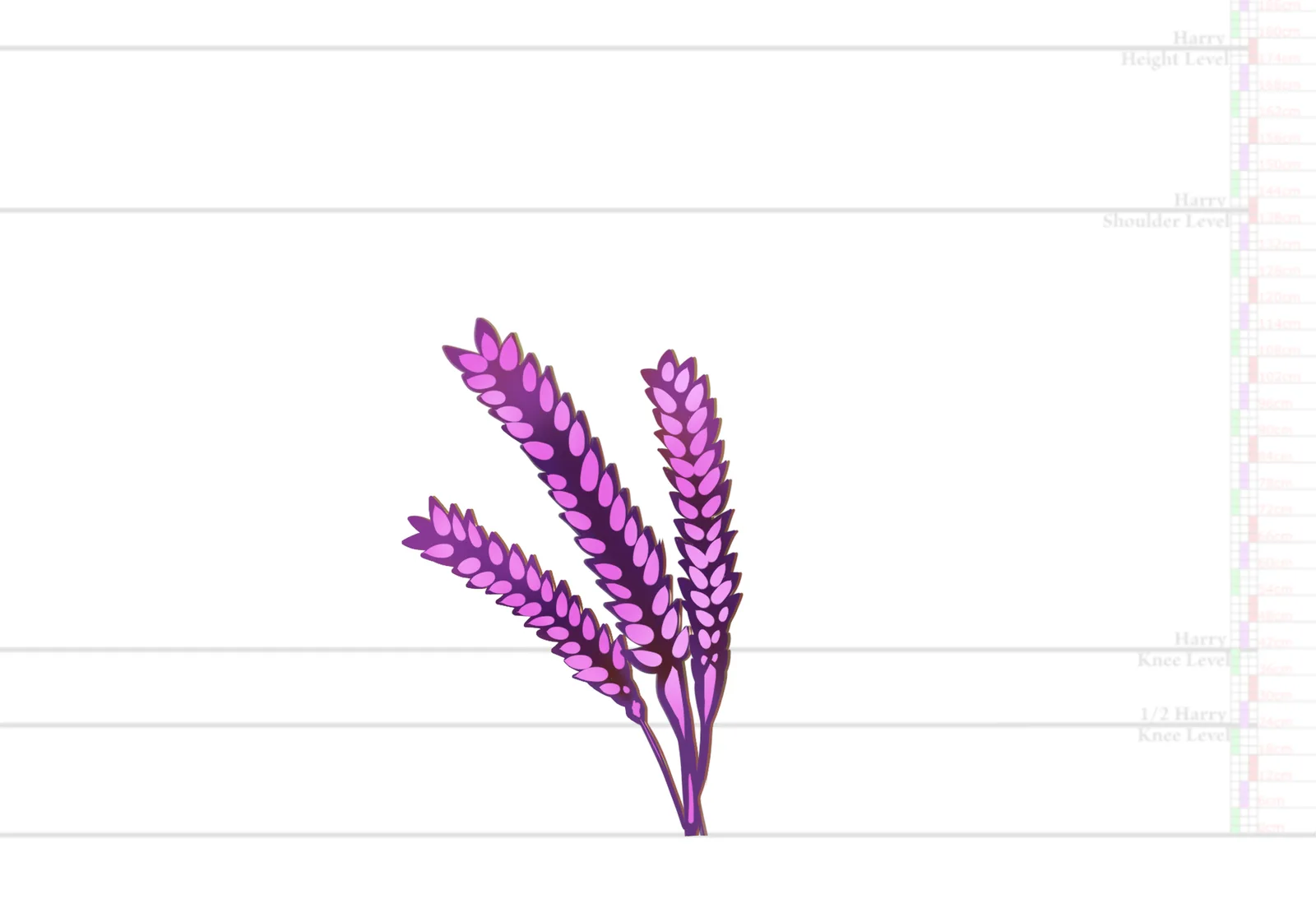
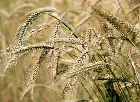
El Carbey era una hierba molesta que todo el mundo odiaba, al menos hasta que descubrieron lo rico que queda mezclarlo con agua y levadura y meterlo en un horno de leña. Se cultiva de forma intensiva en Freeish, como casi todo, pero algunos irreductibles de Tolerideme insisten en que sus cosechas de Carbey saben mucho mejor, sobre todo para licores, aunque allí sea mucho más difícil de cultivar. El Carbey es otro alimento básico que Forway usa para fijar el valor base de una sola bola pearl.
Texto público: flora.md
Entre bastidores · notas completas
-
Website Description
- Carbey was annoying grass everyone hated it, at least until they discovered how tasty it is to mix it with water and yeast and then shove it in a wood stove. Farmed intensively in Freeish, like most other things, but some holdouts in Tolerideme insist their Carbey yields taste far better, specifically when used for spirits, despite it being much harder to cultivate over there. Carbey is another staple food Forway uses to establish the base value of a single pearl ball.
-
Historia del Isekai
- Used to make beer, bread, and everything in between.
-
Scientific History
- Wheat
-
Habitat
- Throughout the entire lower region, except the desert.
-
Economic Value
-
Carbey
- Historia del Isekai
- Used for feeding Eguas, or making more stuff.
- Referencia visual
- See below
- Historia del Isekai
-
Carbey Flour
- Historia del Isekai
- See Carbey
- Referencia visual
- Historia del Isekai
-
Bread
- Historia del Isekai
- It’s Bread. Texture close to French bread.
- Referencia visual
- Historia del Isekai
-
Breadplate
- Historia del Isekai
- Bread is used as a plate. Often eaten or given to the poor.
- Referencia visual
- Historia del Isekai
-
Gyut Bread
- Historia del Isekai
- Bread mixed with Gyut berries.
- A staple dessert for the poor throughout the four kingdoms, originally invented on Freeish.
- Referencia visual
- Historia del Isekai
-
Beer
- Historia del Isekai
- A highly nutritious drink with low alcohol content enjoyed by everyone.
- Referencia visual
- Historia del Isekai
-
Child Beer
- Historia del Isekai
- A weak, mildly sweet, and very nutritious version of beer meant for children
- https://en.wikipedia.org/wiki/Small_beer
- Referencia visual
- Historia del Isekai
-
Man Beer
- Historia del Isekai
- An incredibly strong version of the beer.
- Referencia visual
- Historia del Isekai
-
Ale
- Historia del Isekai
- Like beer, but with slightly higher alcohol
- Referencia visual
- Historia del Isekai
-
-
Tastes Like
- Wheat
-
Growth
- Yields ~150 kg of Carbey per acre
- Acre = 20 meters × 200 meters
- Yields ~125 kg of Carbey Flour per acre
- Yields ~150 kg of Carbey per acre
-
Capacidades de energía del alma
- Interfaz
- Ninguno
- Skills
- Ninguno
- Interfaz
-
Referencia visual






Domar Carbey
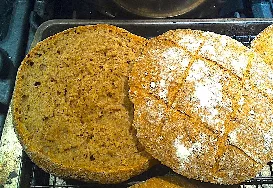
El Domar Carbey es una versión del Carbey creada por una de las tres hermanas listas cruzándolo con Wood People. Solo crece en la región de Tolerideme, porque es de facto la base de su economía. ¡Licores, exportación de alimentos, ropa, etc.! Todo sale del Domar Carbey. El cereal en sí tiene un ligero sabor a queso, como el parmesano, con un rico olor a grano que da un plus a todo lo que horneas. Aunque solo combina bien con postres concretos, como el pan de Gyut u otros postres de la gama cítrica. Algo como la crème brûlée, el pudin o cualquier cosa con más sabor a yema no parece funcionar.
Texto público: flora.md
Entre bastidores · notas completas
-
Website Description
- Domar Carbey is a version of Carbey created by one of the three smart sisters by crossbreeding with Wood People. It only grows in the Tolerideme region, as it is de facto the base of the Tolerideme economy. From spirits, food export, clothing, etc! Everything comes from Domar Carbey. The wheat itself tastes slightly cheesy, like parmesan, with a rich grain smell that gives an extra oompf to whatever you bake! It only goes well with desserts if you're talking about specific ones like Gyut bread or other desserts on the citrusy spectrum. Something like crème brûlée, pudding, or anything with a more yolk-like taste doesn't seem to work.
-
Historia del Isekai
- A version of the Carbey created by one of the three smart sisters by crossbreeding with Wood People.
- Used to make beer, bread, and everything in between.
- More nutritional than Carbey, and tastes better as well.
-
Scientific History
- Wheat
-
Habitat
- Buhraies Plains
- Reino de Tolerideme
-
Economic Value
-
Domar Carbey
- Historia del Isekai
- Tolerideme has the upper hand in planting it for trading.
- Referencia visual
- See below
- Historia del Isekai
-
Domar Carbey Flour
- Historia del Isekai
- See Domar Carbey
- Referencia visual
- Historia del Isekai
-
Domar Bread
- Historia del Isekai
- It’s Bread. Texture close to French bread.
- Referencia visual
- Historia del Isekai
-
Domar Gyut Bread
- Historia del Isekai
- Bread mixed with Gyut berries.
- Referencia visual
- Historia del Isekai
-
Domar Beer
- Historia del Isekai
- A highly nutritious drink with low alcohol content enjoyed by everyone.
- Referencia visual
- Historia del Isekai
-
Domar Child Beer
- Historia del Isekai
- A weak, mildly sweet, and very nutritious version of beer meant for children
- https://en.wikipedia.org/wiki/Small_beer
- Referencia visual
- Historia del Isekai
-
Domar Man Beer
- Historia del Isekai
- An incredibly strong version of the beer.
- Referencia visual
- Historia del Isekai
-
Domar Ale
- Historia del Isekai
- Like beer, but with slightly higher alcohol
- Referencia visual
- Historia del Isekai
-
-
Tastes Like
- Carbey
- Hints of Parmesan cheese
-
Growth
- Yields ~300 kg of Carbey per acre
- Acre = 20 meters × 200 meters
- Yields ~250 kg of Carbey Flour per acre
- Yields ~300 kg of Carbey per acre
-
Capacidades de energía del alma
- Interfaz
- Ninguno
- Skills
- Ninguno
- Interfaz
-
Referencia visual




Lehuj
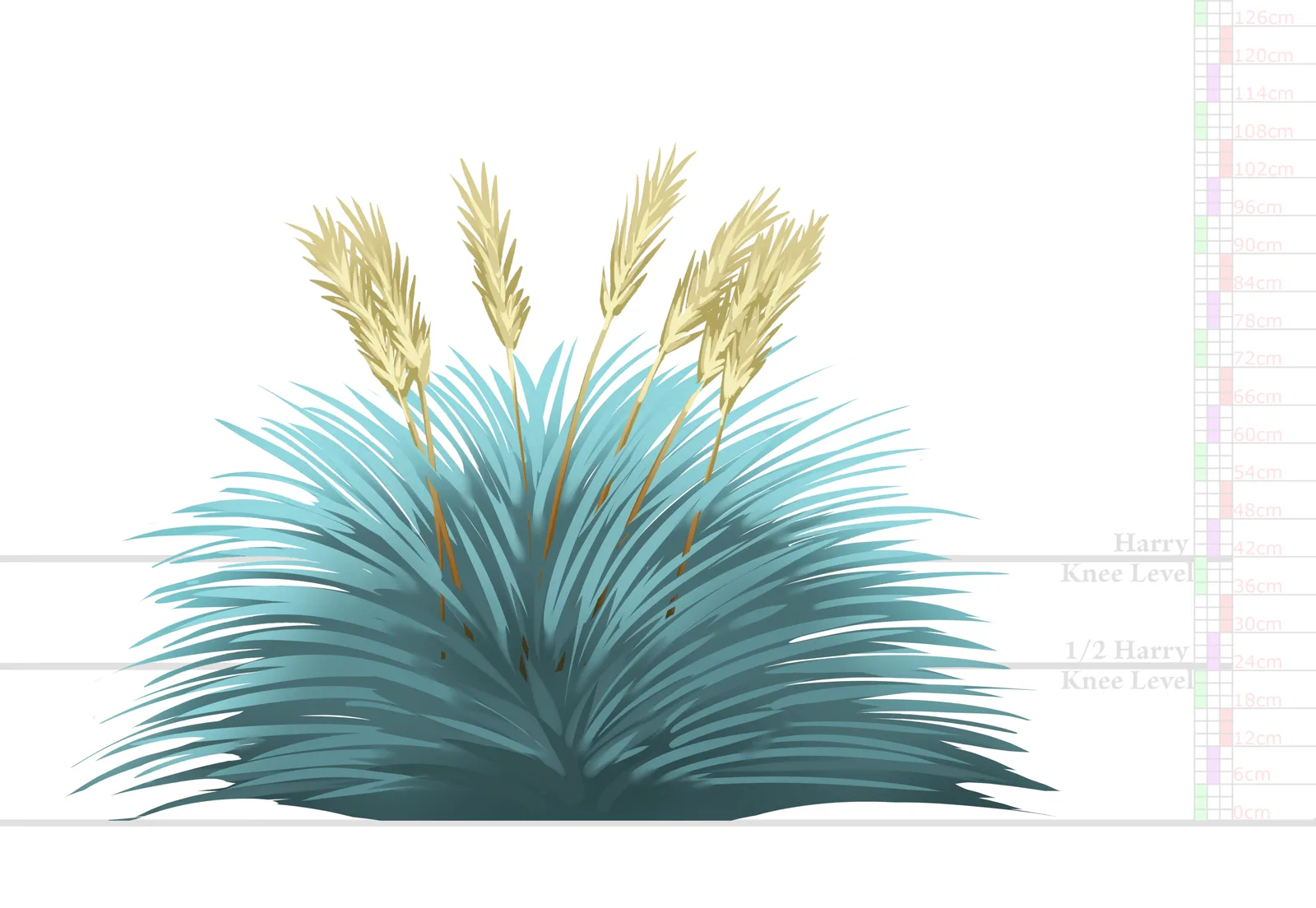
El Lehuj es el remedio y el nari gel de referencia para la resaca, las toxinas o los venenos, por sus incomparables propiedades para reforzar el hígado. Dado lo fácil y abundante que es, algunos también lo usan por otros beneficios digestivos o como catalizador de distintas reacciones de nari gel. También podría usarse como un castigo terrible si se lo echas a alguien en la comida o la bebida, sobrecargándole el hígado hasta que deje de funcionar poco después; al fin y al cabo, la diferencia entre remedio y veneno es solo la dosis.
Texto público: flora.md
Entre bastidores · notas completas
-
Website Description
- Lehuj is the go-to remedy and nari gel for dealing with hangovers, toxins, or poisons, thanks to its unmatched liver-enhancing properties. Given how easy and abundant it is, some also use it for other digestive benefits or as a catalyst for different nari gel reactions. It could also be used as a terrible punishment if you inject it into someone's food or drink by overloading their liver and forcing it shut down soon after; the difference between remedy and poison is just the dosage, after all.
-
Historia del Isekai
- Used for Smooth Gut Nari, and for its digestive properties, specifically liver. Also great as a hangover remedy.
-
Scientific History
- Blue Festuca
-
Habitat
- Throughout the entire lower region, except the desert.
-
Economic Value
-
Lehuj Grass
- Historia del Isekai
- See above
- Referencia visual
- Historia del Isekai
-
-
Tastes Like
- Slightly sweet and acidic.
-
Growth
- Wild
-
Capacidades de energía del alma
- Interfaz
- Ninguno
- Skills
- Ninguno
- Interfaz
-
Referencia visual
Setas
Lakata
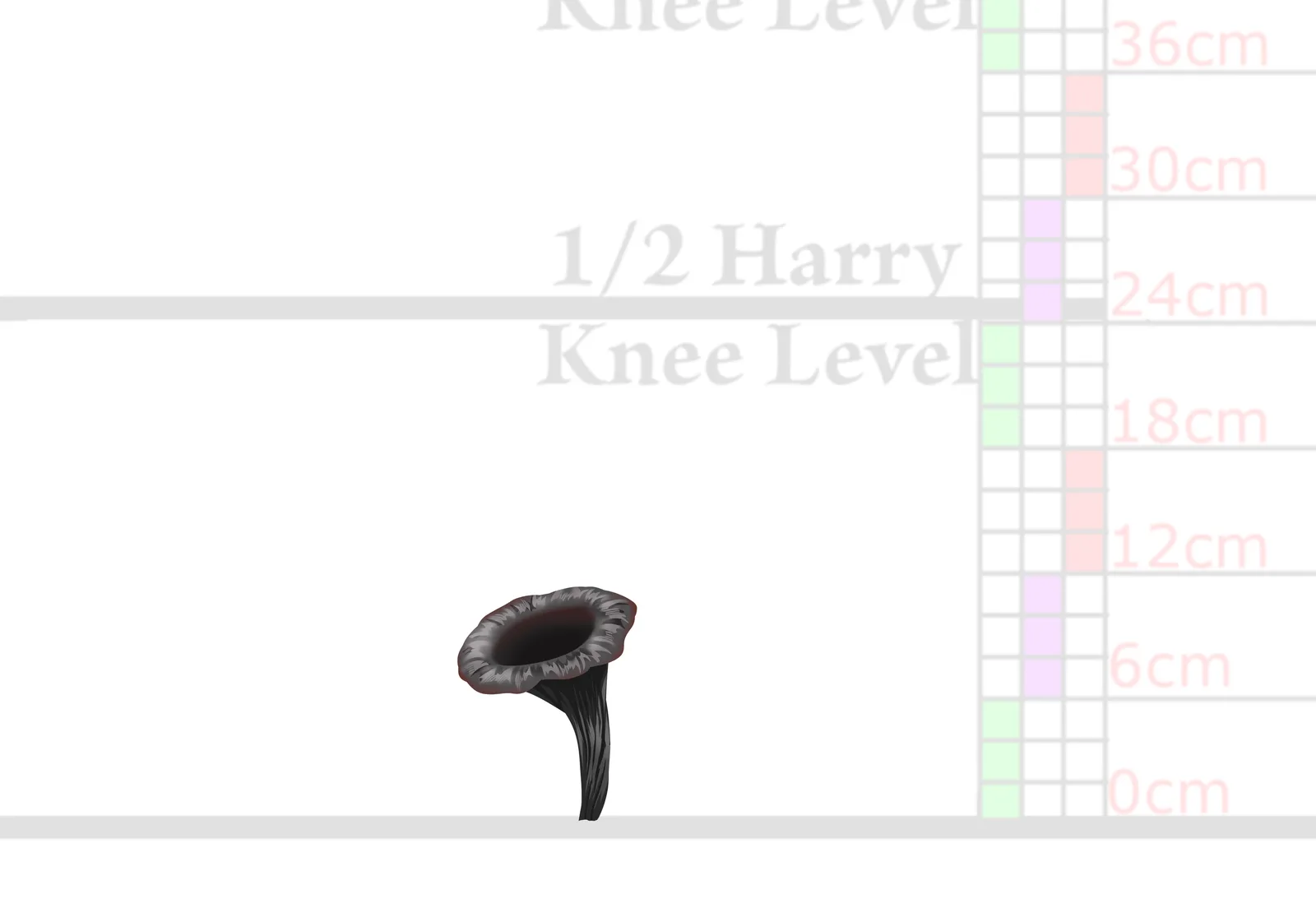
La Lakata sabe a uvas asadas, ¡pero que ese sabor tan agradable no te engañe! Es muy eficaz sobrecargando el sistema nervioso parasimpático y, si no tienes cuidado, se te para el corazón. Muchos aventureros y recolectores se han pasado horas sin fin buscándolas alrededor de árboles podridos, porque se consideran el pan de cada día de muchos nari gels.
Texto público: flora.md
Entre bastidores · notas completas
-
Website Description
- Lakata tastes like roasted grapes, but don't let that pleasant taste fool you! It is good at slowing the sympathetic nervous system, and if you're not careful, your heart will stop. Many adventurers and gatherers alike spent endless hours searching for them around rotting trees as they are considered the bread and butter of many nari gels.
-
Historia del Isekai
- A fungus is often used for slowing down the heartbeat. Found in rotting trees
-
Scientific History
- Chaga (Inonotus obliquus)
-
Habitat
- 0km
- Muddy, Deep forest of the south.
-
Economic Value
-
Lakata Caps
- Historia del Isekai
- See above
- Referencia visual
- See below
- Historia del Isekai
-
-
Tastes Like
- Roasted Grapes.
-
Growth
- Several month
-
Capacidades de energía del alma
- Interfaz
- Fungus
- Skills
- Pacifier
- Interfaz
-
Referencia visual
Panita
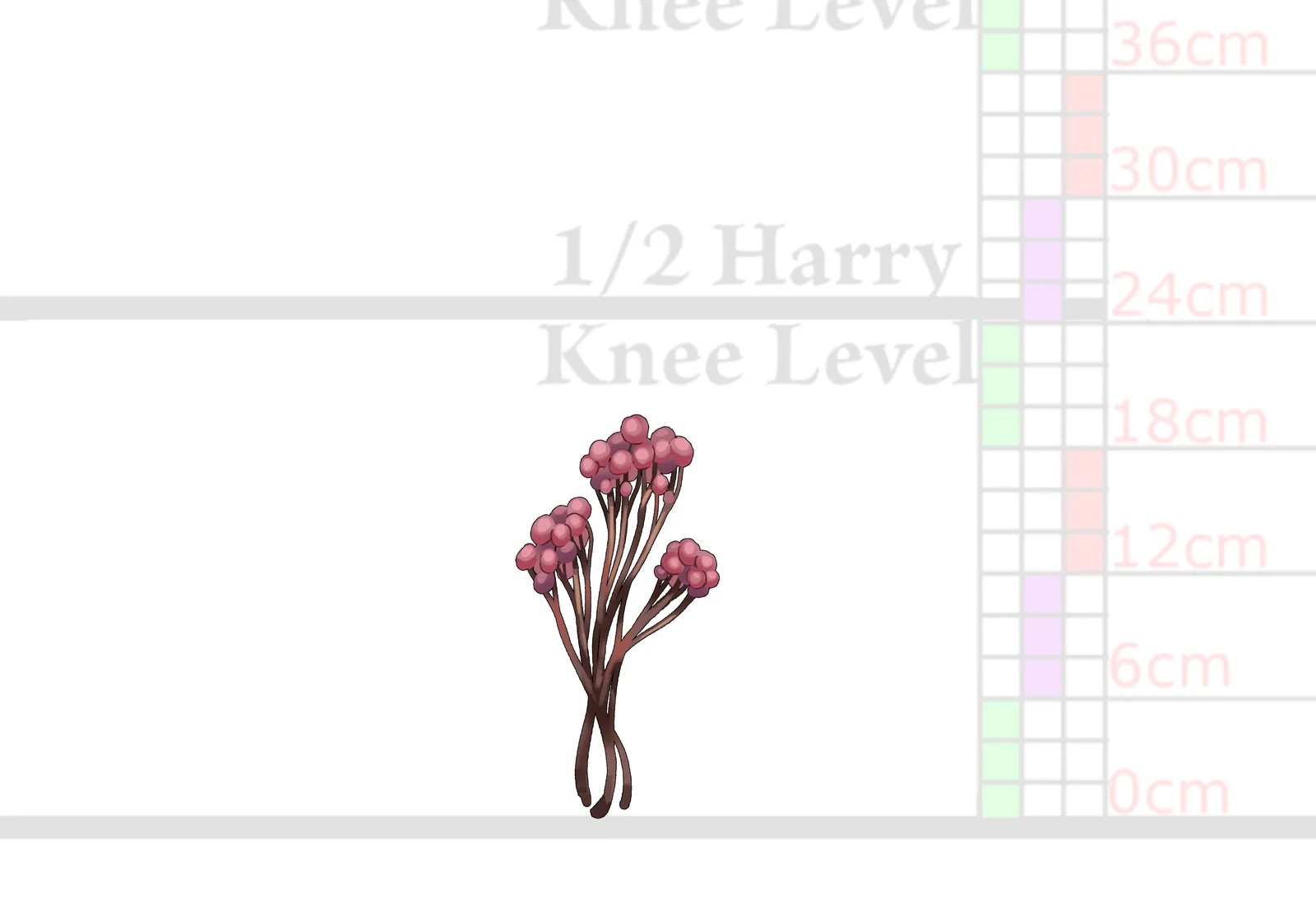
La Panita es otra seta que esconde un secreto terrible tras su agradable olor y sabor a naranja sanguina. Te hace sangrar por todas partes y, si sigues ingiriéndola, acaba derritiéndote la piel, la carne y los huesos, y notarás casi todo antes de morir. ¡Agradabilísimo! Forway se planteó prohibirla en el pasado, pero entonces tampoco podrían usarla para castigar a gente de mierda, así que sigue siendo legal hasta hoy.
Texto público: flora.md
Entre bastidores · notas completas
-
Website Description
- Panita is another mushroom that conceals a terrible secret behind its pleasant smell and blood-orange taste. It makes you bleed from everywhere, and if you keep ingesting it, it turns into melting skin, flesh, and bones, and you will feel most of it before you die. Quite pleasant indeed! Forway has considered banning this in the past, but that would mean they couldn't use it to punish shitty people, so it's still legal to this day.
-
Historia del Isekai
- A mushroom often used for Bleed out Nari gel
-
Scientific History
- Reishi (Ganoderma lucidum)
-
Habitat
- 0km
- Muddy, Deep forest of the south.
-
Economic Value
-
Panita Caps
- Historia del Isekai
- See above
- Referencia visual
- See below
- Historia del Isekai
-
-
Tastes Like
- Blood Oranges.
-
Growth
- One month
-
Capacidades de energía del alma
- Interfaz
- Mushroom
- Skills
- Melt *When damaged
- Bleed *When damaged
- Interfaz
-
Referencia visual
Tyr
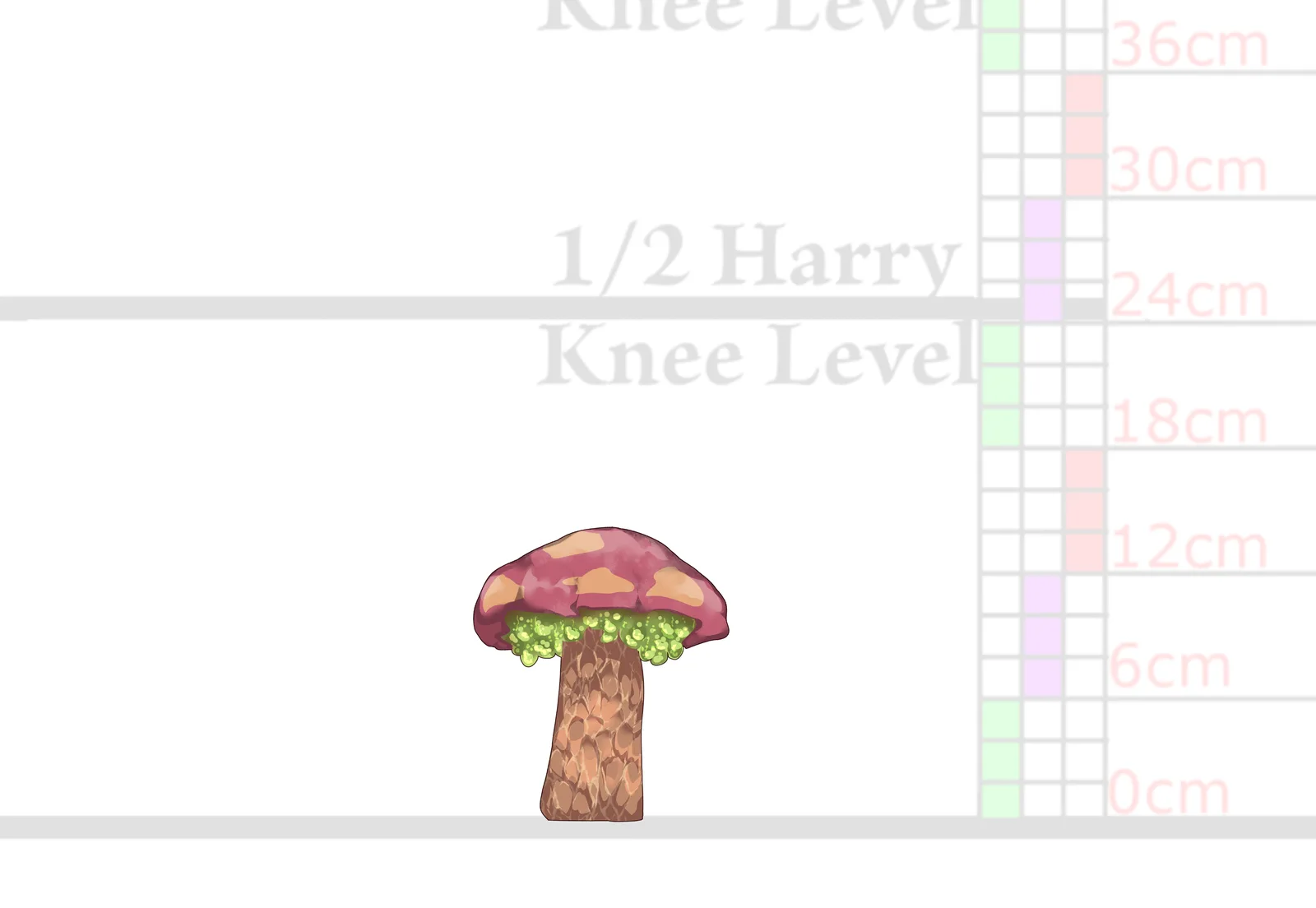
La Tyr afecta al sistema nervioso como la Lakata, pero centra sus efectos en trastocar el sistema nervioso simpático y la percepción de la realidad. El peor efecto que cuenta la gente es oír o ver cosas perturbadoras mientras te sientes encerrado en tu propio cuerpo, porque intentas luchar o huir, pero la respuesta de lucha o huida no funciona. No es muy distinto de la parálisis del sueño. La Tyr también tiene otras propiedades, como provocar sueño narcoléptico, pero aislarlas ha sido difícil. Un artículo de investigación afirmó que también permitía oír los pensamientos de los demás, pero los científicos que lo probaron no pudieron reproducirlo y lo achacaron a un mal viaje.
Texto público: flora.md
Entre bastidores · notas completas
-
Website Description
- Tyr affects the nervous system like Lakata, but it focuses on messing with the sympathetic nervous system and perception of reality instead. The worst effect people report is hearing or seeing disturbing things while feeling locked inside your body because you're trying to fight or run away from it, but your fight-or-flight doesn't work. It's not too far off from sleep paralysis. There are other properties from Tyr as well, like triggering narcoleptic sleep, but isolating it has been challenging. A research paper reported that some participants could hear others' thoughts as well, but the scientists who tried it could not replicate it and chalked it up to a bad trip instead.
-
Historia del Isekai
- A fungus similar to lakata, but it is far too poisonous (creates audio/visual hallucinations)
-
Scientific History
- Exsudoporus frostii
-
Habitat
- 0km
- Muddy, Deep forest of the south.
-
Economic Value
-
Tyr Caps
- Historia del Isekai
- See above
- Referencia visual
- See below
- Historia del Isekai
-
-
Tastes Like
- Mushroomy apples.
-
Growth
- Several month
-
Capacidades de energía del alma
- Interfaz
- Fungus
- Skills
- Hallucinate
- Interfaz
-
Referencia visual
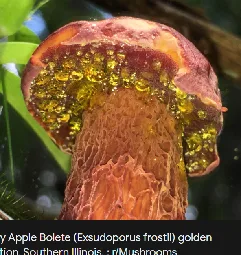
Raíces
Cadioca
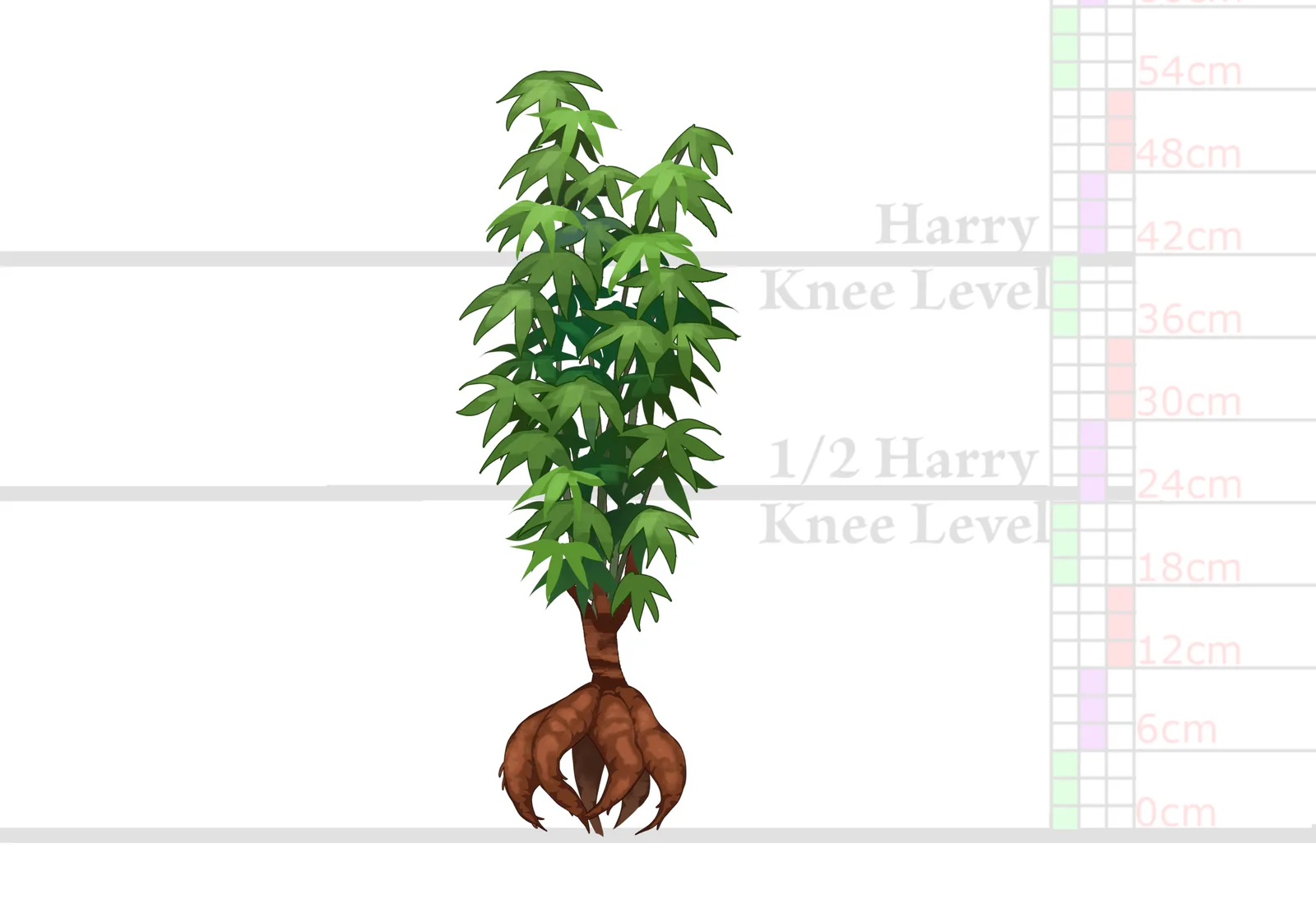
¡La Cadioca es venenosa cruda! Hay que dejarla en remojo en un río durante dos días y luego secarla al sol durante tres antes de poder cocinarla. ¿Cómo lo descubrió la gente? Por puro hambre, allá por los tiempos de Ganyrami. El sabor es muy parecido al de la yuca, y la mayoría la come molida y tostada en granos gruesos o frita como patatas fritas, pero más gorda y con piel para que quede más crujiente. Esta última es la favorita de los cuatro reinos, pero tienen que pagar un sobreprecio por el transporte desde Freeish, donde se cultiva de forma intensiva.
Texto público: flora.md
Entre bastidores · notas completas
-
Website Description
- Cadioca is poisonous if eaten raw! One must soak it in a river for two days and then let it dry in the sun for three days before it can be used for cooking. How people discover it? Pure hunger from back on Ganyrami days. The taste is pretty close to cassava, with most people consuming it either ground and roasted into coarse grains or fried like fresh fries, but chunkier and with the skin on for that extra-crispy taste. The latter is a favorite across the four kingdoms, but they must pay a premium for transport from Freeish, where it is farmed intensively.
-
Historia del Isekai
- Poisonous if eaten raw. Needs to be soaked in the river for 2 Days, then dried in the sun.
-
Scientific History
- Cassava
-
Habitat
- A root found in the lower lands.
- Heavily farmed in Freeish.
-
Economic Value
-
Cadioca Roots
- Historia del Isekai
- One of the basis of food in the kingdoms.
- Referencia visual
- See below
- Historia del Isekai
-
Cadioca Flour
- Historia del Isekai
- Just like Domar Carbey flour
- Referencia visual
- Historia del Isekai
-
Cadioca Coarse Flour
- Historia del Isekai
- Used to eat with all kinds of things, like Farinha.
- Referencia visual
- Historia del Isekai
-
Fried Cadioca
- Historia del Isekai
- A popular food throughout the kingdom, also invented in the Freeish Kingdom.
- Referencia visual
- Historia del Isekai
-
-
Tastes Like
- Cassava
-
Growth
- ~2 Seasons
-
Capacidades de energía del alma
- Interfaz
- Ninguno
- Skills
- Ninguno
- Interfaz
-
Referencia visual

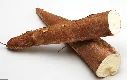
Lolish
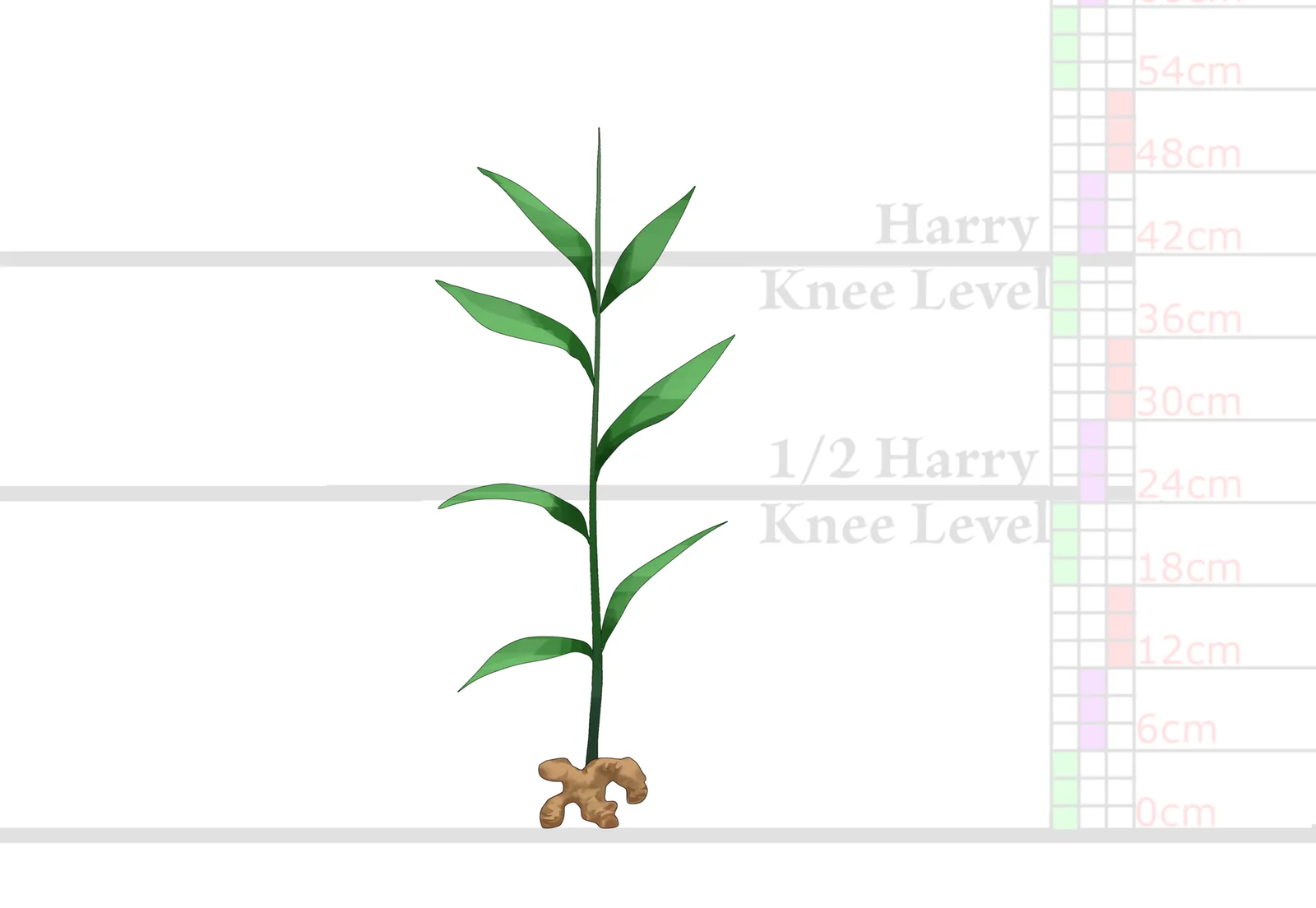
El Lolish es el favorito de Gandew, y algunos Darfaries hacen todo el camino hasta la zona de transición del desierto semiárido para recoger su propio lolish, porque así son ellos. La raíz con sabor a jengibre va bien en su cocina y en sus bebidas para entrar en calor en las gélidas noches del desierto.
Texto público: flora.md
Entre bastidores · notas completas
-
Website Description
- Lolish is a favorite of Gandew, with some Darfaries making the track all the way to the semi-arid desert transitional zone to pick up their own lolish because that's just who they are. The ginger-flavored root pairs well with their cuisine and drinks, warming you up on frigid desert nights.
-
Historia del Isekai
- A root found in the desert of Gandew
-
Scientific History
- Ginger
-
Habitat
- Found buried in the desert (closer to transitional zones)
-
Economic Value
-
Lolish Roots
- Historia del Isekai
- See above
- Referencia visual
- See below
- Historia del Isekai
-
-
Tastes Like
- Ginger
-
Growth
- ~2 Seasons
-
Capacidades de energía del alma
- Interfaz
- Ninguno
- Skills
- Ninguno
- Interfaz
-
Referencia visual
Hay 3 entradas más de esta página que solo están en .
Fuentes: Legacy/Public/flora.md, Legacy/Behind The Scenes/World Lore/Flora.md