
Flore
Notation de la documentation
Les coulisses · notes complètes
- See Beasts for Wood People/Trunk People.
- This list is not complete; rather, it includes species that impact the economy/story to a greater extent.
- See Economy Calculator for Prices.
- Flora Average Soul Energy Tier is Tier I with 1 or less Soul Recharge/Day.
Niveau de coût selon la distance
Les coulisses · notes complètes
-
Niveau I (biens bon marché)
- Berries, Fruit, Fungus & Grass.
-
Niveau II (biens courants)
- Flowers, Mushrooms & Roots.
-
Niveau III (biens coûteux)
- Banned Items.
-
Niveau IV (biens de la noblesse)
- Aucun
Plantes
Emerenthy
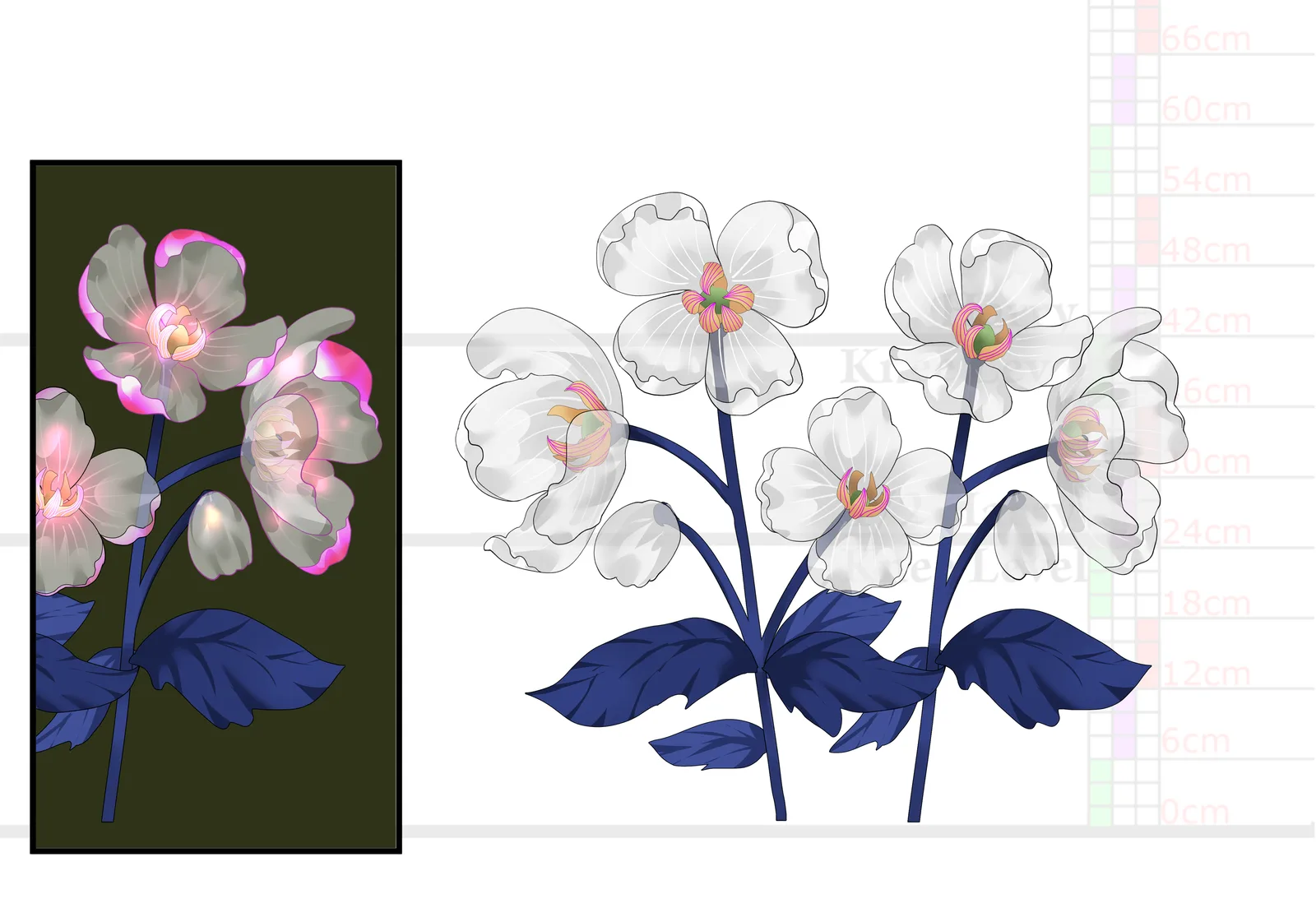
L'Emerenthy, ou méthyle pour certains, est une plante courante dans les forêts de Freeish. Elle est surtout connue pour offrir un peu de lumière la nuit aux gens et aux animaux dans la forêt. Certains disent que si les Trunk people t'apprécient, ils prendront du méthyle pour te guider. D'autres pensent que c'est des conneries d'egua et qu'elles n'existent que pour attirer les insectes qui se nourrissent de leur doux nectar. Tu peux aussi les arracher du sol et les secouer comme une torche de secours, mais elles ne durent pas très longtemps. Mais si tu en ramasses assez, tu peux t'en servir comme apport de fibres dans n'importe quel repas, comme le céleri.
Texte public : flora.md
Les coulisses · notes complètes
-
Description pour le site
- Emerenthy or methyl for some, is a common plant in the forests of Freeish. Mostly known for offering a bit of light at night for people and animals in the forest. Some say that if Trunk people like you, they will get the methyl to guide you. Others think it's egua shit and that they only exist to attract insects to feed on their sweet nectar. You can also rip them off the ground and shake them as an emergency torch, but they don’t last that long. But if you collect enough of them, you can use them as a fibrous addition to any meal, like celery.
-
Histoire isekai
- A common plant that is commonly used for cooking.
-
Scientific History
- Phalaenopsis orchid
-
Habitat
- ~0km - ~1km. More common towards the forests near Freeish.
-
Economic Value
-
Emerenthy Flowers
- Histoire isekai
- See above
- Référence visuelle
- See below
- Histoire isekai
-
-
Tastes Like
- Neutral, watery, or mildly fresh flavor
-
Growth
- Two months in the wild.
-
Capacités d'énergie de l'âme
- Interface
- Transparent Petals
- Skills
- Biolight
- Interface
-
Référence visuelle
Girdol
Le Girdol est une plante souvent utilisée dans les gels nari pour ses propriétés qui modifient l'intestin, ou en tisane pour son goût citronné et apaisant. On le trouve facilement à l'état sauvage, mais comme les Toleridemiens vivent plus en altitude, ils ont tendance à le cultiver chez eux ou dans la serre de la communauté, vu la quantité qu'ils en consomment pour soulager leur estomac après un gros repas.
Texte public : flora.md
Les coulisses · notes complètes
-
Description pour le site
- Girdol is a plant often used in nari gels for its gut-changing properties or as a tea for its lemony, soothing taste. You can find it easily in the wild, but since Toleridemians live higher up, they tend to care for it in their home or community greenhouse instead, given how much they consume to ease their stomach after a large meal.
-
Histoire isekai
- A common plant used in Nari gels and teas. Can be soothing for the stomach or cause diarrhea and puke depending on the amount ingested.
-
Scientific History
- Dandelion
-
Habitat
- ~0 km on Lower plains, especially in plains
-
Economic Value
-
Girdol Flowers
- Histoire isekai
- See above
- Référence visuelle
- See below
- Histoire isekai
-
-
Tastes Like
- Lemony like
-
Growth
- Several months in the wild
-
Capacités d'énergie de l'âme
- Interface
- Petals
- Skills
- Faint Luminescence
- Interface
-
Référence visuelle

Magina
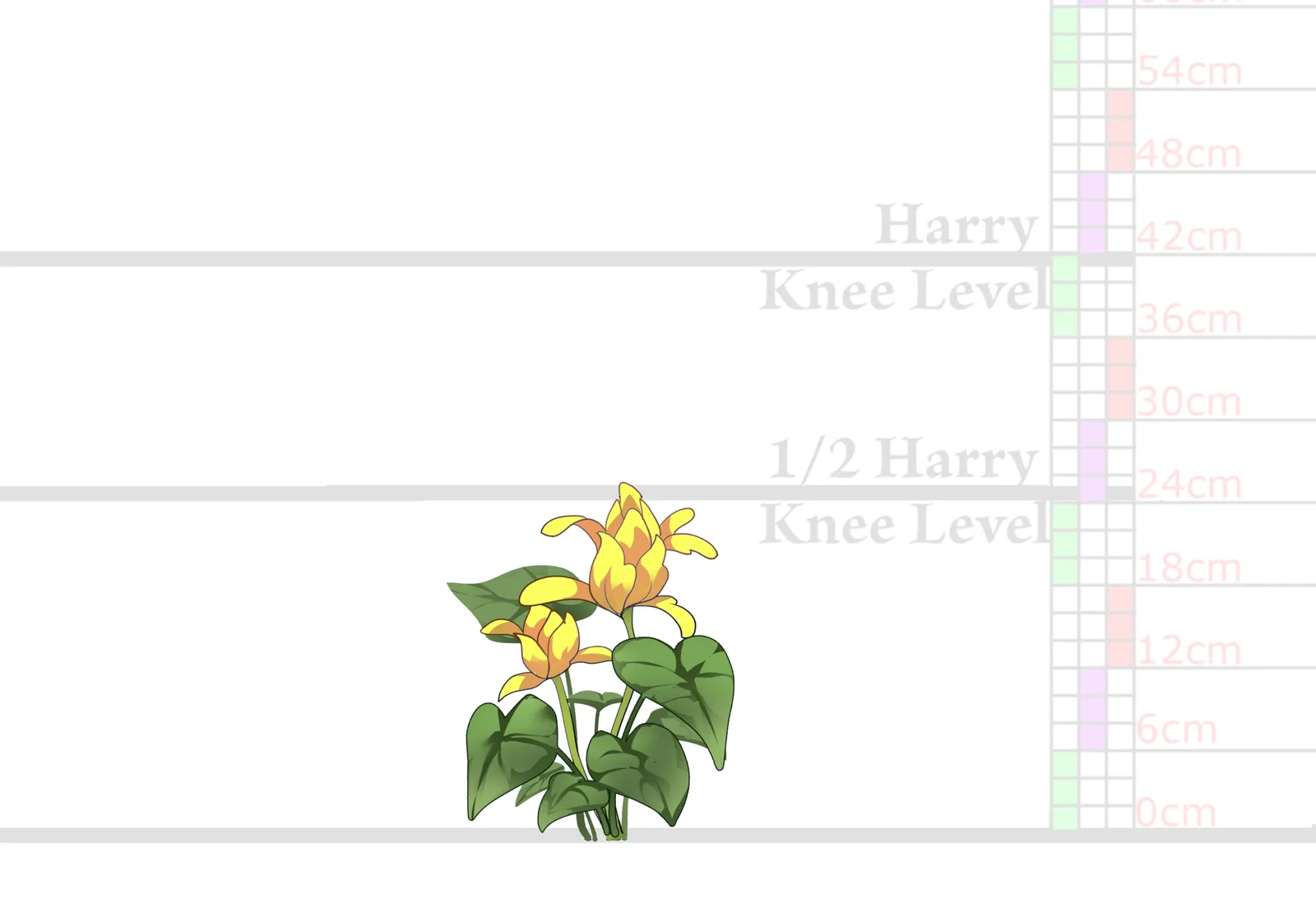
La Magina est une puissante drogue qui altère l'esprit, interdite par Forway en raison des risques qu'elle fait peser sur la société. Ceux qui en prennent vivent un état de béatitude où ils vivent leurs rêves, ou leurs cauchemars s'ils font un mauvais trip, de façon si réaliste qu'ensuite, ces gens jurent que l'événement leur est vraiment arrivé au lieu de comprendre que ce n'était qu'un rêve vivace. Quelques scientifiques très renommés l'étudient encore pour soigner des troubles mentaux précis comme le TSPT en tentant de maîtriser et de contrôler la drogue, mais les succès sont inégaux, car chaque individu y réagit de façon si unique qu'il est difficile de trouver des schémas. Si tu vois quelqu'un complètement à l'ouest, même après lui avoir mis un coup de poing dans la figure, il prend sans aucun doute de la Magina, très probablement achetée au marché noir auprès de la faction Black Magina.
Texte public : flora.md
Les coulisses · notes complètes
-
Description pour le site
- Magina is a potent mind-altering drug that Forway banned, given the societal risks it imposes. Users experience a blissful state where they live out their dreams or nightmares, with such a realistic trip that afterward they swear the event actually happened to them rather than realizing it was all just a vivid dream. Some highly renowned scientists still research it to cure specific mental ailments like PTSD by trying to rein in and control the drug, but success has been spotty as each individual reacts so uniquely to it that it's hard to find patterns. If you see someone completely zoned out, even after you punch them in the face, they are definitely using Magina, with it most likely being bought on the black market from the Black Magina faction.
-
Histoire isekai
- A rarer wild plant that is commonly used for sleeping, Nari Gels, or as a sedative. Its yellow petals are so yellow that they are reflective.
- When smoked, it gives a strong “laid-back” vibe. Like sitting still somewhere for hours, just watching time pass. You feel hungry, but that doesn’t bother you. People can punch you, and that doesn’t bother you. People tend to hallucinate vividly as well, completely forgetting about their physical presence
-
Scientific History
- Sassafras
-
Habitat
- ~0km - ~1km
-
Economic Value
-
Magina Flowers
- Histoire isekai
- See above
- Référence visuelle
- See below
- Histoire isekai
-
-
Tastes Like
- White Cheddar
-
Growth
- Three months in the wild.
-
Capacités d'énergie de l'âme
- Interface
- Petals
- Skills
- Spray Sleep Spell in Self-Defense
- Interface
-
Référence visuelle
 *Yellow petals.
Nica
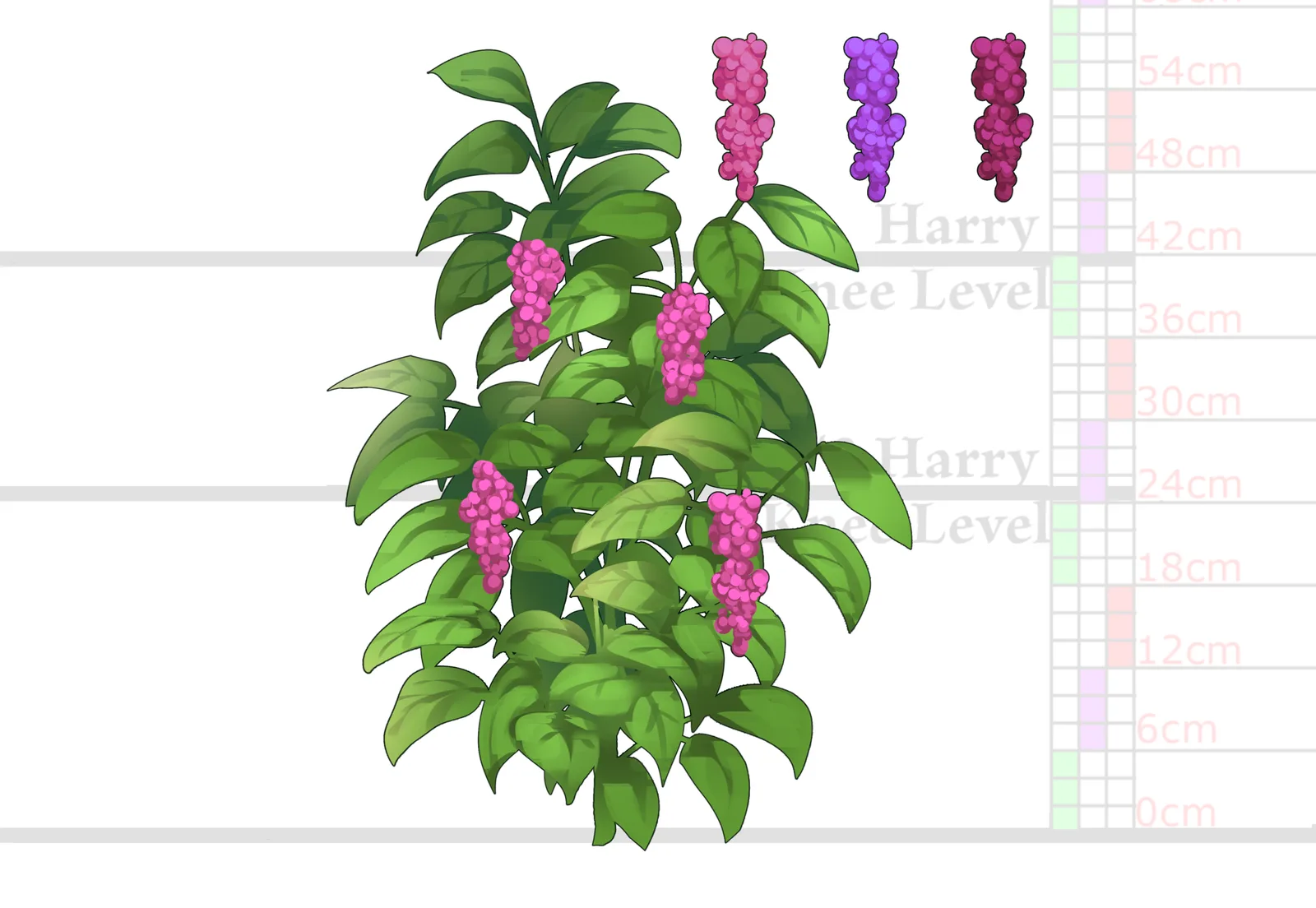
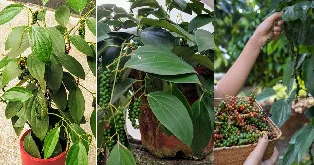
La Nica est une des préférées de nombreux chefs ! Ses graines changent de goût, d'une saveur proche du cumin quand elles sont rose vif et pas mûres, à un profil plus proche du poivre noir une fois mûres, avec une couleur lie-de-vin plus profonde. Certains lui ont trouvé un usage dans les gels nari, car elle a des propriétés qui changent la couleur de la peau et repoussent aussi les insectes—même si la personne qui l'utilise a tendance à sentir fort le poivre de Nica, alors si elle n'aime pas ça, elle ferait mieux d'utiliser autre chose.
Texte public : flora.md
Les coulisses · notes complètes
-
Description pour le site
- Nica is a favorite of many chefs! Its seeds change from a cumin-like taste when it's bright pink and unripe to a more black-pepper profile when it's ripe, with a deeper wine color. Some people found a use for it on nari gel, as it has properties that change skin color and repel insects as well—although the person using it tends to smell strongly of Nica peppers, too, so if they don't like it, they are better off using something else.
-
Histoire isekai
- A common plant that is commonly used for cooking.
-
Scientific History
- Piper Nigrum
-
Habitat
- ~0km - ~1km
-
Economic Value
-
Magina Flowers
- Histoire isekai
- See above
- Référence visuelle
- See below
- Histoire isekai
-
-
Tastes Like
- Seeds taste like Black Pepper mixed with Cumin taste.
- More black pepper as the older it gets (deep wine), with cumin, the younger it is (pink)
- Seeds taste like Black Pepper mixed with Cumin taste.
-
Growth
- One Month in the wild, another three months for maturation.
-
Capacités d'énergie de l'âme
- Interface
- ?
- Skills
- ?
- Interface
-
Référence visuelle
Steen
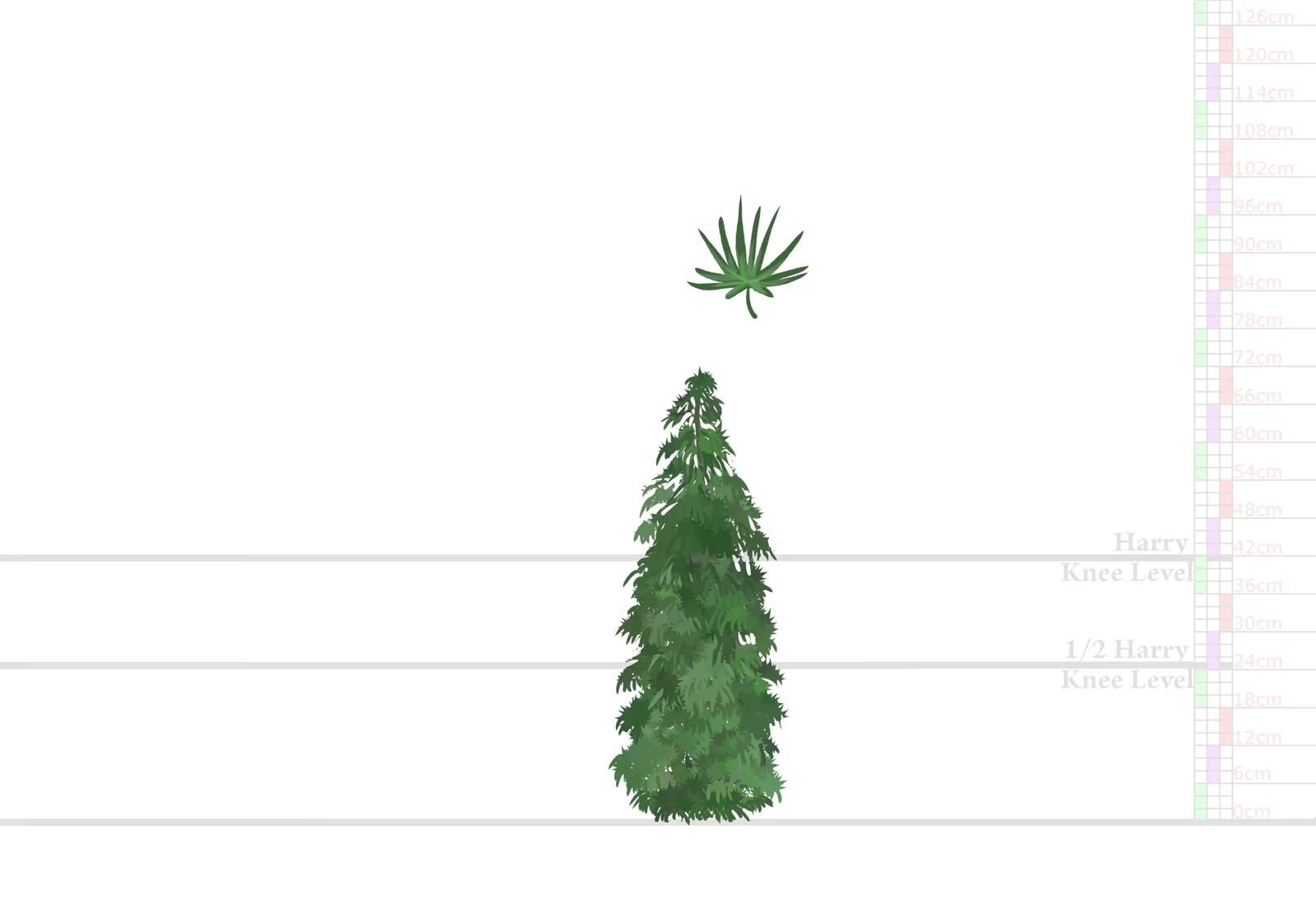
On trouve facilement du Steen dans la bouche des citoyens de Sanbi, qui adorent mâchouiller ses tiges pour passer le temps. Il a un effet apaisant et légèrement rafraîchissant, et certains Darfaries ont aussi pris l'habitude. Même s'il n'est pas populaire à Gandew, ceux qui en prennent deviennent plus paresseux et léthargiques, surtout en mâchant les feuilles de la plante, où l'effet est plus puissant. On le voit aussi dans les gels nari, et les chasseurs comme les gardes de Sanbi adorent en enduire la pointe de leurs flèches pour intoxiquer leurs proies et les gens indisciplinés afin qu'ils ralentissent et se calment.
Texte public : flora.md
Les coulisses · notes complètes
-
Description pour le site
- Steen is commonly found in the mouths of Sanbi citizens, who love to chew on the stems to pass the time. It has a calming, slightly chilling effect, with some Darfaries also picking up the habit. Although it is not popular in Gandew, users become lazier and lethargic, especially when chewing the plant leaves, where the effect is more potent. You can also see it in nari gels, with both hunters and Sanbi guards loving to plaster the tip of their arrows with it to toxify their prey and unruly people into slowing down and chilling out instead.
-
Histoire isekai
- A wild plant often chewed like gum or used in teas/Nari gels. Has a calming effect.
- If lit up on fire, it has a strong weed smell.
- People haven’t figured out a way to domesticate this plant yet. It has high fiber content and can be used for clothing.
- A wild plant often chewed like gum or used in teas/Nari gels. Has a calming effect.
-
Scientific History
- Cannabis sativa
-
Habitat
- ~0km - ~1km
- In the wild.
-
Economic Value
-
Steen Leaves
- Histoire isekai
- See above
- Référence visuelle
- See below
- Histoire isekai
-
Steen Fiber
- Histoire isekai
- See above
- Référence visuelle
- See below
- Histoire isekai
-
-
Tastes Like
- Minty, but more grassy and oily. Somewhat chewy.
-
Growth
- Several months in the wild.
-
Capacités d'énergie de l'âme
- Interface
- Aucun
- Skills
- Aucun
- Interface
-
Référence visuelle

Tibou
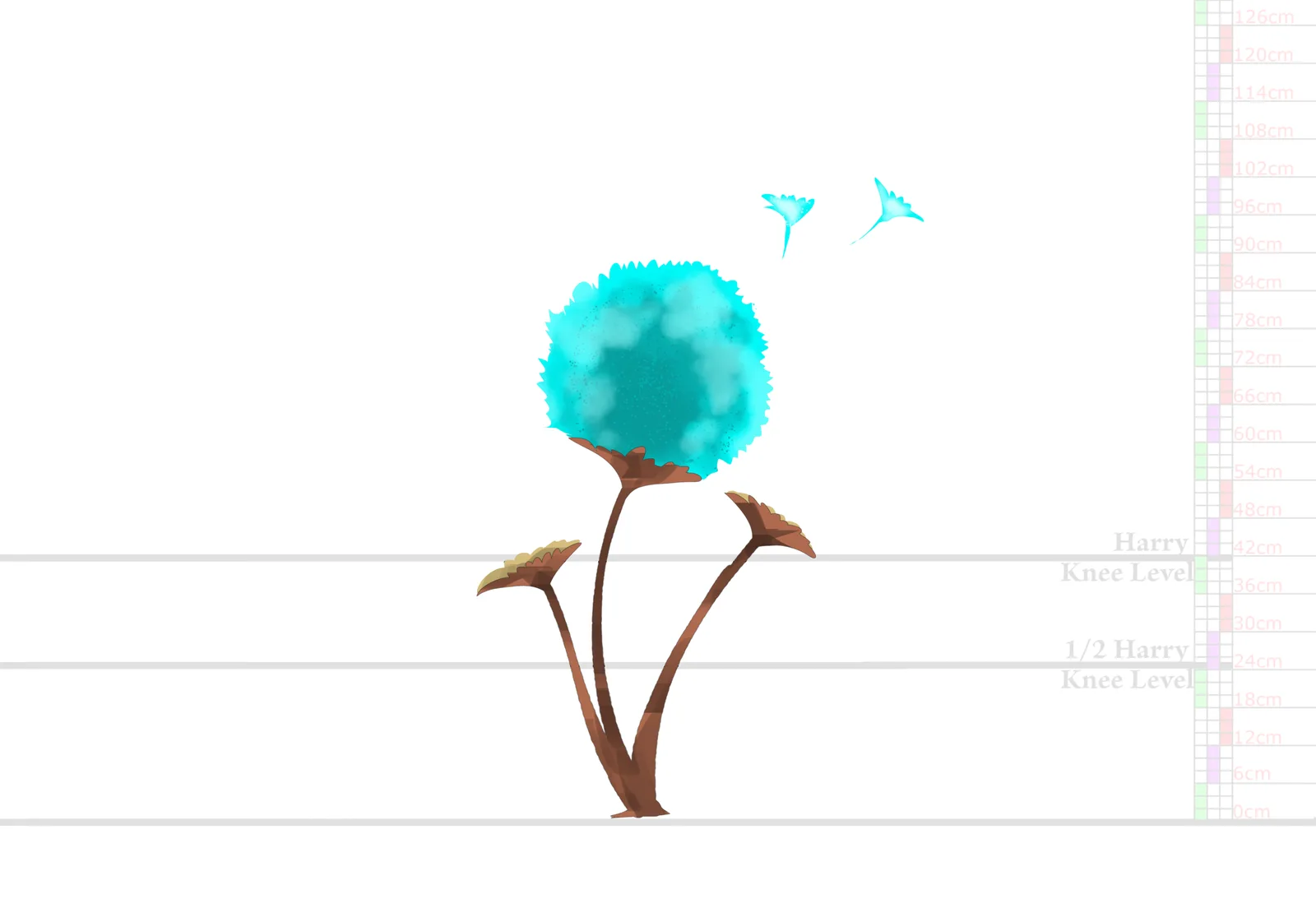
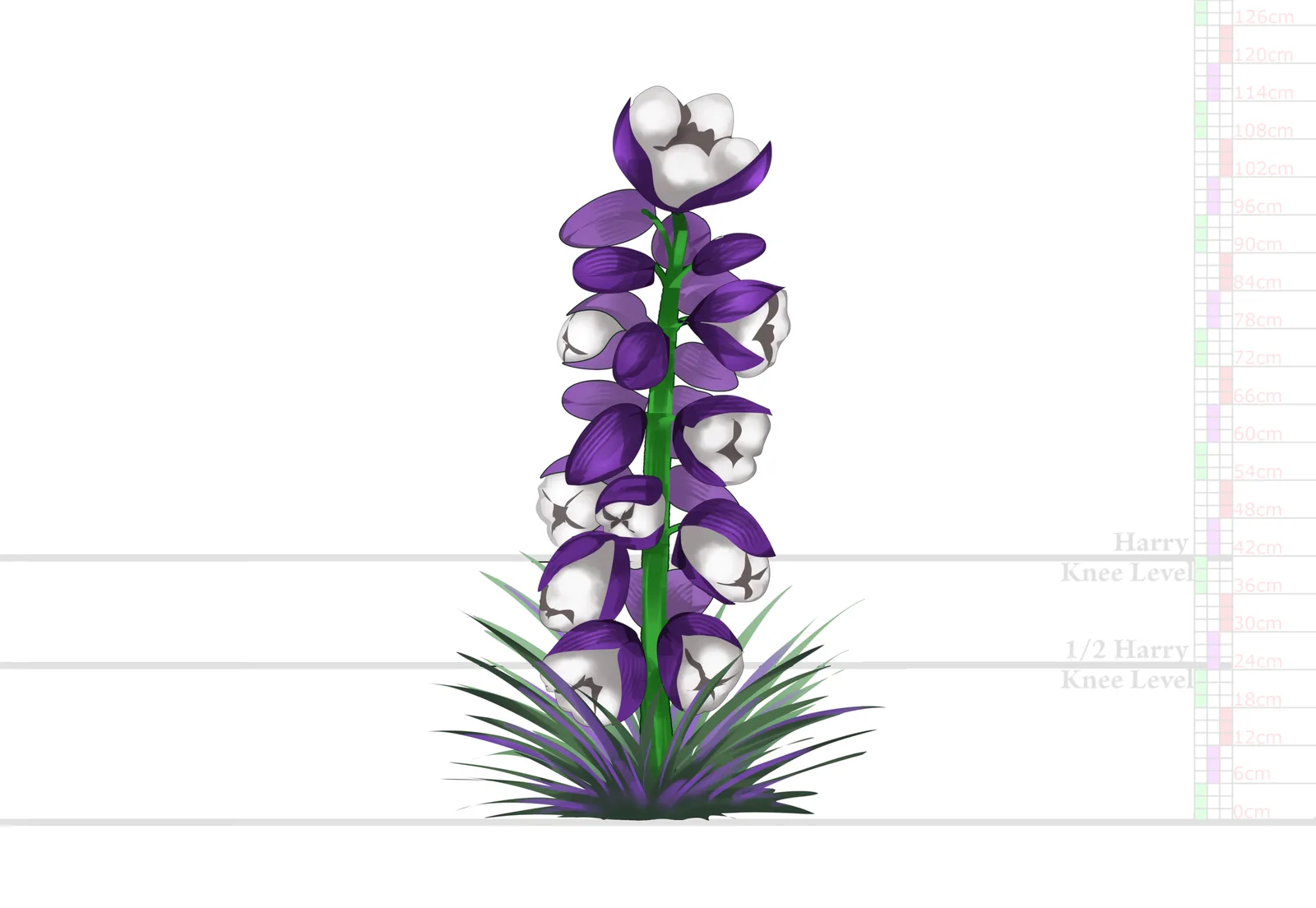
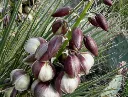
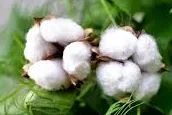
Le Tibou est aussi utilisé pour les gels nari, mais surtout pour donner à ta sueur des propriétés antibactériennes et antifongiques. C'est un peu comme prendre une douche de l'intérieur, et les aventuriers conscients de leur odeur y ont recours pour sentir bon quand ils traversent une ville en vitesse ! Sinon, c'est la plante de référence comme base pour les savons, les shampoings et même les textiles, car sa fibre semblable au coton est assez confortable, même si elle n'est pas aussi résistante.
Texte public : flora.md
Les coulisses · notes complètes
-
Description pour le site
- Tibou is also used in nari gels, but mostly to give your sweat antibacterial and antifungal properties. It's essentially like taking a shower from the inside out, with self-aware adventurers resorting to using it to smell good when quickly passing through town! Otherwise, it's the go-to plant for soaps, shampoos, and even textiles, and its cotton-like fiber is quite comfortable, albeit not as durable.
-
Histoire isekai
- One of the most sought-after plants to make soap and shampoos out of the shells. Not really used in teas, but some do like it.
- The cotton-like fiber protected by the case is used in fabric.
-
Scientific History
- Yucca Glauca
-
Habitat
- ~0km - ~1km
- Farmed in the grasslands
-
Economic Value
-
Tibou Flowers
- Histoire isekai
- See above
- Référence visuelle
- See below
- Histoire isekai
-
-
Tastes Like
- Lavender with coconut soap.
-
Growth
- One month in the wild.
-
Capacités d'énergie de l'âme
- Interface
- Aucun
- Skills
- Aucun
- Interface
-
Référence visuelle
Arbres fruitiers
Buzeta
Les coulisses · notes complètes
-
Histoire isekai
- ?
-
Scientific History
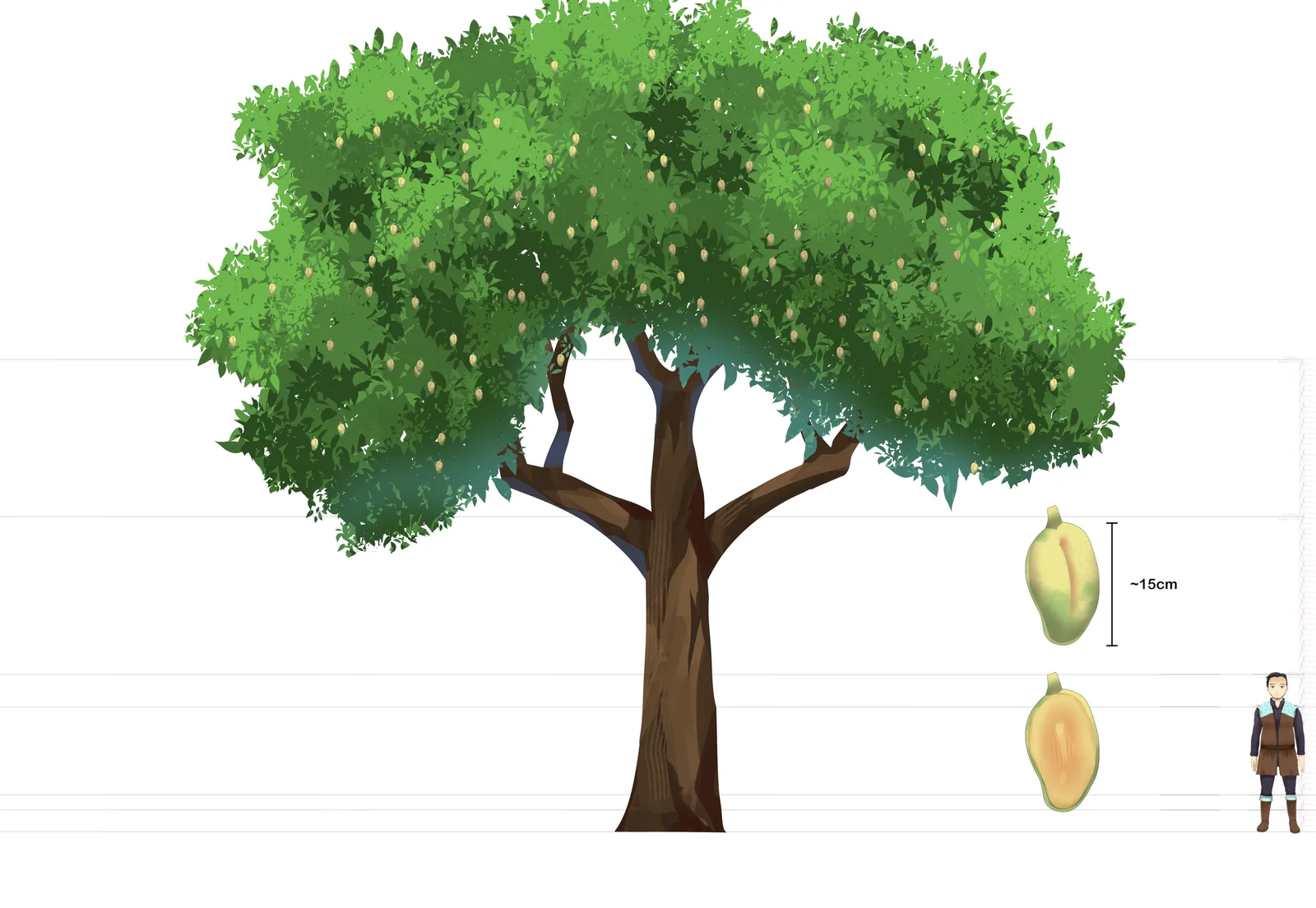
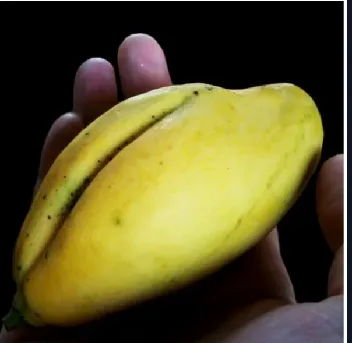
- Mango Buceta
-
Habitat
- See above.
-
Economic Value
-
Buzeta Fruit
- Histoire isekai
- See above
- Référence visuelle
- See Item Visual Reference
- Histoire isekai
-
Dried Buzeta
- Histoire isekai
- Often done for food stock, selling to other kingdoms, baking in food or on-the-road snacks.
- Référence visuelle
*
- Histoire isekai
-
BuzetaJuice
- Histoire isekai
- Pretty good. Better in vitamin shakes.
- Référence visuelle
- Histoire isekai
-
Buzeta Hard Juice
- Histoire isekai
- Fermented Juice
- Référence visuelle
*
- Histoire isekai
-
-
Tastes Like
- Mango
-
Growth
- Takes about 10 months for a harvest.
-
Capacités d'énergie de l'âme
- Interface
- Aucun
- Skills
- Aucun
- Interface
-
Référence visuelle

Cocona
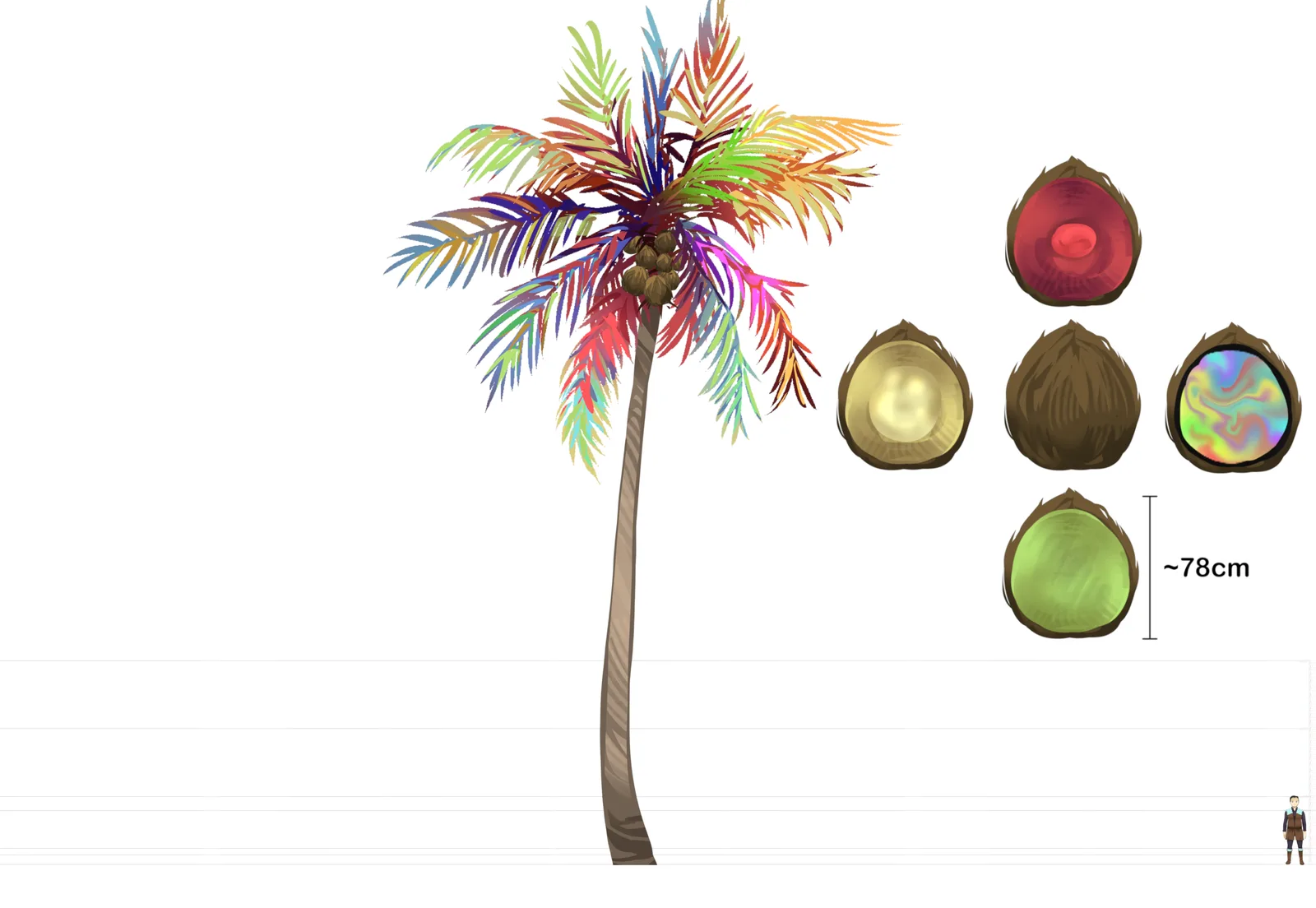
Le Cocona est un arbre invasif mais pratique, selon la plupart des scientifiques. Son origine est, sans aucun doute, attribuée aux Buhraies, puisque la seule chose chez cet arbre qui ne soit pas étrangère est son feuillage translucide et coloré, semblable à l'écorce du Soul tree. Le fruit du Cocona fait deux fois la taille d'une noix de coco ordinaire, et ouvrir un fruit pour découvrir l'intérieur, c'est comme ouvrir une loot box. Même si tu peux sans doute deviner le rapport eau/chair en le secouant et en déduire la couleur et le goût possibles d'après l'environnement de la plante, tu ne feras probablement pas mieux que le hasard ! Les saveurs et les couleurs sont imprévisibles, avec de meilleures chances d'en trouver de plus savoureux, plus sucrés et plus fruités dans les fermes autour de Deltacross. Cependant, si tu cherches le fruit de Cocona tant convoité à l'eau colorée du Soul Tree, à cause du célèbre conte populaire selon lequel il prolongera ta vie si tu avales son eau au goût umami dès que tu l'ouvres, alors tu ferais mieux de rôder sur les plages à la recherche de Coconas sauvages. Et n'oublie pas les bonus ou malus que donne l'interface du Cocona ! Ce n'est pas grand-chose, parfois aussi peu qu'une vessie plus active ou une production de sueur accrue. Pourtant, ça peut faire juste assez la différence entre la vie et la mort quand on l'associe à d'autres interfaces, car celle-ci persiste obstinément dans le corps pendant des semaines, sans aucun moyen connu de l'annuler ou de l'éliminer.
Texte public : flora.md
Les coulisses · notes complètes
-
Description pour le site
- Cocona tree is an invasive but handy tree, according to most scientists. Its origin is, without a doubt, attributed to the Buhraies folks, since the only thing about this tree that is not foreign is its translucent, colorful foliage, akin to the Soul tree's bark. The Cocona fruit is double the size of regular coconuts, and opening a fruit to reveal its insides is like opening a loot box. Although you can probably guess the water versus flesh ratio by shaking it and infer the possible color and taste based on the plant's surroundings, you will likely not be better than random chance! Flavors and colors are unexpected, with better odds of finding tastier, sweeter, and fruitier ones on farms around Deltacross. However, if you're looking for the coveted Cocona fruit with Soul Tree colorful water because of the famous folktale that it will extend your life if you gulp its umami-tasting water down as soon as you crack it open, then you're better off prowling about the beaches for wild Cocona trees. Also, remember the buffs or debuffs the Cocona interface gives! They aren't much, sometimes as little as increasing your bladder or boosting sweat production. However, it can be just enough to tip the balance between life and death when paired with other interfaces, as this one persistently lingers in the body for weeks at a time, with no known way to reset or flush it.
-
Histoire isekai
- Found throughout the beaches of the four kingdoms after humans found the plant near Lukewarm Lake and started to bring it everywhere with them.
- Farmed intensively on Deltacross due to its proximity to Forway.
- Coconas are double the size of coconuts
-
Scientific History
- Coconut
-
Habitat
- Beaches
-
Economic Value
-
Cocona Water
- Histoire isekai
- See above. Not much is found as the cocona flesh takes over most of the inside.
- If someone opens a cocona with all Soul Tree water, Freeish legends say they are extremely lucky because it will extend their life—that is, if they chug the entire umami water.
- Fact not proven by science.
- The water/flesh ratio comes in several colors, and each color corresponds to certain buffs/debuffs it will give
- Référence visuelle
- Histoire isekai
-
Dried Cocona
- Histoire isekai
- Sell to other kingdoms, on the road, snacks, etc.
- Same as water, it comes in several colors.
- Sell to other kingdoms, on the road, snacks, etc.
- Référence visuelle
- Histoire isekai
-
-
Tastes Like
- Coconut, but saltier. Almost like Beef jerky, salty depending on what you open. Surroundings can further alter taste.
-
Growth
- ~15 Years until maturation.
- ~50 fruits per tree/year.
-
Capacités d'énergie de l'âme
- Interface
- Fruit
- Skills
- Harden
- Interface
-
Référence visuelle


Gosutam
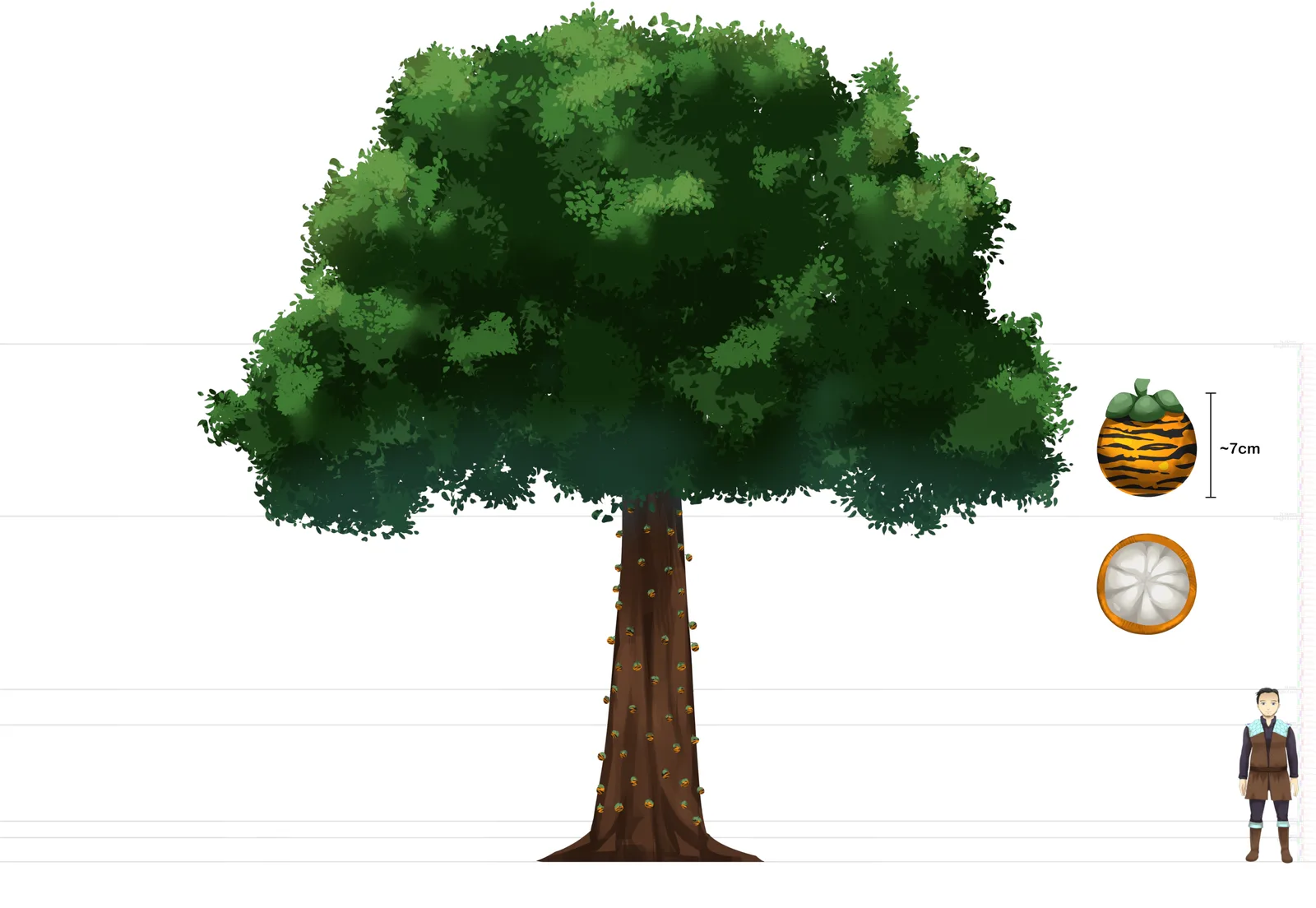
Le Gosutam se trouve couramment du sud jusqu'au Royaume de Freeish et de l'est jusqu'au Royaume de Sanbi. C'est un arbre qu'on a souvent dans son jardin, car il donne de petites quantités de fruits toute l'année directement sur son écorce, faciles à cueillir même pour les enfants comme en-cas. C'est là que s'arrête la facilité, car ouvrir le fruit et en extraire la partie comestible demande de l'adresse. La peau extérieure jaune et noire, plus dure, cède sur un intérieur charnu et mou qui protège une peau blanchâtre et visqueuse recouvrant les graines. C'est cette peau blanchâtre et visqueuse qu'on veut savourer, pour sa saveur de mangoustan proche de la vanille. Cependant, si tu appuies trop fort en ouvrant le fruit, que tu y mélanges l'intérieur charnu ou que n'importe quelle autre partie du fruit atterrit sur ta langue, alors tu vas passer un mauvais moment ! Comme mâcher du marc de café usagé, le goût deviendra amer et végétal. Certains parents plantent exprès cet arbre pour que leurs enfants en grignotent, car il leur apprend la patience et la détermination. Certains scientifiques sont d'accord avec eux, tandis que d'autres pensent qu'il existe bien d'autres facteurs ayant plus de poids pour améliorer la patience qu'un simple arbre fruitier qui est une sacrée galère à manger.
Texte public : flora.md
Les coulisses · notes complètes
-
Description pour le site
- Gosutam is commonly found as far south as the Freeish Kingdom and as far east as the Sanbi Kingdom. It's a common tree to have in your yard as it yields small batches of fruit throughout the entire year from its bark, making it easy pickings for even children to snack on. That is where the easy part ends, for opening the fruit and extracting the edible portion requires skill. The exterior's tougher yellow-and-black skin gives way to a mushy, fleshy interior that protects a whitish, slimy covering on the seeds. That whitish, slimy skin is what you want to indulge in for its mangosteen, vanilla-like flavor. However, suppose you press on too hard when opening the fruit, mix in the fleshy interior with it, or somehow get anything else from this fruit on your tongue; then you're in for a bad time! Like chewing on used coffee grounds, the flavor will turn bitter and vegetal. Some parents actively plant this tree for their kids to snack on because it teaches them patience and determination. Some scientists agree with them, while others think many other factors carry more weight in improving patience than a simple fruit tree that is a bitch and a half to eat.
-
Histoire isekai
- A wild tree that produces a fruit that, if carefully opened, will yield great insides.
-
Scientific History
- Mangosteen
-
Habitat
- ~0km - ~1km
- Wild species are found around deeper forests and in people’s backyards.
-
Economic Value
-
Gosutam Fruit
- Histoire isekai
- Often, a tree that people will plant in the backyard is rather expensive for how little fruit you can eat.
- Référence visuelle
- See Item Visual Reference
- Histoire isekai
-
Dried Gosutam
- Histoire isekai
- Often done for food stock, selling to other kingdoms, baking in food, or on-the-road snacks.
- Référence visuelle
- Histoire isekai
-
Gosutam Juice
- Histoire isekai
- Juicy.
- Référence visuelle
- Histoire isekai
-
Gosutam Hard Juice
- Histoire isekai
- Fermented Juice. Fizzy, less-milky caramel and earthy tones give it a nice balance without being too overpowering.
- Référence visuelle
- Histoire isekai
-
-
Tastes Like
- Shell is bitter
- Inner fruit is milky caramel with earthy tones.
-
Growth
- It is produced during the Summer.
-
Capacités d'énergie de l'âme
- Interface
- Tree
- Skills
- Drop Fruits.
- Interface
-
Référence visuelle

Greenbread
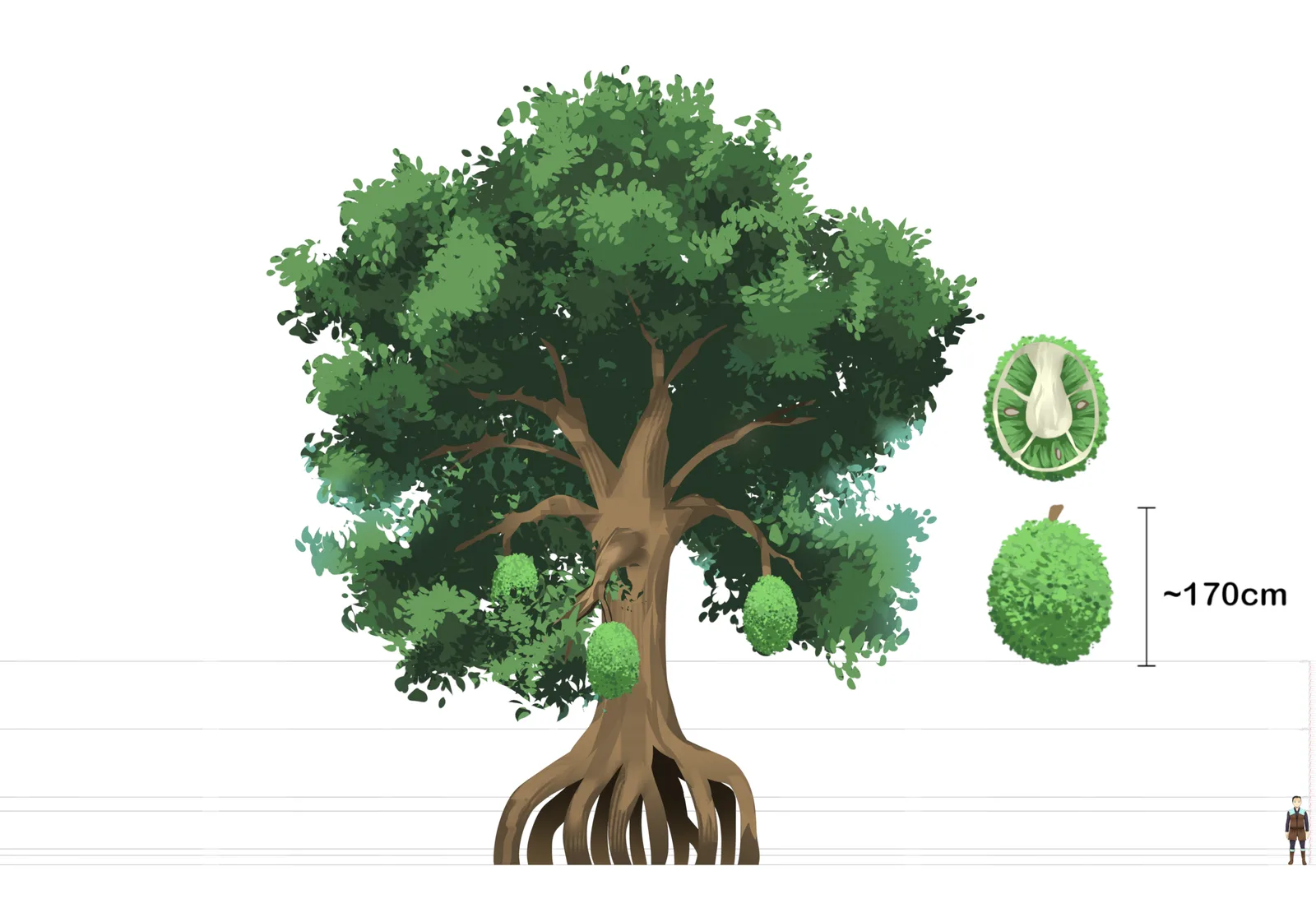
Le Greenbread est un fruit dangereux ! Pas parce qu'il est toxique, mais parce que, s'il te tombe dessus depuis l'arbre qui fait habituellement 15 mètres de haut, il transformera ton corps en la même consistance gélatineuse qu'un shapeshifter. Du moins s'il ne devient pas trop mûr et n'explose pas. Si c'est le cas, à peu près tout aux alentours sera couvert de gelée jaune doré et de graines qui pourriront ensuite, laissant une odeur proche du durian qui attirera beaucoup de faune, qui attirera à son tour beaucoup de bêtes. Chaque arbre n'a que trois ou quatre greenbreads suspendus à la fois, et il leur faut presque toute l'année pour atteindre une maturité parfaite, avec une consistance proche du jacquier Golden Nugget. Cependant, le goût est comparable à celui du melon pan, tandis que d'autres variétés présentent des saveurs plus proches de la banane mêlée à l'ananas. Les graines, elles, ont un goût de cacao une fois torréfiées. Le cœur restant du fruit est aussi un liant couramment utilisé pour fabriquer du bone wood ou de la colle.
Texte public : flora.md
Les coulisses · notes complètes
-
Description pour le site
- Greenbread is a dangerous fruit! Not because it is poisonous, but instead, if it falls on you from the usual 15-meter-tall tree, it will transform your body into the same jelly consistency as a shapeshifter. That is, if it doesn't overripe and explode. If it does, then pretty much everything in the vicinity will be covered in golden yellow goo and seeds and then decay, leaving a Durian-like smell that will attract a lot of fauna, which then attracts a lot of beasts. Each tree will have only three or four greenbreads hanging from it at a time, and they take most of the year to reach full ripeness, with a consistency close to that of Golden Nugget Jackfruit. However, the taste is comparable to melon pan, while other varieties have flavors closer to banana mixed with pineapple. The seeds, meanwhile, taste like cacao when roasted. The fruit's leftover core is also a binding agent commonly used for creating bone wood or glue.
-
Histoire isekai
- Huge tree that grows in the large forests around the Freeish Kingdom and Blood City.
- Produces a fruit that tastes like melon pan
- Only a few at a time, and it is hard to reach. Fruits are the size of humans.
- Its leaves have a tangy, chlorophyll-accented note.
- A staple product from Freeish Kingdown on its Greenbread fields.
-
Scientific History
- Jackfruit.
-
Habitat
- Forests in the south.
-
Economic Value
-
Greenbread Fruit
- Histoire isekai
- See above
- Référence visuelle
- See Item Visual Reference
- Histoire isekai
-
Dried Greenbread
- Histoire isekai
- Often done for food stock, selling to other kingdoms, baking into food, or as on-the-road snacks.
- Référence visuelle
- Histoire isekai
-
Greenbread Juice
- Histoire isekai
- Juicy!
- Référence visuelle
- Histoire isekai
-
Greenbread Hard Juice
- Histoire isekai
- Fermented Juice. A Fizzy drink with light melon flavor.
- The greenbread breadfruit's crust is cut and fermented for a few days.
- Référence visuelle
- Histoire isekai
-
Greenbread Roasted Beans
- Histoire isekai
- Tastes like chocolate. Each seed is ~2 cm in diameter
- Référence visuelle
- Histoire isekai
-
-
Tastes Like
- Soft, mildly sweet with a melon/honeydew mix of banana and pineapple.
-
Growth
- Takes several years to grow into a full tree.
- Produces throughout the year.
-
Capacités d'énergie de l'âme
- Interface
- Fruit
- Skills
- Explode when fully ripe.
- Interface
-
Référence visuelle

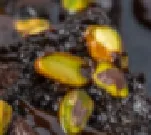
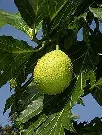
Hifuna Yabuca
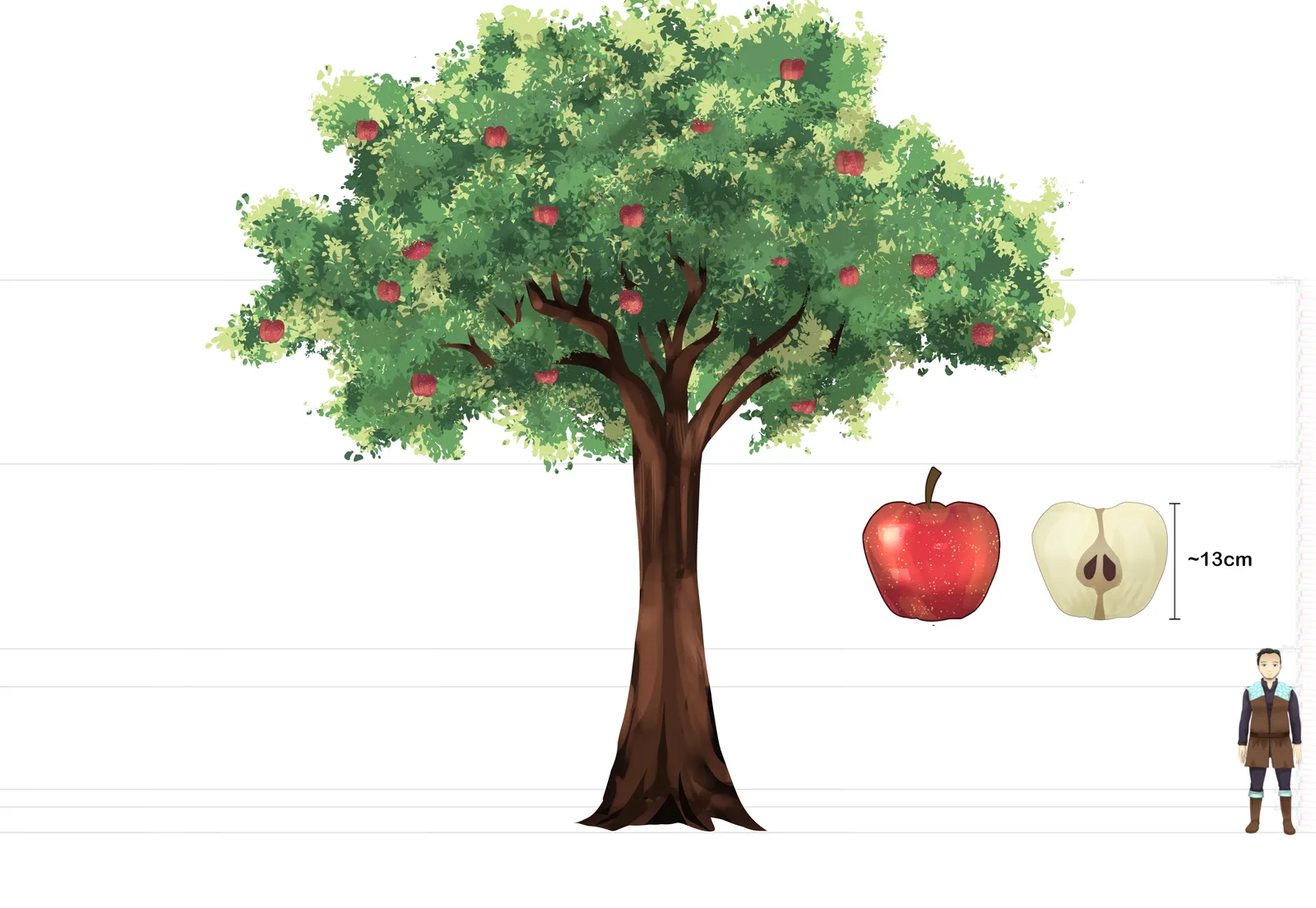
Voir Bêtes -> Hifuna People
Texte public : Website Description in Legacy/Behind The Scenes/World Lore/Flora.md
Les coulisses · notes complètes
-
Histoire isekai
- A further mutation from Wood Yabuca. Some call it the random fruit, since eating it can cause unpredictable effects on the user from the Walking Heartstone. Can send the person on a moody trip with emotions growing untamed. Can help in a desperate situation.
- If the person hits a “good” one, they will go berserk and rampage for days on before they pass out, if they don’t just drop dead. People who have done it in the past say the berserker feeling was like being in a trance, far better than any other nari gel.
- Forway banned its use due to the fatalities and character corruption that often occur.
- As big as ~26 cm
- A further mutation from Wood Yabuca. Some call it the random fruit, since eating it can cause unpredictable effects on the user from the Walking Heartstone. Can send the person on a moody trip with emotions growing untamed. Can help in a desperate situation.
-
Scientific History
- Ghost Apple
-
Habitat
- Hifuna.
-
Economic Value
-
Hifuna Yabuca Fruit
- Histoire isekai
- See Above.
- Référence visuelle
- See Item Visual Reference
- Histoire isekai
-
Hifuna Yabuca Concentrated Fruit
- Histoire isekai
- See Above. A concentrated form usually sold as a drinkable potion amongst adventurers going to Hifuna as a last option. Some use it more than they should.
- Référence visuelle
- See Item Visual Reference
- Histoire isekai
-
-
Tastes Like
- Like water mixed with hints of dirt. Plus a plasticky feel in the mouth that reminds me of mixing glue.
-
Growth
- Throughout the year.
-
Capacités d'énergie de l'âme
- Interface
- Aucun
- Skills
- Aucun
- Interface
-
Référence visuelle
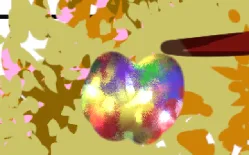
Lonllow
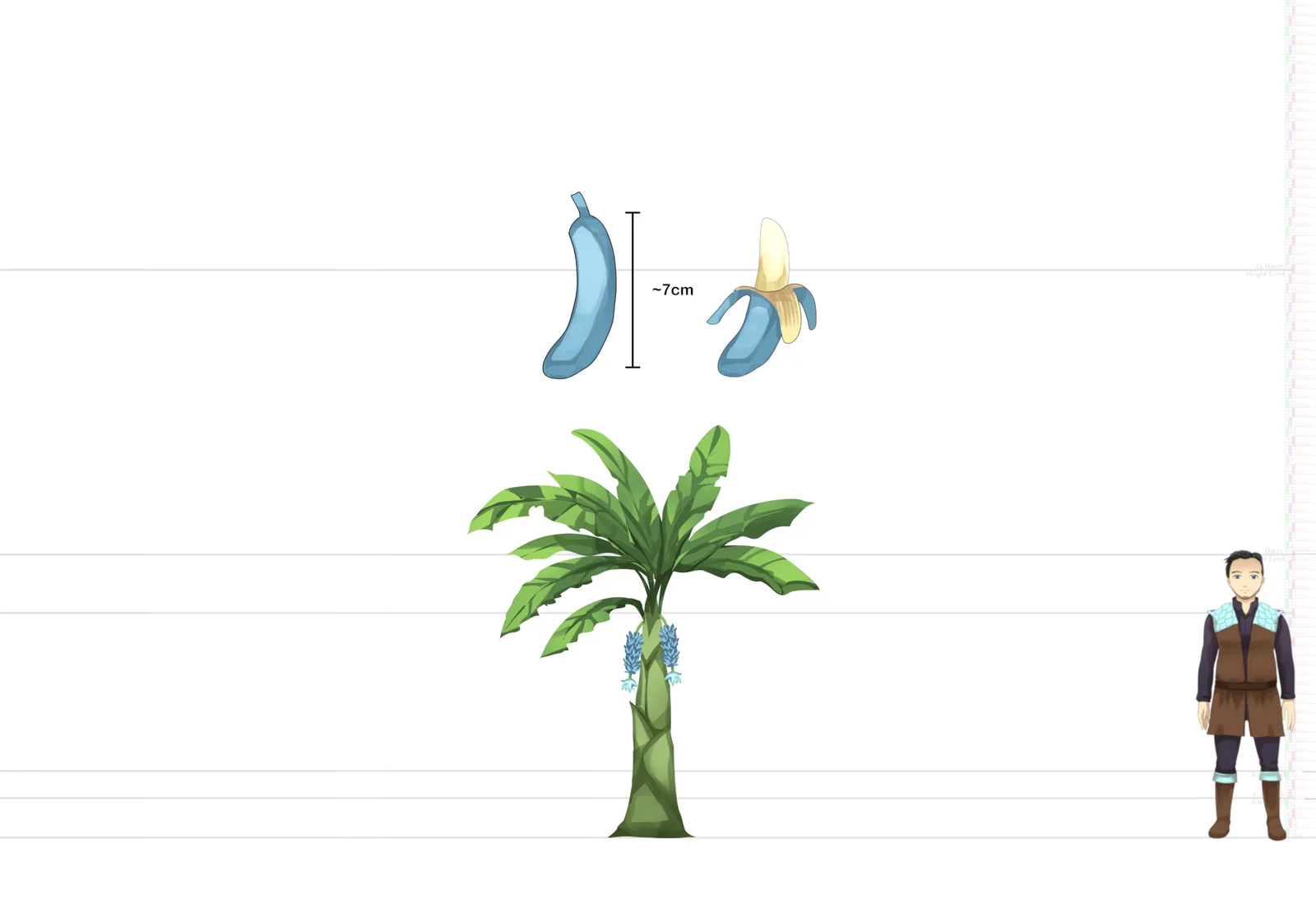
Le Lonllow est comme les Yabucas, dans le sens où il est sujet aux mutations, mais au lieu de créer de nouvelles variétés, elles aboutissent toutes au dépérissement de la plante. L'ancienne espèce des Buhraies lui a donné le nom de Lonllow après l'avoir créé en trafiquant leur interface de l'âme et en le mélangeant à différentes espèces. Les scientifiques pensent qu'ils essayaient de créer une plante à haute teneur énergétique et agréable à leur goût, mais ce fut un échec cuisant, laissant une plante très capricieuse à cultiver. Aujourd'hui, seules quelques familles ont compris ce qu'il faut pour la produire à grande échelle. Même ainsi, elles n'arrivent pas à suivre la demande. Les Sorefaries, à eux seuls, semblent presque devenir fous et dépenser toutes leurs boules rien que pour goûter la saveur de banane caramélisée de ce petit fruit bleuté.
Texte public : flora.md
Les coulisses · notes complètes
-
Description pour le site
- Lonllow is like Yabucas, which are prone to mutations, but instead of creating new variants, these mutations all result in the plant withering away. The Buhraies' ancient species gave the name Lonllow after they made it by tampering with their soul interface and mixing it with different species. Scientists believe they were trying to create a plant with high energetic content and palatable to their taste, but it failed harshly, leaving it a highly finicky plant to grow and farm. Now only a few families have figured out what is needed to produce them at a scale. However, they can't meet demand. Sorefaries alone seem to nearly go berserk and spend all their balls just to get a taste of the caramelly banana flavor from the small-looking bluish-looking fruit.
-
Histoire isekai
- Brought over by Buhraies while working with Summoning. Came after Yabucas, but it didn’t seem to be as successful. It is extremely finicky and picky to grow in farmland. Also, fragile even in the wild. Maybe that’s partly why Buhraies created a special environment for it by creating the endlessfog island.
- See Endlessfog for more info.
-
Scientific History
- Banana + Caramel flavor.
-
Habitat
- See above.
-
Economic Value
-
Lonllow Fruit
- Histoire isekai
- See above
- Référence visuelle
- See Item Visual Reference
- Histoire isekai
-
Dried Lonllow
- Histoire isekai
- Often done for food stock, selling to other kingdoms, baking in food, or on-the-road snacks.
- Référence visuelle
- Histoire isekai
-
Lonllow Juice
- Histoire isekai
- Kinda good. Better in vitamin shakes.
- Référence visuelle
- Histoire isekai
-
Lonllow Hard Juice
- Histoire isekai
- Fermented Juice
- Référence visuelle
- Histoire isekai
-
-
Tastes Like
- Banana
-
Growth
- Takes about 6 months for a harvest.
-
Capacités d'énergie de l'âme
- Interface
- Aucun
- Skills
- Aucun
- Interface
-
Référence visuelle
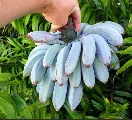 *Exterior only. Inside is the same as normal banana

Purplebread
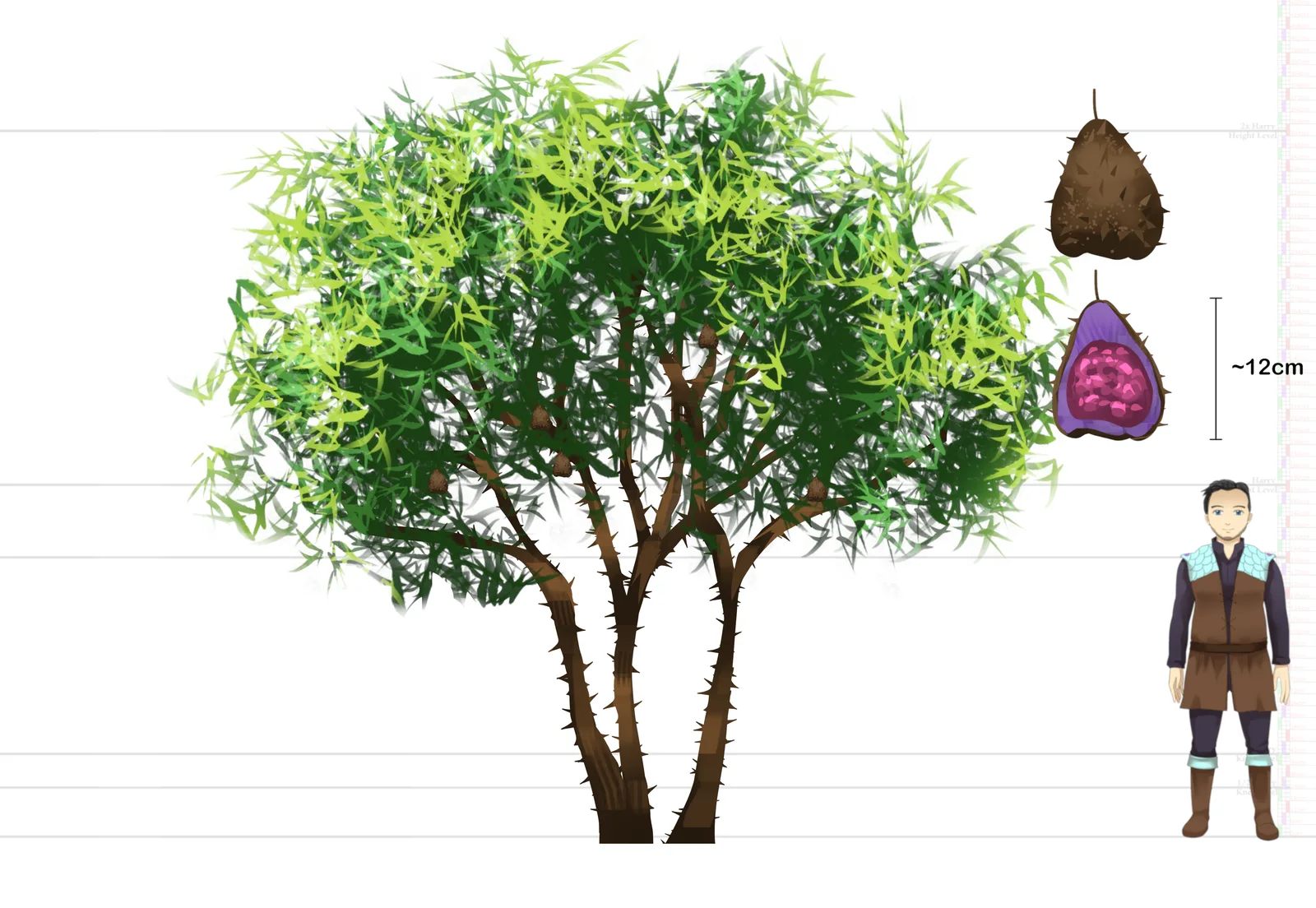
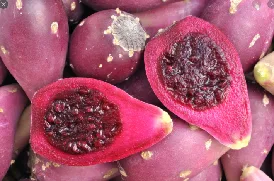
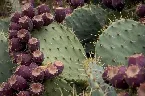
Le Purplebread est un aliment de base de Sundeath et des régions semi-arides voisines. Ce petit arbre, ou grande plante, a un tronc couvert de piquants et des feuilles pointues couvertes d'un liquide transparent et collant qui donne de l'urticaire seulement si l'on ne consomme pas son fruit. Le fruit qu'il porte est brunâtre et couvert de piquants poilus qui ne t'écorcheront pas la peau. Il n'a pas l'air très appétissant, surtout avec son odeur âcre qui rappelle le pet de quelqu'un qui a mangé trop d'œufs. Pourtant, les gens du coin, les aventuriers et les marchands connaissent un secret ! Il suffit de frotter le fruit sur le sable jusqu'à ce que la peau brunâtre soit lisse comme des fesses de bébé, et l'odeur disparaîtra ! En ouvrant le fruit, on découvre un intérieur rosé et gluant au goût entre la fraise et la framboise. La chair violette est plutôt fade, mais tu devrais quand même la manger, car elle est assez nourrissante, et c'est même indispensable si tu transpires à grosses gouttes.
Texte public : flora.md
Les coulisses · notes complètes
-
Description pour le site
- Purplebread is a staple food of Sundeath and the surrounding semi-arid regions. The small-sized tree, or large-sized plant, has a trunk covered in spikes and pointed leaves covered in a clear sticky fluid that causes hives solely if you don't consume its fruit. The fruit it bears is brownish and covered in hairy spikes that won't tear your skin. It doesn't look that appetizing, especially when paired with the pungent smell of a fart from someone who ate too many eggs. However, locals, adventurers, and merchants alike know a secret! Just rub the fruit on the sand until the brownish skin is smooth as a baby's butt, and the smell will disappear! Opening the fruit will reveal a pinkish-goopy interior that tastes between strawberry and raspberry. The purple flesh is kinda flavorless, but you should still eat it as it is pretty nutritious or a must if you sweat a bucket.
-
Histoire isekai
- A wild cactus-like tree that produces a smaller version of the greenbread, or at least in appearance.
- The brown shell smells pungent, like a fart of someone who ate too many eggs.
- If you rub it in the sand, it removes the smell and reveals the delectable interior.
-
Scientific History
- Prickly Pear taste
-
Habitat
- ~0km - ~1km
- Transitional zone of the desert
-
Economic Value
-
Purplebread Fruit
- Histoire isekai
- See above
- Référence visuelle
- Histoire isekai
-
Dried Purplebread
- Histoire isekai
- Often done for food stock, selling to other kingdoms, baking into food, or as on-the-road snacks.
- Référence visuelle
- Histoire isekai
-
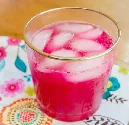
Purplebread Juice
- Histoire isekai
- Refreshing
- Référence visuelle
- Histoire isekai
-
Purplebread Hard Juice
- Histoire isekai
- Fermented Juice
- Référence visuelle
- Histoire isekai
-
-
Tastes Like
- Strawberry/Raspberry
-
Growth
- All year round
-
Capacités d'énergie de l'âme
- Interface
- Spikes
- Skills
- Grow Spikes
- Sweat induction
- Interface
-
Référence visuelle


Rakuja
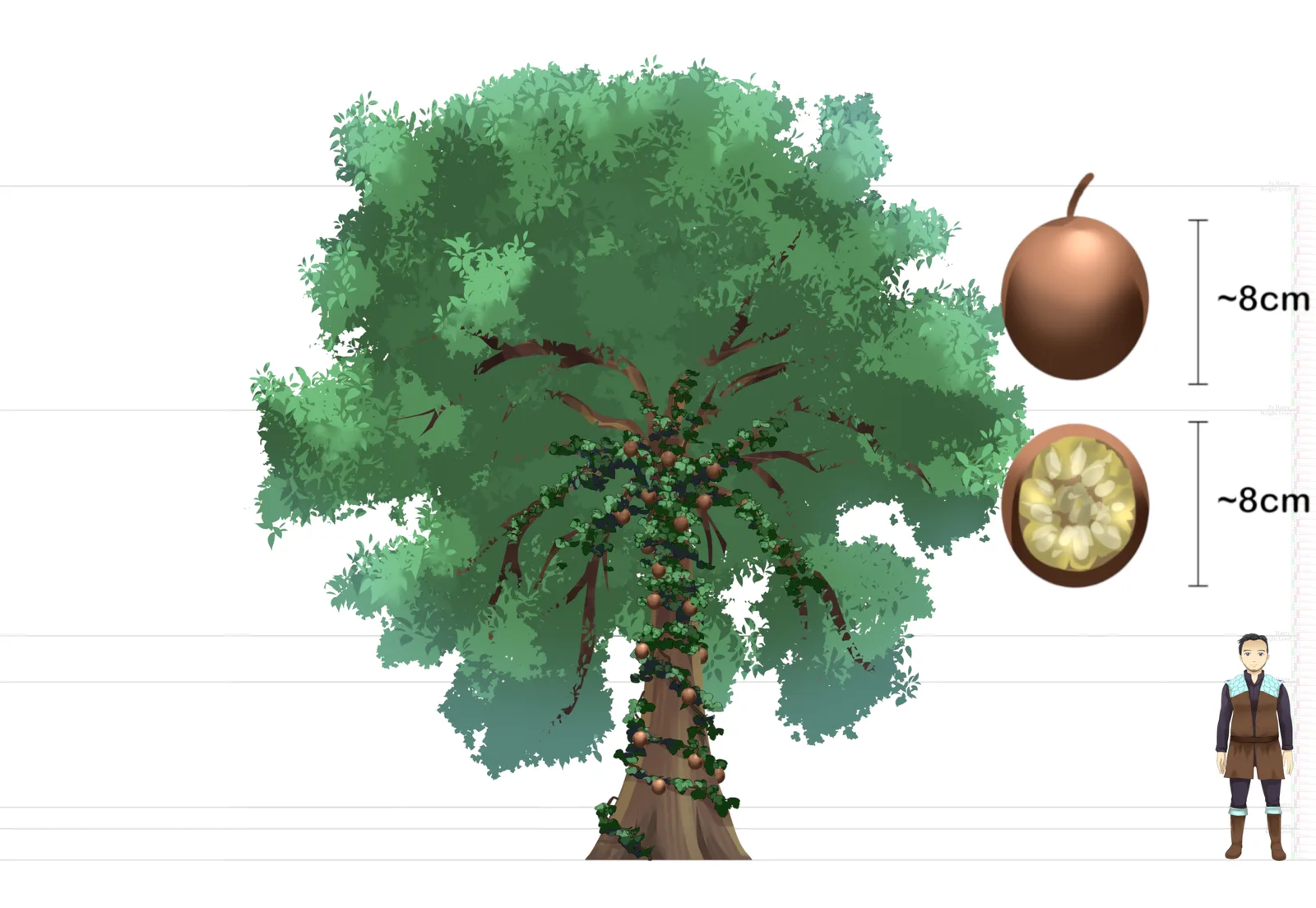
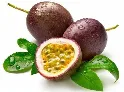
La Rakuja est une liane qui entretient souvent une relation symbiotique mutualiste avec les arbres qu'elle infeste. On ne la trouve que sous les climats plus froids, et elle aide les arbres hôtes en leur injectant un gel antigel qu'elle produit quand elle détecte des températures plus basses. Cette relation fonctionne très bien dans des régions comme Gandew, Fuhrair et Old Fuhrair. On ne peut pas en dire autant de Tolerideme, où les Wood People ont pris le contrôle des terres. La relation entre eux tourne toujours à l'amensalisme. Non seulement les scientifiques ont découvert que ce gel antigel est une excellente toxine pour tuer les Wood People, mais ces derniers ont aussi leurs propres lianes, qu'ils utilisent pour arracher et tuer toute Rakuja qui tente de pousser sur eux. Malgré tout, les gens bavent devant ces fruits au goût acidulé et piquant, aux notes d'agrumes et au parfum très aromatique ! Séchés ou non, on en trouve dans tous les royaumes, mais selon l'endroit, prépare-toi à cracher beaucoup de boules pour te remplir le ventre de Rakuja. Si tu n'as pas beaucoup d'argent, tu peux te contenter d'un peu de jus de Rakuja alcoolisé, qui te soûlera aussi.
Texte public : flora.md
Les coulisses · notes complètes
-
Description pour le site
- Rakuja is a vine that often forms a mutualistic symbiotic relationship with the trees it infests. Found only in colder climates, it helps host trees by injecting an antifreeze gel it produces when it detects lower temperatures. This relationship works well in regions such as Gandew, Fuhrair, and Old Fuhrair. The same can't be said of Tolerideme, where Wood People took over the land. The relationship between them always turns Amensalistic. Not only have scientists figured out that this antifreeze gel is an excellent toxin for killing Wood People, but they also have their own vines, which they use to remove and kill off any Rakuja that tries to grow on them. Nonetheless, people drool over the tangy, tart flavor of citrusy fruits and their heavy aromatic scent! Be it dried or not, you can find them across all kingdoms, but depending on where you are, be ready to fork over a lot of balls to fill up your belly on Rakuja. If you don't have much money, you can get your fix with some Rakuja hard juice that will get you drunk too.
-
Histoire isekai
- Vine that grows only at higher altitudes due to slightly colder climates.
-
Scientific History
- Maracuja
- Fruit is ~2x bigger
-
Habitat
- ~2km - ~4km
- Found naturally on the base of Fuhrair, Old Fuhrair, & Gandew. Sometimes Tolerideme as well, but it rarely works.
-
Economic Value
-
Rakuja Fruit
- Histoire isekai
- More of an expensive fruit in the Kingdom. Often enjoyed by higher classes. Not much in the wild.
- Référence visuelle
- See Item Visual Reference
- Histoire isekai
-
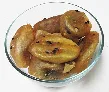
Dried Rakuja
- Histoire isekai
- Often done for food stock, selling to other kingdoms, baking in food, or on-the-road snacks.
- Référence visuelle
- Histoire isekai
-
Rakuja Juice
- Histoire isekai
- Refreshing Juice
- Référence visuelle
- Histoire isekai
-
Rakuja Hard Juice
- Histoire isekai
- Fermented Juice. Fizzy, less sweet, but less tart as well.
- Référence visuelle
- Histoire isekai
-
-
Tastes Like
- Tart flavor. Like as if a banana were crossbred with a lime alongside an orange.
- The seeds inside don’t add much flavor, but their crunchiness enhances the experience and mellows the tart a bit.
-
Growth
- It constantly produces Rakuja, but each vine takes ~3 months to yield ~400 units. They require a lot of fertilizer, especially fishmeal.
-
Capacités d'énergie de l'âme
- Interface
- Aucun
- Skills
- Aucun
- Interface
-
Référence visuelle

Tenderthrough
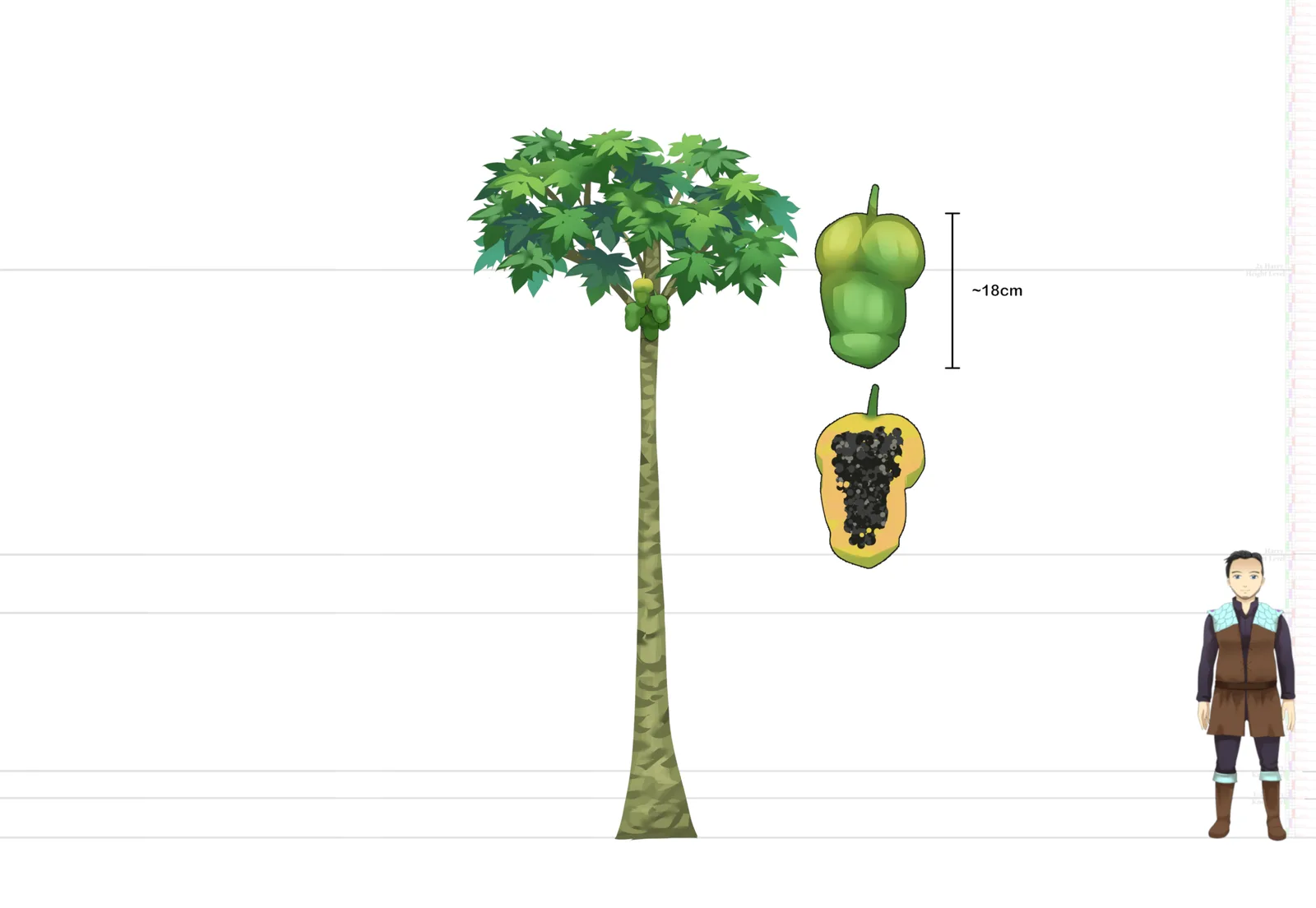
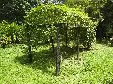
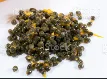
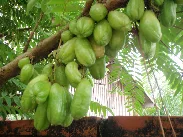
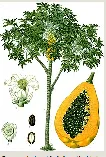
Tenderthrough est le nom que les humains ont donné à cet arbre fruitier à la forme particulière après s'être frayé un chemin dans les îles au sud-est de Sanbi et avoir exterminé l'espèce ancienne qui y vivait. Son goût est très proche de la papaye, et ses graines servent encore à purifier et soigner les intestins pour bien moins cher que le Body Restore ou d'autres interfaces. Il existe des plantations dans le Royaume de Freeish, mais elles n'ont pas aussi bon goût que celles des îles, alors bouge-toi les fesses et prends le prochain bateau pour les îles si tu veux goûter sa saveur la plus authentique !
Texte public : flora.md
Les coulisses · notes complètes
-
Description pour le site
- Tenderthrough is the name humans gave this peculiar-shaped fruit tree after penetrating the islands southeast of Sanbi and purging the ancient species that lived there. It tastes very close to papaya, and the seeds are still used to cleanse and heal one's guts far more cheaply than using Body Restore or other interfaces. There are plantations in the Freeish kingdom, but it just doesn't taste as good as the ones from the islands, so get your ass in the next boat to the islands if you want to experience its most authentic flavor!
-
Histoire isekai
- A local fruit that is found in the dense forests and on both islands.
- The name from Ancient Species got lost. So this name stuck because it is tender and goes right through.
-
Scientific History
- Papaya
-
Habitat
- See above.
-
Economic Value
-
Tenderthrough Fruit
- Histoire isekai
- See above
- Référence visuelle
- See Item Visual Reference
- Histoire isekai
-
Dried Tenderthrough
- Histoire isekai
- Often done for food stock, selling to other kingdoms, baking in food, or on-the-road snacks.
- *One should be careful if snacking on-the-go
- Often done for food stock, selling to other kingdoms, baking in food, or on-the-road snacks.
- Référence visuelle
- Histoire isekai
-
Tenderthrough Juice
- Histoire isekai
- Juicy!
- Référence visuelle
- Histoire isekai
-
Tenderthrough Hard Juice
- Histoire isekai
- Fermented Juice
- Référence visuelle
- Histoire isekai
-
Tenderthrough Seed
- Histoire isekai
- Used for getting rid of all kinds of worms and other ailments.
- Référence visuelle
- Histoire isekai
-
-
Tastes Like
- Papaya
-
Growth
- Takes a few years to bear fruit, then it does every summer
-
Capacités d'énergie de l'âme
- Interface
- Aucun
- Skills
- Aucun
- Interface
-
Référence visuelle

Wood Yabuca
Voir Bêtes -> Wood People
Texte public : Website Description in Legacy/Behind The Scenes/World Lore/Flora.md
Les coulisses · notes complètes
-
Histoire isekai
- A large variant from Yabuca fruit, caused when Buhraies mutated Wood People from Yabuca trees.
- As big as ~26 cm
-
Scientific History
- Birgit Bonnier Apples
-
Habitat
- ~1km - ~2km
- Buhraies Plains.
-
Economic Value
-
Yabuca Fruit
- Histoire isekai
- See Above
- Référence visuelle
- See Item Visual Reference
- Histoire isekai
-
Wood Dried Yabuca
- Histoire isekai
- Often done for food stock, selling to other kingdoms, baking in food, or on-the-road snacks.
- Référence visuelle
- Histoire isekai
-
Wood Yabuca Juice
- Histoire isekai
- Refreshing
- Référence visuelle
- Histoire isekai
-
Wood Yabuca Hard Juice
- Histoire isekai
- Fermented Juice
- Référence visuelle
- Histoire isekai
-
-
Tastes Like
- Slightly sweet, fleshy with a taste similar to Raspberry and apples.
-
Growth
- Throughout the year.
-
Capacités d'énergie de l'âme
- Interface
- Aucun
- Skills
- Aucun
- Interface
-
Référence visuelle


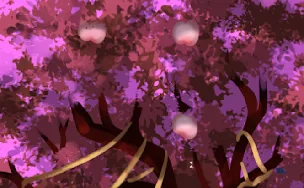
Yabuca
Le fruit de la Yabuca désigne aujourd'hui une variété précise et convoitée appelée Jonabuca, créée par une famille de scientifiques en greffant les meilleures propriétés des milliers de variétés sauvages, car l'arbre de Yabuca semble bien trop disposé à muter. Certains croient qu'un éternuement près d'un semis suffit à changer le profil de goût des futurs fruits en goût de morve, ce qu'un scientifique a plus tard confirmé, après avoir consacré bien trop de temps à une entreprise aussi précise.
La très convoitée variété Jonabuca est cultivée intensivement dans le Royaume de Freeish pour sa saveur de pomme toujours sucrée et sa texture croquante. Certaines des autres variétés sont encore considérées comme savoureuses, et certains jurent même qu'elles sont meilleures que la Jonabuca ! Ces différentes variétés ont souvent plusieurs goûts ou textures, des rendements irréguliers, ou ont l'air, voire sont carrément, peu appétissantes—un arbre de Yabuca tristement célèbre en est l'exemple parfait, après avoir poussé près de latrines et s'être mis à produire des Yabucas qui avaient littéralement un goût de merde. Quoi qu'il en soit, quiconque a des boules en trop dans les poches les crachera pour obtenir plutôt la variété convoitée et y planter les dents. C'est exactement comme dit la pub placardée sur la boutique de fruits : « Si c'est pas de la Jonabuca, c'est pas de la Yabuca ! »
Texte public : flora.md
Les coulisses · notes complètes
-
Description pour le site
- Nowadays, Yabuca fruit refers to a specific, coveted variety named Jonabuca, created by a family of scientists by grafting the best traits of thousands of wild types, as the Yabuca tree is highly prone to mutation. Some believe a sneeze around a seedling is enough to change the flavor profile of the future fruits to snot, which a scientist later confirmed was indeed the case after investing way too much time in such a specific endeavor.
- The highly coveted variety Jonabuca is farmed intensively in the Freeish kingdom for its consistently sweet, appley flavor and crispy texture. Some of the other types are still considered tasty, with some people swearing they are better than Jonabuca! These different variants often have multiple tastes or textures, are inconsistent in their yields, or look or are straight-up unappetizing—with a notorious Yabuca tree being the perfect example after it sprouted by an outhouse and began producing Yabucas that literally tasted like shit. Regardless, anyone with extra balls in their pocket will fork over to get the coveted variety rather than sink their teeth into it. It's just like the ad plastered over the fruit shop that says, "If it ain't Jonabuca, then it ain't Yabuca!"
-
Histoire isekai
- A wild fruit popular among adventurers, known for its tendency to mutate in the wild and create some variants. Its flavor is unlike anything else in this world, almost as if it didn’t belong there.
- Buhraies brought it to life using genetic engineering. The main variety they brought remains the most popular and most resistant. The second is Wood Yabuca. Many species exist in the wild, but some fear it will eventually reduce the fruit variety to only Yabucas.
-
Scientific History
- Cosmic apples (the main variety)
-
Habitat
- ~0km - ~1km
- Everywhere in terms of breeds, but the Yabuca that people want is only found in the south, where it is farmed intensively.
- Yabuca variety (also referred to as the traditional variety) is farmed in the Freeish Kingdom.
-
Economic Value
-
Yabuca Fruit
- Histoire isekai
- See Above
- Référence visuelle
- See Item Visual Reference
- Histoire isekai
-
Dried Yabuca
- Histoire isekai
- Often done for food stock, selling to other kingdoms, baking in food, or on-the-road snacks.
- Référence visuelle
- Histoire isekai
-
Yabuca Juice
- Histoire isekai
- Refreshing
- Référence visuelle
- Histoire isekai
-
Yabuca Hard Juice
- Histoire isekai
- Fermented Juice
- Référence visuelle

- Histoire isekai
-
-
Tastes Like
- Slightly sweet, fleshy, with carrot notes.
-
Growth
- Throughout the year.
-
Capacités d'énergie de l'âme
- Interface
- Aucun
- Skills
- Adrenaline Inducer
- Interface
-
Référence visuelle


Arbres non fruitiers
Black Sapphire Tree
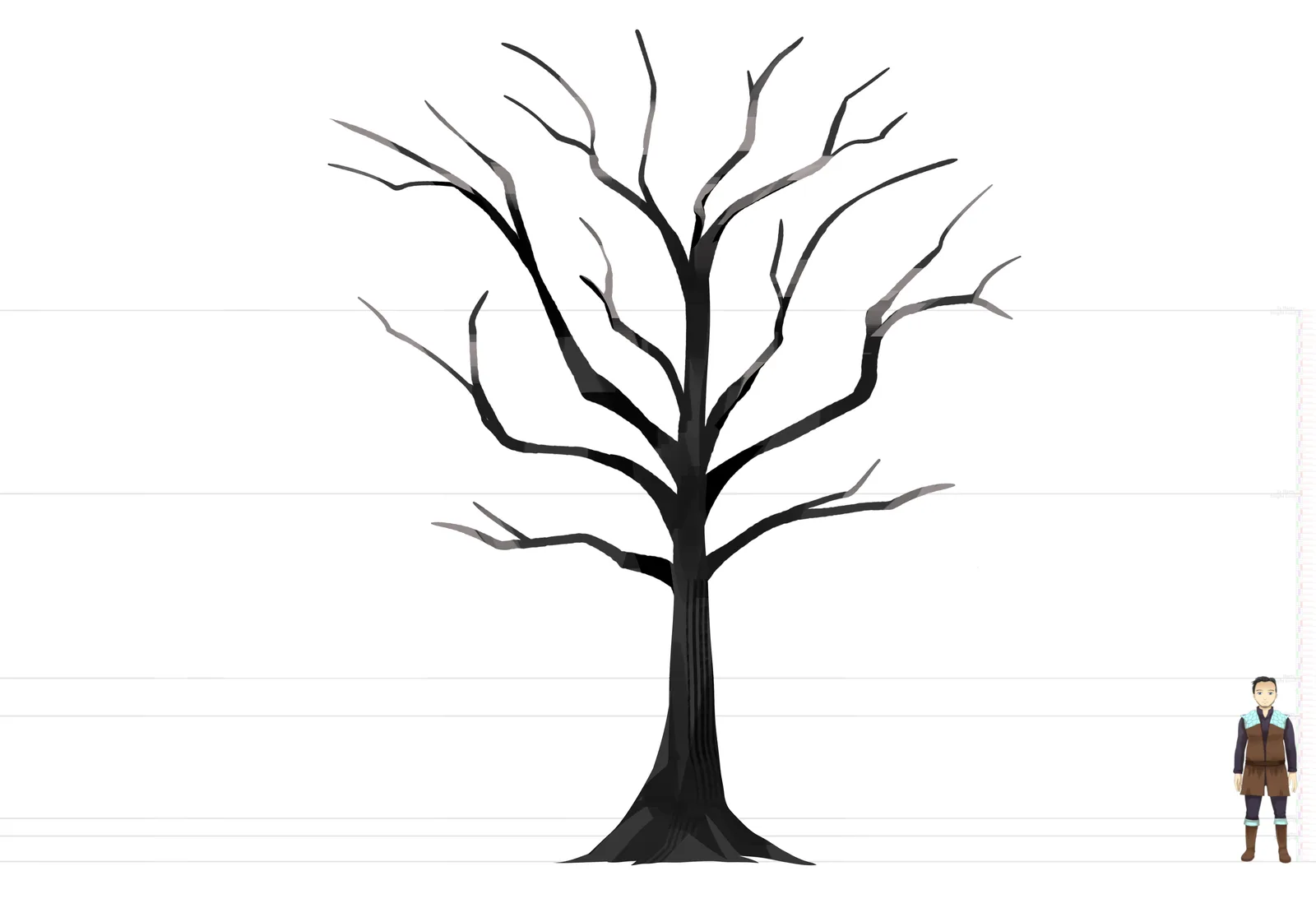
Le Black Sapphire, alias bois noir, est aujourd'hui une espèce gravement menacée, un seul arbre se vendant une boule sapphire ou plus sur le marché libre. Les scientifiques cherchent encore à comprendre exactement comment il survit sans feuilles et se multiplie sans produire de graines, mais ils ont un indice solide, car les abords de ces arbres sont toujours stériles, dépourvus de vie. Plus un de ces arbres vit longtemps, plus la zone sans vie autour de lui s'agrandit. De vieux récits d'avant la chute de Ganyrami disaient que quand l'un de ces arbres devenait assez grand, on pouvait sentir un malaise s'installer rien qu'en se tenant près de lui. Usurper et stocker l'énergie de l'âme est sans aucun doute au cœur des propriétés de cet arbre, car son bois parfaitement noir peut empêcher les fuites d'énergie de l'âme comme aucun autre arbre, mieux encore que le soul tree lui-même. Et ce n'est pas tout : le bois qu'il produit est aussi dur que le diamant, et il faut les outils les plus chers et les plus puissants pour traiter un seul arbre.
Texte public : flora.md
Les coulisses · notes complètes
-
Description pour le site
- Black Sapphire, a.k.a black wood, is now a highly endangered species, with a single tree fetching a sapphire ball or more in the open market. Scientists are still determining exactly how it survives without leaves and multiplies without bearing seeds, but they have a strong hint, as the surroundings of one of these trees are always barren, devoid of life. The longer one of these trees lives, the bigger the lifeless area around it becomes. Old tales from before the fall of Ganyrami stated that when one of those trees grew large enough, one could feel a malaise taking over just by standing around it. Usurping and storing soul energy is definitely at the core of this tree's properties, as its perfectly black wood can prevent soul energy leakage like no other tree, even better than the soul tree itself. Not only that, the timber it produces is as tough as diamonds, requiring the most expensive and intense tools to process a single tree.
-
Histoire isekai
- Highly sought after, a single small or medium tree can be as costly as a whole sapphire. Because of that, it has been driven to near extinction.
- Some believe it was an attempt by the ancient species Buhraies to screw with either the Lishies, or the humans that hid in the forest, or both. Some scientists believe it was a soul energy storage device instead. Buhraies were seeding around for a future full-force invasion that never happened because it looks like a dead tree, and it soaks up soul energy from its surroundings.
- More commonly known today as black wood.
-
Scientific History
- Dalbergia melaxylon
-
Habitat
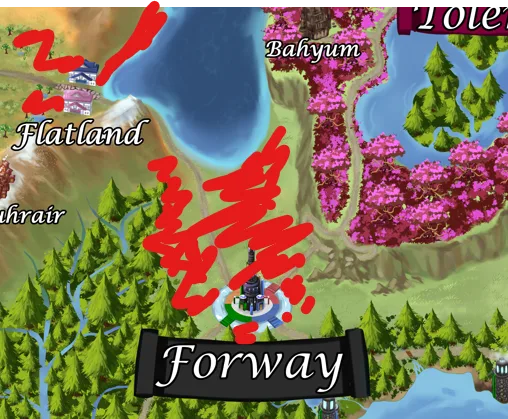
- Rarely found between Flatland and Forway. Virtually always found as lone trees, and never found amongst other trees.
-
Economic Value
-
Soul Wood
- Histoire isekai
- Has a dark color to it, and is dense
- Used often with Nari stones, sigils, and containers holding soul energy to prevent Soul Energy leakage
- Référence visuelle
- Histoire isekai
-
-
Tastes Like
- wood.
-
Growth
- Slowly growth. Nobody knows exactly how it reproduces or finds a new place to appear. Some guesses are that they are interconnected somehow, like a fungus
-
Capacités d'énergie de l'âme
- Interface
- Black Wood
- Skills
- Soul energy leech.
- Interface
-
Référence visuelle
*

Soul Tree
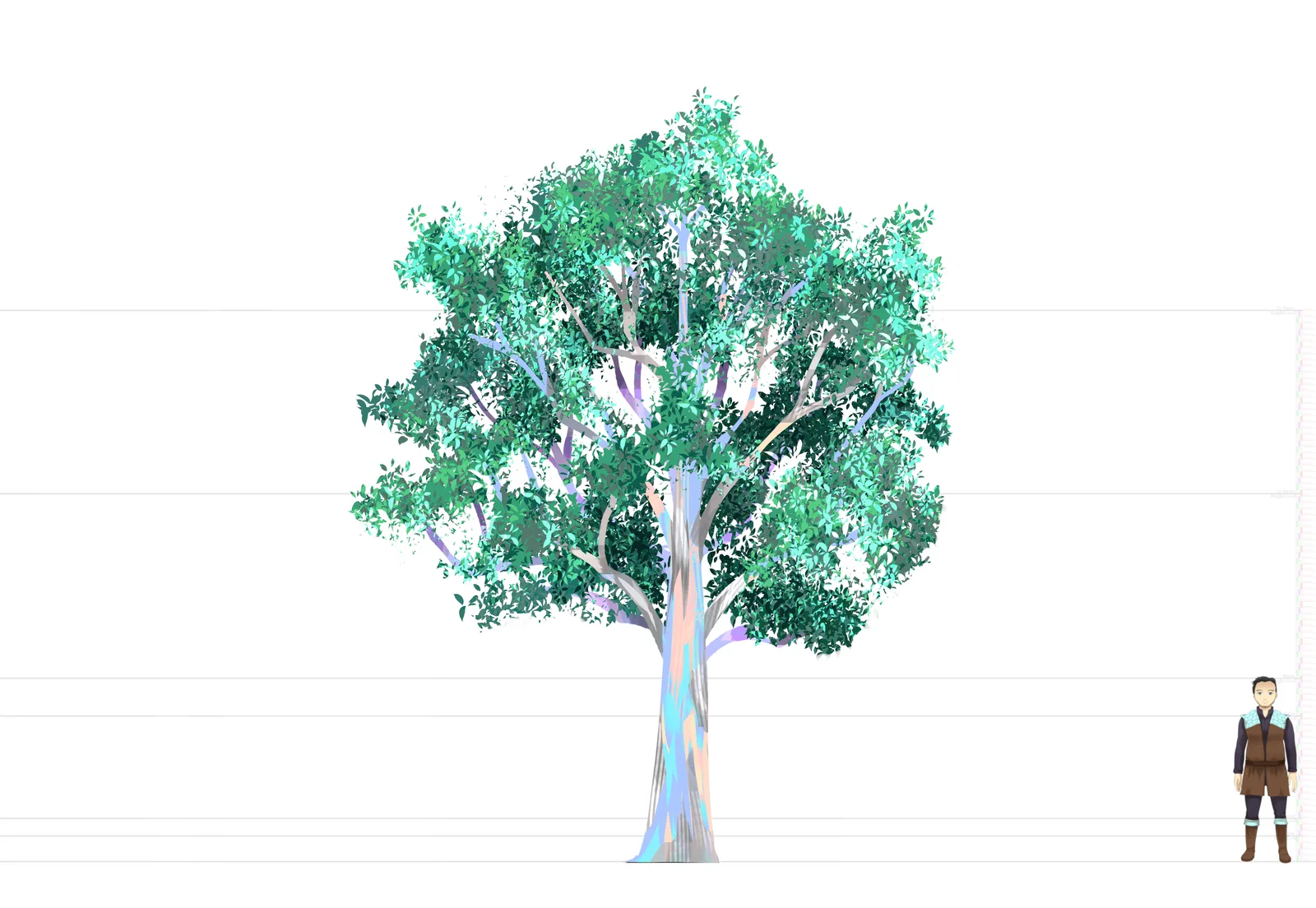
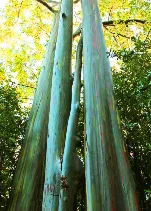
Le Soul Tree est l'arbre le plus connu des quatre royaumes. Son écorce brillante à l'aspect métallique est unique, tout comme son bois vert et coloré une fois coupé. Le bois vert a des propriétés plus ou moins semblables au black sapphire pour empêcher les fuites de l'âme, mais il est loin d'avoir la même dureté. Pourtant, il est bien plus disponible et n'a pas cet impact qui fait dépérir la terre ! Plusieurs pépinières autour du Royaume de Freeish lui sont consacrées, car la demande est toujours au plus haut, à des fins décoratives comme pratiques. Les soul trees sont aussi courants à l'état sauvage, même s'il te faudra composer avec les trunk people qui y sont attachés, car ils ne se laissent pas faire sans combattre.
Texte public : flora.md
Les coulisses · notes complètes
-
Description pour le site
- Soul Tree is the best-known tree across all four kingdoms. Its shiny, metallic-looking bark is unique, and so is its colorful green timber when cut. The green wood has similar-ish soul leakage-prevention properties to black sapphire, but it doesn't even come close to the same toughness. Still, it's far more readily available and doesn't have the land-decaying impact! Several tree nurseries around the Freeish kingdom are dedicated to it, as demand is always at an all-time high, for both decorative and practical purposes. Soul trees are common in the wild, too, albeit you will have to deal with the trunk people attached to it as they won't go down without a fight.
-
Histoire isekai
- Has a deep green interior, with the bark rather metallic/shiny.
- They are an example of flora that somehow escaped the isekai world and ended up back on IRL. Buhraies were mucking around with the idea of dispatching things into the soul realm, and that’s how this tree made its way into IRL.
- Trunk people love this tree!
-
Scientific History
- Eucalyptus deglupta
-
Habitat
- Found around Blood City and Freeish. Not really found elsewhere in the kingdoms. They are lone trees that sprout up from small colorful seeds. Tunk people love to live on them.
-
Economic Value
-
Soul Wood
- Histoire isekai
- Used often with Nari stones, sigils, and containers holding Soul Energy to prevent Soul Energy leakage.
- Référence visuelle
- Histoire isekai
-
Soul Wood Seeds
-
Histoire isekai
- Used in Nari gels or consumed on their own to provide caffeine. It tastes kinda bitter at first, then it gets slightly sweeter and develops a nutmeg and vanilla-like taste as you keep sucking on it.
-
Référence visuelle
-
Grounded Soul Wood
- Histoire isekai
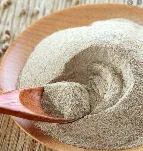
- Often used in spices to add a nutmeg/vanilla-like taste.
- If the seeds are baked, the vanilla taste disappears and makes the nutmeg far stronger; when added in large quantities, it can have antiseptic properties.
- Is basically the world's coffee.
- Often used in spices to add a nutmeg/vanilla-like taste.
- Référence visuelle
- Histoire isekai
-
-
-
Tastes Like
- Lettuce with black pepper, salt, garlic, onion & jalapeno
-
Growth
- Leaves fall every Fall. Tree grows slightly as well.
-
Capacités d'énergie de l'âme
- Interface
- Aucun
- Skills
- Barrier Shield
- Light Up
- Absorb water
- Interface
-
Référence visuelle

Tastyleaf
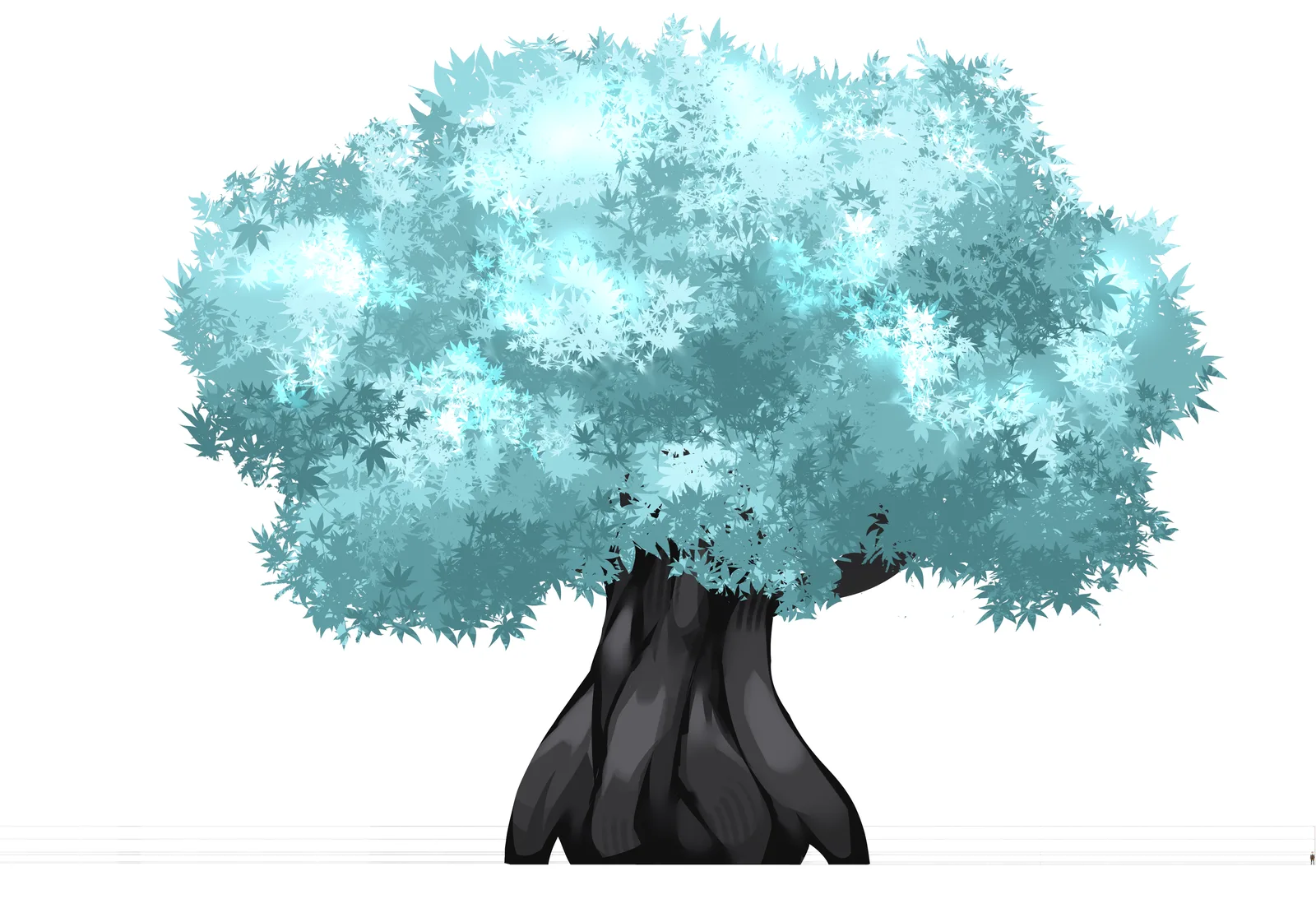
Le Tastyleaf est un arbre absolument mega chungus, d'environ 104 mètres de haut, avec une circonférence qui dépasse à elle seule les 40 mètres. Aucun autre arbre n'approche même sa taille ni ses propriétés. Il a été découvert dans ce qui devait être un jardin pas si secret par l'une des premières tribus d'humains à avoir fui les Buhraies plains. Les récits de cette histoire se sont transmis oralement, si bien que les versions divergent : les humains ont-ils tué les Buhraies propriétaires du jardin et pris le contrôle avant qu'ils ne puissent appeler à l'aide, ou le jardin était-il simplement abandonné ? Quoi qu'il en soit, cet arbre a offert aux humains un refuge contre les bêtes et la faune affamées, car il a des propriétés lumineuses semblables à la fost stone, y compris le fait de s'illuminer quand il pleut et de repousser les bêtes et la faune.
Le hic, c'est qu'il ne produit pas de graines, et que les greffes ne marchent pas non plus, donc c'est aujourd'hui un arbre très protégé par les habitants et par Forway. Pourquoi Forway ? Parce que les feuilles sont aussi délicieuses ! De l'épaule de Bagarisa fumée et effilochée garnie de feuilles dans du pain dur de gyut en est la preuve ! Les feuilles ont la texture de la laitue, avec un profil de goût qui oscille entre poivre noir, sel, ail, oignon, jalapeño et curry vert—les saveurs varient selon la récolte, l'âge de la feuille et l'endroit où elle est cueillie, à tel point que certains consacrent toute leur vie et leur expertise à ce métier. Sauf que les feuilles pourrissent vite, alors quiconque est hors de Tastyleaf ne goûte que la version séchée et moulue des feuilles, une épice populaire vendue dans tous les royaumes.
Texte public : flora.md
Les coulisses · notes complètes
-
Description pour le site
- Tastyleaf is an absolute mega chungus of a tree, measuring about 104 meters tall, with girth alone in the upper 40 meters. No other tree comes even close to its size or properties. It was discovered inside what had to be a not-so-secret garden by one of the first human tribes that fled the Buhraies plains. Accounts of that history were passed down orally, so narratives diverged on whether humans killed the Buhraies garden owners and took over before they could call for help, or if it was simply abandoned instead. Either way, this tree granted humans a sanctuary against the hungry beast and fauna, as it has similar light properties to fost stone, including lighting up when it rains and repelling them. The caveat is that it doesn't produce seeds, and trying to graft doesn't work either, so now it is a highly protected tree by locals and Forway. Why Forway? Because the leaves are also delicious! Shredded smoked Bagarisa butt meat topped with leaves in hard gyut bread is proof of that! The leaves have a lettuce texture with a flavor profile on a spectrum between black pepper, salt, garlic, onion, jalapeno, and green curry—the flavors vary depending on the harvest, leaf age, and where it is picked, leaving some people to dedicate their whole lives and expertise to this trade. Except for the leaves, which rot quickly, leaving anyone outside Tastyleaf to taste only the dried, ground-up version of the leaves, a popular spice sold across all kingdoms.
-
Histoire isekai
- An incredibly girthy and tall tree measuring 104 meters tall and a diameter of about 45 meters.
- It has white leaves that fall every Fall. No seeds or spores are generated, and stem cuttings do not seem to work as they never grow.
- The tree also lights up when it rains and helps keep beasts from Hifuna away from their settlement.
- Some people say it’s an offshoot of Wood People, and it listens and reacts to its surroundings, especially feelings. However, not everyone agrees with it.
-
Scientific History
- Linden (The tilia family)
-
Habitat
- TastyLeaf. Single massive tree.
-
Economic Value
-
Fresh Leaves
- Histoire isekai
- Often used in Sandwiches. Leaves don’t last as long if not dried, so this treat is only available fresh in Tastyleaf.
- Référence visuelle
- Histoire isekai
-
Grounded TastyLeaf
- Histoire isekai
- Often used in spices. The leaves are dried and grounded, which allows them to last much longer.
- Référence visuelle
- Histoire isekai
-
-
Tastes Like
- Lettuce with black pepper, salt, garlic, onion, jalapeno & green curry.
-
Growth
- Leaves fall every Fall. The tree grows slightly as well.
-
Capacités d'énergie de l'âme
- Interface
- Aucun
- Skills
- Barrier Shield
- Light Up
- Absorb water
- Interface
-
Référence visuelle

Arbustes
Basi
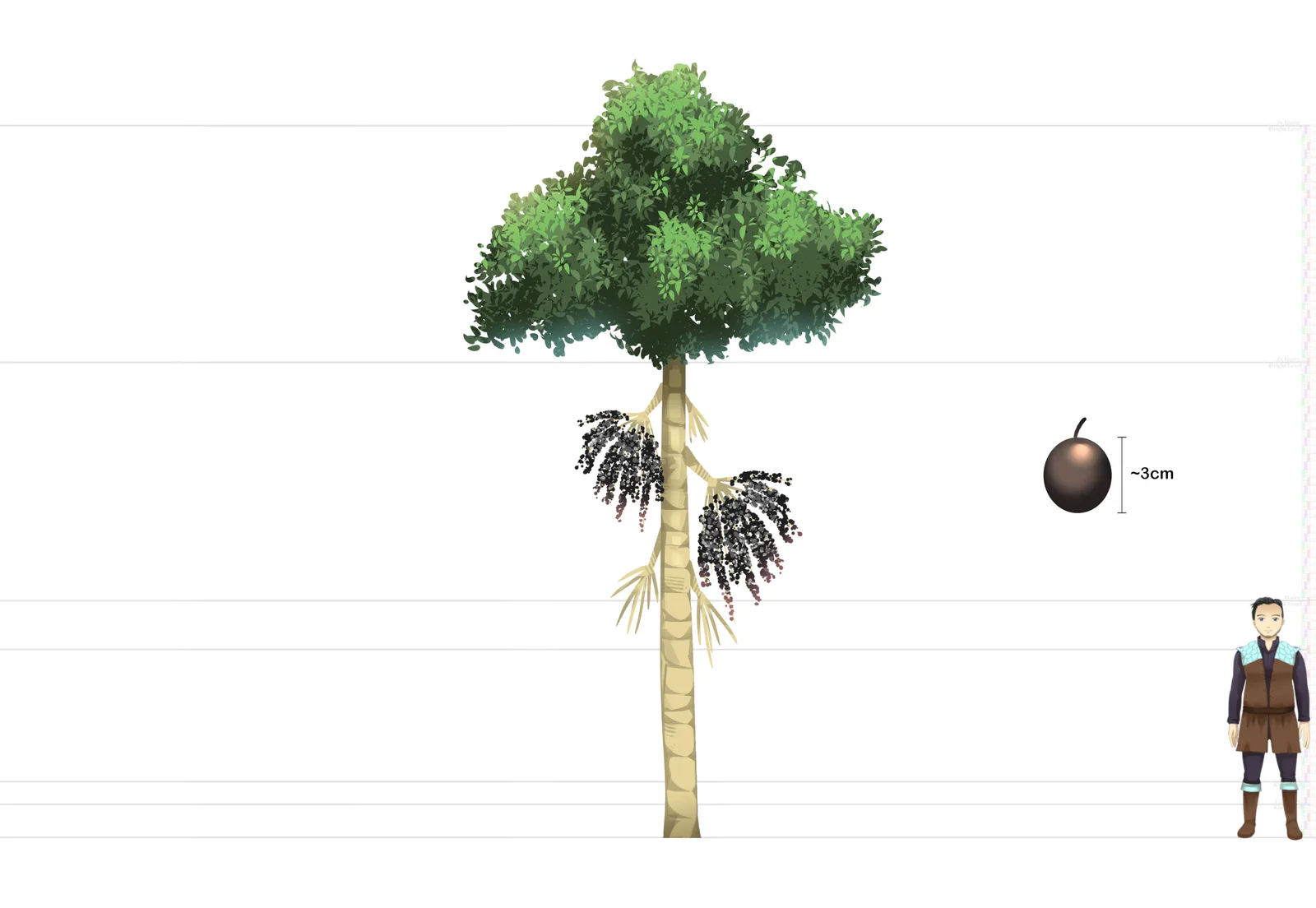
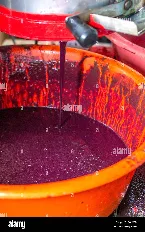
Les baies de Basi sont récoltées puis battues mécaniquement pour séparer la chair en une pulpe épaisse semblable à de la vaseline. Cette pulpe sombre et épaisse a un goût terreux et légèrement amer, proche d'un mélange de chocolat noir à 80 % et de mûre avec une pointe d'airelle rouge, et c'est un aliment de base du Royaume de Freeish. Là-bas, les gens en mangent littéralement avec tout, l'associant à du poisson grillé ou frit, à de la viande séchée, et en y ajoutant même du sucre et des glaçons pour la manger en dessert. Elle est aussi très riche en fibres, ce qui explique pourquoi le Royaume de Freeish s'arrête pratiquement pendant un moment après le déjeuner et le dîner ! Les autres royaumes ne partagent sans doute pas beaucoup cette cuisine, car la pulpe de basi n'est bonne que fraîche, et dès qu'on la réfrigère ou qu'on la congèle, le goût se dégrade jusqu'à avoir un goût de terre.
Texte public : flora.md
Les coulisses · notes complètes
-
Description pour le site
- Basi berries are gathered and then mechanically beaten to separate the flesh into a thick pulp, akin to petroleum jelly. The dark, thick pulp comes with an earthy, slightly bitter taste akin to mixing 80% dark chocolate and blackberry with a tinge of red huckleberry, and it's a food staple on Freeish Kingdom. Folks over there eat it with literally everything, pairing it with grilled or fried fish, dried jerky, and even adding sugar and ice cubes and eating it as a dessert. It is also quite heavy on fiber, which explains why the Freeish Kingdom basically grinds to a halt for a bit after lunch and dinner! Other kingdoms likely don't partake much in that cuisine as the basi pulp only tastes good fresh, and as soon as you refrigerate or freeze it, the flavor breaks down to tasting like dirt.
-
Histoire isekai
- Bushy plant that grows in the wild, or farmed intensively in Freeish.
-
Scientific History
- Acai (but as a bushy plant instead.)
-
Habitat
- More often found in the south, near Freeish. Farmed heavily over there. Other kingdoms don’t seem to really partake on it.
-
Economic Value
-
Basi Berries
- Histoire isekai
- It takes 4 hours to strip a bush tree of all its berries, yielding between 1 and 2 kg of acai berries.
- Things can be halved/speeden up if you use a shaker.
- Each berry is about the size of a fingertip and needs to be separated from the hair-like structure.
- It takes 4 hours to strip a bush tree of all its berries, yielding between 1 and 2 kg of acai berries.
- Référence visuelle
- See Item Visual Reference
- Histoire isekai
-
Basi Pulp
- Histoire isekai
- Separating the pulp from the fruit. It’s a thick paste.
- Eaten with both salty or sweet stuff.
- Référence visuelle
- Histoire isekai
-
-
Tastes Like
- Acai. Earth, slightly bitter, like mixing pomegranate with strong dark chocolate.
-
Growth
- One bush produces ~1kg of berries per harvest season.
-
Capacités d'énergie de l'âme
- Interface
- Aucun
- Skills
- Aucun
- Interface
-
Référence visuelle
Gyut
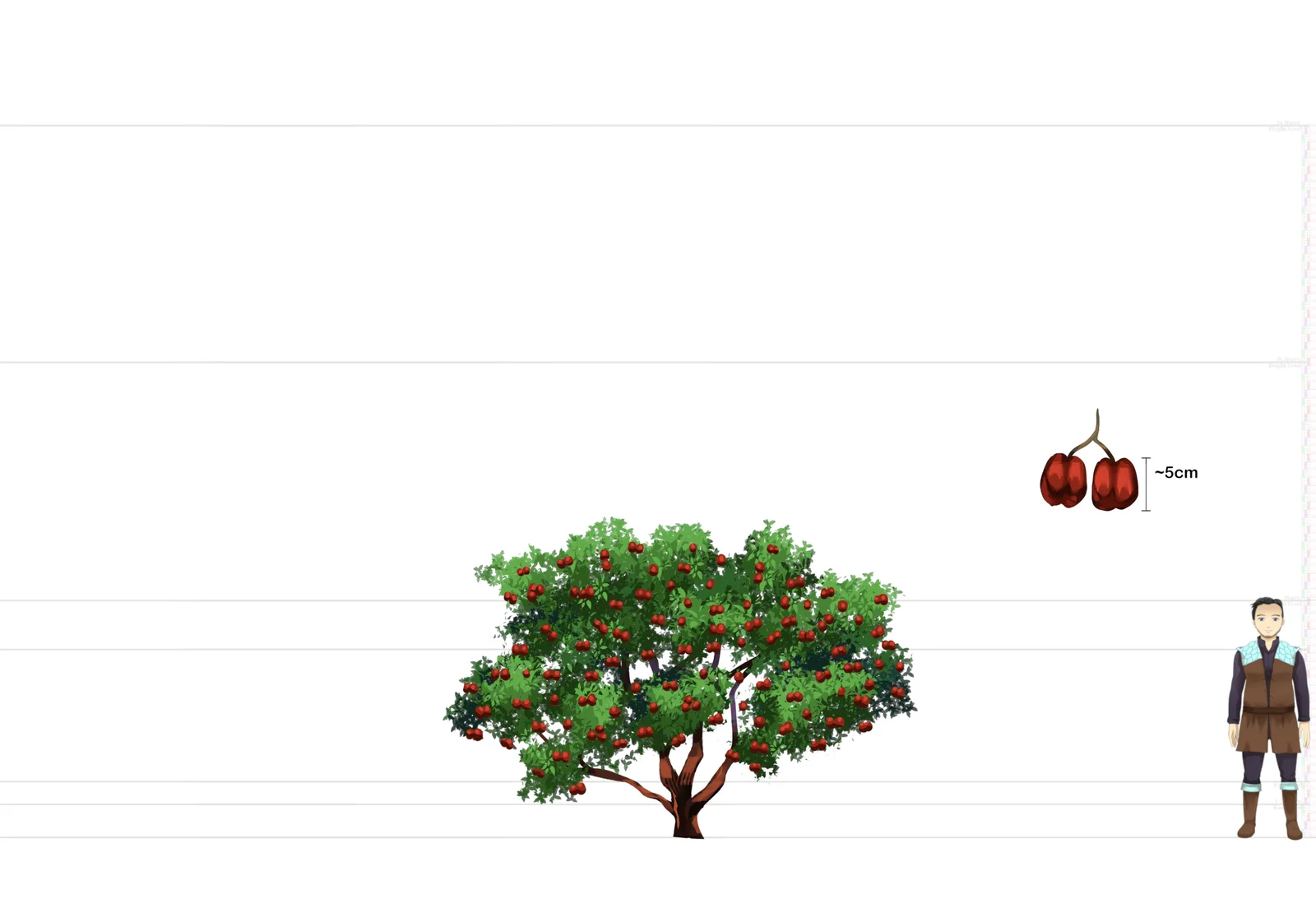
Le Gyut a été considéré comme un bien de base par les responsables de Forway, qui ont établi la valeur d'une seule boule pearl à un Bagabone (environ un kg) de gyut fraîchement cueilli. Son goût sucré-acidulé ressemble à de la cerise mêlée de canneberges, et les pommes granny smith sont les préférées dans tous les royaumes, et aussi de la faune. Certains restaurants ne nourrissent leur bétail que de gyut, pour sa remarquable capacité à rendre la viande plus sucrée, lui donnant un caractère caramélisé quand elle est rôtie à la flamme.
Texte public : flora.md
Les coulisses · notes complètes
-
Description pour le site
- Gyut was considered a staple good by Forway officials, who established the value of a single pearl ball as equal to one Bagabone (about 1 kg) of freshly picked gyut. Its sweet-tart, acidic taste resembles cherries mixed with cranberries, and Granny Smith apples are a favorite among the kingdoms and the fauna. Some restaurants feed their livestock nothing but gyut for its remarkable ability to make the meat sweeter, giving it a caramelized characteristic when roasted over open flames.
-
Histoire isekai
- A bushy plant that grows on lower terrains.
- Any animal that eats it will make their meat slightly sweet.
-
Scientific History
- Acerola
-
Habitat
- Found across the kingdom in non-desert areas < 1km height.
- Farmed more intensively in the Freeish Kingdom.
-
Economic Value
-
Gyut Berries
- Histoire isekai
- It takes ~30 minutes to 1 hour to pick 1 kg of berries, making the bush big. It is a staple good, and is used to determine the value of Ball currency.
- Each berry is about the size of a fingertip.
- Référence visuelle
- See Item Visual Reference
- Histoire isekai
-
Dried Gyut
- Histoire isekai
- Often done for food stock, selling to other kingdoms, baking in food or on-the-road snacks.
- Référence visuelle
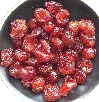
- Histoire isekai
-
Gyut Juice
- Histoire isekai
- Refreshing.
- Référence visuelle
- Histoire isekai
-
Gyut Hard Juice
- Histoire isekai
- Fermented Juice.
- Référence visuelle
- Histoire isekai
-
-
Tastes Like
- Acerola, but sweeter.
-
Growth
- ~1 Year until established
- One bush provides ~1 kilo of berries per day for ~10 days during harvest season.
-
Capacités d'énergie de l'âme
- Interface
- Aucun
- Skills
- Aucun
- Interface
-
Référence visuelle
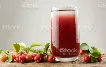

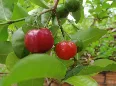

Siguash
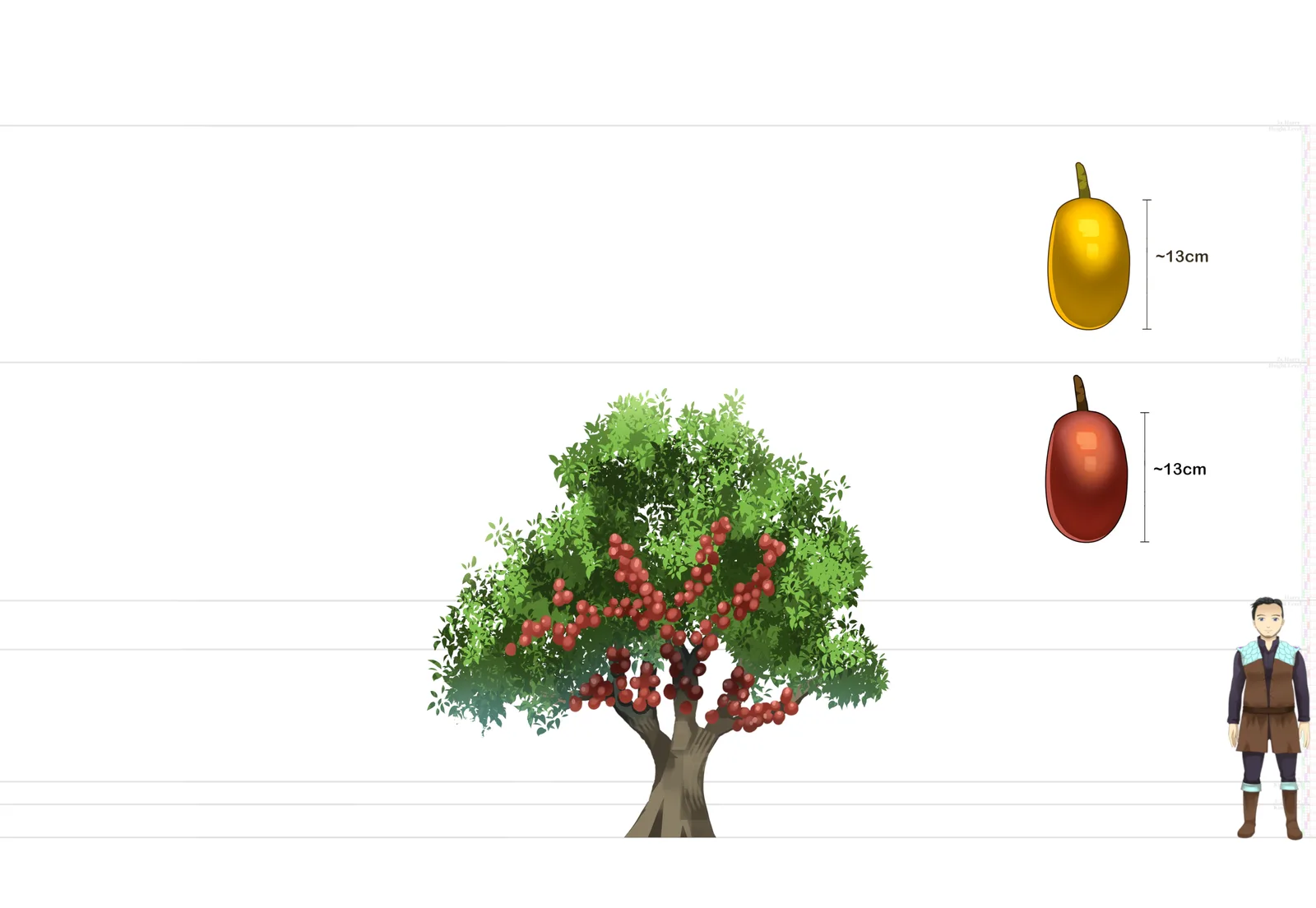
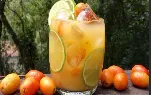
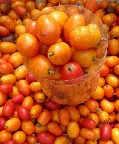
Le Siguash a un goût proche de la mangue Nam Dok Mai, mais en bien plus petit, avec une pointe de grenade. Certains laissent exprès le fruit trop mûrir jusqu'à une couleur jaune acidulée, le temps que les sucres en trop fermentent et créent une boisson alcoolisée à emporter. Fais juste attention au nombre de Siguash fermentés que tu enfiles, car il ne fait pas de quartier, même si tu es un troglodyte de Darfaries.
Texte public : flora.md
Les coulisses · notes complètes
-
Description pour le site
- Siguash tastes similar to Nam Dok Mai mango but is much smaller, with a hint of pomegranate. Some intentionally leave the fruit to overripe, turning it a tangy yellow as the extra sugars ferment and create an on-the-go alcoholic drink. Just watch how many fermented Siguash you're popping in, as it doesn't show mercy even if you're a troglodyte of a Darfaries.
-
Histoire isekai
- Bushy plant that grows in the wild.
-
Scientific History
- Siriguela
-
Habitat
- Found across the kingdom in non-desert areas < 1km height, especially in forests
-
Economic Value
-
Siguash Berries
- Histoire isekai
- It takes ~60 minutes to harvest 1 kg of berries, giving each bush less fruit than Gyut.
- It is a staple good, and is used to determine the value of Ball currency.
- Each berry is about the size of a fingertip.
- Référence visuelle
- See Item Visual Reference
- Histoire isekai
-
Dried Siguash
- Histoire isekai
- Often done for food stock, selling to other kingdoms, baking in food, or on-the-road snacks.
- Référence visuelle
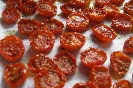 *Like Cherry tomatoes. But yellowish.
- Histoire isekai
-
Siguash Juice
- Histoire isekai
- Refreshing
- Référence visuelle
- Histoire isekai
-
Siguash Hard Juice
- Histoire isekai
- Fermented Juice.
- Référence visuelle
- Histoire isekai
-
-
Tastes Like
- Mango, but smaller and sweeter with a hint of pomegranate. Very soft.
-
Growth
- One bush produces ~1/2kg of berries per day for ~10 days during the harvest season.
-
Capacités d'énergie de l'âme
- Interface
- Aucun
- Skills
- Aucun
- Interface
-
Référence visuelle

Herbes
Carbey
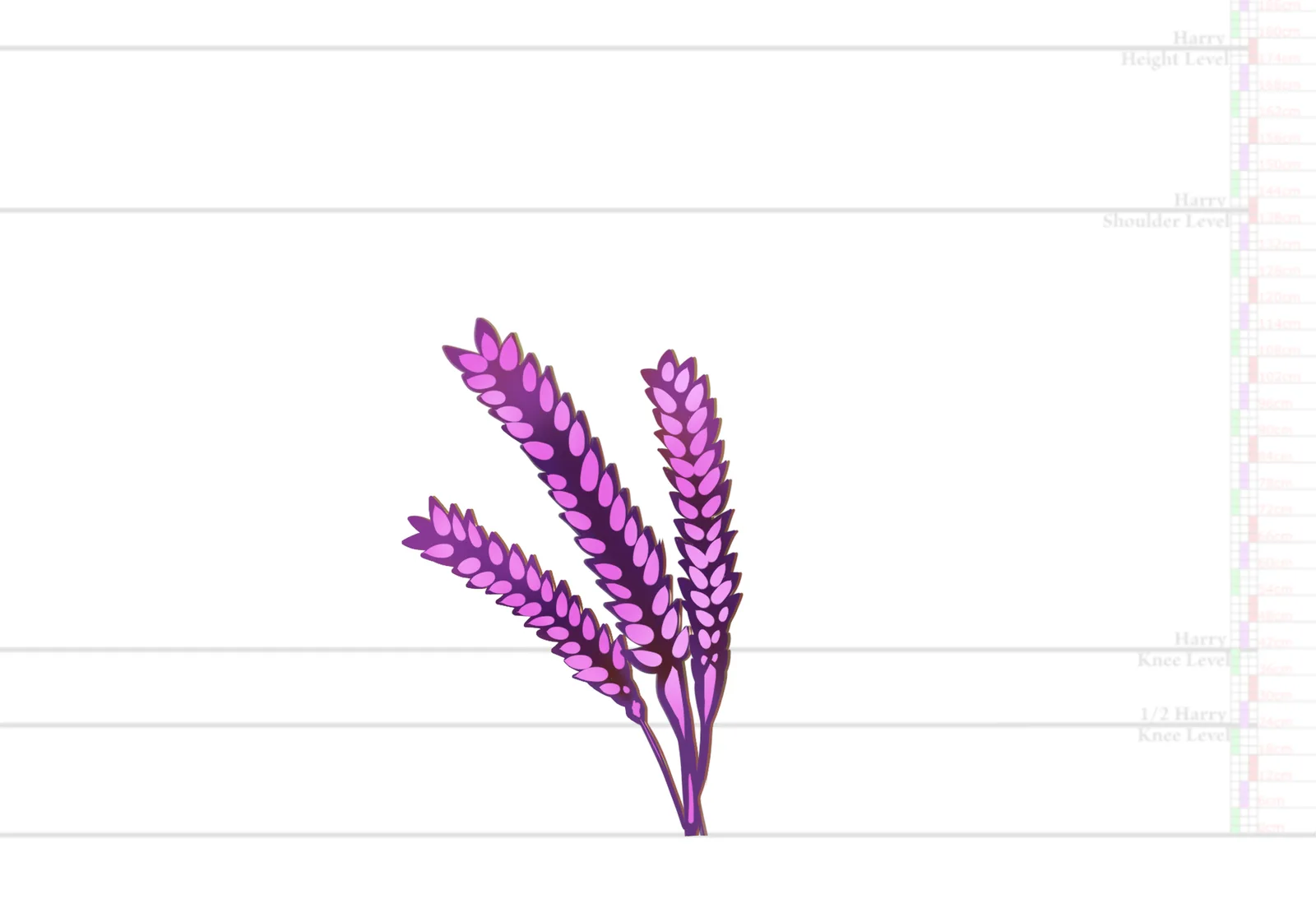
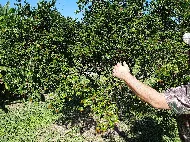
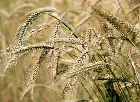
Le Carbey était une herbe agaçante que tout le monde détestait, du moins jusqu'à ce qu'on découvre à quel point c'est bon de la mélanger à de l'eau et de la levure puis de l'enfourner dans un poêle à bois. Cultivé intensivement à Freeish, comme la plupart des autres choses, mais quelques irréductibles de Tolerideme affirment que leurs récoltes de Carbey ont bien meilleur goût, surtout pour les spiritueux, même s'il est bien plus difficile à cultiver là-bas. Le Carbey est un autre aliment de base que Forway utilise pour fixer la valeur de base d'une seule boule pearl.
Texte public : flora.md
Les coulisses · notes complètes
-
Description pour le site
- Carbey was annoying grass everyone hated it, at least until they discovered how tasty it is to mix it with water and yeast and then shove it in a wood stove. Farmed intensively in Freeish, like most other things, but some holdouts in Tolerideme insist their Carbey yields taste far better, specifically when used for spirits, despite it being much harder to cultivate over there. Carbey is another staple food Forway uses to establish the base value of a single pearl ball.
-
Histoire isekai
- Used to make beer, bread, and everything in between.
-
Scientific History
- Wheat
-
Habitat
- Throughout the entire lower region, except the desert.
-
Economic Value
-
Carbey
- Histoire isekai
- Used for feeding Eguas, or making more stuff.
- Référence visuelle
- See below
- Histoire isekai
-
Carbey Flour
- Histoire isekai
- See Carbey
- Référence visuelle
- Histoire isekai
-
Bread
- Histoire isekai
- It’s Bread. Texture close to French bread.
- Référence visuelle
- Histoire isekai
-
Breadplate
- Histoire isekai
- Bread is used as a plate. Often eaten or given to the poor.
- Référence visuelle
- Histoire isekai
-
Gyut Bread
- Histoire isekai
- Bread mixed with Gyut berries.
- A staple dessert for the poor throughout the four kingdoms, originally invented on Freeish.
- Référence visuelle
- Histoire isekai
-
Beer
- Histoire isekai
- A highly nutritious drink with low alcohol content enjoyed by everyone.
- Référence visuelle
- Histoire isekai
-
Child Beer
- Histoire isekai
- A weak, mildly sweet, and very nutritious version of beer meant for children
- https://en.wikipedia.org/wiki/Small_beer
- Référence visuelle
- Histoire isekai
-
Man Beer
- Histoire isekai
- An incredibly strong version of the beer.
- Référence visuelle
- Histoire isekai
-
Ale
- Histoire isekai
- Like beer, but with slightly higher alcohol
- Référence visuelle
- Histoire isekai
-
-
Tastes Like
- Wheat
-
Growth
- Yields ~150 kg of Carbey per acre
- Acre = 20 meters × 200 meters
- Yields ~125 kg of Carbey Flour per acre
- Yields ~150 kg of Carbey per acre
-
Capacités d'énergie de l'âme
- Interface
- Aucun
- Skills
- Aucun
- Interface
-
Référence visuelle






Domar Carbey
Le Domar Carbey est une version du Carbey créée par l'une des trois sœurs savantes en le croisant avec les Wood People. Il ne pousse que dans la région de Tolerideme, puisqu'il est de fait la base de l'économie de Tolerideme. Spiritueux, exportations alimentaires, vêtements, etc. ! Tout vient du Domar Carbey. Le blé lui-même a un léger goût de fromage, comme le parmesan, avec une riche odeur de céréale qui donne un petit plus à tout ce que tu fais cuire ! Même s'il ne va avec les desserts que pour certains en particulier, comme le pain de Gyut ou d'autres desserts aux notes d'agrumes. Quelque chose comme une crème brûlée, un pudding ou tout ce qui a un goût plus prononcé de jaune d'œuf ne semble pas fonctionner.
Texte public : flora.md
Les coulisses · notes complètes
-
Description pour le site
- Domar Carbey is a version of Carbey created by one of the three smart sisters by crossbreeding with Wood People. It only grows in the Tolerideme region, as it is de facto the base of the Tolerideme economy. From spirits, food export, clothing, etc! Everything comes from Domar Carbey. The wheat itself tastes slightly cheesy, like parmesan, with a rich grain smell that gives an extra oompf to whatever you bake! It only goes well with desserts if you're talking about specific ones like Gyut bread or other desserts on the citrusy spectrum. Something like crème brûlée, pudding, or anything with a more yolk-like taste doesn't seem to work.
-
Histoire isekai
- A version of the Carbey created by one of the three smart sisters by crossbreeding with Wood People.
- Used to make beer, bread, and everything in between.
- More nutritional than Carbey, and tastes better as well.
-
Scientific History
- Wheat
-
Habitat
- Buhraies Plains
- Royaume de Tolerideme
-
Economic Value
-
Domar Carbey
- Histoire isekai
- Tolerideme has the upper hand in planting it for trading.
- Référence visuelle
- See below
- Histoire isekai
-
Domar Carbey Flour
- Histoire isekai
- See Domar Carbey
- Référence visuelle
- Histoire isekai
-
Domar Bread
- Histoire isekai
- It’s Bread. Texture close to French bread.
- Référence visuelle
- Histoire isekai
-
Domar Gyut Bread
- Histoire isekai
- Bread mixed with Gyut berries.
- Référence visuelle
- Histoire isekai
-
Domar Beer
- Histoire isekai
- A highly nutritious drink with low alcohol content enjoyed by everyone.
- Référence visuelle
- Histoire isekai
-
Domar Child Beer
- Histoire isekai
- A weak, mildly sweet, and very nutritious version of beer meant for children
- https://en.wikipedia.org/wiki/Small_beer
- Référence visuelle
- Histoire isekai
-
Domar Man Beer
- Histoire isekai
- An incredibly strong version of the beer.
- Référence visuelle
- Histoire isekai
-
Domar Ale
- Histoire isekai
- Like beer, but with slightly higher alcohol
- Référence visuelle
- Histoire isekai
-
-
Tastes Like
- Carbey
- Hints of Parmesan cheese
-
Growth
- Yields ~300 kg of Carbey per acre
- Acre = 20 meters × 200 meters
- Yields ~250 kg of Carbey Flour per acre
- Yields ~300 kg of Carbey per acre
-
Capacités d'énergie de l'âme
- Interface
- Aucun
- Skills
- Aucun
- Interface
-
Référence visuelle




Lehuj
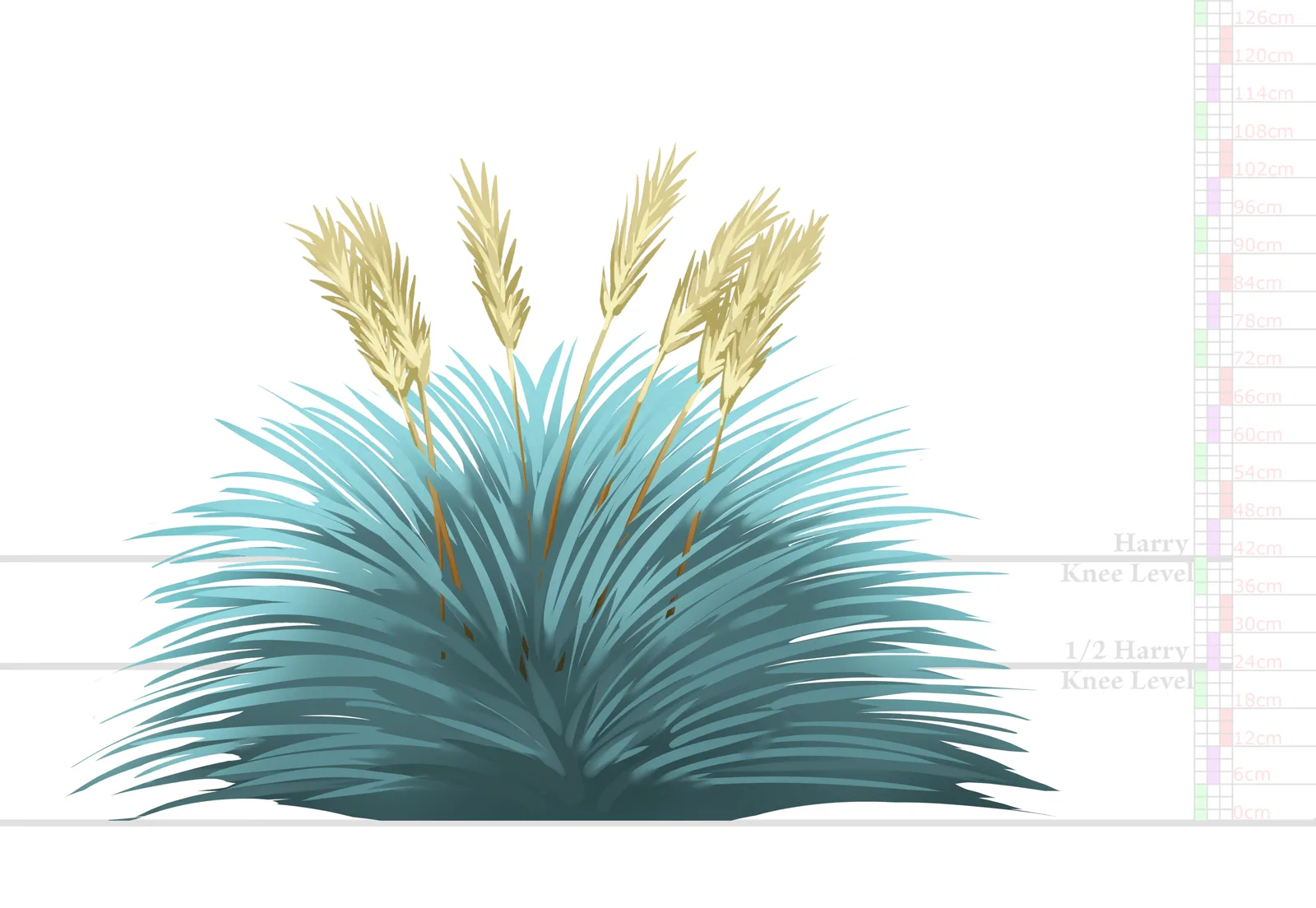
Le Lehuj est le remède et le gel nari de référence contre la gueule de bois, les toxines ou les poisons, grâce à ses propriétés inégalées qui renforcent le foie. Vu à quel point il agit facilement et en abondance, certains l'utilisent aussi pour d'autres bienfaits digestifs ou comme catalyseur de différentes réactions de gels nari. On pourrait aussi l'utiliser comme terrible punition en le glissant dans la nourriture ou la boisson de quelqu'un, en surmenant son foie et en le forçant à lâcher peu après ; après tout, la différence entre remède et poison n'est qu'une question de dose.
Texte public : flora.md
Les coulisses · notes complètes
-
Description pour le site
- Lehuj is the go-to remedy and nari gel for dealing with hangovers, toxins, or poisons, thanks to its unmatched liver-enhancing properties. Given how easy and abundant it is, some also use it for other digestive benefits or as a catalyst for different nari gel reactions. It could also be used as a terrible punishment if you inject it into someone's food or drink by overloading their liver and forcing it shut down soon after; the difference between remedy and poison is just the dosage, after all.
-
Histoire isekai
- Used for Smooth Gut Nari, and for its digestive properties, specifically liver. Also great as a hangover remedy.
-
Scientific History
- Blue Festuca
-
Habitat
- Throughout the entire lower region, except the desert.
-
Economic Value
-
Lehuj Grass
- Histoire isekai
- See above
- Référence visuelle
- Histoire isekai
-
-
Tastes Like
- Slightly sweet and acidic.
-
Growth
- Wild
-
Capacités d'énergie de l'âme
- Interface
- Aucun
- Skills
- Aucun
- Interface
-
Référence visuelle
Champignons
Lakata
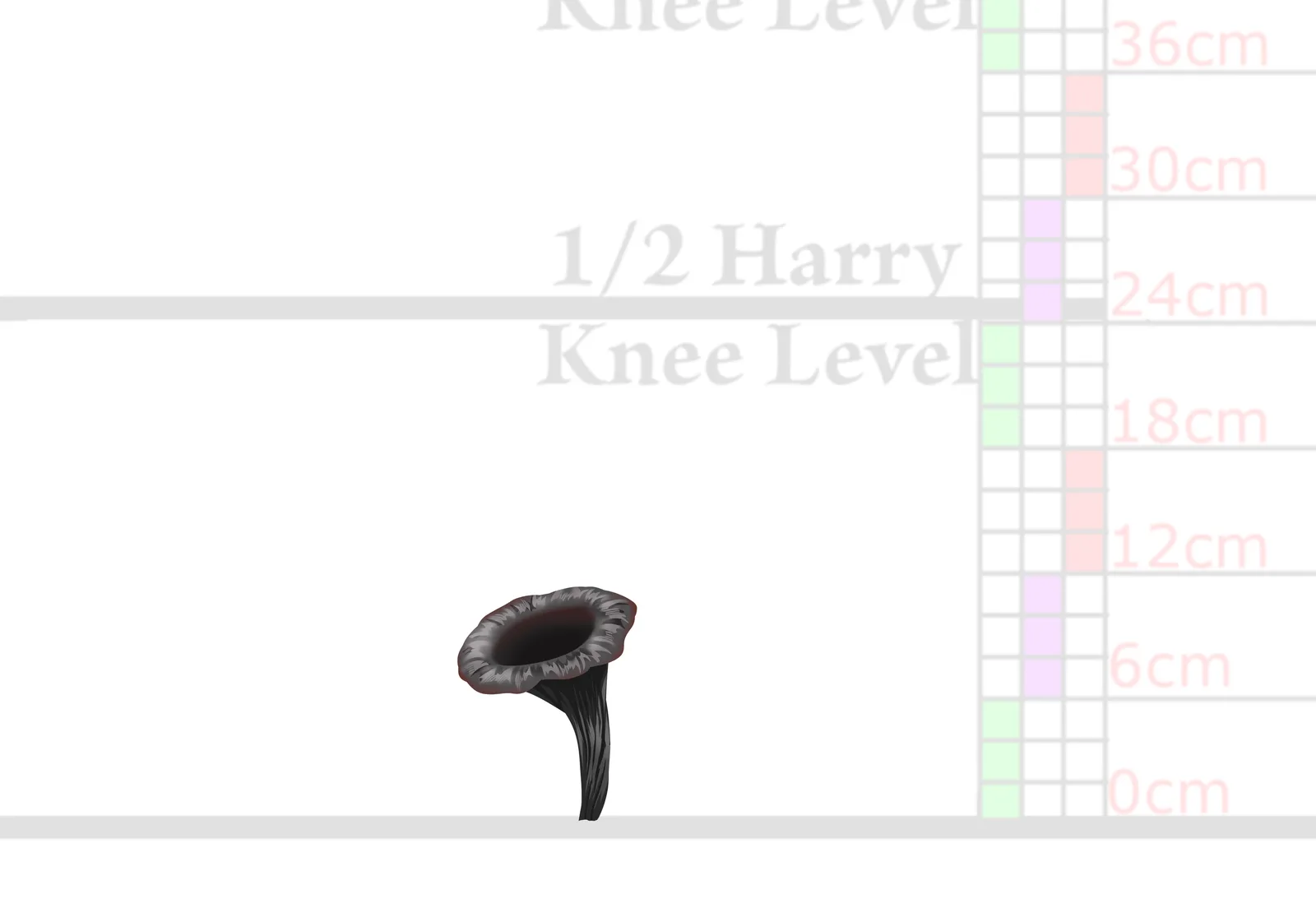
La Lakata a un goût de raisin rôti, mais ne te laisse pas tromper par ce goût agréable ! Elle est très efficace pour surmener le système nerveux parasympathique et, si tu n'es pas assez prudent, ton cœur s'arrêtera. Beaucoup d'aventuriers et de cueilleurs ont passé des heures interminables à en chercher autour des arbres en décomposition, car on la considère comme le pain quotidien de nombreux gels nari.
Texte public : flora.md
Les coulisses · notes complètes
-
Description pour le site
- Lakata tastes like roasted grapes, but don't let that pleasant taste fool you! It is good at slowing the sympathetic nervous system, and if you're not careful, your heart will stop. Many adventurers and gatherers alike spent endless hours searching for them around rotting trees as they are considered the bread and butter of many nari gels.
-
Histoire isekai
- A fungus is often used for slowing down the heartbeat. Found in rotting trees
-
Scientific History
- Chaga (Inonotus obliquus)
-
Habitat
- 0km
- Muddy, Deep forest of the south.
-
Economic Value
-
Lakata Caps
- Histoire isekai
- See above
- Référence visuelle
- See below
- Histoire isekai
-
-
Tastes Like
- Roasted Grapes.
-
Growth
- Several month
-
Capacités d'énergie de l'âme
- Interface
- Fungus
- Skills
- Pacifier
- Interface
-
Référence visuelle
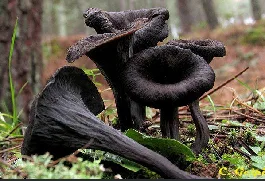
Panita
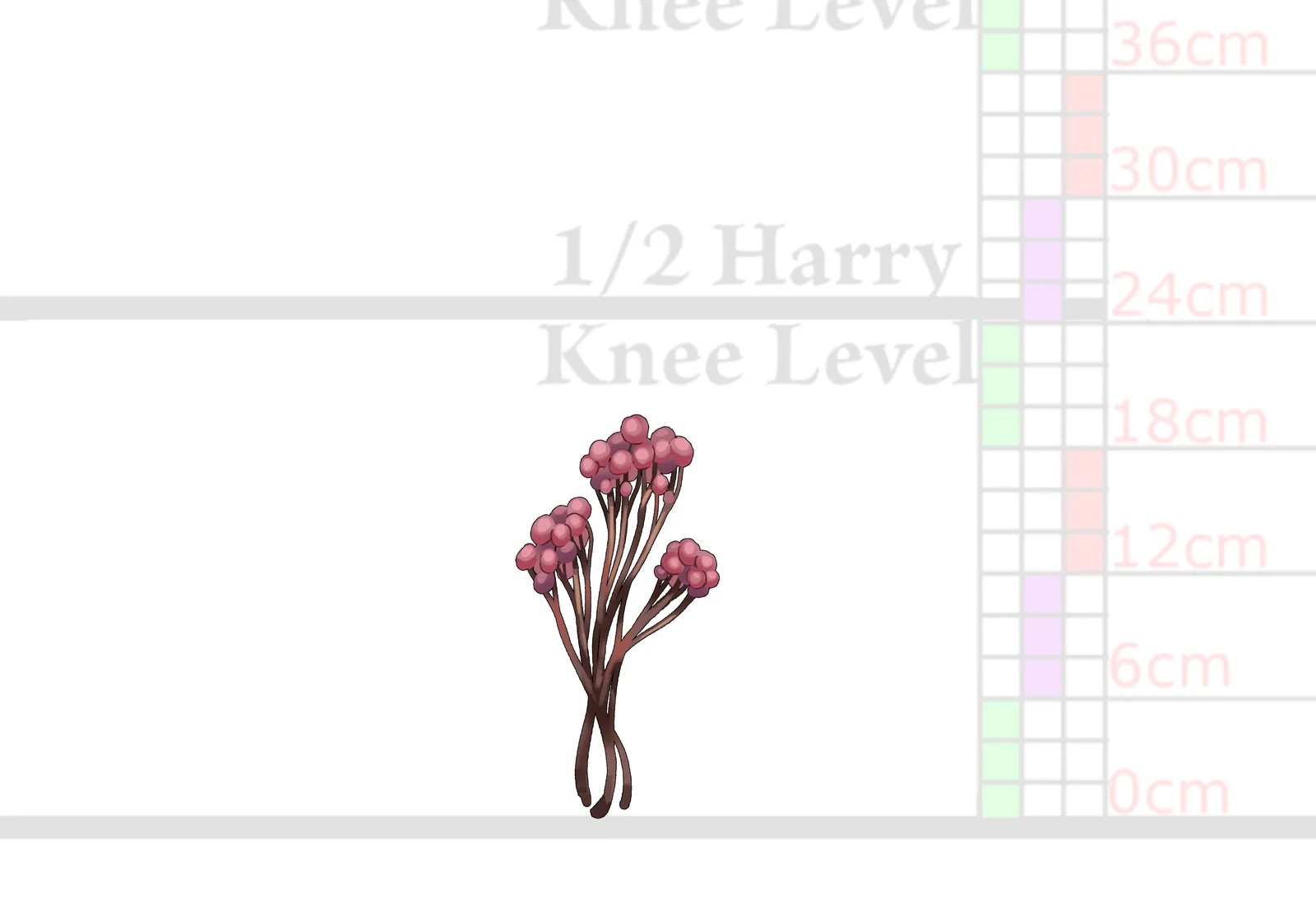
La Panita est un autre champignon qui cache un terrible secret derrière son odeur et son goût agréables d'orange sanguine. Elle te fait saigner de partout, et si tu continues à en ingérer, elle se transforme en peau, chair et os qui fondent, et tu ressentiras presque tout avant de mourir. Vraiment agréable ! Forway a envisagé de l'interdire par le passé, mais ça voudrait dire qu'elle ne pourrait plus non plus s'en servir pour punir les gens pourris, alors elle est toujours légale à ce jour.
Texte public : flora.md
Les coulisses · notes complètes
-
Description pour le site
- Panita is another mushroom that conceals a terrible secret behind its pleasant smell and blood-orange taste. It makes you bleed from everywhere, and if you keep ingesting it, it turns into melting skin, flesh, and bones, and you will feel most of it before you die. Quite pleasant indeed! Forway has considered banning this in the past, but that would mean they couldn't use it to punish shitty people, so it's still legal to this day.
-
Histoire isekai
- A mushroom often used for Bleed out Nari gel
-
Scientific History
- Reishi (Ganoderma lucidum)
-
Habitat
- 0km
- Muddy, Deep forest of the south.
-
Economic Value
-
Panita Caps
- Histoire isekai
- See above
- Référence visuelle
- See below
- Histoire isekai
-
-
Tastes Like
- Blood Oranges.
-
Growth
- One month
-
Capacités d'énergie de l'âme
- Interface
- Mushroom
- Skills
- Melt *When damaged
- Bleed *When damaged
- Interface
-
Référence visuelle
Tyr
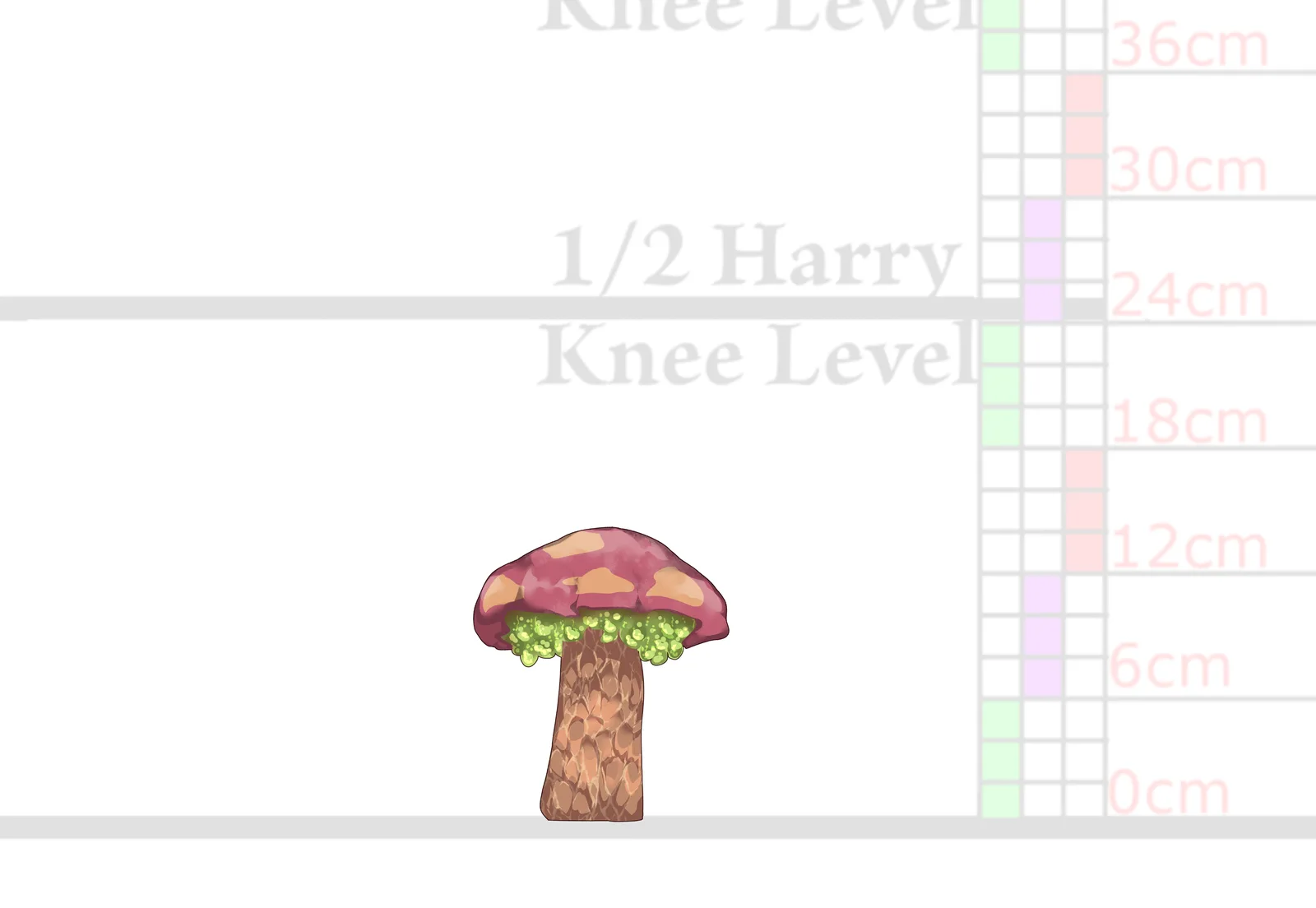
Le Tyr agit sur le système nerveux comme la Lakata, mais il concentre ses effets sur le dérèglement du système nerveux sympathique et de la perception de la réalité. Le pire effet que les gens rapportent, c'est d'entendre ou de voir des choses perturbantes en se sentant enfermé dans son corps, parce qu'on essaie de se battre ou de s'enfuir, mais que le réflexe de lutte ou de fuite ne fonctionne pas. Ce n'est pas très loin de la paralysie du sommeil. Le Tyr a aussi d'autres propriétés, comme déclencher un sommeil narcoleptique, mais les isoler s'est révélé difficile. Un article de recherche a rapporté qu'on pouvait aussi entendre les pensées des autres, mais les scientifiques qui ont essayé n'ont pas réussi à reproduire le résultat et l'ont plutôt mis sur le compte d'un mauvais trip.
Texte public : flora.md
Les coulisses · notes complètes
-
Description pour le site
- Tyr affects the nervous system like Lakata, but it focuses on messing with the sympathetic nervous system and perception of reality instead. The worst effect people report is hearing or seeing disturbing things while feeling locked inside your body because you're trying to fight or run away from it, but your fight-or-flight doesn't work. It's not too far off from sleep paralysis. There are other properties from Tyr as well, like triggering narcoleptic sleep, but isolating it has been challenging. A research paper reported that some participants could hear others' thoughts as well, but the scientists who tried it could not replicate it and chalked it up to a bad trip instead.
-
Histoire isekai
- A fungus similar to lakata, but it is far too poisonous (creates audio/visual hallucinations)
-
Scientific History
- Exsudoporus frostii
-
Habitat
- 0km
- Muddy, Deep forest of the south.
-
Economic Value
-
Tyr Caps
- Histoire isekai
- See above
- Référence visuelle
- See below
- Histoire isekai
-
-
Tastes Like
- Mushroomy apples.
-
Growth
- Several month
-
Capacités d'énergie de l'âme
- Interface
- Fungus
- Skills
- Hallucinate
- Interface
-
Référence visuelle
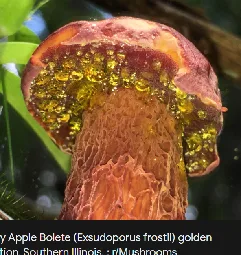
Racines
Cadioca
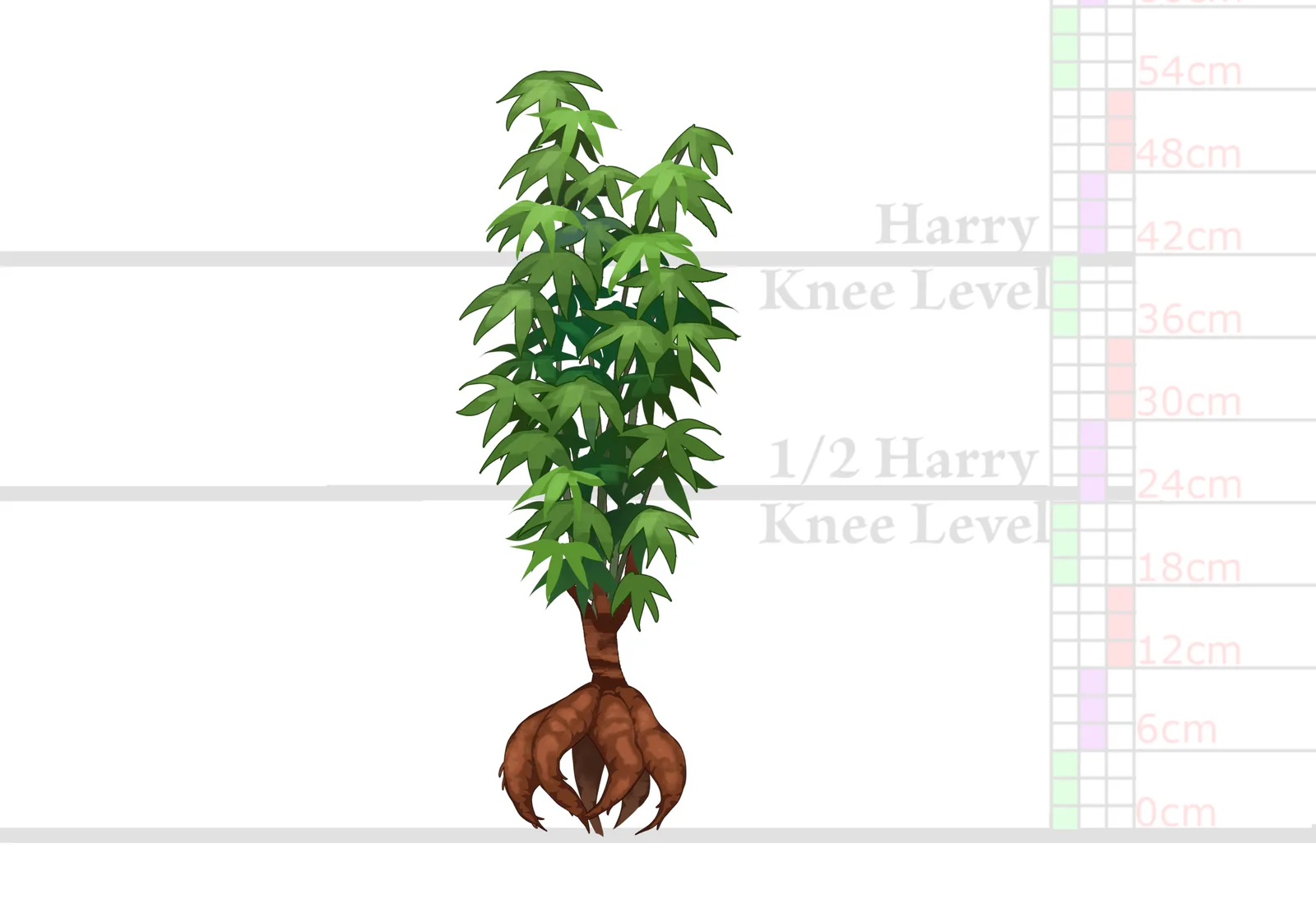
La Cadioca est toxique si on la mange crue ! Il faut la faire tremper dans une rivière pendant deux jours, puis la laisser sécher au soleil pendant trois jours avant de pouvoir la cuisiner. Comment les gens l'ont-ils découvert ? Par pure faim, à l'époque de Ganyrami. Le goût est assez proche du manioc, et la plupart des gens la consomment soit moulue et grillée en gros grains, soit frite comme des frites, mais plus épaisses et avec la peau pour ce côté extra croustillant. Cette dernière version est la préférée des quatre royaumes, mais il faut payer un supplément pour le transport depuis Freeish, où elle est cultivée intensivement.
Texte public : flora.md
Les coulisses · notes complètes
-
Description pour le site
- Cadioca is poisonous if eaten raw! One must soak it in a river for two days and then let it dry in the sun for three days before it can be used for cooking. How people discover it? Pure hunger from back on Ganyrami days. The taste is pretty close to cassava, with most people consuming it either ground and roasted into coarse grains or fried like fresh fries, but chunkier and with the skin on for that extra-crispy taste. The latter is a favorite across the four kingdoms, but they must pay a premium for transport from Freeish, where it is farmed intensively.
-
Histoire isekai
- Poisonous if eaten raw. Needs to be soaked in the river for 2 Days, then dried in the sun.
-
Scientific History
- Cassava
-
Habitat
- A root found in the lower lands.
- Heavily farmed in Freeish.
-
Economic Value
-
Cadioca Roots
- Histoire isekai
- One of the basis of food in the kingdoms.
- Référence visuelle
- See below
- Histoire isekai
-
Cadioca Flour
- Histoire isekai
- Just like Domar Carbey flour
- Référence visuelle
- Histoire isekai
-
Cadioca Coarse Flour
- Histoire isekai
- Used to eat with all kinds of things, like Farinha.
- Référence visuelle
- Histoire isekai
-
Fried Cadioca
- Histoire isekai
- A popular food throughout the kingdom, also invented in the Freeish Kingdom.
- Référence visuelle
- Histoire isekai
-
-
Tastes Like
- Cassava
-
Growth
- ~2 Seasons
-
Capacités d'énergie de l'âme
- Interface
- Aucun
- Skills
- Aucun
- Interface
-
Référence visuelle

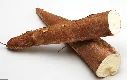
Lolish
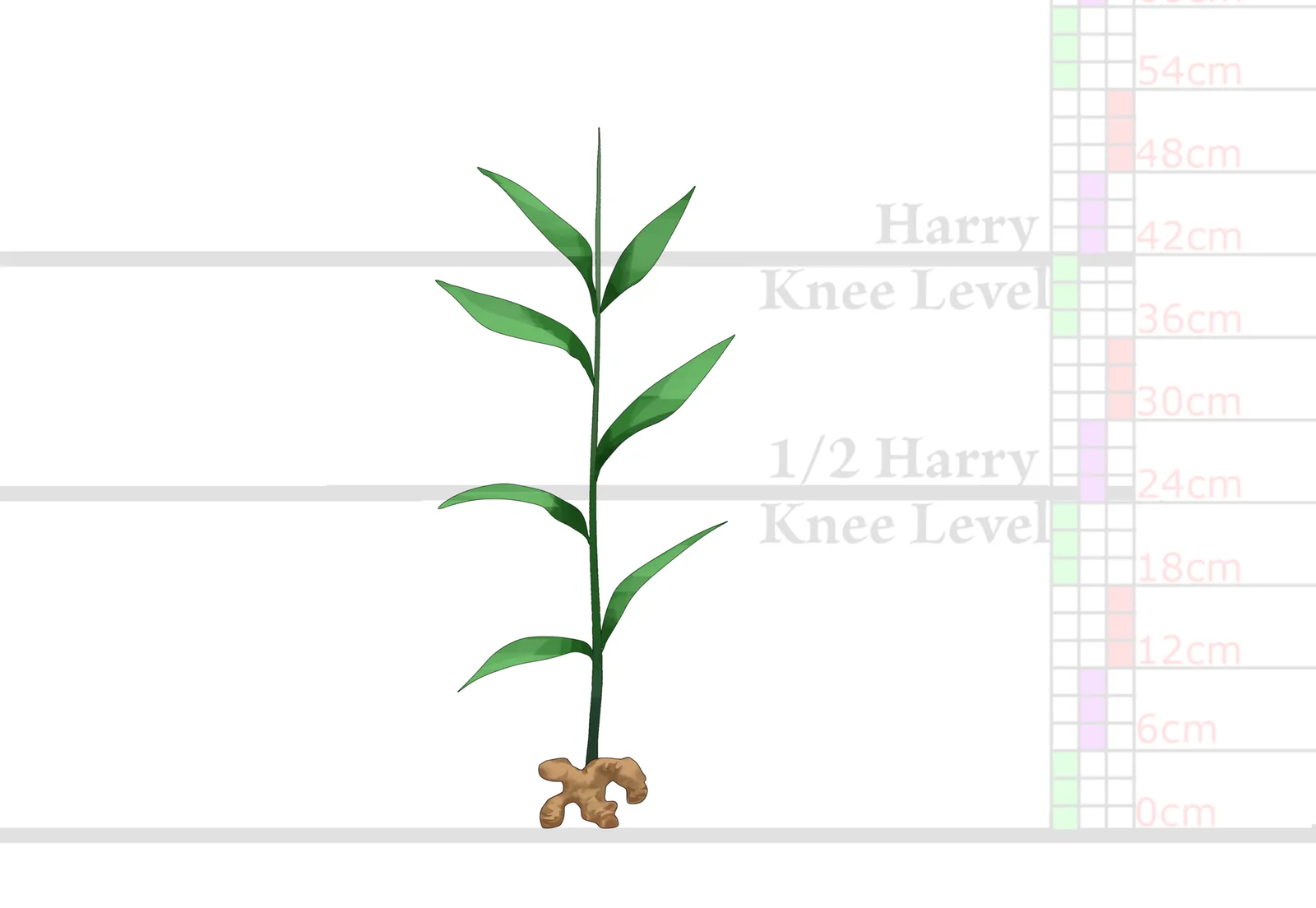
Le Lolish est un des préférés de Gandew, et certains Darfaries font tout le trajet jusqu'à la zone de transition du désert semi-aride pour aller cueillir leur propre lolish, parce qu'ils sont comme ça. La racine au goût de gingembre va bien dans leur cuisine et leurs boissons pour se réchauffer pendant les nuits glaciales du désert.
Texte public : flora.md
Les coulisses · notes complètes
-
Description pour le site
- Lolish is a favorite of Gandew, with some Darfaries making the track all the way to the semi-arid desert transitional zone to pick up their own lolish because that's just who they are. The ginger-flavored root pairs well with their cuisine and drinks, warming you up on frigid desert nights.
-
Histoire isekai
- A root found in the desert of Gandew
-
Scientific History
- Ginger
-
Habitat
- Found buried in the desert (closer to transitional zones)
-
Economic Value
-
Lolish Roots
- Histoire isekai
- See above
- Référence visuelle
- See below
- Histoire isekai
-
-
Tastes Like
- Ginger
-
Growth
- ~2 Seasons
-
Capacités d'énergie de l'âme
- Interface
- Aucun
- Skills
- Aucun
- Interface
-
Référence visuelle
3 autres entrées de cette page se trouvent uniquement dans .
Construit à partir de : Legacy/Public/flora.md, Legacy/Behind The Scenes/World Lore/Flora.md