
Royaumes
Notation de la documentation
Les coulisses · notes complètes
- Religion is not a thing in Vraki: it is an agnostic world, where science and soul energy are the foundation. There are no churches or priests, no "hell", no witches and no curses. Each kingdom's Customs section lists traditions, not religion. Cults do exist, just like bandit groups.
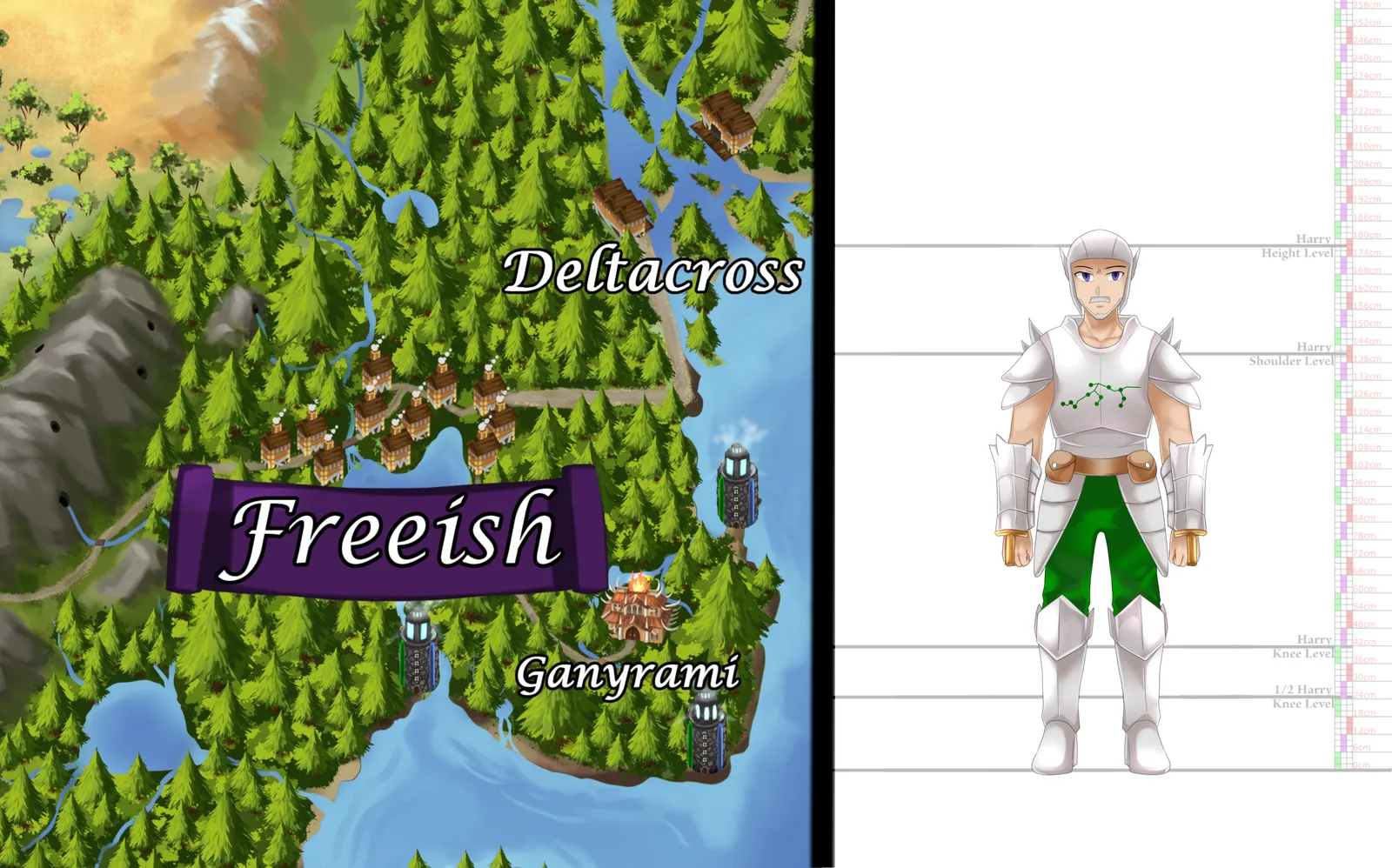
Freeish (Freeishan)

Royaume de Freeish
Le Royaume de Freeish est composé d'un ensemble de plusieurs villes plus petites. Il est né dans les temps difficiles d'avant le Traité de la Prospérité, quand beaucoup de gens ont fui les autres royaumes et leur soif incessante de guerre.
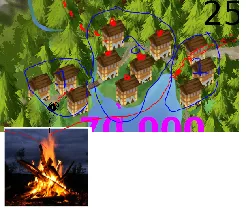
Le Royaume de Freeish est connu pour ses villes spacieuses où l'on a l'impression de vivre au milieu d'une forêt, même dans les plus peuplées. Les villes du centre forment le Soil Group et sont davantage tournées vers l'agriculture et la pêche. Celles de la périphérie font partie du Blood group et comptent davantage sur la chasse. Cette séparation n'existait pas dès le début ; elle s'est plutôt développée naturellement, et avec le temps, les gens se sont simplement mis à utiliser ces noms sans même s'en rendre compte.
Aller où que ce soit sans egua est compliqué, à moins d'adorer marcher—et par là, je veux dire que tu pourrais devoir faire 20 000 pas par jour pour faire toutes tes courses, car tout est complètement à l'horizontale, comme si les gens avaient une peur mortelle des hauteurs.
Regarder le soleil se coucher sur une ferme de gyut ou de greenbread, courantes dans les villes du Soil group, c'est un spectacle à voir. Fais juste attention aux Trunk People ! Même s'ils peuvent être petits et mignons quand ils illuminent innocemment toute la ville, si assez d'entre eux se retournent contre toi, tu pourrais finir carbonisé. Les greenbreads qui tombent sont mortels à cause de leur poids et de leur taille d'humain, alors regarde en l'air !
Contrairement à tous les autres royaumes, les habitants élisent le chef de leur ville, et les chefs élisent le représentant de Freeish. Ça semble fonctionner pour eux, du moins en grande partie—
Ne manque pas de passer pendant l'arrivée des White Roundies ! C'est vraiment amusant de jouer avec eux ! Tu pourrais même obtenir quelque chose de précieux si tu joues à la balle avec eux.
Gardes
Les gardes de Freeish sont un peu la version discount des gardes de Forway, mais leur esprit courageux et leur sens de la protection de leur Royaume compensent largement leur armure de bone wood plus légère mais polyvalente. Chaque fois qu'ils sortent leurs épées courtes de la manche de leur avant-bras, tu ferais mieux de prendre tes distances, à moins de savoir parer et frapper juste comme personne. Ils aiment aussi leurs bombes nari pour réduire la distance, alors fais attention. Comme si ça ne suffisait pas, leurs réflexes semblent supérieurs à la moyenne, car toute la lignée de gardes de Freeish a développé une tradition d'entraînement sous hallucinogènes dès l'enfance pour améliorer la conscience de la situation et les temps de réaction.
Noms
Les noms des gens dans ce royaume tourné vers la démocratie ressemblent à des noms brésiliens. Les influences des noms et des cultures des autres Royaumes ne sont pas rares, vu l'histoire de ce royaume. Il est rare que quelqu'un ait Freeish comme ville ; c'est plutôt l'un des villages qui composent le royaume.
Villages
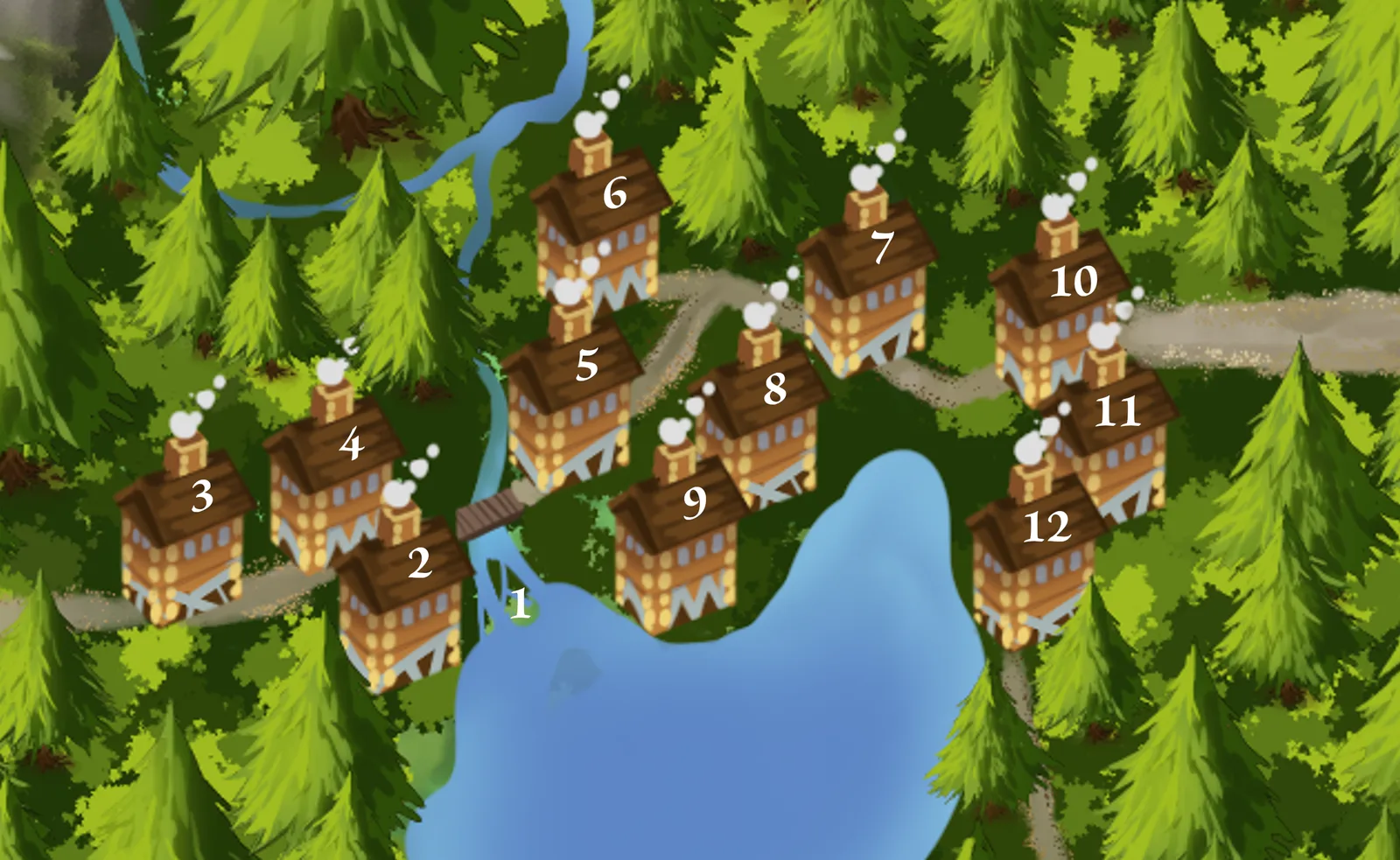
#1 - Governor State
La Maison principale où vit le dirigeant élu actuel. Elle n'est pas vraiment aussi grande qu'un village entier, mais l'ensemble du domaine couvre environ 13 km² (~5 miles carrés) d'une île privée où vit et travaille tout le personnel élu du royaume.
#2 - Carbeyland
Le village « originel », comme disent certains, où le Carbey a été planté en masse.
#3 - Farplace
Il était, et il est toujours, un peu loin de tout.
#4 - Treetop
Un village nommé d'après les chasseurs de la région, qui utilisent souvent la cime des arbres pour attaquer leurs proies.
#5 - The Mill
Le nom est resté après que ce village est devenu le lieu central où l'on moud les céréales grâce aux moulins à eau.
#6 - Big Gyut
Nommé d'après un fermier qui a récolté un Gyut énorme capable de remplir l'estomac d'un Darfaries… D'une manière ou d'une autre.
#7 - Sweet Siguash
Les gens de là-bas ont été les premiers à planter le Siguash en masse.
#8- Peaceful Life
Un village au milieu d'autres villages, rarement pris pour cible par les bêtes.
#9 - Endland
Un village nommé ainsi parce qu'il est proche de l'eau.
#10 - Crossroads
Le nom est resté parce que c'était le principal village que voyaient les gens qui fuyaient Sanbi/Tolerideme, et où ils décidaient où aller ensuite.
#11 - Carbeyland
L'autre village « originel » où le Carbey a été planté en masse.
#12 - Lishies Eater
Le plus ancien village du lot, dont les origines remontent à la chute de Ganyrami. Son nom vient d'une légende selon laquelle les gens de la région ont chassé et mangé tous les Lishies qui avaient survécu à la chute de Ganyrami.
Citoyens notables du Royaume
Freeish Paulin
Maicon Forway Black-Dove*
*Plus tristement célèbre que notable
Texte public : kingdom-freeish.md
Les coulisses · notes complètes
-
Histoire isekai
- Voir Chronologie du monde.
- What were small villages soon became interconnected.
- Each village was self-ruling, but villages came to congregate towards commonly shared values. Bureaucratic tape as one person from one village group went into the other rose to the point where one could spend days at the border of one of the villages just to gain passage all because the village elder woke up with the wrong feet.
- People started rebelling, so the powers at be from most villages gathered and formed what amounts to a governor position that defuses issues in the hopes that each village group is as easily tradable as possible.
- It’s a fake power to keep people in check, but it did help reduce bureaucracy as several of the elected governors were smart and charming while the not-so charming ones resorted to blackmailing to keep village leaders in check.
- Village leaders also keep the governors in check so that their powers don’t run rampant.
- The decentralized villages became a kingdom of its own merit with the creation of the Prosperity Treaty as an exchange of favors between the Freeish village leaders and court scientists of each kingdom in order to keep the same village leaders and governor system.
- “FoodShare” is an actual job for people dedicated to transfer food between villages, acting as food delivery. Blood villages don’t really make Soil village food and vice-versa.
- Acting akin to dabbawala for more info.
- Two villages groups exist:
- Blood Group lives in the outskirts. They rely on hunting more than farming.
- Soil Group lives in the middle. They rely more on farming and fishing.
-
Royalty/Politics
- Follows a democratic approach. When a village leader dies, the city residents hold a mass vote to elect the next leader. Son/daughters of the current leader cannot be voted in. However, the implementation went a bit sideways as the voting on many villages for the last generations has been between the four most powerful (non-royalty related) guilds of each group
- The governor is elected by the village leaders when the governor dies.
- Also includes the villages from Deltacross through backdoor votes.
- Royalty (elected person) Marking
-
Village Leader: Right hand is tattooed with a green circle. A painful process to remind the leader that this job must be taken seriously.
- Healing (Body Restore or Nari Refresher) removes the tattoo, so they have to re-ink it. Same for the governor's.
-
The governor’s right side of his face is tattooed. Kinda like below

-
-
Relationship/Threats
- It is a small political threat to other kingdoms if it progresses further than the others.
- Blood & Soil groups began fighting.
-
Society Composition
- Mostly Humans, some Cruro and Wozefaries/Sorefaries. Almost no Darfaries, as they prefer to live in Blood city for hunting.
- Blood groups tend to have more people prone to fighting.
- Mostly Humans, some Cruro and Wozefaries/Sorefaries. Almost no Darfaries, as they prefer to live in Blood city for hunting.
-
Customs
- Fauna, Flora & Beast. Nature in general.
- Basically a mix of other beliefs.
-
Culture
- There is a sense of one’s village and village group being better than the other.
- They are very warm to people within their group.
- Soil group is more protective of the land, and more in touch with Trunk People, whereas people from Blood group tend to be more against them in general.
- People often use “Meet the darkness” instead of “Death”
- India in terms of business, and wacky city layout.
- https://www.youtube.com/watch?v=AtPO0agf8SY
- See references pics.
-
Food/Drink
-
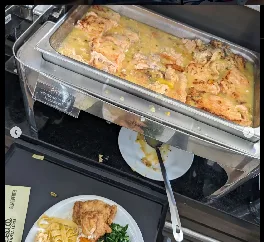
Grilled Fihi With Rakuja Sauce
- Catfish prepped to reduce its strong taste, then grilled and soaked in Rakuja juice for two hours then boiled for a bit to make a stew.
- 5 Pearls for a bowl.
-
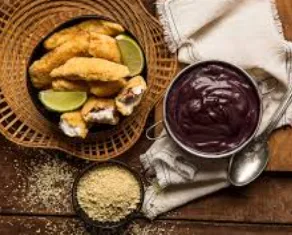
Cadioca With Fried Fish & Domar Gyut
- Available more on the soil group.
- Fried Fish breaded in Domar Gyut and eaten with Cadioca and Basi Pulp.
- ~14 Pearls/Meal
-
Freeish Salad Bow
- More available on the soil group
- A salad bowl with Greenbread, Gyut, Siguash, Gosutam, Tenderthrough & Yabuca
- 9 Pearls/Bow
-
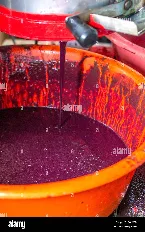
Basi Pulp
- Commonly available. It’s a thick, filling paste that tastes earthy and slightly bitter, like mixing pomegranate with strong dark chocolate.
- You can add cadioca to make it grainer, or salt for an interesting taste. Or you can go for the sweet route with ice, fruits, etc.
- ~5 Pearls/Bowl
-
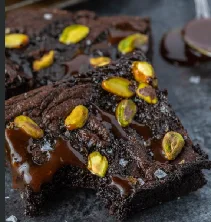
Roasted Greenbread beans
- More available on Soil group
- A chocolatey/cola-like treat with a caramel accent and greenbread beans.
- 5 Pearls for a bowl.
-
Culuim Cuisine
- Common cuisine around the Freeish Kingdom. From fried to steamed. It has everything you can think of. Pairs well with Basi pulp for a cheap meal!
- 1-10 Pearls depending on the meal/quantity.
-
Nicabread sauce.
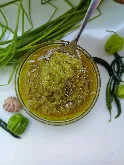
- “The greenish one was akin to black pepper and cumin mixed with a tangy chlorophyll accent”
- The sauce is greenbread leaves mixed with Nica seeds.
-
Gyut Wrap
- More available on Soil group
- Created by Big Gyut to attract more tourists. Gyut Berries with Black honey and other things mixed together.
- 7 Pearls for each one, about the size of fist.

-
-
Clothing
- Exposed skin. Warmer weather.
- White clothing with accents/Embroidery in other colors.
- Soil clothing is more lax for farming, while Blood is closer to adventurer/guard clothing.
-
Éducation
- Similar to Forway, but each village group tends to customize clothing and requires different education priorities.
- Hunting versus farming.
- Similar to Forway, but each village group tends to customize clothing and requires different education priorities.
-
Crime/Law
- Defined by the local village. They are not very different. Some follow the Forway law, or can end up switching laws every election, depending on how disorganized it is.
- Blood groups tend to be closer to each other in terms of laws.
- Defined by the local village. They are not very different. Some follow the Forway law, or can end up switching laws every election, depending on how disorganized it is.
-
Gardes
- Freeish Guards are like a dollar store version of Forway guards, but their courageous spirit and sense of protecting their Kingdom more than compensates for their lighter yet versatile bone-wood armor. Whenever they remove their short swords from their forearm sleeve, you better get some distance unless you can parry and strike true like no other. They also like their Nari bombs as well to close the gap, so watch out. If that wasn’t enough, their reflex appears to be higher than average, as the entire Freeish bloodline of guards developed a tradition of training on hallucinogens to increase situation awareness and reaction times from childhood.
-
News
- ?
-
Local Courier Services
- ?
-
Local Embassy Quests
- Ganyrami Bounty Hunter.
- Nari stone transport team.
-
Guildes
-
Gyut Farming Guild (#13)
- Big farming guild that controls several Gyut farms
-
Greenbread Farming Guild (#14)
- See above.
-
Two Hearts (#15)
- A guild of adventurers from the region, famous for having Fernan Blood as part of it.
- Named after Bagarisa for having two hearts.
-
-
Economy
- Farming many Flora items.
- Trading with Blood, Ganyrami, and Forway through Deltacross.
- Hunting as well for the Blood groups
-
Marriage
- Some villages vary from below:
- A marriage proposal is made with a bundle of fruit presented in front of everyone in the village plaza. If the girl accepts, then they will marry in front of the village leader.
- He/She will say, “Just like your feelings for one another, plant these seeds in a home filled with love and care.‘
- A couple can marry in front of the village leader. If both are residents of the village, they are granted a guild for free if they wish to start a new guild.
- If they are from different Freeish villages, then the cost is split between both.
- If one of the parties is not from Freeish, then they must pay for their own costs.
-
Name Influence
- People’s names in this democratic-focused kingdom sound similar to Brazilian names. Influences from other Kingdoms' names and cultures are not uncommon given this kingdom’s history. Rarely does someone have a city name of Freeish, but rather one of the villages below:
-
Points Of Interests
-
Governor State (#1)
- Main House, where the current elected leader lives. Not exactly as big as an entire village, but the entire state covers about 13 square km (~5 square miles) of a private island where all elected kingdom personnel live and work.
-
Carbeyland (#2)
- The “Original” village, as some say, where Carbey was planted in mass.
-
Farplace (#3)
- Il était, et il est toujours, un peu loin de tout.
-
Treetop (#4)
- A village named after hunters from this area often uses treetops to attack prey.
-
The Mill (#5)
- The name stuck after this village became the central place for water-powered grain milling.
-
Big Gyut (#6)
- Nommé d'après un fermier qui a récolté un Gyut énorme capable de remplir l'estomac d'un Darfaries… D'une manière ou d'une autre.
-
Sweet Siguash (#7)
- Les gens de là-bas ont été les premiers à planter le Siguash en masse.
-
Peaceful Life (#8)
- A village in the middle of other villages that would rarely be preyed upon by beasts.
-
Endland (#9)
- Un village nommé ainsi parce qu'il est proche de l'eau.
-
Crossroads (#10)
- The name stuck, as this was the main village that people fleeing from Sanbi/Tolerideme would see and use to decide where to go next.
-
Carbeyland (#11)
- L'autre village « originel » où le Carbey a été planté en masse.
-
Lishies Eater (#12)
- The oldest village of the bunch of origins around the fall of Ganyrami. It came from a legend that people in the region hunted down and ate every Lishie that survived the fall of Ganyrami.
-
-
Festivals
-
Village Competition
- Held on 998 A.G. Paulin, but a major fight broke out during the event, so it was never held again. People are stirring up the pot, have it again
-
Blood & Soil
- Held in the fall. It is the day when people put their differences aside to exchange gifts among the village groups and party until sunrise. Distant families gather as well to trade knowledge, but mostly banter when too much alcohol is mixed in.
-
White Roundies Arrival
- Every winter, white roundies arrive. People tend to party with them because they behave like a dog but are the size of a human. People also use them to try to exchange food for stuff they find in the deep sea. Sometimes they get lucky and get gold; sometimes they get a half-eaten fish.
-
-
Burial
- Burying in the fields/woods is common.
- Citizens tell their families where they want to be buried. When it happens, a stone bearing Vraki writing is placed over their resting place.
-
Visual References
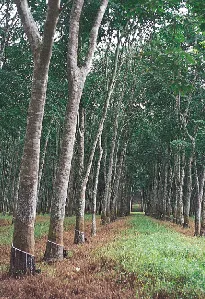
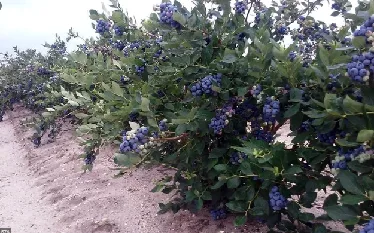
- Many trees/Fields around. Often, smaller houses with distance in between them. Sparse houses with big old trees and lots of greens.
- Some Skyrim/japanese influence on them, but with Bone Wood usage
- Some houses are two stories tall, specifically those of the village leader and some richer people.
- ADD TRUNK PEOPLE AS LIGHT SOURCE ON BIG OLD SOUL WOOD TREES AMONGST THE ROADS.
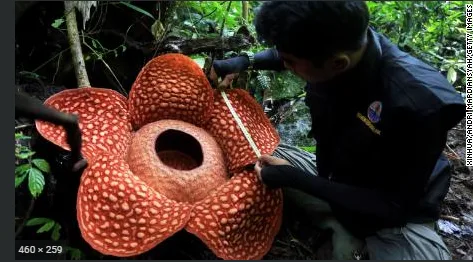
- Some large (like really large) flowers here and there. People cultivate it for the floral scent it gives off in the air.
- Many trees/Fields around. Often, smaller houses with distance in between them. Sparse houses with big old trees and lots of greens.
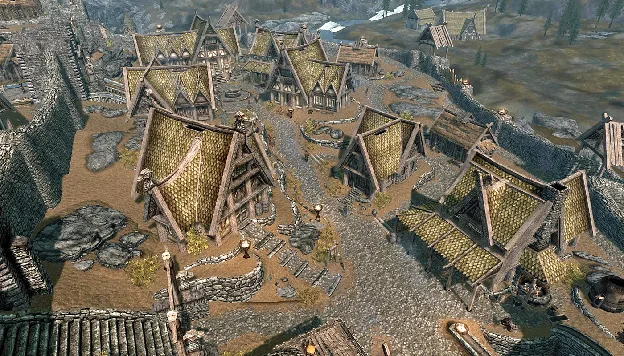
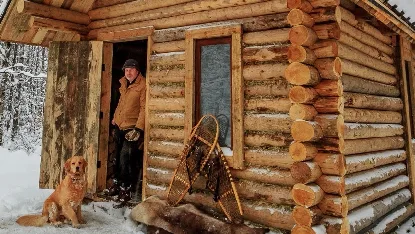 Big wood trunks mixed with Bone wood.
Gandew (Gandewian)

Royaume de Gandew
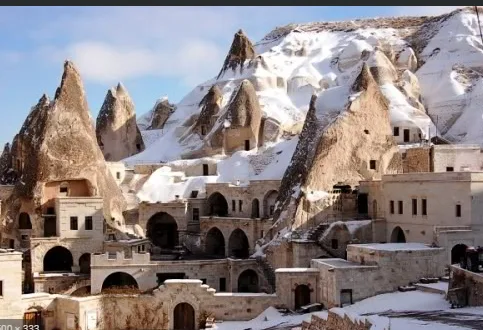
Une énorme montagne isolée dans le désert abrite toute la population de Gandew, composée principalement de Darfaries et de quelques voyageurs de passage. Tu peux t'y arrêter, mais garde tes mains et ta langue pour toi, à moins de vouloir affronter un citoyen Darfaries ou un garde géant en lourde armure de chitine dans l'une des fosses de duel. Cela dit, si te battre, c'est ton truc, vas-y ! Ils adorent fracasser le crâne des fauteurs de troubles ! Ou tu pourrais marquer des points si c'est toi qui leur fracasses le crâne.
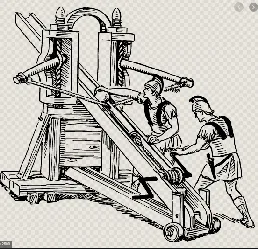
Si tu fais des histoires ou que tu l'ouvres trop, mais que tu ne veux pas aller aux fosses pour régler ça, tu peux à la place faire un tour gratuit, aller simple, sur le « Goodbye Cliff »—une baliste colossale qui te lancera dans le désert avec les bébés Wozefaries et Sorefaries. C'est un sacré tour, mais certains accros à l'adrénaline le préfèrent à la traversée des tunnels intérieurs pour descendre jusqu'à l'une des portes principales, la seule sortie, parce que c'est long.
Au fait, ne manque pas de passer par le Grand Hall près du sommet de la montagne ! Tu vas adorer la vue ! Ça pourrait même te donner envie de déménager pour vivre là-bas, mais tu ferais mieux d'être un Darfaries né à Gandew si tu veux le dire tout haut.
Puisqu'on parle d'être né Darfaries, selon le moment de ta visite, tu pourrais voir un groupe de gens réunis dans un centre communautaire local, en train de se disputer bruyamment pendant que quelqu'un hurle sur tout le monde en tenant un livre ensanglanté… Pas de panique ! Ce n'est que la cérémonie du Blood Book. Cette cérémonie commence avec le chef de famille ou du village qui ouvre le livre et énonce les attentes et les promesses d'un signataire donné depuis la dernière fois, puis le signataire fait le point sur ce qu'il a réussi, ce qu'il a raté, et ce que seront les nouvelles attentes. Pendant ce temps, n'importe quel autre participant peut promettre quelque chose au signataire examiné, ou le défier carrément en duel, par exemple pour lui remettre les idées en place, pour ne pas avoir fait quelque chose de promis, ou même pour régler une vieille rancune entre participants. Une fois que le signataire a été entièrement examiné, il signe avec son sang pour s'engager à respecter ce qu'il a déclaré. Quand tout le monde a été examiné, le gardien du livre signe avec son sang et scelle le livre ; puis tous les participants font un festin pour célébrer la vie.
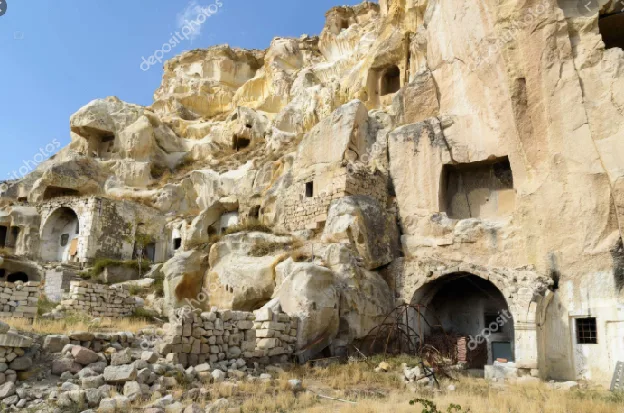
Il te faudra peut-être aussi un moment pour t'habituer à l'architecture, car la plupart des bâtiments font partie de réseaux de cavernes, et les variations de température peuvent être assez rudes. Enfin, ne t'inquiète pas si tu entends un cri de mort ; c'est sans doute juste un Wooly sur le point de devenir un steak.
Gardes
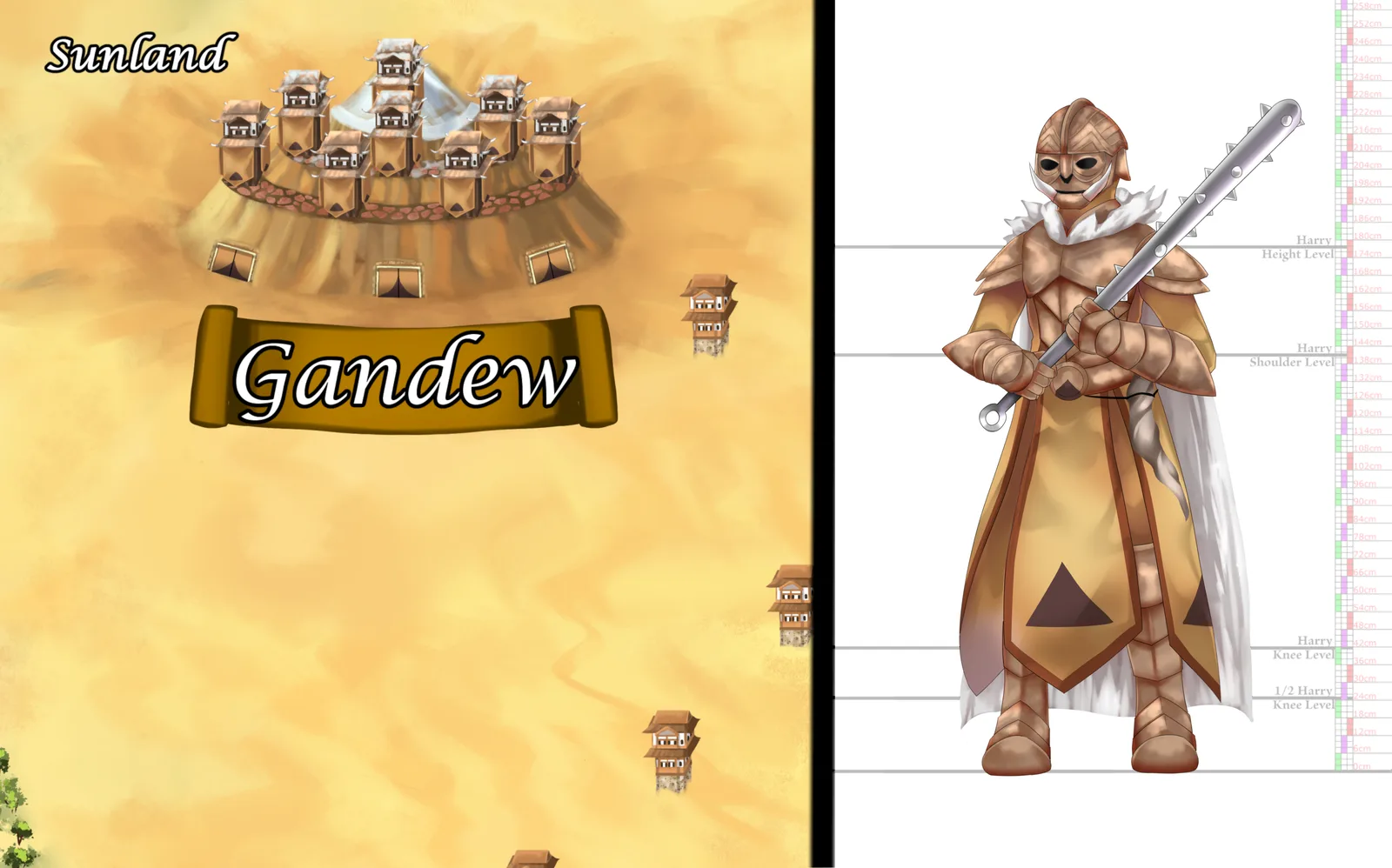
Les gardes de Gandew sont les plus physiques, et ils sont brutaux. Si leur arme contondante te touche, tu n'iras probablement nulle part avant un bon moment. Ils ont tendance à voyager seuls par tradition, mais tu serais bien bête de penser qu'ils sont des proies faciles. Leur armure de chitine est solide, et ils gagnent leur paie avec le sang et les larmes—de leurs ennemis. Et ne t'attends pas à faire la conversation avec eux quand ils ont leur casque ; ils sont généralement plus réservés que les autres gardes, mais le problème, c'est que leur casque bloque leurs grandes défenses, ce qui les empêche d'ouvrir la bouche. Certains disent encore : « Pfff—c'était un défaut de conception de l'armure, mais ils ne l'admettront pas, parce que les Darfaries sont des Darfaries, pas vrai ? » Pourtant, les érudits ont déjà prouvé que c'était fait pour créer une servitude silencieuse, donc c'était une fonctionnalité, pas un bug.
Noms
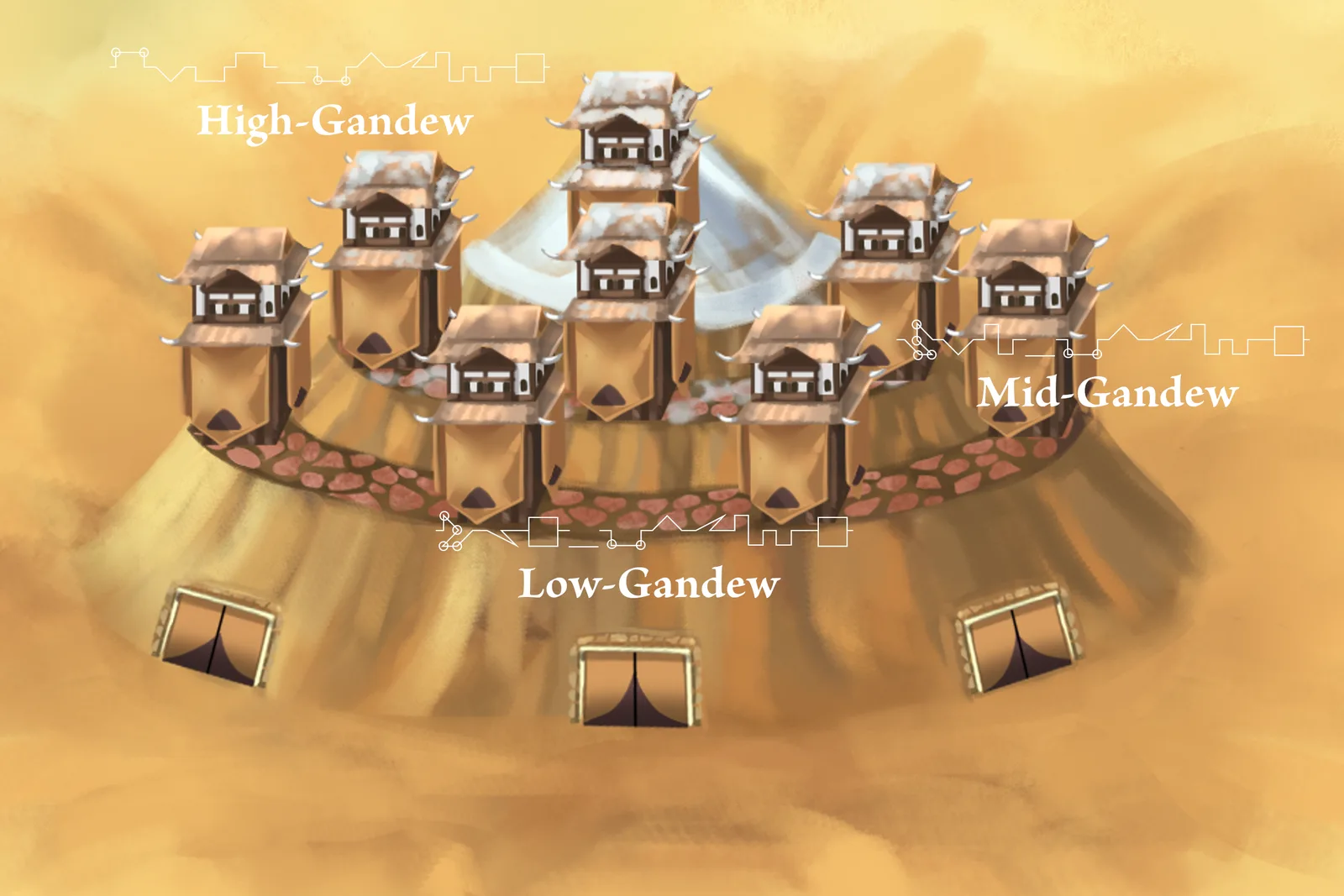
Les noms des citoyens tirent souvent vers les noms asiatiques, en particulier chinois/japonais.
En général, les gens ont « High-Gandew », « Medium-Gandew » ou « Low-Gandew » comme nom de ville. À toutes fins utiles, c'est la loi du pays, et tu seras probablement mis au ban si ce n'est pas sur ton badge. Cependant, il semble que la culture se soit un peu assouplie sur ce point, comme les gens qui abrègent « Medium-Gandew » en « Mid-Gandew » sur leur badge et s'en tirent sans problème. À ce rythme, ils pourraient accepter officiellement « Mid-Gandew » en parlant avec les gardes ou le personnel du royaume.
Citoyens notables du Royaume
Asa the Powerful
Nooru High-Gandew Tough-Hammer
Satomi High-Gandew Tough-Hammer
Texte public : kingdom-gandew.md
Les coulisses · notes complètes
-
Histoire isekai
- See World Timeline
- Gandew Mountain is ~6 km tall.
- *Traveling above ground to Sundeath is required. Beneath the ground, monsters would mess with tunnels, and people would probably get lost.
-
Royalty/Politics
- Royalty Markings
- None. Everyone should know who the leader is.
- The king is decided by challenging the previous king to a duel in the King Fest. If the person rips both tusks from the previous King, he will become the new king.
- If the king who lost has a daughter, he must give her away in marriage.
- King's sons cannot challenge their father. This is to prevent despotism or Quid Pro Quo.
- The king is also the courtroom Scientist unless they appoint someone else for that role (if they wish, or care just enough for Soul Energy)
- There is no queen. Women cannot fight for a King’s spot.
- Royalty Markings
-
Society Composition
- Gandew Kingdom only accepts Darfaries to live permanently. Wozefaries and Sorefaries are thrown out of the Goodbye Cliff.
- For Gandew, perfection is being Darfaries.
- Wozefaries can dampen the fall by activating the Darfaries Interface as an antigravity spell. Sorefaries can fly.
- Gandew Kingdom accepts all visitors.
- Gandew Kingdom only accepts Darfaries to live permanently. Wozefaries and Sorefaries are thrown out of the Goodbye Cliff.
-
Customs
- Worship the ancient Darfaries who took up the sword and cleansed the mountain of the other species.
- They believe that all spirits are forever alive and will be lost in the desert if their bodies don’t undergo the proper rituals.
- *From visions of people hallucinating in the heat.
-
Culture
- Gets along with other species but keeps their privacy; Rarely makes friends, but when they do, it’s for life.
- They avoid using Soul Energy if they can do it by hand. They don’t want to grow dependent on it, especially since the ancient Darfaries cleaned the mountain with their bare hands.
- *Not quite 100% true.
- This permeates other parts of their society, including their reputation for making preserved, non-refrigerated food.
- Mountain Greeting.
- Communists. Very clean people despite the sand.
- Families gather in the Spring, and villages gather in the fall for the “Blood Book” event.
- This event starts with the head of the family or village opening the book and stating the expectations and promises for the given signee from last time. Then the signee gives an update on what they succeeded in, what they failed at, and what the new expectations will be. During this time, any other participant may promise something to the signee being reviewed, or challenge them to a duel to, for instance, bash some sense into their head, or for failing to do something promised, or even resolve any bad blood between participants. Once the signee is fully reviewed, they sign in blood to make them responsible for complying with what they stated. Once everyone has been reviewed, the bookkeeper signs in blood, seals the book, and then all participants have a feast to celebrate life.
- Families gather in the Spring, and villages gather in the fall for the “Blood Book” event.
- Boots/sandals in a place inside the home, like Japanese homes.
- Out on the street, there are many one-person vendors selling food/drinks. They offer that in the depths of the dungeons inside Gandew, beneath the sand where beasts create tunnels.
- Usually, a party of Darfaries would have the “bard” that offers drinks and play stuff to keep the party (a literal party partying by slaying beasts) going.
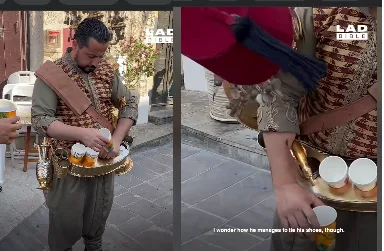
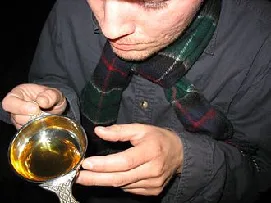
- Drinking cups are two-handed bowls
- https://en.wikipedia.org/wiki/Quaich
-
Food/Drink
-
Wooly Cheese
- See Economy Calculator

-
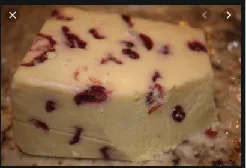
Wooly Gyut Cheese
- A common food throughout the Kingdom.
- Has an easy, slightly sweet flavor. Not everyone likes it.
- See Economy Calculator
-
Wooly Rakuja Cheese
- A common food throughout the Kingdom.
- Has a sharp, tangy flavor. People who like Rakuja will certainly like this.
- See Economy Calculator
- *Slightly caramel in color and taste
-
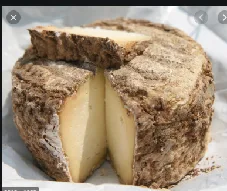
Artisan Wooly Cheese
- A refined food throughout the Kingdom
- More expensive, but it tastes fantastic.
-
Wooly Sauce

- “The taste of the white sauce had to be homemade butter mayonnaise”
-
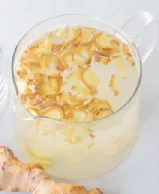
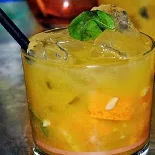
Lollish-Floaters
- Citrusy, orangy-like, tangy tart flavor, A ginger-like fist of flavor punched his mouth at the end. The base drink is made out of Gyut.
- ~9 Pearls a drink
 Topping
 Base
-
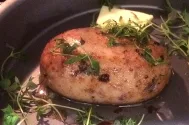
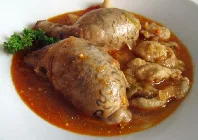
Fried Gandew Roundies
- Wooly Balls
- ~50 Pearls for adult balls.
-
Stew Gandew Roundies
- Wooly Balls
- ~45 Pearls for adult balls.
-
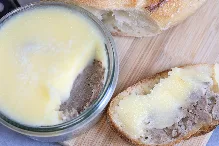
Potted Wooly
- Gandew makes the best potted meat in the kingdom.
-
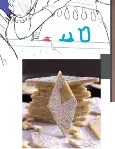
Hard Mud
- The snack had a brittle texture and buttery flavor. Many variant types exist.
-
Milk String
- The seller casts spells inside the hole to fill it with ice. Then put over layers of milk, sugar, Rakuja, and gyut f to create custom strings of frozen milk.
- Can be seen on Forway too, but with lots of more flavors.
- More info: Roller Kufti
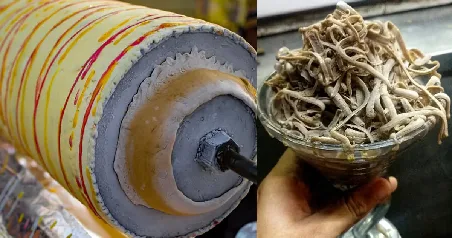
- The seller casts spells inside the hole to fill it with ice. Then put over layers of milk, sugar, Rakuja, and gyut f to create custom strings of frozen milk.
-
-
Clothing
- Colder clothing for higher altitude living. Overdress, clothing is on the threatening side of things, but can also be used to cross the desert by reflecting sunlight.
-
Éducation
- Darfaries children are granted many free items, including free fundamental education and Wooly Gyut Milk, but they are heavily trained in the Gandew ways of living.
-
Crime/Law
-
Every punishment is done by combat.
-
Droits & loi coutumière des duels de Gandew
- ~375 A.G. first iterations of it were implemented.
- See Laws/Treaties
-
-
Gardes
- Gandew Guards are the most physical ones, and they’re brutal about it. If their blunt weapon touches you, you likely won’t be going anywhere for a while. They tend to travel alone for customary reasons, but you would be foolish to think they are easy pickings. Their chitin armor is tough, and they earn their paycheck with the blood and tears—of their enemies. Also, don’t expect to strike up many conversations with them when they have their helmet on; they are generally more reserved than other guards, but their helmet locks their large tusks in place, preventing them from opening their mouths. Some still say, “Pfff—it was a design flaw with the armor, but they won’t admit it because Darfaries being Darfaries, am I right?” However, scholars have already proven that it was to create a silent servitude, so it was a feature, not a bug.
-
News
- ?
-
Local Courier Services
- ?
-
Local Embassy Quests
- Desert Protection/Road cleaner from sand.
- Mining Holes maintenance, dive deeper down, etc.
- Desert, and West/North exploration/maintenance
-
Guildes
-
Tough Hammer (#9)
- Famous guild for tough warriors that contain their emotions. Of a calmer nature, but can still pack a precise punch every single time.
-
-
Economy
- Trades Wooly Milk and Wool with other kingdoms.
- Domar Carbey from Tolerideme
- Also harvests Rakuja Fruit, albeit a lower amount due to space.
- Trades Wooly Beef Jerky with other kingdoms, especially Sanbi.
- Minting Sapphire & Aquamarine balls.
- Minerals, Blacksmithing.
-
Marriage
- Whenever two Darfaries like each other, they duel to see if it ends in a draw. If so, they mate for life.
-
Name Influence
- Citizens’ names often lean towards Asian Names, specifically Chinese/Japanese.
- Usually, people have “High-Gandew”, “Medium-Gandew”, and “Low-Gandew” as the city names.
- For all intents and purposes, that’s the law of the land, and you will likely be ostracized if you don’t have that on your badge. However, it seems that the culture has relaxed a bit on that front, with people shortening “Medium-Gandew” to “Mid-Gandew” on badges and getting away with it. At this rate, they might officially accept “Mid-Gandew” when talking with the guards or kingdom personnel.
-
Points Of Interests
-
Tower Training (#1)
- A central tower training center that now serves as a tradition rather than a protection.
- Every juvenile Darfaries must participate in this training for a year
-
Central Farm (#2)
- Where local crops, including Rakuja, are grown more intensively.
-
Central Herd (#3)
- Where most Wooly lives and most meat & milk production takes place
-
Grand Hall (#4)
- The place where the current king and his family reside

-
Low Pit (#5)
-

- Fight place where Darfaries settle their arguments & punishments.
- Whoever loses has to clean it.
- This pit is sandy, dry & hot.
-
Medium Pit (#6)
-
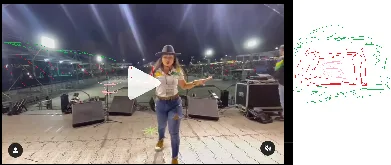
- Fight place where Darfaries settle their arguments & punishments.
- Whoever loses has to clean it.
- This pit is warm & dry
-
High Pit (#7)
-
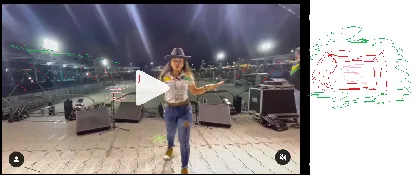
- Fight place where Darfaries settle their arguments & punishments.
- Whoever loses has to clean it.
- This pit is covered in snow.
-
Goodbye Cliff (#8)
-
Cliff, where all Wozefaries and Sorefaries are launched from
-
-
Randy’s Payupfront (#9)
- Randy owns a chain of small bars. You pay at the front and drink whatever you want. Her wife is known as the coolest and most beautiful bartender. She has massive tities and is famous for pulling them out when you want some milk and spray from afar.
-
-
Festivals
-
Weapon Fest
- Held every Adrian to see who makes the toughest weapon by category
-
King Fest
- Held every Asa. A major trial by combat is held amongst all who think they are worthy of the king's position.
- The king is healed alongside the fighters before every fight. The loser has to “lick his wounds” or get someone to lick them.
- Both tusks must be ripped out after killing the previous king
- The winner faces the king.
-
-
Burial
- Cremation, then bones are washed with sand from the mountain, and then stored in an urn alongside the ashes for the family to keep.
-
Visual References
-
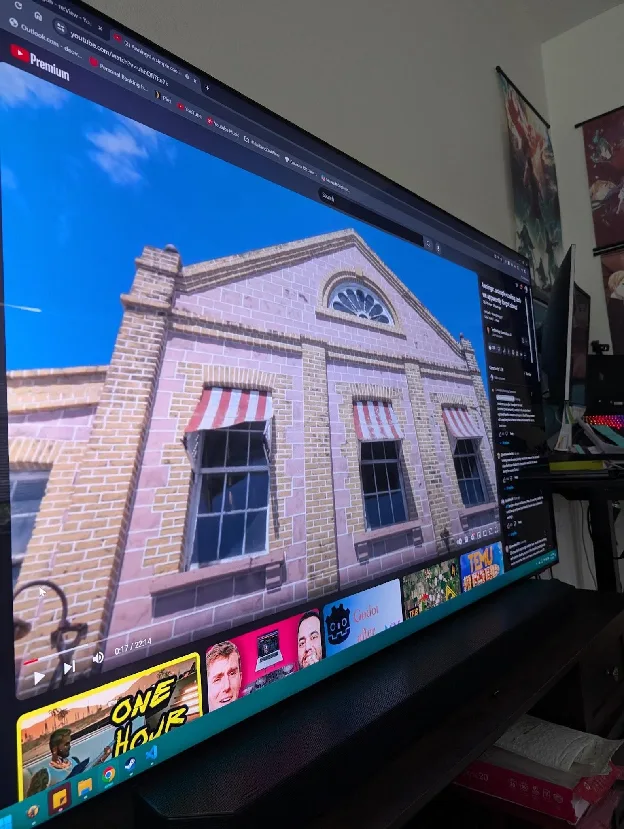
- FOST STONES USED INSIDE HOMES. Public settings mostly rely on fire for light/heat as tradition demands.
- MUD/CAVE MOUNTAINS HOUSE.
Sanbi (Sanbian)
Royaume de Sanbi
Tu aimes l'odeur du poisson et l'air humide et salé ? Tu préfères la frugalité et le lien entre les gens aux biens matériels ? Oui ? Alors c'est l'endroit qu'il te faut ! Laisse-toi étonner par les façons infinies dont ils savent préparer le poisson Sanbi ; la plupart des plats sont délicieux, mais certains peuvent être trop expérimentaux et demander un esprit aventureux pour les avaler.
Le Royaume de Sanbi est l'un des endroits les plus cool et les plus accueillants qui soient. Je veux dire, même le Roi en personne te parlera si tu l'abordes dans la rue. Vieille âme de Sanbi ! S'il voit que tu passes un bon moment, il laissera très probablement tomber ce qu'il fait pour traîner avec toi. Va dans les bars à la tombée de la nuit, car il y a toujours des choses à faire et des gens sympas avec qui boire ! Prépare-toi à te faire des amis et des souvenirs pour la vie ! Même les Cruros du coin partageront une bière avec toi, et s'il t'arrive de boire toutes tes boules, un inconnu serviable aura peut-être un endroit où tu pourras dormir et dessoûler.
Fais juste attention à ne pas trop t'emballer et à ne pas partir vers l'Est en direction d'Aldemeri ou de Cruro, sinon tu pourrais ne jamais revenir—à moins de savoir te défendre.
Sois juste à l'aise avec leur culture très tactile et directe si tu veux devenir pote avec eux. Ils sont connus pour vivre et profiter du présent. C'est pourquoi ils n'ont pas vraiment beaucoup de festivals ; ils préfèrent célébrer la vie tous les jours.
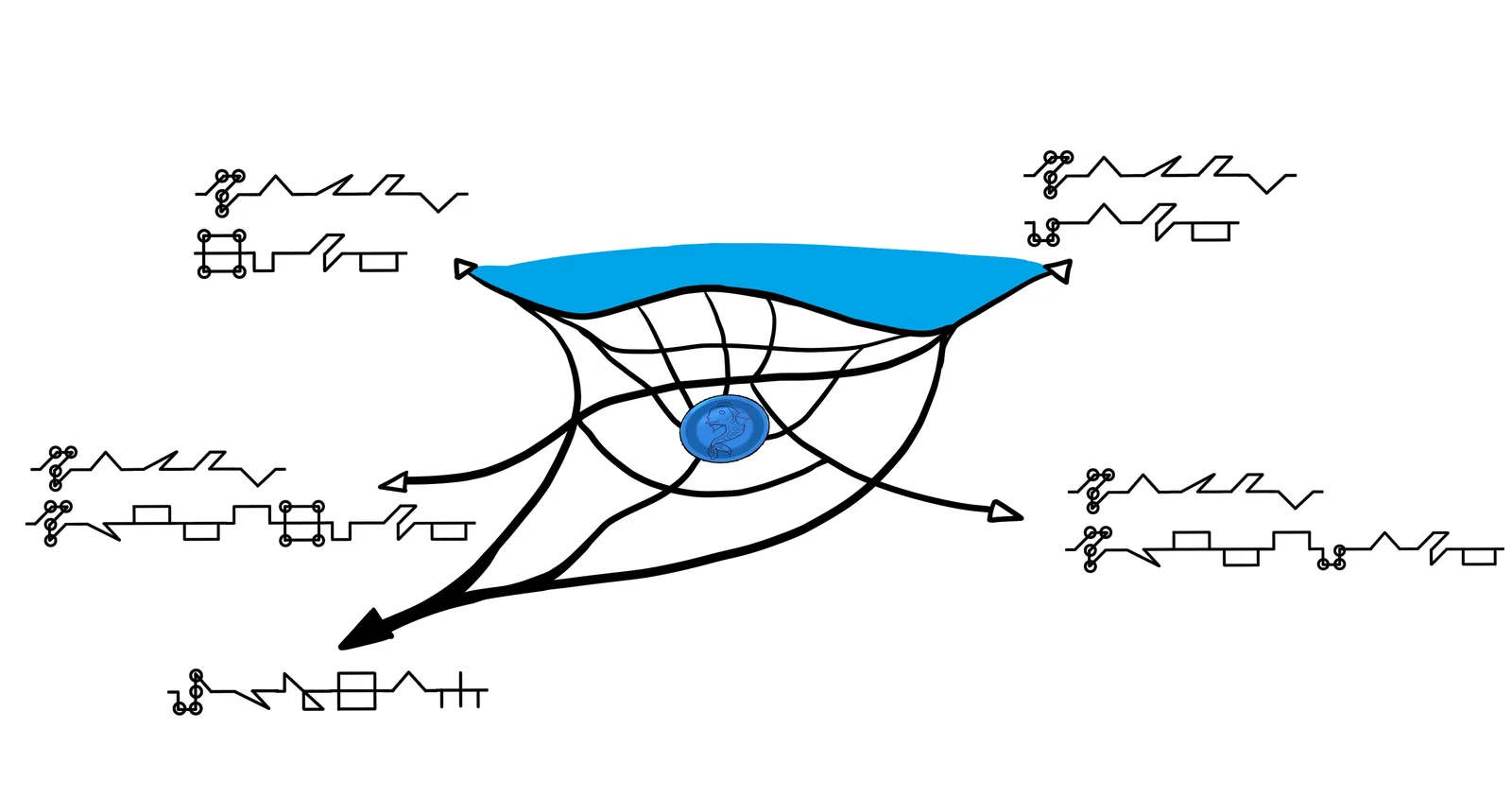
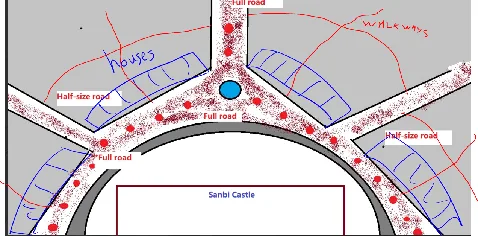
Le Royaume de Sanbi est aussi le nom de la capitale—ce qui n'a sûrement jamais embrouillé personne ! Comme elle s'est développée à partir de la zone portuaire et autour du château de Sanbi, elle a pris la forme d'un triangle inversé. Avec le temps, à mesure que le royaume grandissait, le service de la monarchie a construit des routes pour relier la capitale aux villages voisins comme Sanbi West et Sanbi East. Quand est venu le moment de construire la grande route entre Sanbi et Forway, c'est la pointe sud qui a été choisie, notamment pour y installer l'ambassade de Forway.
Gardes
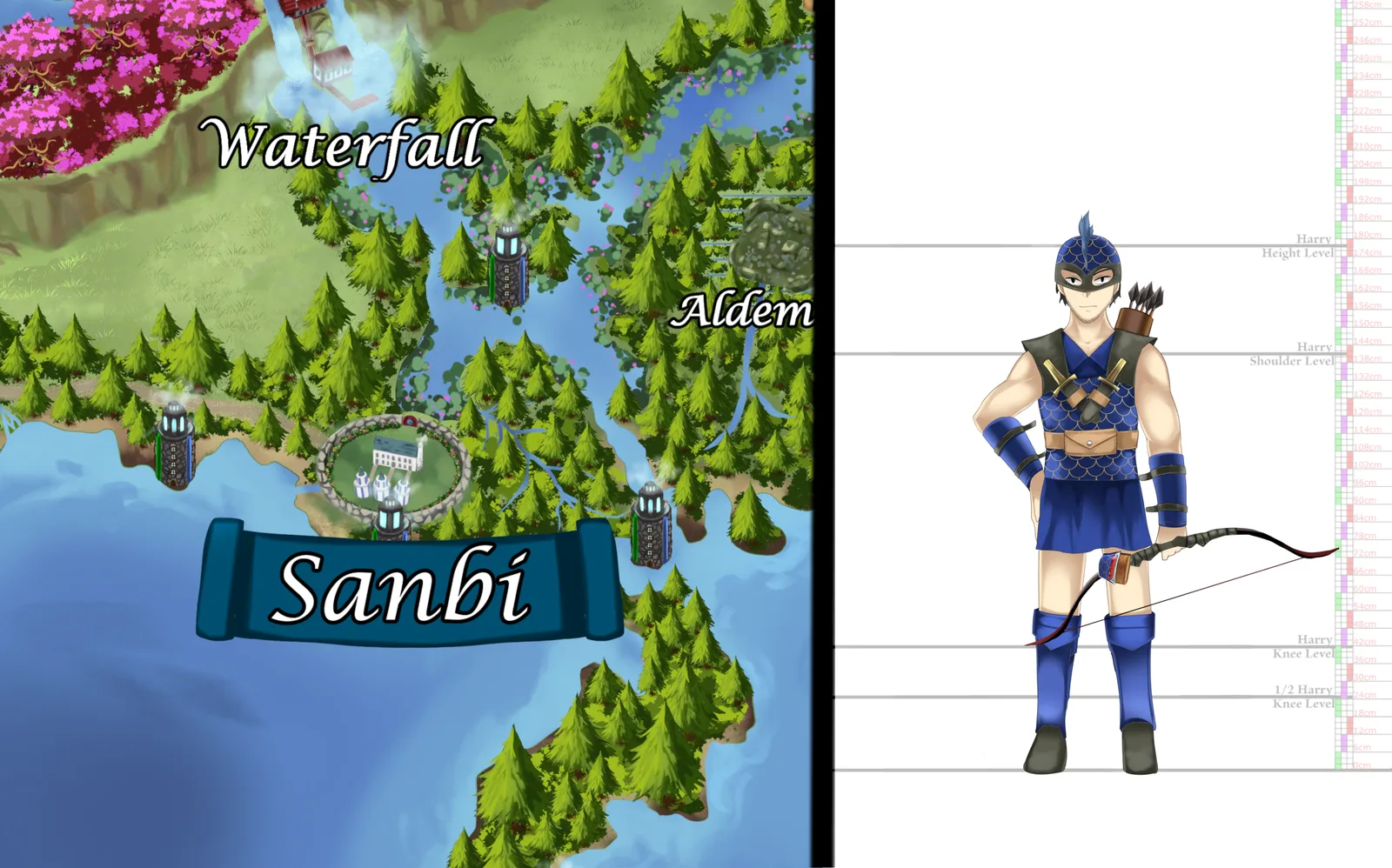
Les gardes de Sanbi sont des gardes polyvalents qui savent utiliser couteaux, gels nari et bombes nari pour maîtriser rapidement un trouble-fête ou pour se casser vite fait si c'est trop pour eux. Leurs grands arcs, combinés aux gels nari, leur permettent d'avoir des techniques de combat plus variées ; ils peuvent être plus furtifs, avoir une masse musculaire accrue, ou même avoir des flèches empoisonnées avec des gels nari affaiblissants. Ce n'est pas pour rien que leur entraînement insiste souvent sur la mentalité « tout est une arme », et tu devrais l'avoir aussi si l'envie te prend de troubler la paix de leur royaume.
Noms
Les noms de Sanbi sont souvent les plus uniques. Contrairement aux autres royaumes, tu peux en changer autant que tu veux. À tel point que les Sanbi Royals ont un contrat spécial de subvention avec Forway pour réduire le coût de refabrication des badges pour leurs citoyens. Pendant ce temps, les responsables de Forway se débattent encore avec le problème à donner des anévrismes de garder la trace des anciens noms liés à la signature de l'âme sans faire exploser les coûts.
Les caractéristiques des noms s'apparentent souvent à celles des noms des Indiens du Brésil, ou aussi des noms indiens. Les Sanbiens aiment les noms cool et originaux, surtout ceux qui parlent à ton âme. Que ce soit ce genre de nom qui te donne envie de le crier en pleine rue par une nuit d'orage, ou celui que tu dois fièrement répéter encore et encore parce que personne ne comprend comment putain on l'écrit ou le prononce.
Citoyens notables du Royaume
Bijura Moacir
Coema Half-Cruro
Eiri Sanbi Royal
Gabiro Sanbi Royal
Itagiba Sanbi Royal
Neferteri Sanbi Royal
Texte public : kingdom-sanbi.md
Les coulisses · notes complètes
-
Histoire isekai
- Once, it was a fishing village that grew into a semi-ordered city.
- Sanbi village was named after the fish of the same name, and only fishermen from this area could catch it.
- Other kingdoms visit Sanbi to enjoy the infinite variety of dishes made from such a treasured fish.
-
Royalty/Politics
- Follows a kingdom approach but splits power into four power players:
- Monarchy Department
- King: Foreign Affairs.
- Trading deals, Prosperity treaty observation, etc.
- Queen: Local & Social Affairs
- Education, urban planning.
- Monarchy Department
- King: Foreign Affairs.
- Soul Energy Department
- Courtroom Scientist:
- Security Affairs, investigations, guards, etc.
- Courtroom Scientist:
- Economical Department
- King-Maid:
- Economic affairs, bookkeeping, and overseeing castle maids. Also, implementing deals and hashing out their minutes. Frugality is the name of the game.
- Eiri always meets up with Sora on Tollday and Sannday to get caught up on the incoming flux of paperwork.
- King-Maid:
- Monarchy Department
- Department meeting is held every Freeday, or more times if necessary.
- One of the power players can be expelled if the other three power players agree. They can also retire at any point if they so desire.
- Royalty Markings
- Blue strands of hair
- Follows a kingdom approach but splits power into four power players:
-
Relationship/Threats
- Cruro if they get too big
- Some Sabi citizens still hold a grudge against Cruro as they took away an easy job of collecting Pearls.
- True Sanbi King, if the fish breaks the deal they have.
-
Society Composition
- Mostly humans, and a few Wozefaries, Sorefaries & Cruros
-
Customs
- See Novels > The True Sanbi King
- They pray for the sea every day so that it does not swallow their fisherman
- Their burial rituals are closely tied to giving back what they took from the sea
- ‘Our soul is tied to the sea.”
-
Sanbi Castle
- No marble: walls are a fine white plaster, common across the Sanbi Kingdom.
- No war room. There's a bar (Vol 2, Chapter 1) and the Monarchy office, where Neferteri prefers to negotiate.
- The Sanbi Royals hold a weekly meeting, like a standup: Neferteri, Itagiba, Eiri and Kibe. The King-maid (head of the economic office) pre-writes the topics, reads them out and records the votes. The Queen dismisses the meeting.
-
Culture
- Sanbi people are closer to Brazilians on a random weekend than to ancient Greeks: news spreads as bar talk, not forums.
- A Sanbi rave can go on so long, with so much booze, that people get stampeded to death and are revived once the party is over.
- Sanbi Castle maids are paid very well, and it feels like family, so few walk away.
- Emotional sustenance. Give in to what your heart desires
- Very handsy people.
- Frugal people
- Warm/Friendly.
- Somewhat sloppy, careless. Not as intelligent as people from Forway, but often have more street smarts.
- Not many festivals, as people celebrate their daily lives. Live in the present nature
- Lots of weekend parties. Use ref from Brazil party on 1/6/2024
- Expression for “you’re fucked/You’re done”. Hands and arms flat in front, and close them three times like a Sanbi mouth.
-
Food/Drink
-
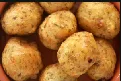
Fried Fish Balls
- Sanbi fish dried, grounded, then mixed with Domar flour and fried. Usually served on a wooden stick
- 5 Pearls for a stick with 10 balls.
-
Sanbi Beer
- A beer made with Carbey with a small addition of fish oil. Supposedly very aphrodisiac.
- 1L ~6 Pearls

-
Hard Mud
- The snack had a brittle texture and lardy flavor with hints of something akin to pistachio and cinnamon. It’s an offshoot of what Gandew did, offering its own variants without relying on butter/milk. Some variants add Gyut, for instance.
-
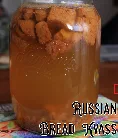
Bread beer
- Want to get drunk but don’t have the money? Then, bread beer is the way to go. Fermented from literally old bread. Taste varies wildly.
- 1L ~3 Pearls
-
-
Clothing
- Fish leather is prevalent. Exposed skin. Sailor bandanas are common.
-
Éducation
- Not required, but not paid by the kingdom either. Participation is lower than in other kingdoms.
- Overall intelligence is slightly lower.
-
Crime/Law
- Follows The Forway Law
- Minor punishments are done by replacement
- The major punishment is the criminal being thrown into the sea. If they survive, the sea absolves them of their crime.
-
Gardes
- Les gardes de Sanbi sont des gardes polyvalents qui savent utiliser couteaux, gels nari et bombes nari pour maîtriser rapidement un trouble-fête ou pour se casser vite fait si c'est trop pour eux. Leurs grands arcs, combinés aux gels nari, leur permettent d'avoir des techniques de combat plus variées ; ils peuvent être plus furtifs, avoir une masse musculaire accrue, ou même avoir des flèches empoisonnées avec des gels nari affaiblissants. Ce n'est pas pour rien que leur entraînement insiste souvent sur la mentalité « tout est une arme », et tu devrais l'avoir aussi si l'envie te prend de troubler la paix de leur royaume.
-
News
- Any official announcement is made by gathering the populace for an event around Sanbi Castle, or whatever else is appropriated for the occasion. Everything is an excuse to get together. Otherwise, information is relayed to guards, and if people want to know something, just ask a guard or a village elder whenever they get the news. There’s not much written on post walls, etc.
- If there’s a need to do so, such as a wanted poster, Sanbi Kingdom uses the Embassy services—basically for convenience.
-
Local Courier Services
- Sanbi Kingdom offers kingdom-managed courier services anywhere within the kingdom for a flat rate of 1 Pearl. Timing is not the best as no WIngas are used (Human transforming into Large Winga and transporting the message themselves in emergency cases.) Emails are only one-way, and if the address is incorrect or the person is not found, the mail is forwarded to the castle where it is stored for a while before being disposed of.
- Same postcard size as Winga Mail. The envelope is always white to prevent confusion with Winga Mail.
- *FROM & TO are uppercase.

-
Local Embassy Quests
- Crocus Control
- Cruro Recognizance
- Aldemeri Bounties.
- Newland Exploration.
- Sea Oversea.
-
Guildes
-
Half-Cruros (#6)
- One of the highly intelligent Cruros named Kiko that left the land created a guild for him and all other Cruros who left Cruro Lands to live a decent life. Also serves as a place to help new Cruro who just fled the land.
-
Sanbi Royal
- All members governing the city (alongside their sons and daughters) participate in this guild.
-
-
Economy
- Exporting Sanbi Fish products such as Dried Fish & clothing made with Sanbi scales.
- Exporting fish meal to Gandew & Tolerideme Kingdoms for farming.
- Exporting fish oil
- Trading with Cruros.
- Some Fost Stones collection.
- Salt Production.
-
Marriage
- The tradition is to propose their love loudly and clear in front of the Sanbi Fish fountain. If they accept, they exchange a passionate kiss and hug.
-
Name Influence
- Sanbi names are often the most unique. Unlike other kingdoms, you can change it as much as you like. So much so that the Sanbi Royals have a special subsidy contract with Forway to lower the cost of badge remakes for their citizens. Meanwhile, Forway officials are still dealing with the aneurysm-inducing problem of keeping track of previous names tied to the soul signature without ballooning costs.
- Name characteristics are often akin to Brazilian Indians' names or Indian names as well. Sanbians like cool, distinct names, especially one that speaks to your soul. Be it that kinda name that makes you want to scream out loud in the middle of the street on a rainy, stormy night, or the one that you proudly have to repeat over and over because nobody can fucking understand how to write or say it.
-
Points Of Interests
-
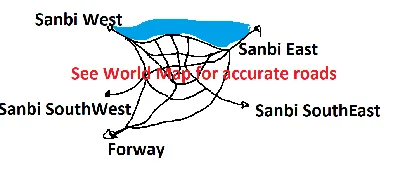 Roads
-
They mastered the construction of two to three-story buildings, but due to the evolving techniques, some buildings are not quite the same. Also, there has never been any sort of restriction on building size/type/architecture.
-
Most building interiors are white because lime is cheap to acquire from Cruro.
-
Sanbi’s Castle
- 3 floor talls (1 floor is the roof)
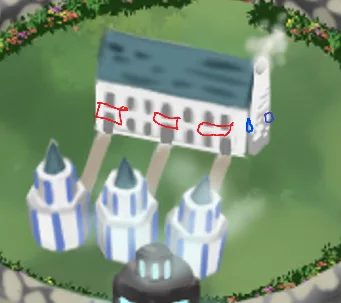
- The Forway clerk assigned to draw sketches of Sanbi Castle had too much to drink when he spent the night.
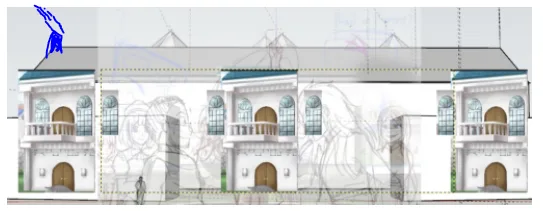
-
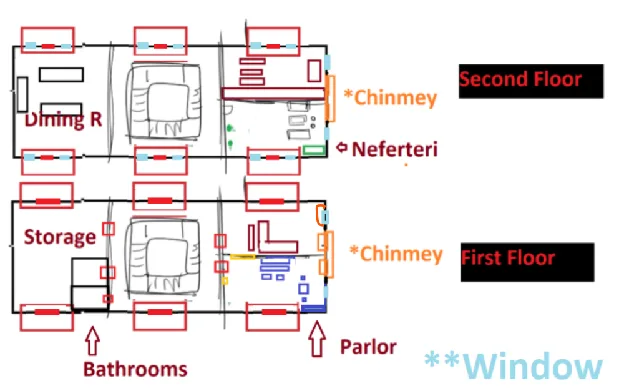 *Trying to mitigate by reducing size after a contract bookcase.
-
*Glass on the side ends too. No balcony.
- A castle with three adjacent towers around it. Separated by an equal amount of space.
- Surrounded by walls
- The only known way in/out is in front of Sanbi’s Fountain. The door only opens when guards from the outside open it.
- Interior looks.
- *In blue, chimney
- Monarchy Room
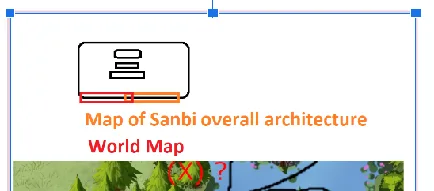
- Above the guards, there is a world map drawing.
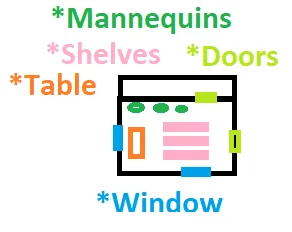 *Eiri’s office
*There a bathroom somewhere in the first floor.
-
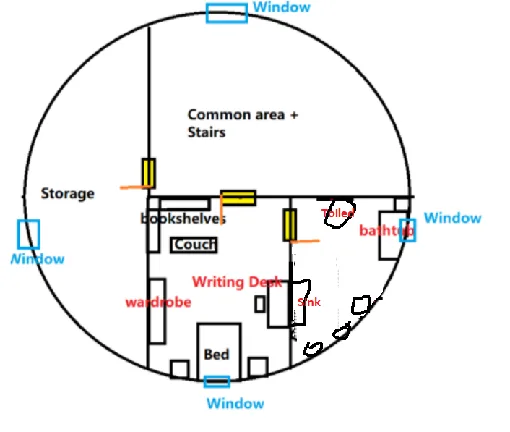
Sanbi’s Castle Towers
- 5 Floor tall (5th floor is the triangle top.)
- West: Soul Energy department Living quarters + Offices + Testing sites.
- South: Monarchy department living quarters
- Eori’s room - 3rd floor.
- East: Guest bedrooms + Storage. Main Floor is a well-decorated living room of sorts, with toys, games, couches, scribbled-on boards with children's paintings, etc.
-
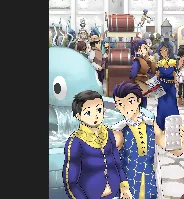
Sanbi’s Fountain
-
Located by the castle’s only exit. Has a figure of the biggest Sanbi fish caught to date in its center.
-
-
-
Sanbi’s Dockyard (#1)
- Where ships get built & repaired
-
Old Wharf (#?)
- Old dock, now used chiefly by smaller boats to be taken ashore and some Eguas as they enter/leave the river.
- Common place for Soul Send Away ceremonies.
-
Ungandy’s factory (#?)
- Not far from Old Wharf. Most are known for making Deep blue non-explosive nari bombs.
-
Sanbi’s Main Street Market (#2)
- A market located on the main street.
- A thriving place for the exchange of all kinds of goods.
-
Sanbi’s Fish Drier Factory (#3)
- A large factory with tons of glass greenhouses used to dry fish in the sun, either to make dried fish or to send to Waterfall City to make fishmeal.
- Often hire scientists to speed up the drying process.
-
Sanbi’s Fish Oil Extractor Factory (#4)
- A large factory used to extract fish oil prior to sending the fish to the Drier Factory.
- Often hire scientists to perform Elemental Ice from Darfaries Interface for the winterization for extracting fish oil using ethanol.
-
The Dead Wozen (#5)
- Tavern
-
Miirin’s cookery (#6)
- A tea-girly place turned into dinner. They serve more tapas sized-serving of food variety. Their desserts are to die for!
-
Broken Beak Hotel (#7)
- Hotel where Kibe met up with one of the aquamarine adventurers and got the Amethyst Smelly Killer Bagarisa. It is a place known for hosting adventurers disembarking from Tastyleaf.
-
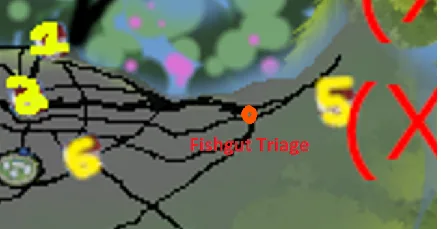
Fish Gut Triage
- Suburbs of the Sanbi kingdom, where things start to grow more sparse
- TODO SYNC TO METADATA MAP
-
Shaved Bagarisa (North of Sanbi Castle.)
- Tavern
- TODO SYNC TO METADATA MAP
- A castle with three adjacent towers around it. Separated by an equal amount of space.
-
Festivals
-
The Sanbi Fish Parade
- Every Adrian people dress up in Sanbi fish costumes to celebrate the end of another year
-
The Safe Fishing Prayer
- Everyday, some people can be seen by the dock flailing their arms and feet in a rhythmic beat while looking at the sea and chanting fishing songs in hopes it will catch the sea’s attention and listen to their request.
-
Soul Send Away
- This burial ritual is usually done at the Old Wharf. See Burial for more info.
-
White Roundies Arrival
- Every winter, white roundies arrive. People tend to party with them as they behave like a dog, but the size of a human. People also use them to try to exchange food for stuff they find in the deep sea. Sometimes they get lucky, and get gold; sometimes they get a half-eaten fish.
-
-
Burial
- Soul Send Away ritual.
- A collar made of stones gathered from the bottom of the sea is put around the person’s neck.
- If the person's body doesn’t exist, then their favorite possession is offered instead.
- A heavy stone is wrapped around the dead, and they are cast into their desired spot in the sea, or decided by the guild.
- When casting the body into the ocean, they usually hold a ceremony between friends and family to talk about the person before they are taken away into the ocean.
- When the body leaves into the ocean, usually from the Old Wharf, people chant “A person lives from the sea, and so shall the sea live from the body”.
- Or the person dropping of the body in the sea says so if no gathering was done.
-
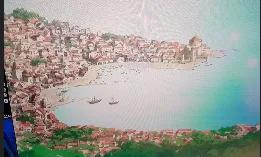
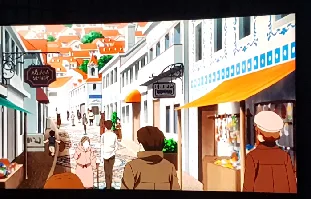
Visual References
Tolerideme (Toleridemian)
Royaume de Tolerideme
Une personne compétente a dit un jour : « Ne défie pas un Toleridemien dans un concours de boisson, à moins de pouvoir te payer un soin du corps pour ton foie. » Même les Darfaries avec leur carrure massive peuvent être humiliés par un vrai Toleridemien. Pour être honnête, ils font la meilleure bière du coin, alors je boirais tout le temps en regardant le vent peigner les champs violets de Domar Carbey.
Si tu viens de Gandew, tu pourrais trouver bizarre la température relativement constante. Et si tu as un peu de « rembourrage » en plus au niveau du ventre, tu n'auras peut-être même pas besoin de manteaux épais pour rester au chaud, et tu t'intégrerais plutôt bien ; la plupart des gens ici sont « bien en chair » aussi.
Si tu viens de Sanbi, tu remarqueras qu'ils sont moins tactiles, mais bon sang, qu'est-ce qu'ils sont d'une franchise brutale ! Ne le prends pas mal ; c'est comme ça depuis que les trois sœurs savantes ont fait sortir Tolerideme de rien, uniquement grâce à l'intelligence, à un usage intensif des interfaces d'énergie de l'âme et à un culot assumé.
Et ils ne sont pas paresseux ! C'est une simple question de « Travailler plus intelligemment, pas plus dur ! » Si l'énergie de l'âme peut le faire, ils ne lèveront pas le petit doigt de leur corps corpulent pour le faire. Dans le même esprit, si tu décides de passer un contrat avec eux, tu ferais mieux de ne pas supposer qu'ils en feront plus pour toi. Si ce n'est pas dans le contrat, ce ne sera pas fait.
Ne manque pas de passer pendant le festival Shake Belly ! Il y a à manger gratuitement ! Si tu es prêt à secouer ton ventre pour ça, bien sûr. Rien n'est vraiment gratuit, après tout—
Gardes
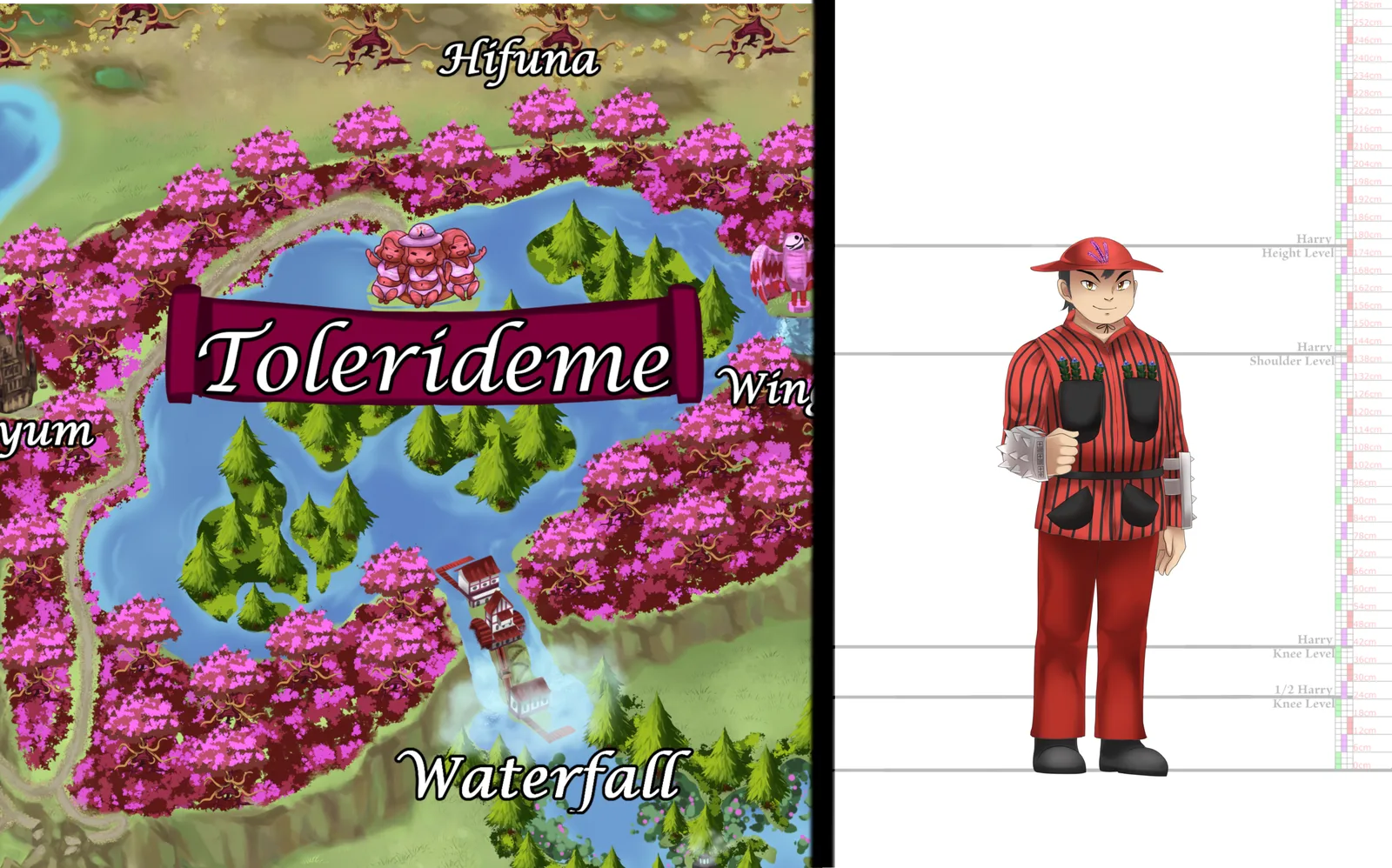
Les gardes de Tolerideme sont considérés comme les plus cool de tous les gardes, mais ils savent frapper fort avec leur arme défensive semblable à un gantelet. Même si, le plus souvent, ils ont recours à l'interface Darfaries sur eux-mêmes pour infliger des dégâts élémentaires et forcer leurs ennemis à se rendre. Ça les laisse très exposés à cause du lancement lent, mais ils sont toujours en grands groupes. Ils peuvent aussi utiliser des gels nari s'ils sont en difficulté, alors si tu veux infliger des dégâts, tu ferais mieux d'être rapide et implacable, sinon tu pourrais être gelé, électrocuté, cuit, piétiné, fouetté ou écrasé par des boules géantes de sorts élémentaires jusqu'à ce que ton esprit se brise !
Noms
Comme la plupart des aspects de leur culture, leur précision impeccable touche aussi leurs noms. Tous les noms sont divisibles par 2, souvent longs d'exactement 4 ou 6 caractères. Pourquoi ? Parce qu'il n'y a pas de « peut-être » ni d'exceptions. C'est ce qu'ont fait les Smart Ladies, donc c'est la loi.
Leurs noms sont souvent dans le registre des noms anglais, des États-Unis au Royaume-Uni, avec même quelques notes australiennes mélangées.
Citoyens notables du Royaume
Adrian From North Tolerideme
Alford Tolerideme Dirt-Lover
Jimmie Tolerideme Whoop-Ass
Kianna Tolerideme Whoop-Ass
Luny Tolerideme Dirt-Lover
Texte public : kingdom-tolerideme.md
Les coulisses · notes complètes
-
Histoire isekai
- See World Timeline
- The lands were incredibly fertile, but human technology was not advanced enough to fully utilize them until the three sisters came along and revolutionized farming with Soul Energy & fish meals mixed with human poop.
- Over time an oligarchy developed, and they taxed alcohol to fund the war to the point where an uprising happened.
- After the revolution, they split the power between two people:
- Farm Leader
- Alcohol Leader
- Once a Leader dies, a castle party is held for the elite to say their goodbyes and appoint a new Leader.
- The court scientist assists these couples and keeps them in check regarding the prosperity treaty.
- A person appointed by Forway city
-
Royalty/Politics
- Royalty Marking
- They carry a Wood shovel on their hip passed down by the generations, if coordinating farmland. The shovel doesn’t seem to have anything special on its marking.
- Booze King. Alcohol King.
- They carry a corkscrew on their hip if coordinating the alcohol district. There does not seem to be anything special about it either, other than that it’s the same one passed down by generations.
- Farm King. Dirt King.
- They carry a Wood shovel on their hip passed down by the generations, if coordinating farmland. The shovel doesn’t seem to have anything special on its marking.
- Royalty Marking
-
Relationship/Threats
- Some Waterfall City residents mistreat them for shunning physical work in favor of over-relience on magic. Also, Waterfall residents much rather negotiate prices and be more flexible compared to Toelridemians, who do not care for negotiating.
- Wood People present a threat, but they don’t seem to care
-
Society Composition
- Obese humans, and overweight humans are fairly common. The poorest are more easily visible than the rich. Some Darfaries, but also overweight as well. Rarely Wozefaries/Sorefaries.
- Humans on average are shorter than Harry’s height.
-
Customs
- They revere the three smart ladies and aim to be as smart and fat as they are.
- They don’t really care for what happens after they die as they rather focus on revival for as long as possible.
-
Culture
- Honest than most.
- Ironclad in terms that the culture won’t likely every change based on everyone intimately following it.
- Does not negotiate. The price stated is the price they conclude is fairest.
- Heavily relies on Soul Energy and avoids physical work as much as possible.
- They are in the “fair-work and fair-pay” mindset.
- They are precise. If someone promised something, specially showing up on a given day/time, then they better.
- Being able to down a massive amount of alcohol and keeping it down is considered tough.
- Wearing hats to demonstrate their symbol. work/life, etc.
- They are louder than most.
- Toilets are communal so that poop is collected.
- They still keep mixing Soul Energy & fish meals mixed with human poop.
- Utilitarian view on tools.
- They like their rituals of social interaction.
- Tamada Culture (Georgia)
- https://en.wikipedia.org/wiki/Tamada
- One of the goals of the Tamada is to weave conversations from the different clusters of people taking in the table and bring a sense of unity. Keep the pace of the conversation. The have to empty their glass on every toast and hold his drunk at bay.
- Toasting might last several hours. The toastmaster or any guest will use magic to raise the glass high to raise a toast.
-
Food/Drink
-
See Carbey/Domar Carbey
-
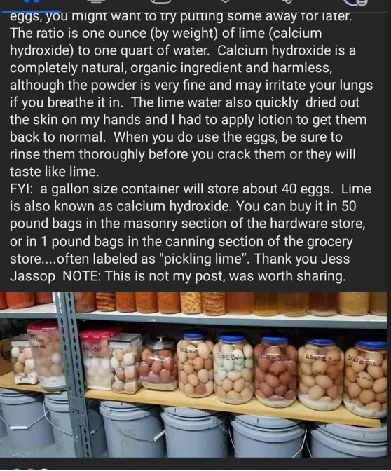
Fermented Eggs
-
Long-Storage Eggs
-
Purply Smart Lambic Beer
- Lofinghy and Itagiba loves this.
- Lofinghy and Itagiba loves this.
-
Hearty Cocona Stew
- Cocona (black or other saltier variant), roots, and fire-broiled meat stew. See Cover Vol 3.
-
-
Clothing
- Colorful/lists. For slightly colder weather.
- Wearing hats (like Aurora) to demonstrate their profession, life, etc. Some would go as far as to demonstrate their wealth.
- Heavy use of Tibou.
-
Éducation
- Fundamental school prioritizes three education types:
- General
- Farmland
- Alcohol
- Free meals at the Fundamental school are free to citizens.
- Fundamental school prioritizes three education types:
-
Crime/Law
- Follows the Forway Lay, but any punishment is done by starvation. The more severe the punishment, the longer the criminal will starve

- Follows the Forway Lay, but any punishment is done by starvation. The more severe the punishment, the longer the criminal will starve
-
Gardes
- Tolerideme Guards are considered the most chill of all the guards, but they can pack a punch with their defensive gauntlet-like weapon. Although they more often than not resort to using the Darfaries interface on themselves to cast elemental damage to force their enemies to surrender. That does make them wide open due to their slow casting, but they are always in large packs. They can use nari gels as well if they are in a pinch, so if you want to inflict damage, you better be quick and relentless about it, or you might be frozen, shocked, cooked, trampled, flogged, or smashed by giant balls of elemental spells until your spirit breaks!
-
News
- ?
-
Local Courier Services
- ?
-
Local Embassy Quests
- Wood People control
- Bahyum Control
- Elevator Maintenance Assist
- Hifuna reconnaissance
- Fost Stone Acquire/Haul
-
Guildes
-
The 300kg Club (#6)
- Only Toleridieme citizens who weigh more than 300kg can enter the club. Coincidentally, the club members don’t stay in the club for long.
-
-
Economy
- Domar Carbey, due to its impressive taste and quality
- Producers of Beer, Ales & Spirits.
- Fost Stones.
-
Marriage
- There is no marriage. Adults do whatever they want, but if a child is born, then both of them have to raise it together by law.
- Orgies are not uncommon.
-
Name Influence
- As with most things in their culture, their impeccable precision also affects their names. All names are divisible by 2, often exactly 4 or 6 characters long. Why? Because there’s no “maybe” or exceptions. It’s what the Smart Ladies did, so it’s the law.
- Their names are often in the English name spectrum, ranging from US to UK, with even some Australian notes mixed in.
-
Points Of Interests
-
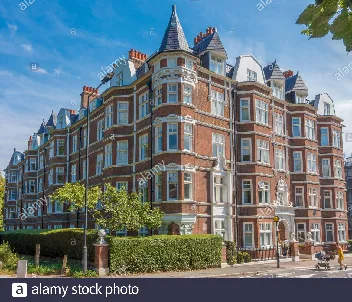
Everything makes use of Wood People. Tolerideme specifically: all constructions tend to be vertical (~5 floors) and nearly identical.
-
The Tolerideme Castle (#1)
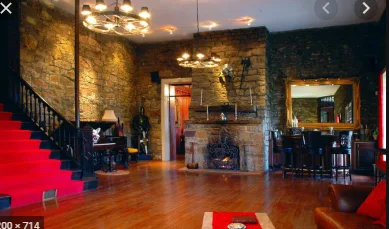
-
The Smart Ladies
- A statue of three fat ladies (Evedyn, Everyn & Evelyn.) Their knowledge of farming made them incredibly useful for the rise of Tolerideme as a Kingdom
- Their honesty, smarts & always trying to better themselves* became a way of life for many people
- *Getting fat is a way of life for them as it represents a status symbol
- Same for hat wearing.
-
Voluptuous Sex House (#2)
- A THICC house for people with certain desires.
-
The Alcohol School (#3)
- A school/research facility funded by most companies of The Alcohol District
- They teach workers about the safe handling of beer, test alcohol, provide input on taste, and check for impurities.
- Also provide help in dealing with controlling impurities such as Soreno poop.
-
Redtree Processing Center (#4)
- Not named Wood People for obvious reasons. This is the biggest place to buy Wood People-related paraphernalia, but not the only one.
-
The Alcohol District (#5)
- A large area where many small beer, ale & spirit crafting companies, based on generations of guild recipes, compete for the popular vote across the kingdom.
- Scientists are often seen lending their services to companies, and some even become alcohol manufacturers themselves.
-
-
Festivals
-
Shake Belly Festival
- A festival held in the last days of Adrian to cheer up everyone in preparation for Asa
- It lasts for three days, and each household will be cooking in one of them*. The other households go around with their decorated bowls while shaking their bellies in front of people’s doors. The better the belly shakes, the more food they get.
- A house is determined as a cooking household by a ladle in the door.
-
Harvest Festival
- A massive festival held in the Moacir right before Adrian
- A massive feast is set up in the main streets by the castle, where alcohol manufactures holds contests about which is the best alcohol in their category
- The popular-vote winners tend to raise their prices and production batches until the next vote.
-
-
Burial
- They cremate the dead using Wood People wood and use the ashes to fertilize the lands they own.
-
Visual References
- Inland waterways
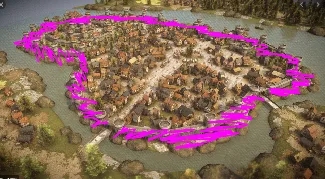
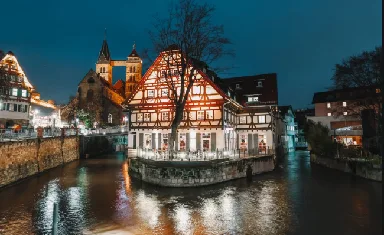
On the outer edges (harbor area)
1 autre entrée de cette page se trouve uniquement dans .
Construit à partir de : Legacy/Public/kingdom-freeish.md, Legacy/Public/kingdom-gandew.md, Legacy/Public/kingdom-sanbi.md, Legacy/Public/kingdom-tolerideme.md, Legacy/Behind The Scenes/World Lore/Kingdoms.md