
Flora
Notazione della documentazione
Dietro le quinte · appunti completi
- See Beasts for Wood People/Trunk People.
- This list is not complete; rather, it includes species that impact the economy/story to a greater extent.
- See Economy Calculator for Prices.
- Flora Average Soul Energy Tier is Tier I with 1 or less Soul Recharge/Day.
Livello di costo per distanza
Dietro le quinte · appunti completi
-
Livello I (Merci economiche)
- Berries, Fruit, Fungus & Grass.
-
Livello II (Merci comuni)
- Flowers, Mushrooms & Roots.
-
Livello III (Merci costose)
- Banned Items.
-
Livello IV (Merci per la nobiltà)
- Nessuno
Piante
Emerenthy
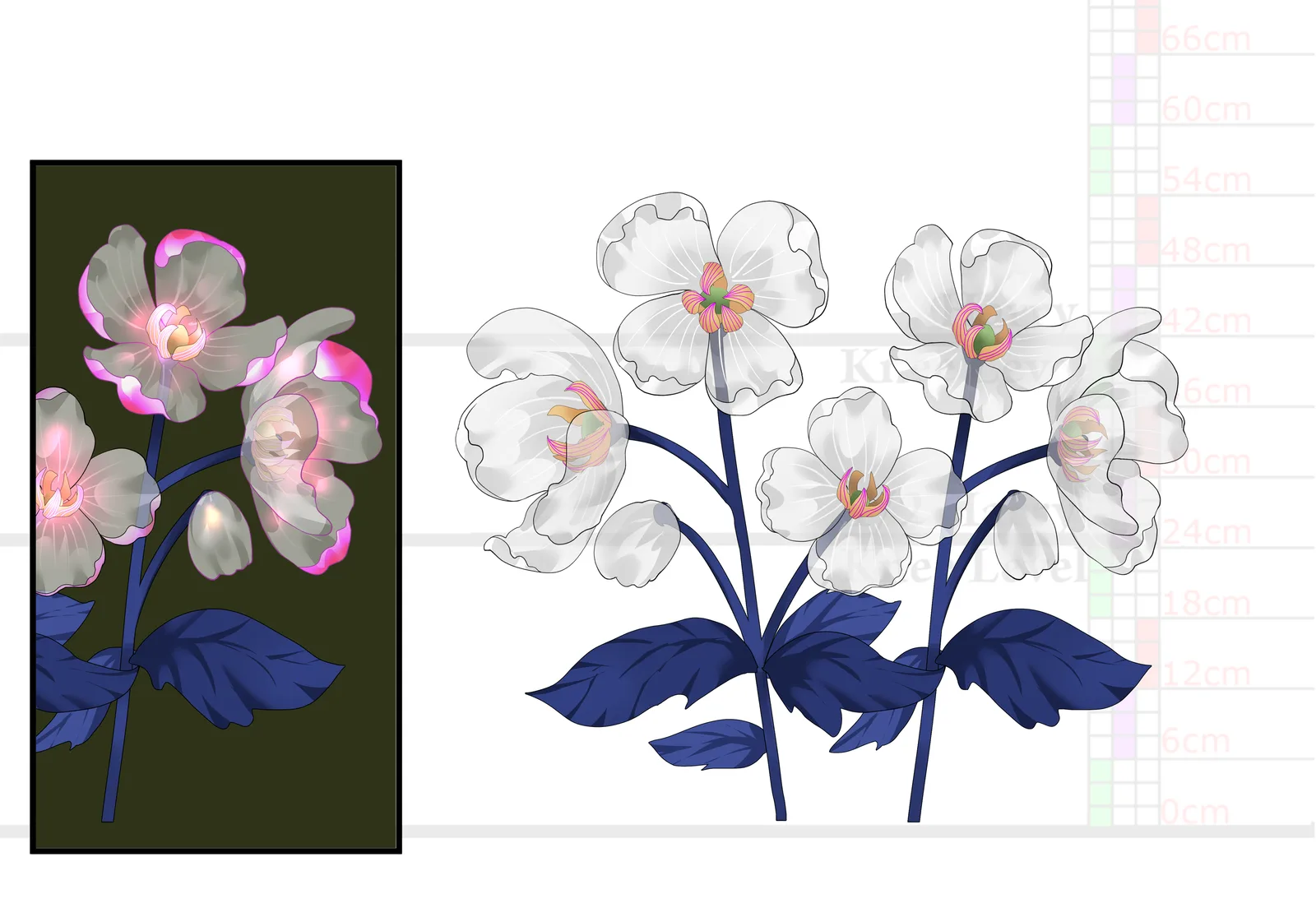
L'Emerenthy, o metile per alcuni, è una pianta comune nelle foreste di Freeish. È nota soprattutto per offrire un po' di luce di notte a persone e animali nella foresta. Alcuni dicono che se piaci ai Trunk people, prenderanno il metile per guidarti. Altri pensano che siano cazzate di egua e che esistano solo per attirare gli insetti a nutrirsi del suo dolce nettare. Puoi anche strapparle da terra e scuoterle come torcia d'emergenza, ma non durano molto. Però se ne raccogli abbastanza, puoi usarle come aggiunta fibrosa a qualsiasi pasto, come il sedano.
Testo pubblico: flora.md
Dietro le quinte · appunti completi
-
Descrizione per il sito
- Emerenthy or methyl for some, is a common plant in the forests of Freeish. Mostly known for offering a bit of light at night for people and animals in the forest. Some say that if Trunk people like you, they will get the methyl to guide you. Others think it's egua shit and that they only exist to attract insects to feed on their sweet nectar. You can also rip them off the ground and shake them as an emergency torch, but they don’t last that long. But if you collect enough of them, you can use them as a fibrous addition to any meal, like celery.
-
Storia isekai
- A common plant that is commonly used for cooking.
-
Scientific History
- Phalaenopsis orchid
-
Habitat
- ~0km - ~1km. More common towards the forests near Freeish.
-
Economic Value
-
Emerenthy Flowers
- Storia isekai
- See above
- Riferimento visivo
- See below
- Storia isekai
-
-
Tastes Like
- Neutral, watery, or mildly fresh flavor
-
Growth
- Two months in the wild.
-
Capacità dell'energia dell'anima
- Interfaccia
- Transparent Petals
- Skills
- Biolight
- Interfaccia
-
Riferimento visivo
Girdol
Il Girdol è una pianta usata spesso nei gel nari per le sue proprietà che modificano l'intestino, o come tè per il suo sapore calmante al limone. Lo trovi facilmente in natura, ma dato che i Toleridemiani vivono più in alto, tendono a coltivarlo in casa o nella serra della comunità, visto quanto ne consumano per alleviare lo stomaco dopo un pasto abbondante.
Testo pubblico: flora.md
Dietro le quinte · appunti completi
-
Descrizione per il sito
- Girdol is a plant often used in nari gels for its gut-changing properties or as a tea for its lemony, soothing taste. You can find it easily in the wild, but since Toleridemians live higher up, they tend to care for it in their home or community greenhouse instead, given how much they consume to ease their stomach after a large meal.
-
Storia isekai
- A common plant used in Nari gels and teas. Can be soothing for the stomach or cause diarrhea and puke depending on the amount ingested.
-
Scientific History
- Dandelion
-
Habitat
- ~0 km on Lower plains, especially in plains
-
Economic Value
-
Girdol Flowers
- Storia isekai
- See above
- Riferimento visivo
- See below
- Storia isekai
-
-
Tastes Like
- Lemony like
-
Growth
- Several months in the wild
-
Capacità dell'energia dell'anima
- Interfaccia
- Petals
- Skills
- Faint Luminescence
- Interfaccia
-
Riferimento visivo

Magina
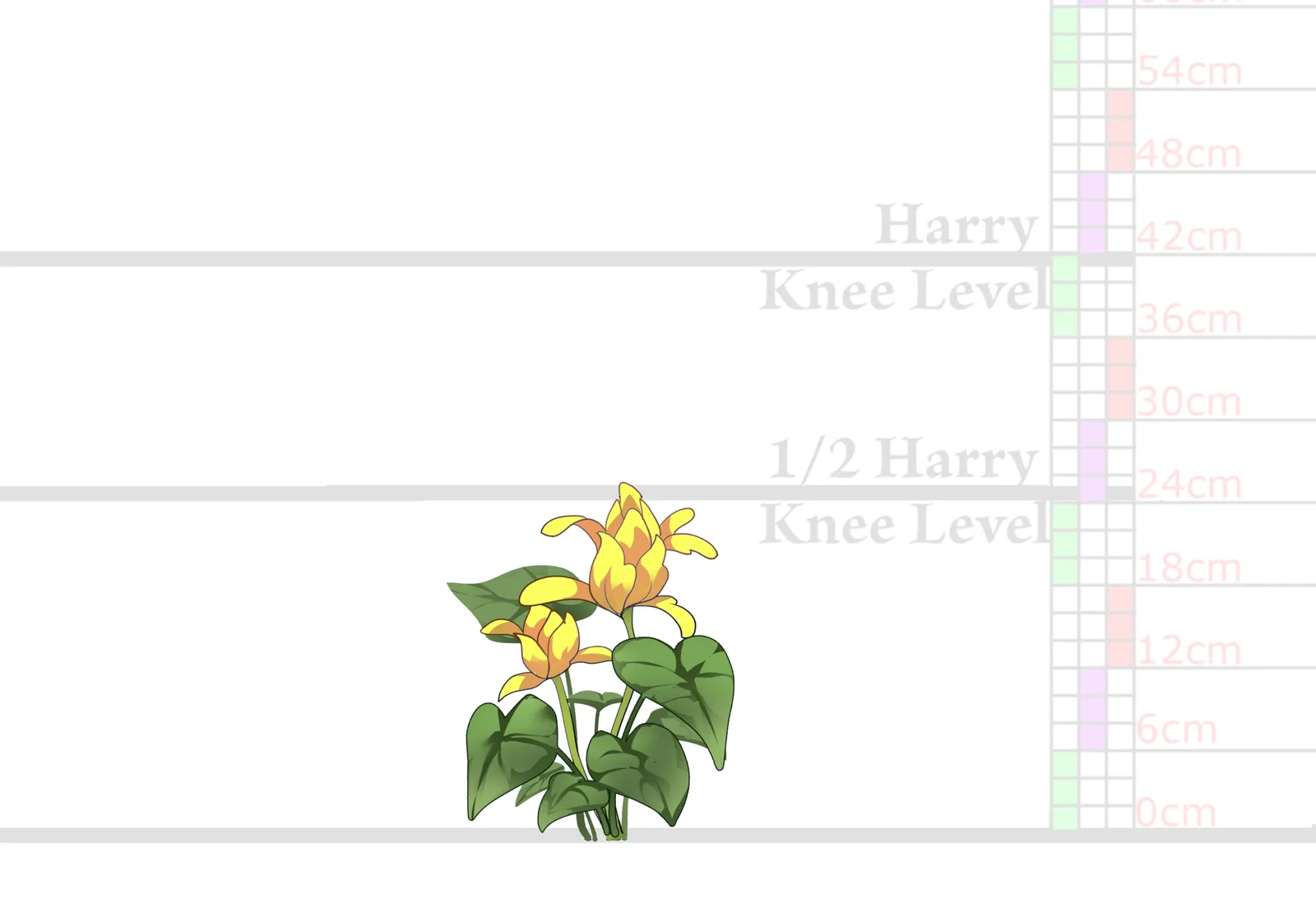
La Magina è una potente droga che altera la mente, vietata da Forway per i rischi che comporta per la società. Chi la usa sperimenta uno stato di beatitudine in cui vive i propri sogni, o i propri incubi se il viaggio va male, in modo così realistico che dopo queste persone giureranno che l'evento sia successo davvero, invece di rendersi conto che era solo un sogno vivido. Alcuni scienziati molto rinomati la studiano ancora per curare disturbi mentali specifici come il PTSD, cercando di tenere a freno e controllare la droga, ma il successo è stato discontinuo, perché ogni individuo reagisce in modo così unico che è difficile trovare degli schemi. Se vedi qualcuno completamente assente, anche dopo che gli hai tirato un pugno in faccia, sta sicuramente usando Magina, molto probabilmente comprata al mercato nero dalla fazione Black Magina.
Testo pubblico: flora.md
Dietro le quinte · appunti completi
-
Descrizione per il sito
- Magina is a potent mind-altering drug that Forway banned, given the societal risks it imposes. Users experience a blissful state where they live out their dreams or nightmares, with such a realistic trip that afterward they swear the event actually happened to them rather than realizing it was all just a vivid dream. Some highly renowned scientists still research it to cure specific mental ailments like PTSD by trying to rein in and control the drug, but success has been spotty as each individual reacts so uniquely to it that it's hard to find patterns. If you see someone completely zoned out, even after you punch them in the face, they are definitely using Magina, with it most likely being bought on the black market from the Black Magina faction.
-
Storia isekai
- A rarer wild plant that is commonly used for sleeping, Nari Gels, or as a sedative. Its yellow petals are so yellow that they are reflective.
- When smoked, it gives a strong “laid-back” vibe. Like sitting still somewhere for hours, just watching time pass. You feel hungry, but that doesn’t bother you. People can punch you, and that doesn’t bother you. People tend to hallucinate vividly as well, completely forgetting about their physical presence
-
Scientific History
- Sassafras
-
Habitat
- ~0km - ~1km
-
Economic Value
-
Magina Flowers
- Storia isekai
- See above
- Riferimento visivo
- See below
- Storia isekai
-
-
Tastes Like
- White Cheddar
-
Growth
- Three months in the wild.
-
Capacità dell'energia dell'anima
- Interfaccia
- Petals
- Skills
- Spray Sleep Spell in Self-Defense
- Interfaccia
-
Riferimento visivo
 *Yellow petals.
Nica
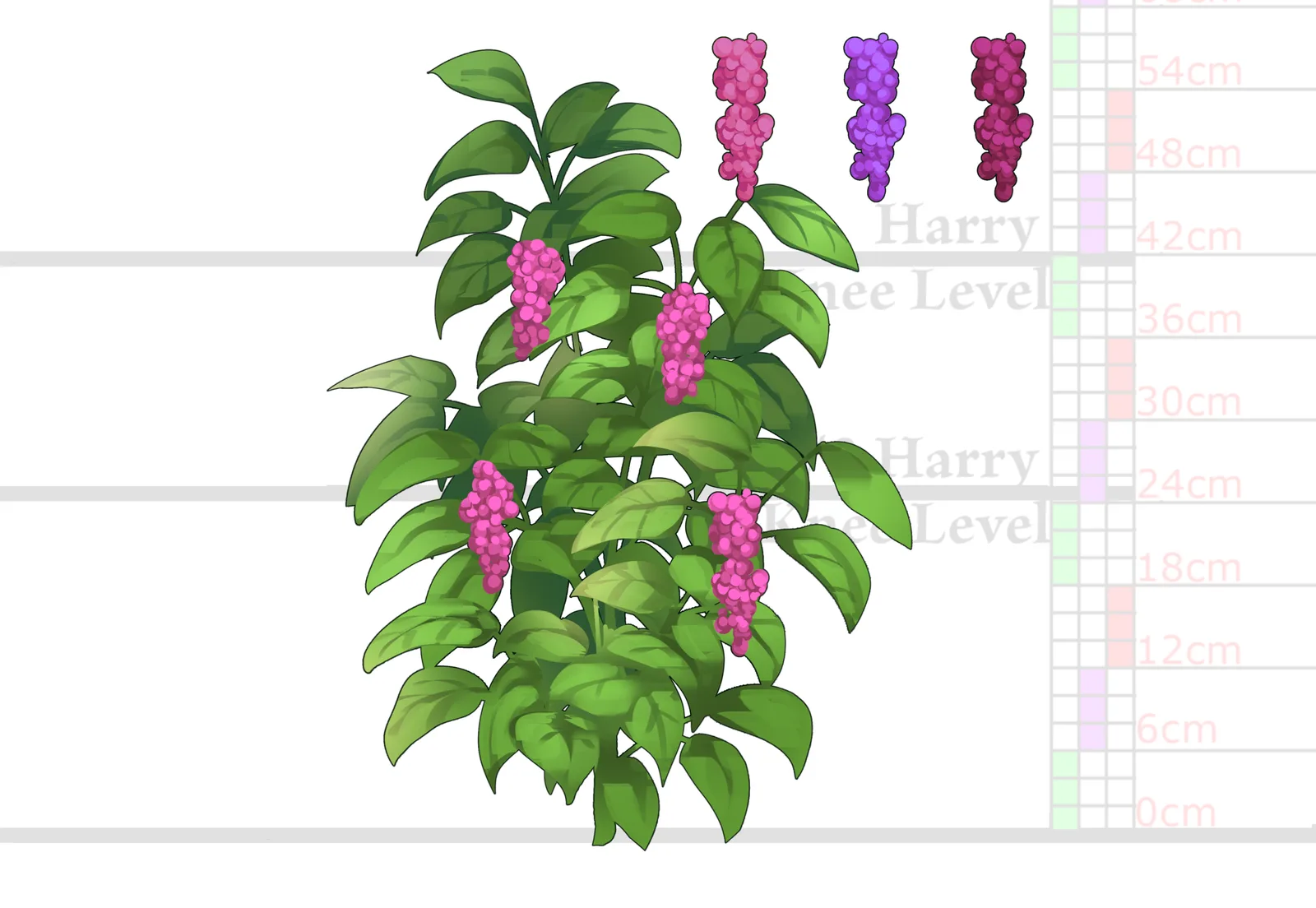
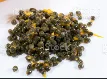
La Nica è una delle preferite di molti chef! I suoi semi cambiano sapore, da un gusto simile al cumino quando sono rosa acceso e acerbi a un profilo più simile al pepe nero quando sono maturi, con un colore vino più intenso. Alcuni le hanno trovato un uso nei gel nari, perché ha proprietà che cambiano il colore della pelle e respingono anche gli insetti—anche se chi la usa tende a puzzare forte di pepe di Nica, quindi se non gli piace, è meglio che usi qualcos'altro.
Testo pubblico: flora.md
Dietro le quinte · appunti completi
-
Descrizione per il sito
- Nica is a favorite of many chefs! Its seeds change from a cumin-like taste when it's bright pink and unripe to a more black-pepper profile when it's ripe, with a deeper wine color. Some people found a use for it on nari gel, as it has properties that change skin color and repel insects as well—although the person using it tends to smell strongly of Nica peppers, too, so if they don't like it, they are better off using something else.
-
Storia isekai
- A common plant that is commonly used for cooking.
-
Scientific History
- Piper Nigrum
-
Habitat
- ~0km - ~1km
-
Economic Value
-
Magina Flowers
- Storia isekai
- See above
- Riferimento visivo
- See below
- Storia isekai
-
-
Tastes Like
- Seeds taste like Black Pepper mixed with Cumin taste.
- More black pepper as the older it gets (deep wine), with cumin, the younger it is (pink)
- Seeds taste like Black Pepper mixed with Cumin taste.
-
Growth
- One Month in the wild, another three months for maturation.
-
Capacità dell'energia dell'anima
- Interfaccia
- ?
- Skills
- ?
- Interfaccia
-
Riferimento visivo
Steen
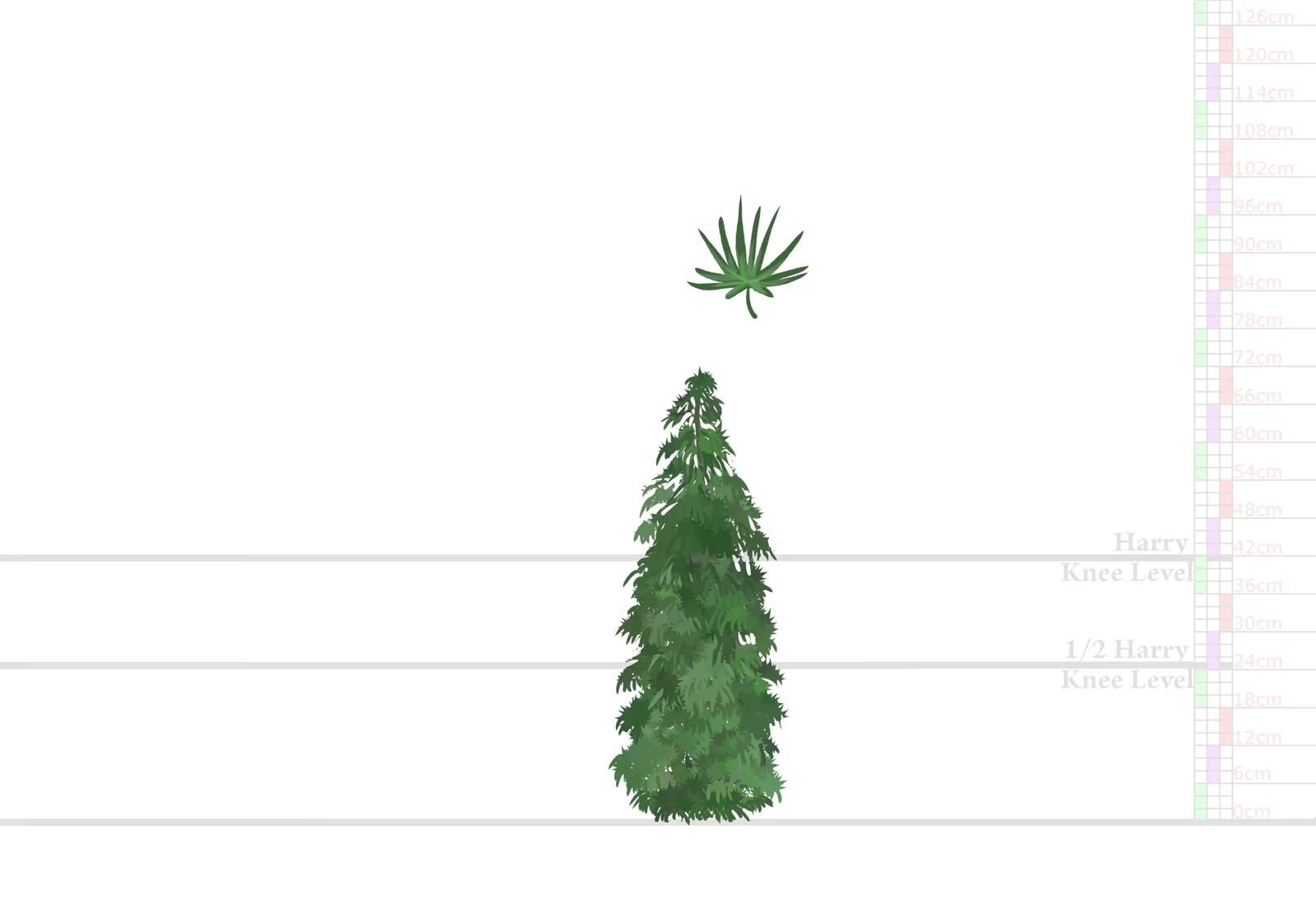
Lo Steen lo trovi facilmente in bocca ai cittadini di Sanbi, perché adorano masticarne gli steli per passare il tempo. Ha un effetto calmante e leggermente rinfrescante, e anche alcuni Darfaries hanno preso l'abitudine. Anche se non è popolare a Gandew, chi lo usa diventa più pigro e letargico, soprattutto masticando le foglie della pianta, dove l'effetto è più potente. Lo vedi anche nei gel nari, e sia i cacciatori sia le guardie di Sanbi adorano spalmarlo sulla punta delle frecce per intossicare prede e gente indisciplinata, così che rallentino e si diano una calmata.
Testo pubblico: flora.md
Dietro le quinte · appunti completi
-
Descrizione per il sito
- Steen is commonly found in the mouths of Sanbi citizens, who love to chew on the stems to pass the time. It has a calming, slightly chilling effect, with some Darfaries also picking up the habit. Although it is not popular in Gandew, users become lazier and lethargic, especially when chewing the plant leaves, where the effect is more potent. You can also see it in nari gels, with both hunters and Sanbi guards loving to plaster the tip of their arrows with it to toxify their prey and unruly people into slowing down and chilling out instead.
-
Storia isekai
- A wild plant often chewed like gum or used in teas/Nari gels. Has a calming effect.
- If lit up on fire, it has a strong weed smell.
- People haven’t figured out a way to domesticate this plant yet. It has high fiber content and can be used for clothing.
- A wild plant often chewed like gum or used in teas/Nari gels. Has a calming effect.
-
Scientific History
- Cannabis sativa
-
Habitat
- ~0km - ~1km
- In the wild.
-
Economic Value
-
Steen Leaves
- Storia isekai
- See above
- Riferimento visivo
- See below
- Storia isekai
-
Steen Fiber
- Storia isekai
- See above
- Riferimento visivo
- See below
- Storia isekai
-
-
Tastes Like
- Minty, but more grassy and oily. Somewhat chewy.
-
Growth
- Several months in the wild.
-
Capacità dell'energia dell'anima
- Interfaccia
- Nessuno
- Skills
- Nessuno
- Interfaccia
-
Riferimento visivo

Tibou
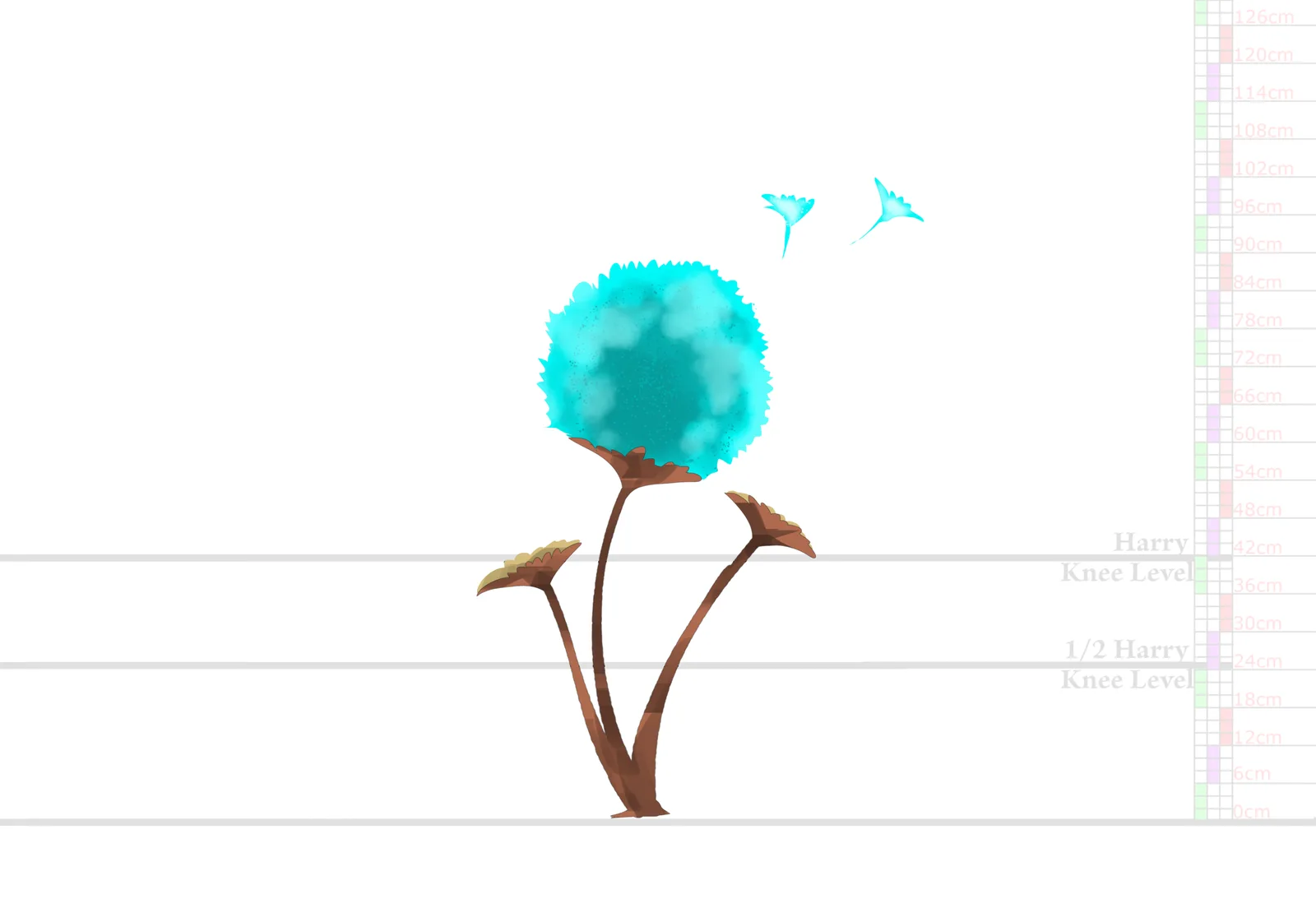
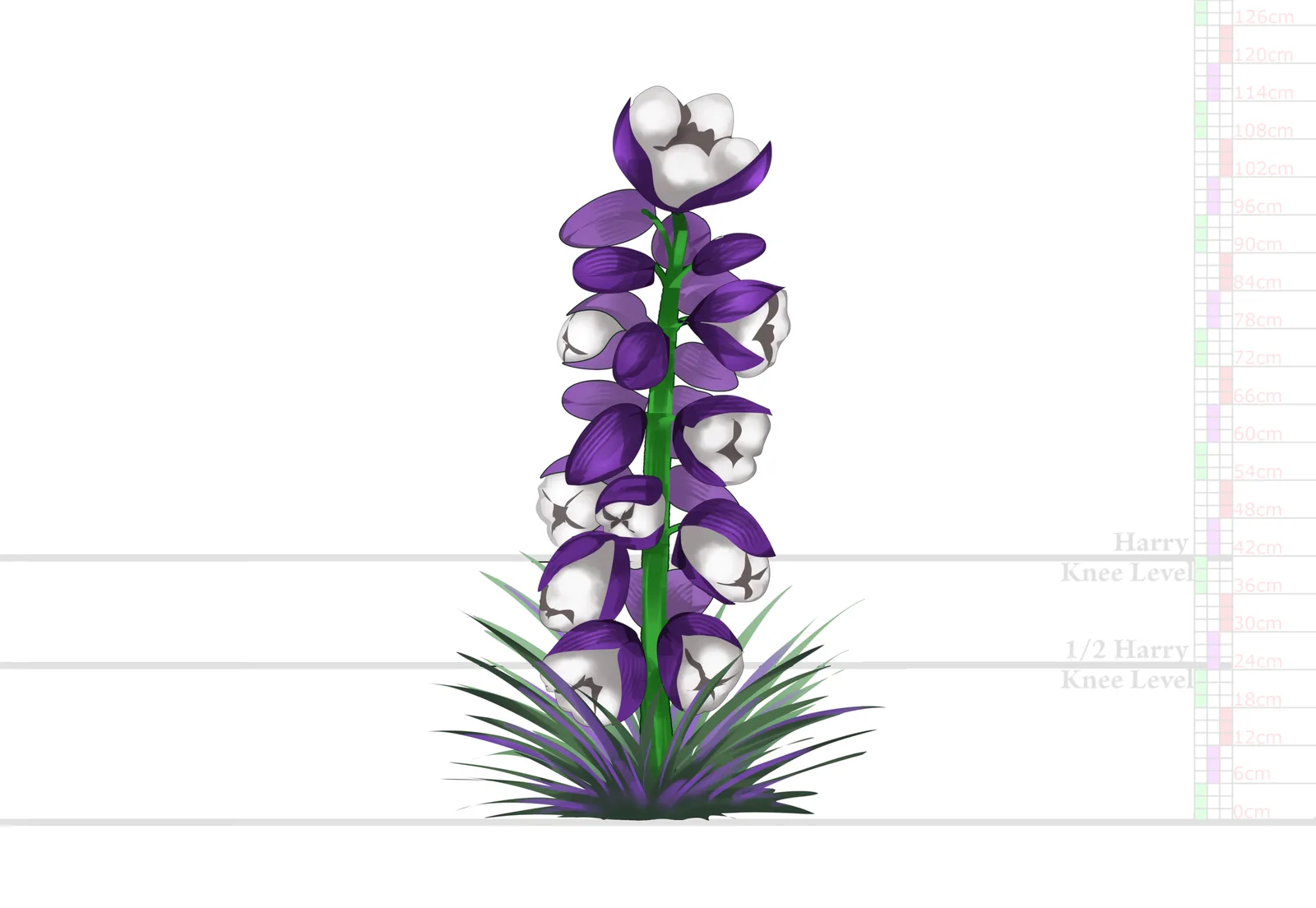
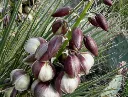
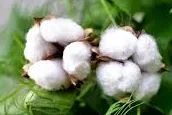
Anche il Tibou si usa nei gel nari, ma soprattutto per dare al sudore proprietà antibatteriche e antimicotiche. In pratica è come farsi una doccia dall'interno, e gli avventurieri consapevoli ricorrono a lui per avere un buon odore quando passano di fretta per una città! Altrimenti è la pianta di riferimento come base per saponi, shampoo e perfino tessuti, dato che la sua fibra simile al cotone è piuttosto comoda, anche se non così resistente.
Testo pubblico: flora.md
Dietro le quinte · appunti completi
-
Descrizione per il sito
- Tibou is also used in nari gels, but mostly to give your sweat antibacterial and antifungal properties. It's essentially like taking a shower from the inside out, with self-aware adventurers resorting to using it to smell good when quickly passing through town! Otherwise, it's the go-to plant for soaps, shampoos, and even textiles, and its cotton-like fiber is quite comfortable, albeit not as durable.
-
Storia isekai
- One of the most sought-after plants to make soap and shampoos out of the shells. Not really used in teas, but some do like it.
- The cotton-like fiber protected by the case is used in fabric.
-
Scientific History
- Yucca Glauca
-
Habitat
- ~0km - ~1km
- Farmed in the grasslands
-
Economic Value
-
Tibou Flowers
- Storia isekai
- See above
- Riferimento visivo
- See below
- Storia isekai
-
-
Tastes Like
- Lavender with coconut soap.
-
Growth
- One month in the wild.
-
Capacità dell'energia dell'anima
- Interfaccia
- Nessuno
- Skills
- Nessuno
- Interfaccia
-
Riferimento visivo
Alberi da frutto
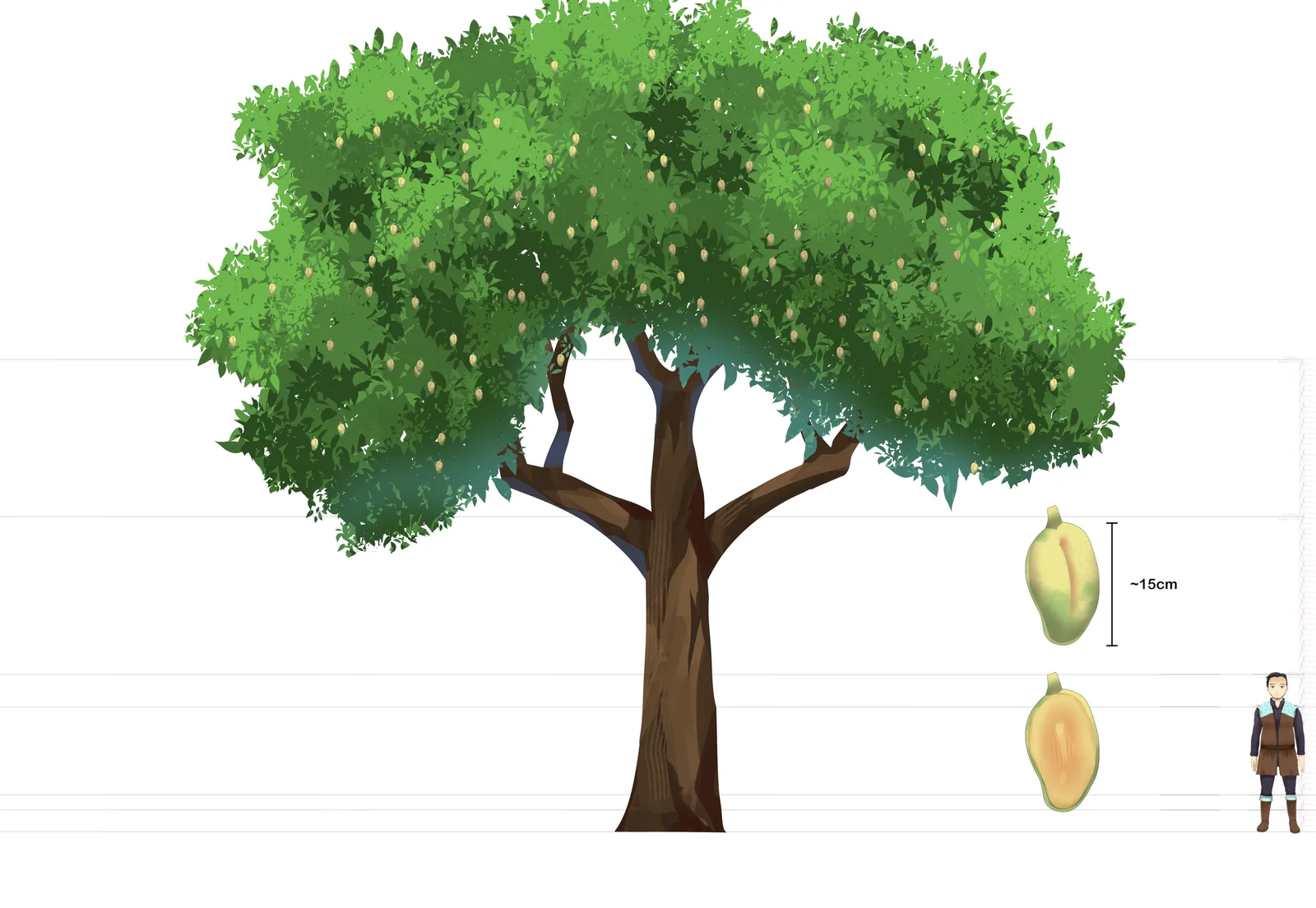
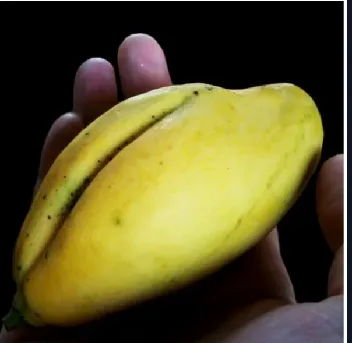
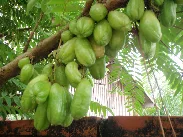
Buzeta
Dietro le quinte · appunti completi
-
Storia isekai
- ?
-
Scientific History
- Mango Buceta
-
Habitat
- See above.
-
Economic Value
-
Buzeta Fruit
- Storia isekai
- See above
- Riferimento visivo
- See Item Visual Reference
- Storia isekai
-
Dried Buzeta
- Storia isekai
- Often done for food stock, selling to other kingdoms, baking in food or on-the-road snacks.
- Riferimento visivo
*
- Storia isekai
-
BuzetaJuice
- Storia isekai
- Pretty good. Better in vitamin shakes.
- Riferimento visivo
- Storia isekai
-
Buzeta Hard Juice
- Storia isekai
- Fermented Juice
- Riferimento visivo
*
- Storia isekai
-
-
Tastes Like
- Mango
-
Growth
- Takes about 10 months for a harvest.
-
Capacità dell'energia dell'anima
- Interfaccia
- Nessuno
- Skills
- Nessuno
- Interfaccia
-
Riferimento visivo

Cocona
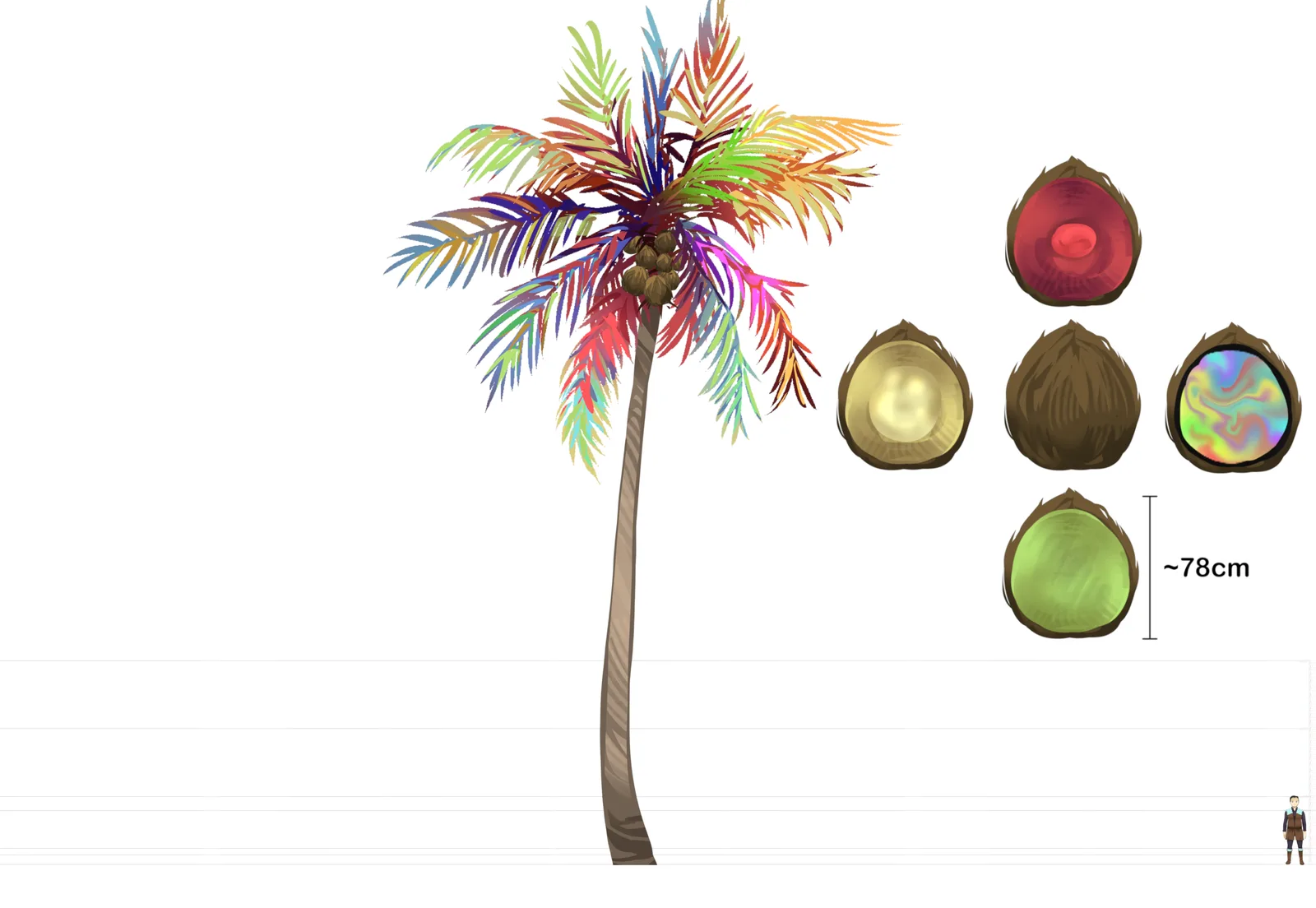
L'albero di Cocona è un albero invasivo ma utile, secondo la maggior parte degli scienziati. La sua origine è senza dubbio attribuita ai Buhraies, dato che l'unica cosa di questo albero che non è estranea è il fogliame traslucido e colorato, simile alla corteccia del Soul tree. Il frutto della Cocona è grande il doppio di una noce di cocco normale, e aprirne uno per scoprire cosa c'è dentro è come aprire una loot box. Anche se probabilmente puoi indovinare il rapporto tra acqua e polpa scuotendolo, e dedurre il possibile colore e sapore in base all'ambiente intorno alla pianta, molto probabilmente non farai meglio del puro caso! Sapori e colori sono imprevedibili, con più probabilità di trovarne di più gustose, dolci e fruttate nelle coltivazioni intorno a Deltacross. Però, se cerchi l'ambita Cocona con l'acqua colorata del Soul Tree per via della famosa leggenda popolare secondo cui ti allungherà la vita se ne bevi d'un fiato l'acqua dal sapore umami appena la apri, allora faresti meglio ad aggirarti sulle spiagge in cerca di alberi di Cocona selvatici. E ricordati dei potenziamenti o degli indebolimenti che dà l'interfaccia della Cocona! Non sono granché, a volte solo un aumento della vescica o della produzione di sudore. Però possono fare la differenza tra la vita e la morte se abbinati ad altre interfacce, perché questa resta ostinatamente nel corpo per settimane, senza alcun modo noto di annullarla o eliminarla.
Testo pubblico: flora.md
Dietro le quinte · appunti completi
-
Descrizione per il sito
- Cocona tree is an invasive but handy tree, according to most scientists. Its origin is, without a doubt, attributed to the Buhraies folks, since the only thing about this tree that is not foreign is its translucent, colorful foliage, akin to the Soul tree's bark. The Cocona fruit is double the size of regular coconuts, and opening a fruit to reveal its insides is like opening a loot box. Although you can probably guess the water versus flesh ratio by shaking it and infer the possible color and taste based on the plant's surroundings, you will likely not be better than random chance! Flavors and colors are unexpected, with better odds of finding tastier, sweeter, and fruitier ones on farms around Deltacross. However, if you're looking for the coveted Cocona fruit with Soul Tree colorful water because of the famous folktale that it will extend your life if you gulp its umami-tasting water down as soon as you crack it open, then you're better off prowling about the beaches for wild Cocona trees. Also, remember the buffs or debuffs the Cocona interface gives! They aren't much, sometimes as little as increasing your bladder or boosting sweat production. However, it can be just enough to tip the balance between life and death when paired with other interfaces, as this one persistently lingers in the body for weeks at a time, with no known way to reset or flush it.
-
Storia isekai
- Found throughout the beaches of the four kingdoms after humans found the plant near Lukewarm Lake and started to bring it everywhere with them.
- Farmed intensively on Deltacross due to its proximity to Forway.
- Coconas are double the size of coconuts
-
Scientific History
- Coconut
-
Habitat
- Beaches
-
Economic Value
-
Cocona Water
- Storia isekai
- See above. Not much is found as the cocona flesh takes over most of the inside.
- If someone opens a cocona with all Soul Tree water, Freeish legends say they are extremely lucky because it will extend their life—that is, if they chug the entire umami water.
- Fact not proven by science.
- The water/flesh ratio comes in several colors, and each color corresponds to certain buffs/debuffs it will give
- Riferimento visivo
- Storia isekai
-
Dried Cocona
- Storia isekai
- Sell to other kingdoms, on the road, snacks, etc.
- Same as water, it comes in several colors.
- Sell to other kingdoms, on the road, snacks, etc.
- Riferimento visivo
- Storia isekai
-
-
Tastes Like
- Coconut, but saltier. Almost like Beef jerky, salty depending on what you open. Surroundings can further alter taste.
-
Growth
- ~15 Years until maturation.
- ~50 fruits per tree/year.
-
Capacità dell'energia dell'anima
- Interfaccia
- Fruit
- Skills
- Harden
- Interfaccia
-
Riferimento visivo


Gosutam
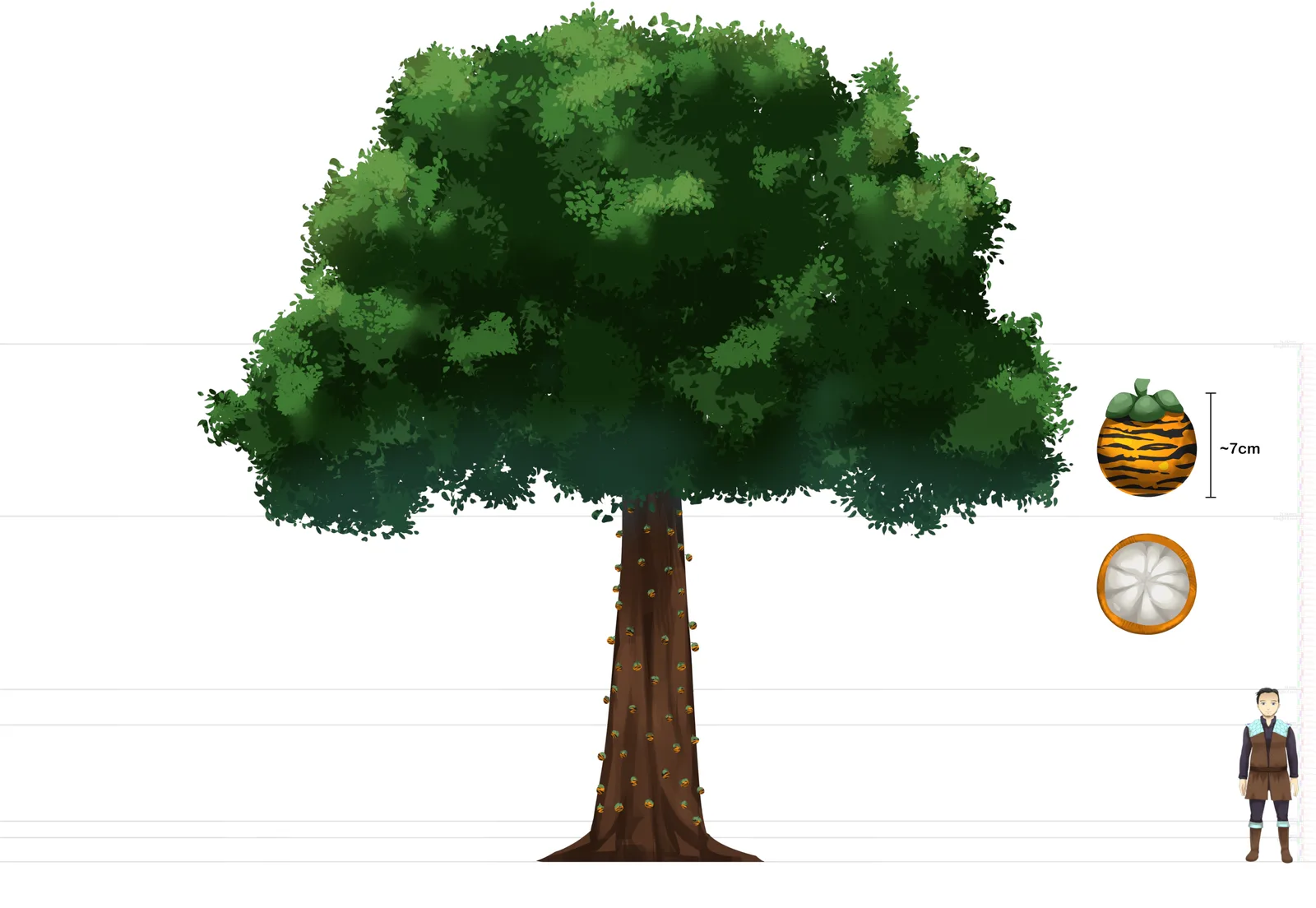
Il Gosutam si trova comunemente da sud fino al Regno di Freeish e da est fino al Regno di Sanbi. È un albero comune da avere in giardino, perché produce piccole quantità di frutti tutto l'anno direttamente dalla corteccia, facili da cogliere anche per i bambini come spuntino. Ma la facilità finisce qui, perché aprire il frutto ed estrarne la parte commestibile richiede abilità. La buccia esterna, più dura, gialla e nera, cede a un interno molle e carnoso che protegge una pellicola biancastra e viscida che riveste i semi. È quella pellicola biancastra e viscida che vuoi gustare, per il suo sapore di mangostano simile alla vaniglia. Però, se premi troppo forte aprendo il frutto, ci mescoli l'interno carnoso o in qualche modo ti finisce sulla lingua qualsiasi altra parte di questo frutto, allora passerai un brutto quarto d'ora! Come masticare fondi di caffè usati, il sapore diventerà amaro e vegetale. Alcuni genitori piantano apposta questo albero perché i figli ci facciano merenda, dato che insegna loro pazienza e determinazione. Alcuni scienziati sono d'accordo con loro, mentre altri pensano che ci siano molti altri fattori con un peso più consistente nel migliorare la pazienza di un semplice albero da frutto che è una gran rottura di palle da mangiare.
Testo pubblico: flora.md
Dietro le quinte · appunti completi
-
Descrizione per il sito
- Gosutam is commonly found as far south as the Freeish Kingdom and as far east as the Sanbi Kingdom. It's a common tree to have in your yard as it yields small batches of fruit throughout the entire year from its bark, making it easy pickings for even children to snack on. That is where the easy part ends, for opening the fruit and extracting the edible portion requires skill. The exterior's tougher yellow-and-black skin gives way to a mushy, fleshy interior that protects a whitish, slimy covering on the seeds. That whitish, slimy skin is what you want to indulge in for its mangosteen, vanilla-like flavor. However, suppose you press on too hard when opening the fruit, mix in the fleshy interior with it, or somehow get anything else from this fruit on your tongue; then you're in for a bad time! Like chewing on used coffee grounds, the flavor will turn bitter and vegetal. Some parents actively plant this tree for their kids to snack on because it teaches them patience and determination. Some scientists agree with them, while others think many other factors carry more weight in improving patience than a simple fruit tree that is a bitch and a half to eat.
-
Storia isekai
- A wild tree that produces a fruit that, if carefully opened, will yield great insides.
-
Scientific History
- Mangosteen
-
Habitat
- ~0km - ~1km
- Wild species are found around deeper forests and in people’s backyards.
-
Economic Value
-
Gosutam Fruit
- Storia isekai
- Often, a tree that people will plant in the backyard is rather expensive for how little fruit you can eat.
- Riferimento visivo
- See Item Visual Reference
- Storia isekai
-
Dried Gosutam
- Storia isekai
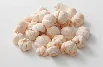
- Often done for food stock, selling to other kingdoms, baking in food, or on-the-road snacks.
- Riferimento visivo
- Storia isekai
-
Gosutam Juice
- Storia isekai
- Juicy.
- Riferimento visivo
- Storia isekai
-
Gosutam Hard Juice
- Storia isekai
- Fermented Juice. Fizzy, less-milky caramel and earthy tones give it a nice balance without being too overpowering.
- Riferimento visivo
- Storia isekai
-
-
Tastes Like
- Shell is bitter
- Inner fruit is milky caramel with earthy tones.
-
Growth
- It is produced during the Summer.
-
Capacità dell'energia dell'anima
- Interfaccia
- Tree
- Skills
- Drop Fruits.
- Interfaccia
-
Riferimento visivo

Greenbread
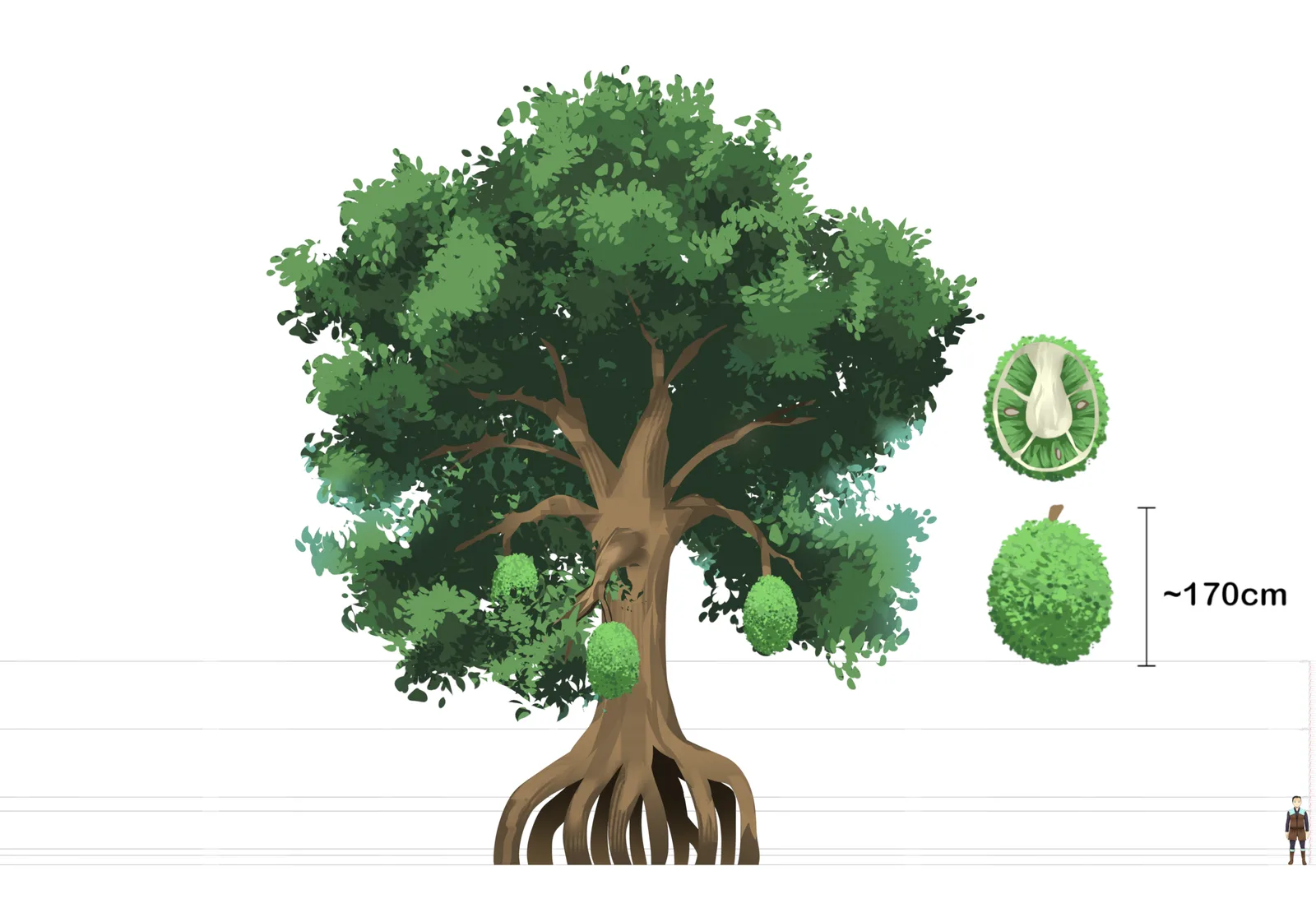
Il Greenbread è un frutto pericoloso! Non perché sia velenoso, ma perché, se ti cade addosso dal solito albero alto 15 metri, trasformerà il tuo corpo nella stessa consistenza gelatinosa di uno shapeshifter. Sempre che non diventi troppo maturo ed esploda. Se succede, praticamente tutto nei dintorni sarà ricoperto di poltiglia giallo oro e semi, che poi marciscono, lasciando un odore simile al durian che attirerà molta fauna, che a sua volta attirerà molte bestie. Ogni albero avrà solo tre o quattro greenbread appesi alla volta, e ci vuole quasi tutto l'anno perché raggiungano la maturazione perfetta, con una consistenza vicina a quella del jackfruit Golden Nugget. Però il sapore è paragonabile a quello del melon pan, mentre altre varietà presentano sapori più vicini alla banana mescolata all'ananas. I semi, invece, sanno di cacao quando vengono tostati. Il torsolo che avanza del frutto è anche un legante comunemente usato per creare il bone wood o la colla.
Testo pubblico: flora.md
Dietro le quinte · appunti completi
-
Descrizione per il sito
- Greenbread is a dangerous fruit! Not because it is poisonous, but instead, if it falls on you from the usual 15-meter-tall tree, it will transform your body into the same jelly consistency as a shapeshifter. That is, if it doesn't overripe and explode. If it does, then pretty much everything in the vicinity will be covered in golden yellow goo and seeds and then decay, leaving a Durian-like smell that will attract a lot of fauna, which then attracts a lot of beasts. Each tree will have only three or four greenbreads hanging from it at a time, and they take most of the year to reach full ripeness, with a consistency close to that of Golden Nugget Jackfruit. However, the taste is comparable to melon pan, while other varieties have flavors closer to banana mixed with pineapple. The seeds, meanwhile, taste like cacao when roasted. The fruit's leftover core is also a binding agent commonly used for creating bone wood or glue.
-
Storia isekai
- Huge tree that grows in the large forests around the Freeish Kingdom and Blood City.
- Produces a fruit that tastes like melon pan
- Only a few at a time, and it is hard to reach. Fruits are the size of humans.
- Its leaves have a tangy, chlorophyll-accented note.
- A staple product from Freeish Kingdown on its Greenbread fields.
-
Scientific History
- Jackfruit.
-
Habitat
- Forests in the south.
-
Economic Value
-
Greenbread Fruit
- Storia isekai
- See above
- Riferimento visivo
- See Item Visual Reference
- Storia isekai
-
Dried Greenbread
- Storia isekai
- Often done for food stock, selling to other kingdoms, baking into food, or as on-the-road snacks.
- Riferimento visivo
- Storia isekai
-
Greenbread Juice
- Storia isekai
- Juicy!
- Riferimento visivo
- Storia isekai
-
Greenbread Hard Juice
- Storia isekai
- Fermented Juice. A Fizzy drink with light melon flavor.
- The greenbread breadfruit's crust is cut and fermented for a few days.
- Riferimento visivo
- Storia isekai
-
Greenbread Roasted Beans
- Storia isekai
- Tastes like chocolate. Each seed is ~2 cm in diameter
- Riferimento visivo
- Storia isekai
-
-
Tastes Like
- Soft, mildly sweet with a melon/honeydew mix of banana and pineapple.
-
Growth
- Takes several years to grow into a full tree.
- Produces throughout the year.
-
Capacità dell'energia dell'anima
- Interfaccia
- Fruit
- Skills
- Explode when fully ripe.
- Interfaccia
-
Riferimento visivo

Hifuna Yabuca
Vedi Bestie -> Hifuna People
Testo pubblico: Website Description in Legacy/Behind The Scenes/World Lore/Flora.md
Dietro le quinte · appunti completi
-
Storia isekai
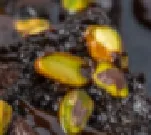
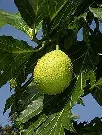
- A further mutation from Wood Yabuca. Some call it the random fruit, since eating it can cause unpredictable effects on the user from the Walking Heartstone. Can send the person on a moody trip with emotions growing untamed. Can help in a desperate situation.
- If the person hits a “good” one, they will go berserk and rampage for days on before they pass out, if they don’t just drop dead. People who have done it in the past say the berserker feeling was like being in a trance, far better than any other nari gel.
- Forway banned its use due to the fatalities and character corruption that often occur.
- As big as ~26 cm
- A further mutation from Wood Yabuca. Some call it the random fruit, since eating it can cause unpredictable effects on the user from the Walking Heartstone. Can send the person on a moody trip with emotions growing untamed. Can help in a desperate situation.
-
Scientific History
- Ghost Apple
-
Habitat
- Hifuna.
-
Economic Value
-
Hifuna Yabuca Fruit
- Storia isekai
- See Above.
- Riferimento visivo
- See Item Visual Reference
- Storia isekai
-
Hifuna Yabuca Concentrated Fruit
- Storia isekai
- See Above. A concentrated form usually sold as a drinkable potion amongst adventurers going to Hifuna as a last option. Some use it more than they should.
- Riferimento visivo
- See Item Visual Reference
- Storia isekai
-
-
Tastes Like
- Like water mixed with hints of dirt. Plus a plasticky feel in the mouth that reminds me of mixing glue.
-
Growth
- Throughout the year.
-
Capacità dell'energia dell'anima
- Interfaccia
- Nessuno
- Skills
- Nessuno
- Interfaccia
-
Riferimento visivo
Lonllow
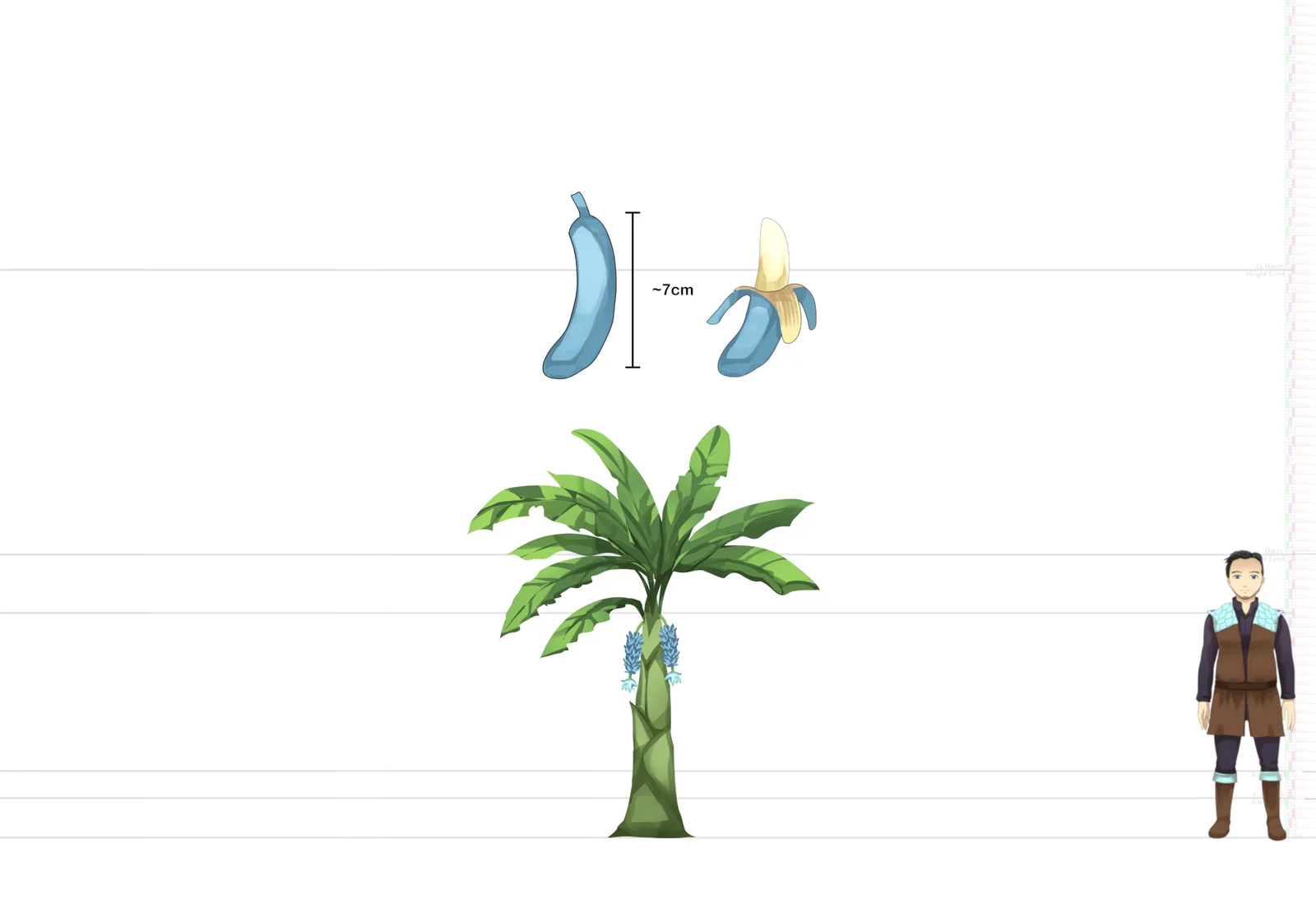
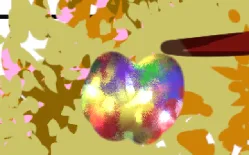
Il Lonllow è come le Yabucas, nel senso che è soggetto a mutazioni, ma invece di creare nuove varianti, fanno tutte appassire la pianta. Fu l'antica specie dei Buhraies a dargli il nome Lonllow, dopo averlo creato manomettendo la propria interfaccia dell'anima e mescolandolo con specie diverse. Gli scienziati credono che stessero cercando di creare una pianta ad alto contenuto energetico e gradevole al loro palato, ma fallirono miseramente, lasciando una pianta estremamente difficile da coltivare. Ora solo poche famiglie hanno capito cosa serve per produrla su larga scala. Eppure, nemmeno così riescono a soddisfare la domanda. I Sorefaries da soli sembrano quasi impazzire e spendere tutte le loro palle pur di assaggiare il sapore di banana caramellata di questo piccolo frutto bluastro.
Testo pubblico: flora.md
Dietro le quinte · appunti completi
-
Descrizione per il sito
- Lonllow is like Yabucas, which are prone to mutations, but instead of creating new variants, these mutations all result in the plant withering away. The Buhraies' ancient species gave the name Lonllow after they made it by tampering with their soul interface and mixing it with different species. Scientists believe they were trying to create a plant with high energetic content and palatable to their taste, but it failed harshly, leaving it a highly finicky plant to grow and farm. Now only a few families have figured out what is needed to produce them at a scale. However, they can't meet demand. Sorefaries alone seem to nearly go berserk and spend all their balls just to get a taste of the caramelly banana flavor from the small-looking bluish-looking fruit.
-
Storia isekai
- Brought over by Buhraies while working with Summoning. Came after Yabucas, but it didn’t seem to be as successful. It is extremely finicky and picky to grow in farmland. Also, fragile even in the wild. Maybe that’s partly why Buhraies created a special environment for it by creating the endlessfog island.
- See Endlessfog for more info.
-
Scientific History
- Banana + Caramel flavor.
-
Habitat
- See above.
-
Economic Value
-
Lonllow Fruit
- Storia isekai
- See above
- Riferimento visivo
- See Item Visual Reference
- Storia isekai
-
Dried Lonllow
- Storia isekai
- Often done for food stock, selling to other kingdoms, baking in food, or on-the-road snacks.
- Riferimento visivo
- Storia isekai
-
Lonllow Juice
- Storia isekai
- Kinda good. Better in vitamin shakes.
- Riferimento visivo
- Storia isekai
-
Lonllow Hard Juice
- Storia isekai
- Fermented Juice
- Riferimento visivo
- Storia isekai
-
-
Tastes Like
- Banana
-
Growth
- Takes about 6 months for a harvest.
-
Capacità dell'energia dell'anima
- Interfaccia
- Nessuno
- Skills
- Nessuno
- Interfaccia
-
Riferimento visivo
 *Exterior only. Inside is the same as normal banana

Purplebread
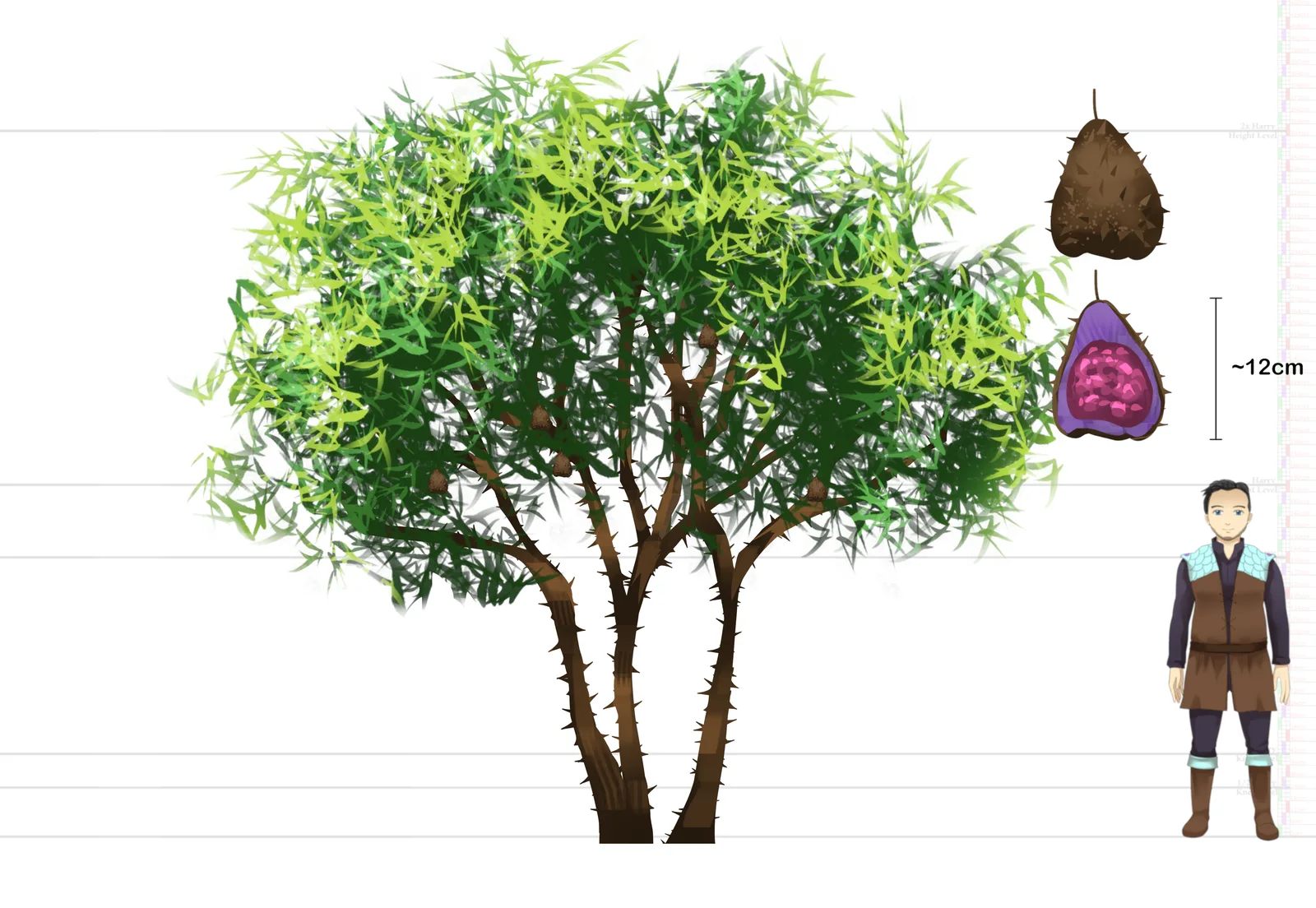
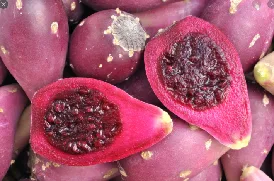
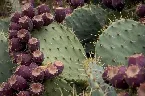
Il Purplebread è un alimento base di Sundeath e delle regioni semiaride circostanti. Il piccolo albero, o grande pianta, ha un tronco coperto di spine e foglie appuntite coperte da un liquido trasparente e appiccicoso che provoca orticaria solo se non ne consumi il frutto. Il frutto che produce è brunastro e coperto di spine pelose che non ti lacereranno la pelle. Non ha un aspetto molto invitante, soprattutto insieme all'odore pungente, simile alla scoreggia di qualcuno che ha mangiato troppe uova. Però gente del posto, avventurieri e mercanti conoscono un segreto! Basta strofinare il frutto sulla sabbia finché la buccia brunastra non diventa liscia come il sedere di un neonato, e l'odore sparirà! Aprendo il frutto si scopre un interno rosato e appiccicoso che ha un sapore tra la fragola e il lampone. La polpa viola è piuttosto insapore, ma dovresti mangiarla comunque, perché è piuttosto nutriente, ed è d'obbligo se sudi un secchio.
Testo pubblico: flora.md
Dietro le quinte · appunti completi
-
Descrizione per il sito
- Purplebread is a staple food of Sundeath and the surrounding semi-arid regions. The small-sized tree, or large-sized plant, has a trunk covered in spikes and pointed leaves covered in a clear sticky fluid that causes hives solely if you don't consume its fruit. The fruit it bears is brownish and covered in hairy spikes that won't tear your skin. It doesn't look that appetizing, especially when paired with the pungent smell of a fart from someone who ate too many eggs. However, locals, adventurers, and merchants alike know a secret! Just rub the fruit on the sand until the brownish skin is smooth as a baby's butt, and the smell will disappear! Opening the fruit will reveal a pinkish-goopy interior that tastes between strawberry and raspberry. The purple flesh is kinda flavorless, but you should still eat it as it is pretty nutritious or a must if you sweat a bucket.
-
Storia isekai
- A wild cactus-like tree that produces a smaller version of the greenbread, or at least in appearance.
- The brown shell smells pungent, like a fart of someone who ate too many eggs.
- If you rub it in the sand, it removes the smell and reveals the delectable interior.
-
Scientific History
- Prickly Pear taste
-
Habitat
- ~0km - ~1km
- Transitional zone of the desert
-
Economic Value
-
Purplebread Fruit
- Storia isekai
- See above
- Riferimento visivo
- Storia isekai
-
Dried Purplebread
- Storia isekai
- Often done for food stock, selling to other kingdoms, baking into food, or as on-the-road snacks.
- Riferimento visivo
- Storia isekai
-
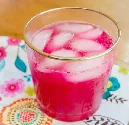
Purplebread Juice
- Storia isekai
- Refreshing
- Riferimento visivo
- Storia isekai
-
Purplebread Hard Juice
- Storia isekai
- Fermented Juice
- Riferimento visivo
- Storia isekai
-
-
Tastes Like
- Strawberry/Raspberry
-
Growth
- All year round
-
Capacità dell'energia dell'anima
- Interfaccia
- Spikes
- Skills
- Grow Spikes
- Sweat induction
- Interfaccia
-
Riferimento visivo


Rakuja
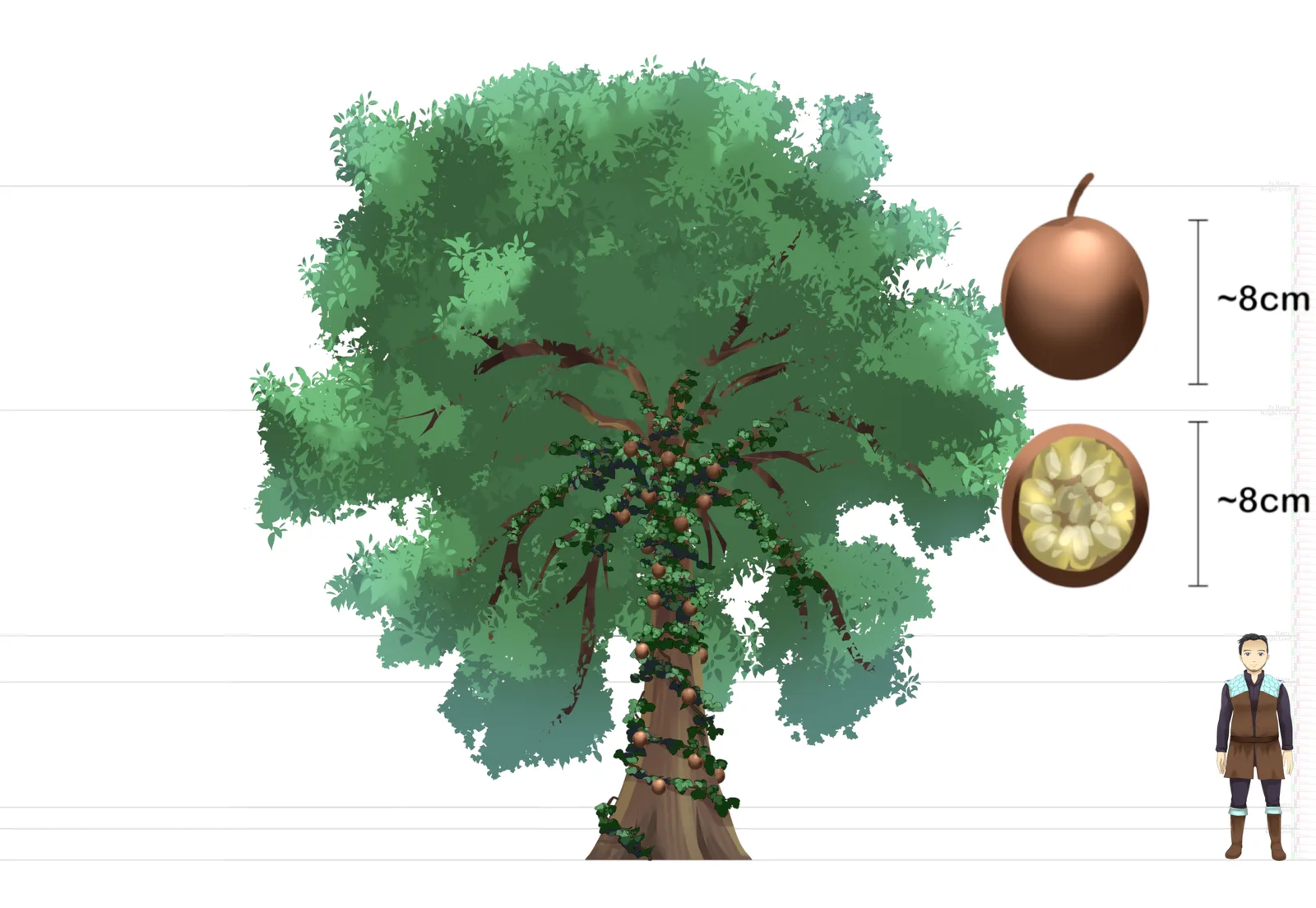
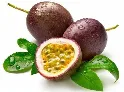
La Rakuja è un rampicante che spesso ha un rapporto simbiotico mutualistico con gli alberi che infesta. Si trova solo nei climi più freddi e aiuta gli alberi ospiti iniettando un gel antigelo che produce quando rileva temperature più basse. Questo rapporto funziona benissimo in regioni come Gandew, Fuhrair e Old Fuhrair. Non si può dire lo stesso di Tolerideme, dove i Wood People hanno preso il controllo della terra. Il rapporto tra loro diventa sempre amensalistico. Non solo gli scienziati hanno scoperto che questo gel antigelo è un'ottima tossina per uccidere i Wood People, ma anche loro hanno i propri viticci, che usano per rimuovere e uccidere qualsiasi Rakuja cerchi di crescere su di loro. Ciononostante, la gente sbava per i frutti dal sapore aspro e asprigno con note agrumate e un forte profumo aromatico! Secchi o no, li trovi in tutti i regni, ma a seconda di dove sei, preparati a sborsare un sacco di palle per riempirti la pancia di Rakuja. Se non hai molti soldi, puoi soddisfare la voglia con un po' di succo di Rakuja alcolico, che ti farà anche ubriacare.
Testo pubblico: flora.md
Dietro le quinte · appunti completi
-
Descrizione per il sito
- Rakuja is a vine that often forms a mutualistic symbiotic relationship with the trees it infests. Found only in colder climates, it helps host trees by injecting an antifreeze gel it produces when it detects lower temperatures. This relationship works well in regions such as Gandew, Fuhrair, and Old Fuhrair. The same can't be said of Tolerideme, where Wood People took over the land. The relationship between them always turns Amensalistic. Not only have scientists figured out that this antifreeze gel is an excellent toxin for killing Wood People, but they also have their own vines, which they use to remove and kill off any Rakuja that tries to grow on them. Nonetheless, people drool over the tangy, tart flavor of citrusy fruits and their heavy aromatic scent! Be it dried or not, you can find them across all kingdoms, but depending on where you are, be ready to fork over a lot of balls to fill up your belly on Rakuja. If you don't have much money, you can get your fix with some Rakuja hard juice that will get you drunk too.
-
Storia isekai
- Vine that grows only at higher altitudes due to slightly colder climates.
-
Scientific History
- Maracuja
- Fruit is ~2x bigger
-
Habitat
- ~2km - ~4km
- Found naturally on the base of Fuhrair, Old Fuhrair, & Gandew. Sometimes Tolerideme as well, but it rarely works.
-
Economic Value
-
Rakuja Fruit
- Storia isekai
- More of an expensive fruit in the Kingdom. Often enjoyed by higher classes. Not much in the wild.
- Riferimento visivo
- See Item Visual Reference
- Storia isekai
-
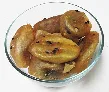
Dried Rakuja
- Storia isekai
- Often done for food stock, selling to other kingdoms, baking in food, or on-the-road snacks.
- Riferimento visivo
- Storia isekai
-
Rakuja Juice
- Storia isekai
- Refreshing Juice
- Riferimento visivo
- Storia isekai
-
Rakuja Hard Juice
- Storia isekai
- Fermented Juice. Fizzy, less sweet, but less tart as well.
- Riferimento visivo
- Storia isekai
-
-
Tastes Like
- Tart flavor. Like as if a banana were crossbred with a lime alongside an orange.
- The seeds inside don’t add much flavor, but their crunchiness enhances the experience and mellows the tart a bit.
-
Growth
- It constantly produces Rakuja, but each vine takes ~3 months to yield ~400 units. They require a lot of fertilizer, especially fishmeal.
-
Capacità dell'energia dell'anima
- Interfaccia
- Nessuno
- Skills
- Nessuno
- Interfaccia
-
Riferimento visivo

Tenderthrough
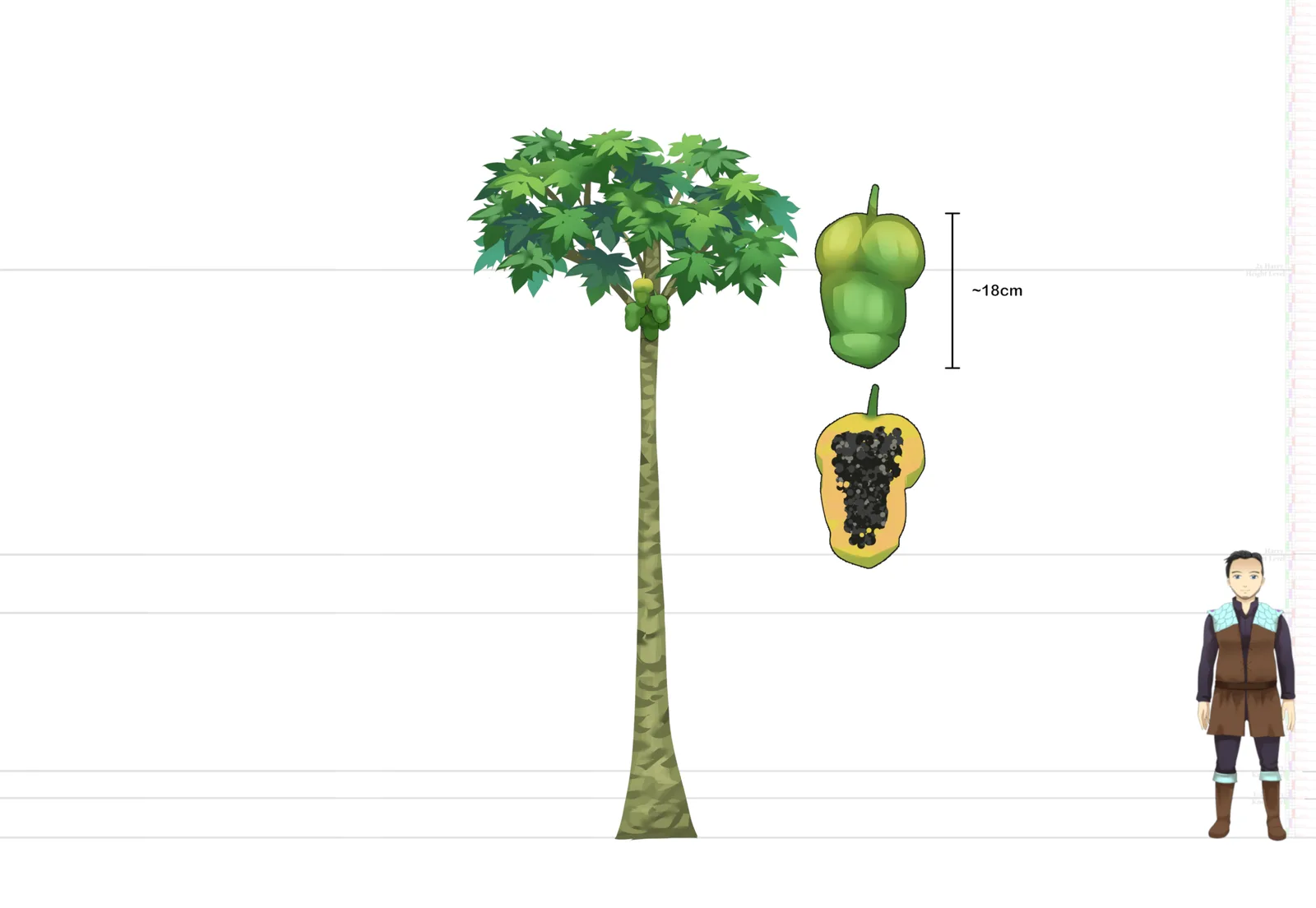
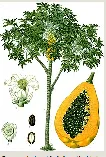
Tenderthrough è il nome che gli umani diedero a questo albero da frutto dalla forma particolare dopo essersi fatti strada nelle isole a sud-est di Sanbi e aver sterminato la specie antica che ci viveva. Ha un sapore molto vicino alla papaya, e i semi si usano ancora per purificare e curare l'intestino a un costo molto più basso rispetto al Body Restore o ad altre interfacce. Ci sono piantagioni nel Regno di Freeish, ma non hanno lo stesso buon sapore di quelli delle isole, quindi porta il culo sulla prossima barca per le isole se vuoi provarne il sapore più autentico!
Testo pubblico: flora.md
Dietro le quinte · appunti completi
-
Descrizione per il sito
- Tenderthrough is the name humans gave this peculiar-shaped fruit tree after penetrating the islands southeast of Sanbi and purging the ancient species that lived there. It tastes very close to papaya, and the seeds are still used to cleanse and heal one's guts far more cheaply than using Body Restore or other interfaces. There are plantations in the Freeish kingdom, but it just doesn't taste as good as the ones from the islands, so get your ass in the next boat to the islands if you want to experience its most authentic flavor!
-
Storia isekai
- A local fruit that is found in the dense forests and on both islands.
- The name from Ancient Species got lost. So this name stuck because it is tender and goes right through.
-
Scientific History
- Papaya
-
Habitat
- See above.
-
Economic Value
-
Tenderthrough Fruit
- Storia isekai
- See above
- Riferimento visivo
- See Item Visual Reference
- Storia isekai
-
Dried Tenderthrough
- Storia isekai
- Often done for food stock, selling to other kingdoms, baking in food, or on-the-road snacks.
- *One should be careful if snacking on-the-go
- Often done for food stock, selling to other kingdoms, baking in food, or on-the-road snacks.
- Riferimento visivo
- Storia isekai
-
Tenderthrough Juice
- Storia isekai
- Juicy!
- Riferimento visivo
- Storia isekai
-
Tenderthrough Hard Juice
- Storia isekai
- Fermented Juice
- Riferimento visivo
- Storia isekai
-
Tenderthrough Seed
- Storia isekai
- Used for getting rid of all kinds of worms and other ailments.
- Riferimento visivo
- Storia isekai
-
-
Tastes Like
- Papaya
-
Growth
- Takes a few years to bear fruit, then it does every summer
-
Capacità dell'energia dell'anima
- Interfaccia
- Nessuno
- Skills
- Nessuno
- Interfaccia
-
Riferimento visivo

Wood Yabuca
Vedi Bestie -> Wood People
Testo pubblico: Website Description in Legacy/Behind The Scenes/World Lore/Flora.md
Dietro le quinte · appunti completi
-
Storia isekai
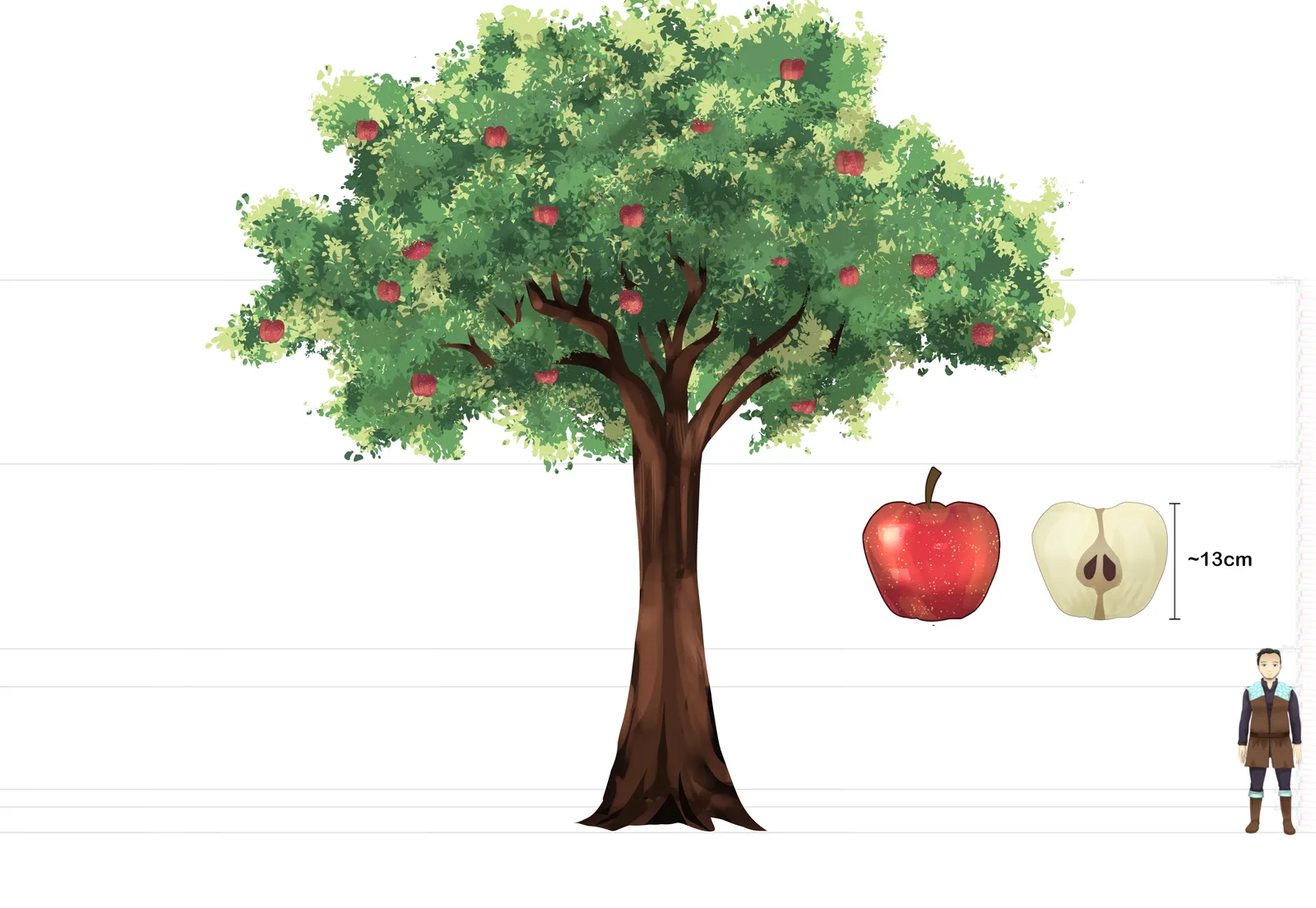
- A large variant from Yabuca fruit, caused when Buhraies mutated Wood People from Yabuca trees.
- As big as ~26 cm
-
Scientific History
- Birgit Bonnier Apples
-
Habitat
- ~1km - ~2km
- Buhraies Plains.
-
Economic Value
-
Yabuca Fruit
- Storia isekai
- See Above
- Riferimento visivo
- See Item Visual Reference
- Storia isekai
-
Wood Dried Yabuca
- Storia isekai
- Often done for food stock, selling to other kingdoms, baking in food, or on-the-road snacks.
- Riferimento visivo
- Storia isekai
-
Wood Yabuca Juice
- Storia isekai
- Refreshing
- Riferimento visivo
- Storia isekai
-
Wood Yabuca Hard Juice
- Storia isekai
- Fermented Juice
- Riferimento visivo
- Storia isekai
-
-
Tastes Like
- Slightly sweet, fleshy with a taste similar to Raspberry and apples.
-
Growth
- Throughout the year.
-
Capacità dell'energia dell'anima
- Interfaccia
- Nessuno
- Skills
- Nessuno
- Interfaccia
-
Riferimento visivo


Yabuca
Il frutto della Yabuca oggi si riferisce a una specifica varietà ambita chiamata Jonabuca, creata da una famiglia di scienziati innestando le migliori proprietà delle migliaia di tipi selvatici, dato che l'albero di Yabuca sembra fin troppo disposto a mutare. Alcuni credono che basti uno starnuto vicino a una piantina per cambiare il profilo di sapore dei futuri frutti in quello del moccio, cosa che in seguito uno scienziato ha confermato essere vera, dopo aver investito decisamente troppo tempo in un'impresa così specifica.
L'ambitissima varietà Jonabuca è coltivata intensivamente nel Regno di Freeish per il suo sapore di mela costantemente dolce e la sua consistenza croccante. Alcuni degli altri tipi sono ancora considerati gustosi, e c'è chi giura che siano migliori della Jonabuca! Queste varianti spesso hanno più sapori o consistenze, rese incostanti, o sembrano, o sono proprio, poco appetitose—e un famigerato albero di Yabuca ne è l'esempio perfetto, dopo essere spuntato accanto a una latrina e aver iniziato a produrre Yabucas che sapevano letteralmente di merda. In ogni caso, chiunque abbia palle in più in tasca le sborserà per avere invece l'ambita varietà in cui affondare i denti. È proprio come dice la pubblicità affissa sul negozio di frutta: "Se non è Jonabuca, allora non è Yabuca!"
Testo pubblico: flora.md
Dietro le quinte · appunti completi
-
Descrizione per il sito
- Nowadays, Yabuca fruit refers to a specific, coveted variety named Jonabuca, created by a family of scientists by grafting the best traits of thousands of wild types, as the Yabuca tree is highly prone to mutation. Some believe a sneeze around a seedling is enough to change the flavor profile of the future fruits to snot, which a scientist later confirmed was indeed the case after investing way too much time in such a specific endeavor.
- The highly coveted variety Jonabuca is farmed intensively in the Freeish kingdom for its consistently sweet, appley flavor and crispy texture. Some of the other types are still considered tasty, with some people swearing they are better than Jonabuca! These different variants often have multiple tastes or textures, are inconsistent in their yields, or look or are straight-up unappetizing—with a notorious Yabuca tree being the perfect example after it sprouted by an outhouse and began producing Yabucas that literally tasted like shit. Regardless, anyone with extra balls in their pocket will fork over to get the coveted variety rather than sink their teeth into it. It's just like the ad plastered over the fruit shop that says, "If it ain't Jonabuca, then it ain't Yabuca!"
-
Storia isekai
- A wild fruit popular among adventurers, known for its tendency to mutate in the wild and create some variants. Its flavor is unlike anything else in this world, almost as if it didn’t belong there.
- Buhraies brought it to life using genetic engineering. The main variety they brought remains the most popular and most resistant. The second is Wood Yabuca. Many species exist in the wild, but some fear it will eventually reduce the fruit variety to only Yabucas.
-
Scientific History
- Cosmic apples (the main variety)
-
Habitat
- ~0km - ~1km
- Everywhere in terms of breeds, but the Yabuca that people want is only found in the south, where it is farmed intensively.
- Yabuca variety (also referred to as the traditional variety) is farmed in the Freeish Kingdom.
-
Economic Value
-
Yabuca Fruit
- Storia isekai
- See Above
- Riferimento visivo
- See Item Visual Reference
- Storia isekai
-
Dried Yabuca
- Storia isekai
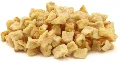
- Often done for food stock, selling to other kingdoms, baking in food, or on-the-road snacks.
- Riferimento visivo
- Storia isekai
-
Yabuca Juice
- Storia isekai
- Refreshing
- Riferimento visivo
- Storia isekai
-
Yabuca Hard Juice
- Storia isekai
- Fermented Juice
- Riferimento visivo

- Storia isekai
-
-
Tastes Like
- Slightly sweet, fleshy, with carrot notes.
-
Growth
- Throughout the year.
-
Capacità dell'energia dell'anima
- Interfaccia
- Nessuno
- Skills
- Adrenaline Inducer
- Interfaccia
-
Riferimento visivo


Alberi non da frutto
Black Sapphire Tree
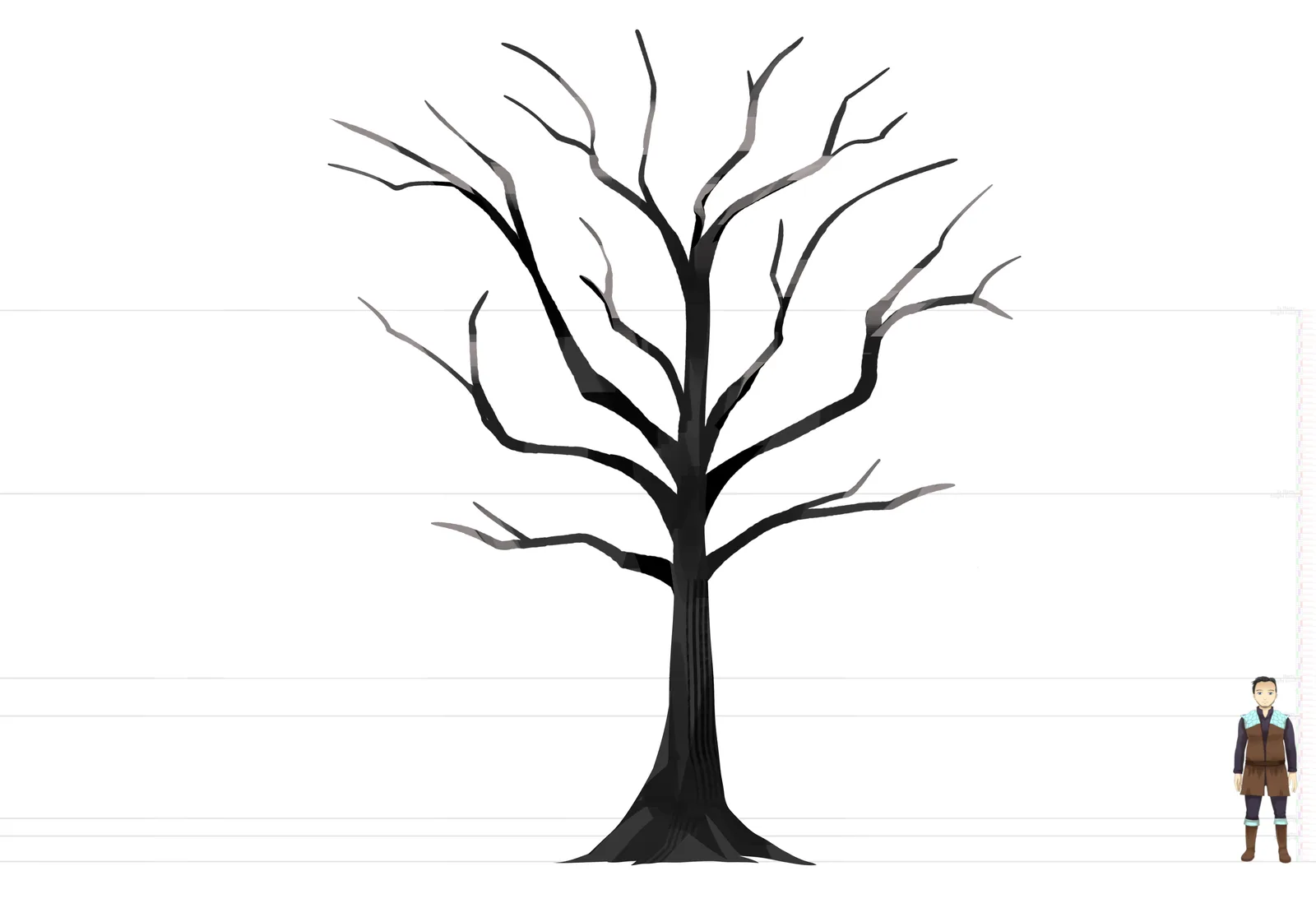
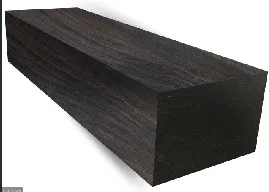
Il Black Sapphire, alias legno nero, è oggi una specie in grave pericolo, con un solo albero che si vende a una palla sapphire o più sul mercato aperto. Gli scienziati stanno ancora cercando di capire esattamente come sopravviva senza foglie e si moltiplichi senza produrre semi, ma hanno un forte indizio, perché i dintorni di uno di questi alberi sono sempre aridi, privi di vita. Più a lungo vive uno di questi alberi, più diventa grande l'area senza vita intorno. Antichi racconti di prima della caduta di Ganyrami dicevano che quando uno di quegli alberi diventava abbastanza grande, si poteva sentire un malessere prendere il sopravvento solo stando lì intorno. Usurpare e immagazzinare energia dell'anima è senza dubbio al centro delle proprietà di questo albero, perché il suo legno perfettamente nero può impedire la dispersione di energia dell'anima come nessun altro albero, persino meglio del soul tree stesso. Non solo, il legname che produce è duro come il diamante, e servono gli strumenti più costosi e potenti per lavorare un solo albero.
Testo pubblico: flora.md
Dietro le quinte · appunti completi
-
Descrizione per il sito
- Black Sapphire, a.k.a black wood, is now a highly endangered species, with a single tree fetching a sapphire ball or more in the open market. Scientists are still determining exactly how it survives without leaves and multiplies without bearing seeds, but they have a strong hint, as the surroundings of one of these trees are always barren, devoid of life. The longer one of these trees lives, the bigger the lifeless area around it becomes. Old tales from before the fall of Ganyrami stated that when one of those trees grew large enough, one could feel a malaise taking over just by standing around it. Usurping and storing soul energy is definitely at the core of this tree's properties, as its perfectly black wood can prevent soul energy leakage like no other tree, even better than the soul tree itself. Not only that, the timber it produces is as tough as diamonds, requiring the most expensive and intense tools to process a single tree.
-
Storia isekai
- Highly sought after, a single small or medium tree can be as costly as a whole sapphire. Because of that, it has been driven to near extinction.
- Some believe it was an attempt by the ancient species Buhraies to screw with either the Lishies, or the humans that hid in the forest, or both. Some scientists believe it was a soul energy storage device instead. Buhraies were seeding around for a future full-force invasion that never happened because it looks like a dead tree, and it soaks up soul energy from its surroundings.
- More commonly known today as black wood.
-
Scientific History
- Dalbergia melaxylon
-
Habitat
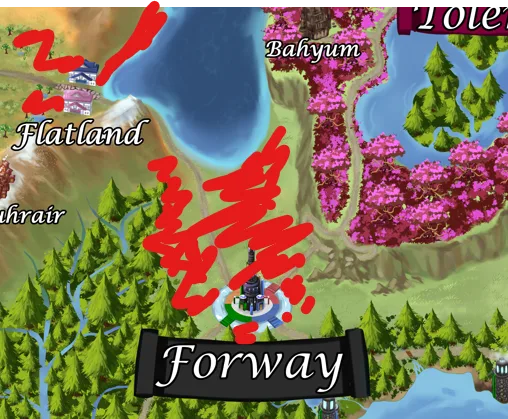
- Rarely found between Flatland and Forway. Virtually always found as lone trees, and never found amongst other trees.
-
Economic Value
-
Soul Wood
- Storia isekai
- Has a dark color to it, and is dense
- Used often with Nari stones, sigils, and containers holding soul energy to prevent Soul Energy leakage
- Riferimento visivo
- Storia isekai
-
-
Tastes Like
- wood.
-
Growth
- Slowly growth. Nobody knows exactly how it reproduces or finds a new place to appear. Some guesses are that they are interconnected somehow, like a fungus
-
Capacità dell'energia dell'anima
- Interfaccia
- Black Wood
- Skills
- Soul energy leech.
- Interfaccia
-
Riferimento visivo
*
Soul Tree
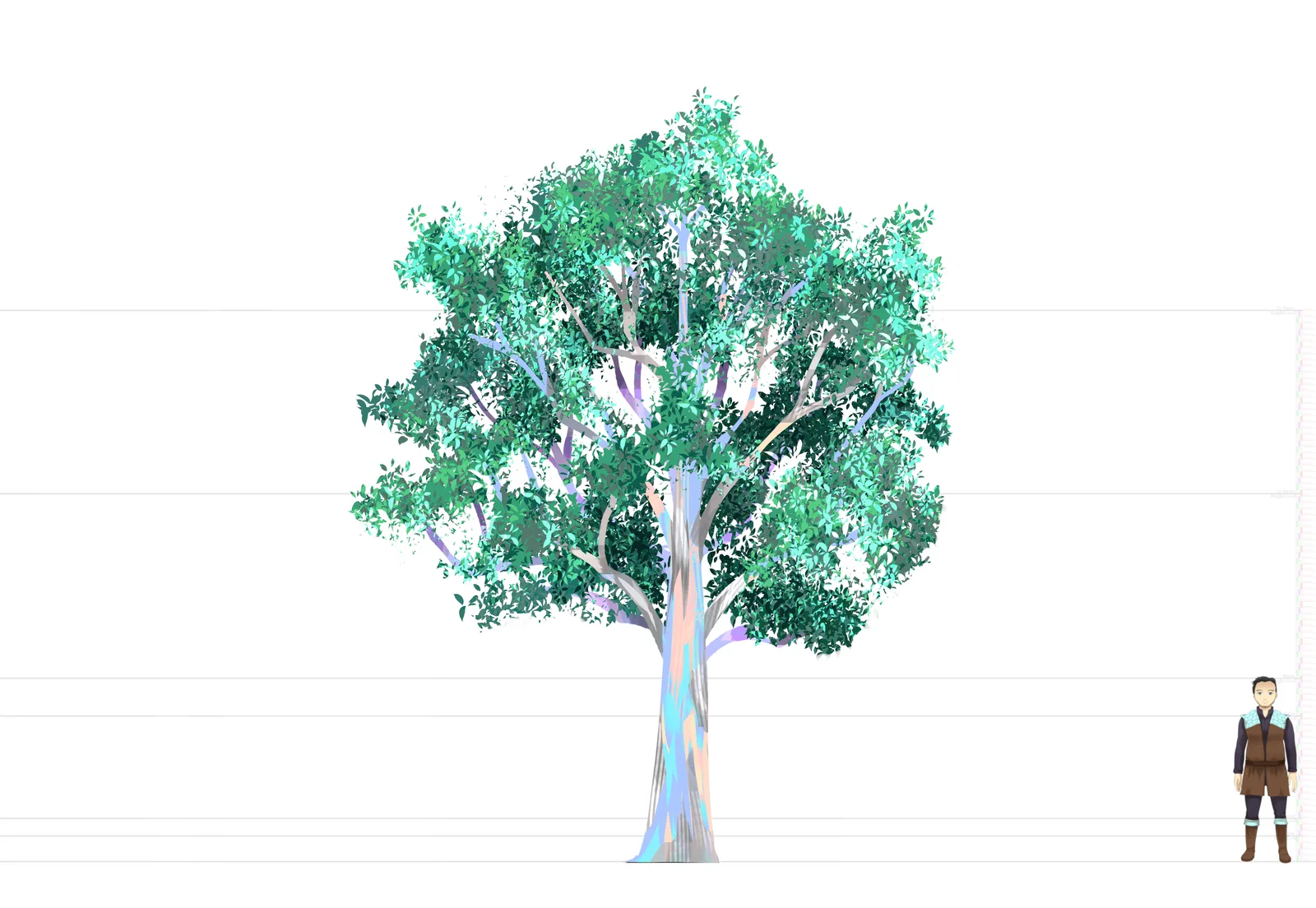
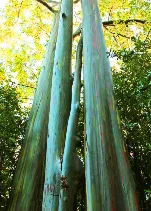
Il Soul Tree è l'albero più conosciuto in tutti e quattro i regni. La sua corteccia lucida dall'aspetto metallico è unica, e così il suo legname verde e colorato una volta tagliato. Il legno verde ha proprietà più o meno simili al black sapphire nel prevenire la dispersione dell'anima, ma non si avvicina neanche lontanamente alla stessa durezza. Eppure è molto più disponibile e non comporta l'impatto che fa marcire la terra! Diversi vivai intorno al Regno di Freeish sono dedicati a lui, perché la domanda è sempre ai massimi storici, sia per scopi decorativi sia pratici. I soul tree sono comuni anche in natura, anche se dovrai vedertela con i trunk people attaccati a loro, che non si arrendono senza combattere.
Testo pubblico: flora.md
Dietro le quinte · appunti completi
-
Descrizione per il sito
- Soul Tree is the best-known tree across all four kingdoms. Its shiny, metallic-looking bark is unique, and so is its colorful green timber when cut. The green wood has similar-ish soul leakage-prevention properties to black sapphire, but it doesn't even come close to the same toughness. Still, it's far more readily available and doesn't have the land-decaying impact! Several tree nurseries around the Freeish kingdom are dedicated to it, as demand is always at an all-time high, for both decorative and practical purposes. Soul trees are common in the wild, too, albeit you will have to deal with the trunk people attached to it as they won't go down without a fight.
-
Storia isekai
- Has a deep green interior, with the bark rather metallic/shiny.
- They are an example of flora that somehow escaped the isekai world and ended up back on IRL. Buhraies were mucking around with the idea of dispatching things into the soul realm, and that’s how this tree made its way into IRL.
- Trunk people love this tree!
-
Scientific History
- Eucalyptus deglupta
-
Habitat
- Found around Blood City and Freeish. Not really found elsewhere in the kingdoms. They are lone trees that sprout up from small colorful seeds. Tunk people love to live on them.
-
Economic Value
-
Soul Wood
- Storia isekai
- Used often with Nari stones, sigils, and containers holding Soul Energy to prevent Soul Energy leakage.
- Riferimento visivo
- Storia isekai
-
Soul Wood Seeds
-
Storia isekai
- Used in Nari gels or consumed on their own to provide caffeine. It tastes kinda bitter at first, then it gets slightly sweeter and develops a nutmeg and vanilla-like taste as you keep sucking on it.
-
Riferimento visivo
-
Grounded Soul Wood
- Storia isekai
- Often used in spices to add a nutmeg/vanilla-like taste.
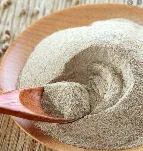
- If the seeds are baked, the vanilla taste disappears and makes the nutmeg far stronger; when added in large quantities, it can have antiseptic properties.
- Is basically the world's coffee.
- Often used in spices to add a nutmeg/vanilla-like taste.
- Riferimento visivo
- Storia isekai
-
-
-
Tastes Like
- Lettuce with black pepper, salt, garlic, onion & jalapeno
-
Growth
- Leaves fall every Fall. Tree grows slightly as well.
-
Capacità dell'energia dell'anima
- Interfaccia
- Nessuno
- Skills
- Barrier Shield
- Light Up
- Absorb water
- Interfaccia
-
Riferimento visivo

Tastyleaf
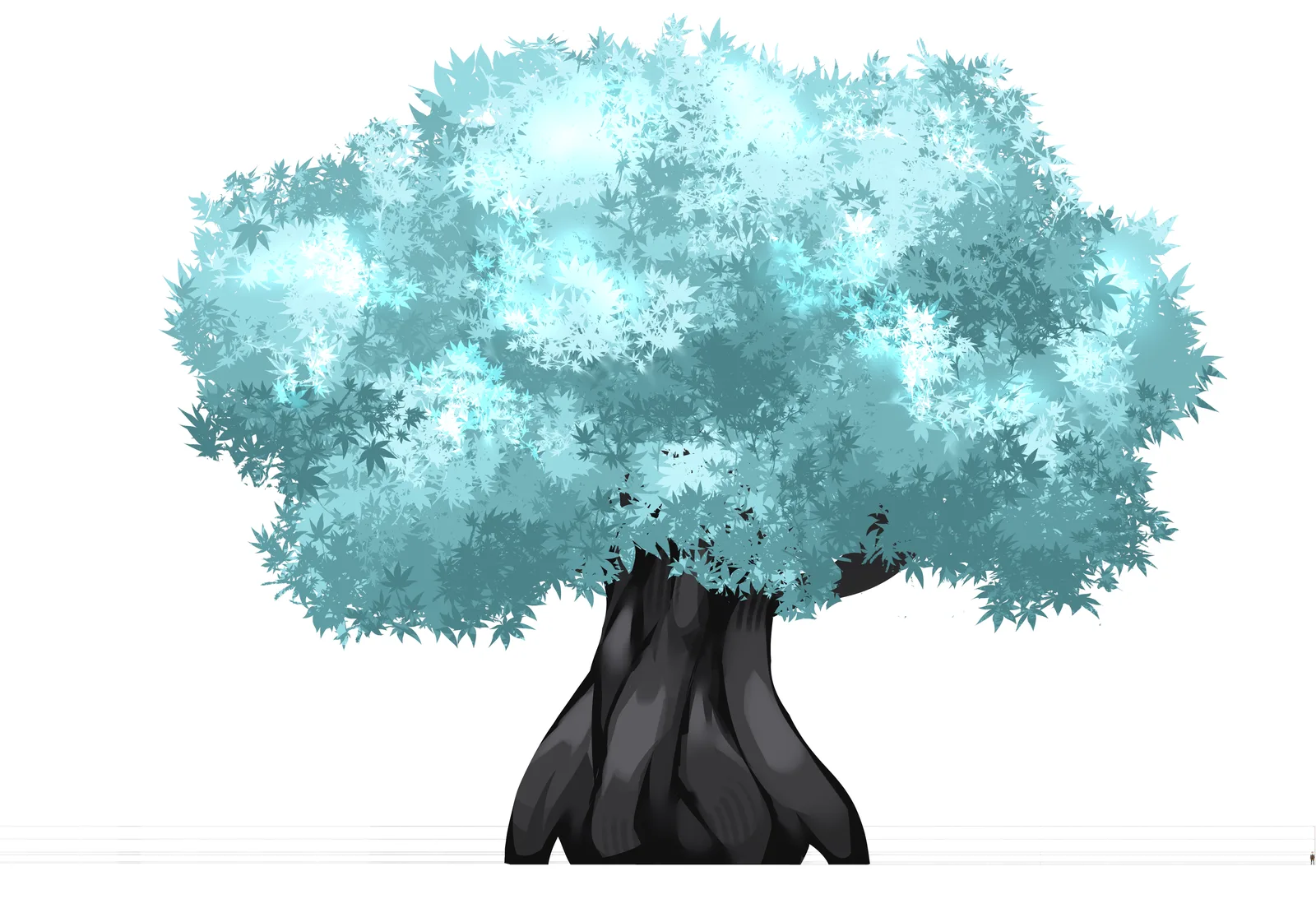
Il Tastyleaf è un albero assolutamente mega chungus, alto circa 104 metri, con una circonferenza che da sola supera i 40 metri. Nessun altro albero si avvicina neanche lontanamente alle sue dimensioni o alle sue proprietà. Fu scoperto in quello che doveva essere un giardino non proprio segreto da una delle prime tribù di umani fuggite dalle Buhraies plains. I racconti di quella storia furono tramandati oralmente, quindi le versioni divergono sul fatto che gli umani abbiano ucciso i proprietari Buhraies del giardino e preso il controllo prima che potessero chiamare aiuto, o che fosse semplicemente abbandonato. In ogni caso, questo albero diede agli umani un rifugio contro le bestie e la fauna affamate, perché ha proprietà luminose simili alla fost stone, compreso il fatto di illuminarsi quando piove e di respingere bestie e fauna.
Il problema è che non produce semi, e nemmeno provare a innestarlo funziona, quindi ora è un albero molto protetto dalla gente del posto e da Forway. Perché Forway? Perché anche le foglie sono deliziose! La carne di spalla di Bagarisa affumicata e sfilacciata, coperta di foglie, nel pane duro di gyut ne è la prova! Le foglie hanno la consistenza della lattuga, con un profilo di sapore in uno spettro tra pepe nero, sale, aglio, cipolla, jalapeño e curry verde—i sapori variano a seconda del raccolto, dell'età della foglia e del punto da cui viene colta, tanto che alcune persone dedicano tutta la vita e la loro competenza a questo mestiere. Solo che le foglie marciscono in fretta, quindi chiunque sia fuori da Tastyleaf assaggia solo la versione secca e macinata delle foglie, una spezia popolare venduta in tutti i regni.
Testo pubblico: flora.md
Dietro le quinte · appunti completi
-
Descrizione per il sito
- Tastyleaf is an absolute mega chungus of a tree, measuring about 104 meters tall, with girth alone in the upper 40 meters. No other tree comes even close to its size or properties. It was discovered inside what had to be a not-so-secret garden by one of the first human tribes that fled the Buhraies plains. Accounts of that history were passed down orally, so narratives diverged on whether humans killed the Buhraies garden owners and took over before they could call for help, or if it was simply abandoned instead. Either way, this tree granted humans a sanctuary against the hungry beast and fauna, as it has similar light properties to fost stone, including lighting up when it rains and repelling them. The caveat is that it doesn't produce seeds, and trying to graft doesn't work either, so now it is a highly protected tree by locals and Forway. Why Forway? Because the leaves are also delicious! Shredded smoked Bagarisa butt meat topped with leaves in hard gyut bread is proof of that! The leaves have a lettuce texture with a flavor profile on a spectrum between black pepper, salt, garlic, onion, jalapeno, and green curry—the flavors vary depending on the harvest, leaf age, and where it is picked, leaving some people to dedicate their whole lives and expertise to this trade. Except for the leaves, which rot quickly, leaving anyone outside Tastyleaf to taste only the dried, ground-up version of the leaves, a popular spice sold across all kingdoms.
-
Storia isekai
- An incredibly girthy and tall tree measuring 104 meters tall and a diameter of about 45 meters.
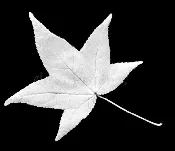
- It has white leaves that fall every Fall. No seeds or spores are generated, and stem cuttings do not seem to work as they never grow.
- The tree also lights up when it rains and helps keep beasts from Hifuna away from their settlement.
- Some people say it’s an offshoot of Wood People, and it listens and reacts to its surroundings, especially feelings. However, not everyone agrees with it.
-
Scientific History
- Linden (The tilia family)
-
Habitat
- TastyLeaf. Single massive tree.
-
Economic Value
-
Fresh Leaves
- Storia isekai
- Often used in Sandwiches. Leaves don’t last as long if not dried, so this treat is only available fresh in Tastyleaf.
- Riferimento visivo
- Storia isekai
-
Grounded TastyLeaf
- Storia isekai
- Often used in spices. The leaves are dried and grounded, which allows them to last much longer.
- Riferimento visivo
- Storia isekai
-
-
Tastes Like
- Lettuce with black pepper, salt, garlic, onion, jalapeno & green curry.
-
Growth
- Leaves fall every Fall. The tree grows slightly as well.
-
Capacità dell'energia dell'anima
- Interfaccia
- Nessuno
- Skills
- Barrier Shield
- Light Up
- Absorb water
- Interfaccia
-
Riferimento visivo
Arbusti
Basi
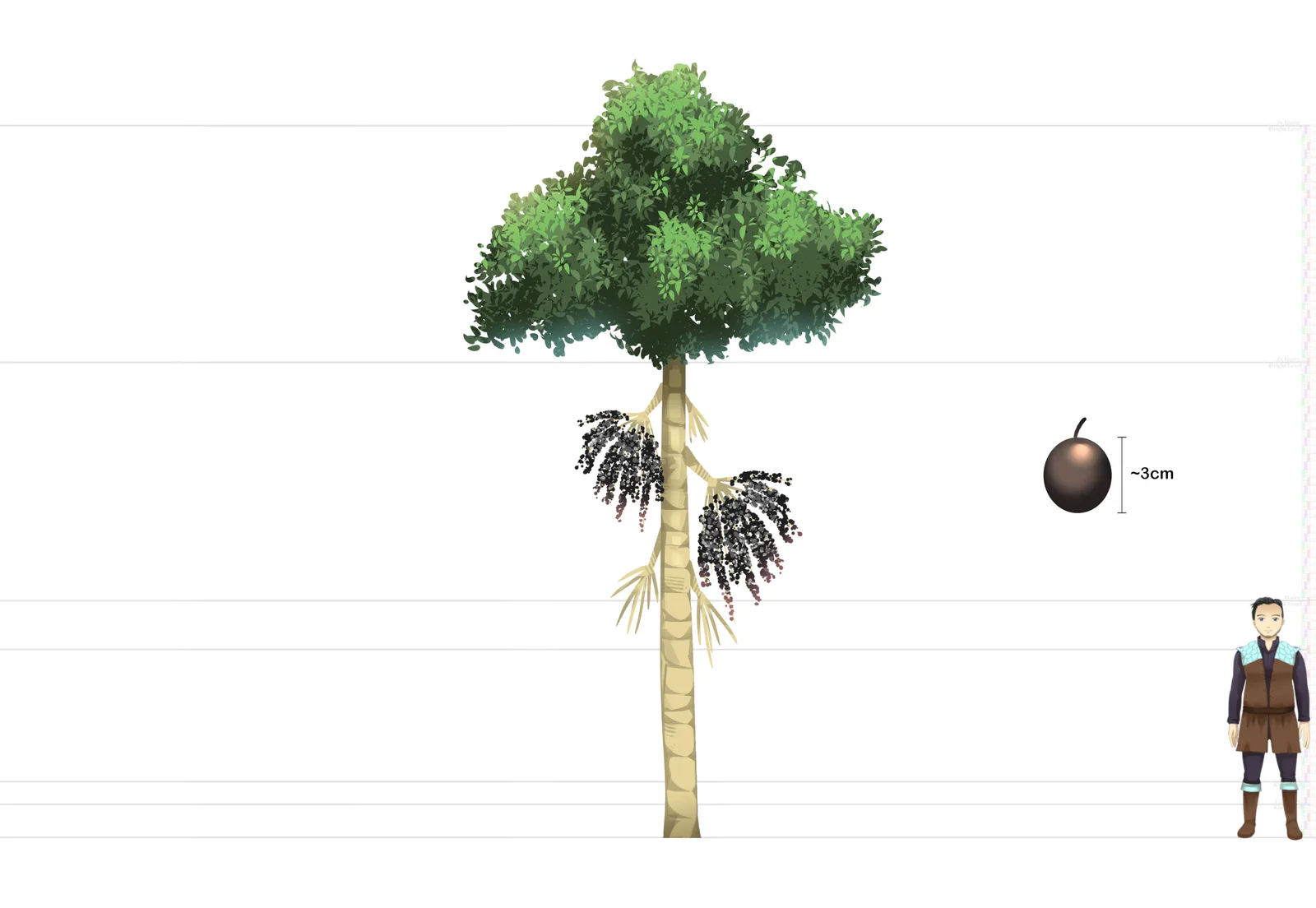
Le bacche di Basi vengono raccolte e poi battute meccanicamente per separarne la polpa in una pasta densa simile alla vaselina. La pasta scura e densa ha un sapore terroso e leggermente amaro, simile a un mix di cioccolato fondente all'80% e mora con un tocco di mirtillo rosso, ed è un alimento base nel Regno di Freeish. La gente lì la mangia letteralmente con tutto, abbinandola a pesce alla griglia o fritto, carne essiccata, e perfino aggiungendo zucchero e cubetti di ghiaccio e mangiandola come dessert. È anche molto ricca di fibre, il che spiega perché il Regno di Freeish praticamente si ferma per un po' dopo pranzo e cena! Gli altri regni probabilmente non partecipano molto a questa cucina, perché la pasta di basi è buona solo fresca, e appena la metti in frigo o la congeli, il sapore si guasta e sa di terra.
Testo pubblico: flora.md
Dietro le quinte · appunti completi
-
Descrizione per il sito
- Basi berries are gathered and then mechanically beaten to separate the flesh into a thick pulp, akin to petroleum jelly. The dark, thick pulp comes with an earthy, slightly bitter taste akin to mixing 80% dark chocolate and blackberry with a tinge of red huckleberry, and it's a food staple on Freeish Kingdom. Folks over there eat it with literally everything, pairing it with grilled or fried fish, dried jerky, and even adding sugar and ice cubes and eating it as a dessert. It is also quite heavy on fiber, which explains why the Freeish Kingdom basically grinds to a halt for a bit after lunch and dinner! Other kingdoms likely don't partake much in that cuisine as the basi pulp only tastes good fresh, and as soon as you refrigerate or freeze it, the flavor breaks down to tasting like dirt.
-
Storia isekai
- Bushy plant that grows in the wild, or farmed intensively in Freeish.
-
Scientific History
- Acai (but as a bushy plant instead.)
-
Habitat
- More often found in the south, near Freeish. Farmed heavily over there. Other kingdoms don’t seem to really partake on it.
-
Economic Value
-
Basi Berries
- Storia isekai
- It takes 4 hours to strip a bush tree of all its berries, yielding between 1 and 2 kg of acai berries.
- Things can be halved/speeden up if you use a shaker.
- Each berry is about the size of a fingertip and needs to be separated from the hair-like structure.
- It takes 4 hours to strip a bush tree of all its berries, yielding between 1 and 2 kg of acai berries.
- Riferimento visivo
- See Item Visual Reference
- Storia isekai
-
Basi Pulp
- Storia isekai
- Separating the pulp from the fruit. It’s a thick paste.
- Eaten with both salty or sweet stuff.
- Riferimento visivo
- Storia isekai
-
-
Tastes Like
- Acai. Earth, slightly bitter, like mixing pomegranate with strong dark chocolate.
-
Growth
- One bush produces ~1kg of berries per harvest season.
-
Capacità dell'energia dell'anima
- Interfaccia
- Nessuno
- Skills
- Nessuno
- Interfaccia
-
Riferimento visivo
Gyut
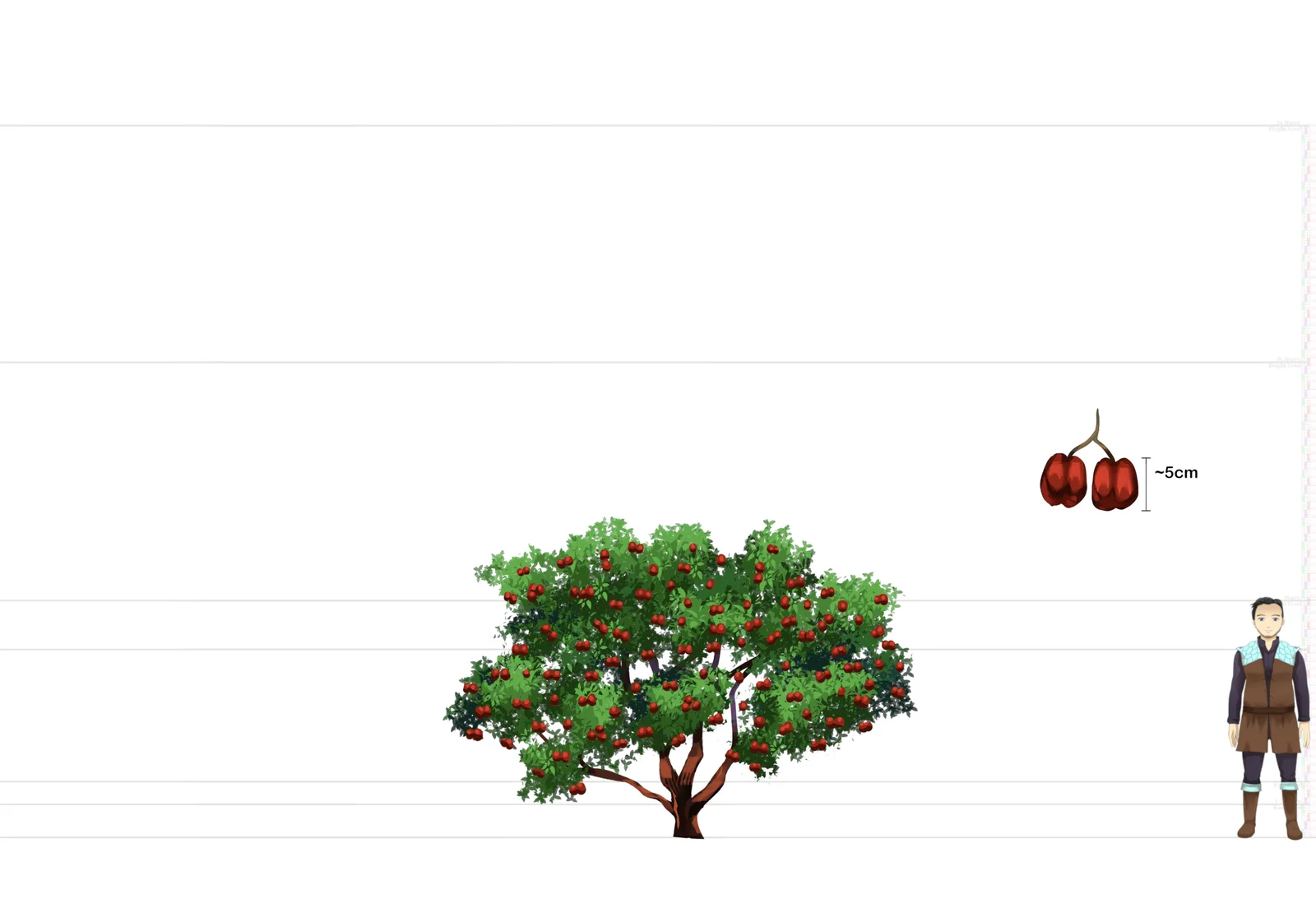
Il Gyut fu considerato un bene di base dai funzionari di Forway, che stabilirono il valore di una singola palla pearl pari a un Bagabone (circa un kg) di gyut appena raccolto. Il suo sapore dolce-aspro e acidulo ricorda la ciliegia mescolata ai mirtilli rossi, e le mele granny smith sono le preferite in tutti i regni e anche dalla fauna. Alcuni ristoranti nutrono il loro bestiame solo di gyut, per la sua notevole proprietà di rendere la carne più dolce, dandole una caratteristica caramellata quando viene arrostita sulla fiamma viva.
Testo pubblico: flora.md
Dietro le quinte · appunti completi
-
Descrizione per il sito
- Gyut was considered a staple good by Forway officials, who established the value of a single pearl ball as equal to one Bagabone (about 1 kg) of freshly picked gyut. Its sweet-tart, acidic taste resembles cherries mixed with cranberries, and Granny Smith apples are a favorite among the kingdoms and the fauna. Some restaurants feed their livestock nothing but gyut for its remarkable ability to make the meat sweeter, giving it a caramelized characteristic when roasted over open flames.
-
Storia isekai
- A bushy plant that grows on lower terrains.
- Any animal that eats it will make their meat slightly sweet.
-
Scientific History
- Acerola
-
Habitat
- Found across the kingdom in non-desert areas < 1km height.
- Farmed more intensively in the Freeish Kingdom.
-
Economic Value
-
Gyut Berries
- Storia isekai
- It takes ~30 minutes to 1 hour to pick 1 kg of berries, making the bush big. It is a staple good, and is used to determine the value of Ball currency.
- Each berry is about the size of a fingertip.
- Riferimento visivo
- See Item Visual Reference
- Storia isekai
-
Dried Gyut
- Storia isekai
- Often done for food stock, selling to other kingdoms, baking in food or on-the-road snacks.
- Riferimento visivo
- Storia isekai
-
Gyut Juice
- Storia isekai
- Refreshing.
- Riferimento visivo
- Storia isekai
-
Gyut Hard Juice
- Storia isekai
- Fermented Juice.
- Riferimento visivo
- Storia isekai
-
-
Tastes Like
- Acerola, but sweeter.
-
Growth
- ~1 Year until established
- One bush provides ~1 kilo of berries per day for ~10 days during harvest season.
-
Capacità dell'energia dell'anima
- Interfaccia
- Nessuno
- Skills
- Nessuno
- Interfaccia
-
Riferimento visivo



Siguash
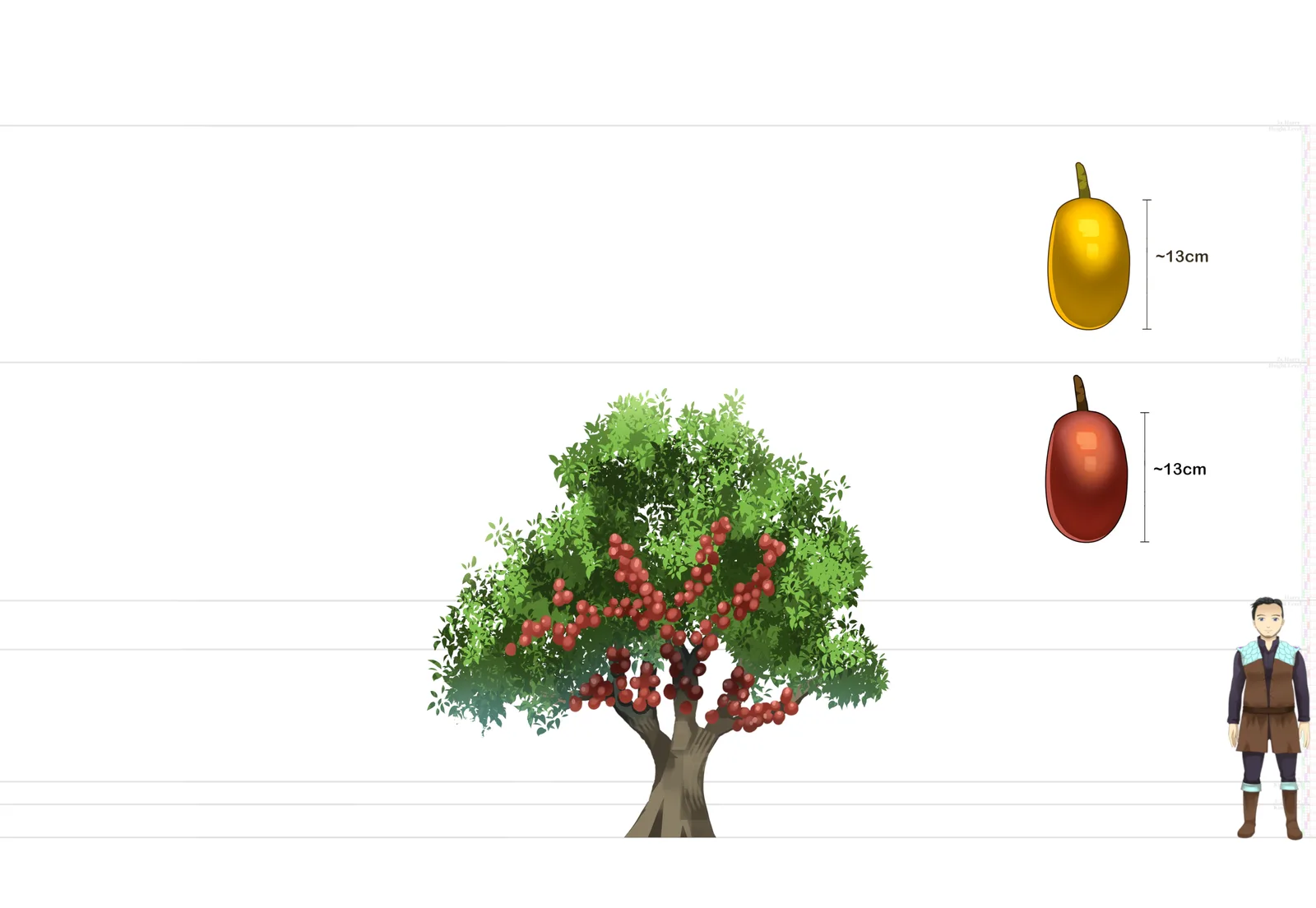
Il Siguash ha un sapore simile al mango Nam Dok Mai, ma molto più piccolo, con un accenno di melograno. Alcuni lasciano apposta il frutto maturare troppo fino a un colore giallo aspro, mentre gli zuccheri in più fermentano e creano una bevanda alcolica da portare in giro. Solo, occhio a quanti Siguash fermentati ti mandi giù, perché non ha pietà neanche se sei un troglodita di Darfaries.
Testo pubblico: flora.md
Dietro le quinte · appunti completi
-
Descrizione per il sito
- Siguash tastes similar to Nam Dok Mai mango but is much smaller, with a hint of pomegranate. Some intentionally leave the fruit to overripe, turning it a tangy yellow as the extra sugars ferment and create an on-the-go alcoholic drink. Just watch how many fermented Siguash you're popping in, as it doesn't show mercy even if you're a troglodyte of a Darfaries.
-
Storia isekai
- Bushy plant that grows in the wild.
-
Scientific History
- Siriguela
-
Habitat
- Found across the kingdom in non-desert areas < 1km height, especially in forests
-
Economic Value
-
Siguash Berries
- Storia isekai
- It takes ~60 minutes to harvest 1 kg of berries, giving each bush less fruit than Gyut.
- It is a staple good, and is used to determine the value of Ball currency.
- Each berry is about the size of a fingertip.
- Riferimento visivo
- See Item Visual Reference
- Storia isekai
-
Dried Siguash
- Storia isekai
- Often done for food stock, selling to other kingdoms, baking in food, or on-the-road snacks.
- Riferimento visivo
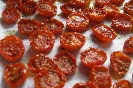 *Like Cherry tomatoes. But yellowish.
- Storia isekai
-
Siguash Juice
- Storia isekai
- Refreshing
- Riferimento visivo
- Storia isekai
-
Siguash Hard Juice
- Storia isekai
- Fermented Juice.
- Riferimento visivo
- Storia isekai
-
-
Tastes Like
- Mango, but smaller and sweeter with a hint of pomegranate. Very soft.
-
Growth
- One bush produces ~1/2kg of berries per day for ~10 days during the harvest season.
-
Capacità dell'energia dell'anima
- Interfaccia
- Nessuno
- Skills
- Nessuno
- Interfaccia
-
Riferimento visivo

Erbe
Carbey
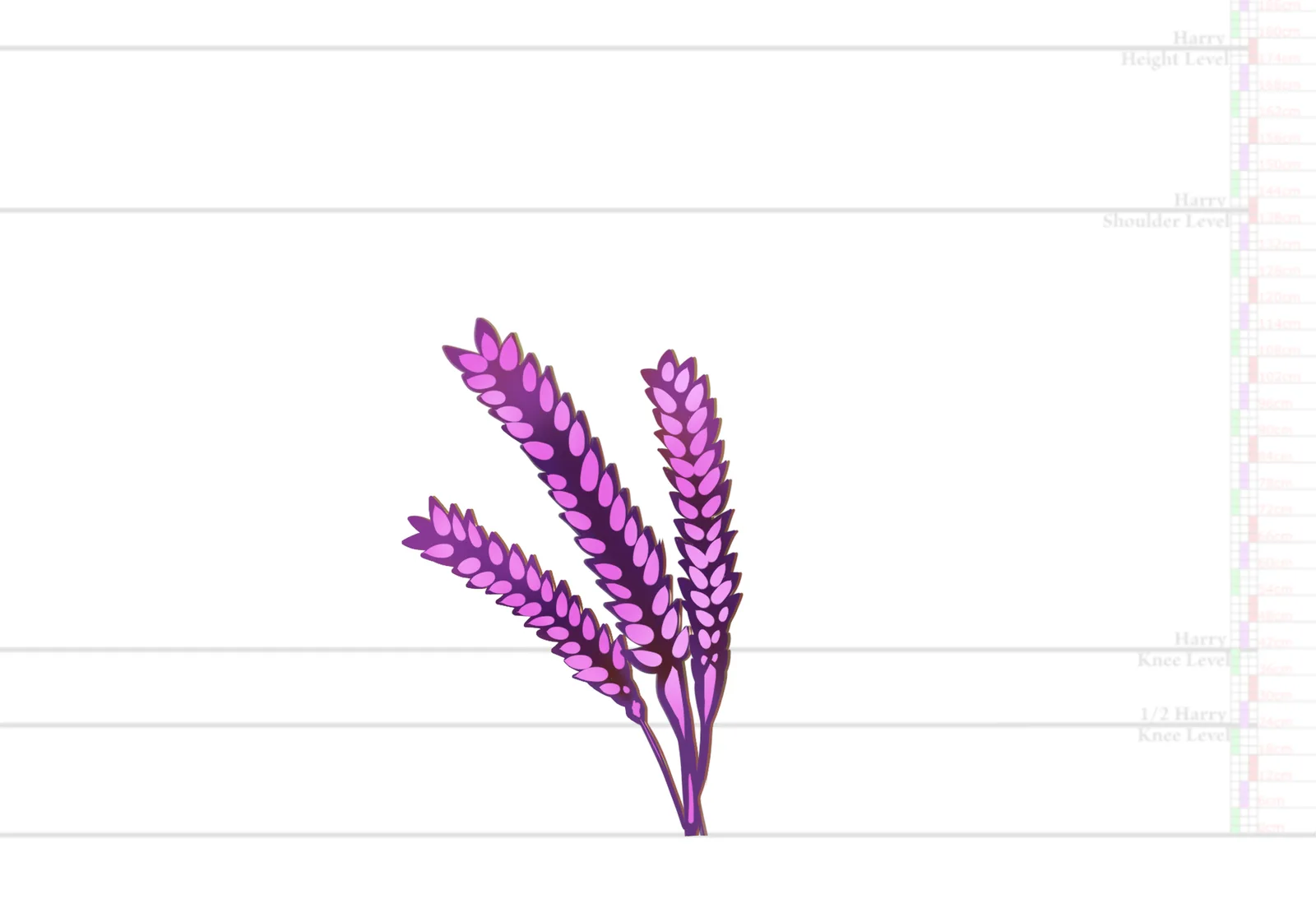
Il Carbey era un'erba fastidiosa che tutti odiavano, almeno finché non hanno scoperto quanto è buono mescolarlo con acqua e lievito e poi infilarlo in una stufa a legna. Coltivato intensivamente a Freeish, come quasi tutto il resto, ma alcuni irriducibili a Tolerideme insistono che i loro raccolti di Carbey abbiano un sapore molto migliore, specialmente per i distillati, nonostante lì sia molto più difficile da coltivare. Il Carbey è un altro alimento base che Forway usa per stabilire il valore base di una singola palla pearl.
Testo pubblico: flora.md
Dietro le quinte · appunti completi
-
Descrizione per il sito
- Carbey was annoying grass everyone hated it, at least until they discovered how tasty it is to mix it with water and yeast and then shove it in a wood stove. Farmed intensively in Freeish, like most other things, but some holdouts in Tolerideme insist their Carbey yields taste far better, specifically when used for spirits, despite it being much harder to cultivate over there. Carbey is another staple food Forway uses to establish the base value of a single pearl ball.
-
Storia isekai
- Used to make beer, bread, and everything in between.
-
Scientific History
- Wheat
-
Habitat
- Throughout the entire lower region, except the desert.
-
Economic Value
-
Carbey
- Storia isekai
- Used for feeding Eguas, or making more stuff.
- Riferimento visivo
- See below
- Storia isekai
-
Carbey Flour
- Storia isekai
- See Carbey
- Riferimento visivo
- Storia isekai
-
Bread
- Storia isekai
- It’s Bread. Texture close to French bread.
- Riferimento visivo
- Storia isekai
-
Breadplate
- Storia isekai
- Bread is used as a plate. Often eaten or given to the poor.
- Riferimento visivo
- Storia isekai
-
Gyut Bread
- Storia isekai
- Bread mixed with Gyut berries.
- A staple dessert for the poor throughout the four kingdoms, originally invented on Freeish.
- Riferimento visivo
- Storia isekai
-
Beer
- Storia isekai
- A highly nutritious drink with low alcohol content enjoyed by everyone.
- Riferimento visivo
- Storia isekai
-
Child Beer
- Storia isekai
- A weak, mildly sweet, and very nutritious version of beer meant for children
- https://en.wikipedia.org/wiki/Small_beer
- Riferimento visivo
- Storia isekai
-
Man Beer
- Storia isekai
- An incredibly strong version of the beer.
- Riferimento visivo
- Storia isekai
-
Ale
- Storia isekai
- Like beer, but with slightly higher alcohol
- Riferimento visivo
- Storia isekai
-
-
Tastes Like
- Wheat
-
Growth
- Yields ~150 kg of Carbey per acre
- Acre = 20 meters × 200 meters
- Yields ~125 kg of Carbey Flour per acre
- Yields ~150 kg of Carbey per acre
-
Capacità dell'energia dell'anima
- Interfaccia
- Nessuno
- Skills
- Nessuno
- Interfaccia
-
Riferimento visivo






Domar Carbey
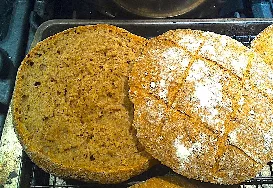
Il Domar Carbey è una versione del Carbey creata da una delle tre sorelle intelligenti incrociandolo con i Wood People. Cresce solo nella regione di Tolerideme, ed è di fatto la base dell'economia di Tolerideme. Distillati, esportazioni alimentari, abbigliamento, ecc! Tutto viene dal Domar Carbey. Il grano in sé ha un sapore leggermente di formaggio, come il parmigiano, con un ricco profumo di cereale che dà una marcia in più a qualsiasi cosa tu cuocia! Anche se con i dessert va bene solo se parliamo di dolci specifici come il pane di Gyut o altri dolci sullo spettro agrumato. Qualcosa come la crème brûlée, il budino o qualsiasi cosa con un sapore più di tuorlo non sembra funzionare.
Testo pubblico: flora.md
Dietro le quinte · appunti completi
-
Descrizione per il sito
- Domar Carbey is a version of Carbey created by one of the three smart sisters by crossbreeding with Wood People. It only grows in the Tolerideme region, as it is de facto the base of the Tolerideme economy. From spirits, food export, clothing, etc! Everything comes from Domar Carbey. The wheat itself tastes slightly cheesy, like parmesan, with a rich grain smell that gives an extra oompf to whatever you bake! It only goes well with desserts if you're talking about specific ones like Gyut bread or other desserts on the citrusy spectrum. Something like crème brûlée, pudding, or anything with a more yolk-like taste doesn't seem to work.
-
Storia isekai
- A version of the Carbey created by one of the three smart sisters by crossbreeding with Wood People.
- Used to make beer, bread, and everything in between.
- More nutritional than Carbey, and tastes better as well.
-
Scientific History
- Wheat
-
Habitat
- Buhraies Plains
- Regno di Tolerideme
-
Economic Value
-
Domar Carbey
- Storia isekai
- Tolerideme has the upper hand in planting it for trading.
- Riferimento visivo
- See below
- Storia isekai
-
Domar Carbey Flour
- Storia isekai
- See Domar Carbey
- Riferimento visivo
- Storia isekai
-
Domar Bread
- Storia isekai
- It’s Bread. Texture close to French bread.
- Riferimento visivo
- Storia isekai
-
Domar Gyut Bread
- Storia isekai
- Bread mixed with Gyut berries.
- Riferimento visivo
- Storia isekai
-
Domar Beer
- Storia isekai
- A highly nutritious drink with low alcohol content enjoyed by everyone.
- Riferimento visivo
- Storia isekai
-
Domar Child Beer
- Storia isekai
- A weak, mildly sweet, and very nutritious version of beer meant for children
- https://en.wikipedia.org/wiki/Small_beer
- Riferimento visivo
- Storia isekai
-
Domar Man Beer
- Storia isekai
- An incredibly strong version of the beer.
- Riferimento visivo
- Storia isekai
-
Domar Ale
- Storia isekai
- Like beer, but with slightly higher alcohol
- Riferimento visivo
- Storia isekai
-
-
Tastes Like
- Carbey
- Hints of Parmesan cheese
-
Growth
- Yields ~300 kg of Carbey per acre
- Acre = 20 meters × 200 meters
- Yields ~250 kg of Carbey Flour per acre
- Yields ~300 kg of Carbey per acre
-
Capacità dell'energia dell'anima
- Interfaccia
- Nessuno
- Skills
- Nessuno
- Interfaccia
-
Riferimento visivo




Lehuj
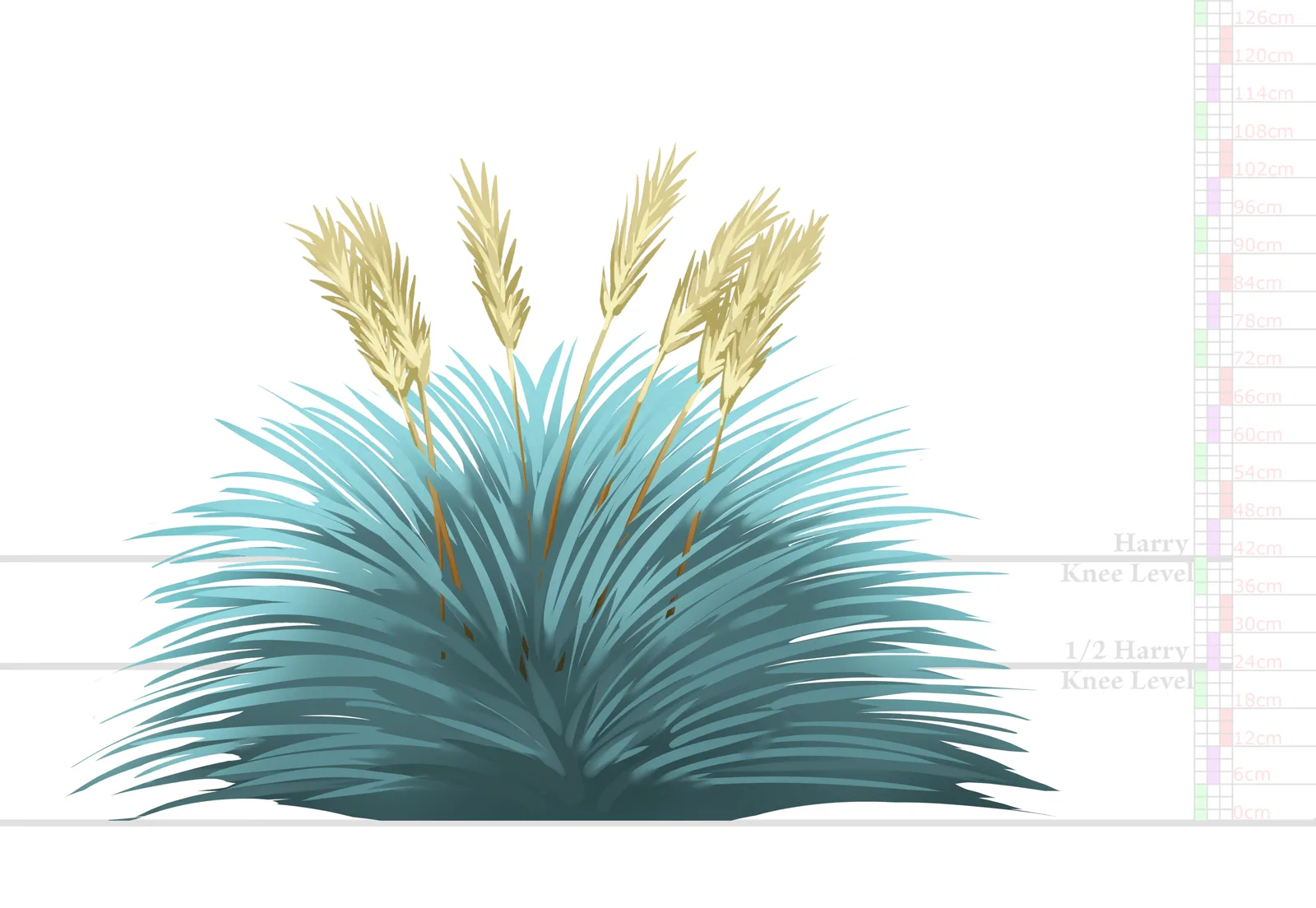
Il Lehuj è il rimedio e il gel nari di riferimento per affrontare postumi di sbornia, tossine o veleni, grazie alle sue impareggiabili proprietà che potenziano il fegato. Visto quanto funziona facilmente ed è abbondante, alcuni lo usano anche per altri benefici digestivi o come catalizzatore per diverse reazioni dei gel nari. Potrebbe anche essere usato come terribile punizione se lo metti nel cibo o nella bevanda di qualcuno, mandandogli il fegato in sovraccarico e costringendolo a bloccarsi poco dopo; dopotutto, la differenza tra rimedio e veleno sta solo nella dose.
Testo pubblico: flora.md
Dietro le quinte · appunti completi
-
Descrizione per il sito
- Lehuj is the go-to remedy and nari gel for dealing with hangovers, toxins, or poisons, thanks to its unmatched liver-enhancing properties. Given how easy and abundant it is, some also use it for other digestive benefits or as a catalyst for different nari gel reactions. It could also be used as a terrible punishment if you inject it into someone's food or drink by overloading their liver and forcing it shut down soon after; the difference between remedy and poison is just the dosage, after all.
-
Storia isekai
- Used for Smooth Gut Nari, and for its digestive properties, specifically liver. Also great as a hangover remedy.
-
Scientific History
- Blue Festuca
-
Habitat
- Throughout the entire lower region, except the desert.
-
Economic Value
-
Lehuj Grass
- Storia isekai
- See above
- Riferimento visivo
- Storia isekai
-
-
Tastes Like
- Slightly sweet and acidic.
-
Growth
- Wild
-
Capacità dell'energia dell'anima
- Interfaccia
- Nessuno
- Skills
- Nessuno
- Interfaccia
-
Riferimento visivo
Funghi
Lakata
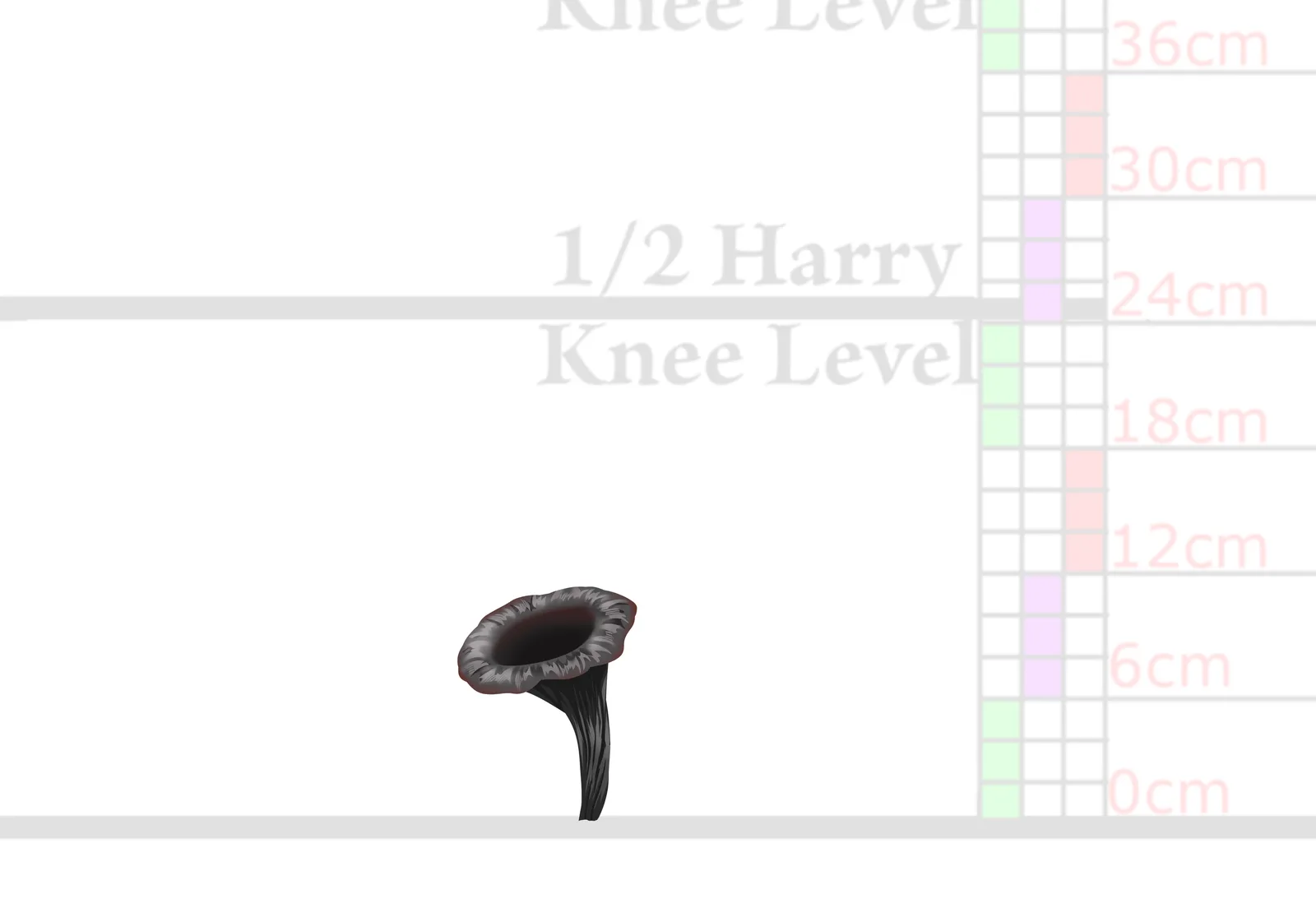
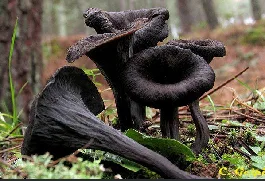
La Lakata sa di uva arrostita, ma non lasciarti ingannare da questo sapore piacevole! È brava a mandare in sovraccarico il sistema nervoso parasimpatico e, se non stai abbastanza attento, ti si fermerà il cuore. Molti avventurieri e raccoglitori hanno passato ore infinite a cercarla intorno agli alberi marci, perché è considerata il pane quotidiano di molti gel nari.
Testo pubblico: flora.md
Dietro le quinte · appunti completi
-
Descrizione per il sito
- Lakata tastes like roasted grapes, but don't let that pleasant taste fool you! It is good at slowing the sympathetic nervous system, and if you're not careful, your heart will stop. Many adventurers and gatherers alike spent endless hours searching for them around rotting trees as they are considered the bread and butter of many nari gels.
-
Storia isekai
- A fungus is often used for slowing down the heartbeat. Found in rotting trees
-
Scientific History
- Chaga (Inonotus obliquus)
-
Habitat
- 0km
- Muddy, Deep forest of the south.
-
Economic Value
-
Lakata Caps
- Storia isekai
- See above
- Riferimento visivo
- See below
- Storia isekai
-
-
Tastes Like
- Roasted Grapes.
-
Growth
- Several month
-
Capacità dell'energia dell'anima
- Interfaccia
- Fungus
- Skills
- Pacifier
- Interfaccia
-
Riferimento visivo
Panita
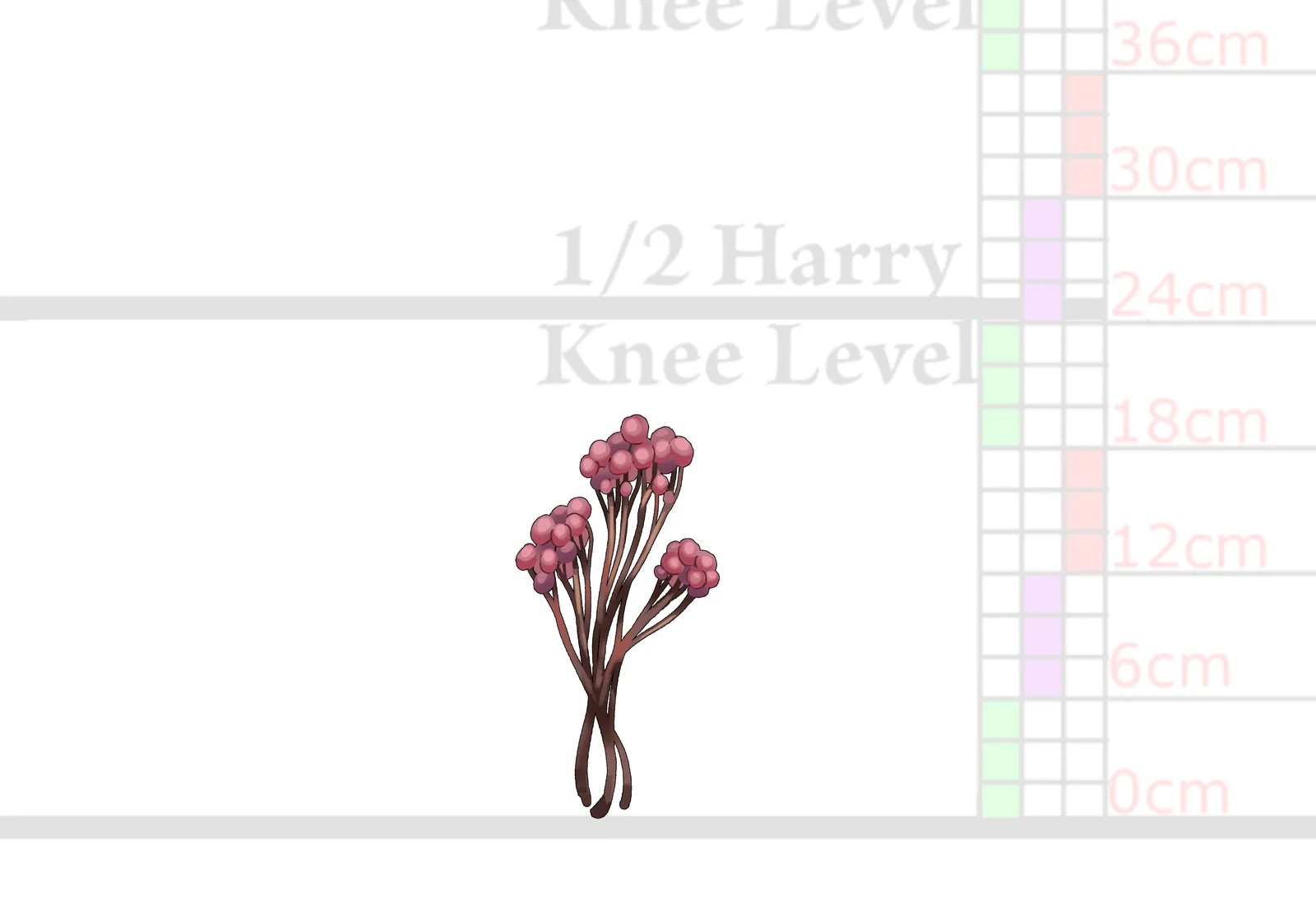
La Panita è un altro fungo che nasconde un terribile segreto dietro il suo piacevole odore e sapore di arancia rossa. Ti fa sanguinare da tutte le parti e, se continui a ingerirla, ti si sciolgono pelle, carne e ossa, e sentirai quasi tutto prima di morire. Davvero piacevole! Forway in passato ha valutato di vietarla, ma poi non avrebbe potuto usarla nemmeno lei per punire la gente di merda, quindi è ancora legale oggi.
Testo pubblico: flora.md
Dietro le quinte · appunti completi
-
Descrizione per il sito
- Panita is another mushroom that conceals a terrible secret behind its pleasant smell and blood-orange taste. It makes you bleed from everywhere, and if you keep ingesting it, it turns into melting skin, flesh, and bones, and you will feel most of it before you die. Quite pleasant indeed! Forway has considered banning this in the past, but that would mean they couldn't use it to punish shitty people, so it's still legal to this day.
-
Storia isekai
- A mushroom often used for Bleed out Nari gel
-
Scientific History
- Reishi (Ganoderma lucidum)
-
Habitat
- 0km
- Muddy, Deep forest of the south.
-
Economic Value
-
Panita Caps
- Storia isekai
- See above
- Riferimento visivo
- See below
- Storia isekai
-
-
Tastes Like
- Blood Oranges.
-
Growth
- One month
-
Capacità dell'energia dell'anima
- Interfaccia
- Mushroom
- Skills
- Melt *When damaged
- Bleed *When damaged
- Interfaccia
-
Riferimento visivo
Tyr
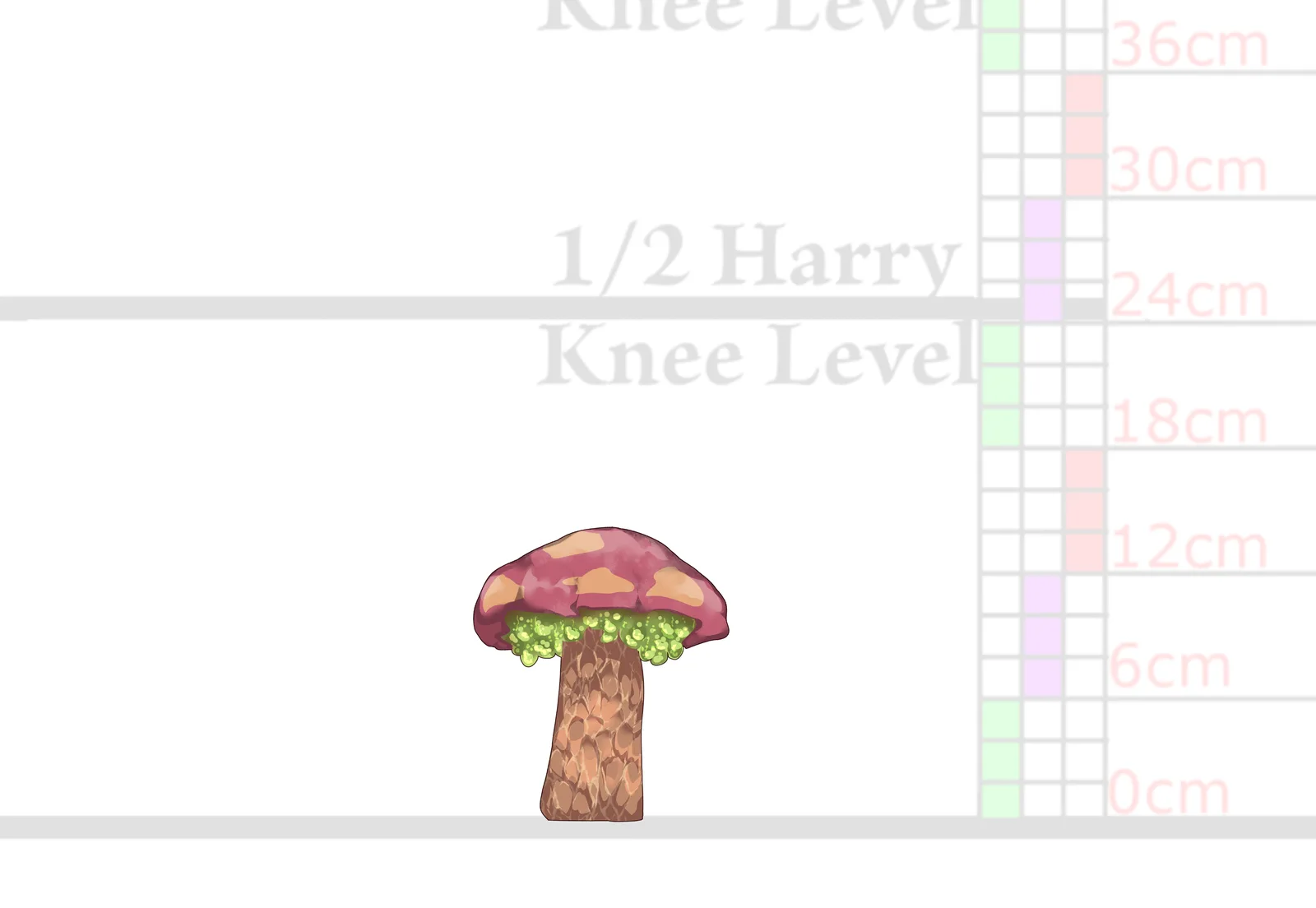
Il Tyr agisce sul sistema nervoso come la Lakata, ma concentra i suoi effetti sul mandare in tilt il sistema nervoso simpatico e la percezione della realtà. L'effetto peggiore che la gente riferisce è sentire o vedere cose inquietanti sentendosi chiusi dentro il proprio corpo, perché cerchi di combattere o scappare, ma il tuo istinto di attacco o fuga non funziona. Non è molto diverso dalla paralisi del sonno. Il Tyr ha anche altre proprietà, come scatenare un sonno narcolettico, ma isolarle si è rivelato difficile. Un articolo di ricerca ha riferito di poter sentire anche i pensieri degli altri, ma gli scienziati che ci hanno provato non sono riusciti a replicarlo e l'hanno attribuito invece a un brutto viaggio.
Testo pubblico: flora.md
Dietro le quinte · appunti completi
-
Descrizione per il sito
- Tyr affects the nervous system like Lakata, but it focuses on messing with the sympathetic nervous system and perception of reality instead. The worst effect people report is hearing or seeing disturbing things while feeling locked inside your body because you're trying to fight or run away from it, but your fight-or-flight doesn't work. It's not too far off from sleep paralysis. There are other properties from Tyr as well, like triggering narcoleptic sleep, but isolating it has been challenging. A research paper reported that some participants could hear others' thoughts as well, but the scientists who tried it could not replicate it and chalked it up to a bad trip instead.
-
Storia isekai
- A fungus similar to lakata, but it is far too poisonous (creates audio/visual hallucinations)
-
Scientific History
- Exsudoporus frostii
-
Habitat
- 0km
- Muddy, Deep forest of the south.
-
Economic Value
-
Tyr Caps
- Storia isekai
- See above
- Riferimento visivo
- See below
- Storia isekai
-
-
Tastes Like
- Mushroomy apples.
-
Growth
- Several month
-
Capacità dell'energia dell'anima
- Interfaccia
- Fungus
- Skills
- Hallucinate
- Interfaccia
-
Riferimento visivo
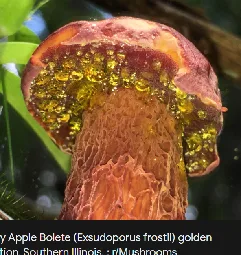
Radici
Cadioca
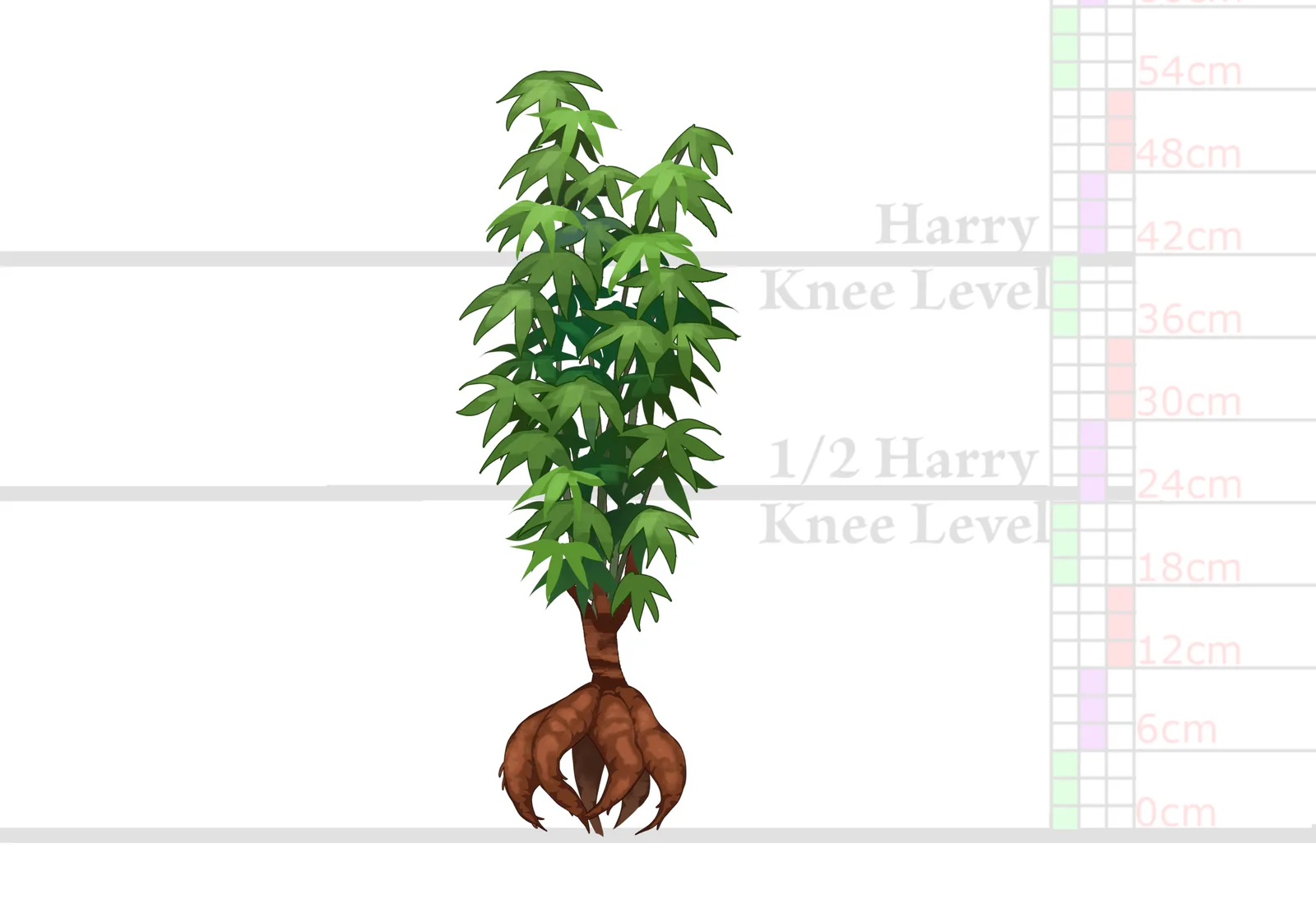
La Cadioca è velenosa se mangiata cruda! Bisogna metterla a bagno in un fiume per due giorni e poi lasciarla asciugare al sole per tre giorni prima di poterla usare in cucina. Come l'ha scoperto la gente? Pura fame, ai tempi di Ganyrami. Il sapore è molto vicino alla manioca, e la maggior parte della gente la consuma macinata e tostata in granelli grossi o fritta come patatine, ma più spessa e con la buccia per quel gusto extra croccante. Quest'ultima è la preferita nei quattro regni, ma bisogna pagare un sovrapprezzo per il trasporto da Freeish, dove è coltivata intensivamente.
Testo pubblico: flora.md
Dietro le quinte · appunti completi
-
Descrizione per il sito
- Cadioca is poisonous if eaten raw! One must soak it in a river for two days and then let it dry in the sun for three days before it can be used for cooking. How people discover it? Pure hunger from back on Ganyrami days. The taste is pretty close to cassava, with most people consuming it either ground and roasted into coarse grains or fried like fresh fries, but chunkier and with the skin on for that extra-crispy taste. The latter is a favorite across the four kingdoms, but they must pay a premium for transport from Freeish, where it is farmed intensively.
-
Storia isekai
- Poisonous if eaten raw. Needs to be soaked in the river for 2 Days, then dried in the sun.
-
Scientific History
- Cassava
-
Habitat
- A root found in the lower lands.
- Heavily farmed in Freeish.
-
Economic Value
-
Cadioca Roots
- Storia isekai
- One of the basis of food in the kingdoms.
- Riferimento visivo
- See below
- Storia isekai
-
Cadioca Flour
- Storia isekai
- Just like Domar Carbey flour
- Riferimento visivo
- Storia isekai
-
Cadioca Coarse Flour
- Storia isekai
- Used to eat with all kinds of things, like Farinha.
- Riferimento visivo
- Storia isekai
-
Fried Cadioca
- Storia isekai
- A popular food throughout the kingdom, also invented in the Freeish Kingdom.
- Riferimento visivo
- Storia isekai
-
-
Tastes Like
- Cassava
-
Growth
- ~2 Seasons
-
Capacità dell'energia dell'anima
- Interfaccia
- Nessuno
- Skills
- Nessuno
- Interfaccia
-
Riferimento visivo

Lolish
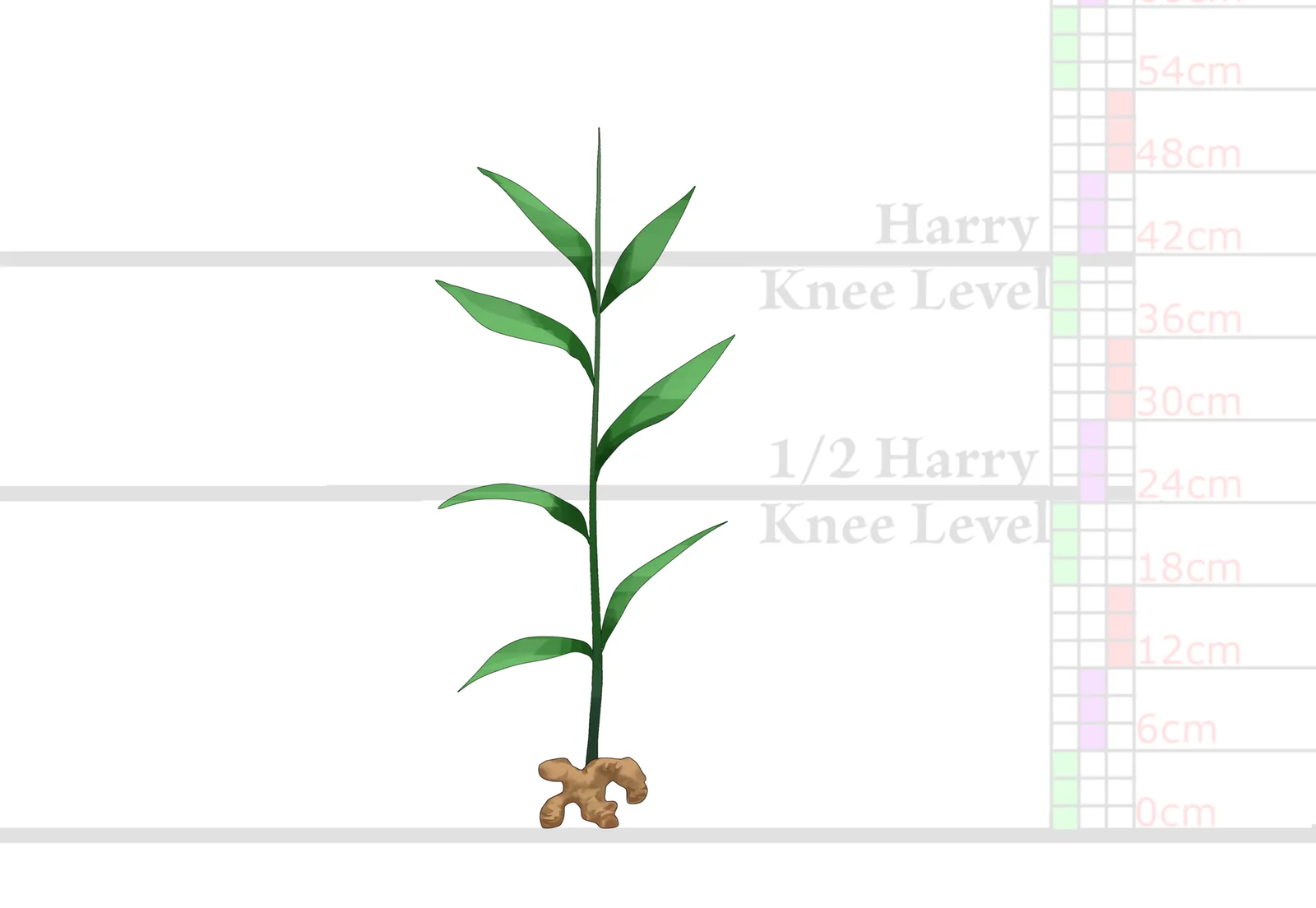
Il Lolish è uno dei preferiti di Gandew, e alcuni Darfaries fanno tutta la strada fino alla zona di transizione del deserto semiarido per raccogliersi il proprio lolish, perché sono fatti così. La radice dal sapore di zenzero sta bene nella loro cucina e nelle loro bevande per riscaldarsi nelle gelide notti del deserto.
Testo pubblico: flora.md
Dietro le quinte · appunti completi
-
Descrizione per il sito
- Lolish is a favorite of Gandew, with some Darfaries making the track all the way to the semi-arid desert transitional zone to pick up their own lolish because that's just who they are. The ginger-flavored root pairs well with their cuisine and drinks, warming you up on frigid desert nights.
-
Storia isekai
- A root found in the desert of Gandew
-
Scientific History
- Ginger
-
Habitat
- Found buried in the desert (closer to transitional zones)
-
Economic Value
-
Lolish Roots
- Storia isekai
- See above
- Riferimento visivo
- See below
- Storia isekai
-
-
Tastes Like
- Ginger
-
Growth
- ~2 Seasons
-
Capacità dell'energia dell'anima
- Interfaccia
- Nessuno
- Skills
- Nessuno
- Interfaccia
-
Riferimento visivo
Altre 3 voci di questa pagina sono solo in .
Creato da: Legacy/Public/flora.md, Legacy/Behind The Scenes/World Lore/Flora.md