
Fauna
Notação da documentação
Bastidores · anotações completas
- See Races for species considered at near or higher than Human intelligence.
- See Beasts for mildly intelligent species or highly dangerous beasts.
- See Fauna for low-intelligence species.
- This list is not complete; rather, it includes species that impact the economy/story to a greater extent.
- Earth animals that don't exist in Vraki (for writers): no goats (use Legunia), no dogs or cats (use Bagarisa where a dog would go), no pigeons (use wild Wingas).
- Adventurers hunting Fauna/Beats butcher the corpses prior to hauling them in order to reduce cost.
- See Economy Calculator for Prices.
Nível de Custo por Distância
Bastidores · anotações completas
-
Nível I (Bens baratos)
- Freshly killed animals + elemental Soul Energy interface actions for storage
-
Nível II (Bens comuns)
- Processed meat + elemental Soul Energy interface actions for storage
- Feathers, Fur of large animals, and other animal parts.
-
Nível III (Bens caros)
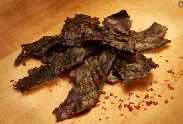
- Jerky + elemental Soul Energy interface actions for storage
- Feathers, Fur of smaller animals, especially of higher quality
- Tamed/Live fauna
- Rare animal parts.
-
Nível IV (Bens da nobreza)
- High-quality hides/furs, especially of rare game.
Herbívoros
Cinika
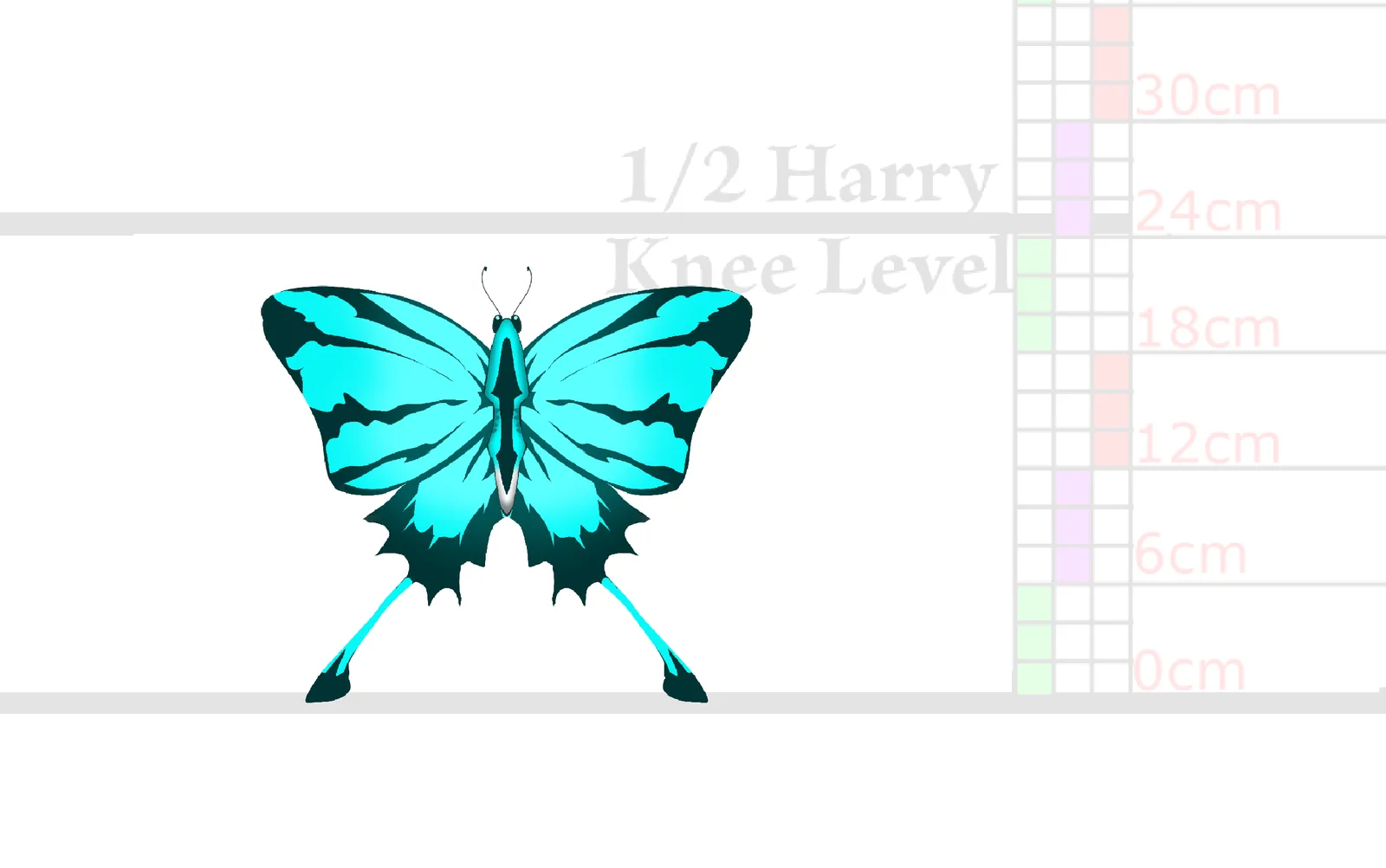
Já os Cinikas não são exatamente tão extraordinários, a não ser que haja um enxame deles e você seja um Wozefaries ou Sorefaries suado; aí você está em apuros, já que eles vão te cercar em enxame, te paralisar e lamber o seu doce suor. A interface de energia da alma de um único Cinika não é tão poderosa, mas, quando há um enxame, eles podem dominar até uma besta de Hifuna. Eles também se comportam de forma bem diferente em reação a mudanças de pressão e umidade — na verdade, isso sim é extraordinário! Se você os vir formar um enxame bem fechado e esvoaçar como se estivessem procurando abrigo, então com certeza há uma tempestade feia se formando no horizonte.
Texto público: fauna.md
Bastidores · anotações completas
-
Website Description
- Cinikas, meanwhile, are not exactly as extraordinary unless there's a swarm of them and you're a sweaty Wozefaries or Sorefaries; then you're big trouble as they will swarm you, paralyze you, and lick your sweet sweat. The soul energy interface of a single Cinika is not that powerful, but when there's a swarm of them, they might overwhelm even a Hifuna beast. They also behave distinctly differently in reaction to pressure and humidity changes—actually, that is extraordinary! If you see them make a tight-closed swarm and flutter around like they are seeking shelter, then for sure, there's a nasty storm brewing on the horizon.
-
História do Isekai
- A small cyan butterfly that spreads around every Spring.
- Known for attacking Wozefaries/Sorefaries in herds and paralyzing them to lick their sweat.
- One of the most popular butterflies around, as it gives adventurers and commoners a sense if there is any bad weather approaching when they create swarms and flee from the bad weather.
-
Scientific History
- Butterfly
-
Habitat
- Lower plains
-
Economic Value
-
Cinika Butterflies
- História do Isekai
- Fresh kill from not too far off, stored in a wagon with ice, ready for butcher shops or to be shipped around.
- Referência visual
- See Above
- História do Isekai
-
-
Tastes Like
- Hairy flowers, earthy-like.
-
Alimentation
- Flower nectar
-
Intelligence
- Butterfly
-
Stats
- Reproduction
- Every Spring.
- Other
- Nenhuma
- Reproduction
-
Capacidades de Energia da Alma
- Interface
- Antenna
- Skills
- Detect Pressure
- Detect Humidity
- Detect Temperature
- Paralyze
- Interface
Culuim
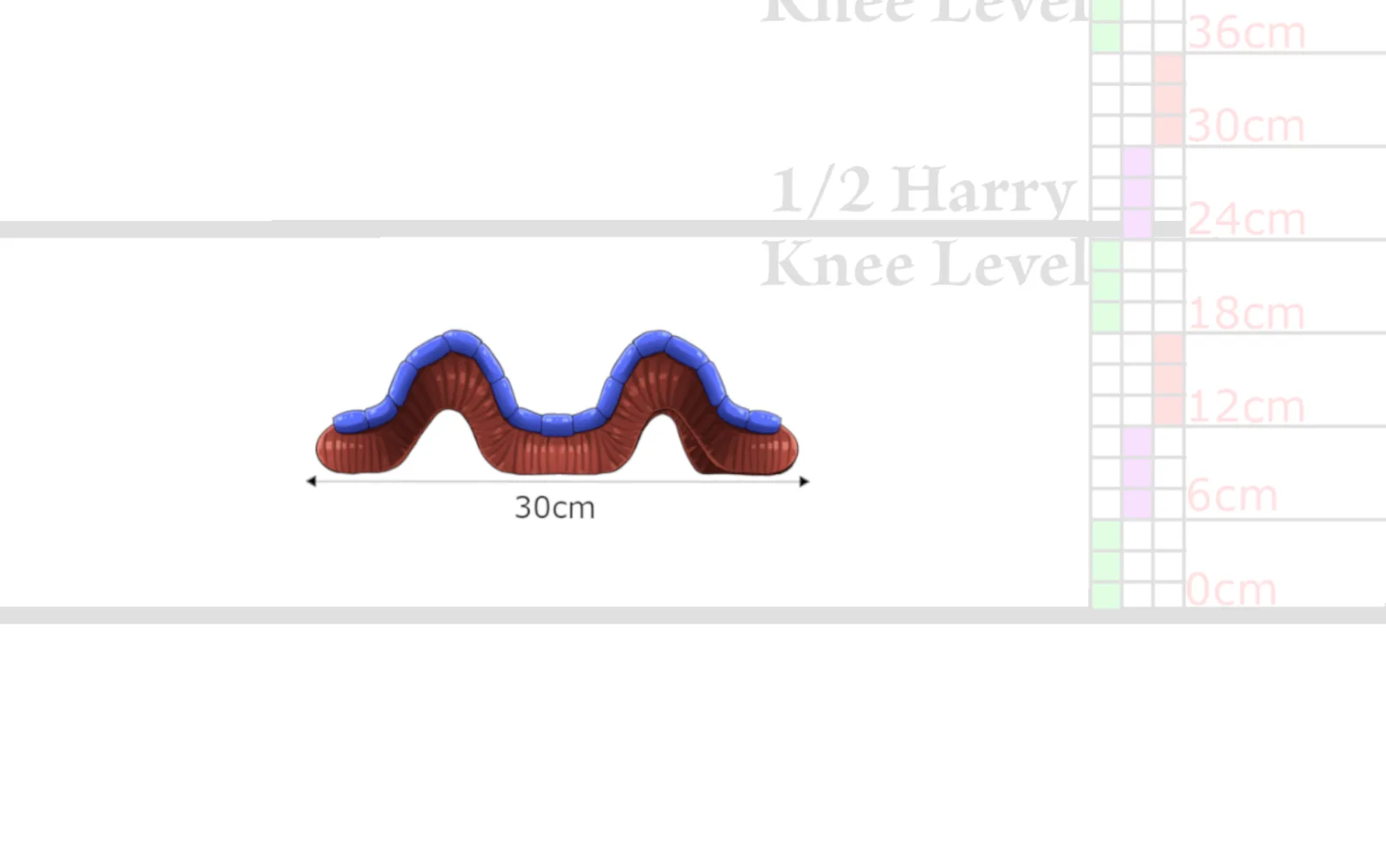
O Culuim prova que o Hifuna deve sempre ser considerado uma ameaça à alma, mesmo que você more tão longe quanto o Reino de Freeish. A história começou quando um aventureiro babaca de Big Gyut voltou de Hifuna com uma sacola de Walking Hearts pronta para vender no mercado negro. Ele provavelmente estava com um sorriso de orelha a orelha, empolgado por ter voltado sem ser pego, mas então um dos colegas de guilda o dedurou para os guardas — por causa de um caso, como sempre. Em vez de entregar a sacola, o aventureiro babaca a enterrou perto de um lago para se livrar das provas — o resto é história, já que os vermes comeram a alma contaminada e uma nova espécie nasceu. Forway tentou exterminá-la, mas não adiantou, então mudou o foco para garantir que ela não representasse perigo para o público. Por sorte, era o caso e, pouco depois, de algum jeito ela virou uma comida de rua popular para quem está apertado, por causa da grossura e da abundância. Têm gosto de terra, e a carne é bem borrachuda, mas, com tempero suficiente, desce bem depois de algumas cervejas. Os cientistas os adoram ainda mais por serem um modelo animal para os efeitos do Walking Heart.
Texto público: fauna.md
Bastidores · anotações completas
-
Website Description
- Culuim proves that Hifuna should always be considered a threat to the soul, even if you live as far away as the Freeish Kingdom. This story started when an asshole adventurer from Big Gyut returned from Hifuna with a bag of Walking Hearts ready to sell in the black market. He probably was smiling wide with excitement about making it back without being caught, but then one of his guild mates ratted him out to the guards—because of an affair, like usual. Instead of turning the bag in, the asshole adventurer buried it near a pond to get rid of the evidence—the rest is history as worms ate the contaminated soul, and a new species was born. Forway tried to exterminate it, but to no avail, so they shifted their focus to ensure it didn't pose a danger to the public. Luckily, that was the case, and soon after, it somehow became a popular street food for people in a pinch because of its girth and abundance. They taste like dirt, and the flesh is pretty chewy, but with enough seasoning, it goes down nicely after some beers. Scientists love them even more for being an animal model for the effects of Walking Heart.
-
História do Isekai
- These worms consumed soil infused with Walking Heart, and over time, the constant feeding and forced usage altered their soul.
-
Scientific History
- Worms (average)
-
Habitat
- Ponds. Someone dumped walking hearts in a pond near Freish kingdom, and the worms ate it, and it altered their soul.
-
Economic Value
-
Medallions
- História do Isekai
- Used for some nari gels, but also chopped up and grilled. It is part of the cuisine in the Freeish Region.
- Referência visual
- História do Isekai
-
Cuisine
- História do Isekai
- See Freeish Kingdom
- Referência visual
- --
- História do Isekai
-
-
Tastes Like
- Dirt. Very earthy.
-
Alimentation
- Ground
-
Intelligence
- Worm
-
Stats
- Reproduction
- By themselves or with other Culuim
- Other
- Nenhuma
- Reproduction
-
Capacidades de Energia da Alma
- Interface
- Walking Heart
- Skills
- The carapace can flip between Walking Heart modes at will.
- It activates the Walking heart by inflating it with blood. It doesn’t seem capable of doing it for an extended period.
- Interface

Egua
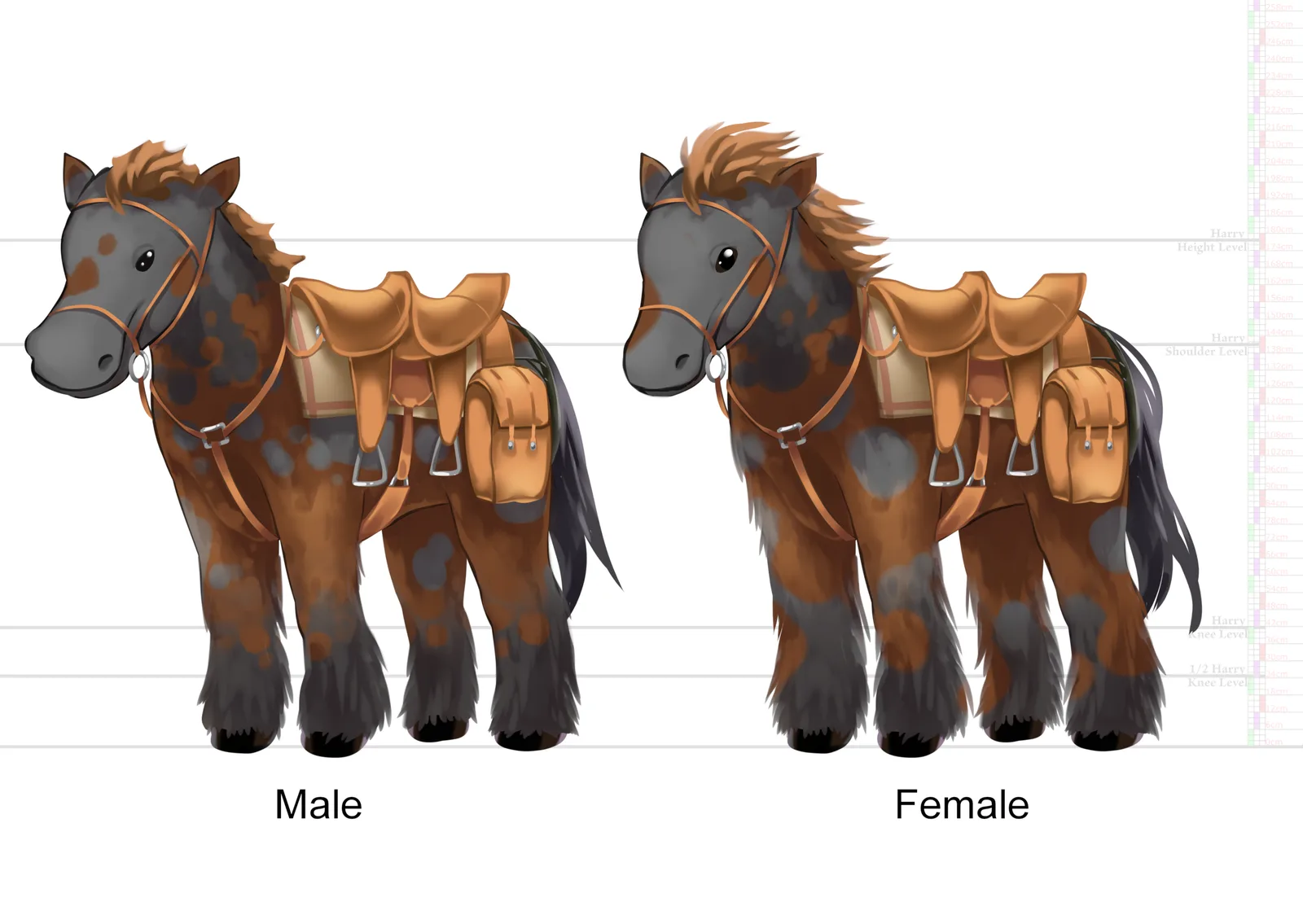
A Egua se tornou a base do comércio pelos quatro Reinos e, pensando bem, o motivo central de o Prosperity Treaty ser próspero. Claro, o Gravity Repel ainda é usado para diminuir o peso das mercadorias, mas aí você também tem que lidar com o volume por meio do World Decrease. Só o custo já tornaria o comércio proibitivamente caro, mas não é só isso! O fato de nem toda mercadoria aguentar ter a densidade alterada por fatores de dez, se não de centenas, faz de usar a Energia da Alma para tudo um pé no saco. Tudo isso volta ao ponto de que, com a sua interface que permite andar sobre a água, a resistência para carregar muito peso e o controle de atrito em terreno lamacento, ela é realmente um recurso essencial para manter as bolas circulando, enriquecendo o comércio e tornando as guerras improváveis. Algumas pessoas, principalmente de Forway e Freeish, além de alguns aventureiros aqui e ali, ainda gostam de se deliciar com a carne de Egua, pelas notas mais carnudas e pelo baixo teor de gordura, que dá uma carne-seca saborosa. Só tome cuidado com a capacidade dela de ejetar os intestinos pelo cu quando está se defendendo — é bizarramente divertido ver um Wozen, ou qualquer coisa, desistir de perseguir uma Egua quando a chuva de merda e tripas começa a cair em cima dele.
Texto público: fauna.md
Bastidores · anotações completas
-
Website Description
- Egua became the foundation of trading across the four Kingdoms, and if you think more about it, the core reason why the prosperity treaty is prosperous. Sure, Gravity Repel is still used to decrease the weight of goods, but then you have to deal with volume too through World Decrease. The cost alone would make things prohibitively expensive to trade, but that's not all! The fact that not every good can handle having its density altered by factors of ten, if not hundreds, makes using Soul Energy for everything a pain in the ass. All of this brings back the point that with its interface that allows it to walk on water, endurance to carry a lot of weight, and friction control over muddy terrain, it truly is an essential asset in keeping the balls flowing by enriching trading and making wars unlikely. Some people, mostly Forway and Freeish folks, plus some adventurers here and there, still like to indulge in Egua's meat for its meatier notes and low-fat content that makes tasty beef jerky. Just beware of its capabilities to eject its intestines from its bunghole when in self-defense—it's entertainingly bizarre to watch a Wozen, or anything for that matter, give up chasing an Egua when the shower of shit and guts starts to rain towards them.
-
História do Isekai
- Heavy horse with Hippopotamus characteristics to its head
- They were herbivores who did not mind being around other species, so they quickly became domesticated.
- They love to be petted and can understand basic instructions.
- Hurting them physically or emotionally will cause them to grow violently.
- They naturally can walk on water due to their Soul Energy interface.
- The basis of transportation across the Shared Delta.
- Humans respect their friendliness to the point that they often have human burials for this species.
- Some do eat their meat, but most of these people eat when the opportunity arises (e.g. older Eguas.)
-
Scientific History
- Protorohippus
- Hippopotamus
- Ardennes Heavy Horse Breed
-
Habitat
- Throughout the four kingdoms, wild specimens can be found in the plains where Forway city is located.
-
Economic Value
-
Egua Meat
- História do Isekai
- Butcher cuts meat. Relatively cheap meat due to the source being older eguas who no longer transport cargo/people
- Referência visual
- História do Isekai
-
Egua Jerky
- História do Isekai
- Butcher prepared jerky
- Referência visual
- História do Isekai
-
Egua Hide/Fur
- História do Isekai
- Butcher prepared hide/fur for artisans to work on.
- Referência visual
- See above.
- História do Isekai
-
Egua Hoof/Leg hair
- História do Isekai
- Used on Nari Gel. Extracted from dead eguas, or sometimes from egua with damaged ones before casting healing.
- Referência visual
- História do Isekai
-
Tamed Adult Egua
- História do Isekai
- Adult Egua ready to be worked.
- Referência visual
- See above
- História do Isekai
-
Tamed Child Egua
- História do Isekai
- Can be worked, but for smaller loads (~0.4x load ~ 240kg.)
- Adventurers tend to buy baby Eguas instead to carry some of their equipment/loot as they walk alongside them.
- Referência visual
- See above
- História do Isekai
-
-
Tastes Like
- Bland, old-tasting beef. The texture is like that of tougher top sirloin, especially since only old Eguas are used.
-
Alimentation
- Primarily ~20 Kg of Grass, Hay or Carbey
-
Intelligence
- Horse
-
Stats
- Reproduction
- Female Egua gives birth once a year
- Other
- Gallop (~30 km/h)
- 5km @ ~10% Load (Max Load of ~90 kilos)
- Canter (~20 km/h)
- 15km @ ~10% Load (Max Load of ~90 kilos)
- 5km @ ~20% Load (Max Load of ~180 kilos)
- Trot (~10 km/h)
- 35km @ ~10% Load (Max Load of ~90 kilos)
- 15km @ ~20% Load (Max Load of ~180 kilos)
- Gait (~7 km/h)
- 65km @ ~10% Load (Max Load of ~90 kilos)
- 35km @ ~20% Load (Max Load of ~180 kilos)
- Gallop (~30 km/h)
- Reproduction
-
Capacidades de Energia da Alma
- Interface
- Hair on legs
- Skills
- Water Walk
- Dirt Repel
- Increase/decrease size of legs.
- Eject privates or intestines through assholes (very specific, but that’s how they got away from certain predators.)
- Interface
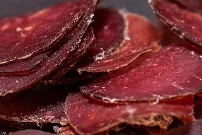
Lansha
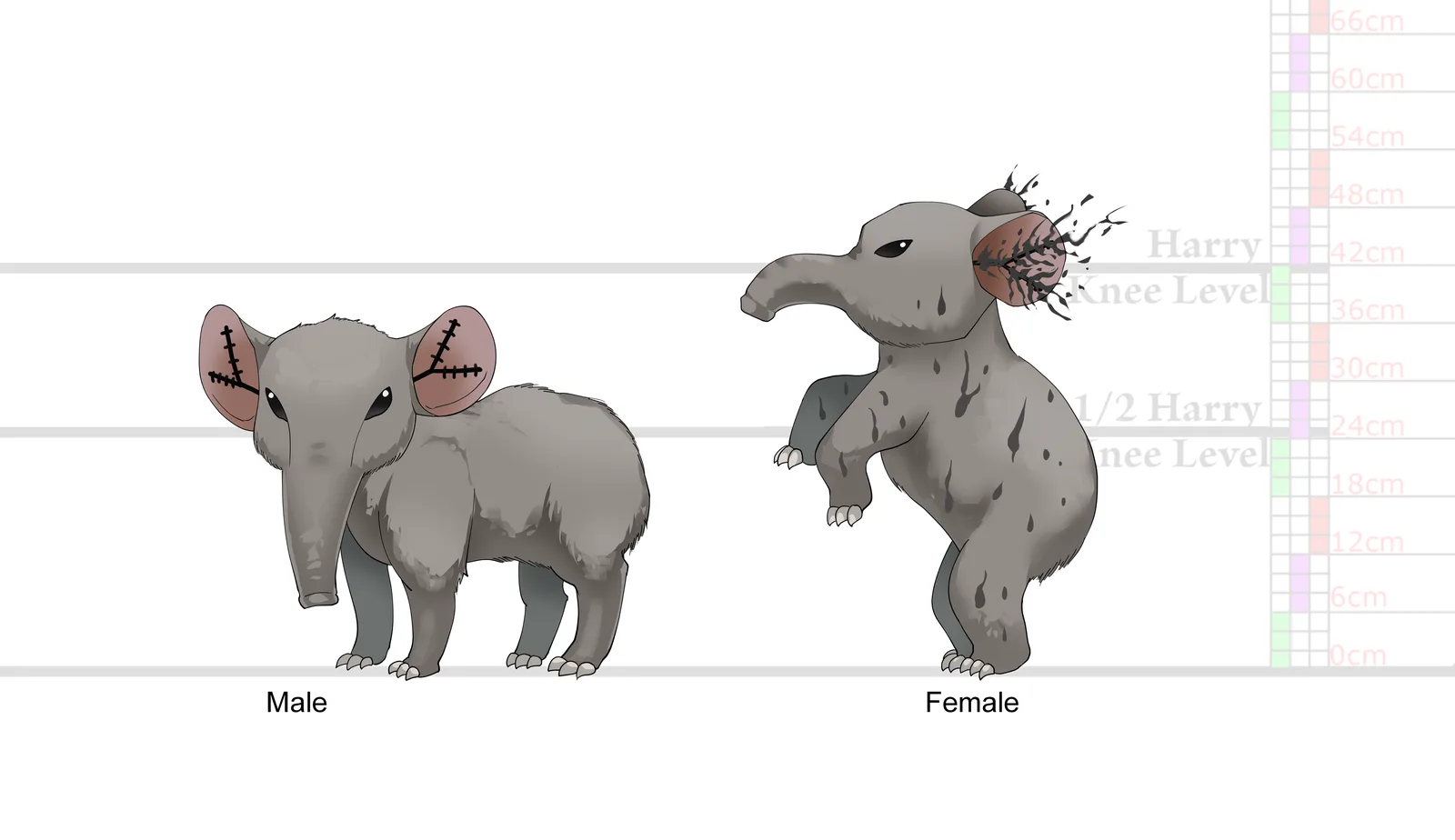
A Lansha é a favorita dos Cruros! Tanto que muitas vezes você consegue trocar qualquer coisa que quiser com eles por um simples pedaço suculento de Lansha grelhada — ou, se o cruro for bem selvagem, ele simplesmente arranca da sua mão, e a sua mão junto! O sabor da carne lembra o de cabra ou cordeiro. Leva um tempo para se acostumar, mas, depois disso, combina com tudo. Pegar uma e cozinhá-la pode ser complicado se você não souber o que está fazendo. A principal defesa delas é cobrir o corpo com uma secreção azeda que torna impossível de engolir uma mordida. Caçá-las exige habilidade para acertar o cérebro num tiro só, e ainda mais habilidade para tirar a pele e as glândulas azedas.
Texto público: fauna.md
Bastidores · anotações completas
-
Website Description
- Lansha is a Cruro favorite! So much so, you often can trade anything you want from them with a simple succulent chunk of grilled Lansha—or if the cruro is pretty savage, it will just snatch it from you, and your hand too! The meat's flavor is akin to goat or lamb. It takes getting used to, but once you do, it goes well with anything. Catching one and cooking it can be tricky if you don’t know what you’re doing. Their main defense is coating their bodies with a sour secretion that makes biting them impossible to stomach. Hunting them down requires skill to one-shot their brain, and even more skill to skin them and their sour glands.
-
História do Isekai
- A native of the cruro lands, sometimes found as far south as Waterfall. Sometimes as high up as Tastyleaf.
-
Scientific History
- Elephant with Hippothamus
-
Habitat
- Cruro lands.
-
Economic Value
-
Lansha Meat
- História do Isekai
- Tastes like lamb. Fan favorite of any Cruro.
- Referência visual
- História do Isekai
-
-
Tastes Like
- Lamb/Goat
-
Alimentation
- Tree, leaves, and plants.
-
Intelligence
- Like elephants or Hippos. By themselves, they are chill and timid, but in a group, they are more aggressive and territorial
-
Stats
- Reproduction
- Every 6 months
- Other
- -
- Reproduction
-
Capacidades de Energia da Alma
- Interface
- Ears
- Skills
- Gravity Down
- Oil Up.
- Interface
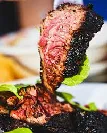
Legunia
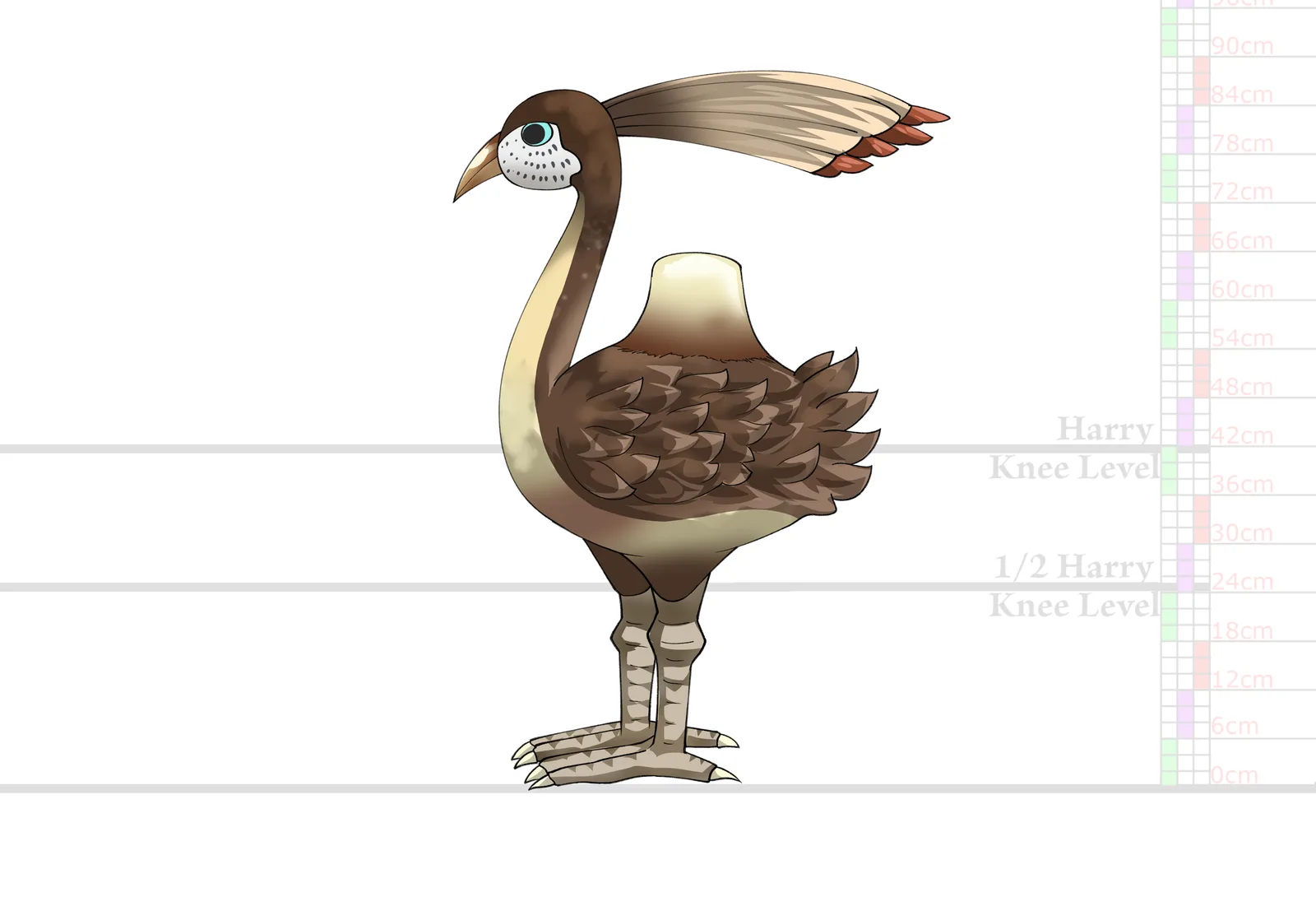
A Legunia é uma ave do deserto que imita um sand worm em tudo o que faz, exceto que come frutinhas e coisas assim em vez de outros mamíferos. Você pode usar a corcova nas costas delas como uma fácil “espécie indicadora” de o quanto o deserto está sobrevivível no momento. Se a corcova estiver murcha, você deveria sair enquanto ainda pode, a não ser que saiba exatamente o que está fazendo. Caçá-las para conseguir comida e água é mais fácil falar do que fazer. Elas podem facilmente estar a quilômetros de distância antes do seu segundo tiro.
Texto público: fauna.md
Bastidores · anotações completas
-
Website Description
- Legunia is a desert bird that mimics a sand worm in everything it does, except it eats berries and such instead of other mammals. You can use the hump in their backs as an easy “indicator species” of how survivable the desert currently is. If their hump is deflatable, you should get out while you still can, unless you know exactly what you’re doing. Hunting them down for food and water is easier said than done. Then can easily be miles away before your second shot.
-
História do Isekai
- Natural birds found in the deserts.
-
Scientific History
- Flamingo with Winga mix
-
Habitat
- Lower plains
-
Economic Value
-
Legunia Meat
- História do Isekai
- Butcher-cut meat. Same price as Winga due to more meat per body, plus a stronger taste.
- Referência visual
- História do Isekai
-
Legunia Jerky
- História do Isekai
- Butcher prepared jerky. It has a notoriously stronger taste.
- Referência visual
- História do Isekai
-
Legunia Feathers
- História do Isekai
- Butcher prepared feathers for artisans to work on.
- Referência visual
- See above
- História do Isekai
-
Legunia Fat
- História do Isekai
- A delicacy like duck fat that can be used in many cooking.
- Referência visual
- See above
- História do Isekai
-
Legunia Egg
- História do Isekai
- More of a culinary ingredient of a higher class ingredient rather than people's food due to its stronger taste and smell.
- Referência visual
- História do Isekai
-
Tamed Legunia
- História do Isekai
- A great pet, and that’s about it, as it flees in the first sign of danger. Plus, it is not that intelligent/social.
- Referência visual
- See above
- História do Isekai
-
-
Tastes Like
- Bone Meat on chicken. Fatty, stronger.
-
Alimentation
- Berries & Fruits.
-
Intelligence
- Cockatoo
-
Stats
- Reproduction
- Every Year
- ~3 Eggs laid, only a few reach adulthood.
- Other
- Nenhuma
- Reproduction
-
Capacidades de Energia da Alma
- Interface
- Feet & beak
- Skills
- High Jump
- Super Speed
- Interface
Monica
As Monikas são borboletas solitárias intimamente associadas à morte e à decomposição. A interface delas é considerada a melhor para identificar cadáveres, especialmente se o cadáver estiver ligado a um soul pool com muita energia da alma. Elas também têm a capacidade de transformar os compostos voláteis desejados dos cheiros numa representação visual que ajuda a entender a concentração e a origem — conhecida como Monika sight, uma mistura de nari gel personalizada com o composto volátil desejado, que fica ainda mais excepcional combinada com o Wozen Smell, tanto para encontrar coisas como aventureiros mortos quanto para detectar coisas venenosas como armadilhas, ou até rastrear animais ou humanos vivos usando as fezes ou o suor. Aventureiros à beira da morte muitas vezes imploram para serem encontrados por essas borboletas de aparência pacífica — pelo menos alguns imploram, até se lembrarem do custo da revivência.
Texto público: Website Description em Legacy/Behind The Scenes/World Lore/Fauna.md
Bastidores · anotações completas
-
História do Isekai
- Their antenna always has a blue glow.
- They can be found near rotting bodies, usually a sign that a predator is nearby.
- They prefer bodies with higher soul energy, so they can also be used to guide towards dead adventurers.
-
Scientific History
- Butterfly
-
Habitat
- Lower plains
-
Economic Value
-
Monica Butterflies
- História do Isekai
- Fresh kill from not too far off, stored in a wagon with ice, ready for butcher shops or to be shipped around.
- Referência visual
- See Above
- História do Isekai
-
-
Tastes Like
- Hairy flowers, earthy-like.
-
Alimentation
- Organic matter/dead stuff, etc.
-
Intelligence
- Butterfly
-
Stats
- Reproduction
- Every Spring.
- Other
- Nenhuma
- Reproduction
-
Capacidades de Energia da Alma
- Interface
- Antenna
- Skills
- Detect Temperature
- Detect Soul Energy
- Enhance Smell/Turn certain smells visible.
- Interface
Winga/Pink Winga
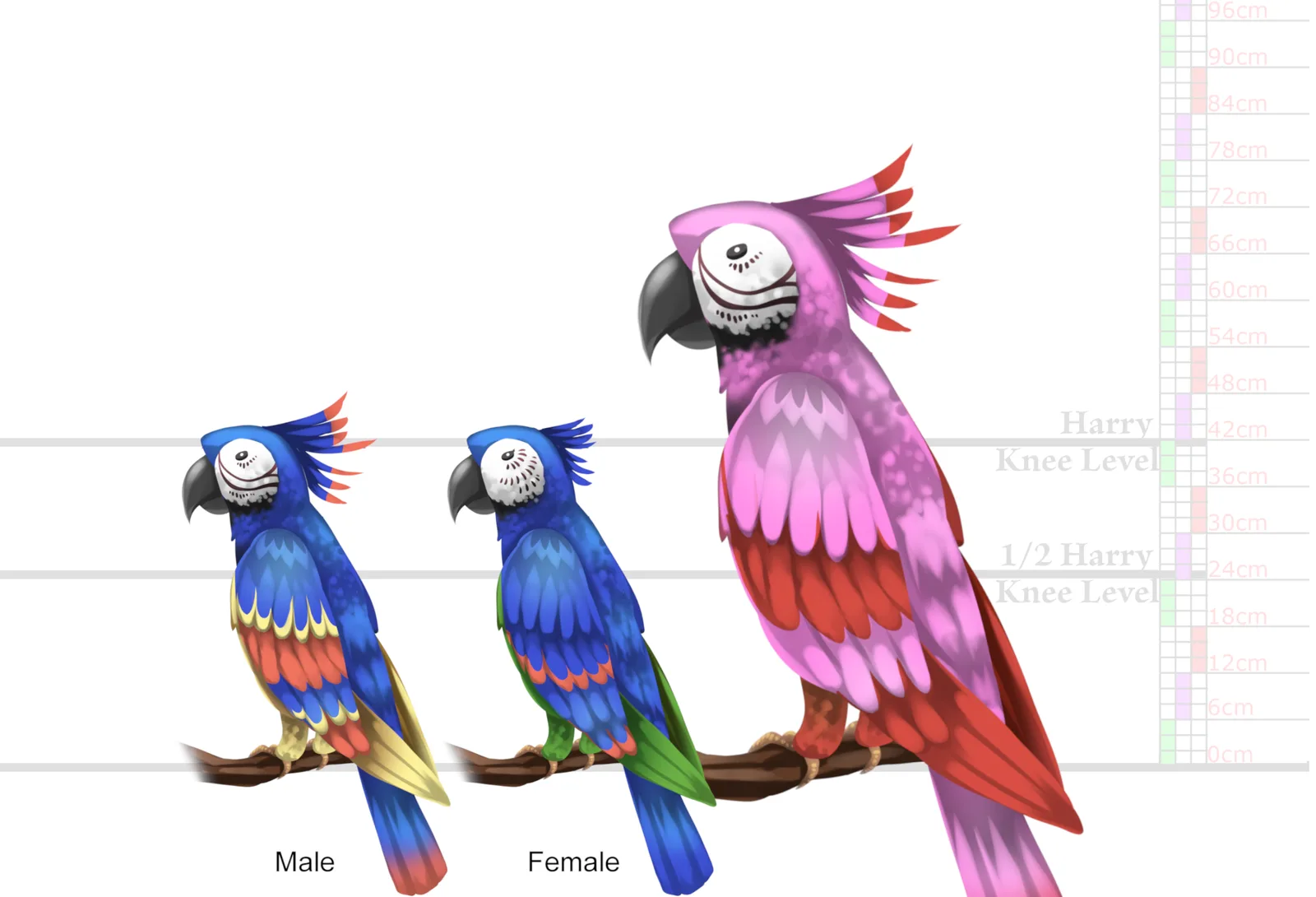
A Winga é famosa por ser uma companheira sociável com uma memória notável para paisagens e rostos; elas são a espinha dorsal dos serviços de correio por Winga entre os reinos. Já outros acham a carne doce dela uma iguaria! Até as selvagens são igualmente gostosas! Cuidado com a interface delas se decidir caçá-las você mesmo — elas vão gritar tão alto a ponto de fazer os seus ouvidos sangrarem, para fortalecer o bico e as garras e cortar qualquer coisa para se libertar. Ah! Quase esqueci! Você vai estar na merda se caçar uma Winga que trabalha para Forway.
Texto público: fauna.md
Bastidores · anotações completas
-
Website Description
- Winga is famous for being a social companion with a remarkable memory of landscapes and people's faces; they are the backbone of the interkingdom Winga mail courier services. Some, on the other hand, find its sweet meat a delicacy! Even the wild ones taste just as great! Watch out for their interface if you decide to hunt them yourself—they will shriek so loud to make your ears bleed, strengthen their beak and claws to cut through anything, to break free. Oh! Almost forgot! You will be in deep shit if you hunt down a Winga working for Forway.
-
História do Isekai
- Big flying birds that eat Gyut berries.
- Their meat tastes sweet
- They settle high up in the trees to rest/procreate.
- Will attack humans if they come too close, depending on past interactions.
- Are famous for being able to fly fast and high, which makes hunting not as easy.
- When tamed, they make loyal companions.
- They recognize People’s faces and places, so they make a great message courier service.
- Pink Wingas are also referred to as Tolerideme Wingas by some. They are incredibly hard to find as they camouflage themselves really well.
-
Scientific History
- Macaw
-
Habitat
- Present throughout the Lower & Buhraies Plains.
- Larger population on Wingarest.
-
Economic Value
-
Winga Meat
- História do Isekai
- Butcher cuts meat.
- Referência visual
- História do Isekai
-
Winga Jerky
- História do Isekai
- Butcher prepared jerky
- Referência visual
- História do Isekai
-
Winga Feathers
- História do Isekai
- Butcher prepared feathers for artisans to work on.
- Referência visual
- See above
- História do Isekai
-
Winga Egg
- História do Isekai
- A treat for many people due to its sweet taste.
- Referência visual
- História do Isekai
-
Winga Dust
- História do Isekai
- Usually in grinded form by using other beaks/claws to do it. They must all have been strengthened by a Winga before they were removed, and they last for years before the effect starts to wear off.
- The coating can be as strong as diamond until the effect wears off.
- Referência visual
- História do Isekai
-
Tamed Winga
- História do Isekai
- A great hunter companion, or pet.
- Referência visual
- See above
- História do Isekai
-
-
Tastes Like
- Honey Turkey breast, but not as tender.
-
Alimentation
- Primarily Gyut Berries.
-
Intelligence
- Parrot
-
Stats
- Reproduction
- ~3 or 4 pairs of Winga couples get together for a swing party, then they all create a shared nest to take care of the eggs. It takes less than one month for the eggs to hatch
- Every year ~20 Winga eggs are laid.
- Other
- Nenhuma
- Reproduction
-
Capacidades de Energia da Alma
- Interface
- Head feathers
- Skills
- Sense Lifeforms
- Generate Air Shield
- Loud than usual Shriek
- Making the beak/claws cut through anything by strengthening it to diamond level.
- Interface

Wooly
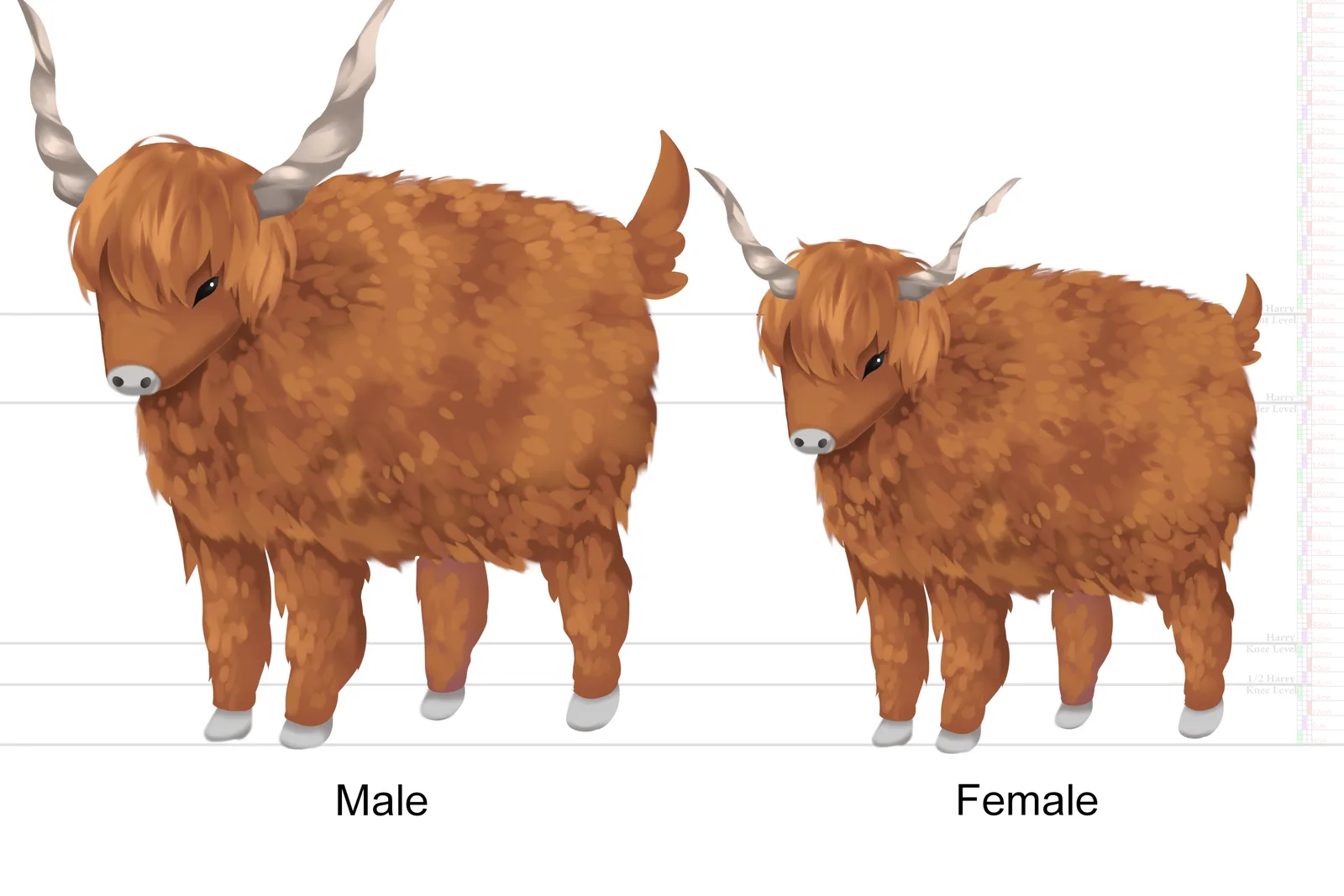
O Wooly é realmente um pilar de Gandew. O fato de não haver muitos outros lugares onde ele consiga sobreviver, por ser tão exigente, já basta por si só para dar a Gandew a vantagem comparativa em relação a Forway — mas esse também não é o único fato. Os Darfaries adquiriram, ao longo das gerações, vários domínios únicos sobre todo o espectro de subprodutos! De pastoreá-los em Mid-Gandew a processar o leite em variedades de queijos, criar carne maturada a úmido e a seco de morrer de morte da alma, e até lã e roupas macias e quentes! Os Toleridemianos são os maiores consumidores, no sentido literal e figurado, dessas exportações tentadoras e, por mais que tentem, não conseguem competir com Gandew nisso. As Buhraies Plains simplesmente não são altas o bastante para essas criaturas se sentirem em casa, e o que quer que tenham produzido até agora em “pesquisa” foi ridículo.
Texto público: fauna.md
Bastidores · anotações completas
-
Website Description
- Wooly is truly a staple of Gandew. The fact that there aren't many other places it can survive due to its demanding nature is strong enough by itself to warrant Gandew gaining the comparative advantage from Forway—but that isn't the only fact either. Darfaries acquired several unique masteries over the generations, over the entire spectrum of by-products! From herding them in Mid-Gandew to processing their milk into varieties of cheeses, creating wet and dry-aged beef that is to die for, and even soft, warm wool and clothing! Toleridemians are the heaviest consumers, both literally and figuratively, of these tantalizing exports, and try as they might, they cannot compete with Gandew on that front. Buhraies Plains is just not high enough for these creatures to feel at home, and whatever they have produced so far under "research" has been laughable.
-
História do Isekai
- Created by a Buhraies that fell in love with a Lishies, and had to prove himself with something that would help the Lishies in order to be accepted into the mountains.
- A hybrid between cow & sheep DNA that only thrives in higher altitudes where it’s colder and drier.
- A staple of Gandew’s economy is its milk and wool. Also, for its meat for older Woolys Females or Male Woolys who don’t have the best genes or health.
- When dying/giving birth, it hurls out a massive scream that can be heard for kilometers.
- Created by a Buhraies that fell in love with a Lishies, and had to prove himself with something that would help the Lishies in order to be accepted into the mountains.
-
Scientific History
- Cow & Sheep.
-
Habitat
- Nowadays, they only exist within the Gandew Kingdom and out in the wild in the high up mountains that separate the desert (Old Fuhrair)
- ~4 km-~6 km.
- They would suffocate in their own fur at altitudes < 4km, or the humidity would spoil their fur. They were meant for high altitudes.
-
Economic Value
-
Wooly Meat
- História do Isekai
- Butcher cut meat.
- Referência visual
- História do Isekai
-
Wooly Jerky
- História do Isekai
- Butcher prepared jerky
- Referência visual
- História do Isekai
-
Wooly Hide/Fur/Pelt
- História do Isekai
- Butcher prepared hide/fur for artisans to work on.
- Referência visual
- See above
- História do Isekai
-
Wooly Horns
- História do Isekai
- Butcher prepared horns for artisans to work on.
- Referência visual
- See above
- História do Isekai
-
Wooly Milk
- História do Isekai
- Females produce ~8 Liters of Milk a day by feeding just Carbey. Taste is on the spectrum between cow and sheep milk.
- Mostly only available on Gandew
- Visual

- História do Isekai
-
Wooly Dried Milk
- História do Isekai
- Milk often dried for transport to other parts of the kingdoms
- Visual

- História do Isekai
-
Wooly Gyut Milk
- História do Isekai
- Female produces ~10 Liters of Milk a day
- Milk looks and tastes like caramel if the animal is fed Gyut berries.
- *Free for Darfaries children
- Referência visual
- História do Isekai
-
Wooly Gyut Dried Milk
- História do Isekai
- Milk often dried for transport to other parts of the kingdom.
- Visual

- História do Isekai
-
-
Tastes Like
- Cow with a slight sheep flavor note.
-
Alimentation
- Can eat ~18kg Domar Carbey per day + ~2kg of Gyut Berries for richer tasting milk
- ~20kg Carbey per day for meat production
-
Intelligence
- Cow
-
Stats
- Reproduction
- One-Three Woolies per year.
- Other
- Nenhuma
- Reproduction
-
Capacidades de Energia da Alma
- Interface
- Horns
- Skills
- Reverberate Voice
- Create Light.
- Interface

Carnívoros
Barina
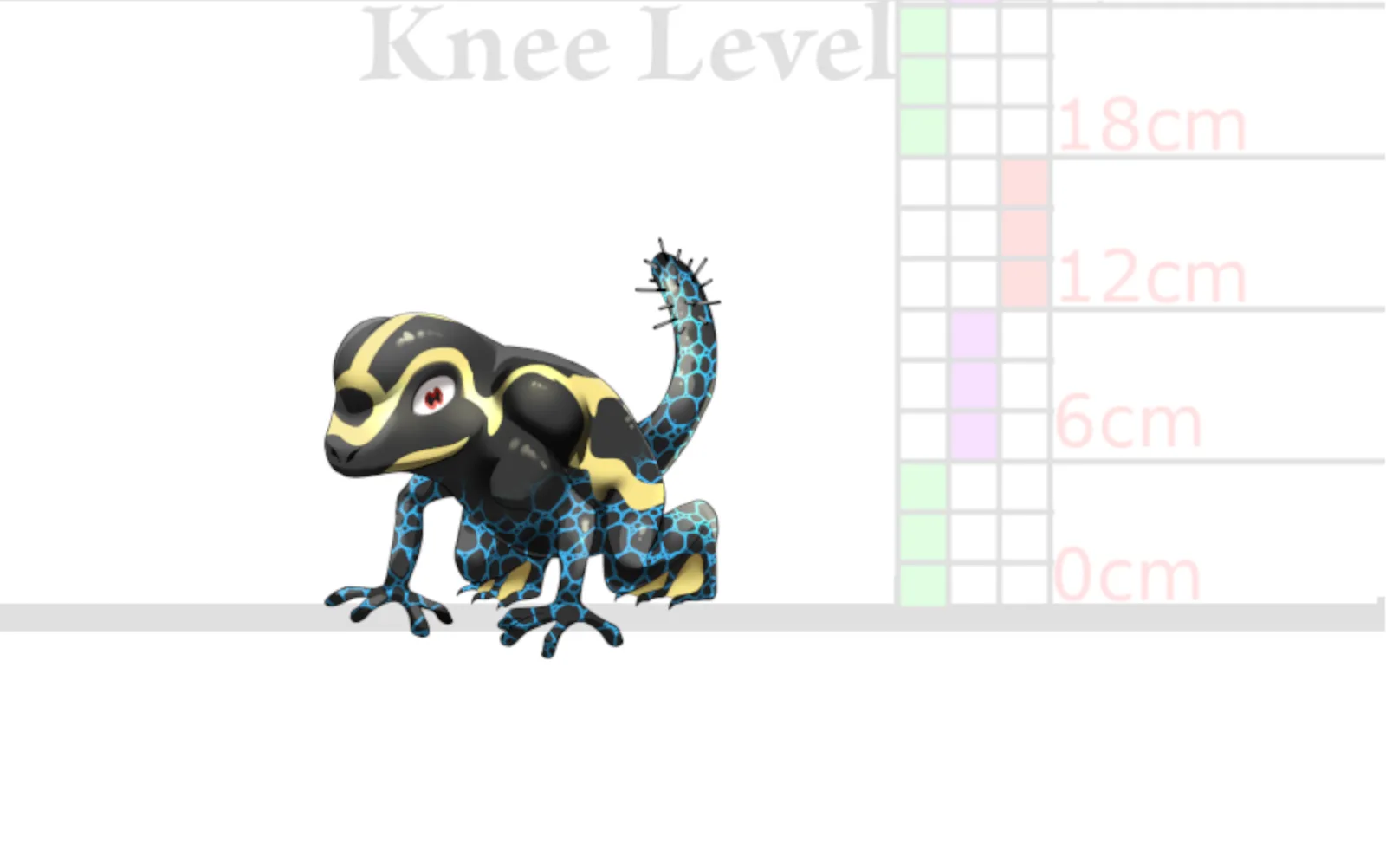
A Barina é um anfíbio famoso pela cauda explosiva, que libera gases nojentos capazes de intoxicar até um Wooly adulto, e pelos espinhos que conseguem se cravar fundo até na pele coriácea de um Cruru. Apesar disso, a carne inteira dela, da cabeça à cauda, é tão valiosa para nari gels que muitos aventureiros se colocam em perigo para pegar algumas num lago e fazer umas bolas rápidas. Elas são fáceis de avistar, mas pegá-las é outra história.
Texto público: fauna.md
Bastidores · anotações completas
-
Website Description
- Barina is an amphibian notoriously known for its exploding tail that releases obnoxious gases that can toxify even an adult Wooly and spikes that can lodge deep even on a Cruru leathery skin. Despite that, their entire head-to-tail flesh is so damm valuable for nari gels many adventurers will put themselves in danger to grab a few from a pond to make some quick balls. They are easy to spot, but catching them is a whole different story.
-
História do Isekai
- A frog is known for its ability to stay underwater for a long time and for the toxins on its back. Plus, its tail is useful for Nari Gels as well.
-
Scientific History
- Frog
-
Habitat
- Ponds
-
Economic Value
-
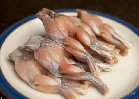
Barina Leg Meat
- História do Isekai
- Butcher cut meat. Often used in dishes in the Freeish kingdom.
- Referência visual
- História do Isekai
-
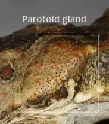
Barina Venom Glands
- História do Isekai
- Used on Nari gels.
- Referência visual
- História do Isekai
-
Barina Lungs
- História do Isekai
- Useful for Nari Gels.
- Referência visual
- História do Isekai
-
-
Tastes Like
- Light Chicken/White Fish.
-
Alimentation
- Insects
-
Intelligence
- Frog
-
Stats
- Reproduction
- Every Summer
- 25 Eggs laid, only a few reach adulthood.
- Other
- Nenhuma
- Reproduction
-
Capacidades de Energia da Alma
- Interface
- Tail
- Skills
- Cloak
- Toxin Air Diffusal
- Interface
Crocus
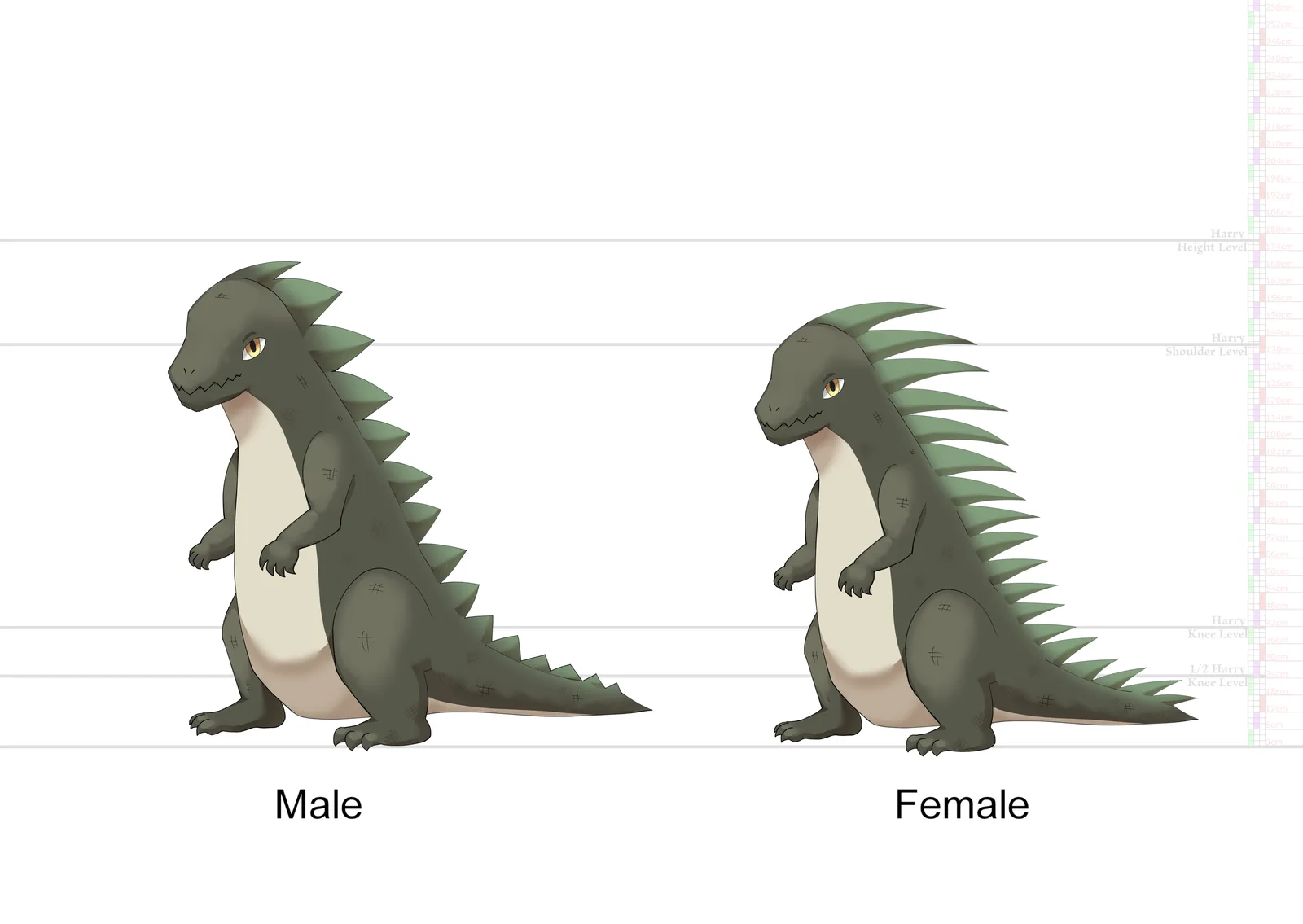
O Crocus é a espécie progenitora dos Cruros. Nada exatamente especial neles, além de serem fofos pra caramba, rechonchudos e morderem como um filho da puta malvado. Alguém disse que domou um e o pegou como bichinho de estimação, mas não há prova registrada. Se algum cientista maluco descobrir como, Forway vai ter uma nova febre de bichinhos de estimação.
Texto público: fauna.md
Bastidores · anotações completas
-
Website Description
- Crocus is the progenitor species of the Cruros. Nothing exactly special about them other than they look hella cute, chunky, and bite like a mean motherfucker. Someone said they tamed one and got it as a pet, but there's no recorded proof. If any crazy scientists figure it out, Forway will have a new pet craze.
-
História do Isekai
- Existed since the recorded history. Nothing too special about them.
-
Scientific History
- Chinese Alligator
-
Habitat
- Mostly in the swamps from Sanbi to Tastyleaf
-
Economic Value
-
See Cruro for more information!
-
Crocus Meat
- História do Isekai
- Butcher cut meat.
- Referência visual
- História do Isekai
-
Crocus Jerky
- História do Isekai
- Butcher prepared jerky.
- Referência visual
- História do Isekai
-
Hide
- História do Isekai
- Butcher prepared hide/fur for artisans to work on.
- Referência visual
- See Above
- História do Isekai
-
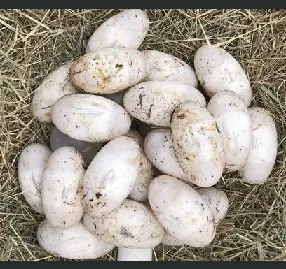
Crocus Eggs
- História do Isekai
- An interesting food source for some.
- Referência visual
- História do Isekai
-
-
Tastes Like
- Chewy Rubbery Chicken
-
Alimentation
- Mainly fish, but any other animals that pass by.
-
Intelligence
- Alligator
-
Stats
- Reproduction
- Every Spring
- ~30 Eggs laid, only a few reach adulthood.
- Other
- Nenhuma
- Reproduction
-
Capacidades de Energia da Alma
- Interface
- Spikes on back
- See Races > Cruro
- Skills
- Explode spikes from back for self-defense.
- Harden Skin
- Invisibility (pass light around object. Slightly distorted.)
- Often lasts for hours as they are usually immovable.
- Interface

Fatupari

Pelo tamanho, seria de supor que os Fatupari fossem classificados como Bestas, mas eles não só são meio burros em comparação com outras bestas, como também são mais fáceis de abater do que se pensa. Se você rasgar as membranas rosa deles, eles não conseguem usar nenhuma magia contra você. Ou você pode lutar com eles de igual para igual, se quiser subir o nível por algum motivo. De qualquer jeito, alguns esquisitos juram pelo sabor distintamente amargo — tipo deixar peito de faisão selvagem de molho em quinino e cozinhar até ficar fibroso e duro, só de zoeira. Pelo menos o couro e as membranas são úteis para uma infinidade de coisas, pelas propriedades resistentes e repelentes à água; além disso, ficam bem estilosos também!
Texto público: fauna.md
Bastidores · anotações completas
-
Website Description
- Fatupari, based on their size, would assume they would be classified as Beasts, but not only are they kinda dumb relative to other beasts, but they are also easier to dispatch than one thinks. If you tear their pink webbing, they can't use any magic against you. Or you can fight them fairly if you want to take it up a notch for whatever reason. Either way, some random weirdos swear by its distinctively bitter taste—like soaking wild pheasant breasts in quinine and cooking it until it's stringy and tough for shits and giggles. At least their hide and webbing are usual for a myriad of things for their rugged and water-repellant properties; plus, it looks pretty snazzy too!
-
História do Isekai
- One of the most terrifying snakes around for its size… But looks aren’t everything.
-
Scientific History
- Emerald Tree Boa
-
Habitat
- Deep forests in the south.
-
Economic Value
-
Fatupari Meat
- História do Isekai
- Butcher cut meat. Cheap meat as most people hate it. Consumption is usually by poorer people, or some weirdos that swear by its taste.
- Referência visual
- História do Isekai
-
Fatupari Jerky
- História do Isekai
- Butcher prepared jerky. See Fatupari Meat.
- Referência visual
- História do Isekai
-
Fatupari Hide
- História do Isekai
- Butcher prepared hide/fur for artisans to work on.
- Referência visual
- See above
- História do Isekai
-
-
Tastes Like
- Bitter. Only washed down in heavily seasoned soup, and some people swear by its taste.
-
Alimentation
- Rodents
-
Intelligence
- Anaconda
-
Stats
- Reproduction
- Every year
- 7 Eggs laid, only a few reach adulthood.
- Other
- Nenhuma
- Reproduction
-
Capacidades de Energia da Alma
- Interface
- Fins on sides
- Skills
- Launch themselves towards target
- Air buoyancy
- Interface
Fihi
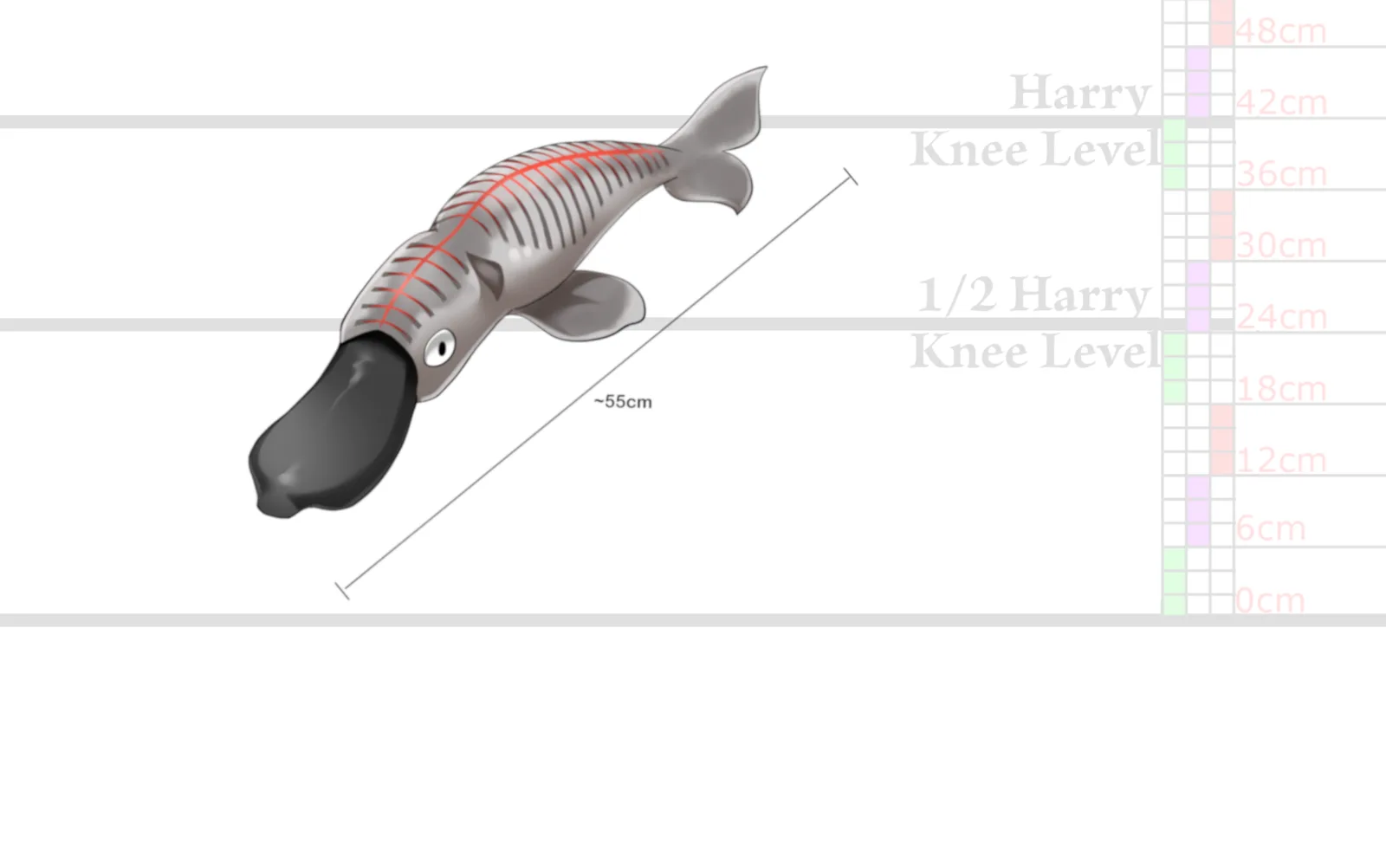
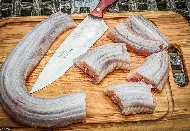
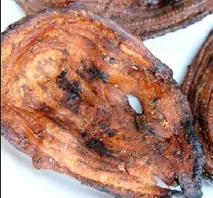
O Fihi parece mais um mamífero do que um peixe, mas eu garanto que é um peixe. Ele é até meio fofo, exceto quando abre o bico e revela um esôfago parecido com o das tartarugas, que vai te perseguir nos seus pesadelos. Eles são comuns nas Buhraies plains, mas alguns bem maiores já foram vistos no Lukewarm Lake, e, quanto maiores ficam, mais agressivos se tornam. É uma pesca divertida, com carne parecida com a de bagre, então é preciso um preparo especial para domar o gosto de peixe. Ou você pode vendê-lo! Os Fihis são usados em nari gels para extrair a sua capacidade de controlar a energia elemental, seja absorvendo, criando ou liberando.
Texto público: fauna.md
Bastidores · anotações completas
-
Website Description
- Fihi looks closer to a mammal than a fish, but I assure you it's a fish. It's even kinda cute, except when it opens its beak and reveals an esophagus that looks closer to turtles that will hunt you in your nightmares. They are commonly found on Buhraies plains, but much bigger ones have been spotted on Lukewarm Lake, and the bigger they get, the more aggressive they become. It's a fun catch, with meat akin to catfish, so special preparation is needed to tame the fishy taste. Or you can sell it! Fihis are used for nari gels to extract their ability to control elemental energy, whether absorbing, creating, or releasing it.
-
História do Isekai
- A fish is famous for its capacity to control elemental energy, whether absorbing, creating, or releasing it.
-
Scientific History
- Platypus, electric eel
-
Habitat
- Lukewarm Buhraies Lake and Buhraies Region
- Much bigger Fihi fish on Lukewarm Buhraies Lake. They eat humans.
- Lukewarm Buhraies Lake and Buhraies Region
-
Economic Value
-
Fihi Corpse
- História do Isekai
- Fresh kill from not too far off, stored in a wagon with ice, ready for butcher shops or to be shipped around.
- Referência visual
- See Above
- História do Isekai
-
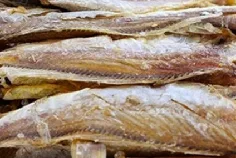
Fihi Meat
- História do Isekai
- Butcher cut meat.
- Referência visual
- História do Isekai
-
Fihi Jerky
- História do Isekai
- Butcher prepared jerky
- Referência visual
- História do Isekai
-
Fihi Skin
- História do Isekai
- Butcher prepared skin. A common treat of the people in the lower regions. Usually fried.
- Referência visual
- See above
- História do Isekai
-
Fihi Oil
- História do Isekai
- Used for beer, mixing with food, grease stuff, etc.
- Referência visual
- História do Isekai
-
Fihi Fish Meal
- História do Isekai
- Unused parts of fish or fish not fit for human consumption are turned into fish meal.
- Usually, whatever is leftover after extracting the oil.
- Unused parts of fish or fish not fit for human consumption are turned into fish meal.
- Referência visual
- História do Isekai
-
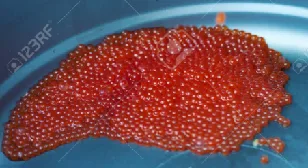
Fihi Fish Roe
- História do Isekai
- A treat to some.
- Referência visual
- História do Isekai
-
-
Tastes Like
- Eel
-
Alimentation
- Gulps down smaller fish
-
Intelligence
- Predatory Fish/Eel
-
Stats
- Reproduction
- Tens of Fihi per year.
- Other
- Nenhuma
- Reproduction
-
Capacidades de Energia da Alma
- Interface
- Its skin is tougher than normal fish skin, including being able to dissipate elemental energy—or rather, absorb it like a shield.
- Skills
- Shock targets in front of them.
- Interface


Ptaina
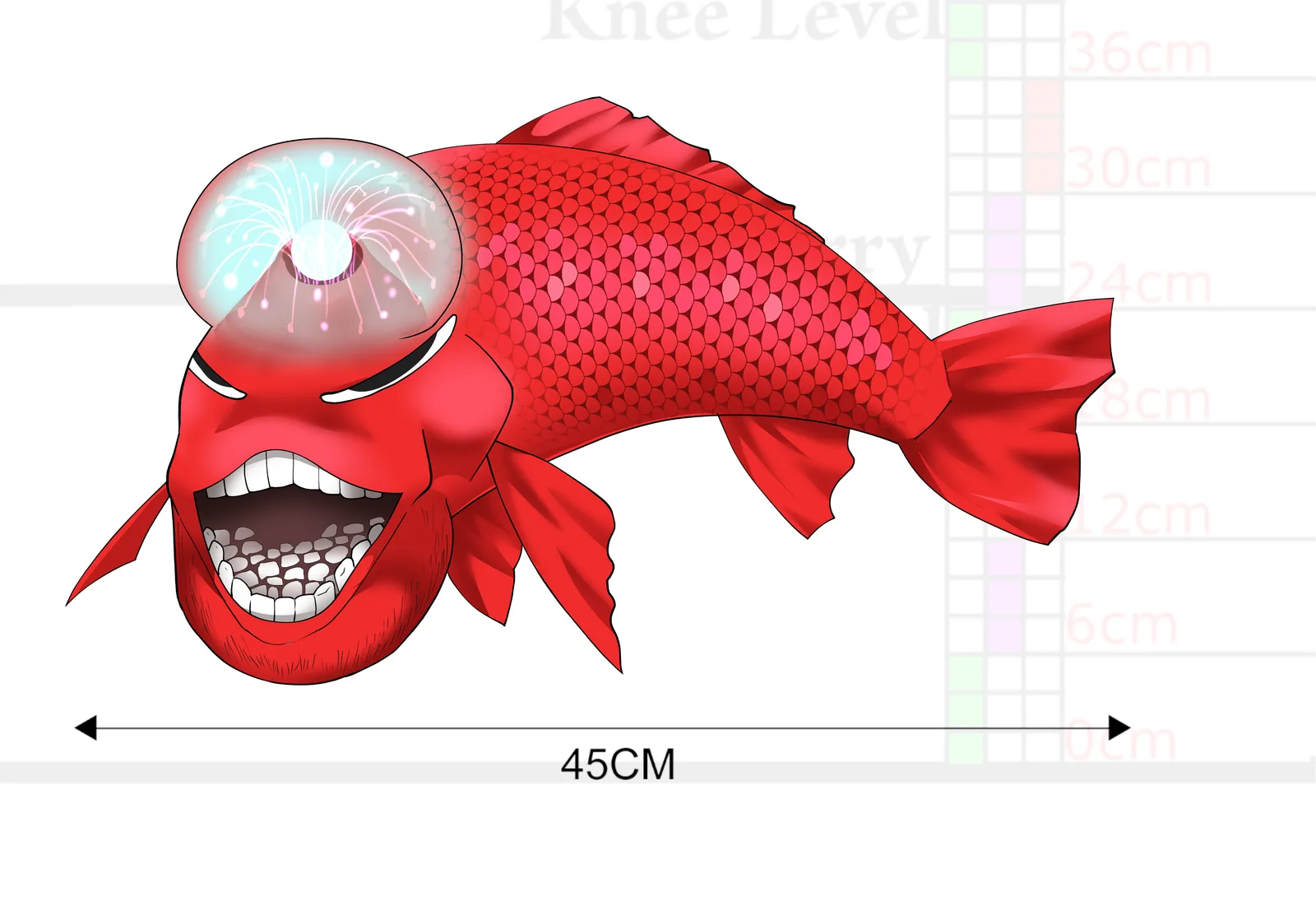
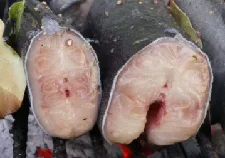
A coisa gelatinosa na cabeça da Ptaina tem raios de luz arroxeada saindo de dentro que nunca vão te passar boas vibrações. Pelo contrário, na verdade. Ela consegue enviar vibrações ultrassônicas que podem rasgar as suas entranhas — se você estiver na água, é claro. Em terra, ela não é tão poderosa, a não ser que você seja burro o bastante para tocá-la. Além disso, ela consegue bagunçar a sua bússola e o seu senso de orientação e ainda te dar uma dor de cabeça daquelas! A carne crua tem um gosto mais pungente e uma textura mais áspera, meio como carne de tubarão, então as pessoas costumam temperar e cozinhar pra caralho. Ou você é pobre demais para comprar coisa boa e tem que comer Ptaina para sobreviver. Ou é tão rico que acha que é uma iguaria.
Texto público: fauna.md
Bastidores · anotações completas
-
Website Description
- Ptaina’s gelatinous thingy in its head has rays of purplish light coming out within that will never send you good vibes. In the opposite, actually. It can send ultrasonic vibrations that can tear your insides—if you’re in the water, of course. It’s not as powerful on land except you’re dumb enough to touch it. Plus, they can mess with your compass and your sense of orientation, and give you a nasty headache, too! The raw meat has a more pungent taste and rougher texture, kinda like shark meat, so people usually season and stew the fuck out of it. Or you’re too poor to buy good stuff and have to eat Ptaina to survive. Or you’re so goddam rich that you think it’s a delicacy.
-
História do Isekai
- A fish grows in the deeper oceans that stuns and messes up with other fish for food, and maybe plays.
-
Scientific History
- Black Drum Fish
-
Habitat
- Oceans, but mostly near Deltas.
-
Economic Value
-
Ptaina Meat
- História do Isekai
- Butcher-cut meat.
- Referência visual
- História do Isekai
-
Ptaina Jerky
- História do Isekai
- Butcher prepared jerky
- Referência visual
- História do Isekai
-
Ptaina Scales
- História do Isekai
- Butcher prepared scales for artisans to work on.
- Referência visual
- See above
- História do Isekai
-
Ptaina Oil
- História do Isekai
- Used for beer, mixing with food, grease stuff, etc.
- Referência visual
- História do Isekai
-
Ptaina Fish Meal
- História do Isekai
- Unused parts of fish or fish not fit for human consumption are turned into fish meal.
- Usually, whatever is leftover after extracting the oil.
- Unused parts of fish or fish not fit for human consumption are turned into fish meal.
- Referência visual
- História do Isekai
-
Ptaina Fish Roe
- História do Isekai
- A treat to some.
- Referência visual
- História do Isekai
-
-
Tastes Like
- Tuna
-
Alimentation
- Gulps down smaller fish
-
Intelligence
- Tuna/Shark
-
Stats
- Reproduction
- Tens of Sanbies per year.
- Other
- Nenhuma
- Reproduction
-
Capacidades de Energia da Alma
- Interface
- Hair on head and chin
- Skills
- Sense Surroundings
- Interface
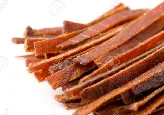
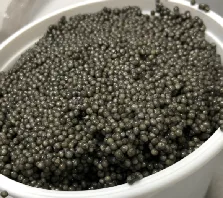
Sanbi
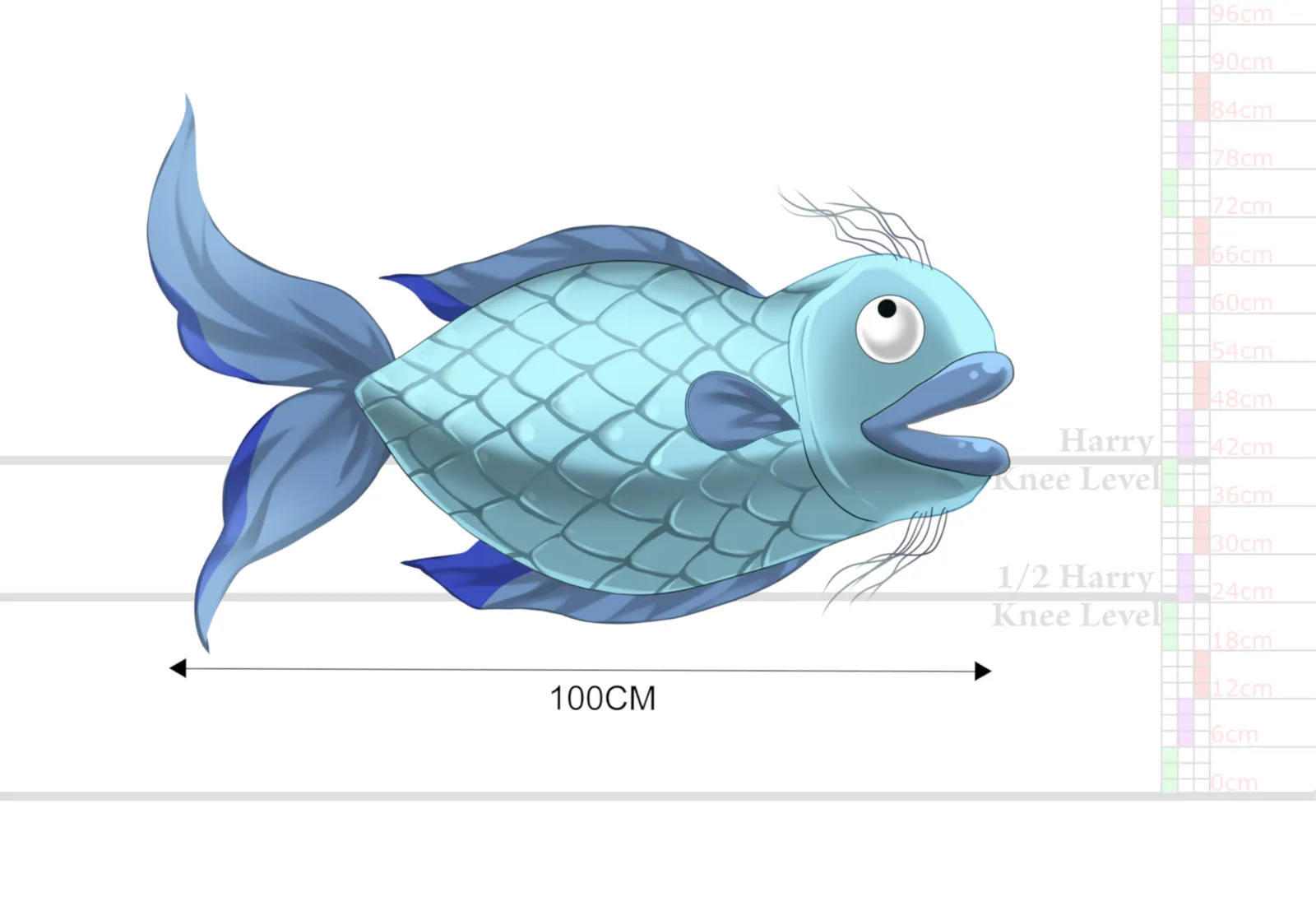
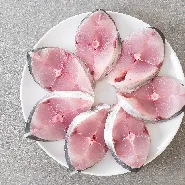
O Sanbi é o alimento básico de qual reino? Se você não respondeu Sanbi, então, nossa, você talvez esteja fumando Magina demais. Se planeja visitar, leia antes o romance “The True Sanbi King”, ou pode ficar confuso sobre por que as pessoas colocam os velhos mortos em barquinhos e os empurram das docas (às vezes não tão mortos assim, se a pesca estiver fraca, mas isso não vem ao caso.) De qualquer jeito, só a família daquele pescador parece ter a destreza, ou pura sorte, de pegar esses malditos peixes gostosos! Mas fique à vontade para tentar! Só que você provavelmente só vai pegar carne dos lábios deles, que incham e se soltam, ou sofrer uma dor de cabeça enorme, já que eles estão sempre prontos para usar a sua interface de energia da alma para afastar predadores.
Texto público: fauna.md
Bastidores · anotações completas
-
Website Description
- O Sanbi é o alimento básico de qual reino? Se você não respondeu Sanbi, então, nossa, você talvez esteja fumando Magina demais. Se planeja visitar, leia antes o romance “The True Sanbi King”, ou pode ficar confuso sobre por que as pessoas colocam os velhos mortos em barquinhos e os empurram das docas (às vezes não tão mortos assim, se a pesca estiver fraca, mas isso não vem ao caso.) De qualquer jeito, só a família daquele pescador parece ter a destreza, ou pura sorte, de pegar esses malditos peixes gostosos! Mas fique à vontade para tentar! Só que você provavelmente só vai pegar carne dos lábios deles, que incham e se soltam, ou sofrer uma dor de cabeça enorme, já que eles estão sempre prontos para usar a sua interface de energia da alma para afastar predadores.
-
História do Isekai
- Gave the name Sanbi Kingdom for being its main food source and economy
- Are famous for requiring all of a normal human’s strength to reel in. Many muscular fishermen can capture at most 2 adults per day, if lucky—unless they tap into nari gels and such to capture more.
- More info: The True Sanbi King Novel
-
Scientific History
- Kushlukia
-
Habitat
- Mainly on the ocean to the right of Sanbi Kingdom.
-
Economic Value
-
Sanbi Meat
- História do Isekai
- Butcher cut meat.
- Referência visual
- História do Isekai
-
Sanbi Jerky
- História do Isekai
- Butcher prepared jerky
- Referência visual
- História do Isekai
-
Sanbi Scales
- História do Isekai
- Butcher prepared scales for artisans to work on.
- Referência visual
- See above
- História do Isekai
-
Sanbi Oil
- História do Isekai
- Used for beer, mixing with food, grease stuff, etc.
- Referência visual
- História do Isekai
-
Sanbi Fish Meal
- História do Isekai
- Unused parts of fish or fish not fit for human consumption are turned into fish meal.
- Usually, whatever is left over after extracting the oil.
- Unused parts of fish or fish not fit for human consumption are turned into fish meal.
- Referência visual
- História do Isekai
-
Sanbi Fish Roe
- História do Isekai
- A treat to some.
- Referência visual
- História do Isekai
-
-
Tastes Like
- Tuna
-
Alimentation
- Gulps down smaller fish
-
Intelligence
- Tuna/Shark
-
Stats
- Reproduction
- Tens of Sanbies per year.
- Other
- Nenhuma
- Reproduction
-
Capacidades de Energia da Alma
- Interface
- Hair on the head and chin
- Skills
- Sense Surroundings
- Communicate in radio waves
- Emit strong radio waves that cause migraines in most people.
- Inflate/expand their lips, then rupture them out of their bodies as fake prey. Usually as an escape maneuver.
- They can do the same with their tails and grow them extra long to evade beasts/hunters
- Interface
Sayna
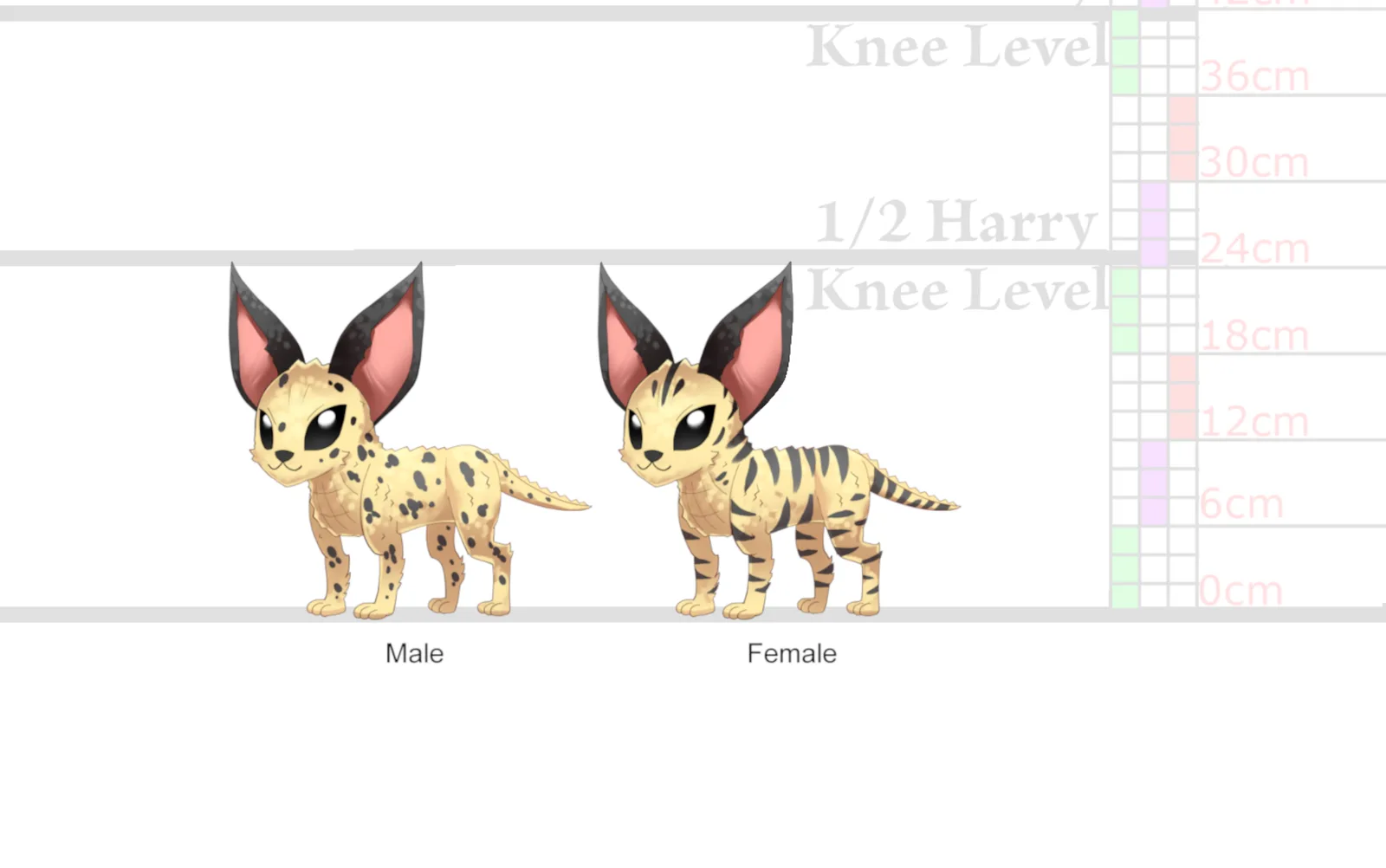
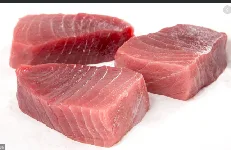
O Sayna é uma criatura “pequenininha” que fez do deserto o seu habitat. Venerado, de certa forma, pelos cidadãos de Sundeath, já que é crucial para reduzir o número de mortes por sand worms. As orelhas enormes e a fofura fazem dele um companheiro muito procurado por aventureiros e comerciantes — tanto que cerca de dois quintos das exportações de Sundeath a cada ano são Saynas treinados. A cidade também exporta carne de sayna, mas só gente mais abastada, que gosta mais de provar as coisas do que de admirar a fofura, pode pagar. Os faraós governantes — um nome estranho que eles dão ao governante — tentaram intervir com um bloqueio comercial para evitar a caça excessiva, mas o governante da cidade cedeu sob a força dos guardas e da lei de Forway.
Texto público: fauna.md
Bastidores · anotações completas
-
Website Description
- Sayna is a "smol" creature that made the desert its habitat. Worshiped in some sense by the Sundeath citizens as it is crucial in reducing the number of deaths by sand worms. Its enormous ears and cuteness make it a highly sought-after companion for adventurers and traders alike—so much so that about two-fifths of export from Sundeath each year are trained Saynas. The city also exports sayna meat as well, but only more affluent folks who enjoy tasting things more than admiring their cuteness can afford it. The ruling pharaohs—a weird name they call the ruler—tried to intervene with a trade blockade to prevent overhunting, but the city ruler cracked under the might of Forway's guards and law.
-
História do Isekai
- Looks like a fox, but it is as rocky as a horned lizard. Very friendly with humans, and a good place to have an adventurer's party.
- Makes a cute sound “Pohw-pohhhhwww!”
-
Scientific History
- Fennec Fox
- Horned Lizard
-
Habitat
- Desert
-
Economic Value
-
Sayna Meat
- História do Isekai
- Butcher cuts meat. More of a delicacy to some rich folks, and nutrition to some in the desert.
- Referência visual
- História do Isekai
-
Sayna Jerky
- História do Isekai
- Butcher prepared jerky. Rare to find to its taste.
- Referência visual
- História do Isekai
-
Sayna Hide/Carapace
- História do Isekai
- Butcher prepared hide/fur for artisans to work on. Rare to find.
- Referência visual
- See above
- História do Isekai
-
Tamed Adult Sayna
- História do Isekai
- It takes a while for them to be properly trained, especially to use their skills on command, due to their energetic, goofy nature.
- Referência visual
- See above
- História do Isekai
-
-
Tastes Like
- Earthy, sandy like fox meat. Minty tastes similar to lamb but not as tough as one would imagine. A delicacy
- Eaten by some specific people as most people think they are too cute to eat. Sundeath worships them.
-
Alimentation
- Insects, small rodents.
-
Intelligence
- Dog, great for a companion
- Golden Retriever. Goofy.
- Dog, great for a companion
-
Stats
- Reproduction
- Every Fall 2-3 Saynas are born
- Other
- Nenhuma
- Reproduction
-
Capacidades de Energia da Alma
- Interface
- Eyes/Ears
- Skills
- Distant Hearing
- Cloak detection
- Blood Shield (self-defense only)
- Interface
Wozen
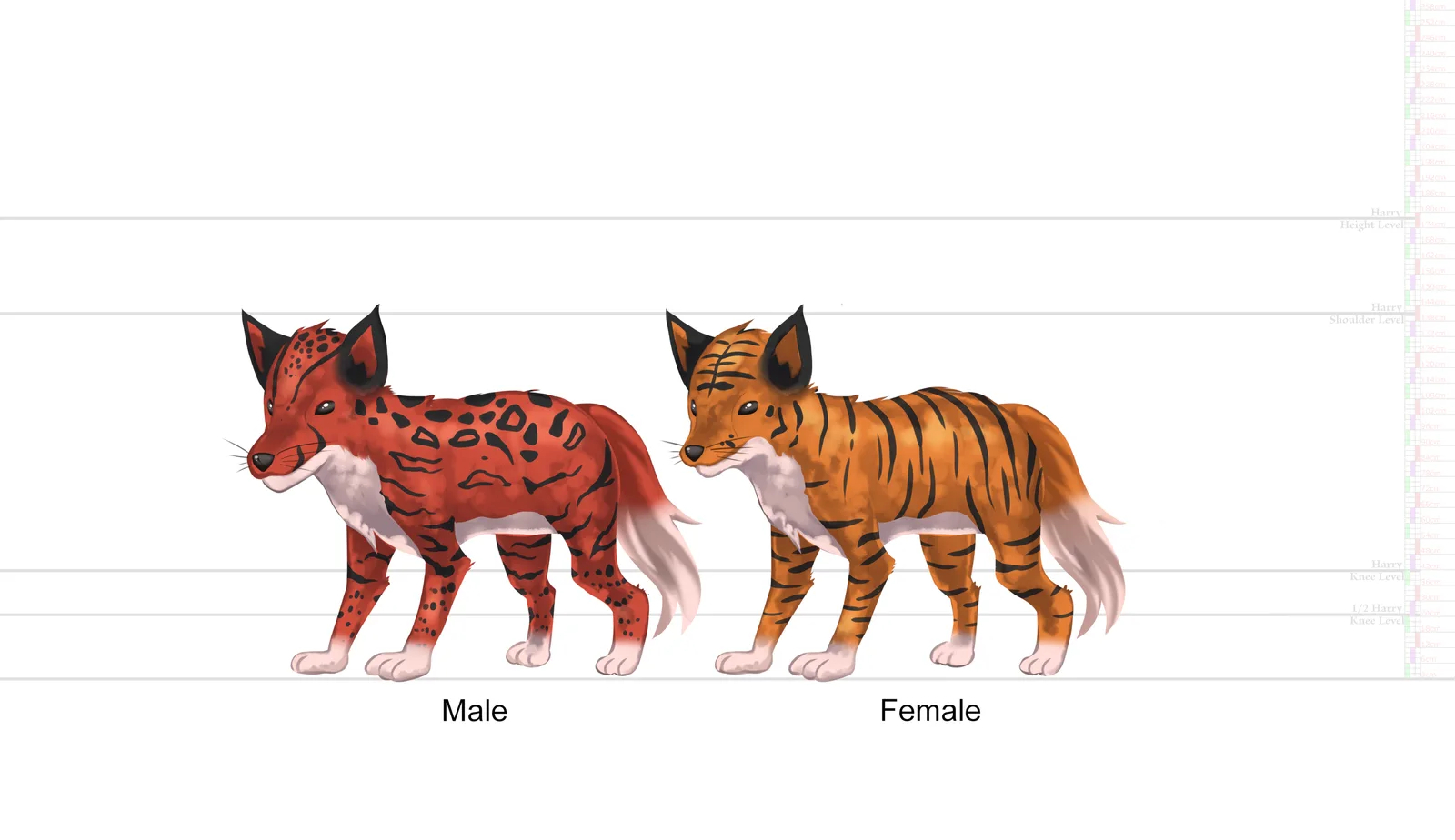
Os Wozens são pragas que vagam principalmente pelas florestas mais densas ao redor de Freeish, mas não é incomum vê-los atacando pessoas à noite nas planícies perto de Forway. Eles são predadores, então o uso que fazem da interface os torna quase impossíveis de ver ou ouvir enquanto rondam. Depois que escolhem uma vítima, conseguem pular várias vezes a própria altura e, quando a mandíbula se fecha na sua carne, não soltam mais, já que lançam atração nos dentes. A pele e algumas partes do corpo, como os olhos, com certeza são valiosas, mas a carne incrivelmente dura e de gosto forte não é — exceto para quem vive nas favelas ou em vilas mais pobres, então, se você tiver espaço para levá-la até o açougueiro mais próximo, leve! Alguns lugares até consideram isso uma dedução fiscal por caridade!
Texto público: fauna.md
Bastidores · anotações completas
-
Website Description
- Os Wozens são pragas que vagam principalmente pelas florestas mais densas ao redor de Freeish, mas não é incomum vê-los atacando pessoas à noite nas planícies perto de Forway. Eles são predadores, então o uso que fazem da interface os torna quase impossíveis de ver ou ouvir enquanto rondam. Depois que escolhem uma vítima, conseguem pular várias vezes a própria altura e, quando a mandíbula se fecha na sua carne, não soltam mais, já que lançam atração nos dentes. A pele e algumas partes do corpo, como os olhos, com certeza são valiosas, mas a carne incrivelmente dura e de gosto forte não é — exceto para quem vive nas favelas ou em vilas mais pobres, então, se você tiver espaço para levá-la até o açougueiro mais próximo, leve! Alguns lugares até consideram isso uma dedução fiscal por caridade!
-
História do Isekai
- They are nightly hunters. Known for snacking on humans when given the opportunity.
- They can run fast, and are skilled in close-quarter combat with their claws.
- They tend to be defensive, except at night when they come out to hunt.
-
Scientific History
- Vulpes Vulpes
-
Habitat
- Mostly in the dense forests around Blood City and the Freeish Kingdom
-
Economic Value
-
Wozen Meat
- História do Isekai
- Butcher cut meat. Not really desirable meat, so this is mostly sold as a by-product of killing Wozens for their pelt.
- Referência visual
- História do Isekai
-
Wozen Jerky
- História do Isekai
- Butcher prepared jerky. Not really desirable by many people due to its strong gamey flavor. Usually served up to poorer people.
- Referência visual
- História do Isekai
-
Wozen Pelt
- História do Isekai
- Butcher prepared hide/fur for artisans to work on.
- Referência visual
- See Above
- História do Isekai
-
Wozen Eye
- História do Isekai
- Used on Nari gels.
- Referência visual
- See Above
- História do Isekai
-
Wozen Nose
- História do Isekai
- Used on Nari gels.
- Referência visual
- See Above
- História do Isekai
-
-
Tastes Like
- Gamy & Tough.
-
Alimentation
- Loves to eats Bagarisa
- Also snacks on humans given the opportunity
-
Intelligence
- Leopard
-
Stats
- Reproduction
- Every year, they tend to have ~2 or 3 woozies.
- Other
- Nenhuma
- Reproduction
-
Capacidades de Energia da Alma
- Interface
- Nose
- Skills
- Super Smell
- Sound Bounce
- Makes them impossible to heard.
- Light Bounce
- Makes them darker than the surroundings.
- Super Jump.
- Jaw Clench.
- They cast attract once they attack their prey so they won’t let go.
- Interface
Onívoros
Bagarisa
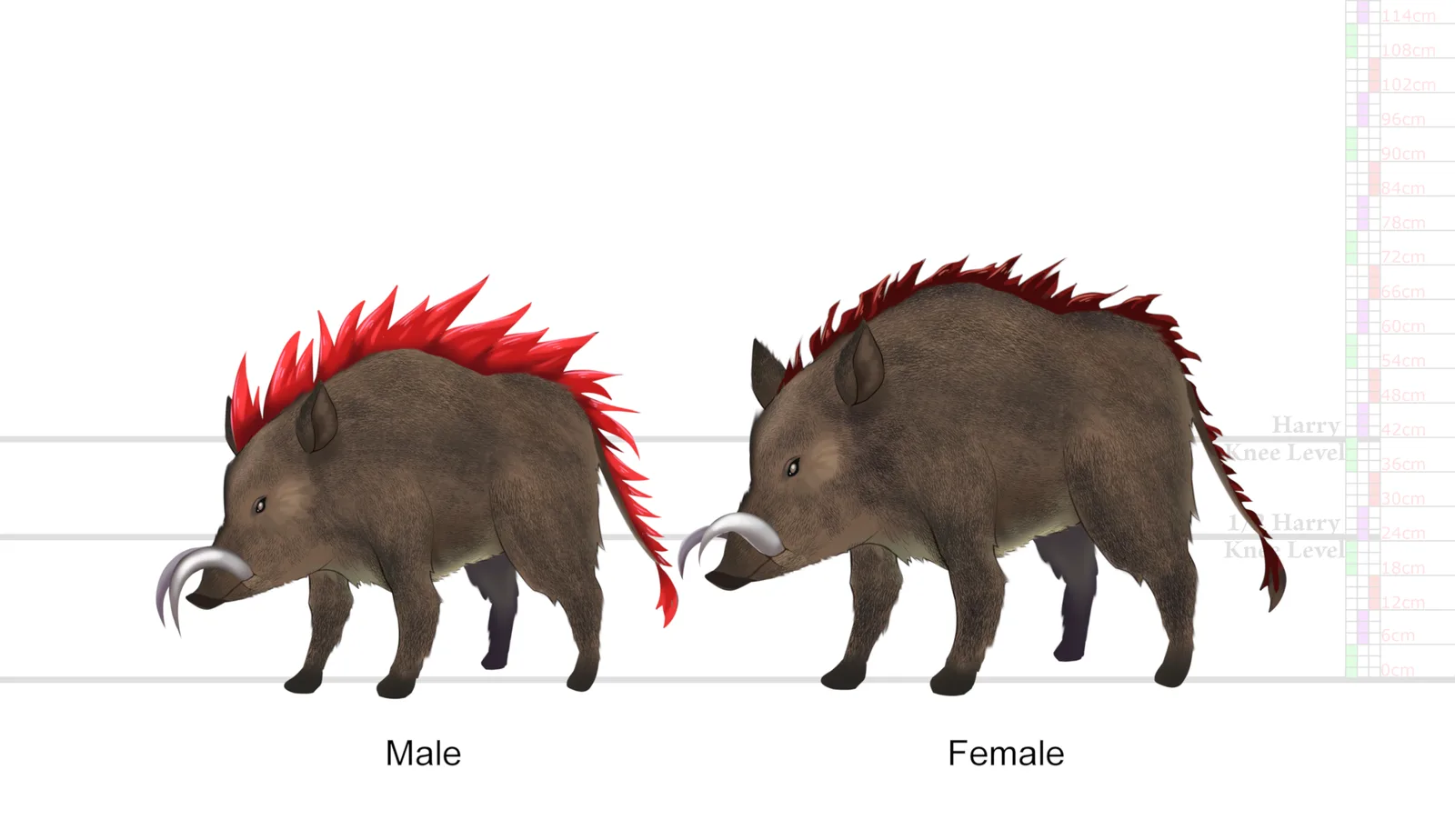
Os Bagarisas competem com os Fanchakis pelo título de animal mais comido dos quatro reinos. Bom, para ser justo, eles não tiveram muita escolha em participar dessa competição, mas a culpa é deles por terem uma carne irresistivelmente terrosa, com notas de cogumelo, que não tem gosto forte demais e agrada ao paladar de todas as raças. Eles estão sempre em bandos e não hesitam em incendiar as presas para avançar na sua direção. Também são habilidosos em ataques à distância, gerando uma bola flamejante entre as presas e depois criando uma rajada de vento quente que começa na crista vermelha da ponta da cauda e acelera em direção à cabeça. O bagarisa consegue inclinar a cabeça para cima para fazer o ar quente atingir a bola de fogo e transformá-la numa bola de fogo de verdade. Se isso não bastasse, eles também têm um almíscar distinto de salmoura de camarão que pode fazer muita gente ter ânsia de vômito — lidar com isso é uma das muitas coisas que ensinam aos aventureiros na única e inigualável escola de aventureiros de Forway. Eles também ensinam que, se forem tentar um tiro limpo, precisam de uma flecha extralonga para perfurar os dois corações que ele tem no peito e na parte baixa da barriga.
Texto público: fauna.md
Bastidores · anotações completas
-
Website Description
- Bagarisas compete with Fanchakis to be the most-eaten animal in the four kingdoms. Well, to be fair, they didn't have much choice in participating in that competition, but it's their fault that their irresistibly earthy, mushroom-accented meat that isn't too gamey appeases the palate of all races. They are always in packs, and they will not hold back in lighting up their tusks in flames to rush toward you. They are also skilled with ranged attacks by generating a flaming ball between their tusks, then creating a gust of hot wind that begins in the red crest at the tip of their tails and speeds up towards their head. The bagarisa can tilt its head up to make the hot air strike the ball of flame and turn it into a fireball. If that wasn't enough, they also have a distinct musk of shrimp brine that can make a lot of people gag profusely—dealing with that is one of the many things they teach adventurers in the one and only adventurers school in Forway. They also teach them that if they are going for a clean shot, they need an extra-long arrow to pierce the two hearts in the chest and the lower gut.
-
História do Isekai
- A pork-deer-like mammal known for its meat not being too gamy. Tastes a bit earthy, with hints of mushroom.
- Famous for being resistant to bow attacks, as you need to shoot both of its hearts if you are going for an instant kill.
- One in the chest. Another in the gut as the gut has its special pathways that can also power the hind legs.
- Musk that smells like a shrimp brine.
-
Scientific History
- Babirusa
-
Habitat
- Spread throughout the lower region.
-
Economic Value
-
Bagarisa Meat
- História do Isekai
- Butcher cut meat.
- Referência visual
- História do Isekai
-
Bagarisa Jerky
- História do Isekai
- Butcher prepared jerky
- Referência visual
- História do Isekai
-
Bagarisa Hide/Fur
- História do Isekai
- Butcher prepared hide/fur for artisans to work on.
- Referência visual
- See above
- História do Isekai
-
-
Tastes Like
- Deer with notes of olive oil. Ramon.
-
Alimentation
- Omnivore
- Mostly grass, but like to snack on Sorenos one in a while.
-
Intelligence
- Wild Boar
-
Stats
- Reproduction
- Female Bagarise gives birth every 3 months to 2-3 babies.
- Other
- Nenhuma
- Reproduction
-
Capacidades de Energia da Alma
- Interface
- Hair on Back/Tusks on fronts
- Skills
- Blood Heal
- Flaming Tusks
- Balls of flame created in between the tusks.
- Gust of hot air that shoots through the hair crest after accumulating from the tail. When combined with flame, it creates a flamethrower effect.
- Interface
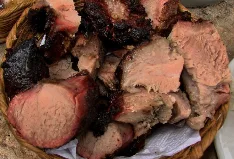
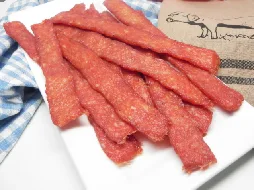
Fanchaki
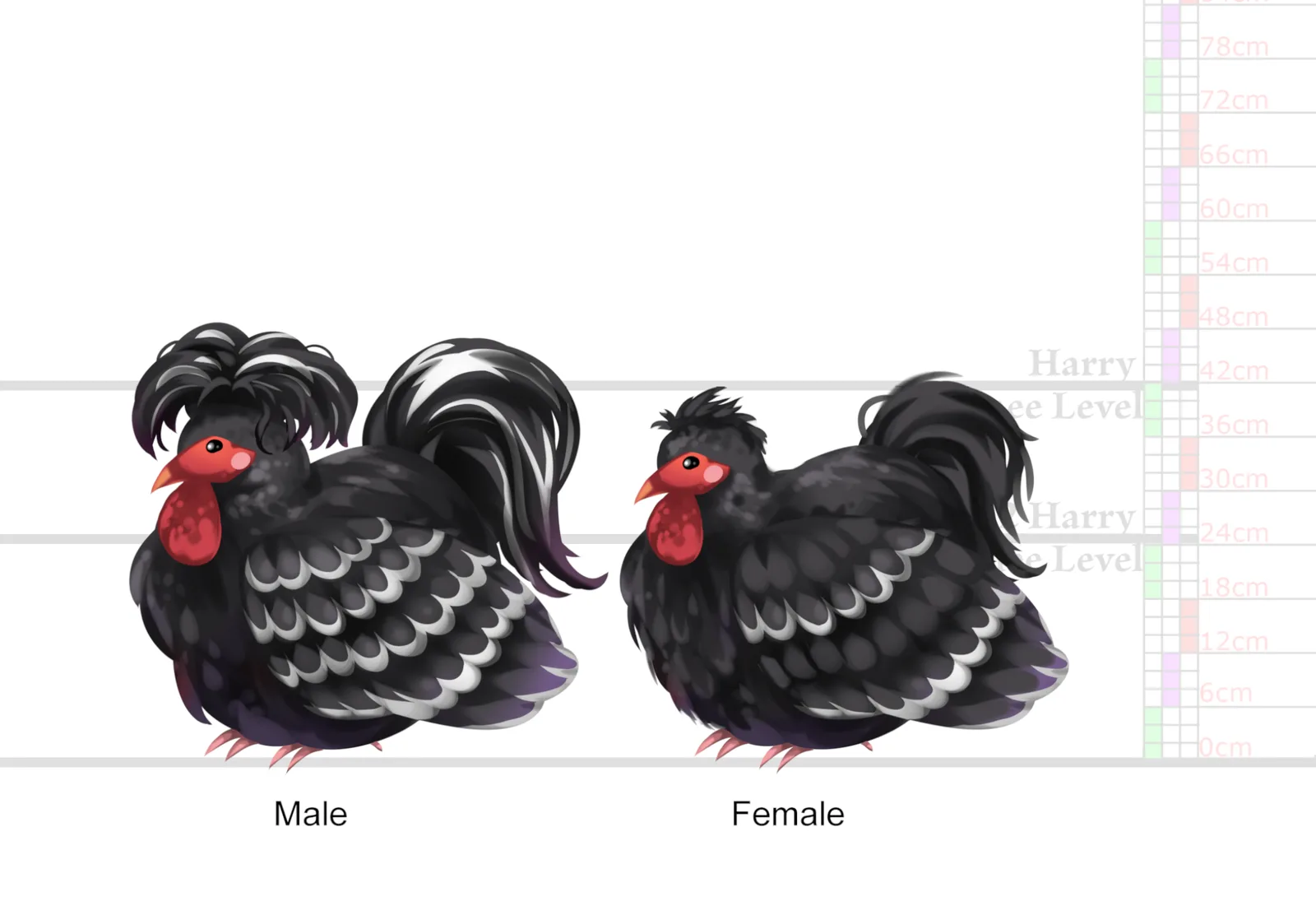
O Fanchaki é uma mutação do Chaki e é a prova de uma das primeiras, se não a primeira, manipulações bem-sucedidas da alma pelos Buhraies, segundo os historiadores. A capacidade de se reproduzir mais rápido, ficar mais forte e usar melhor a interface para se defender deve ter sido fundamental para de algum jeito sobreviver aos selvagens Lishies e depois aos humanos — porque os Chakis estão extintos há muito tempo. A carne roxa, marmorizada e macia virou um pilar do cardápio de todo mundo depois que o The Prosperity Treaty trouxe um comércio mais substancial entre os reinos, e até fez alguns aventureiros trocarem a aventura por simplesmente caçar esses gordos desgraçados para dar conta da demanda.
Texto público: fauna.md
Bastidores · anotações completas
-
História do Isekai
- Buhraies' subjugation experiment.
- Buhairs got a few chakis (chickens) and transformed them into fanchakis. As usual, both of them fled their containment, but chakis grew extinct as the fauna/Lishies ate it all up.
- Fanchakis are quick to breed (like rats) so they survived and spread around like wildfire, even though Lishies were hunting them in the thousands.
-
Scientific History
- Chicken
-
Habitat
- More common around the dense forests throughout the coastline and the dense forests around freeish and Blood.
-
Economic Value
-
Fanchaki Meat
- História do Isekai
- Butcher cut meat. Favorite meat among the kingdoms for its good taste for the price.
- Referência visual
- História do Isekai
-
Fanchaki Jerky
- História do Isekai
- Butcher prepared jerky.
- Referência visual
- História do Isekai
-
Fanchaki Feathers
- História do Isekai
- Butcher prepared feathers for artisans to work on.
- Referência visual
- See above
- História do Isekai
-
Fanchaki Egg
- História do Isekai
- Common food.
- Referência visual
- História do Isekai
-
Tamed Fanchaki
- História do Isekai
- A pet that some have, but it is mostly for livestock instead. Some use the pet as bait for predators, especially for its Soul Energy abilities.
- Referência visual
- See above
- História do Isekai
-
-
Tastes Like
- Fat Chicken. Very tender.
-
Alimentation
- Primarily seeds and insects.
-
Intelligence
- Chicken
-
Stats
- Reproduction
- Lays one egg everyday
- Fertilized eggs will hatch in ~21 days
- Other
- Nenhuma
- Reproduction
-
Capacidades de Energia da Alma
- Interface
- Wattle
- Skills
- Speedy Reaction
- Fake Body
- Interface
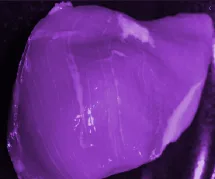

Soreno
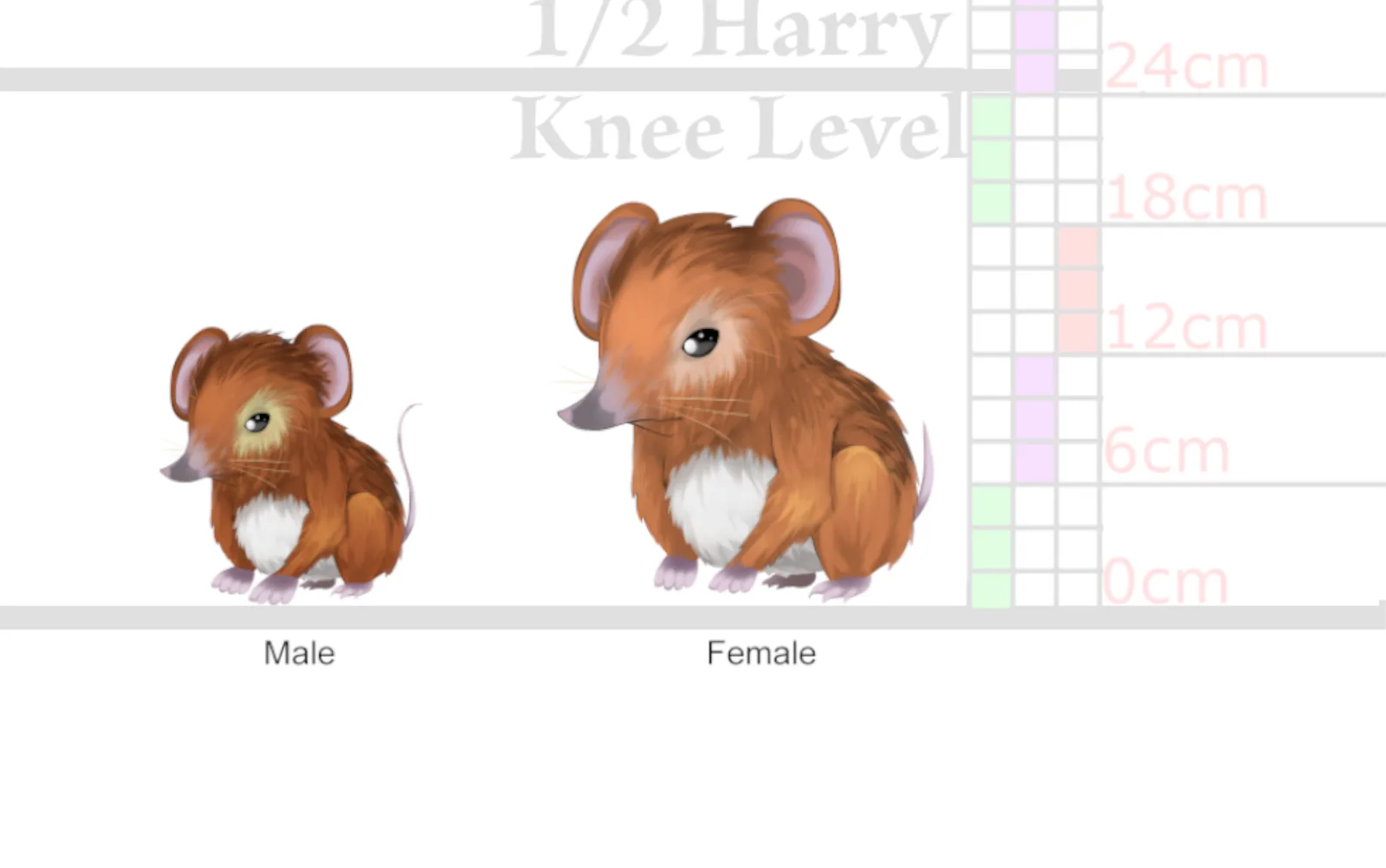
O Soreno é o favorito dos cientistas que evitam experimentos com humanos ou não conseguem contratar um para experimentar. Não é exatamente uma correspondência fiel à coisa real, mas é bom o bastante para iterar experimentos de forma rápida e barata, publicar artigos e fazer nome! Alguns estão do outro lado do espectro — com aventureiros pearl muitas vezes encarregados de manter a população de Sorenos nas cidades, especialmente nos silos de grãos, no delicado equilíbrio entre controlar a praga e virar uma praga eles mesmos. Além disso, é carne barata para esses aventureiros pearl, que provavelmente estão tão endividados que cada pearl que conseguem não desperdiçar agora são amethysts a menos no empréstimo, por causa dos juros abusivos. O porém é que a carne tem cheiro e gosto de mijo velho, e você provavelmente vai precisar se curar se vacilar e não a cozinhar bem passada — ou vai ter dificuldade para pegá-los, já que eles se camuflam tanto à vista quanto nas assinaturas de calor, e conversam entre si num tom tão agudo que você vai precisar de um Sayna ou usar nari gel para alterar as suas orelhas para as de um Soreno. Eles também imitam outros animais e conseguem disparar a distância de um braço num piscar de olhos em quase qualquer direção algumas vezes.
Texto público: fauna.md
Bastidores · anotações completas
-
Website Description
- O Soreno é o favorito dos cientistas que evitam experimentos com humanos ou não conseguem contratar um para experimentar. Não é exatamente uma correspondência fiel à coisa real, mas é bom o bastante para iterar experimentos de forma rápida e barata, publicar artigos e fazer nome! Alguns estão do outro lado do espectro — com aventureiros pearl muitas vezes encarregados de manter a população de Sorenos nas cidades, especialmente nos silos de grãos, no delicado equilíbrio entre controlar a praga e virar uma praga eles mesmos. Além disso, é carne barata para esses aventureiros pearl, que provavelmente estão tão endividados que cada pearl que conseguem não desperdiçar agora são amethysts a menos no empréstimo, por causa dos juros abusivos. O porém é que a carne tem cheiro e gosto de mijo velho, e você provavelmente vai precisar se curar se vacilar e não a cozinhar bem passada — ou vai ter dificuldade para pegá-los, já que eles se camuflam tanto à vista quanto nas assinaturas de calor, e conversam entre si num tom tão agudo que você vai precisar de um Sayna ou usar nari gel para alterar as suas orelhas para as de um Soreno. Eles também imitam outros animais e conseguem disparar a distância de um braço num piscar de olhos em quase qualquer direção algumas vezes.
-
História do Isekai
- Small mammals that feed on insects and grain. They prefer insects, so in small numbers, they are great pest control. In large numbers, they become a pest themselves.
- Hunters/pear adventurers are constantly hired to keep them in check.
-
Scientific History
- Rats & Shrews
-
Habitat
- Throughout the four kingdoms and related cities. Also found throughout the wild, but more in open fields.
-
Economic Value
-
Hide/Fur
- História do Isekai
- Butcher prepared hide/fur for artisans to work on. Incredibly flexible to work with.
- Referência visual
- See above.
- História do Isekai
-
Tamed Adult Soreno
- História do Isekai
- It takes a while for them to be trained properly, but they are able to relay conversation over long distances without other humans hearing them due to their high pitched nature.
- A hidden trick of the Hidden Sorenos gang.
- Referência visual
- See above
- História do Isekai
-
-
Tastes Like
- Their meat tastes bitter and smells like urine. Their meat is given off to wild animals or put in the ground as fertilizer.
- Some pearl adventurers still eat it because it is free meat.
-
Alimentation
- Insects & grains
-
Intelligence
- Rats
-
Stats
- Reproduction
- Every few months ~10 are born.
- Other
- Nenhuma
- Reproduction
-
Capacidades de Energia da Alma
- Interface
- Tail/Ears/Mouth
- Skills
- Cloak (temperature/vision)
- Hearing
- Long distance communication.
- Imitate animal voices.
- Shoot themselves in any direction with quick motion.
- Interface
Yuyta
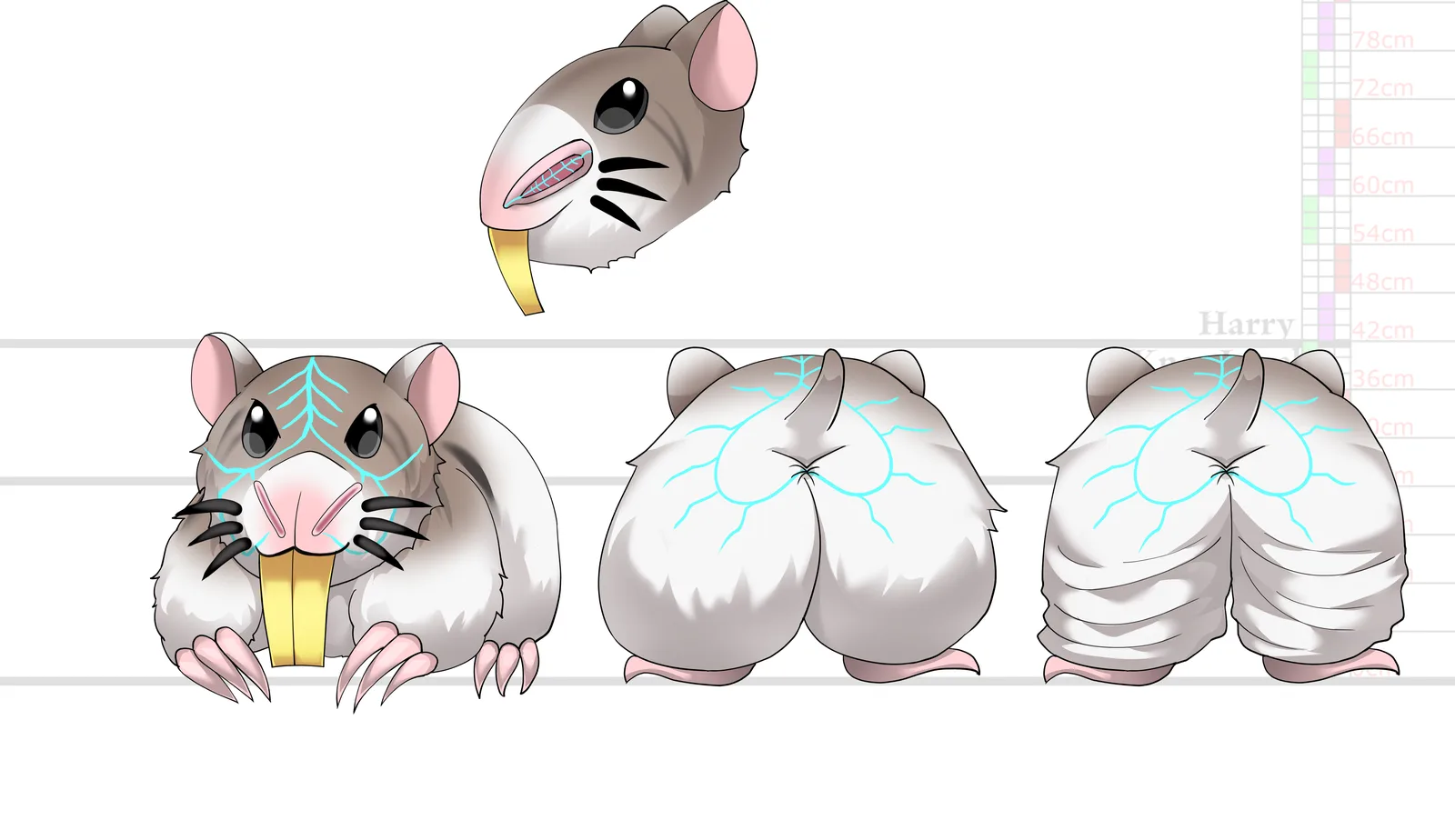
Os Yuytas podem parecer amigáveis para alguns, mas não gostam muito de contato humano. Se você roubar um filhote da mãe, pode ganhar um companheiro sólido, mas eu não contaria com isso. Eles não são tão inteligentes quanto os gatos, mas são igualmente cheios de frescura. A característica mais desejada deles, além da carne parecida com atum, que tem leves notas de grama recém-cortada em vez de notas de mar, são os bigodes para nari gels, já que, com eles, você consegue ver ou sentir coisas atrás das paredes. Eles andam em grupos, e você pode vê-los pulando por aí, aproveitando a vida com os seus bundões fofos à vista de todos. Os caçadores, e os aldeões em geral, usam a bunda dessas criaturas como barômetro da qualidade da colheita. É como dizem: “O inverno vai ser uma merda quando você vir uma bunda murcha balançando no Outono!”
Texto público: fauna.md
Bastidores · anotações completas
-
Website Description
- Os Yuytas podem parecer amigáveis para alguns, mas não gostam muito de contato humano. Se você roubar um filhote da mãe, pode ganhar um companheiro sólido, mas eu não contaria com isso. Eles não são tão inteligentes quanto os gatos, mas são igualmente cheios de frescura. A característica mais desejada deles, além da carne parecida com atum, que tem leves notas de grama recém-cortada em vez de notas de mar, são os bigodes para nari gels, já que, com eles, você consegue ver ou sentir coisas atrás das paredes. Eles andam em grupos, e você pode vê-los pulando por aí, aproveitando a vida com os seus bundões fofos à vista de todos. Os caçadores, e os aldeões em geral, usam a bunda dessas criaturas como barômetro da qualidade da colheita. É como dizem: “O inverno vai ser uma merda quando você vir uma bunda murcha balançando no Outono!”
-
História do Isekai
- A classic case of convergent evolution.
-
Scientific History
- Gopher/Gerbil.
- Hops around like a gerbil.
-
Habitat
- Mostly forests in the Sanbi Region and up the coast.
-
Economic Value
-
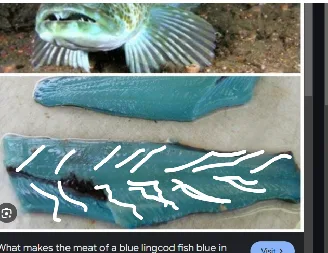
Yuyta meat
-
-
-
Tastes Like
- Chicken. Hard meat, only good for stew. Doesn’t freeze well.
- The smell was clean, mild, almost like fresh tuna, but lacking that distinct oceanic smell. Rather, it took a faint wet grass smell like being downwind from someone cutting grass.
-
Alimentation
- Grama
-
Intelligence
- Like a rabbit or so. Tends to be in groups.
- Tends to be defensive/run away. When you get close to it, it tends to hiss.
- If attacked, it screams like a dying human.
-
Stats
- Reproduction
- Every few months.
- Other
- ?
- Reproduction
-
Capacidades de Energia da Alma
- Interface
- Jumping Feet
- Microwave detection (whiskers)
- Can spot objects in the walls/dirt. It’s like an infrared camera of sorts.
- Skills
- ?
- Interface
Monikas
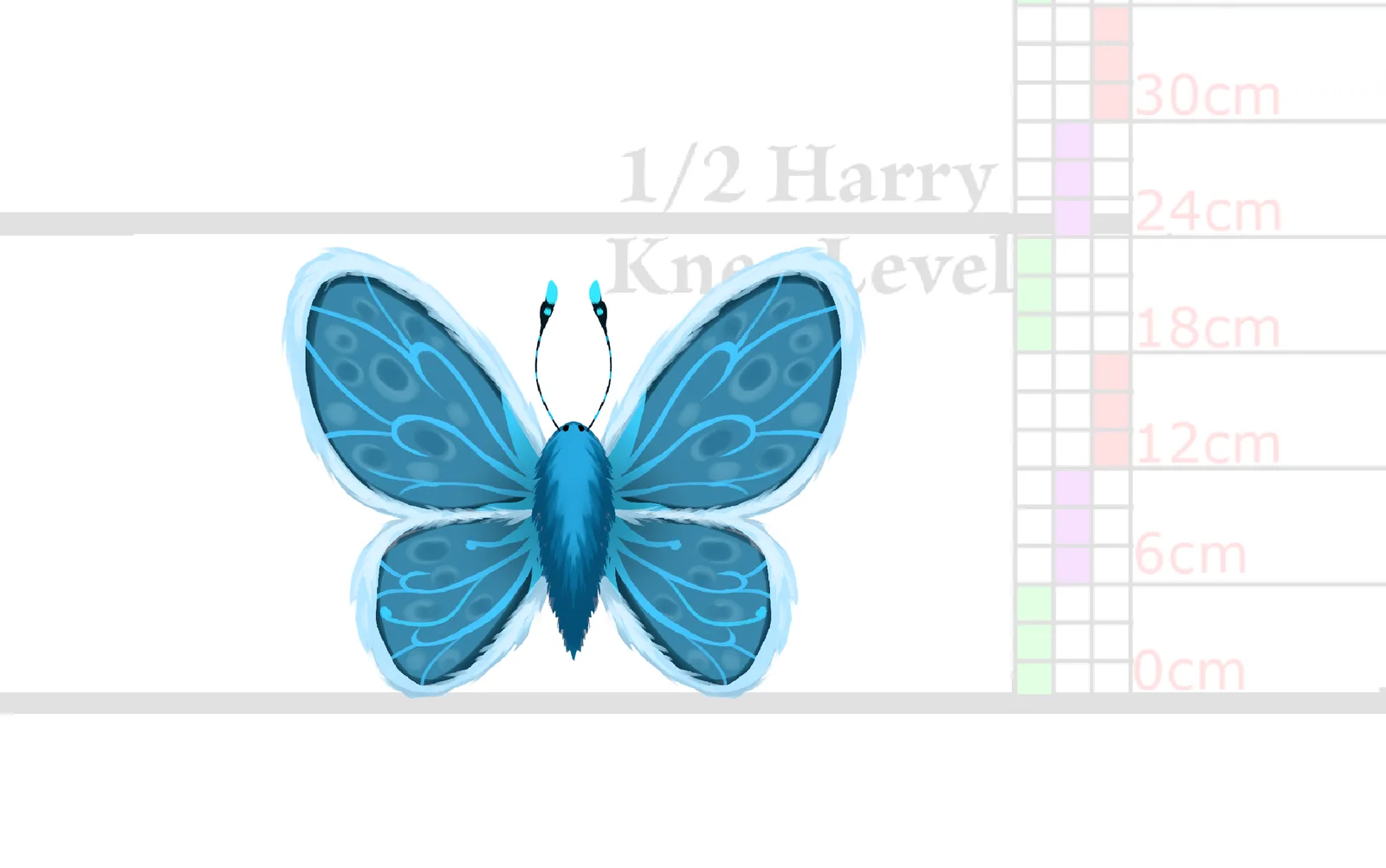
As Monikas são borboletas solitárias intimamente associadas à morte e à decomposição. A interface delas é considerada a melhor para identificar cadáveres, especialmente se o cadáver estiver ligado a uma alma reunida em pool com muita energia da alma. Elas também têm a capacidade de transformar os compostos voláteis desejados dos cheiros numa representação visual que ajuda a entender a concentração e a origem — conhecida como Monika sight, uma mistura de nari gel personalizada com o composto volátil desejado, que fica ainda mais excepcional combinada com o Wozen Smell, tanto para encontrar coisas como aventureiros mortos quanto para detectar coisas venenosas como armadilhas, ou até rastrear animais ou humanos vivos usando as fezes ou o suor. Aventureiros à beira da morte muitas vezes imploram para serem encontrados por essas borboletas de aparência pacífica — pelo menos alguns imploram, até se lembrarem do custo da revivência.
Texto público: fauna.md
Mais 2 entradas desta página estão só nos .
Fontes: Legacy/Public/fauna.md, Legacy/Behind The Scenes/World Lore/Fauna.md