
Flora
Notação da documentação
Bastidores · anotações completas
- See Beasts for Wood People/Trunk People.
- This list is not complete; rather, it includes species that impact the economy/story to a greater extent.
- See Economy Calculator for Prices.
- Flora Average Soul Energy Tier is Tier I with 1 or less Soul Recharge/Day.
Nível de Custo por Distância
Bastidores · anotações completas
-
Nível I (Bens baratos)
- Berries, Fruit, Fungus & Grass.
-
Nível II (Bens comuns)
- Flowers, Mushrooms & Roots.
-
Nível III (Bens caros)
- Banned Items.
-
Nível IV (Bens da nobreza)
- Nenhuma
Plantas
Emerenthy
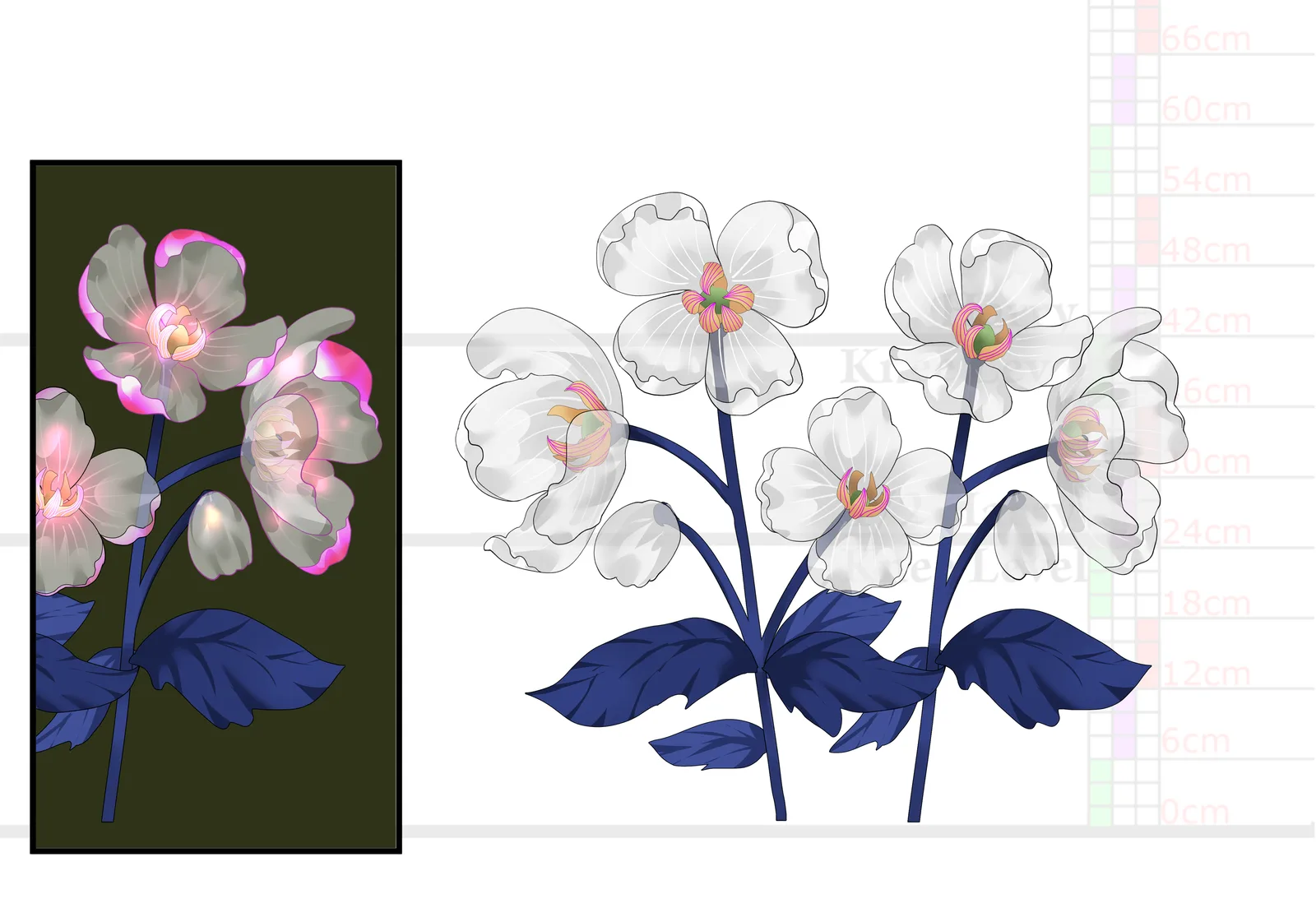
A Emerenthy, ou methyl para alguns, é uma planta comum nas florestas de Freeish. Ela é mais conhecida por oferecer um pouco de luz à noite para pessoas e animais na floresta. Alguns dizem que, se as Trunk people gostarem de você, elas vão pegar a methyl para te guiar. Outros acham que isso é merda de egua e que elas só existem para atrair insetos que se alimentam do seu néctar doce. Você também pode arrancá-las do chão e sacudi-las como tocha de emergência, mas elas não duram muito. Mas, se juntar uma quantidade suficiente, pode usá-las como um acréscimo fibroso a qualquer refeição, como o aipo.
Texto público: flora.md
Bastidores · anotações completas
-
Website Description
- Emerenthy or methyl for some, is a common plant in the forests of Freeish. Mostly known for offering a bit of light at night for people and animals in the forest. Some say that if Trunk people like you, they will get the methyl to guide you. Others think it's egua shit and that they only exist to attract insects to feed on their sweet nectar. You can also rip them off the ground and shake them as an emergency torch, but they don’t last that long. But if you collect enough of them, you can use them as a fibrous addition to any meal, like celery.
-
História do Isekai
- A common plant that is commonly used for cooking.
-
Scientific History
- Phalaenopsis orchid
-
Habitat
- ~0km - ~1km. More common towards the forests near Freeish.
-
Economic Value
-
Emerenthy Flowers
- História do Isekai
- See above
- Referência visual
- See below
- História do Isekai
-
-
Tastes Like
- Neutral, watery, or mildly fresh flavor
-
Growth
- Two months in the wild.
-
Capacidades de Energia da Alma
- Interface
- Transparent Petals
- Skills
- Biolight
- Interface
-
Referência visual
Girdol
A Girdol é uma planta muito usada em nari gels pelas propriedades de alterar o intestino, ou como chá, pelo sabor calmante de limão. Dá para encontrá-la facilmente na natureza, mas, como os Toleridemianos vivem em lugares mais altos, eles costumam cultivá-la em casa ou na estufa comunitária, dado o quanto consomem para aliviar o estômago depois de uma refeição farta.
Texto público: flora.md
Bastidores · anotações completas
-
Website Description
- Girdol is a plant often used in nari gels for its gut-changing properties or as a tea for its lemony, soothing taste. You can find it easily in the wild, but since Toleridemians live higher up, they tend to care for it in their home or community greenhouse instead, given how much they consume to ease their stomach after a large meal.
-
História do Isekai
- A common plant used in Nari gels and teas. Can be soothing for the stomach or cause diarrhea and puke depending on the amount ingested.
-
Scientific History
- Dandelion
-
Habitat
- ~0 km on Lower plains, especially in plains
-
Economic Value
-
Girdol Flowers
- História do Isekai
- See above
- Referência visual
- See below
- História do Isekai
-
-
Tastes Like
- Lemony like
-
Growth
- Several months in the wild
-
Capacidades de Energia da Alma
- Interface
- Petals
- Skills
- Faint Luminescence
- Interface
-
Referência visual

Magina
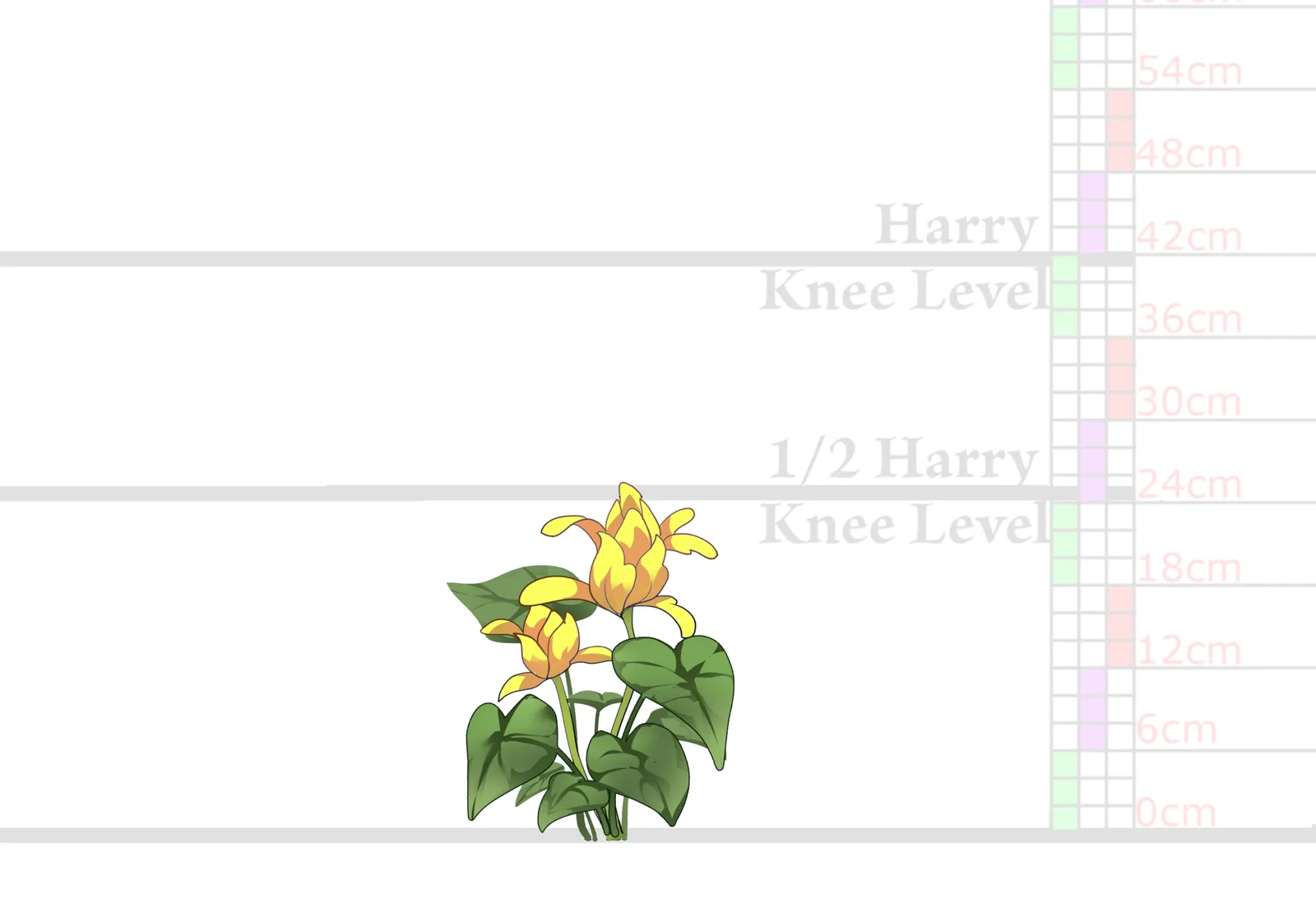
A Magina é uma potente droga que altera a mente e que Forway proibiu, dados os riscos que impõe à sociedade. Os usuários vivem um estado de êxtase em que realizam os seus sonhos, ou pesadelos, se tiverem uma bad trip, de forma tão realista que depois juram que o acontecimento realmente aconteceu com eles, em vez de perceberem que foi só um sonho vívido. Alguns cientistas de grande renome ainda a pesquisam para curar males mentais específicos, como o TEPT, tentando domar e controlar a droga, mas o sucesso tem sido irregular, já que cada indivíduo reage de forma tão única a ela que é difícil encontrar padrões. Se você vir alguém completamente fora do ar, mesmo depois de levar um soco na cara, com certeza está usando Magina, provavelmente comprada no mercado negro da facção Black Magina.
Texto público: flora.md
Bastidores · anotações completas
-
Website Description
- Magina is a potent mind-altering drug that Forway banned, given the societal risks it imposes. Users experience a blissful state where they live out their dreams or nightmares, with such a realistic trip that afterward they swear the event actually happened to them rather than realizing it was all just a vivid dream. Some highly renowned scientists still research it to cure specific mental ailments like PTSD by trying to rein in and control the drug, but success has been spotty as each individual reacts so uniquely to it that it's hard to find patterns. If you see someone completely zoned out, even after you punch them in the face, they are definitely using Magina, with it most likely being bought on the black market from the Black Magina faction.
-
História do Isekai
- A rarer wild plant that is commonly used for sleeping, Nari Gels, or as a sedative. Its yellow petals are so yellow that they are reflective.
- When smoked, it gives a strong “laid-back” vibe. Like sitting still somewhere for hours, just watching time pass. You feel hungry, but that doesn’t bother you. People can punch you, and that doesn’t bother you. People tend to hallucinate vividly as well, completely forgetting about their physical presence
-
Scientific History
- Sassafras
-
Habitat
- ~0km - ~1km
-
Economic Value
-
Magina Flowers
- História do Isekai
- See above
- Referência visual
- See below
- História do Isekai
-
-
Tastes Like
- White Cheddar
-
Growth
- Three months in the wild.
-
Capacidades de Energia da Alma
- Interface
- Petals
- Skills
- Spray Sleep Spell in Self-Defense
- Interface
-
Referência visual
 *Yellow petals.
Nica
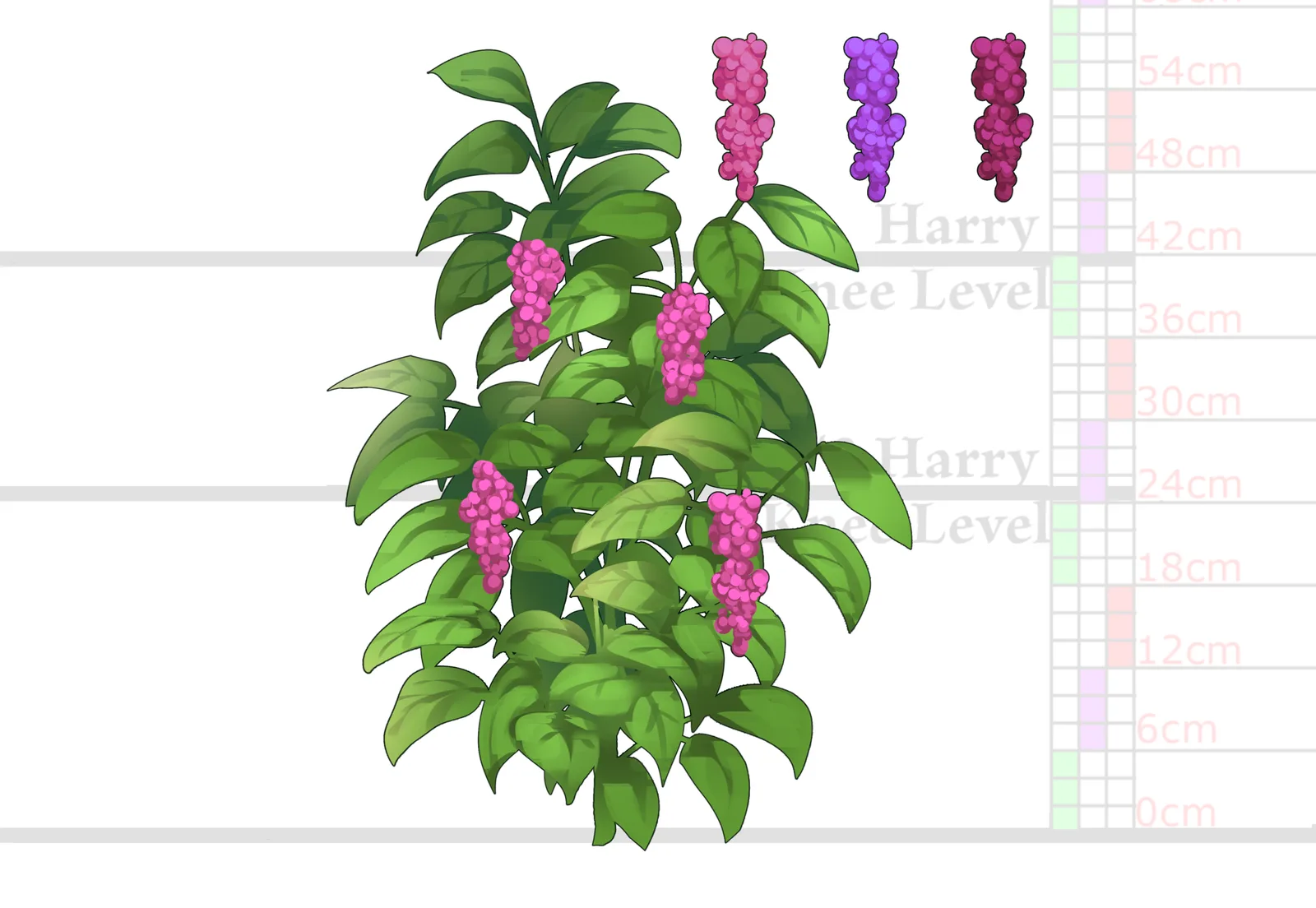
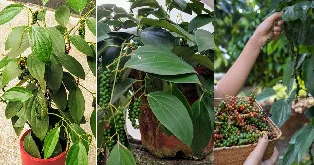
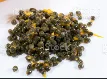
A Nica é a favorita de muitos chefs! As sementes mudam de sabor, de um gosto parecido com cominho quando estão rosa vivo e verdes para um perfil mais parecido com pimenta-do-reino quando amadurecem, com uma cor de vinho mais intensa. Algumas pessoas acharam um uso para ela em nari gels, já que ela tem propriedades de mudar a cor da pele e também de repelir insetos — embora a pessoa que a usa costume ficar com um cheiro forte de pimenta Nica também, então, se não gostar, é melhor usar outra coisa.
Texto público: flora.md
Bastidores · anotações completas
-
Website Description
- Nica is a favorite of many chefs! Its seeds change from a cumin-like taste when it's bright pink and unripe to a more black-pepper profile when it's ripe, with a deeper wine color. Some people found a use for it on nari gel, as it has properties that change skin color and repel insects as well—although the person using it tends to smell strongly of Nica peppers, too, so if they don't like it, they are better off using something else.
-
História do Isekai
- A common plant that is commonly used for cooking.
-
Scientific History
- Piper Nigrum
-
Habitat
- ~0km - ~1km
-
Economic Value
-
Magina Flowers
- História do Isekai
- See above
- Referência visual
- See below
- História do Isekai
-
-
Tastes Like
- Seeds taste like Black Pepper mixed with Cumin taste.
- More black pepper as the older it gets (deep wine), with cumin, the younger it is (pink)
- Seeds taste like Black Pepper mixed with Cumin taste.
-
Growth
- One Month in the wild, another three months for maturation.
-
Capacidades de Energia da Alma
- Interface
- ?
- Skills
- ?
- Interface
-
Referência visual
Steen
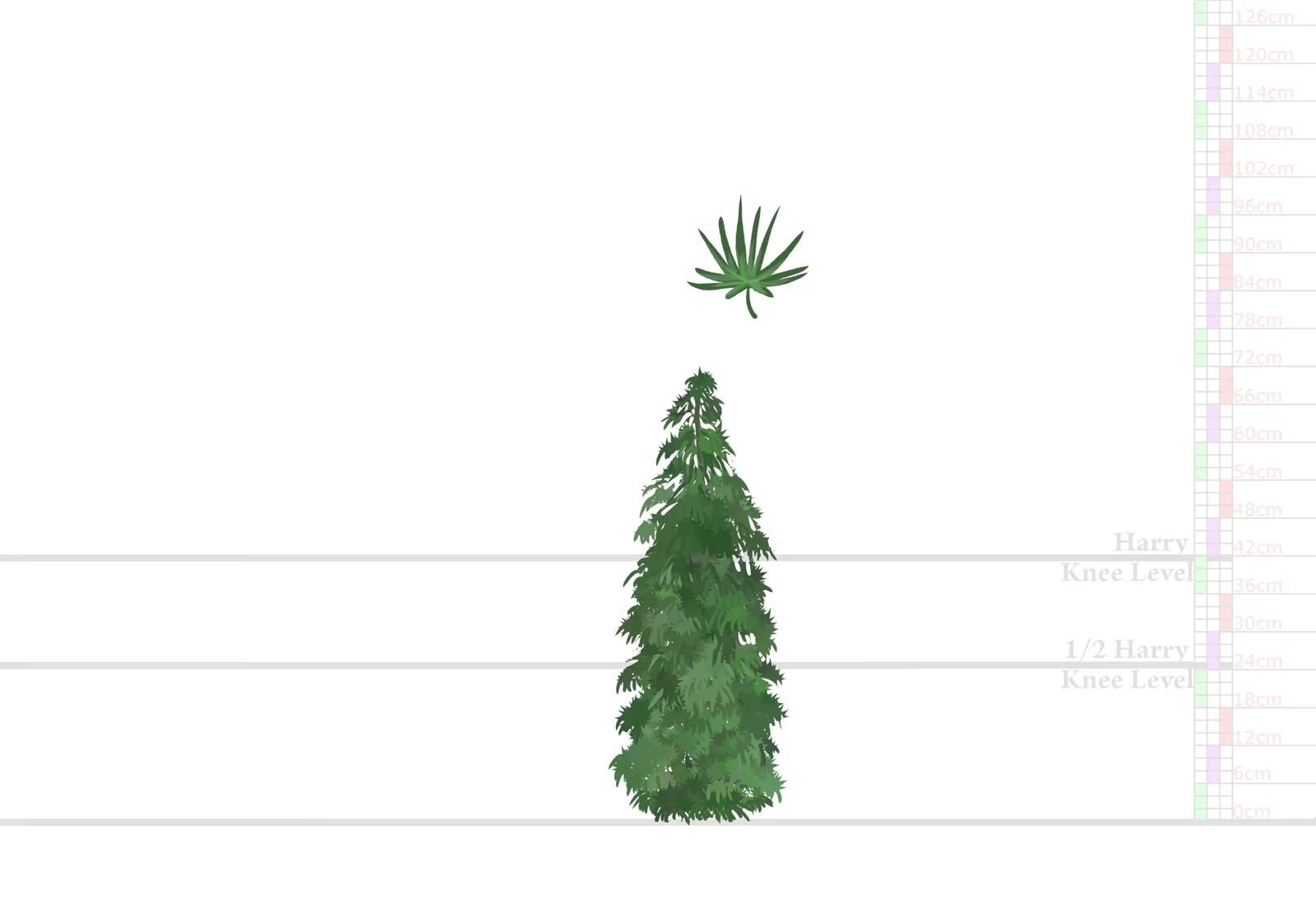
A Steen é fácil de encontrar na boca dos cidadãos de Sanbi, que adoram mastigar os caules para passar o tempo. Ela tem um efeito calmante e levemente relaxante, com alguns Darfaries também pegando o hábito. Embora não seja popular em Gandew, os usuários ficam mais preguiçosos e letárgicos, especialmente quando mastigam as folhas da planta, onde o efeito é mais potente. Também dá para vê-la em nari gels, com caçadores e guardas de Sanbi adorando untar a ponta das flechas com ela para intoxicar as presas e os desordeiros, fazendo-os desacelerar e relaxar.
Texto público: flora.md
Bastidores · anotações completas
-
Website Description
- Steen is commonly found in the mouths of Sanbi citizens, who love to chew on the stems to pass the time. It has a calming, slightly chilling effect, with some Darfaries also picking up the habit. Although it is not popular in Gandew, users become lazier and lethargic, especially when chewing the plant leaves, where the effect is more potent. You can also see it in nari gels, with both hunters and Sanbi guards loving to plaster the tip of their arrows with it to toxify their prey and unruly people into slowing down and chilling out instead.
-
História do Isekai
- A wild plant often chewed like gum or used in teas/Nari gels. Has a calming effect.
- If lit up on fire, it has a strong weed smell.
- People haven’t figured out a way to domesticate this plant yet. It has high fiber content and can be used for clothing.
- A wild plant often chewed like gum or used in teas/Nari gels. Has a calming effect.
-
Scientific History
- Cannabis sativa
-
Habitat
- ~0km - ~1km
- In the wild.
-
Economic Value
-
Steen Leaves
- História do Isekai
- See above
- Referência visual
- See below
- História do Isekai
-
Steen Fiber
- História do Isekai
- See above
- Referência visual
- See below
- História do Isekai
-
-
Tastes Like
- Minty, but more grassy and oily. Somewhat chewy.
-
Growth
- Several months in the wild.
-
Capacidades de Energia da Alma
- Interface
- Nenhuma
- Skills
- Nenhuma
- Interface
-
Referência visual

Tibou
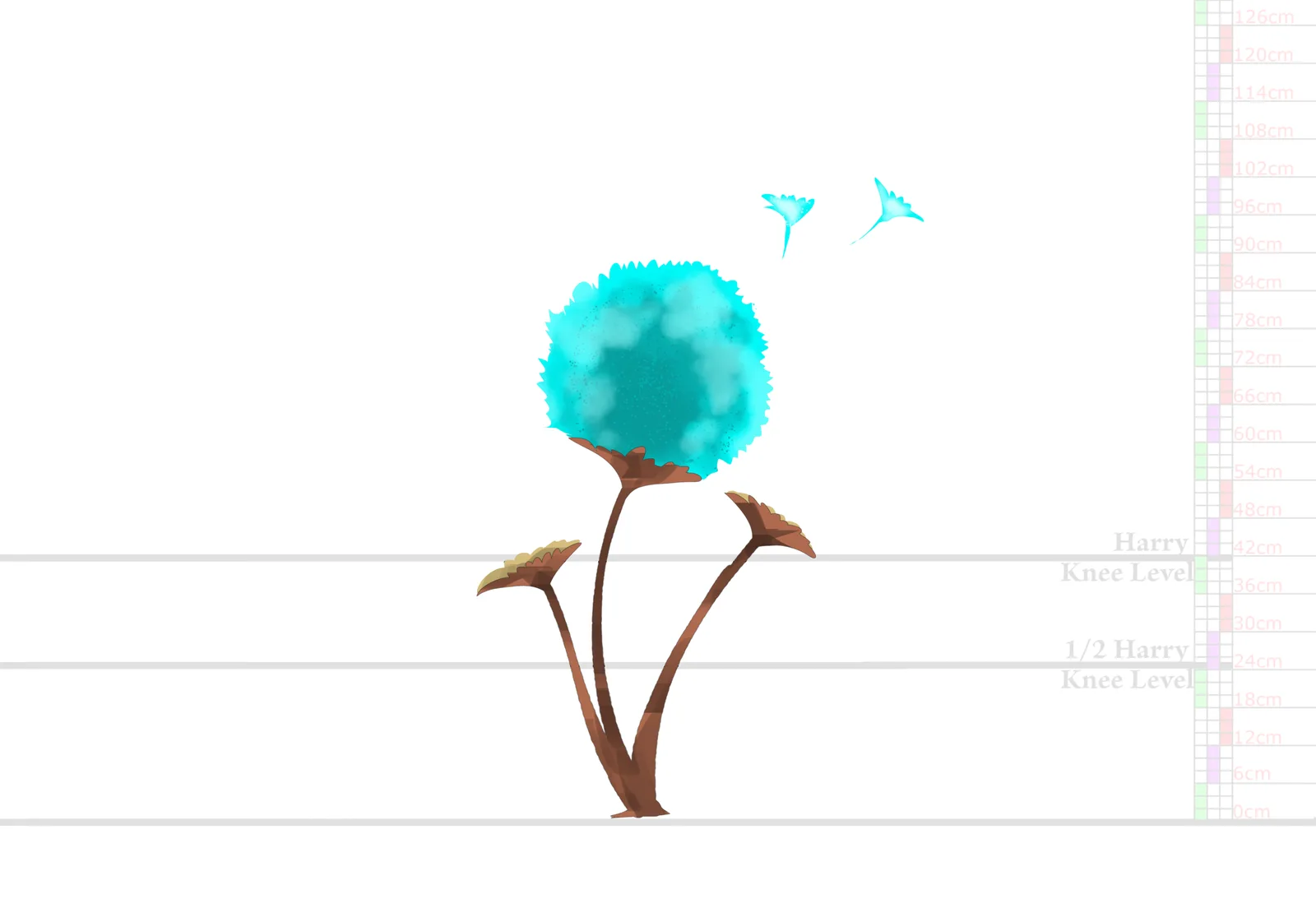
A Tibou também é usada em nari gels, mas principalmente para dar ao seu suor propriedades antibacterianas e antifúngicas. É basicamente como tomar banho de dentro para fora, com aventureiros conscientes recorrendo a ela para ficar cheirosos quando passam rapidinho pela cidade! Fora isso, é a planta preferida como base para sabões, xampus e até tecidos, já que a sua fibra parecida com algodão é bem confortável, embora não tão durável.
Texto público: flora.md
Bastidores · anotações completas
-
Website Description
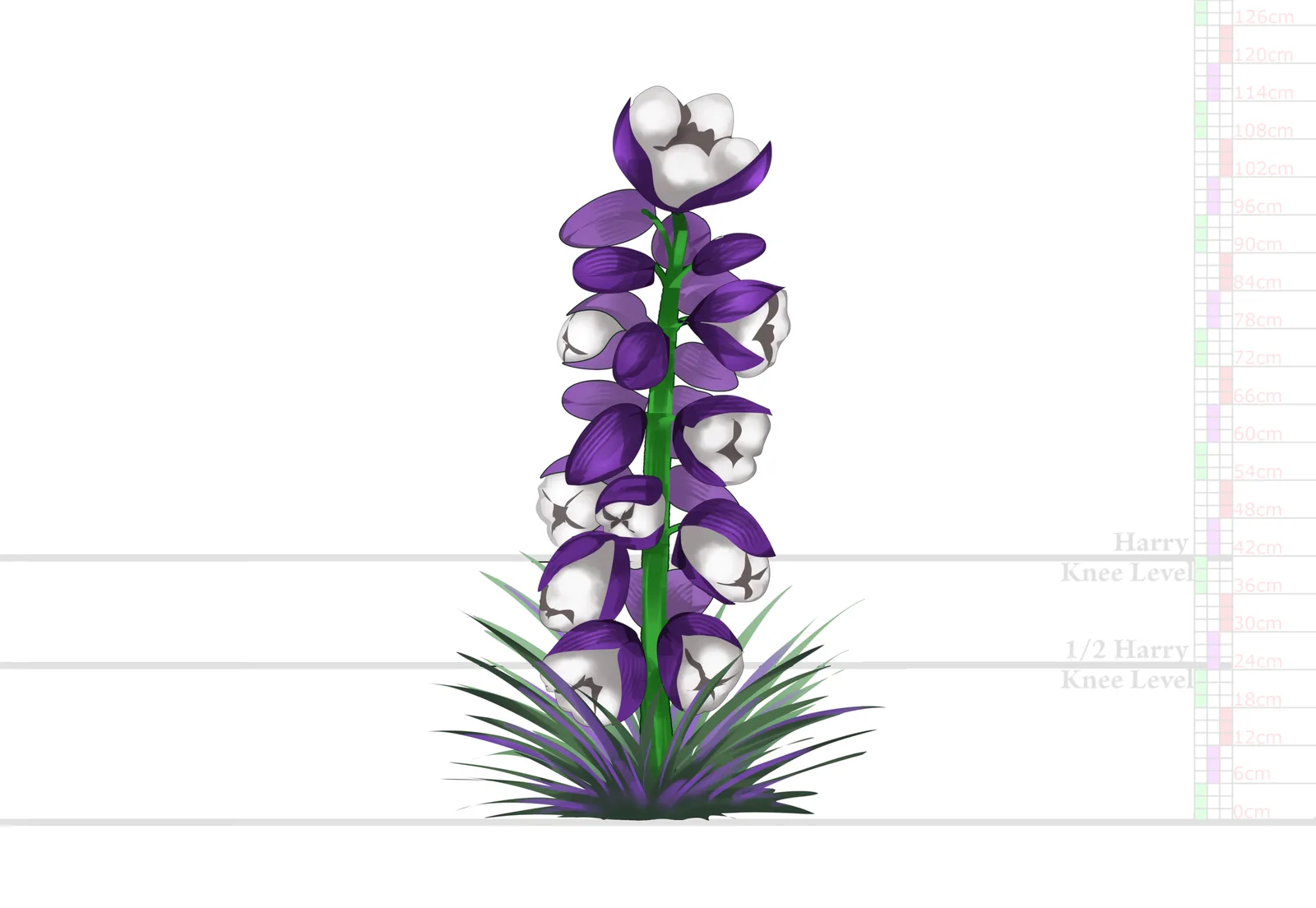
- Tibou is also used in nari gels, but mostly to give your sweat antibacterial and antifungal properties. It's essentially like taking a shower from the inside out, with self-aware adventurers resorting to using it to smell good when quickly passing through town! Otherwise, it's the go-to plant for soaps, shampoos, and even textiles, and its cotton-like fiber is quite comfortable, albeit not as durable.
-
História do Isekai
- One of the most sought-after plants to make soap and shampoos out of the shells. Not really used in teas, but some do like it.
- The cotton-like fiber protected by the case is used in fabric.
-
Scientific History
- Yucca Glauca
-
Habitat
- ~0km - ~1km
- Farmed in the grasslands
-
Economic Value
-
Tibou Flowers
- História do Isekai
- See above
- Referência visual
- See below
- História do Isekai
-
-
Tastes Like
- Lavender with coconut soap.
-
Growth
- One month in the wild.
-
Capacidades de Energia da Alma
- Interface
- Nenhuma
- Skills
- Nenhuma
- Interface
-
Referência visual
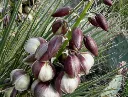
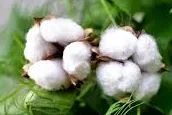
Árvores frutíferas
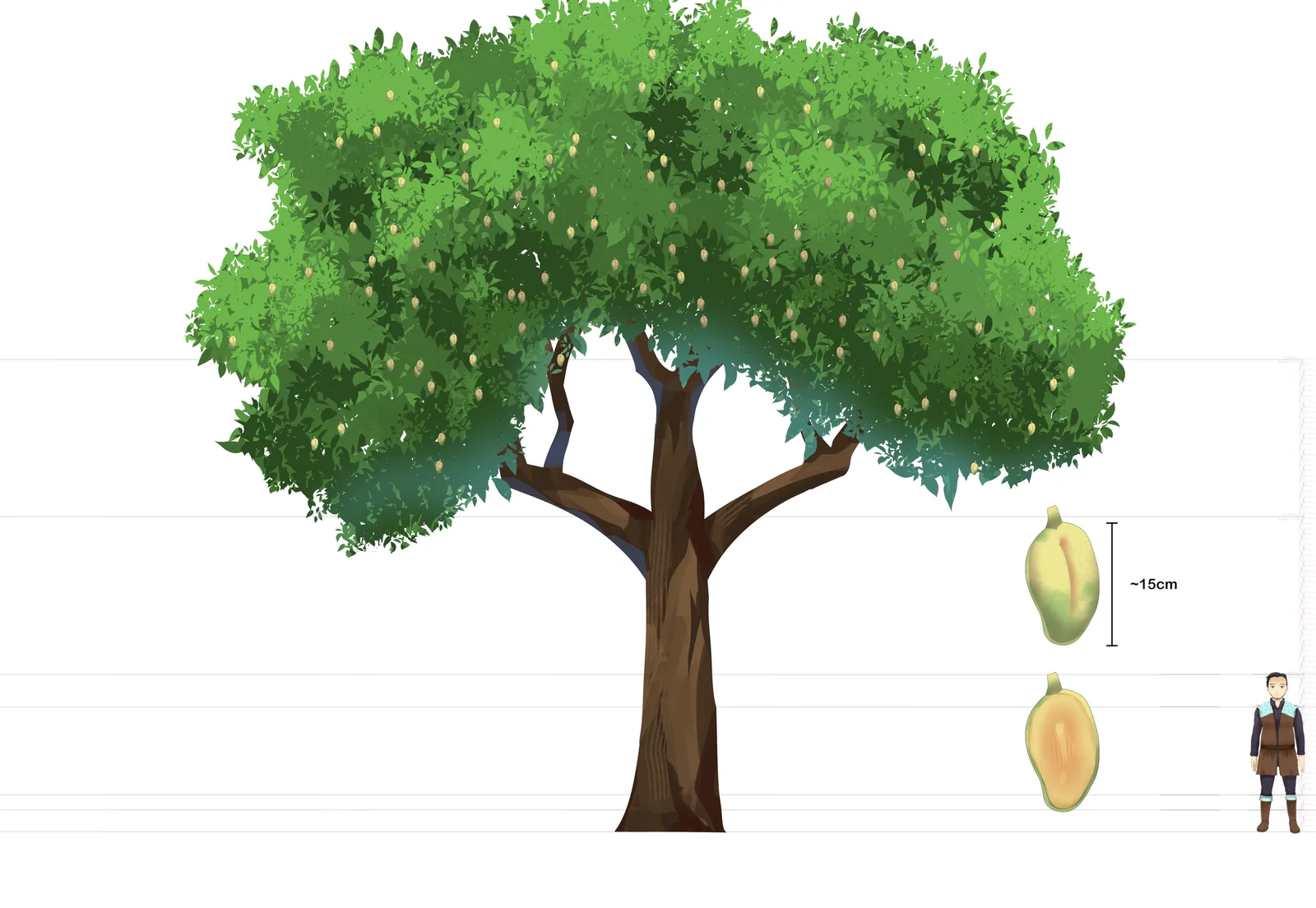
Buzeta
Bastidores · anotações completas
-
História do Isekai
- ?
-
Scientific History
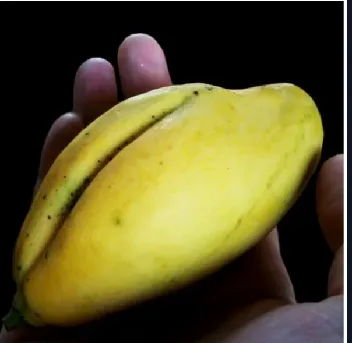
- Mango Buceta
-
Habitat
- See above.
-
Economic Value
-
Buzeta Fruit
- História do Isekai
- See above
- Referência visual
- See Item Visual Reference
- História do Isekai
-
Dried Buzeta
- História do Isekai
- Often done for food stock, selling to other kingdoms, baking in food or on-the-road snacks.
- Referência visual
*
- História do Isekai
-
BuzetaJuice
- História do Isekai
- Pretty good. Better in vitamin shakes.
- Referência visual
- História do Isekai
-
Buzeta Hard Juice
- História do Isekai
- Fermented Juice
- Referência visual
*
- História do Isekai
-
-
Tastes Like
- Mango
-
Growth
- Takes about 10 months for a harvest.
-
Capacidades de Energia da Alma
- Interface
- Nenhuma
- Skills
- Nenhuma
- Interface
-
Referência visual

Cocona
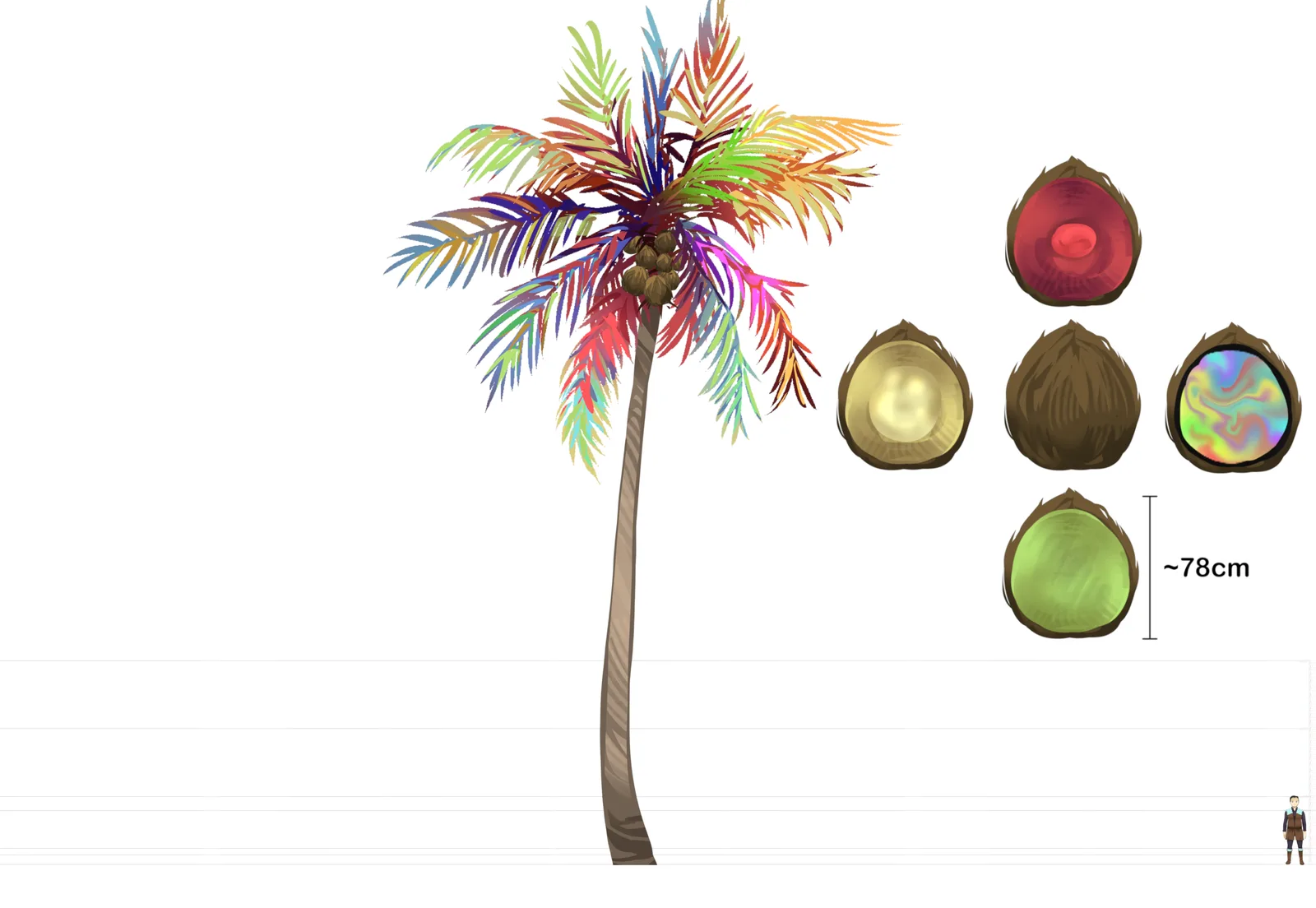
A Cocona é uma árvore invasora, mas útil, segundo a maioria dos cientistas. A origem dela, sem dúvida, é atribuída ao povo Buhraies, já que a única coisa nesta árvore que não é estranha é a folhagem translúcida e colorida, parecida com a casca da Soul tree. O fruto da Cocona tem o dobro do tamanho de um coco comum, e abrir um fruto para revelar o interior é como abrir uma caixa de recompensa. Embora você provavelmente consiga adivinhar a proporção entre água e polpa sacudindo e deduzir a possível cor e o sabor pelos arredores da planta, provavelmente não vai acertar mais do que o acaso! Os sabores e as cores são imprevisíveis, com mais chances de encontrar os mais gostosos, doces e frutados nas fazendas ao redor de Deltacross. Porém, se você está procurando o cobiçado fruto de Cocona com a água colorida da Soul Tree, por causa do famoso conto popular de que ele prolonga a sua vida se você engolir a água de sabor umami assim que o abrir, é melhor rondar as praias atrás de Coconas selvagens. E lembre-se dos buffs ou debuffs que a interface da Cocona dá! Não são grande coisa, às vezes tão pouco quanto aumentar a bexiga ou a produção de suor. Porém, podem ser justamente a diferença entre a vida e a morte quando combinados com outras interfaces, já que esta persiste no corpo por semanas a fio, sem nenhum jeito conhecido de desfazê-la ou eliminá-la.
Texto público: flora.md
Bastidores · anotações completas
-
Website Description
- Cocona tree is an invasive but handy tree, according to most scientists. Its origin is, without a doubt, attributed to the Buhraies folks, since the only thing about this tree that is not foreign is its translucent, colorful foliage, akin to the Soul tree's bark. The Cocona fruit is double the size of regular coconuts, and opening a fruit to reveal its insides is like opening a loot box. Although you can probably guess the water versus flesh ratio by shaking it and infer the possible color and taste based on the plant's surroundings, you will likely not be better than random chance! Flavors and colors are unexpected, with better odds of finding tastier, sweeter, and fruitier ones on farms around Deltacross. However, if you're looking for the coveted Cocona fruit with Soul Tree colorful water because of the famous folktale that it will extend your life if you gulp its umami-tasting water down as soon as you crack it open, then you're better off prowling about the beaches for wild Cocona trees. Also, remember the buffs or debuffs the Cocona interface gives! They aren't much, sometimes as little as increasing your bladder or boosting sweat production. However, it can be just enough to tip the balance between life and death when paired with other interfaces, as this one persistently lingers in the body for weeks at a time, with no known way to reset or flush it.
-
História do Isekai
- Found throughout the beaches of the four kingdoms after humans found the plant near Lukewarm Lake and started to bring it everywhere with them.
- Farmed intensively on Deltacross due to its proximity to Forway.
- Coconas are double the size of coconuts
-
Scientific History
- Coconut
-
Habitat
- Beaches
-
Economic Value
-
Cocona Water
- História do Isekai
- See above. Not much is found as the cocona flesh takes over most of the inside.
- If someone opens a cocona with all Soul Tree water, Freeish legends say they are extremely lucky because it will extend their life—that is, if they chug the entire umami water.
- Fact not proven by science.
- The water/flesh ratio comes in several colors, and each color corresponds to certain buffs/debuffs it will give
- Referência visual
- História do Isekai
-
Dried Cocona
- História do Isekai
- Sell to other kingdoms, on the road, snacks, etc.
- Same as water, it comes in several colors.
- Sell to other kingdoms, on the road, snacks, etc.
- Referência visual
- História do Isekai
-
-
Tastes Like
- Coconut, but saltier. Almost like Beef jerky, salty depending on what you open. Surroundings can further alter taste.
-
Growth
- ~15 Years until maturation.
- ~50 fruits per tree/year.
-
Capacidades de Energia da Alma
- Interface
- Fruit
- Skills
- Harden
- Interface
-
Referência visual


Gosutam
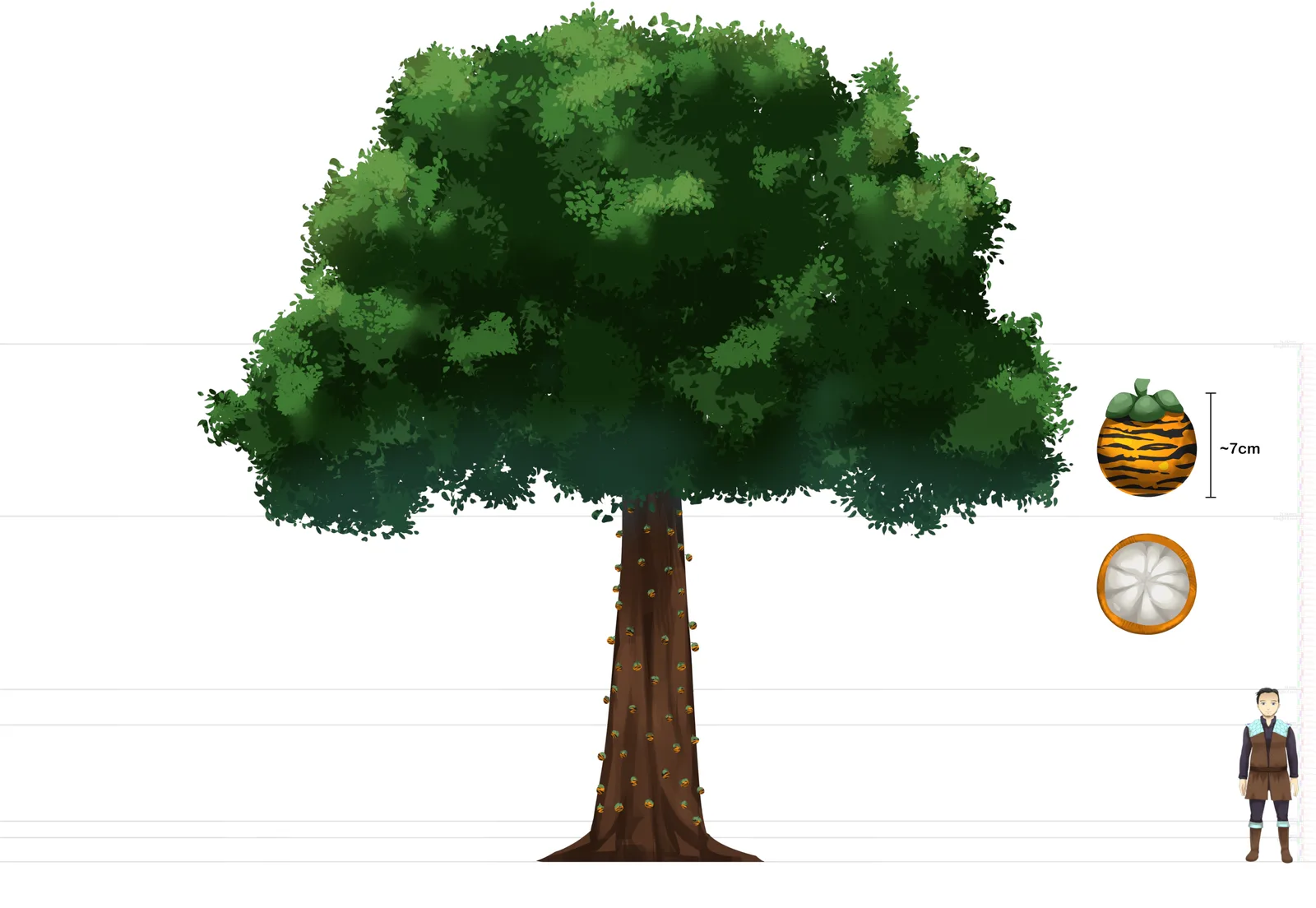
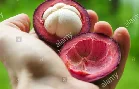
A Gosutam é comum desde o extremo sul, no Reino de Freeish, até o extremo leste, no Reino de Sanbi. É uma árvore comum de ter no quintal, já que dá pequenas levas de frutos o ano inteiro direto do tronco, facilitando até para as crianças beliscarem. É aí que acaba a facilidade, porque abrir o fruto e extrair a parte comestível exige habilidade. A casca externa amarela e preta, mais dura, cede a um interior carnudo e mole que protege uma película esbranquiçada e gosmenta que cobre as sementes. Essa película esbranquiçada e gosmenta é o que você quer saborear, pelo sabor de mangostim com baunilha. Porém, se você apertar demais ao abrir o fruto, misturar o interior carnudo com ela ou, de algum jeito, colocar qualquer outra parte desse fruto na língua, vai se dar mal! Como mastigar borra de café usada, o sabor fica amargo e vegetal. Alguns pais plantam esta árvore de propósito para os filhos beliscarem, porque ela ensina paciência e determinação. Alguns cientistas concordam, enquanto outros acham que há muitos outros fatores com peso bem maior para melhorar a paciência do que uma simples árvore frutífera que é um pé no saco e meio para comer.
Texto público: flora.md
Bastidores · anotações completas
-
Website Description
- Gosutam is commonly found as far south as the Freeish Kingdom and as far east as the Sanbi Kingdom. It's a common tree to have in your yard as it yields small batches of fruit throughout the entire year from its bark, making it easy pickings for even children to snack on. That is where the easy part ends, for opening the fruit and extracting the edible portion requires skill. The exterior's tougher yellow-and-black skin gives way to a mushy, fleshy interior that protects a whitish, slimy covering on the seeds. That whitish, slimy skin is what you want to indulge in for its mangosteen, vanilla-like flavor. However, suppose you press on too hard when opening the fruit, mix in the fleshy interior with it, or somehow get anything else from this fruit on your tongue; then you're in for a bad time! Like chewing on used coffee grounds, the flavor will turn bitter and vegetal. Some parents actively plant this tree for their kids to snack on because it teaches them patience and determination. Some scientists agree with them, while others think many other factors carry more weight in improving patience than a simple fruit tree that is a bitch and a half to eat.
-
História do Isekai
- A wild tree that produces a fruit that, if carefully opened, will yield great insides.
-
Scientific History
- Mangosteen
-
Habitat
- ~0km - ~1km
- Wild species are found around deeper forests and in people’s backyards.
-
Economic Value
-
Gosutam Fruit
- História do Isekai
- Often, a tree that people will plant in the backyard is rather expensive for how little fruit you can eat.
- Referência visual
- See Item Visual Reference
- História do Isekai
-
Dried Gosutam
- História do Isekai
- Often done for food stock, selling to other kingdoms, baking in food, or on-the-road snacks.
- Referência visual
- História do Isekai
-
Gosutam Juice
- História do Isekai
- Juicy.
- Referência visual
- História do Isekai
-
Gosutam Hard Juice
- História do Isekai
- Fermented Juice. Fizzy, less-milky caramel and earthy tones give it a nice balance without being too overpowering.
- Referência visual
- História do Isekai
-
-
Tastes Like
- Shell is bitter
- Inner fruit is milky caramel with earthy tones.
-
Growth
- It is produced during the Summer.
-
Capacidades de Energia da Alma
- Interface
- Tree
- Skills
- Drop Fruits.
- Interface
-
Referência visual

Greenbread
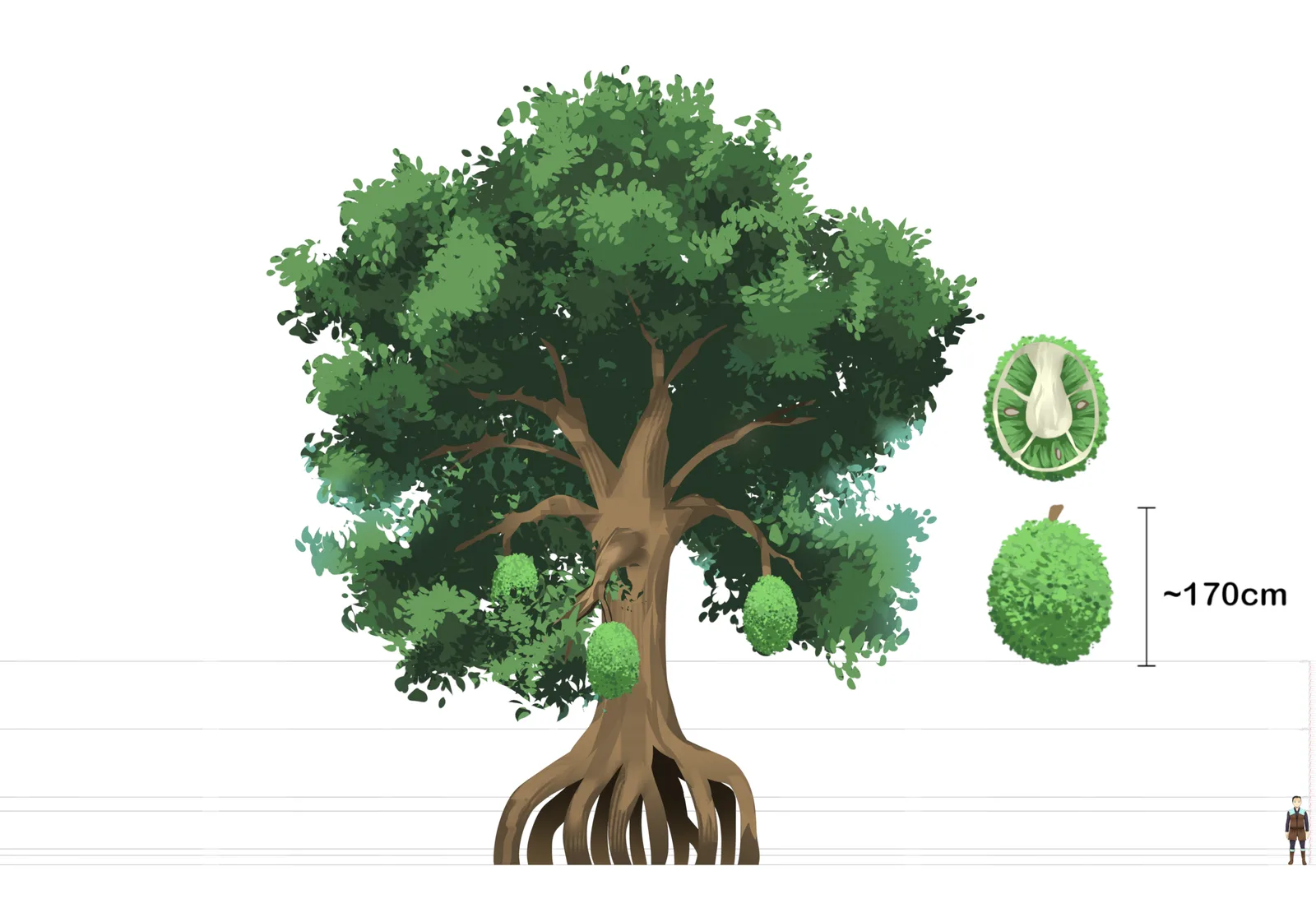
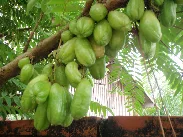
O Greenbread é um fruto perigoso! Não porque seja venenoso, mas porque, se cair em você da árvore, que costuma ter 15 metros de altura, vai transformar o seu corpo na mesma consistência gelatinosa de um shapeshifter. Isso se ele não amadurecer demais e explodir. Se explodir, então praticamente tudo ao redor vai ficar coberto de uma gosma amarelo-dourada e de sementes, que depois apodrecem, deixando um cheiro parecido com o do durião, que vai atrair muita fauna, que por sua vez atrai muitas bestas. Cada árvore só tem três ou quatro greenbreads pendurados de cada vez, e eles levam quase o ano inteiro para atingir o ponto perfeito de maturação, com uma consistência próxima à da jaca Golden Nugget. Porém, o sabor é comparável ao de melon pan, enquanto outras variedades apresentam sabores mais próximos de banana misturada com abacaxi. As sementes, por sua vez, têm gosto de cacau quando torradas. O miolo que sobra do fruto também é um aglutinante muito usado para fazer bone wood ou cola.
Texto público: flora.md
Bastidores · anotações completas
-
Website Description
- Greenbread is a dangerous fruit! Not because it is poisonous, but instead, if it falls on you from the usual 15-meter-tall tree, it will transform your body into the same jelly consistency as a shapeshifter. That is, if it doesn't overripe and explode. If it does, then pretty much everything in the vicinity will be covered in golden yellow goo and seeds and then decay, leaving a Durian-like smell that will attract a lot of fauna, which then attracts a lot of beasts. Each tree will have only three or four greenbreads hanging from it at a time, and they take most of the year to reach full ripeness, with a consistency close to that of Golden Nugget Jackfruit. However, the taste is comparable to melon pan, while other varieties have flavors closer to banana mixed with pineapple. The seeds, meanwhile, taste like cacao when roasted. The fruit's leftover core is also a binding agent commonly used for creating bone wood or glue.
-
História do Isekai
- Huge tree that grows in the large forests around the Freeish Kingdom and Blood City.
- Produces a fruit that tastes like melon pan
- Only a few at a time, and it is hard to reach. Fruits are the size of humans.
- Its leaves have a tangy, chlorophyll-accented note.
- A staple product from Freeish Kingdown on its Greenbread fields.
-
Scientific History
- Jackfruit.
-
Habitat
- Forests in the south.
-
Economic Value
-
Greenbread Fruit
- História do Isekai
- See above
- Referência visual
- See Item Visual Reference
- História do Isekai
-
Dried Greenbread
- História do Isekai
- Often done for food stock, selling to other kingdoms, baking into food, or as on-the-road snacks.
- Referência visual
- História do Isekai
-
Greenbread Juice
- História do Isekai
- Juicy!
- Referência visual
- História do Isekai
-
Greenbread Hard Juice
- História do Isekai
- Fermented Juice. A Fizzy drink with light melon flavor.
- The greenbread breadfruit's crust is cut and fermented for a few days.
- Referência visual
- História do Isekai
-
Greenbread Roasted Beans
- História do Isekai
- Tastes like chocolate. Each seed is ~2 cm in diameter
- Referência visual
- História do Isekai
-
-
Tastes Like
- Soft, mildly sweet with a melon/honeydew mix of banana and pineapple.
-
Growth
- Takes several years to grow into a full tree.
- Produces throughout the year.
-
Capacidades de Energia da Alma
- Interface
- Fruit
- Skills
- Explode when fully ripe.
- Interface
-
Referência visual

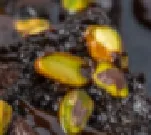
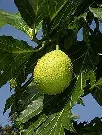
Hifuna Yabuca
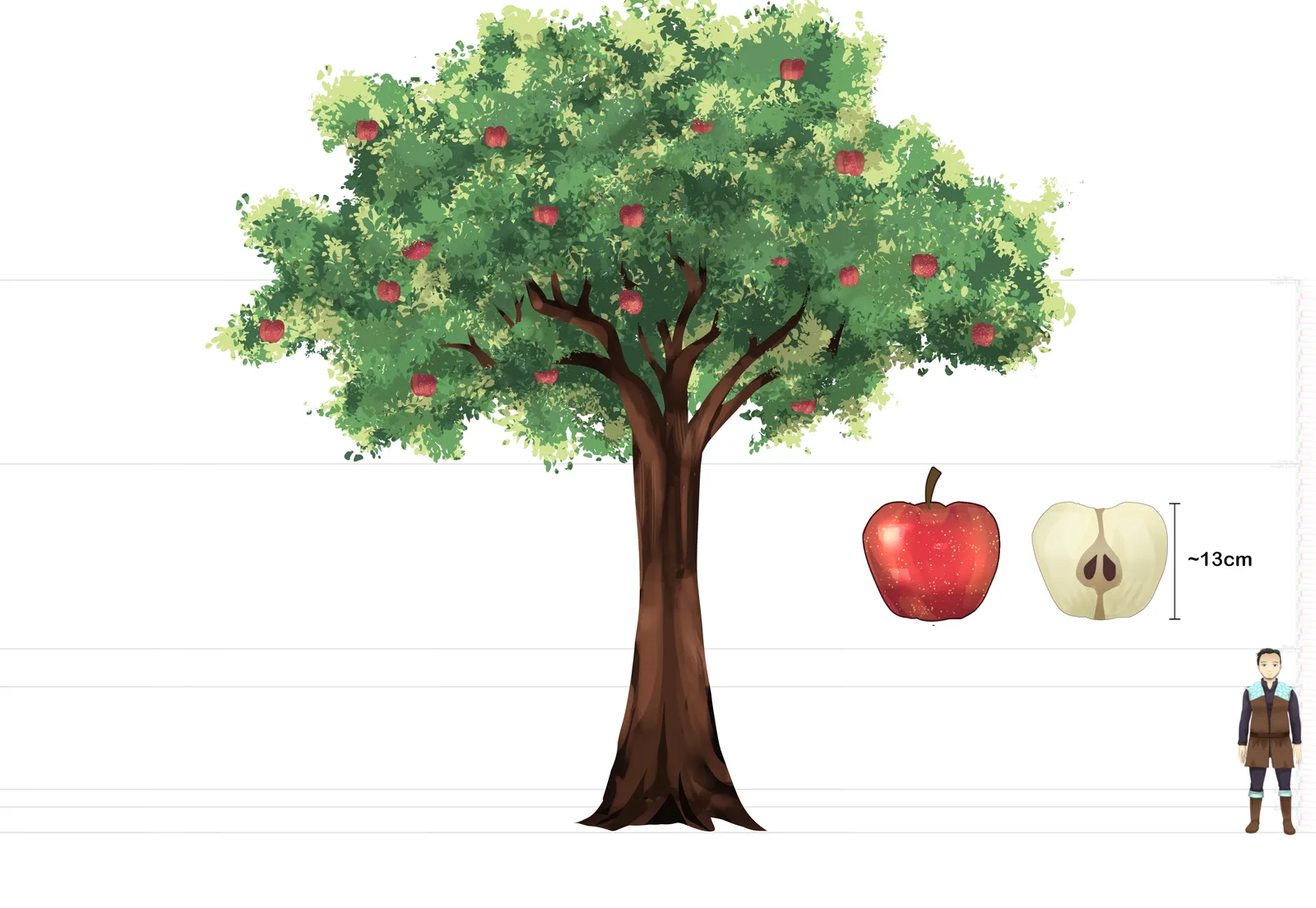
Veja Bestas -> Hifuna People
Texto público: Website Description em Legacy/Behind The Scenes/World Lore/Flora.md
Bastidores · anotações completas
-
História do Isekai
- A further mutation from Wood Yabuca. Some call it the random fruit, since eating it can cause unpredictable effects on the user from the Walking Heartstone. Can send the person on a moody trip with emotions growing untamed. Can help in a desperate situation.
- If the person hits a “good” one, they will go berserk and rampage for days on before they pass out, if they don’t just drop dead. People who have done it in the past say the berserker feeling was like being in a trance, far better than any other nari gel.
- Forway banned its use due to the fatalities and character corruption that often occur.
- As big as ~26 cm
- A further mutation from Wood Yabuca. Some call it the random fruit, since eating it can cause unpredictable effects on the user from the Walking Heartstone. Can send the person on a moody trip with emotions growing untamed. Can help in a desperate situation.
-
Scientific History
- Ghost Apple
-
Habitat
- Hifuna.
-
Economic Value
-
Hifuna Yabuca Fruit
- História do Isekai
- See Above.
- Referência visual
- See Item Visual Reference
- História do Isekai
-
Hifuna Yabuca Concentrated Fruit
- História do Isekai
- See Above. A concentrated form usually sold as a drinkable potion amongst adventurers going to Hifuna as a last option. Some use it more than they should.
- Referência visual
- See Item Visual Reference
- História do Isekai
-
-
Tastes Like
- Like water mixed with hints of dirt. Plus a plasticky feel in the mouth that reminds me of mixing glue.
-
Growth
- Throughout the year.
-
Capacidades de Energia da Alma
- Interface
- Nenhuma
- Skills
- Nenhuma
- Interface
-
Referência visual
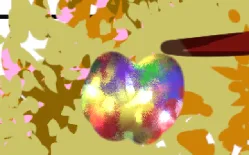
Lonllow
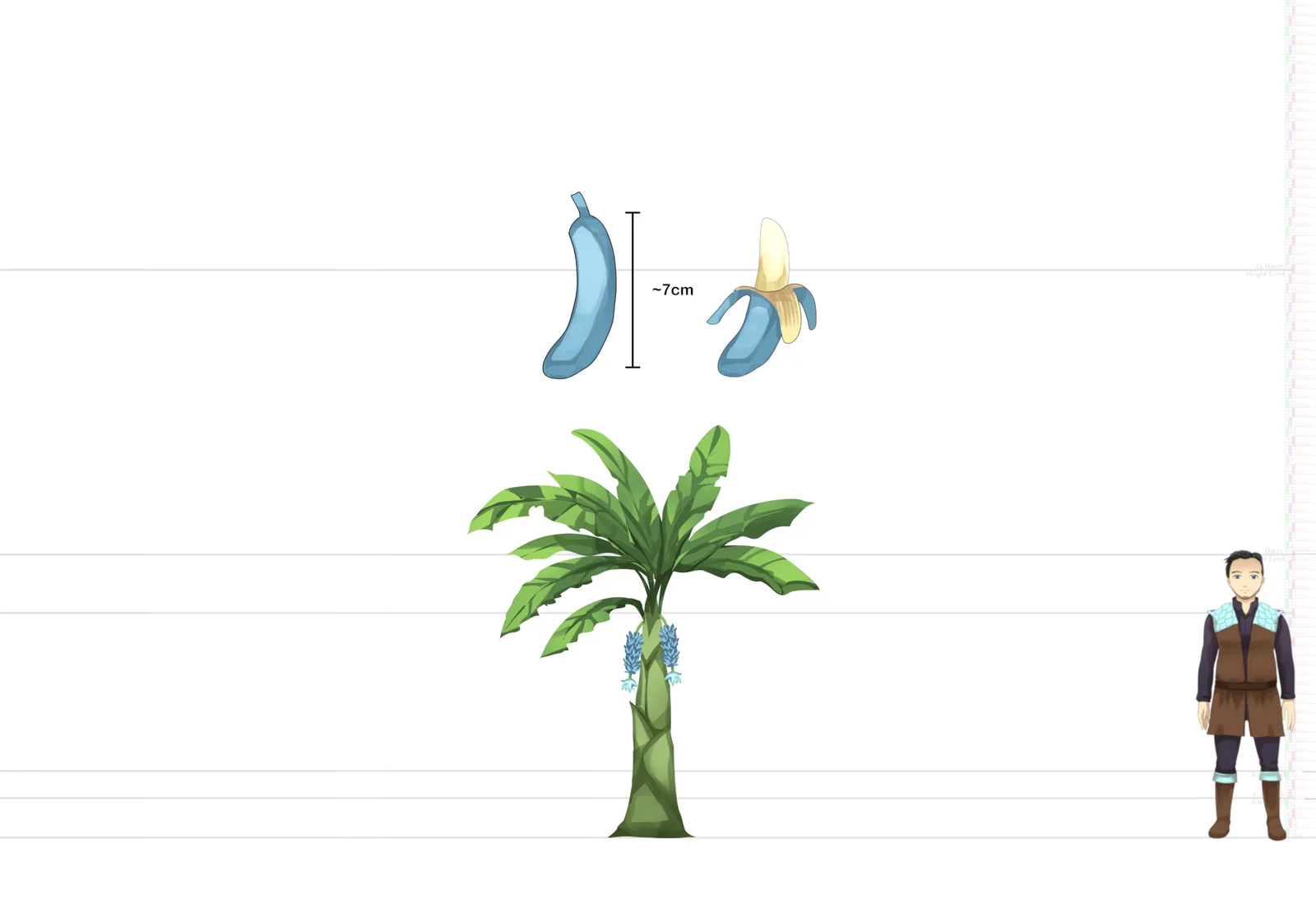
A Lonllow é como as Yabucas, propensa a mutações, mas, em vez de criar novas variantes, todas fazem a planta murchar. A antiga espécie Buhraies deu o nome Lonllow depois de criá-la mexendo na sua interface da alma e misturando-a com diferentes espécies. Os cientistas acreditam que eles estavam tentando criar uma planta com alto teor energético e agradável ao paladar deles, mas falharam feio, deixando uma planta extremamente difícil de cultivar. Hoje, só algumas famílias descobriram o que é preciso para produzi-las em escala. Mesmo assim, não conseguem atender à demanda. Só os Sorefaries já parecem quase enlouquecer e gastar todas as suas bolas só para provar o sabor de banana caramelada do pequeno fruto azulado.
Texto público: flora.md
Bastidores · anotações completas
-
Website Description
- Lonllow is like Yabucas, which are prone to mutations, but instead of creating new variants, these mutations all result in the plant withering away. The Buhraies' ancient species gave the name Lonllow after they made it by tampering with their soul interface and mixing it with different species. Scientists believe they were trying to create a plant with high energetic content and palatable to their taste, but it failed harshly, leaving it a highly finicky plant to grow and farm. Now only a few families have figured out what is needed to produce them at a scale. However, they can't meet demand. Sorefaries alone seem to nearly go berserk and spend all their balls just to get a taste of the caramelly banana flavor from the small-looking bluish-looking fruit.
-
História do Isekai
- Brought over by Buhraies while working with Summoning. Came after Yabucas, but it didn’t seem to be as successful. It is extremely finicky and picky to grow in farmland. Also, fragile even in the wild. Maybe that’s partly why Buhraies created a special environment for it by creating the endlessfog island.
- See Endlessfog for more info.
-
Scientific History
- Banana + Caramel flavor.
-
Habitat
- See above.
-
Economic Value
-
Lonllow Fruit
- História do Isekai
- See above
- Referência visual
- See Item Visual Reference
- História do Isekai
-
Dried Lonllow
- História do Isekai
- Often done for food stock, selling to other kingdoms, baking in food, or on-the-road snacks.
- Referência visual
- História do Isekai
-
Lonllow Juice
- História do Isekai
- Kinda good. Better in vitamin shakes.
- Referência visual
- História do Isekai
-
Lonllow Hard Juice
- História do Isekai
- Fermented Juice
- Referência visual
- História do Isekai
-
-
Tastes Like
- Banana
-
Growth
- Takes about 6 months for a harvest.
-
Capacidades de Energia da Alma
- Interface
- Nenhuma
- Skills
- Nenhuma
- Interface
-
Referência visual
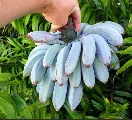 *Exterior only. Inside is the same as normal banana

Purplebread
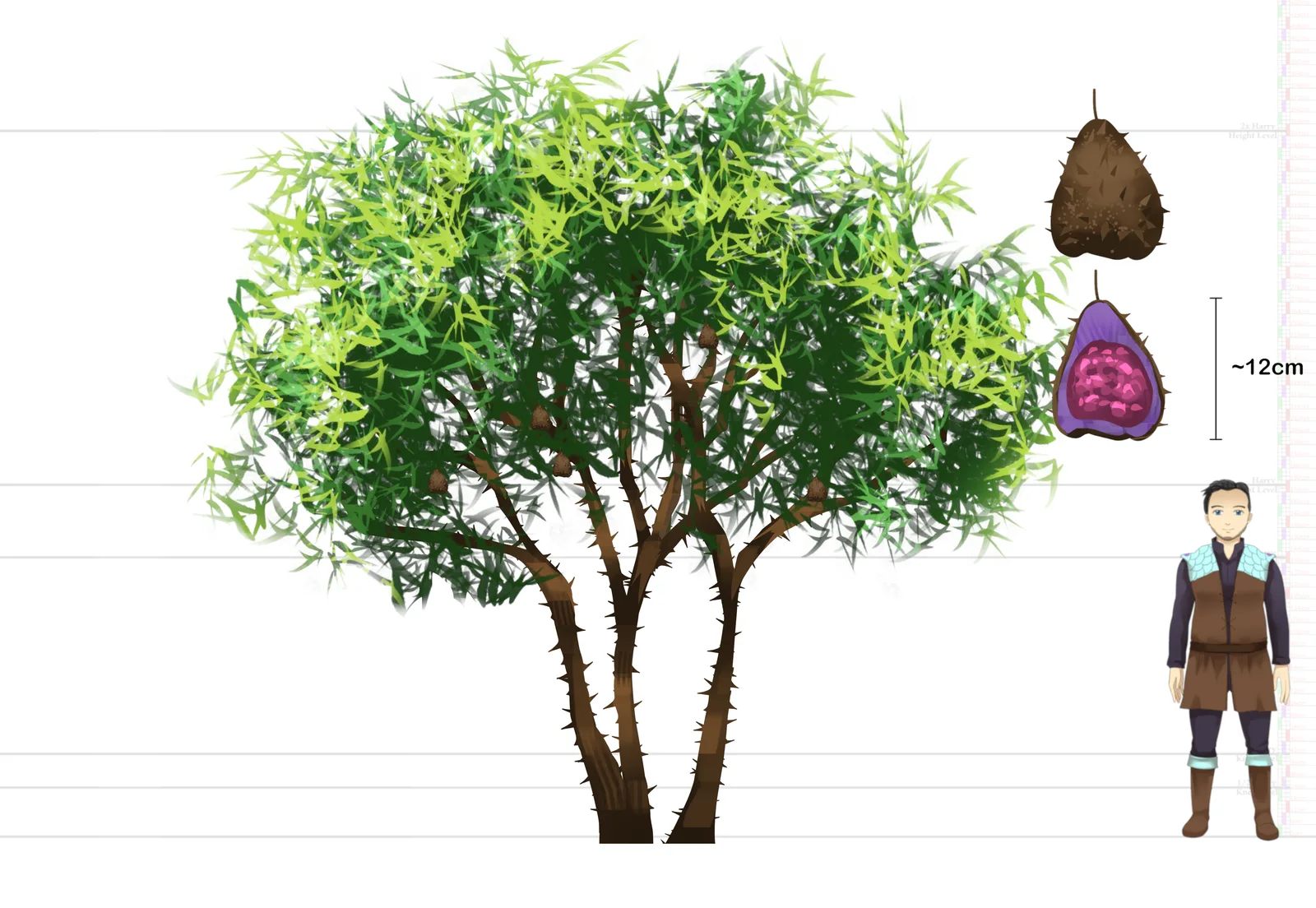
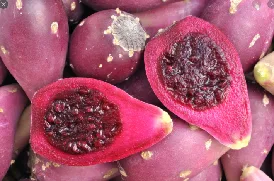
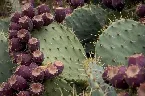
O Purplebread é um alimento básico de Sundeath e das regiões semiáridas ao redor. A árvore pequena, ou planta grande, tem o tronco coberto de espinhos e folhas pontudas cobertas por um fluido transparente e pegajoso que causa urticária só se você não consumir o fruto. O fruto que ela dá é amarronzado e coberto de espinhos peludos que não rasgam a pele. Não parece muito apetitoso, especialmente junto com o cheiro pungente, parecido com o peido de quem comeu ovos demais. Porém, moradores locais, aventureiros e comerciantes conhecem um segredo! É só esfregar o fruto na areia até a casca amarronzada ficar lisa como bumbum de bebê, e o cheiro desaparece! Ao abrir o fruto, aparece um interior rosado e gosmento, com gosto entre morango e framboesa. A polpa roxa é meio sem sabor, mas você deveria comê-la mesmo assim, já que é bem nutritiva, ou é obrigatória se você suar um balde.
Texto público: flora.md
Bastidores · anotações completas
-
Website Description
- Purplebread is a staple food of Sundeath and the surrounding semi-arid regions. The small-sized tree, or large-sized plant, has a trunk covered in spikes and pointed leaves covered in a clear sticky fluid that causes hives solely if you don't consume its fruit. The fruit it bears is brownish and covered in hairy spikes that won't tear your skin. It doesn't look that appetizing, especially when paired with the pungent smell of a fart from someone who ate too many eggs. However, locals, adventurers, and merchants alike know a secret! Just rub the fruit on the sand until the brownish skin is smooth as a baby's butt, and the smell will disappear! Opening the fruit will reveal a pinkish-goopy interior that tastes between strawberry and raspberry. The purple flesh is kinda flavorless, but you should still eat it as it is pretty nutritious or a must if you sweat a bucket.
-
História do Isekai
- A wild cactus-like tree that produces a smaller version of the greenbread, or at least in appearance.
- The brown shell smells pungent, like a fart of someone who ate too many eggs.
- If you rub it in the sand, it removes the smell and reveals the delectable interior.
-
Scientific History
- Prickly Pear taste
-
Habitat
- ~0km - ~1km
- Transitional zone of the desert
-
Economic Value
-
Purplebread Fruit
- História do Isekai
- See above
- Referência visual
- História do Isekai
-
Dried Purplebread
- História do Isekai
- Often done for food stock, selling to other kingdoms, baking into food, or as on-the-road snacks.
- Referência visual
- História do Isekai
-
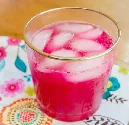
Purplebread Juice
- História do Isekai
- Refreshing
- Referência visual
- História do Isekai
-
Purplebread Hard Juice
- História do Isekai
- Fermented Juice
- Referência visual
- História do Isekai
-
-
Tastes Like
- Strawberry/Raspberry
-
Growth
- All year round
-
Capacidades de Energia da Alma
- Interface
- Spikes
- Skills
- Grow Spikes
- Sweat induction
- Interface
-
Referência visual


Rakuja
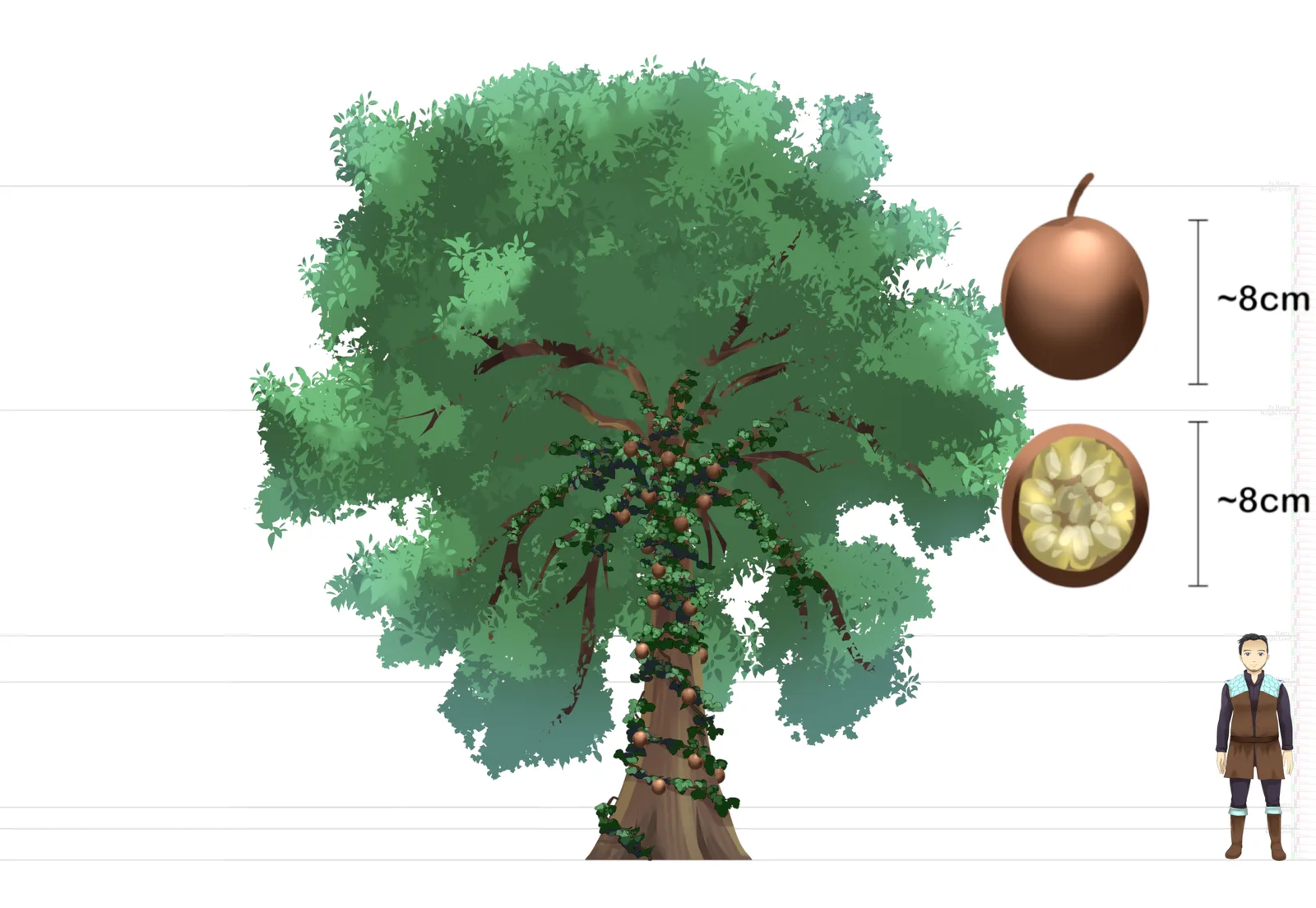
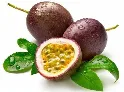
A Rakuja é uma trepadeira que muitas vezes tem uma relação simbiótica mutualística com as árvores que infesta. Encontrada só em climas mais frios, ela ajuda as árvores hospedeiras injetando um gel anticongelante que produz quando detecta temperaturas mais baixas. Essa relação funciona muito bem em regiões como Gandew, Fuhrair e Old Fuhrair. O mesmo não se pode dizer de Tolerideme, onde as Wood People tomaram a terra. A relação entre elas sempre vira amensalismo. Os cientistas não só descobriram que esse gel anticongelante é uma excelente toxina para matar Wood People, como elas também têm as suas próprias vinhas, que usam para remover e matar qualquer Rakuja que tente crescer nelas. Mesmo assim, as pessoas babam pelos frutos de sabor ácido e azedinho, com notas cítricas e um cheiro bem aromático! Secos ou não, dá para encontrá-los em todos os reinos, mas, dependendo de onde você estiver, prepare-se para desembolsar muitas bolas para encher a barriga de Rakuja. Se não tiver muito dinheiro, pode matar a vontade com um pouco de Rakuja hard juice, que também vai te deixar bêbado.
Texto público: flora.md
Bastidores · anotações completas
-
Website Description
- Rakuja is a vine that often forms a mutualistic symbiotic relationship with the trees it infests. Found only in colder climates, it helps host trees by injecting an antifreeze gel it produces when it detects lower temperatures. This relationship works well in regions such as Gandew, Fuhrair, and Old Fuhrair. The same can't be said of Tolerideme, where Wood People took over the land. The relationship between them always turns Amensalistic. Not only have scientists figured out that this antifreeze gel is an excellent toxin for killing Wood People, but they also have their own vines, which they use to remove and kill off any Rakuja that tries to grow on them. Nonetheless, people drool over the tangy, tart flavor of citrusy fruits and their heavy aromatic scent! Be it dried or not, you can find them across all kingdoms, but depending on where you are, be ready to fork over a lot of balls to fill up your belly on Rakuja. If you don't have much money, you can get your fix with some Rakuja hard juice that will get you drunk too.
-
História do Isekai
- Vine that grows only at higher altitudes due to slightly colder climates.
-
Scientific History
- Maracuja
- Fruit is ~2x bigger
-
Habitat
- ~2km - ~4km
- Found naturally on the base of Fuhrair, Old Fuhrair, & Gandew. Sometimes Tolerideme as well, but it rarely works.
-
Economic Value
-
Rakuja Fruit
- História do Isekai
- More of an expensive fruit in the Kingdom. Often enjoyed by higher classes. Not much in the wild.
- Referência visual
- See Item Visual Reference
- História do Isekai
-
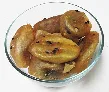
Dried Rakuja
- História do Isekai
- Often done for food stock, selling to other kingdoms, baking in food, or on-the-road snacks.
- Referência visual
- História do Isekai
-
Rakuja Juice
- História do Isekai
- Refreshing Juice
- Referência visual
- História do Isekai
-
Rakuja Hard Juice
- História do Isekai
- Fermented Juice. Fizzy, less sweet, but less tart as well.
- Referência visual
- História do Isekai
-
-
Tastes Like
- Tart flavor. Like as if a banana were crossbred with a lime alongside an orange.
- The seeds inside don’t add much flavor, but their crunchiness enhances the experience and mellows the tart a bit.
-
Growth
- It constantly produces Rakuja, but each vine takes ~3 months to yield ~400 units. They require a lot of fertilizer, especially fishmeal.
-
Capacidades de Energia da Alma
- Interface
- Nenhuma
- Skills
- Nenhuma
- Interface
-
Referência visual

Tenderthrough
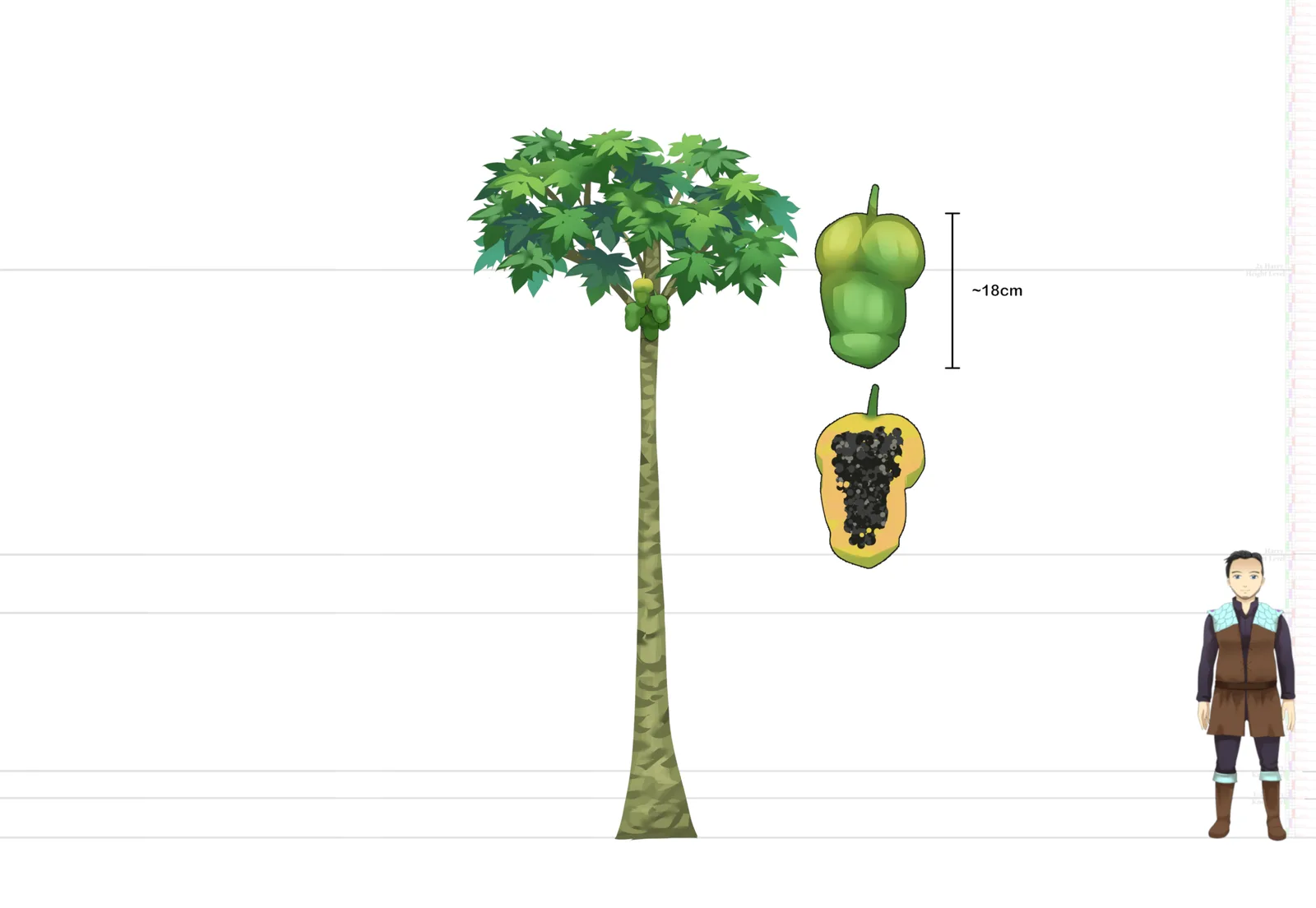
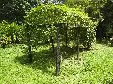
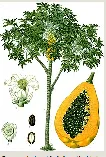
Tenderthrough é o nome que os humanos deram a esta árvore frutífera de formato peculiar depois de abrirem caminho até as ilhas a sudeste de Sanbi e expurgarem a espécie antiga que vivia lá. O sabor é muito parecido com o do mamão, e as sementes ainda são usadas para limpar e curar o intestino de forma muito mais barata do que usar o Body Restore ou outras interfaces. Há plantações no reino de Freeish, mas simplesmente não têm um gosto tão bom quanto as das ilhas, então enfie a bunda no próximo barco para as ilhas se quiser provar o sabor mais autêntico!
Texto público: flora.md
Bastidores · anotações completas
-
Website Description
- Tenderthrough is the name humans gave this peculiar-shaped fruit tree after penetrating the islands southeast of Sanbi and purging the ancient species that lived there. It tastes very close to papaya, and the seeds are still used to cleanse and heal one's guts far more cheaply than using Body Restore or other interfaces. There are plantations in the Freeish kingdom, but it just doesn't taste as good as the ones from the islands, so get your ass in the next boat to the islands if you want to experience its most authentic flavor!
-
História do Isekai
- A local fruit that is found in the dense forests and on both islands.
- The name from Ancient Species got lost. So this name stuck because it is tender and goes right through.
-
Scientific History
- Papaya
-
Habitat
- See above.
-
Economic Value
-
Tenderthrough Fruit
- História do Isekai
- See above
- Referência visual
- See Item Visual Reference
- História do Isekai
-
Dried Tenderthrough
- História do Isekai
- Often done for food stock, selling to other kingdoms, baking in food, or on-the-road snacks.
- *One should be careful if snacking on-the-go
- Often done for food stock, selling to other kingdoms, baking in food, or on-the-road snacks.
- Referência visual
- História do Isekai
-
Tenderthrough Juice
- História do Isekai
- Juicy!
- Referência visual
- História do Isekai
-
Tenderthrough Hard Juice
- História do Isekai
- Fermented Juice
- Referência visual
- História do Isekai
-
Tenderthrough Seed
- História do Isekai
- Used for getting rid of all kinds of worms and other ailments.
- Referência visual
- História do Isekai
-
-
Tastes Like
- Papaya
-
Growth
- Takes a few years to bear fruit, then it does every summer
-
Capacidades de Energia da Alma
- Interface
- Nenhuma
- Skills
- Nenhuma
- Interface
-
Referência visual

Wood Yabuca
Veja Bestas -> Wood People
Texto público: Website Description em Legacy/Behind The Scenes/World Lore/Flora.md
Bastidores · anotações completas
-
História do Isekai
- A large variant from Yabuca fruit, caused when Buhraies mutated Wood People from Yabuca trees.
- As big as ~26 cm
-
Scientific History
- Birgit Bonnier Apples
-
Habitat
- ~1km - ~2km
- Buhraies Plains.
-
Economic Value
-
Yabuca Fruit
- História do Isekai
- See Above
- Referência visual
- See Item Visual Reference
- História do Isekai
-
Wood Dried Yabuca
- História do Isekai
- Often done for food stock, selling to other kingdoms, baking in food, or on-the-road snacks.
- Referência visual
- História do Isekai
-
Wood Yabuca Juice
- História do Isekai
- Refreshing
- Referência visual
- História do Isekai
-
Wood Yabuca Hard Juice
- História do Isekai
- Fermented Juice
- Referência visual
- História do Isekai
-
-
Tastes Like
- Slightly sweet, fleshy with a taste similar to Raspberry and apples.
-
Growth
- Throughout the year.
-
Capacidades de Energia da Alma
- Interface
- Nenhuma
- Skills
- Nenhuma
- Interface
-
Referência visual


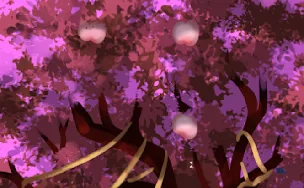
Yabuca
O fruto Yabuca, hoje em dia, se refere a uma variedade específica e cobiçada chamada Jonabuca, criada por uma família de cientistas enxertando as melhores propriedades dos milhares de tipos selvagens, já que a Yabuca parece disposta demais a sofrer mutações. Alguns acreditam que um espirro perto de uma muda basta para mudar o perfil de sabor dos futuros frutos para catarro, o que mais tarde um cientista confirmou ser verdade, depois de investir tempo demais numa empreitada tão específica.
A cobiçada variedade Jonabuca é cultivada intensivamente no reino de Freeish pelo sabor sempre doce de maçã e pela textura crocante. Alguns dos outros tipos ainda são considerados gostosos, com algumas pessoas jurando que são melhores que a Jonabuca! Essas variantes diferentes muitas vezes têm vários sabores ou texturas, são irregulares na produção, ou parecem ou são francamente nada apetitosas — com uma Yabuca famosa sendo o exemplo perfeito, depois de brotar ao lado de uma latrina e começar a produzir Yabucas que literalmente tinham gosto de merda. Seja como for, qualquer um com bolas sobrando no bolso vai desembolsar para cravar os dentes na variedade cobiçada. É como diz o anúncio estampado na frutaria: “Se não é Jonabuca, não é Yabuca!”
Texto público: flora.md
Bastidores · anotações completas
-
Website Description
- Nowadays, Yabuca fruit refers to a specific, coveted variety named Jonabuca, created by a family of scientists by grafting the best traits of thousands of wild types, as the Yabuca tree is highly prone to mutation. Some believe a sneeze around a seedling is enough to change the flavor profile of the future fruits to snot, which a scientist later confirmed was indeed the case after investing way too much time in such a specific endeavor.
- The highly coveted variety Jonabuca is farmed intensively in the Freeish kingdom for its consistently sweet, appley flavor and crispy texture. Some of the other types are still considered tasty, with some people swearing they are better than Jonabuca! These different variants often have multiple tastes or textures, are inconsistent in their yields, or look or are straight-up unappetizing—with a notorious Yabuca tree being the perfect example after it sprouted by an outhouse and began producing Yabucas that literally tasted like shit. Regardless, anyone with extra balls in their pocket will fork over to get the coveted variety rather than sink their teeth into it. It's just like the ad plastered over the fruit shop that says, "If it ain't Jonabuca, then it ain't Yabuca!"
-
História do Isekai
- A wild fruit popular among adventurers, known for its tendency to mutate in the wild and create some variants. Its flavor is unlike anything else in this world, almost as if it didn’t belong there.
- Buhraies brought it to life using genetic engineering. The main variety they brought remains the most popular and most resistant. The second is Wood Yabuca. Many species exist in the wild, but some fear it will eventually reduce the fruit variety to only Yabucas.
-
Scientific History
- Cosmic apples (the main variety)
-
Habitat
- ~0km - ~1km
- Everywhere in terms of breeds, but the Yabuca that people want is only found in the south, where it is farmed intensively.
- Yabuca variety (also referred to as the traditional variety) is farmed in the Freeish Kingdom.
-
Economic Value
-
Yabuca Fruit
- História do Isekai
- See Above
- Referência visual
- See Item Visual Reference
- História do Isekai
-
Dried Yabuca
- História do Isekai
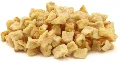
- Often done for food stock, selling to other kingdoms, baking in food, or on-the-road snacks.
- Referência visual
- História do Isekai
-
Yabuca Juice
- História do Isekai
- Refreshing
- Referência visual
- História do Isekai
-
Yabuca Hard Juice
- História do Isekai
- Fermented Juice
- Referência visual

- História do Isekai
-
-
Tastes Like
- Slightly sweet, fleshy, with carrot notes.
-
Growth
- Throughout the year.
-
Capacidades de Energia da Alma
- Interface
- Nenhuma
- Skills
- Adrenaline Inducer
- Interface
-
Referência visual


Árvores não frutíferas
Black Sapphire Tree
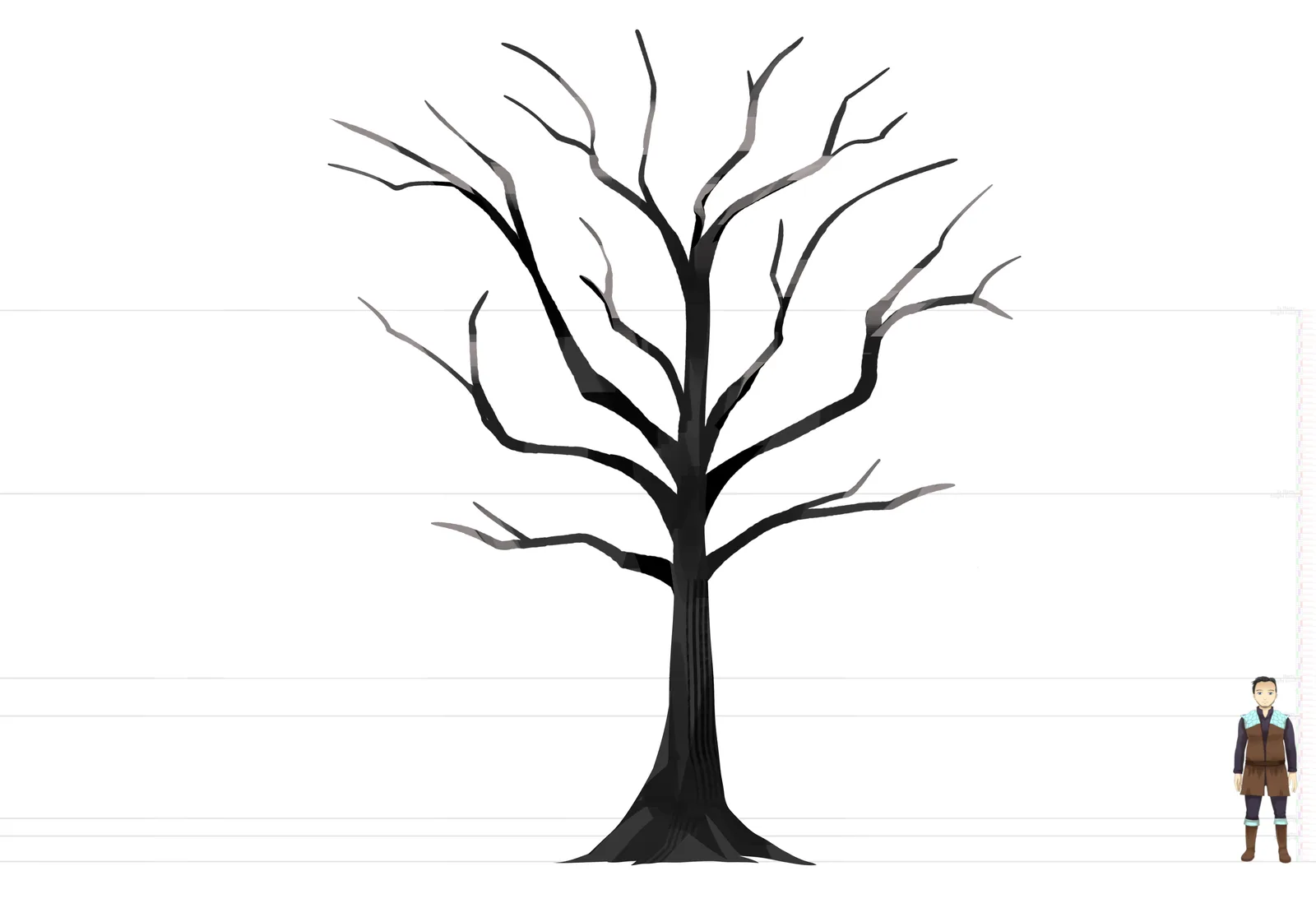
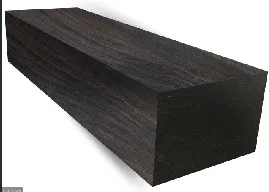
A Black Sapphire, também conhecida como black wood, hoje é uma espécie altamente ameaçada, com uma única árvore valendo uma bola sapphire ou mais no mercado aberto. Os cientistas ainda estão descobrindo exatamente como ela sobrevive sem folhas e se multiplica sem dar sementes, mas têm uma forte pista, já que os arredores de uma dessas árvores são sempre áridos, desprovidos de vida. Quanto mais tempo uma dessas árvores vive, maior fica a área sem vida ao redor. Antigas histórias de antes da queda de Ganyrami diziam que, quando uma dessas árvores crescia o bastante, dava para sentir um mal-estar tomar conta só de ficar perto dela. Usurpar e armazenar energia da alma com certeza está no cerne das propriedades desta árvore, já que a sua madeira perfeitamente preta consegue impedir o vazamento de energia da alma como nenhuma outra árvore, melhor até que a própria soul tree. Não só isso, a madeira que ela produz é dura como diamante, exigindo as ferramentas mais caras e intensas para processar uma única árvore.
Texto público: flora.md
Bastidores · anotações completas
-
Website Description
- Black Sapphire, a.k.a black wood, is now a highly endangered species, with a single tree fetching a sapphire ball or more in the open market. Scientists are still determining exactly how it survives without leaves and multiplies without bearing seeds, but they have a strong hint, as the surroundings of one of these trees are always barren, devoid of life. The longer one of these trees lives, the bigger the lifeless area around it becomes. Old tales from before the fall of Ganyrami stated that when one of those trees grew large enough, one could feel a malaise taking over just by standing around it. Usurping and storing soul energy is definitely at the core of this tree's properties, as its perfectly black wood can prevent soul energy leakage like no other tree, even better than the soul tree itself. Not only that, the timber it produces is as tough as diamonds, requiring the most expensive and intense tools to process a single tree.
-
História do Isekai
- Highly sought after, a single small or medium tree can be as costly as a whole sapphire. Because of that, it has been driven to near extinction.
- Some believe it was an attempt by the ancient species Buhraies to screw with either the Lishies, or the humans that hid in the forest, or both. Some scientists believe it was a soul energy storage device instead. Buhraies were seeding around for a future full-force invasion that never happened because it looks like a dead tree, and it soaks up soul energy from its surroundings.
- More commonly known today as black wood.
-
Scientific History
- Dalbergia melaxylon
-
Habitat
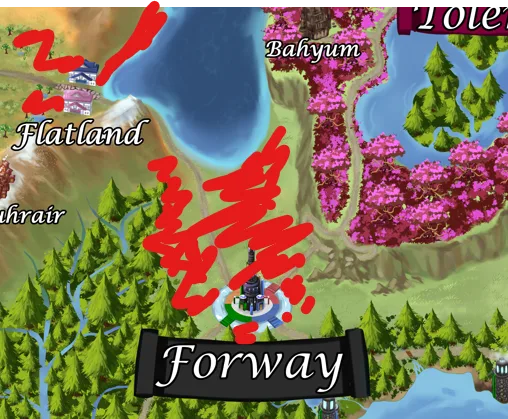
- Rarely found between Flatland and Forway. Virtually always found as lone trees, and never found amongst other trees.
-
Economic Value
-
Soul Wood
- História do Isekai
- Has a dark color to it, and is dense
- Used often with Nari stones, sigils, and containers holding soul energy to prevent Soul Energy leakage
- Referência visual
- História do Isekai
-
-
Tastes Like
- wood.
-
Growth
- Slowly growth. Nobody knows exactly how it reproduces or finds a new place to appear. Some guesses are that they are interconnected somehow, like a fungus
-
Capacidades de Energia da Alma
- Interface
- Black Wood
- Skills
- Soul energy leech.
- Interface
-
Referência visual
*
Soul Tree
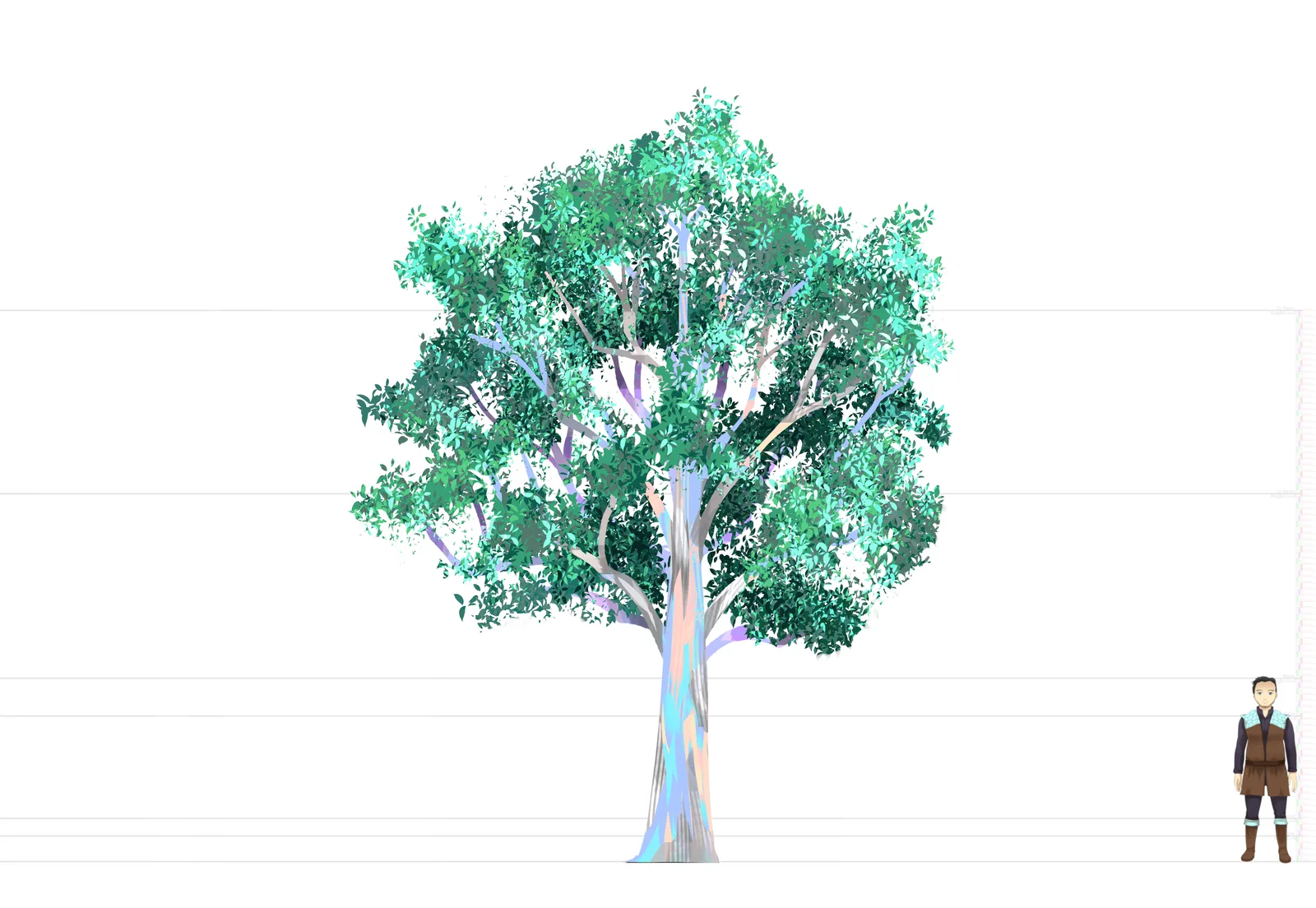
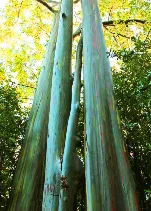
A Soul Tree é a árvore mais conhecida de todos os quatro reinos. A casca brilhante, de aparência metálica, é única, assim como a sua madeira verde colorida quando cortada. A madeira verde tem propriedades mais ou menos parecidas de prevenção de vazamento da alma às da black sapphire, mas nem chega perto da mesma dureza. Ainda assim, é muito mais disponível e não vem com o impacto de degradar a terra! Vários viveiros ao redor do reino de Freeish se dedicam a ela, já que a demanda está sempre no auge, tanto para fins decorativos quanto práticos. As soul trees também são comuns na natureza, mas você vai ter que lidar com as trunk people presas a elas, que não caem sem lutar.
Texto público: flora.md
Bastidores · anotações completas
-
Website Description
- Soul Tree is the best-known tree across all four kingdoms. Its shiny, metallic-looking bark is unique, and so is its colorful green timber when cut. The green wood has similar-ish soul leakage-prevention properties to black sapphire, but it doesn't even come close to the same toughness. Still, it's far more readily available and doesn't have the land-decaying impact! Several tree nurseries around the Freeish kingdom are dedicated to it, as demand is always at an all-time high, for both decorative and practical purposes. Soul trees are common in the wild, too, albeit you will have to deal with the trunk people attached to it as they won't go down without a fight.
-
História do Isekai
- Has a deep green interior, with the bark rather metallic/shiny.
- They are an example of flora that somehow escaped the isekai world and ended up back on IRL. Buhraies were mucking around with the idea of dispatching things into the soul realm, and that’s how this tree made its way into IRL.
- Trunk people love this tree!
-
Scientific History
- Eucalyptus deglupta
-
Habitat
- Found around Blood City and Freeish. Not really found elsewhere in the kingdoms. They are lone trees that sprout up from small colorful seeds. Tunk people love to live on them.
-
Economic Value
-
Soul Wood
- História do Isekai
- Used often with Nari stones, sigils, and containers holding Soul Energy to prevent Soul Energy leakage.
- Referência visual
- História do Isekai
-
Soul Wood Seeds
-
História do Isekai
- Used in Nari gels or consumed on their own to provide caffeine. It tastes kinda bitter at first, then it gets slightly sweeter and develops a nutmeg and vanilla-like taste as you keep sucking on it.
-
Referência visual
-
Grounded Soul Wood
- História do Isekai
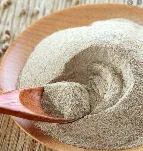
- Often used in spices to add a nutmeg/vanilla-like taste.
- If the seeds are baked, the vanilla taste disappears and makes the nutmeg far stronger; when added in large quantities, it can have antiseptic properties.
- Is basically the world's coffee.
- Often used in spices to add a nutmeg/vanilla-like taste.
- Referência visual
- História do Isekai
-
-
-
Tastes Like
- Lettuce with black pepper, salt, garlic, onion & jalapeno
-
Growth
- Leaves fall every Fall. Tree grows slightly as well.
-
Capacidades de Energia da Alma
- Interface
- Nenhuma
- Skills
- Barrier Shield
- Light Up
- Absorb water
- Interface
-
Referência visual

Tastyleaf
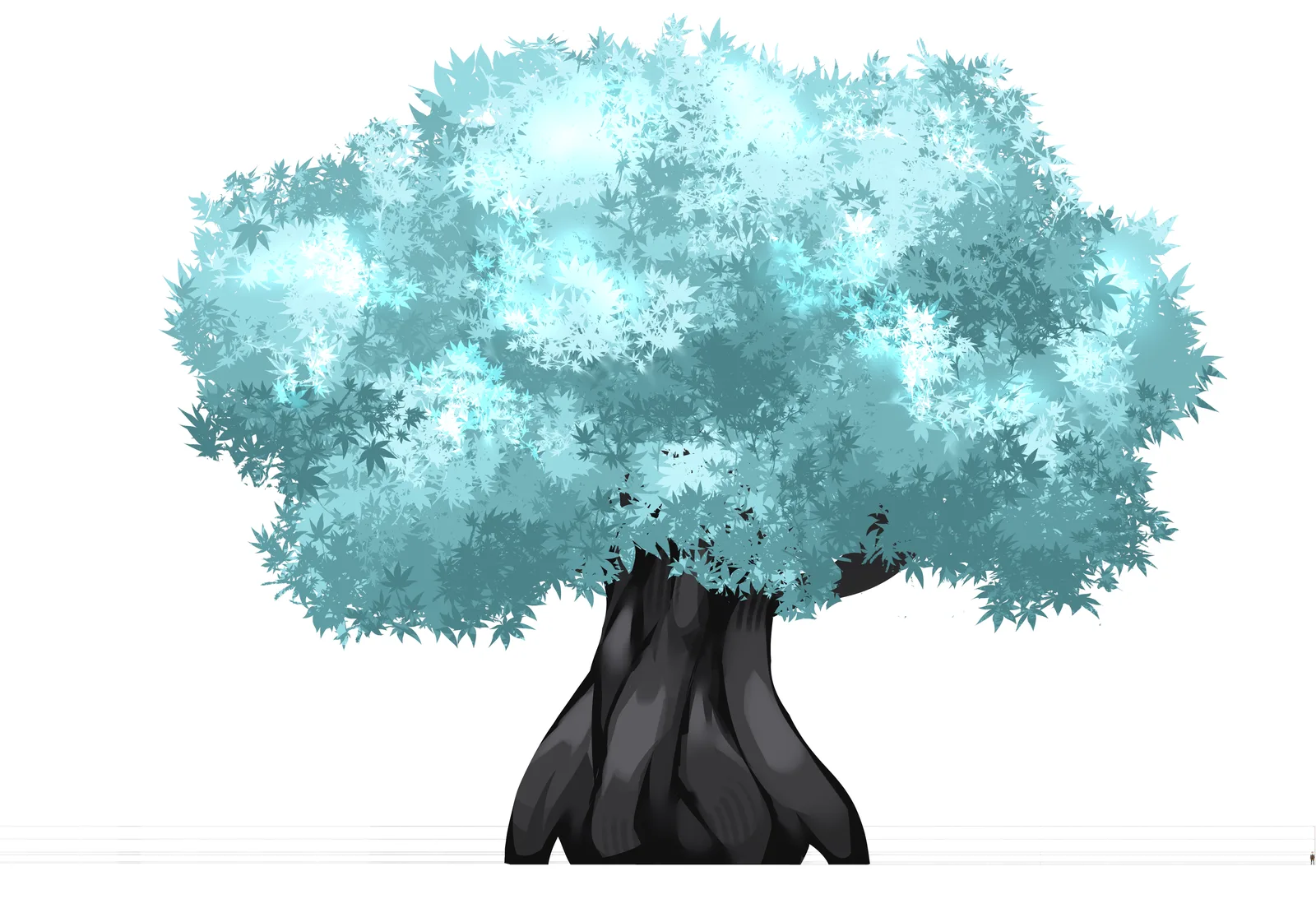
A Tastyleaf é um absoluto mega chungus de árvore, medindo cerca de 104 metros de altura, com uma circunferência que só ela passa dos 40 metros. Nenhuma outra árvore chega perto do seu tamanho ou das suas propriedades. Ela foi descoberta dentro do que devia ser um jardim nada secreto por uma das primeiras tribos de humanos que fugiram das Buhraies plains. Os relatos dessa história foram passados oralmente, então as narrativas divergiram sobre se os humanos mataram os donos Buhraies do jardim e o tomaram antes que pudessem pedir ajuda ou se ele simplesmente estava abandonado. De qualquer jeito, esta árvore deu aos humanos um santuário contra as bestas e a fauna famintas, já que tem propriedades de luz parecidas com as da fost stone, incluindo se acender quando chove e repelir bestas e fauna.
O porém é que ela não produz sementes, e tentar enxertar também não funciona, então hoje ela é uma árvore altamente protegida pelos moradores locais e por Forway. Por que Forway? Porque as folhas também são deliciosas! Carne de paleta de Bagarisa defumada e desfiada, coberta com as folhas, num pão duro de gyut, é a prova disso! As folhas têm textura de alface, com um perfil de sabor num espectro entre pimenta-do-reino, sal, alho, cebola, jalapeño e curry verde — os sabores variam conforme a colheita, a idade da folha e o lugar de onde é colhida, levando algumas pessoas a dedicar a vida inteira e a sua especialidade a esse ofício. Só que as folhas apodrecem rápido, deixando quem está fora de Tastyleaf provando só a versão seca e moída das folhas, um tempero popular vendido em todos os reinos.
Texto público: flora.md
Bastidores · anotações completas
-
Website Description
- Tastyleaf is an absolute mega chungus of a tree, measuring about 104 meters tall, with girth alone in the upper 40 meters. No other tree comes even close to its size or properties. It was discovered inside what had to be a not-so-secret garden by one of the first human tribes that fled the Buhraies plains. Accounts of that history were passed down orally, so narratives diverged on whether humans killed the Buhraies garden owners and took over before they could call for help, or if it was simply abandoned instead. Either way, this tree granted humans a sanctuary against the hungry beast and fauna, as it has similar light properties to fost stone, including lighting up when it rains and repelling them. The caveat is that it doesn't produce seeds, and trying to graft doesn't work either, so now it is a highly protected tree by locals and Forway. Why Forway? Because the leaves are also delicious! Shredded smoked Bagarisa butt meat topped with leaves in hard gyut bread is proof of that! The leaves have a lettuce texture with a flavor profile on a spectrum between black pepper, salt, garlic, onion, jalapeno, and green curry—the flavors vary depending on the harvest, leaf age, and where it is picked, leaving some people to dedicate their whole lives and expertise to this trade. Except for the leaves, which rot quickly, leaving anyone outside Tastyleaf to taste only the dried, ground-up version of the leaves, a popular spice sold across all kingdoms.
-
História do Isekai
- An incredibly girthy and tall tree measuring 104 meters tall and a diameter of about 45 meters.
- It has white leaves that fall every Fall. No seeds or spores are generated, and stem cuttings do not seem to work as they never grow.
- The tree also lights up when it rains and helps keep beasts from Hifuna away from their settlement.
- Some people say it’s an offshoot of Wood People, and it listens and reacts to its surroundings, especially feelings. However, not everyone agrees with it.
-
Scientific History
- Linden (The tilia family)
-
Habitat
- TastyLeaf. Single massive tree.
-
Economic Value
-
Fresh Leaves
- História do Isekai
- Often used in Sandwiches. Leaves don’t last as long if not dried, so this treat is only available fresh in Tastyleaf.
- Referência visual
- História do Isekai
-
Grounded TastyLeaf
- História do Isekai
- Often used in spices. The leaves are dried and grounded, which allows them to last much longer.
- Referência visual
- História do Isekai
-
-
Tastes Like
- Lettuce with black pepper, salt, garlic, onion, jalapeno & green curry.
-
Growth
- Leaves fall every Fall. The tree grows slightly as well.
-
Capacidades de Energia da Alma
- Interface
- Nenhuma
- Skills
- Barrier Shield
- Light Up
- Absorb water
- Interface
-
Referência visual

Arbustos
Basi
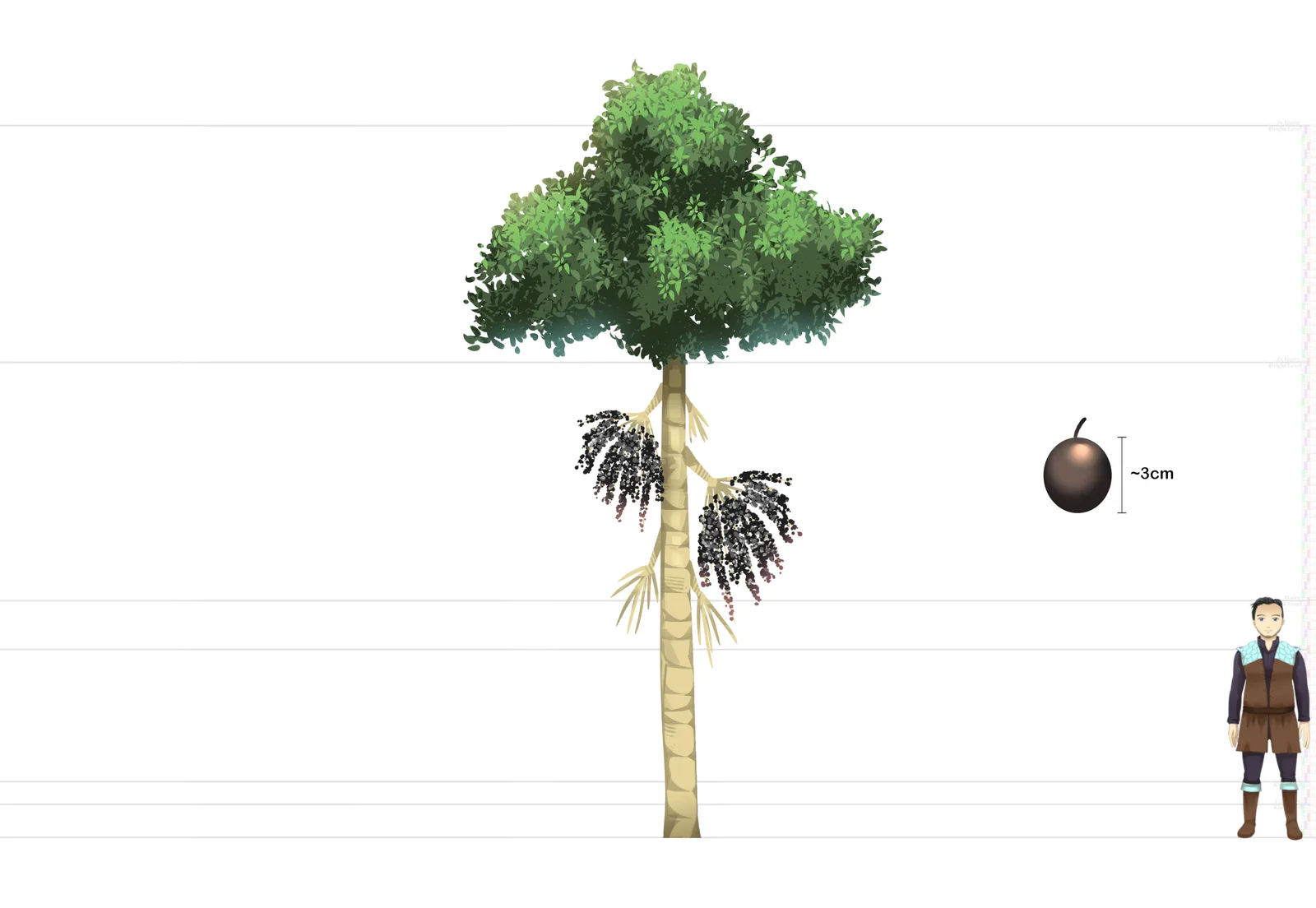
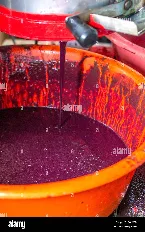
As frutinhas de Basi são colhidas e depois batidas mecanicamente para separar a polpa numa pasta grossa parecida com vaselina. A pasta escura e grossa tem um gosto terroso e levemente amargo, parecido com misturar chocolate 80% cacau e amora com um toque de mirtilo vermelho, e é um alimento básico do Reino de Freeish. O pessoal de lá come com literalmente tudo, combinando com peixe grelhado ou frito, carne-seca e até acrescentando açúcar e cubos de gelo para comer como sobremesa. Ela também é bem rica em fibras, o que explica por que o Reino de Freeish basicamente para por um tempo depois do almoço e do jantar! Os outros reinos provavelmente não aderem muito a essa culinária, já que a pasta de basi só é gostosa fresca e, assim que você a refrigera ou congela, o sabor se desfaz e fica com gosto de terra.
Texto público: flora.md
Bastidores · anotações completas
-
Website Description
- Basi berries are gathered and then mechanically beaten to separate the flesh into a thick pulp, akin to petroleum jelly. The dark, thick pulp comes with an earthy, slightly bitter taste akin to mixing 80% dark chocolate and blackberry with a tinge of red huckleberry, and it's a food staple on Freeish Kingdom. Folks over there eat it with literally everything, pairing it with grilled or fried fish, dried jerky, and even adding sugar and ice cubes and eating it as a dessert. It is also quite heavy on fiber, which explains why the Freeish Kingdom basically grinds to a halt for a bit after lunch and dinner! Other kingdoms likely don't partake much in that cuisine as the basi pulp only tastes good fresh, and as soon as you refrigerate or freeze it, the flavor breaks down to tasting like dirt.
-
História do Isekai
- Bushy plant that grows in the wild, or farmed intensively in Freeish.
-
Scientific History
- Acai (but as a bushy plant instead.)
-
Habitat
- More often found in the south, near Freeish. Farmed heavily over there. Other kingdoms don’t seem to really partake on it.
-
Economic Value
-
Basi Berries
- História do Isekai
- It takes 4 hours to strip a bush tree of all its berries, yielding between 1 and 2 kg of acai berries.
- Things can be halved/speeden up if you use a shaker.
- Each berry is about the size of a fingertip and needs to be separated from the hair-like structure.
- It takes 4 hours to strip a bush tree of all its berries, yielding between 1 and 2 kg of acai berries.
- Referência visual
- See Item Visual Reference
- História do Isekai
-
Basi Pulp
- História do Isekai
- Separating the pulp from the fruit. It’s a thick paste.
- Eaten with both salty or sweet stuff.
- Referência visual
- História do Isekai
-
-
Tastes Like
- Acai. Earth, slightly bitter, like mixing pomegranate with strong dark chocolate.
-
Growth
- One bush produces ~1kg of berries per harvest season.
-
Capacidades de Energia da Alma
- Interface
- Nenhuma
- Skills
- Nenhuma
- Interface
-
Referência visual
Gyut
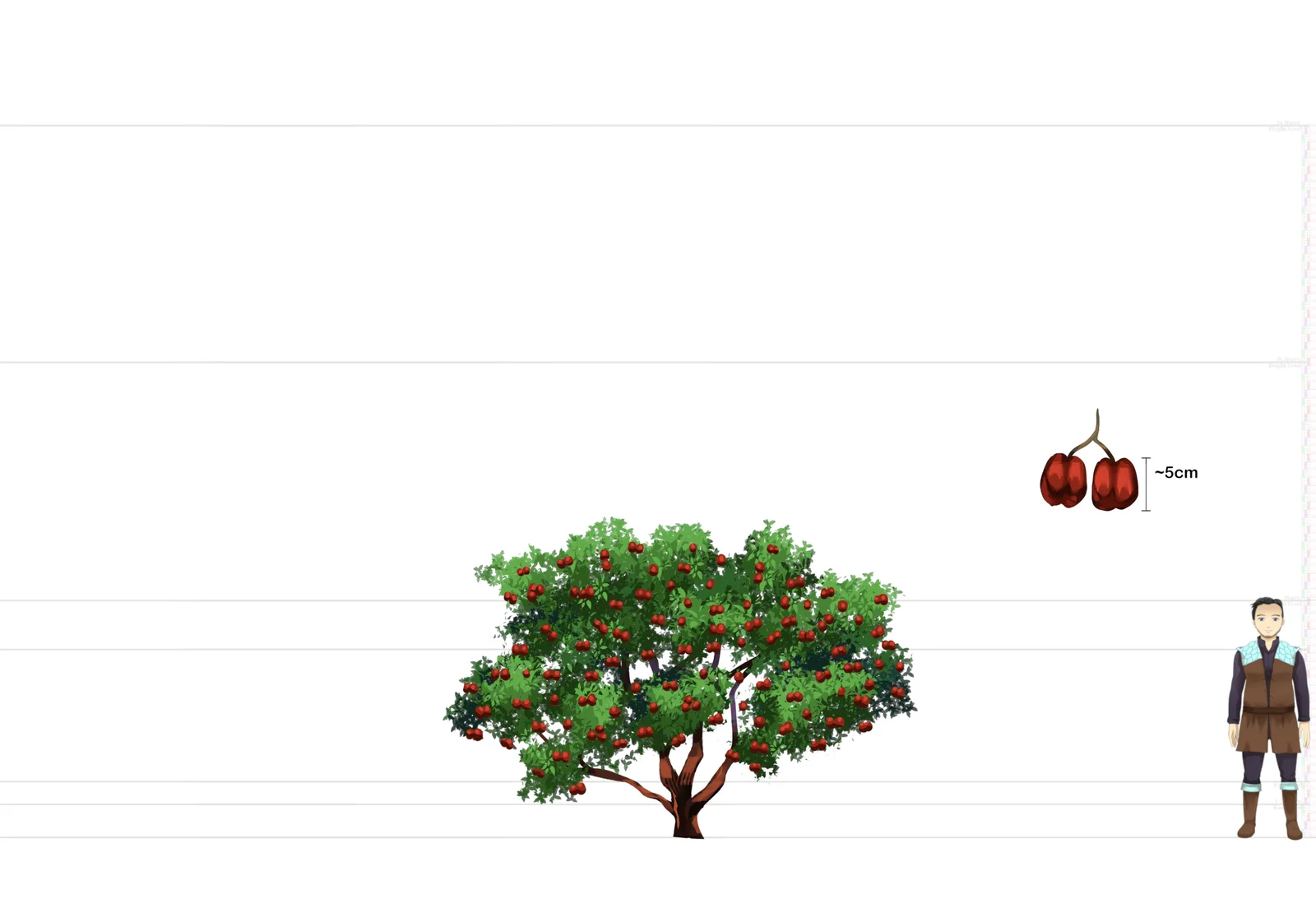
O Gyut foi considerado um bem básico pelas autoridades de Forway quando estabeleceram o valor de uma única bola pearl como igual a um Bagabone (cerca de um kg) de gyut recém-colhido. O sabor agridoce e ácido, que lembra cereja misturada com cranberry e maçã verde, é o favorito em todos os reinos e também da fauna. Alguns restaurantes alimentam o seu gado só com gyut, pela notável propriedade de deixar a carne mais doce, dando a ela uma característica caramelizada quando assada no fogo aberto.
Texto público: flora.md
Bastidores · anotações completas
-
Website Description
- Gyut was considered a staple good by Forway officials, who established the value of a single pearl ball as equal to one Bagabone (about 1 kg) of freshly picked gyut. Its sweet-tart, acidic taste resembles cherries mixed with cranberries, and Granny Smith apples are a favorite among the kingdoms and the fauna. Some restaurants feed their livestock nothing but gyut for its remarkable ability to make the meat sweeter, giving it a caramelized characteristic when roasted over open flames.
-
História do Isekai
- A bushy plant that grows on lower terrains.
- Any animal that eats it will make their meat slightly sweet.
-
Scientific History
- Acerola
-
Habitat
- Found across the kingdom in non-desert areas < 1km height.
- Farmed more intensively in the Freeish Kingdom.
-
Economic Value
-
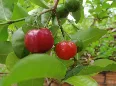
Gyut Berries
- História do Isekai
- It takes ~30 minutes to 1 hour to pick 1 kg of berries, making the bush big. It is a staple good, and is used to determine the value of Ball currency.
- Each berry is about the size of a fingertip.
- Referência visual
- See Item Visual Reference
- História do Isekai
-
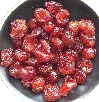
Dried Gyut
- História do Isekai
- Often done for food stock, selling to other kingdoms, baking in food or on-the-road snacks.
- Referência visual
- História do Isekai
-
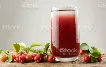
Gyut Juice
- História do Isekai
- Refreshing.
- Referência visual
- História do Isekai
-
Gyut Hard Juice
- História do Isekai
- Fermented Juice.
- Referência visual
- História do Isekai
-
-
Tastes Like
- Acerola, but sweeter.
-
Growth
- ~1 Year until established
- One bush provides ~1 kilo of berries per day for ~10 days during harvest season.
-
Capacidades de Energia da Alma
- Interface
- Nenhuma
- Skills
- Nenhuma
- Interface
-
Referência visual


Siguash
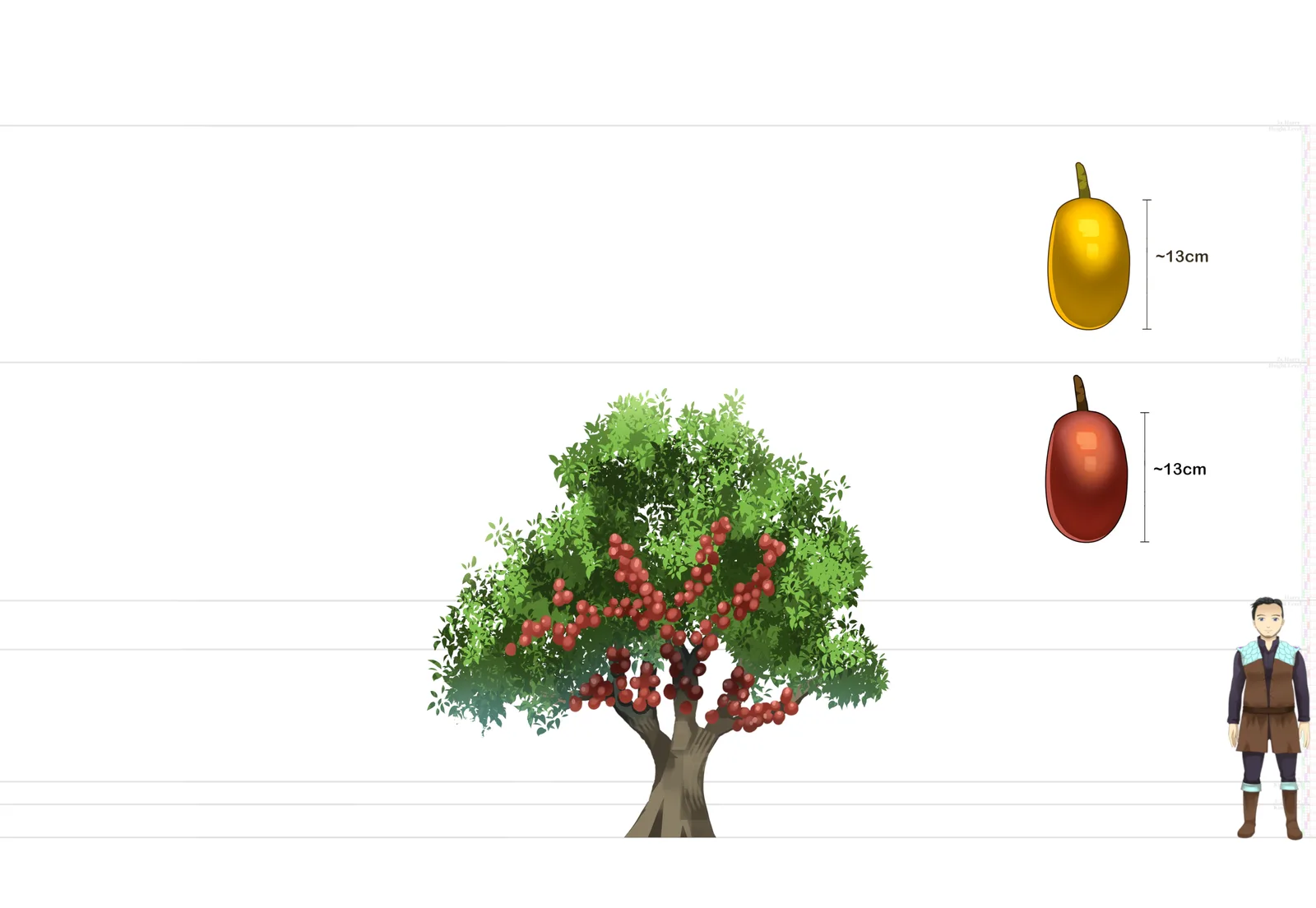
O Siguash tem gosto parecido com o da manga Nam Dok Mai, mas é bem menor, com um toque de romã. Algumas pessoas deixam o fruto amadurecer demais de propósito até ficar de um amarelo azedinho, enquanto os açúcares extras fermentam e criam uma bebida alcoólica para levar. Só fique de olho em quantos Siguash fermentados você está mandando para dentro, já que ele não tem piedade nem se você for um Darfaries troglodita.
Texto público: flora.md
Bastidores · anotações completas
-
Website Description
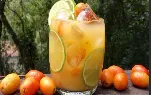
- Siguash tastes similar to Nam Dok Mai mango but is much smaller, with a hint of pomegranate. Some intentionally leave the fruit to overripe, turning it a tangy yellow as the extra sugars ferment and create an on-the-go alcoholic drink. Just watch how many fermented Siguash you're popping in, as it doesn't show mercy even if you're a troglodyte of a Darfaries.
-
História do Isekai
- Bushy plant that grows in the wild.
-
Scientific History
- Siriguela
-
Habitat
- Found across the kingdom in non-desert areas < 1km height, especially in forests
-
Economic Value
-
Siguash Berries
- História do Isekai
- It takes ~60 minutes to harvest 1 kg of berries, giving each bush less fruit than Gyut.
- It is a staple good, and is used to determine the value of Ball currency.
- Each berry is about the size of a fingertip.
- Referência visual
- See Item Visual Reference
- História do Isekai
-
Dried Siguash
- História do Isekai
- Often done for food stock, selling to other kingdoms, baking in food, or on-the-road snacks.
- Referência visual
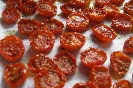 *Like Cherry tomatoes. But yellowish.
- História do Isekai
-
Siguash Juice
- História do Isekai
- Refreshing
- Referência visual
- História do Isekai
-
Siguash Hard Juice
- História do Isekai
- Fermented Juice.
- Referência visual
- História do Isekai
-
-
Tastes Like
- Mango, but smaller and sweeter with a hint of pomegranate. Very soft.
-
Growth
- One bush produces ~1/2kg of berries per day for ~10 days during the harvest season.
-
Capacidades de Energia da Alma
- Interface
- Nenhuma
- Skills
- Nenhuma
- Interface
-
Referência visual

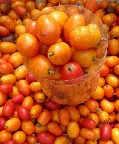
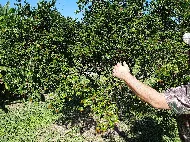
Grama
Carbey
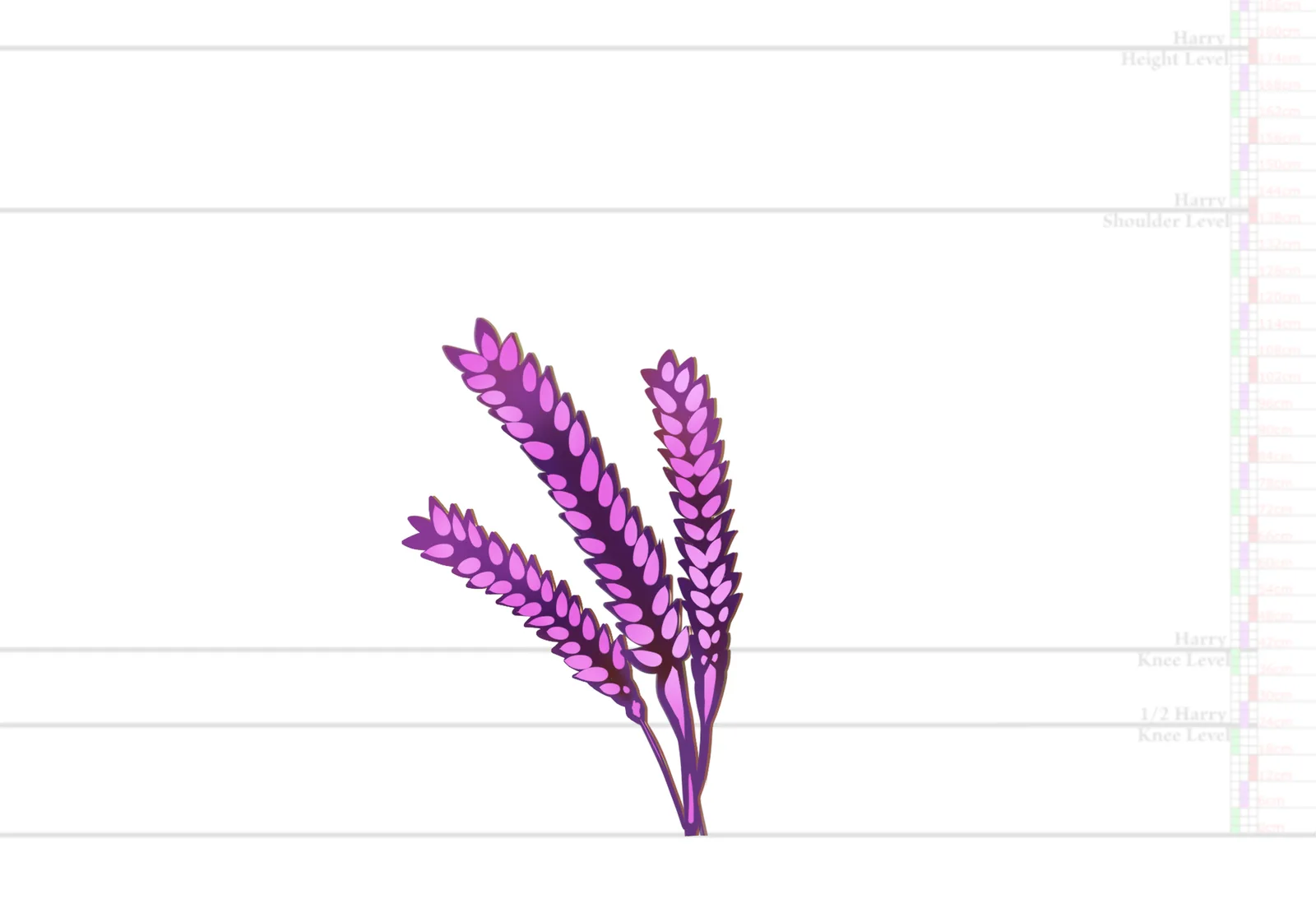
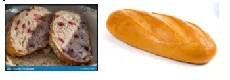
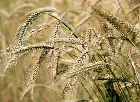
O Carbey era um capim irritante que todo mundo odiava, pelo menos até descobrirem como fica gostoso misturá-lo com água e fermento e enfiar num fogão a lenha. Ele é cultivado intensivamente em Freeish, como a maioria das outras coisas, mas alguns resistentes de Tolerideme insistem que as suas colheitas de Carbey têm um gosto muito melhor, especialmente quando usadas para destilados, apesar de ser muito mais difícil de cultivar lá. O Carbey é outro alimento básico que Forway usa para estabelecer o valor base de uma única bola pearl.
Texto público: flora.md
Bastidores · anotações completas
-
Website Description
- Carbey was annoying grass everyone hated it, at least until they discovered how tasty it is to mix it with water and yeast and then shove it in a wood stove. Farmed intensively in Freeish, like most other things, but some holdouts in Tolerideme insist their Carbey yields taste far better, specifically when used for spirits, despite it being much harder to cultivate over there. Carbey is another staple food Forway uses to establish the base value of a single pearl ball.
-
História do Isekai
- Used to make beer, bread, and everything in between.
-
Scientific History
- Wheat
-
Habitat
- Throughout the entire lower region, except the desert.
-
Economic Value
-
Carbey
- História do Isekai
- Used for feeding Eguas, or making more stuff.
- Referência visual
- See below
- História do Isekai
-
Carbey Flour
- História do Isekai
- See Carbey
- Referência visual
- História do Isekai
-
Bread
- História do Isekai
- It’s Bread. Texture close to French bread.
- Referência visual
- História do Isekai
-
Breadplate
- História do Isekai
- Bread is used as a plate. Often eaten or given to the poor.
- Referência visual
- História do Isekai
-
Gyut Bread
- História do Isekai
- Bread mixed with Gyut berries.
- A staple dessert for the poor throughout the four kingdoms, originally invented on Freeish.
- Referência visual
- História do Isekai
-
Beer
- História do Isekai
- A highly nutritious drink with low alcohol content enjoyed by everyone.
- Referência visual
- História do Isekai
-
Child Beer
- História do Isekai
- A weak, mildly sweet, and very nutritious version of beer meant for children
- https://en.wikipedia.org/wiki/Small_beer
- Referência visual
- História do Isekai
-
Man Beer
- História do Isekai
- An incredibly strong version of the beer.
- Referência visual
- História do Isekai
-
Ale
- História do Isekai
- Like beer, but with slightly higher alcohol
- Referência visual
- História do Isekai
-
-
Tastes Like
- Wheat
-
Growth
- Yields ~150 kg of Carbey per acre
- Acre = 20 meters × 200 meters
- Yields ~125 kg of Carbey Flour per acre
- Yields ~150 kg of Carbey per acre
-
Capacidades de Energia da Alma
- Interface
- Nenhuma
- Skills
- Nenhuma
- Interface
-
Referência visual






Domar Carbey
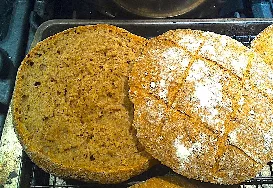
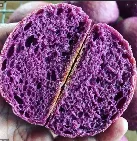
O Domar Carbey é uma versão do Carbey criada por uma das três irmãs inteligentes, cruzando-o com Wood People. Ele só cresce na região de Tolerideme, já que é, de fato, a base da economia de Tolerideme. De destilados a exportação de alimentos, roupas etc.! Tudo vem do Domar Carbey. O trigo em si tem um gosto levemente de queijo, como parmesão, com um cheiro rico de grão que dá um algo a mais a tudo o que você assa! Mas ele só combina com sobremesas se você estiver falando de algumas específicas, como o pão de Gyut ou outras sobremesas do espectro cítrico. Algo como crème brûlée, pudim ou qualquer coisa com mais gosto de gema não parece funcionar.
Texto público: flora.md
Bastidores · anotações completas
-
Website Description
- Domar Carbey is a version of Carbey created by one of the three smart sisters by crossbreeding with Wood People. It only grows in the Tolerideme region, as it is de facto the base of the Tolerideme economy. From spirits, food export, clothing, etc! Everything comes from Domar Carbey. The wheat itself tastes slightly cheesy, like parmesan, with a rich grain smell that gives an extra oompf to whatever you bake! It only goes well with desserts if you're talking about specific ones like Gyut bread or other desserts on the citrusy spectrum. Something like crème brûlée, pudding, or anything with a more yolk-like taste doesn't seem to work.
-
História do Isekai
- A version of the Carbey created by one of the three smart sisters by crossbreeding with Wood People.
- Used to make beer, bread, and everything in between.
- More nutritional than Carbey, and tastes better as well.
-
Scientific History
- Wheat
-
Habitat
- Buhraies Plains
- Reino de Tolerideme
-
Economic Value
-
Domar Carbey
- História do Isekai
- Tolerideme has the upper hand in planting it for trading.
- Referência visual
- See below
- História do Isekai
-
Domar Carbey Flour
- História do Isekai
- See Domar Carbey
- Referência visual
- História do Isekai
-
Domar Bread
- História do Isekai
- It’s Bread. Texture close to French bread.
- Referência visual
- História do Isekai
-
Domar Gyut Bread
- História do Isekai
- Bread mixed with Gyut berries.
- Referência visual
- História do Isekai
-
Domar Beer
- História do Isekai
- A highly nutritious drink with low alcohol content enjoyed by everyone.
- Referência visual
- História do Isekai
-
Domar Child Beer
- História do Isekai
- A weak, mildly sweet, and very nutritious version of beer meant for children
- https://en.wikipedia.org/wiki/Small_beer
- Referência visual
- História do Isekai
-
Domar Man Beer
- História do Isekai
- An incredibly strong version of the beer.
- Referência visual
- História do Isekai
-
Domar Ale
- História do Isekai
- Like beer, but with slightly higher alcohol
- Referência visual
- História do Isekai
-
-
Tastes Like
- Carbey
- Hints of Parmesan cheese
-
Growth
- Yields ~300 kg of Carbey per acre
- Acre = 20 meters × 200 meters
- Yields ~250 kg of Carbey Flour per acre
- Yields ~300 kg of Carbey per acre
-
Capacidades de Energia da Alma
- Interface
- Nenhuma
- Skills
- Nenhuma
- Interface
-
Referência visual




Lehuj
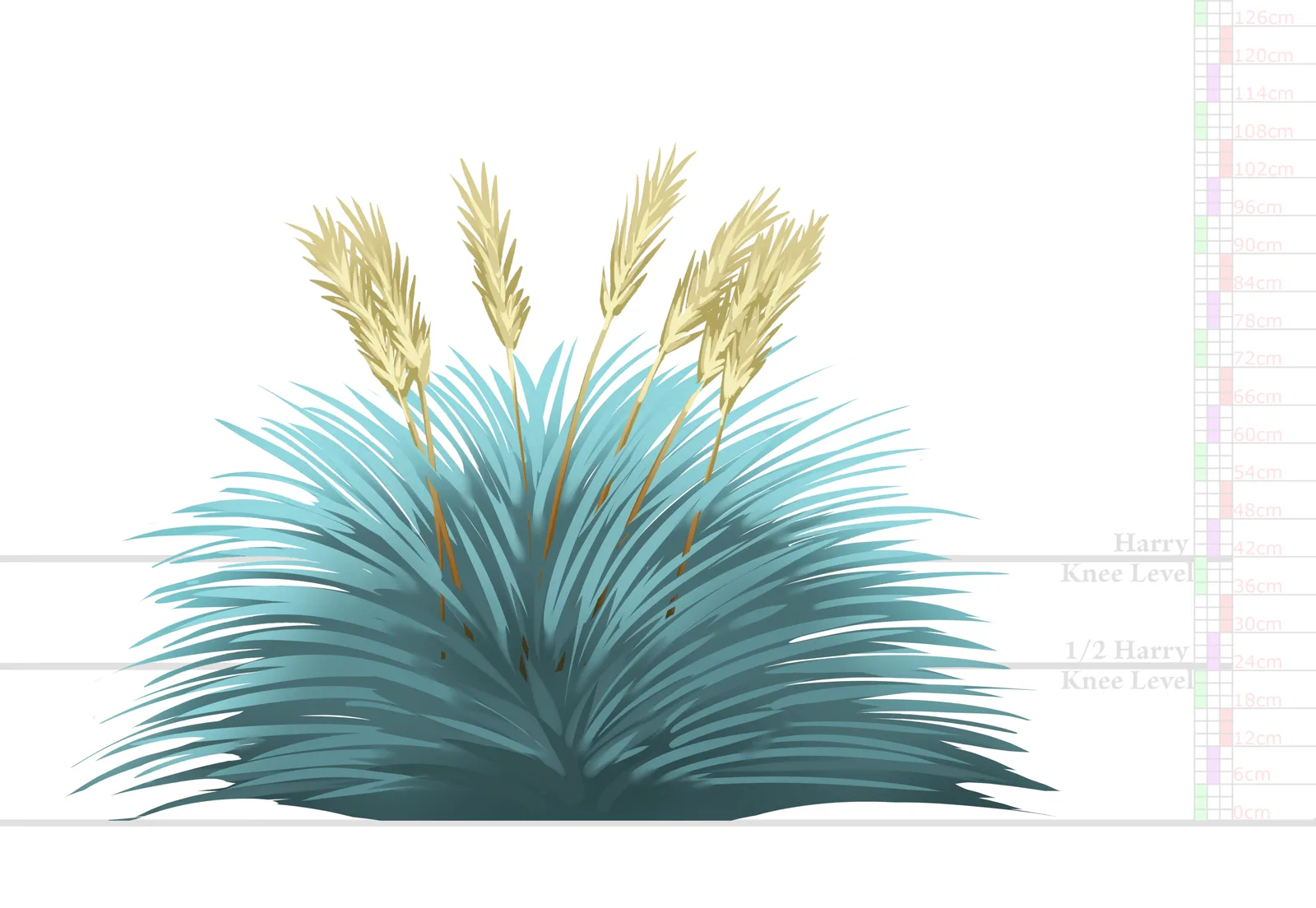
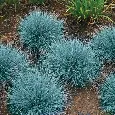
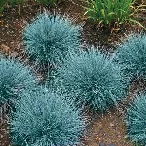
O Lehuj é o remédio e o nari gel preferidos para lidar com ressaca, toxinas ou venenos, pelas suas propriedades incomparáveis de fortalecer o fígado. Dado o quão fácil e abundante ele é, alguns também o usam por outros benefícios digestivos ou como catalisador de diferentes reações de nari gel. Ele também poderia ser usado como uma punição terrível se você o colocar na comida ou na bebida de alguém, sobrecarregando o fígado da pessoa e forçando-o a parar pouco depois; afinal, a diferença entre remédio e veneno é só a dose.
Texto público: flora.md
Bastidores · anotações completas
-
Website Description
- Lehuj is the go-to remedy and nari gel for dealing with hangovers, toxins, or poisons, thanks to its unmatched liver-enhancing properties. Given how easy and abundant it is, some also use it for other digestive benefits or as a catalyst for different nari gel reactions. It could also be used as a terrible punishment if you inject it into someone's food or drink by overloading their liver and forcing it shut down soon after; the difference between remedy and poison is just the dosage, after all.
-
História do Isekai
- Used for Smooth Gut Nari, and for its digestive properties, specifically liver. Also great as a hangover remedy.
-
Scientific History
- Blue Festuca
-
Habitat
- Throughout the entire lower region, except the desert.
-
Economic Value
-
Lehuj Grass
- História do Isekai
- See above
- Referência visual
- História do Isekai
-
-
Tastes Like
- Slightly sweet and acidic.
-
Growth
- Wild
-
Capacidades de Energia da Alma
- Interface
- Nenhuma
- Skills
- Nenhuma
- Interface
-
Referência visual
Cogumelos
Lakata
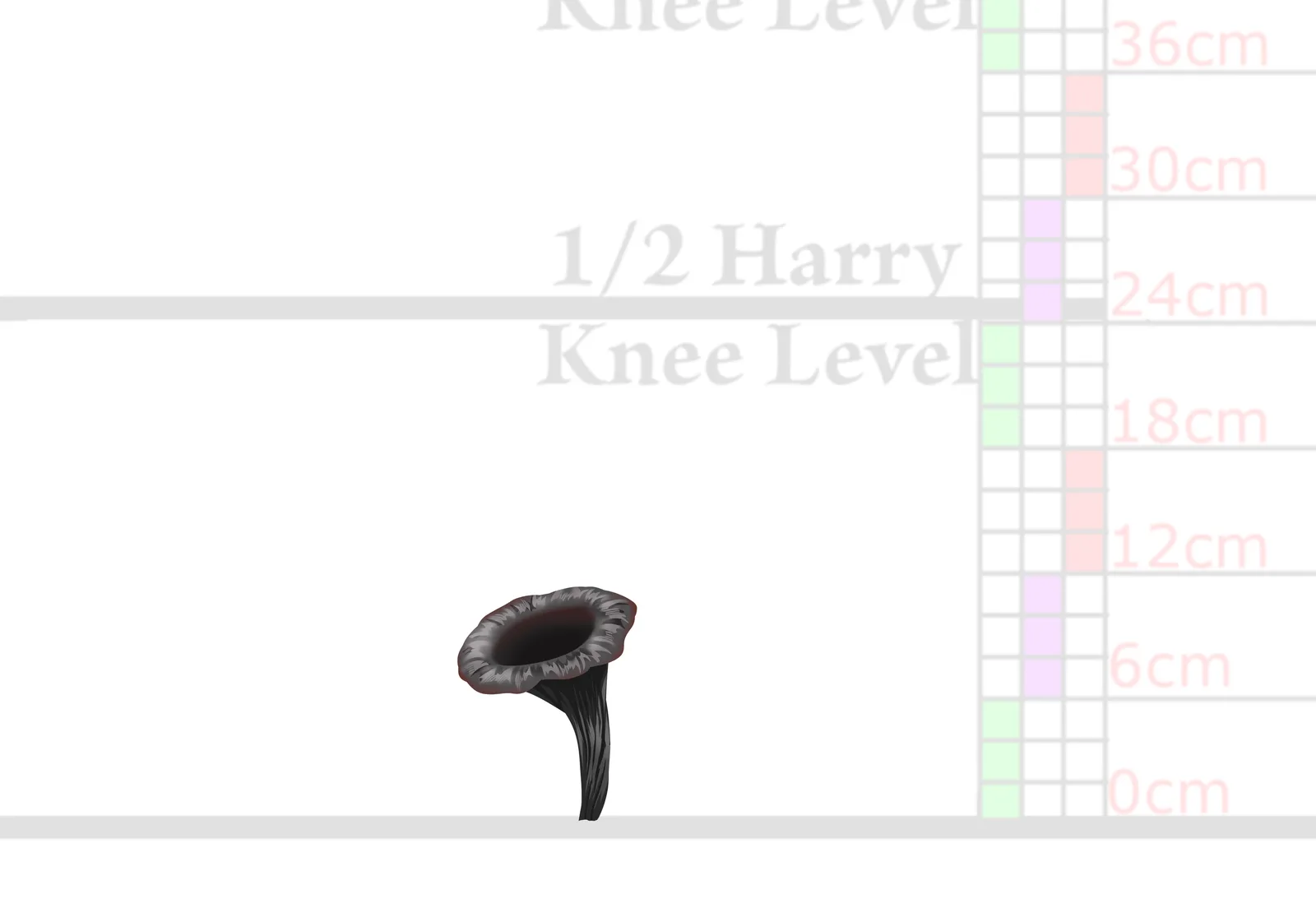
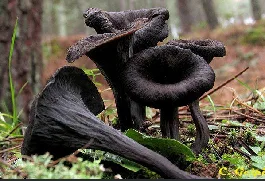
O Lakata tem gosto de uva assada, mas não deixe esse sabor agradável te enganar! Ele é bom em sobrecarregar o sistema nervoso parassimpático e, se você não tomar cuidado, o seu coração para. Muitos aventureiros e coletores passaram horas sem fim procurando por eles ao redor de árvores apodrecidas, já que são considerados o feijão com arroz de muitos nari gels.
Texto público: flora.md
Bastidores · anotações completas
-
Website Description
- Lakata tastes like roasted grapes, but don't let that pleasant taste fool you! It is good at slowing the sympathetic nervous system, and if you're not careful, your heart will stop. Many adventurers and gatherers alike spent endless hours searching for them around rotting trees as they are considered the bread and butter of many nari gels.
-
História do Isekai
- A fungus is often used for slowing down the heartbeat. Found in rotting trees
-
Scientific History
- Chaga (Inonotus obliquus)
-
Habitat
- 0km
- Muddy, Deep forest of the south.
-
Economic Value
-
Lakata Caps
- História do Isekai
- See above
- Referência visual
- See below
- História do Isekai
-
-
Tastes Like
- Roasted Grapes.
-
Growth
- Several month
-
Capacidades de Energia da Alma
- Interface
- Fungus
- Skills
- Pacifier
- Interface
-
Referência visual
Panita
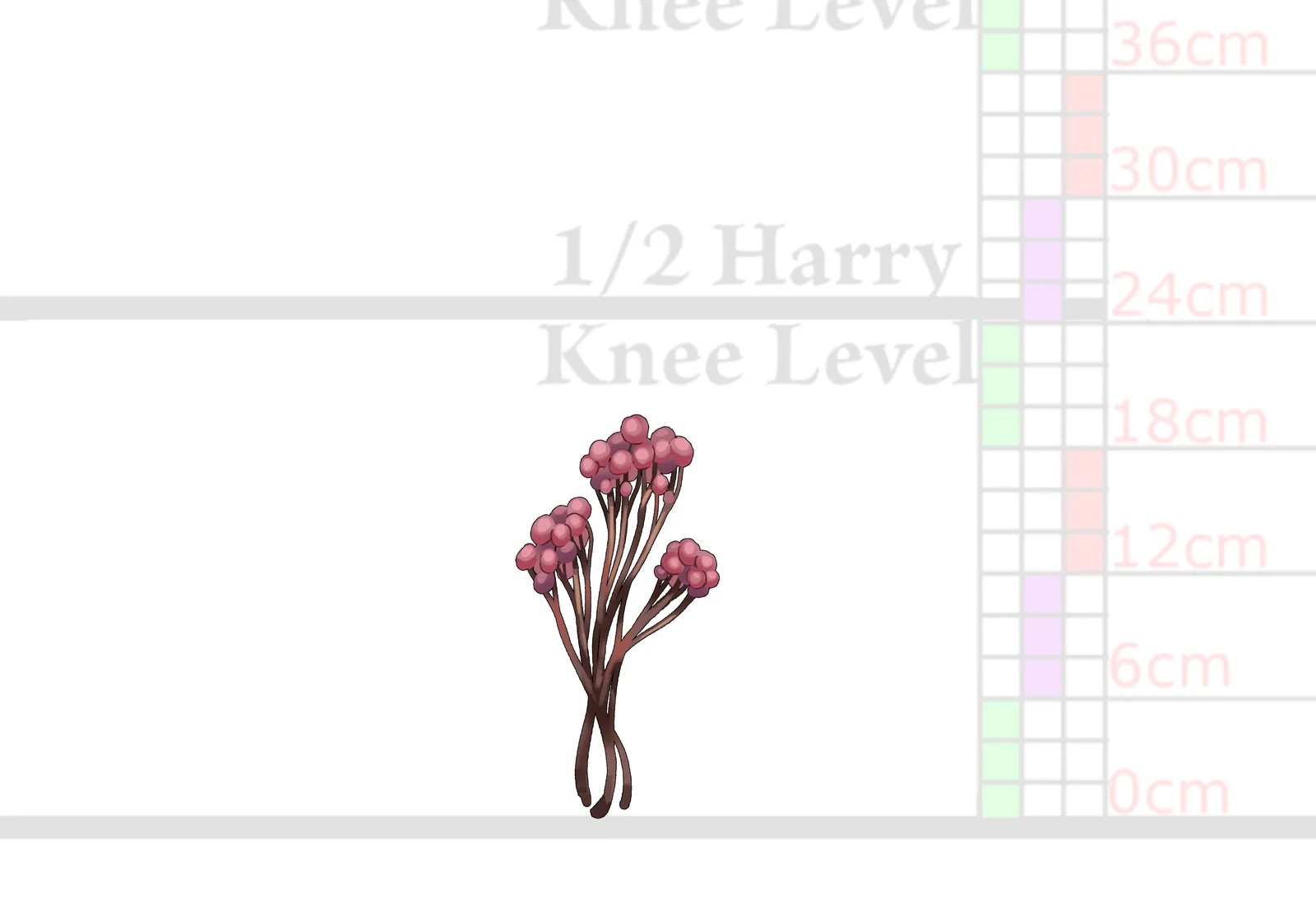
O Panita é outro cogumelo que disfarça um segredo terrível por trás do cheiro e do sabor agradáveis de laranja sanguínea. Ele faz você sangrar por todos os lados e, se você continuar ingerindo, isso vira pele, carne e ossos derretendo, e você vai sentir a maior parte antes de morrer. Muito agradável mesmo! Forway já pensou em proibi-lo no passado, mas isso significaria que eles também não poderiam usá-lo para punir gente de merda, então ele continua legal até hoje.
Texto público: flora.md
Bastidores · anotações completas
-
Website Description
- Panita is another mushroom that conceals a terrible secret behind its pleasant smell and blood-orange taste. It makes you bleed from everywhere, and if you keep ingesting it, it turns into melting skin, flesh, and bones, and you will feel most of it before you die. Quite pleasant indeed! Forway has considered banning this in the past, but that would mean they couldn't use it to punish shitty people, so it's still legal to this day.
-
História do Isekai
- A mushroom often used for Bleed out Nari gel
-
Scientific History
- Reishi (Ganoderma lucidum)
-
Habitat
- 0km
- Muddy, Deep forest of the south.
-
Economic Value
-
Panita Caps
- História do Isekai
- See above
- Referência visual
- See below
- História do Isekai
-
-
Tastes Like
- Blood Oranges.
-
Growth
- One month
-
Capacidades de Energia da Alma
- Interface
- Mushroom
- Skills
- Melt *When damaged
- Bleed *When damaged
- Interface
-
Referência visual
Tyr
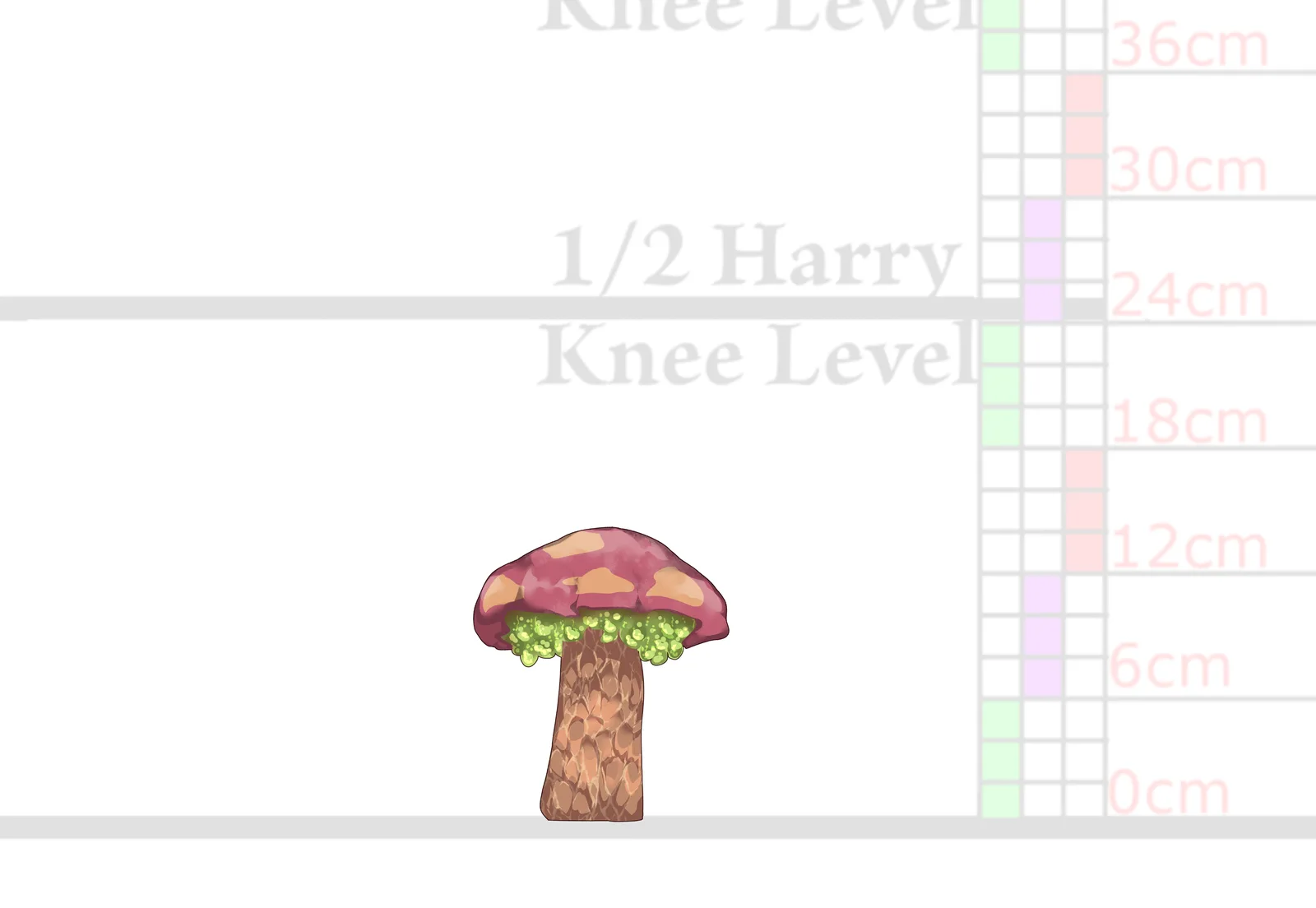
O Tyr afeta o sistema nervoso como o Lakata, mas concentra os efeitos em bagunçar o sistema nervoso simpático e a percepção da realidade. O pior efeito que as pessoas relatam é ouvir ou ver coisas perturbadoras enquanto se sentem trancadas dentro do próprio corpo, porque estão tentando lutar ou fugir daquilo, mas a reação de luta ou fuga não funciona. Não é muito diferente da paralisia do sono. O Tyr também tem outras propriedades, como provocar sono narcoléptico, mas isolá-las tem sido difícil. Um artigo de pesquisa relatou que também era possível ouvir os pensamentos dos outros, mas os cientistas que tentaram não conseguiram replicar e atribuíram isso a uma bad trip.
Texto público: flora.md
Bastidores · anotações completas
-
Website Description
- Tyr affects the nervous system like Lakata, but it focuses on messing with the sympathetic nervous system and perception of reality instead. The worst effect people report is hearing or seeing disturbing things while feeling locked inside your body because you're trying to fight or run away from it, but your fight-or-flight doesn't work. It's not too far off from sleep paralysis. There are other properties from Tyr as well, like triggering narcoleptic sleep, but isolating it has been challenging. A research paper reported that some participants could hear others' thoughts as well, but the scientists who tried it could not replicate it and chalked it up to a bad trip instead.
-
História do Isekai
- A fungus similar to lakata, but it is far too poisonous (creates audio/visual hallucinations)
-
Scientific History
- Exsudoporus frostii
-
Habitat
- 0km
- Muddy, Deep forest of the south.
-
Economic Value
-
Tyr Caps
- História do Isekai
- See above
- Referência visual
- See below
- História do Isekai
-
-
Tastes Like
- Mushroomy apples.
-
Growth
- Several month
-
Capacidades de Energia da Alma
- Interface
- Fungus
- Skills
- Hallucinate
- Interface
-
Referência visual
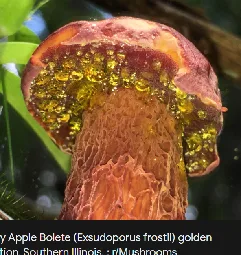
Raízes
Cadioca
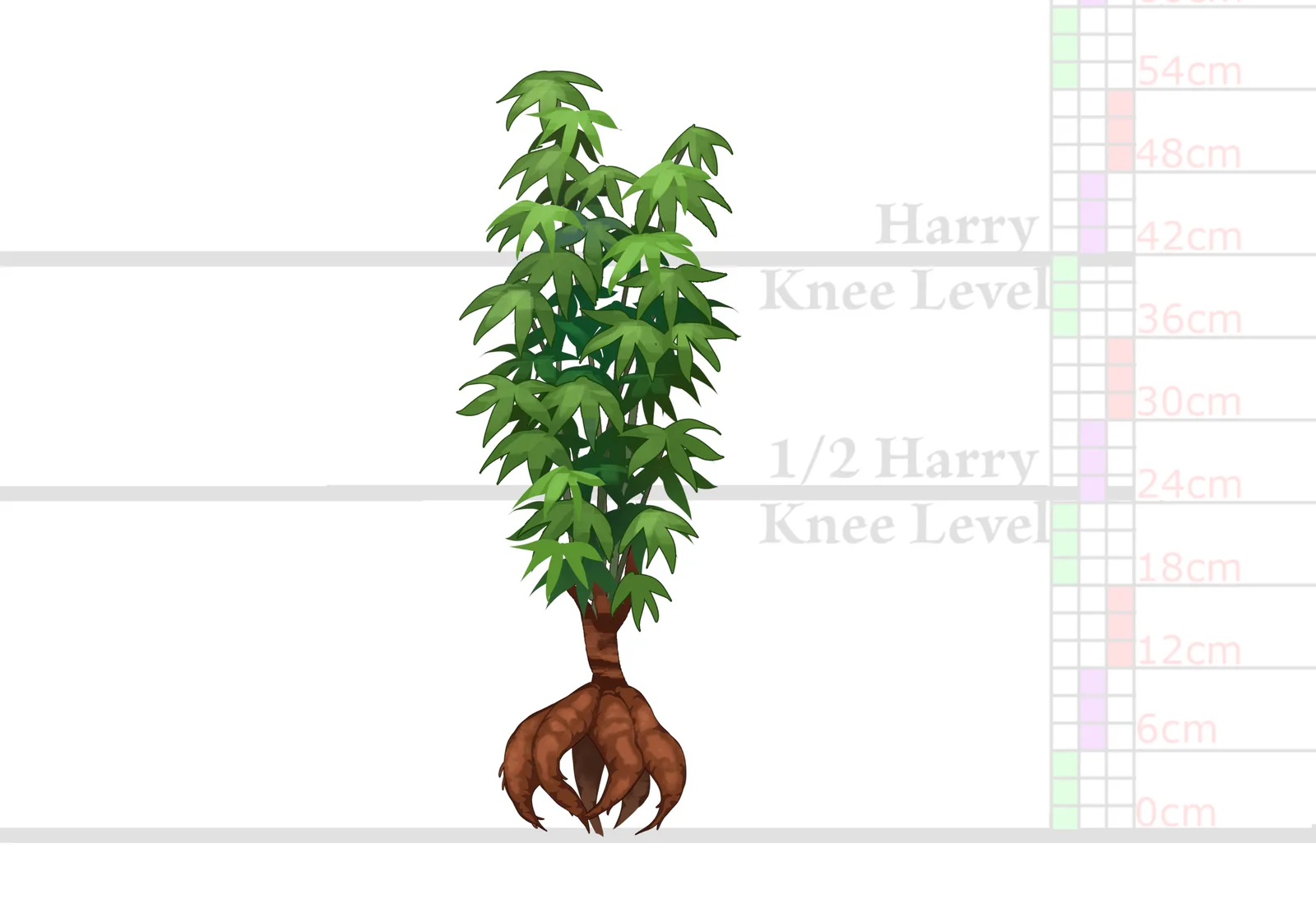
A Cadioca é venenosa se comida crua! É preciso deixá-la de molho num rio por dois dias e depois secá-la ao sol por três dias antes de poder usá-la na cozinha. Como as pessoas descobriram isso? Pura fome, lá dos tempos de Ganyrami. O sabor é bem parecido com o da mandioca, e a maioria das pessoas a consome moída e torrada em grãos grossos ou frita como batata frita, só que mais grossa e com casca para ficar ainda mais crocante. A segunda forma é a favorita nos quatro reinos, mas eles precisam pagar caro pelo transporte de Freeish, onde ela é cultivada intensivamente.
Texto público: flora.md
Bastidores · anotações completas
-
Website Description
- Cadioca is poisonous if eaten raw! One must soak it in a river for two days and then let it dry in the sun for three days before it can be used for cooking. How people discover it? Pure hunger from back on Ganyrami days. The taste is pretty close to cassava, with most people consuming it either ground and roasted into coarse grains or fried like fresh fries, but chunkier and with the skin on for that extra-crispy taste. The latter is a favorite across the four kingdoms, but they must pay a premium for transport from Freeish, where it is farmed intensively.
-
História do Isekai
- Poisonous if eaten raw. Needs to be soaked in the river for 2 Days, then dried in the sun.
-
Scientific History
- Cassava
-
Habitat
- A root found in the lower lands.
- Heavily farmed in Freeish.
-
Economic Value
-
Cadioca Roots
- História do Isekai
- One of the basis of food in the kingdoms.
- Referência visual
- See below
- História do Isekai
-
Cadioca Flour
- História do Isekai
- Just like Domar Carbey flour
- Referência visual
- História do Isekai
-
Cadioca Coarse Flour
- História do Isekai
- Used to eat with all kinds of things, like Farinha.
- Referência visual
- História do Isekai
-
Fried Cadioca
- História do Isekai
- A popular food throughout the kingdom, also invented in the Freeish Kingdom.
- Referência visual
- História do Isekai
-
-
Tastes Like
- Cassava
-
Growth
- ~2 Seasons
-
Capacidades de Energia da Alma
- Interface
- Nenhuma
- Skills
- Nenhuma
- Interface
-
Referência visual

Lolish
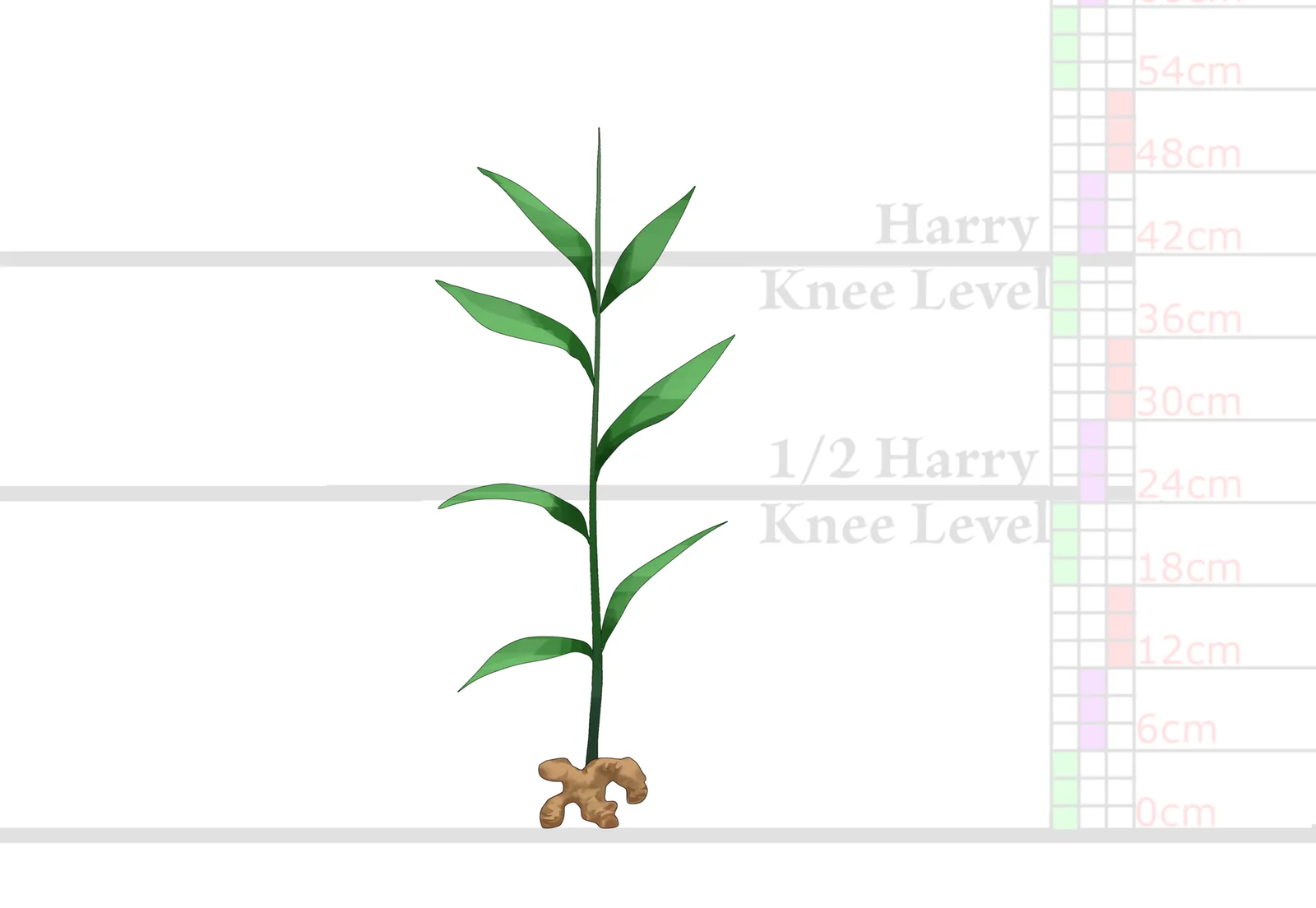
O Lolish é o favorito de Gandew, com alguns Darfaries fazendo o caminho todo até a zona de transição do deserto semiárido para colher o seu próprio lolish, porque eles são assim mesmo. A raiz com sabor de gengibre combina bem com a culinária e as bebidas deles, para esquentar nas noites geladas do deserto.
Texto público: flora.md
Bastidores · anotações completas
-
Website Description
- Lolish is a favorite of Gandew, with some Darfaries making the track all the way to the semi-arid desert transitional zone to pick up their own lolish because that's just who they are. The ginger-flavored root pairs well with their cuisine and drinks, warming you up on frigid desert nights.
-
História do Isekai
- A root found in the desert of Gandew
-
Scientific History
- Ginger
-
Habitat
- Found buried in the desert (closer to transitional zones)
-
Economic Value
-
Lolish Roots
- História do Isekai
- See above
- Referência visual
- See below
- História do Isekai
-
-
Tastes Like
- Ginger
-
Growth
- ~2 Seasons
-
Capacidades de Energia da Alma
- Interface
- Nenhuma
- Skills
- Nenhuma
- Interface
-
Referência visual
Mais 3 entradas desta página estão só nos .
Fontes: Legacy/Public/flora.md, Legacy/Behind The Scenes/World Lore/Flora.md